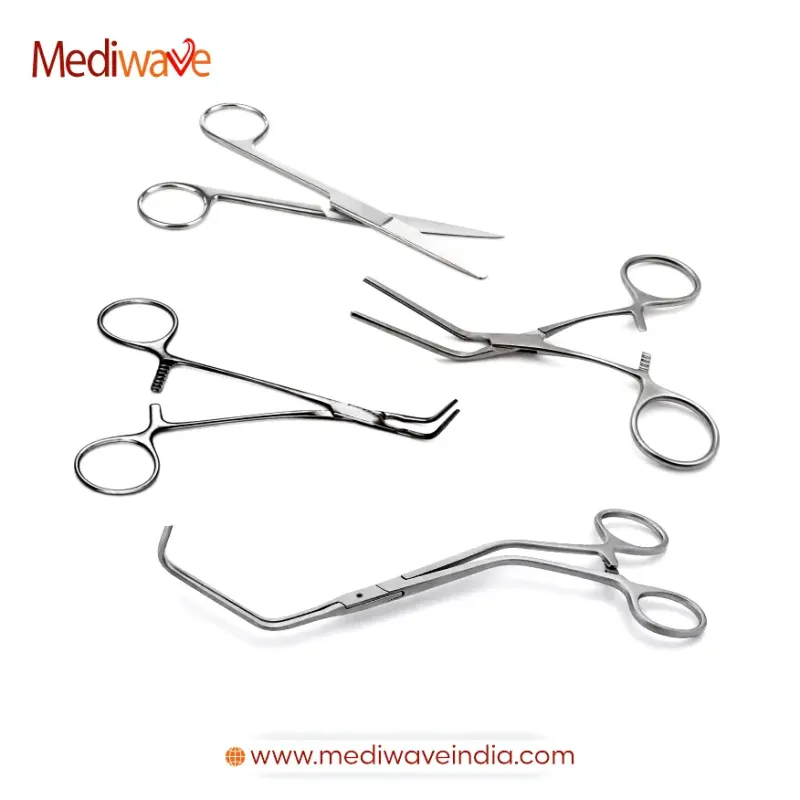
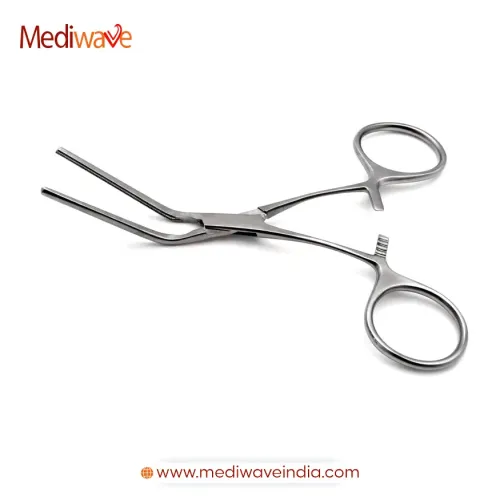
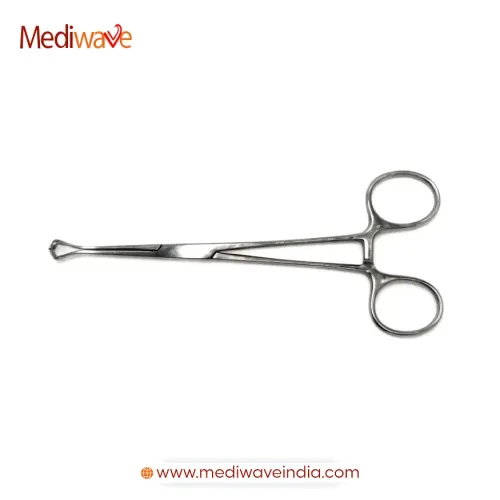
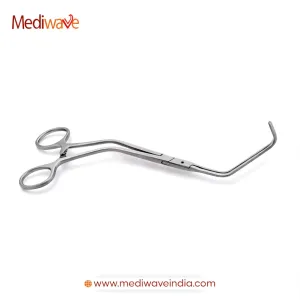
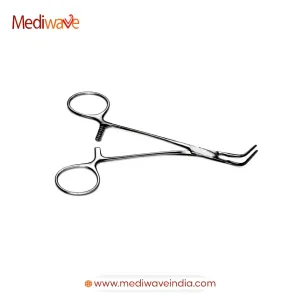
India has become a trusted destination for Cardiovascular and Vascular Instruments Manufacturers in India, which provides highly accurate instruments in cardiac and vascular surgeries. Manufacturers adhere to standard machining, controlled finishing and proven inspection procedures to make sure that there is consistency in batches. These tools are aimed at assisting in the delicate handling of vessels, precise clamping, and controlled access to the surgical area to satisfy the demands of hospitals, surgeons, and procurement teams that are concerned with long-term performance.
The contemporary production is focused on the compatibility with the heart surgery equipment that is applied in the complex and high-risk operations. Balance, tip alignment, and tactile response are considered to assist the surgeon in controlling the procedure during cardiovascular operations. The production units have traceability, material certification, and process documentation, which assist the healthcare buyers to determine reliability, regulatory preparedness, and capacity to undergo repeated sterilization cycles in the high-volume surgical setting.
Precision is very crucial in cardiovascular procedures whereby a minute misalignment of tools may affect the outcomes of blood vessel tools. In order to reduce tissue trauma, surgeons depend on the appropriate clamping force, jaw location, and controlled grip. Accurate tools assist in predictable operation in the event of vessel isolation, temporary occlusion, and repair, which assist surgical teams to ensure safety and efficiency of procedures in open and minimally invasive surgery.
The quality of cardiac surgery instruments in complex cardiac settings directly influences the control of the procedure and patient safety. Instruments should be used in a consistent manner with magnification and long usage without slipping or deformation. Well-designed designs enable surgeons to operate safely around delicate vascular systems and minimize the chances of complications and help in standardizing surgical procedures that are observed in contemporary operating rooms.
| Parameter | Specification |
|---|---|
| Material | Medical-grade Stainless Steel |
| Surface Finish | Smooth / Satin / Polished finish |
| Corrosion Resistance | High resistance to corrosion |
| Sterilization Compatibility | Autoclave compatible |
| Precision | High precision for vascular handling |
| Reusability | Reusable after proper sterilization |
| Durability | Designed for long service life |
| Application | Cardiovascular and vascular surgical procedures |
Cardiovascular and Vascular Instruments Suppliers in India have become the source of a dependable supply of essential surgical equipment for healthcare buyers. The suppliers are concerned with inventory precision, standard packaging, and batch-traceability to facilitate the procurement cycle in the hospitals. The correct coordination with manufacturers would enable suppliers to provide compliant instruments that can be used in cardiovascular procedures and ensure consistency in quality, documentation, and the technical support of the supplies provided to the institutional clients.
Global healthcare markets trust Exporters of Cardiovascular & Vascular Instruments in India for adherence to international quality expectations and logistics discipline.Export-ready instruments are filled with sterilization compatibility consideration and are backed with regulatory documents. Exporters also make sure that they comply with the destination-country standards, and hospitals and distributors can obtain reliable vascular instruments without any delays, quality difference, or compliance issues.
Various cardiovascular surgeries necessitate the use of vascular clamps tools as temporary vessel control instruments that do not traumatize the vessel. These tools are designed in different jaw profiles, lengths, and pressure distribution to accommodate arteries, veins and grafts. The choice is based on the accessibility of the surgery, the size of the vessel, and the complexity of the procedure, so appropriate classification is required when hospitals standardize their sets of cardiovascular instruments.
Vascular clamps and surgical instruments are designed to be manipulated in a controlled manner with limited access points through which they are to be manipulated in minimally invasive settings. A balanced tension, low profiles, and precise placement of the tips allow the surgeons to work efficiently without affecting the integrity of the vessels. These machines contribute to the reduction in the movement of tissues and the predictability of clamping, which is consistent with the current trends in surgery, where safety and precision of the practice are prioritized.
The medical vascular clamps that are used in cardiovascular surgeries are meticulously engineered and designed to offer the best control and stability. Ergonomic grips, the distribution of weight, and the proper positioning of the jaw reduce the fatigue of the surgeon and increase the efficiency of the procedure. These design factors make the instruments reliable to work in high-pressure surgical situations to assist in both open and minimally invasive surgery with a high level of accuracy.
High-tech engineering makes sure that the vascular surgery clamp mechanisms are kept in the same tension to avoid slipping or damaging the vessels. The choice of materials, the hinge, and the quality of finish are designed to be used in repeated cycles of sterilization without deterioration. Such attention to the integrity of design enables the surgeons to obtain predictable results, reduce the time spent on the operation, and ensure patient safety during the most important cardiovascular interventions.
High-quality stainless steel vascular clamps are the backbone of durable cardiovascular instruments. Stainless steel is corrosion-resistant and thus lasts longer and operates smoothly after repeated autoclaving. Its biocompatibility and chemical sterilant resistance will make it suitable for surgical use, allowing hospitals and clinics to depend on the instruments that will still be precise, safe, and clinically intact after many years of use.
Besides stainless steel, the contemporary cardiovascular instruments are being designed using special alloys in vascular forceps to enhance tensile strength and reduce deformation under load. Anti-reflective finishes, surface treatments, and polishing improve the handling of instruments, decrease tissue trauma, and offer predictable performance. Material selection plays a key role in making instruments of international quality and compatible with the demanding surgical conditions.
Safety is one of the most important things that affects how the blood vessel clamp is made. To ensure that the vessel is not damaged, the ends should be rounded and smooth and that the locking mechanisms are precise. The instrument designers are trying to minimize accidental slips, control clamping pressure and provide ergonomic grips. Such safety-oriented functions enable the surgeons to carry out the delicate vascular procedures with confidence and reduce the intraoperative complications.
Contemporary surgical vessel clamp designs are fail-safe, designed to increase operational safety in adult and pediatric cardiovascular surgery. Handles are color-coded, tension calibration and textured surfaces enhance usability and minimize errors. The design is thoughtful not only to protect the patient but also to improve the work of the surgeon, and these types of tools cannot be overlooked in the operating rooms, where the work is very serious.
Vascular clamps and surgical instruments require effective sterilization procedures, which guarantee the absence of pathogens on instruments prior to cardiovascular operations. Instruments can be repeatedly autoclaved with stainless steel or other materials resistant to corrosion. The hospitals are concerned with instruments that can deliver high standards of infection control to protect the health of the patients and minimize the chances of contracting surgical site infections. The vascular clamp tools are also placed and stored in a proper manner, thereby minimizing the chances of contamination. Special trays, coating, and regular inspection procedures will keep the instruments sterile and operational. Such infection control strategies, together with quality materials allow surgeons to ensure safe surgical conditions, which strengthens the belief in the use of cardiovascular and vascular tools to conduct critical procedures.
When choosing the most appropriate vascular clamps, there is a need to weigh the accuracy, reliability, and applicability to a specific procedure. Surgeons are more concerned with instruments that provide good control, less tissue trauma, and ergonomics. The material quality, sterilizability, and compatibility with the current surgical procedures are also matters of concern for hospitals to achieve the best results in cardiac and vascular surgery.
Corrosion resistance, weight and grip design are other important factors to be taken into consideration in stainless steel vascular clamps. The instruments that are well marked, with constant tension, and with finishes of good quality minimize errors in operation. The choice of the appropriate instruments assists in surgical accuracy, increases patient safety, and improves the general efficiency of high-stakes cardiovascular surgical procedures.
The care of vascular clamps maintenance is also associated with the careful use of sterilization methods that do not damage the surface of the instrument with harsh chemicals. Adequate storage in specific trays and observation of the integrity of the instruments help in avoiding contamination and also helps in making sure that the surgical teams can rely on the tools during high-stakes procedures.
The care of vascular clamps maintenance is also accompanied by the careful use of sterilization methodology, which does not involve the use of harsh chemicals that may destroy the surface of the instrument. It is possible to avoid contamination and maintain the integrity of instruments by storing them in special trays and checking the integrity by means of monitoring the condition of this equipment, thereby allowing surgical teams to rely on them in high-stakes surgeries.
Cardiovascular surgery tools are critical in both diagnostic and curative cardiovascular operations. Since the clamping of blood vessels during a bypass is a part of the operation, and the exact movements in the minimally invasive surgeries, these tools help the surgeons to conduct the delicate procedures with precision, which is a guarantee of patient safety and the best possible results of the surgery.
The use of blood vessel instruments is necessary in the simplest of vascular repairs to the most complex heart operations. These equipment helps in accurate management of vessels, less bleeding in surgery, and management of delicate tissues effectively, therefore making surgery and recovery more efficient in patients undergoing cardiovascular surgery.
Periodic check-up of vascular forceps can be used to confirm that such precision instruments are at optimum performance during critical surgeries. To avoid intraoperative failures, surgeons and biomedical teams verify alignment, locking mechanisms, and surface integrity. The written test procedures help in the maintenance of quality, the reduction of the risk of complications, and extend the life of such crucial cardiovascular devices.
Vascular clamps undergo a functional test to test their medical quality before every surgical operation. This involves checking the grip strength, jaw alignment, and easy operation .The tools that are subjected to strict examination contribute to open-heart and minimally invasive surgeries, offer credibility to the complex vascular surgeries, and comply with the quality standards in the hospitals.
New technologies have been developed in the vascular forceps to make them more precise and useful during cardiovascular surgeries. Surgeons are able to work with delicate blood vessels with minimum trauma due to advanced materials, ergonomic designs, and enhanced locking mechanisms. These technological improvements are not only enhancing the results of the surgery but also minimizing the chances of developing complications, which makes the operations safer for the patients.
The combination of digital imaging and minimally invasive procedures with the best vascular tools has changed contemporary vascular care. Indeed, nowadays surgeons can handle more complex operations with more accuracy, and they have the benefit of having tools that are robust, dependable, and manageable.These inventions make the cardiovascular interventions more efficient and friendly to the patient.
Mediwave is also well known for the supply of cardiovascular and vascular equipment, which have combination of high degree of engineering as well as durability.The reason why Mediwave instruments are applied in hospitals and surgical centers is the possibility to use them on a regular basis, meet international standards, and conduct complex surgical operations safely and effectively.
Mediwave ensures that all the cardiovascular and vascular equipment is of superior quality, and with professional support, punctuality, and quality control. The company has also been devoted to excellence, and this has seen Mediwave become the partner of choice to the surgeons and procurement teams of the hospitals and clinics in India and the export markets.
Contact Mediwave now to secure the best tools for advanced cardiovascular care.
Cardiovascular and vascular instruments are specialized surgical tools used for procedures related to the heart and blood vessels. These instruments help surgeons perform delicate tasks like cutting, holding, clamping, and repairing vessels with high precision and minimal damage.
Some commonly used instruments include vascular clamps, forceps, scissors, needle holders, and catheters. For example, tools like DeBakey forceps are designed to handle delicate blood vessels safely without causing injury.
Cardiovascular instruments are made atraumatic (non-damaging) to protect sensitive tissues like arteries and veins. Their special design, such as fine serrations and smooth edges, ensures safe handling during surgeries and reduces the risk of complications.
These instruments are widely used in procedures like bypass surgery, angioplasty, valve repair, and vessel anastomosis. They are essential in hospitals, cardiac centers, and surgical units where precision and safety are critical.
Need help?
+91-9888041825Upgrade Your Medical Supplies With Precision Surgical Instruments. Get in Touch.
Call Us Anytime 24/7
+91-9888041825