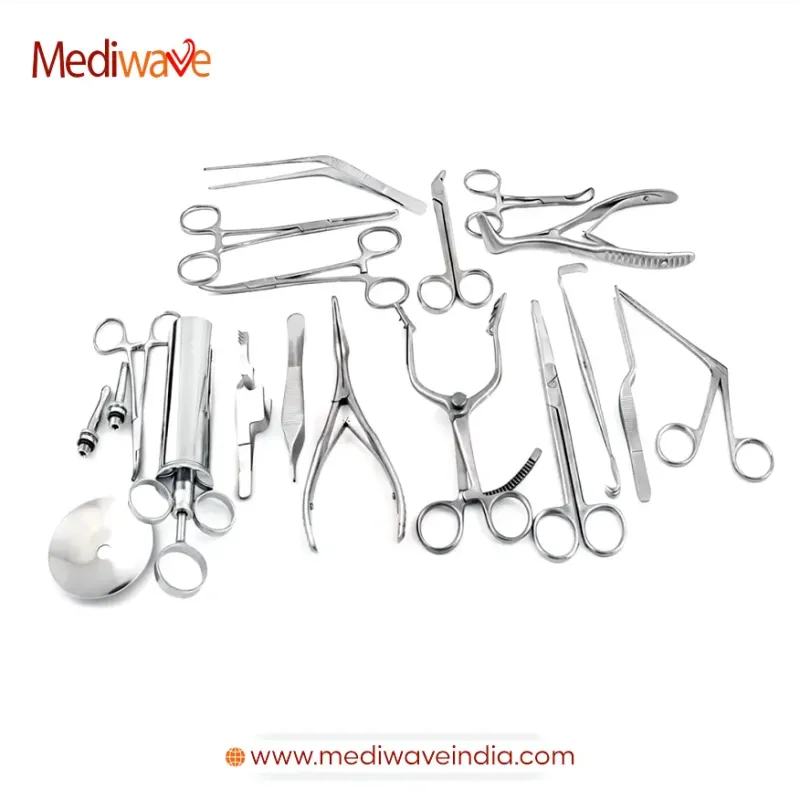
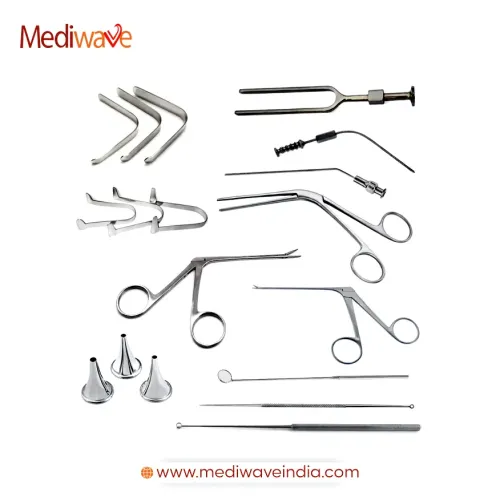
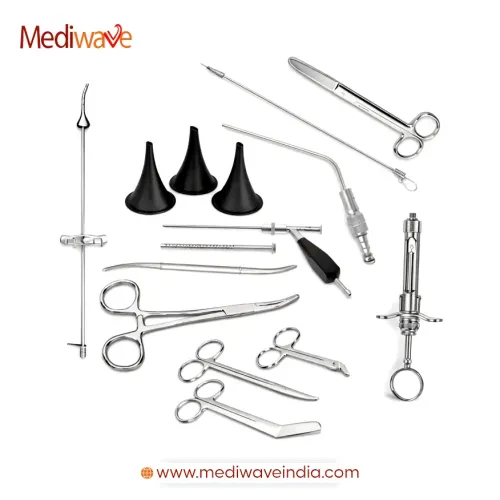
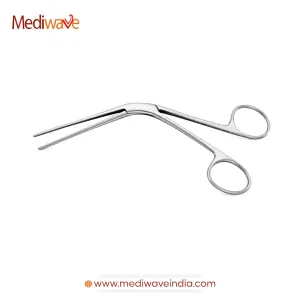
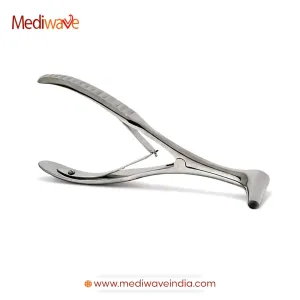
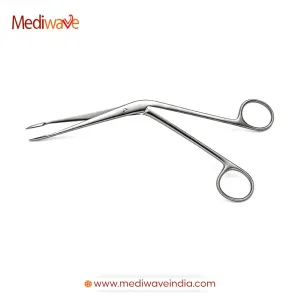
India has grown as a reliable source of accurate ENT equipment on the basis of regulated production and instrument-making skills. The Nasal Instruments Manufacturers in India specialize in making the instruments that satisfy the formalisms of accuracy in the diagnostic procedures and surgeries of the ears and nose. All of the phases, including the raw material selection and the final inspection, are aimed at facilitating the same clinical results.
Manufacturing units work within set quality systems where the quality is determined in terms of dimensional correctness, smooth finishing of surfaces, and ergonomic equilibrium. These conditions are essential in the case of ENT surgeons, where controlled manipulation is required in nasal examination and surgical practice. The standards of production are combined with the standards of safety, durability, and long-term use, which are expected by the hospitals in procurement.
Manufacturing Focus Areas
The use of nasal instruments is crucial in both normal check-ups in the ENT office and advanced surgery. Their clinical implication is applicable to outpatient diagnosis until controlled operating room procedures. Nasal instruments uses include nasal cavity inspection, foreign body removal, tissue handling, and assistance during functional nasal surgeries.
These tools are aimed at advising exposure, accessibility, and patient safety. Angulation and grip allow ENT specialists to conduct their work with minimum trauma to tissues, which is suitable for both diagnostics and intervention processes of the modern practice of ENT.
Healthcare organizations in India depend on the Nasal Instruments Suppliers in India to obtain stable access, equality, and open sourcing. The suppliers fill the gap between the manufacturing units and the hospitals through their maintained inventories, traceable documentation, and packaging that is appropriate to the medical storage and transportation.
On the global front, Nasal Instruments Exporters in India support international distributors with compliance-ready instruments, export-grade packaging, and predictable lead times. Export supply chains are structured to meet regulatory expectations of overseas healthcare systems while preserving instrument integrity during transit.
| Parameter | Specification |
|---|---|
| Brand | Mediwave |
| Material | Medical-grade Stainless Steel |
| Surface Finish | Mirror / Matte finish |
| Design Standard | Slim, atraumatic design for nasal examination and procedures |
| Handling | Ergonomic, slip-resistant grip |
| Sterilization Method | Autoclave, ETO, Chemical Sterilization |
| Usage | ENT clinical and hospital procedures |
| Quality Compliance | ISO-aligned manufacturing standards |
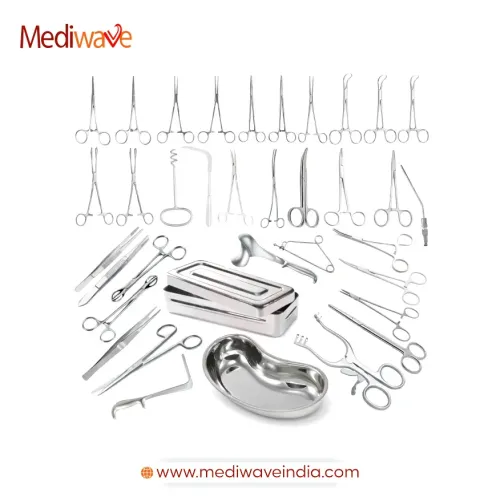
ENT professionals rely on a set of tools that are organized in a particular way and have specific purposes. A standardized nasal instruments list is a list that assists hospitals and clinics in planning their procurements not randomly, but according to the demand of their procedures. Classification guarantees the appropriate choice of instruments and efficiency in work.
These tools are classified in terms of diagnostic applications, assistance in surgery, and treatment-related functions. Adequate classification eliminates the intra-operative delays and enhances the sterilization planning by pooling the tools that have equal handling and cleaning needs.
The accuracy of ENT surgeries requires instruments that are responsive to hand movements. Precision nasal instruments are designed to have a balanced weight, smooth edges, and control grip areas to assist in constant control in performing maneuvers within small openings in the nasal passages.
Slim profiles and atraumatic tips are some of the design features that minimize tissue stress and retain control of the surgery. These characteristics have direct effects on the procedural accuracy, the comfort of a surgeon, and the safety of a patient during short and long ENT procedures.
The material quality is known to determine the survival of the ENT tools as well as their performance reliability. The common practice of using stainless steel nasal instruments is due to the fact that it is strong, resistant to corrosion, and can undergo sterilization. Medical-grade steel provides the instruments with shape and finish even after prolonged clinical use.
The surface finishing is also essential since polished surfaces with minimal contamination risks and easy cleaning, facilitate the cleaning process. Good structural integrity helps to handle repeated use without the looseness of joints and misalignment.
Clinical reliability depends on predictable performance under real operating conditions.Good quality nasal instruments provide unvarying response of gripping, controlled application of pressure, and non-varying position during ENT operations. These traits enable the surgeons to focus without having to counter the shortcomings of the tools.
Functional accuracy saves procedural time as well as enhancing patient comfort. Tools that can be consistently applied to cases create trust in ENT professionals and facilitate the normative treatment procedures.
In contemporary hospitals, emphasis is placed on the instruments that fit well into the sterilization processes. Autoclavable nasal instruments are meant to be used with high temperatures of steam that can be sterilized without surface or functional loss. This ensures repeated safe use across multiple procedures.
Reusability also increases the cost efficiency and does not affect clinical safety. Devices that can be sterilized according to OT regulations minimize the turnaround period and facilitate patient throughput settings.
Procurement departments evaluate tools in terms of their performance, durability, and compliance, and not their looks. Nasal instruments for hospitals are tested on the basis of consistency, simple sterilization, and compatibility with the existing ENT setups.
‘Purchasing decisions are also affected by clinical feedback, reliability of suppliers, and after-sales provision. When choosing ENT instruments, hospitals aim to acquire long-term value as opposed to short-term cost savings.
The focus of the medical instrument manufacturing is on regulatory compliance. Nasal surgical instruments are developed as a result of controlled quality systems that focus on the safety, dimensional accuracy, and traceability. The batches are inspected to attain predetermined clinical standards.
The adherence to national and international standards creates trust between the hospitals and the distributors. These standards enable instruments to work in a safe manner in a variety of clinical settings.
The Mediwave is known as dedicated to clinical accuracy, sustained excellence, and procurement prepared solutions. The company specializes in providing medical-grade nasal instruments, which are up to the standard of the hospital in terms of durability, safety, and functional accuracy.
Integrating manufacturing experience with rigid quality standards, Mediwave helps ENT experts in working with the tools tailored to actual clinical requirements and not standardized.
Looking to source reliable Nasal Instruments for clinical or surgical use?
Contact with Mediwave today for specifications, bulk purchases, or procurement-ready solutions available to hospitals, clinics, or world distributors.
They are used for nasal examination and minor surgical interventions.
Smooth finishing helps minimize tissue irritation during use.
Yes, they are manufactured using corrosion-resistant materials.
Need help?
+91-9888041825Upgrade Your Medical Supplies With Precision Surgical Instruments. Get in Touch.
Call Us Anytime 24/7
+91-9888041825