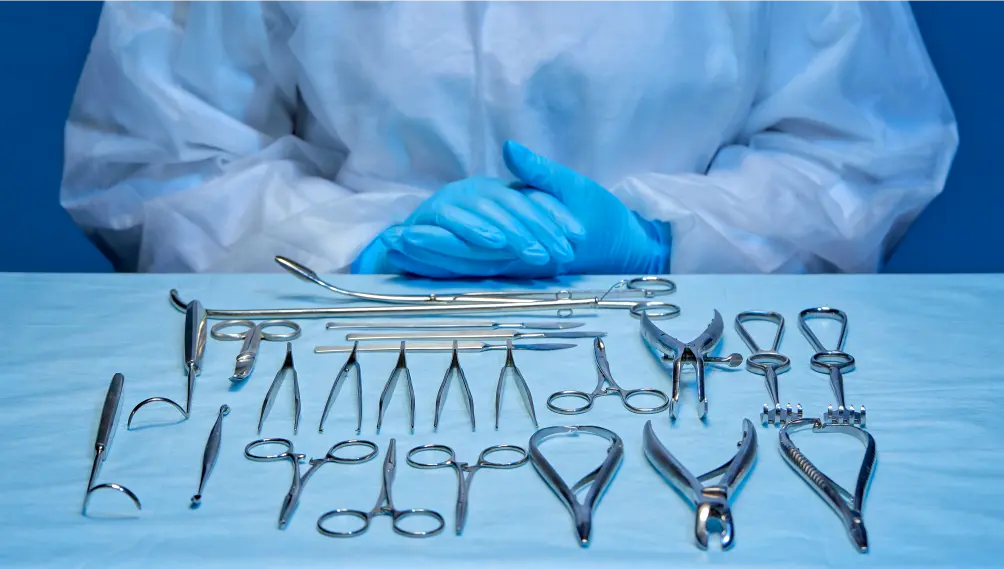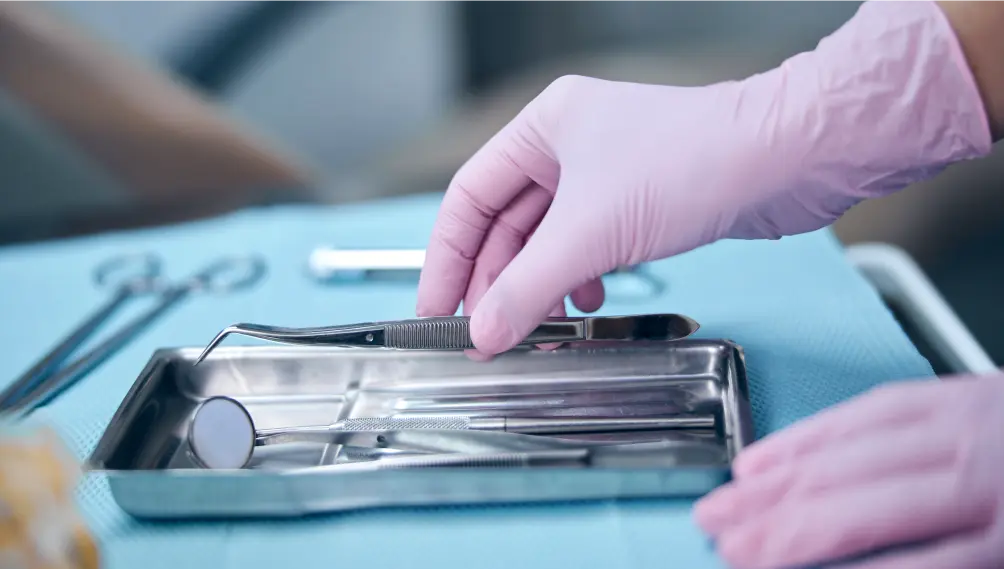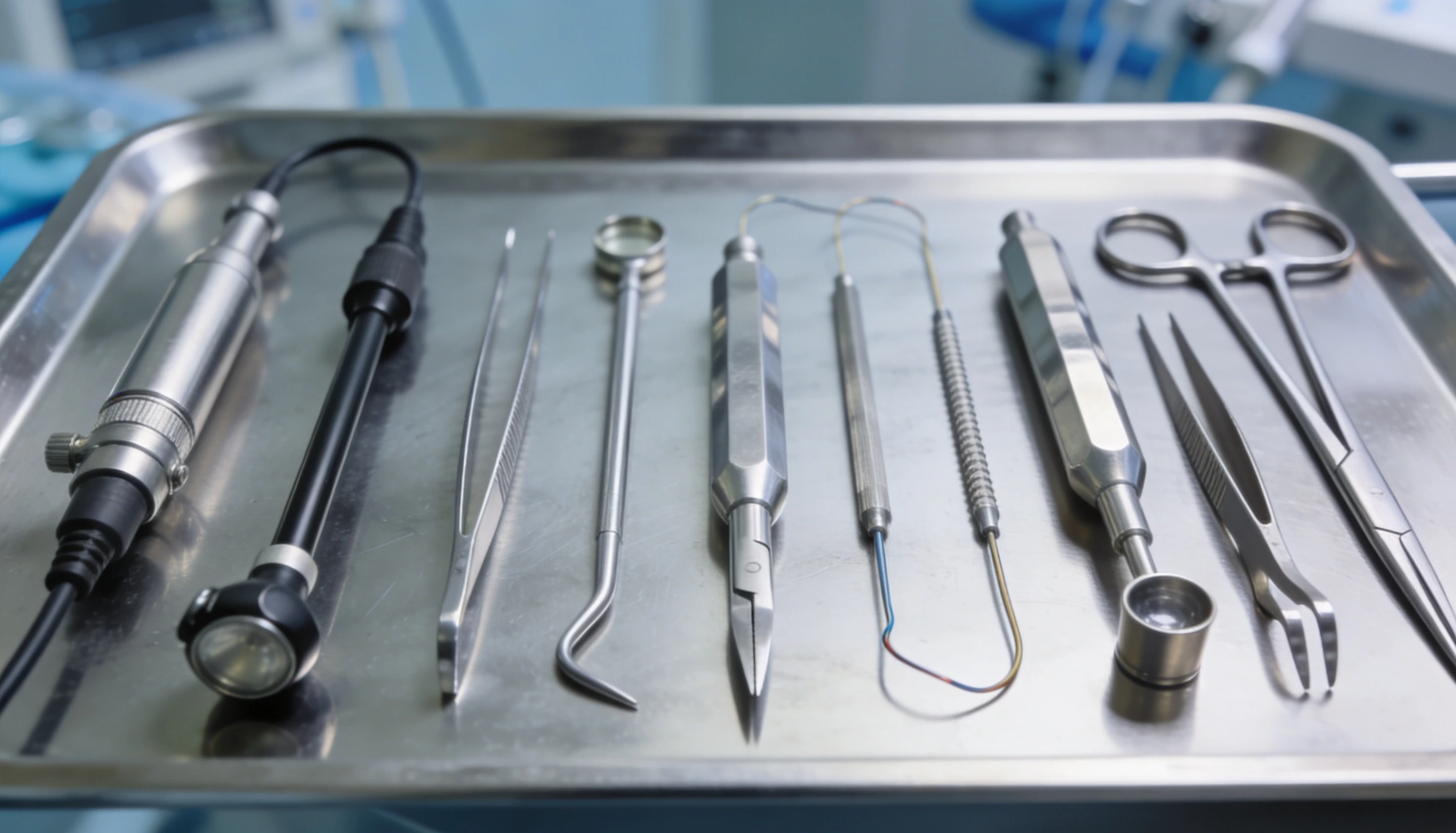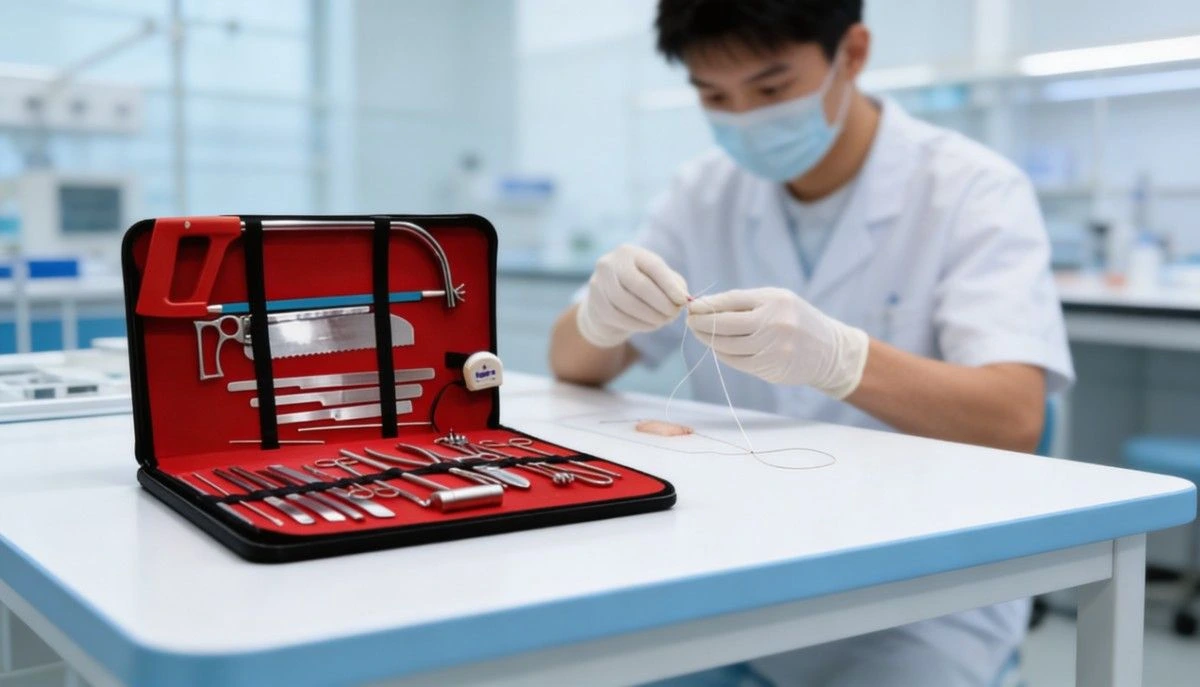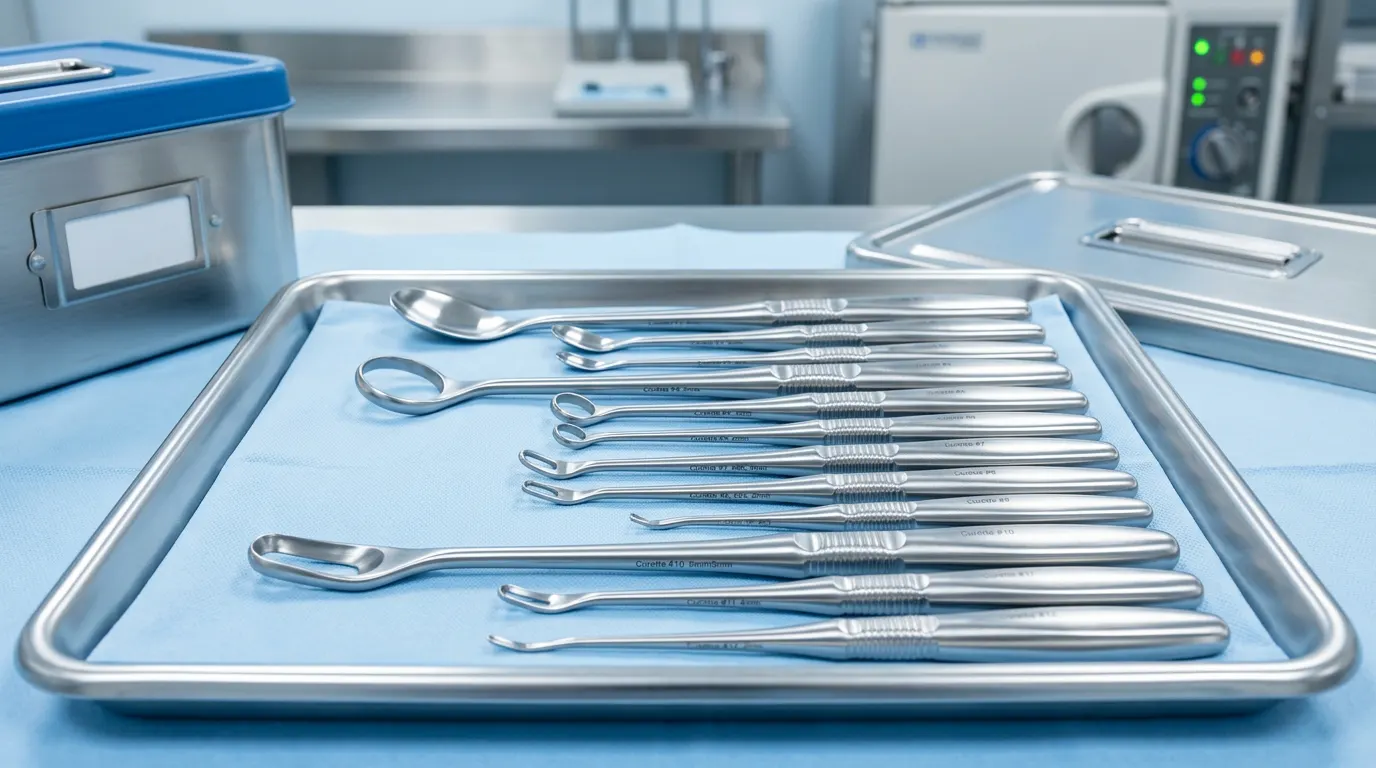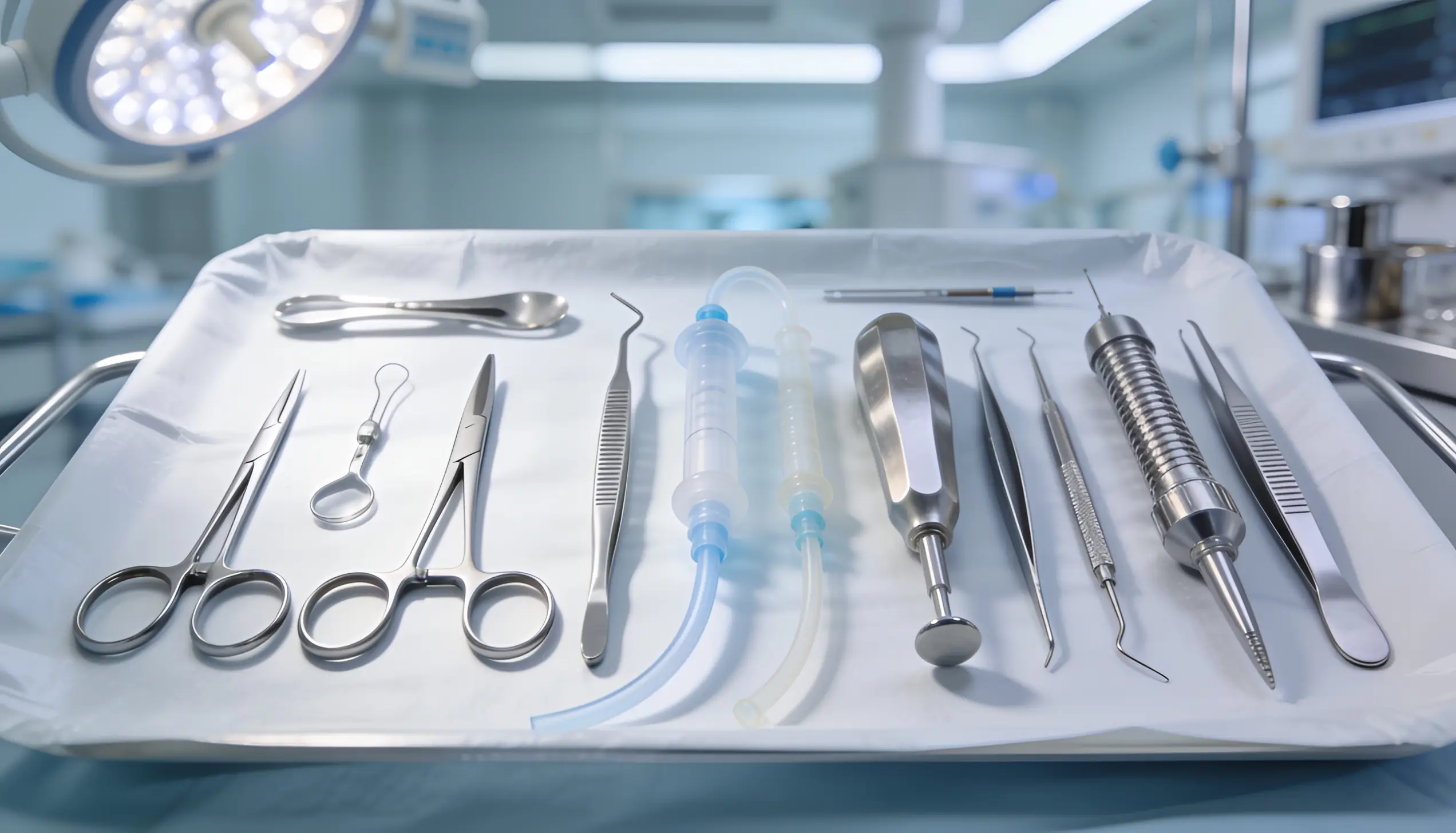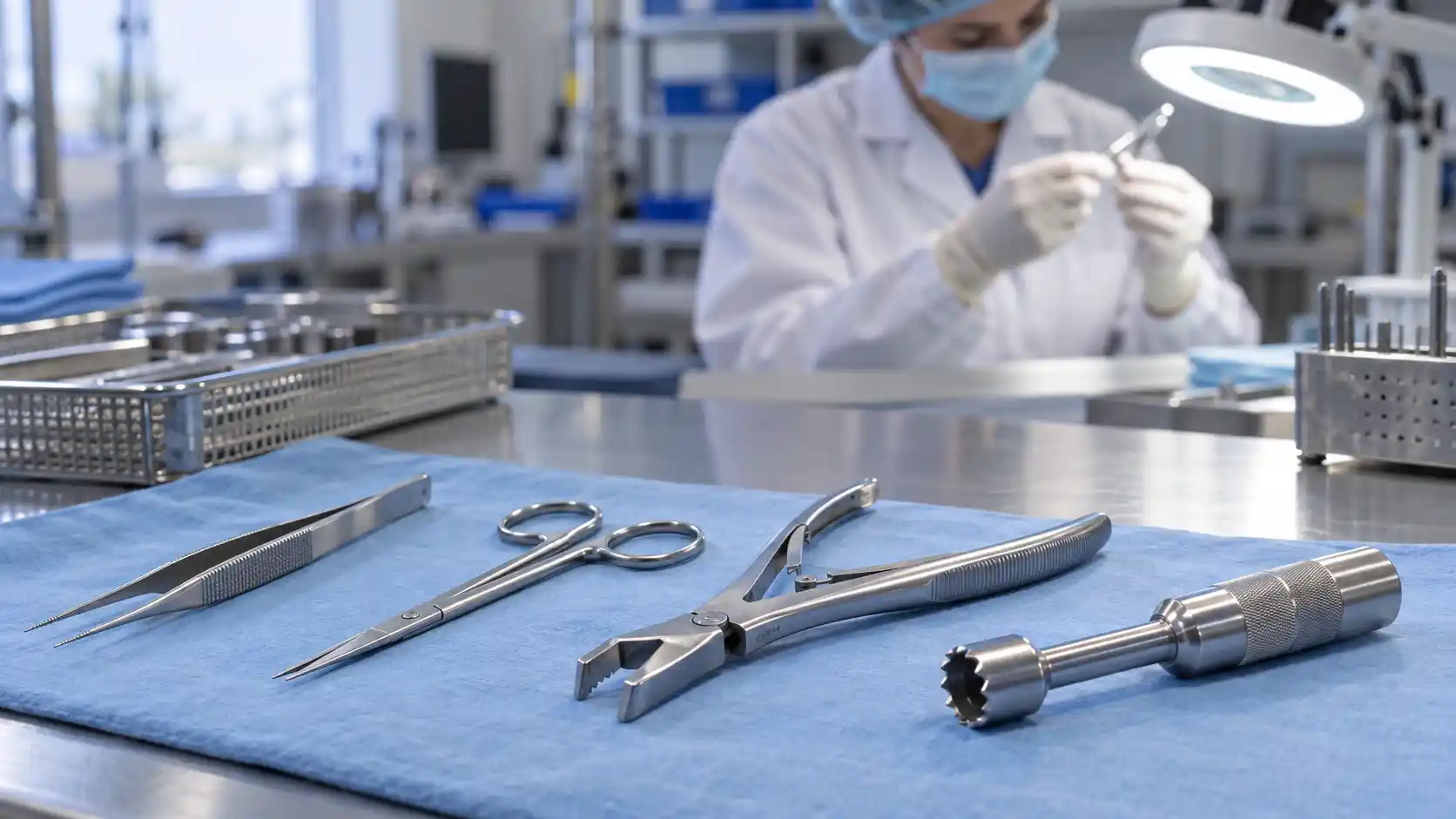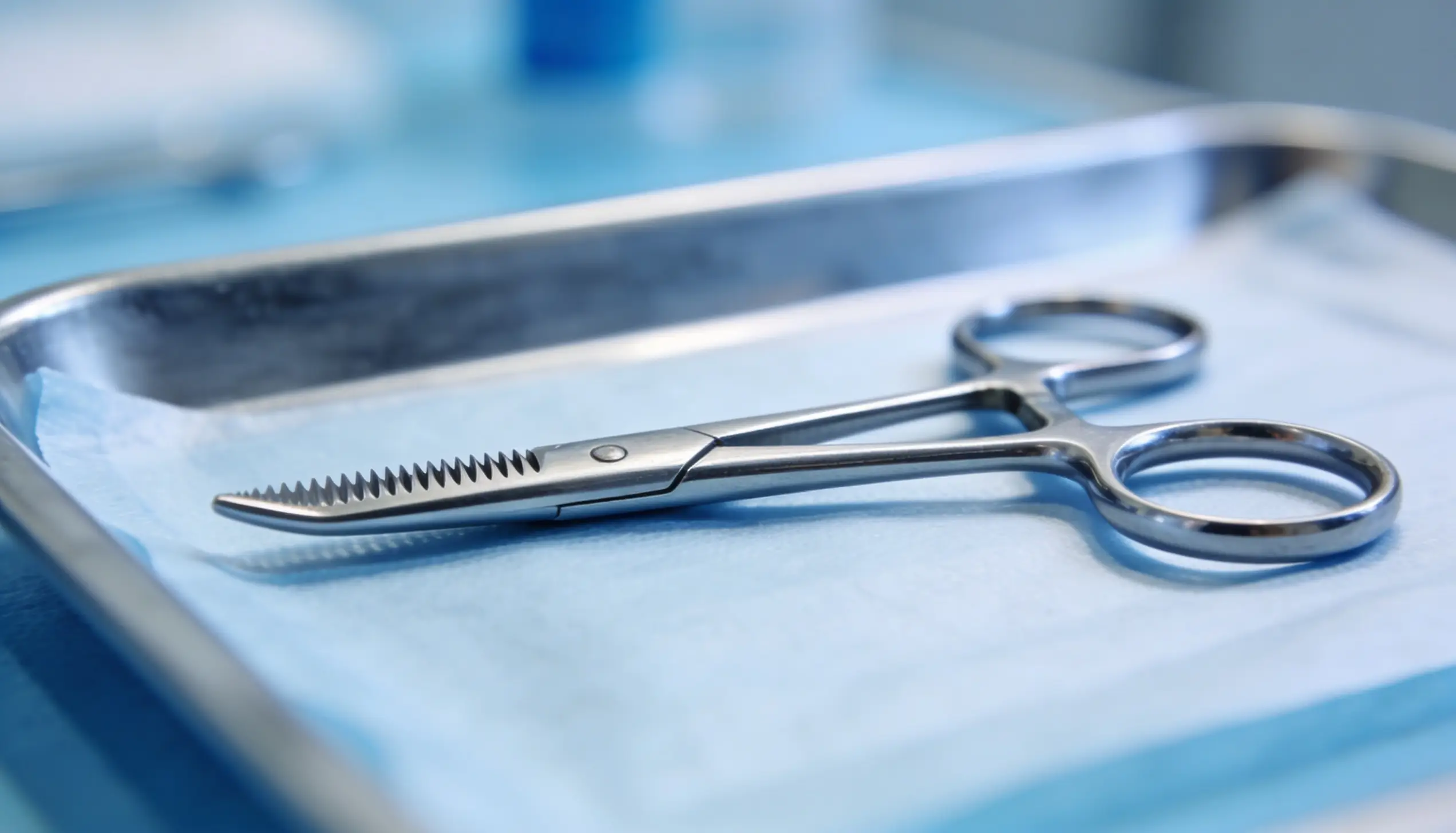
In surgery, the difference between perfection and failure is in millimeters. When a surgeon is operating in the fine tissues of the human body, there can be no margin of error. That is precisely why surgical forceps are not considered tools, but an actual continuation of the hands of the surgeon. Whether it is clamping a microscopic artery or holding skin for suturing, the choice of the right instrument dictates the success of the procedure.
At Mediwave, we realize that each surgery is unique, and the medical professionals need a degree of reliability that is not compromised when it is needed. This complete guide divides the various types of surgical forceps, the engineering process that goes into them, and why high-grade stainless steel surgical forceps are the standard of every hospital. In case you are a medical practitioner or handle procurement in a hospital, this guide is the most important source of insight to select instruments that will improve clinical outcomes.
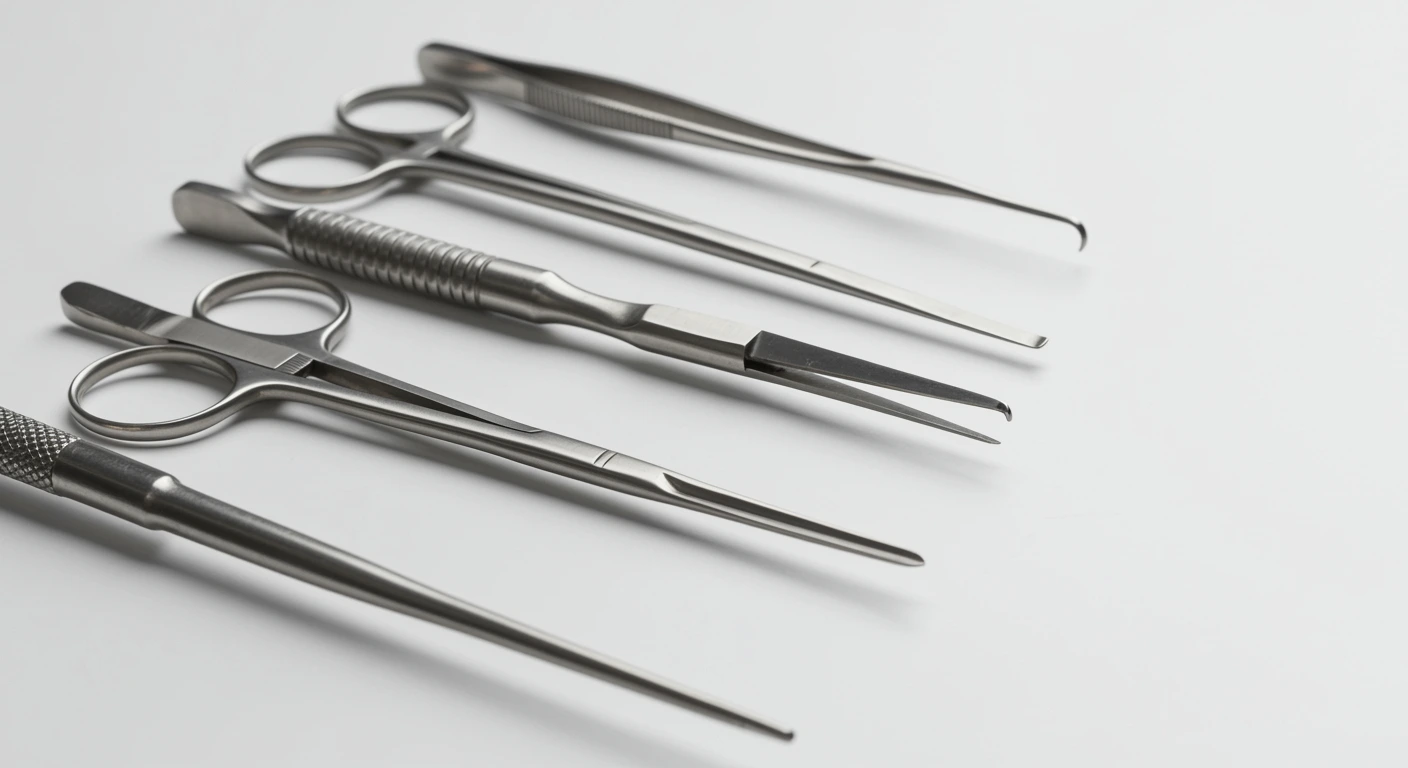
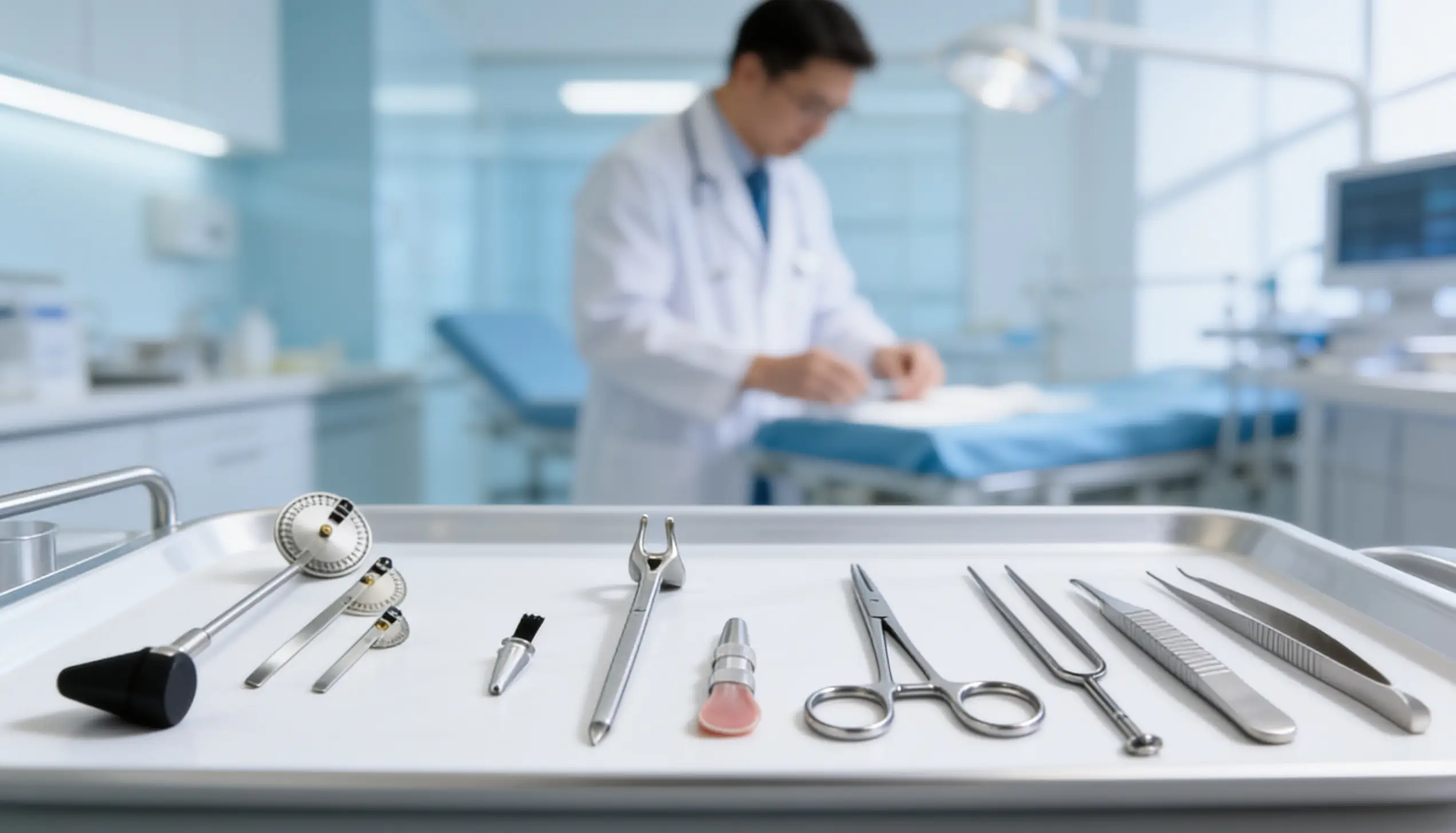
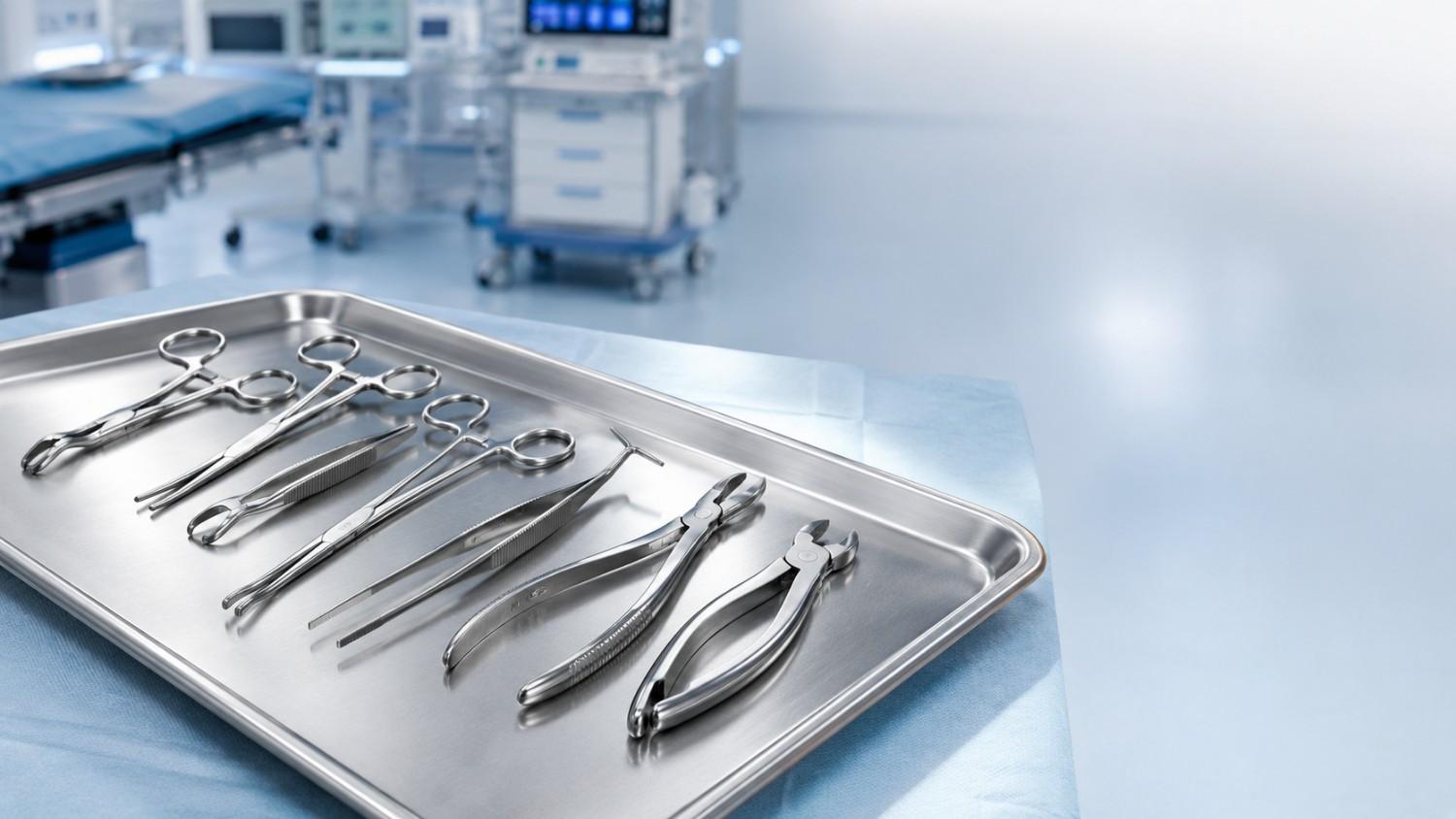
Surgical forceps are hand-held, hinged tools that are used to hold and grasp objects. They are developed based on the lever concept and offer the mechanical force required to apply force or hold on to slippery or fragile biological structures.
For medical professionals, these tools are classified based on their function:
There is no pair of forceps that can be used to complete all tasks during a surgery. The range of types of surgical forceps is a manifestation of the diversity of tissues of the human body, from hard skin to delicate nerves.
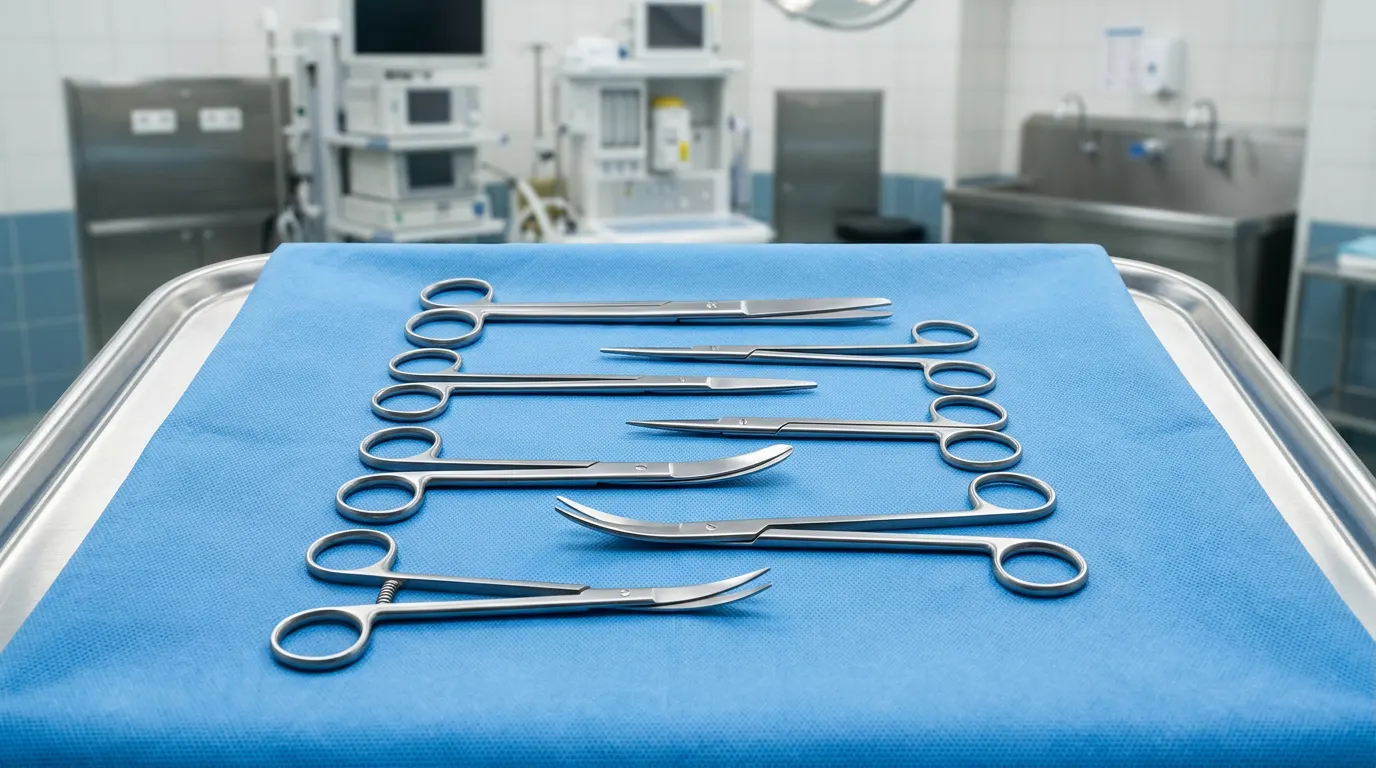
The most famous, they are applied to control bleeding by clamping the blood vessels (hemostasis). Examples include:
These are designed specifically to minimize trauma while providing a secure grip.
Adson Forceps: This is a general instrument in every surgical set, and it has a broad handle to be firmly held by the thumb; it is frequently applied to suture skin.
Allis Forceps:· Features "teeth" that allow for a firm grip on heavy tissues like fascia.
Used primarily for handling surgical dressings, packing wounds, or removing debris. Their tips are usually blunt or serrated to prevent accidental tissue piercing.
Since the extraction of foreign bodies through ophthalmic (eye) surgery, the specialized forceps have been designed with microscopic accuracy to work on the smallest of structures.
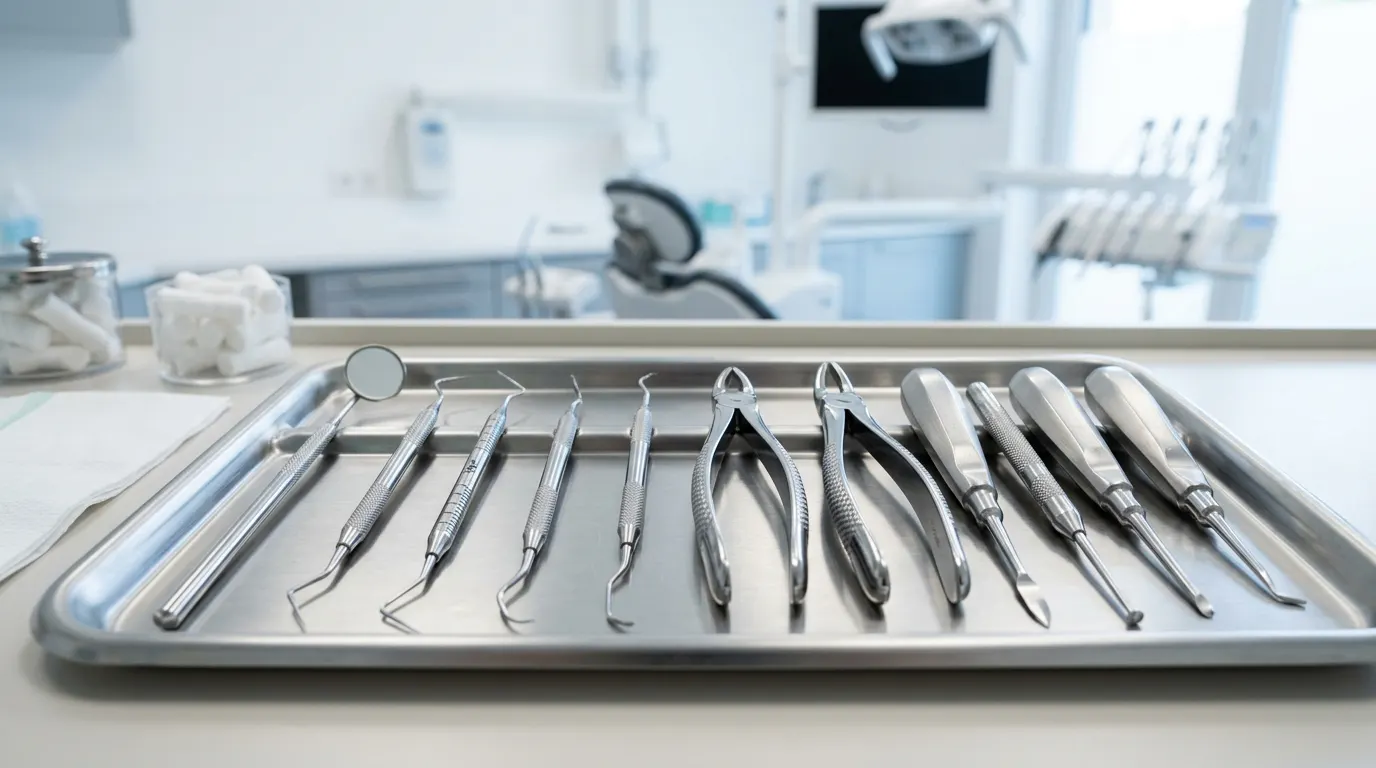
Surgeons use numbers instead of names in high-pressure surgery, where names are too slow. Unless you know your 17 and 18, you are not only wasting time, but also putting your accuracy at stake. Whether you are a dental specialist or a general surgeon, understanding the specific "Grip Logic" of each instrument is what separates a master from an amateur.
At Mediwave, we don’t just manufacture tools; we engineer solutions for the most complex anatomical challenges. Below is the ultimate reference guide that every modern clinic and hospital procurement team needs to bookmark.
|
Forceps Code/Name |
Category |
The "Where" (Primary Application) |
The "Why" (Strategic Advantage) |
|
No. 17 |
Dental |
Lower Mandibular Molars |
Features: Bifurcated Beaks that lock into the root split for a "No-Slip" extraction. |
|
No. 18 |
Dental |
Upper Maxillary Molars |
An S-Shaped Ergonomic Curve designed to bypass the cheek and reach the deepest molars. |
|
No. 22 |
Dental |
Lower Universal (Molar) |
Known as the "Hawks Bill, its 90° angle provides the mechanical leverage needed for stubborn teeth. |
|
No. 44 |
Dental |
Deep Root Fragments |
Needle-Thin Beaks are engineered specifically to retrieve broken tooth tips without damaging the bone. |
|
Adson (12 cm) |
General |
Skin & Aesthetic Closure |
A Wide-Body Thumb Grip that provides "Pen-Like" control for perfect, minimal-scar suturing. |
|
Kelly/Crile (14 cm) |
General |
Emergency Hemostasis |
A Double-Step Ratchet Lock that guarantees a vessel stays clamped until the surgeon says otherwise. |
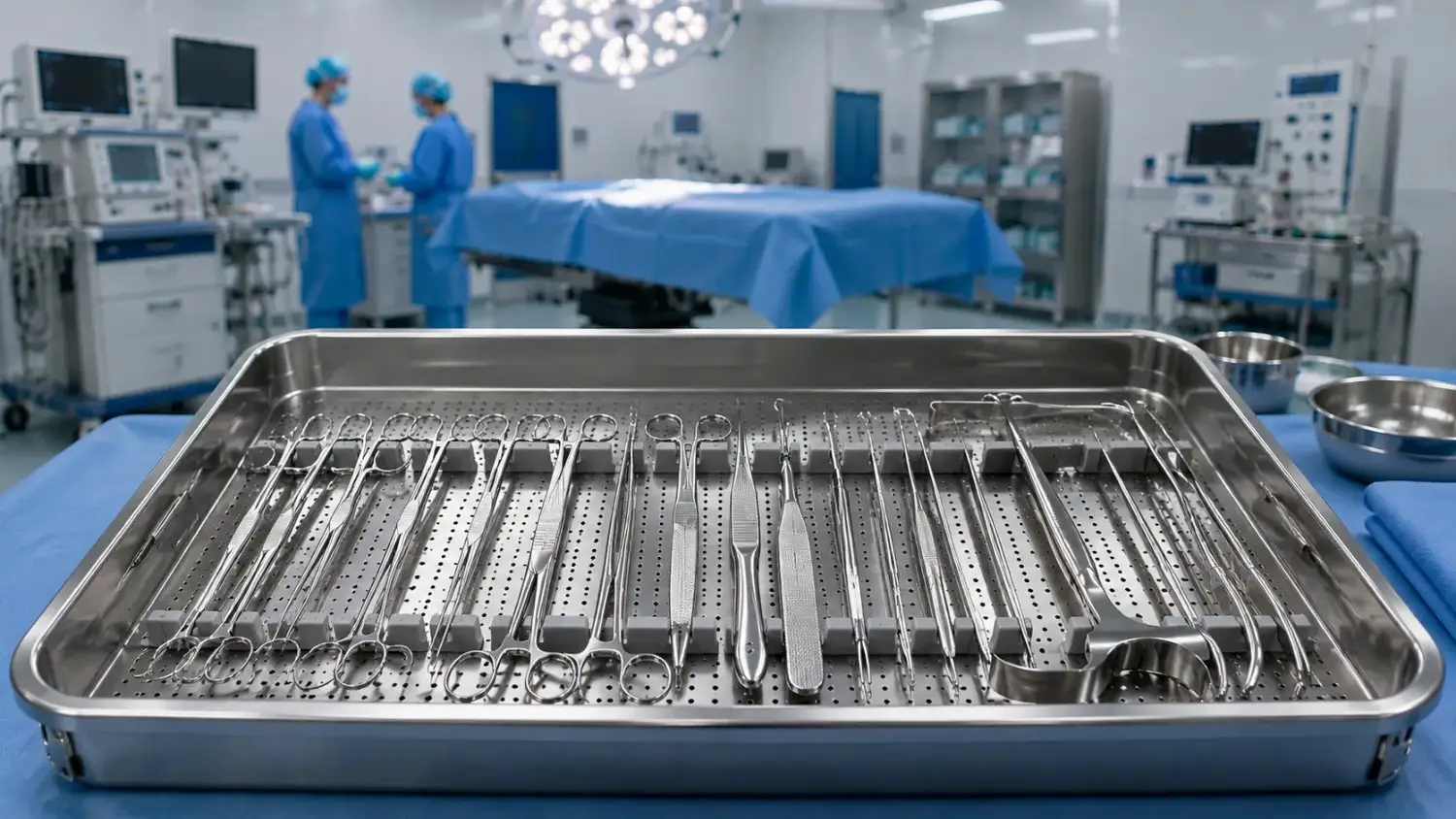
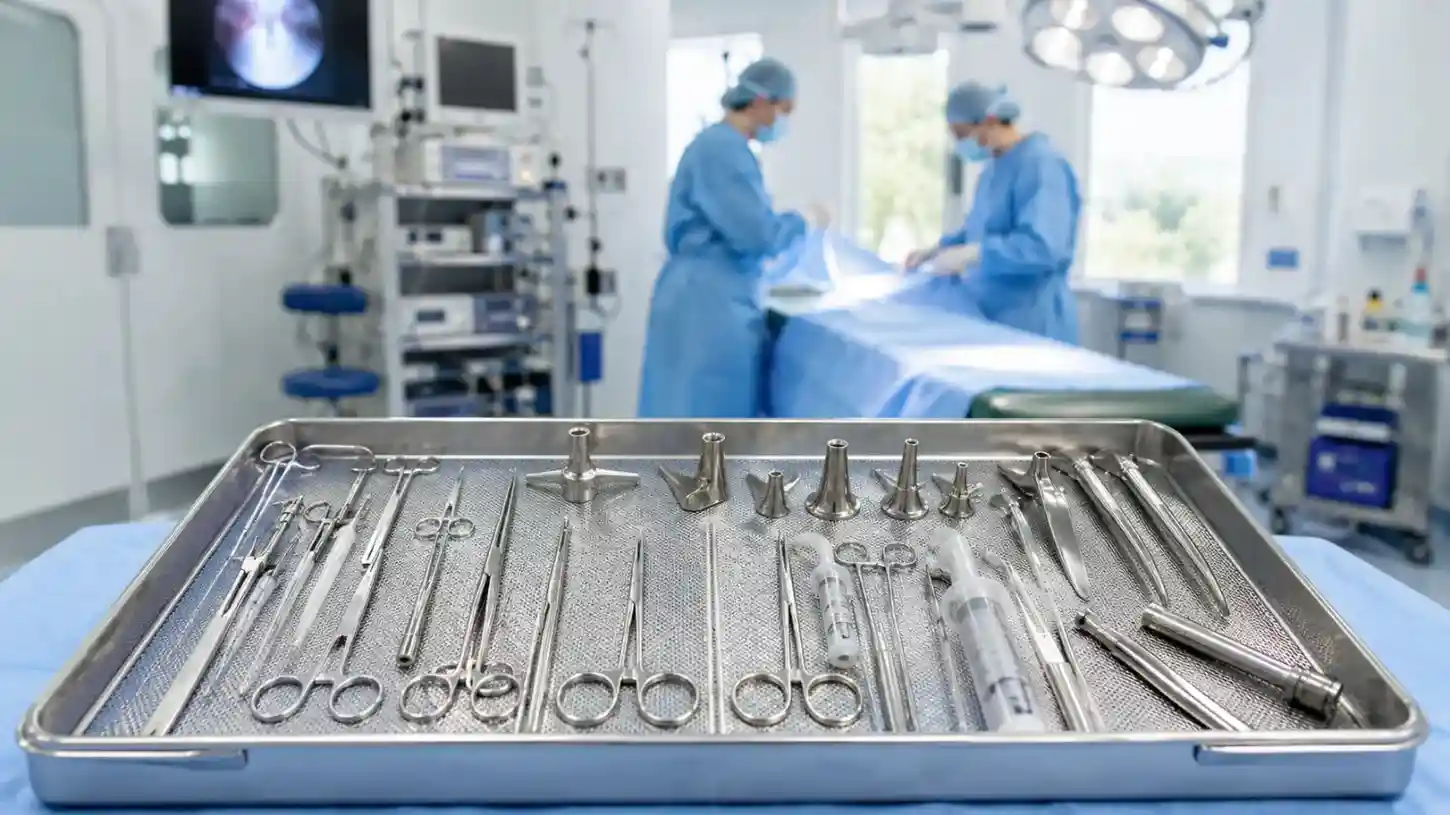
Precision is required across every floor of the hospital. While the OR is the primary home for these tools, their utility is vast:
If you are a procurement manager or a clinic owner, you’ve likely noticed a wide range in surgical forceps price points. Several factors influence this:
|
Factor |
Impact on Cost |
Why it Matters |
|
Material Grade |
High |
Premium German or Japanese steel lasts 5x longer than "economy" steel. |
|
Tungsten Carbide Inserts |
Medium-High |
Gold-handled forceps often feature TC inserts for a superior, non-slip grip. |
|
Manufacturing Precision |
Medium |
Hand-finished tips ensure perfect alignment, preventing tissue slippage. |
|
Coating |
Low-Medium |
Specialized coatings (like titanium) reduce glare under bright OR lights. |
A higher initial price of the best surgical forceps to be used in hospitals may be expensive, but at the same time, it will save a lot of money on replacement and sharpening that may be done frequently.
It is not merely a matter of finding the lowest quote when it comes to the choice of a supplier. For surgical forceps for medical professionals, reliability is everything. Any tool that malfunctions in the middle of a procedure is inconvenient, but it is also a patient safety issue.
Mediwave boasts of being one of the best suppliers of surgical forceps, which connects the gap between high-tech engineering and clinical need. We offer instruments that seem to be an extension of the hand of the surgeon.
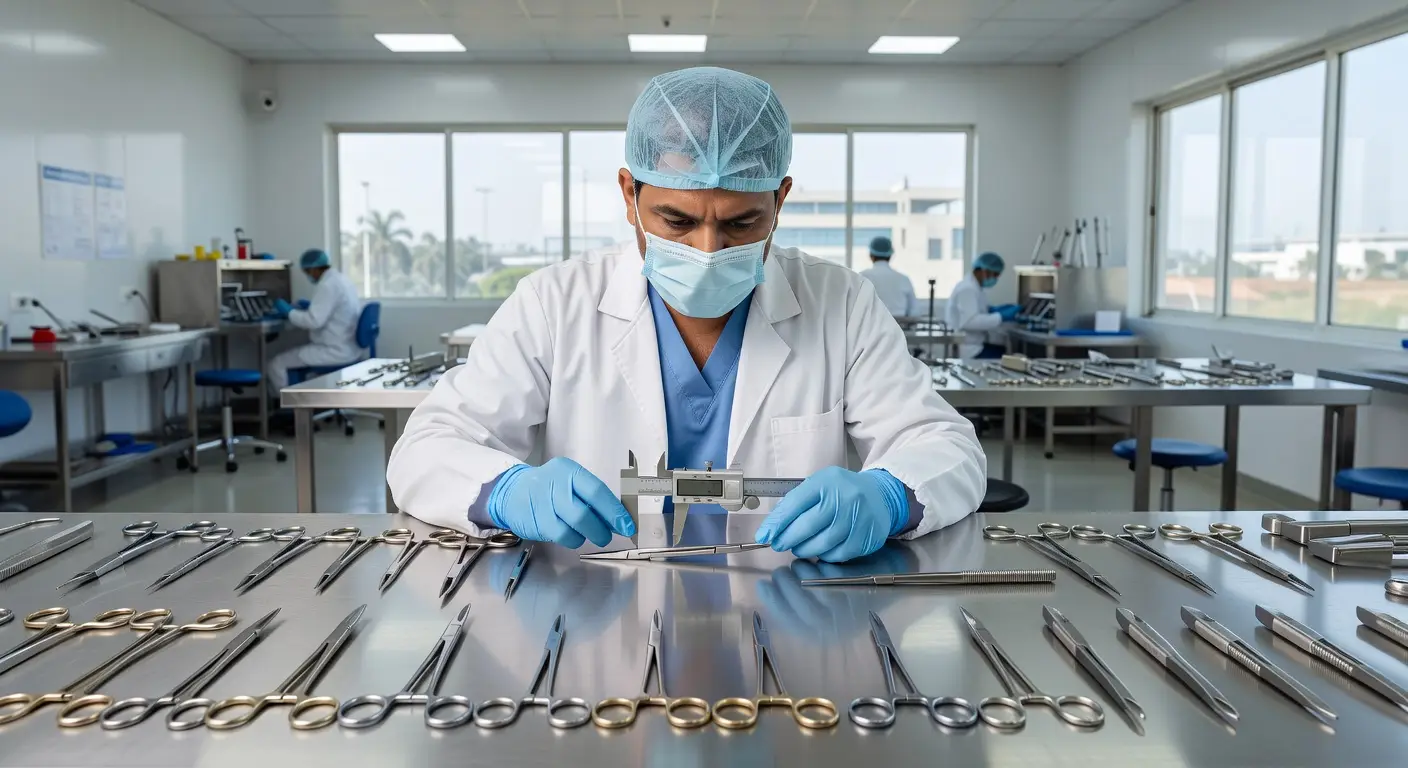
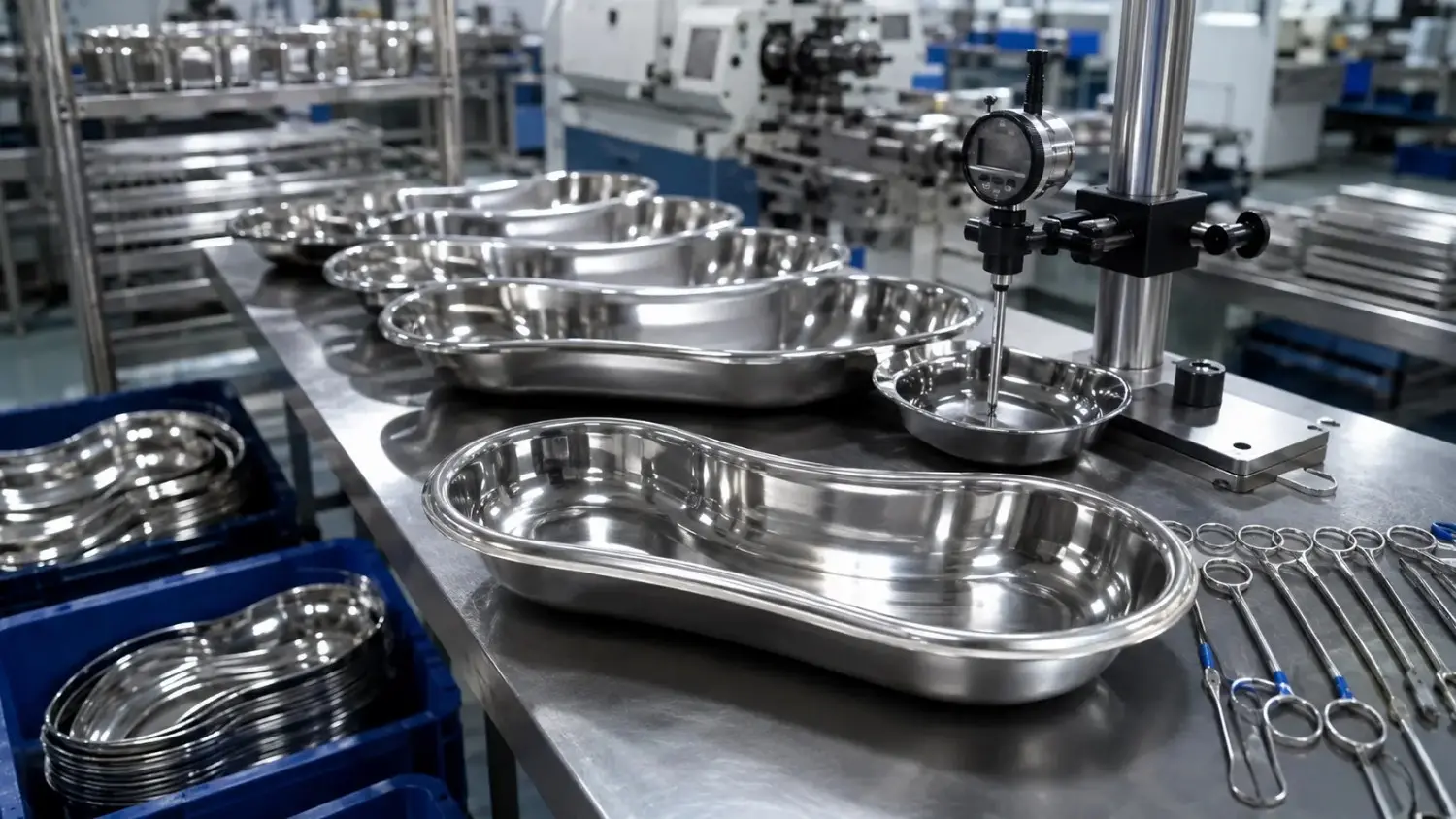
In the medical world, an instrument’s life is a brutal cycle of extreme use and aggressive sterilization. To survive this, stainless steel surgical forceps aren't just an option—they are the only standard. But it’s not just about "not rusting." It’s about metallurgical integrity. At Mediwave, we don't settle for "basic" steel. We use high-grade 400-series martensitic stainless steel. Why? Because it provides the "spring" and hardness required for high-stakes medical tasks.
Corrosion Resistance (The "Passivation" Shield): We use a chemical process called passivation to create a protective chromium-oxide layer. This acts as a shield against blood, saline, and autoclave moisture, preventing "pitting" where bacteria love to hide.
Tensile Memory: Cheap alloys warp and "scissor" over time. Mediwave instruments maintain their memory, meaning the jaws meet perfectly centered, even after 500+ clamping cycles.
Thermal Shock Protection: Autoclaves hit 134°C. Inferior metals become brittle or soft at these temperatures. Our steel is engineered to take the heat without losing its structural "teeth."
Even the finest stainless steel surgical forceps can be ruined by poor maintenance. At Mediwave, we educate our partners on the "Instrument Longevity Loop":
The surgical forceps are silent heroes in the health sector. Their contribution is critical in the process of saving lives, whether it is the mere act of holding a suture needle or the life-saving process of clamping a ruptured artery. In the case of the modern healthcare facility, the selection of the best surgical forceps to be used in hospitals will focus on the quality of their material, ergonomic design, and a reliable supplier.
At Mediwave, we not only provide tools, but also the accuracy that the surgeons use to save lives. Be it in the case of regular hemostats or more specialized tissue forceps, we believe in excellence and can guarantee you that your facility will never be unprepared to succeed.
The "10-minute rule" is key: clean them immediately after surgery so blood doesn't dry. Also, always use ultrasonic cleaning and water-soluble lube to keep the hinges moving smoothly without trapping bacteria.
It depends on the procedure. Adson forceps are good in grip when it comes to holding skin or suturing. Hemostatic forceps (such as Kelly or Mosquito) are the best choice in case of the necessity to stop bleeding or clamp the vessels.
Cheap forceps warp or rust quickly. Premium 400-series steel is a one-time investment—it stays sharp, doesn't "scissor" (misalign), and safely handles the high heat of an autoclave every single day.
Because we know a tool shouldn't fail you mid-surgery. This specific steel doesn't just resist rust; it has "tensile memory." This means even after hundreds of uses, the tips will meet perfectly every single time you click them shut.