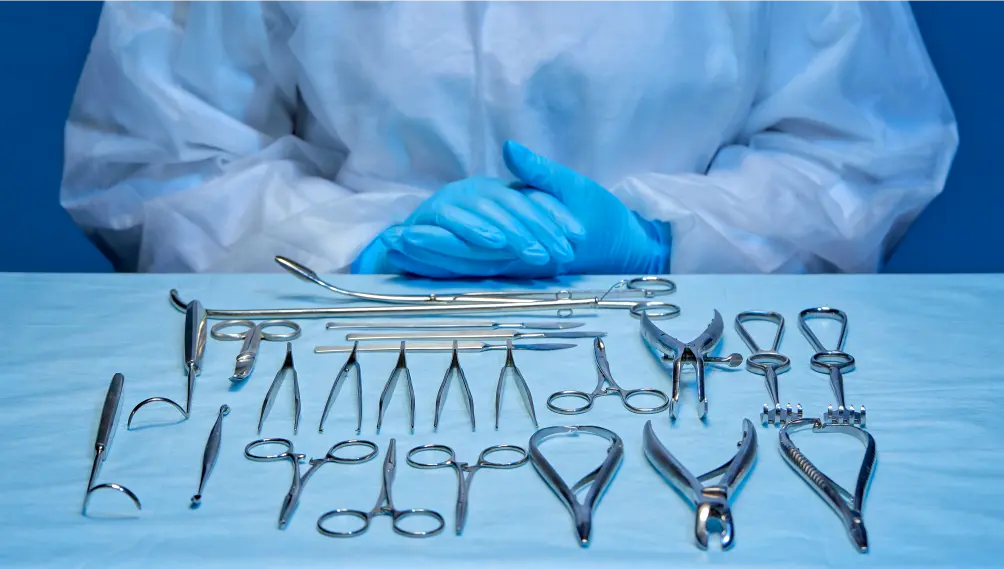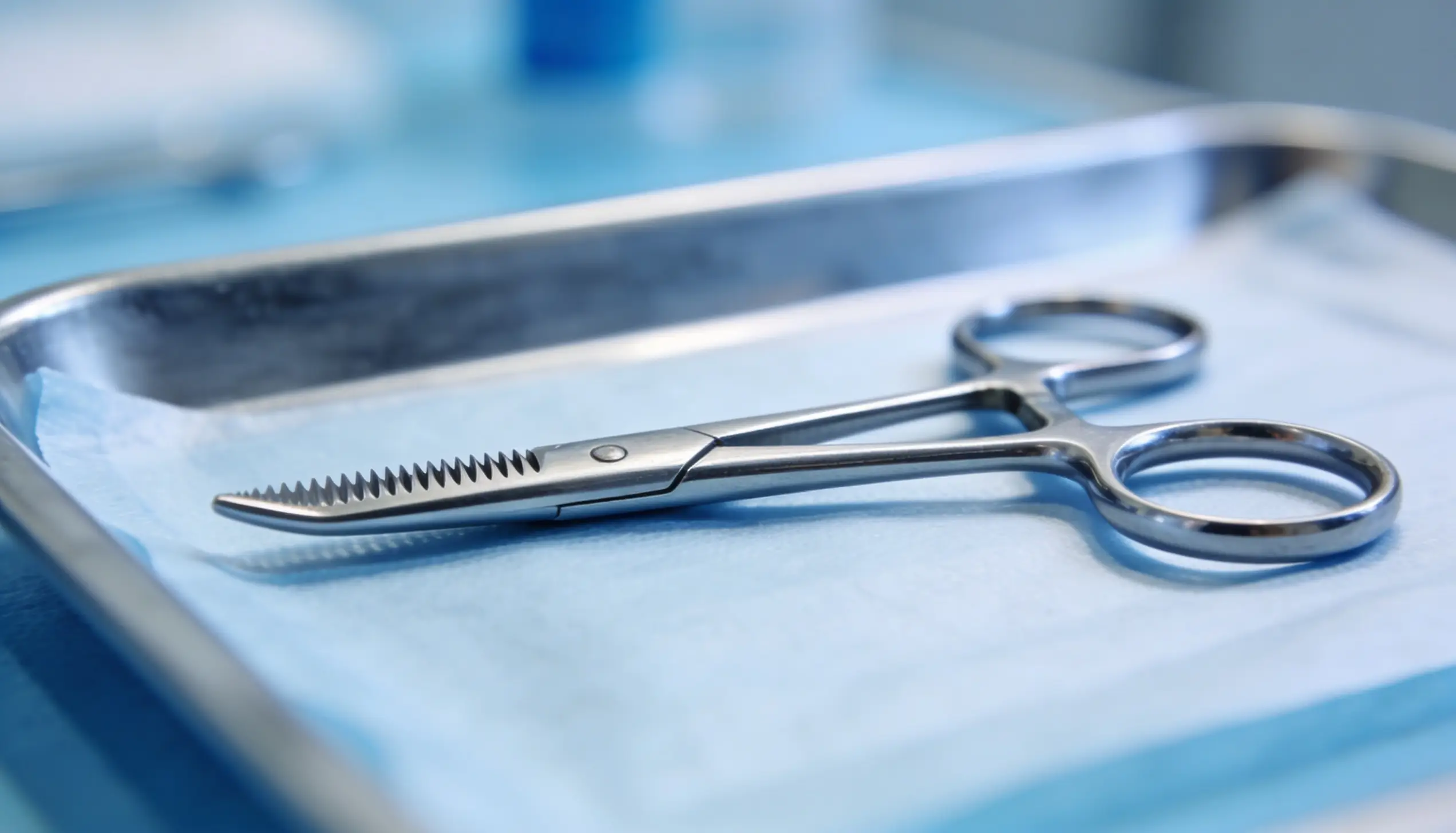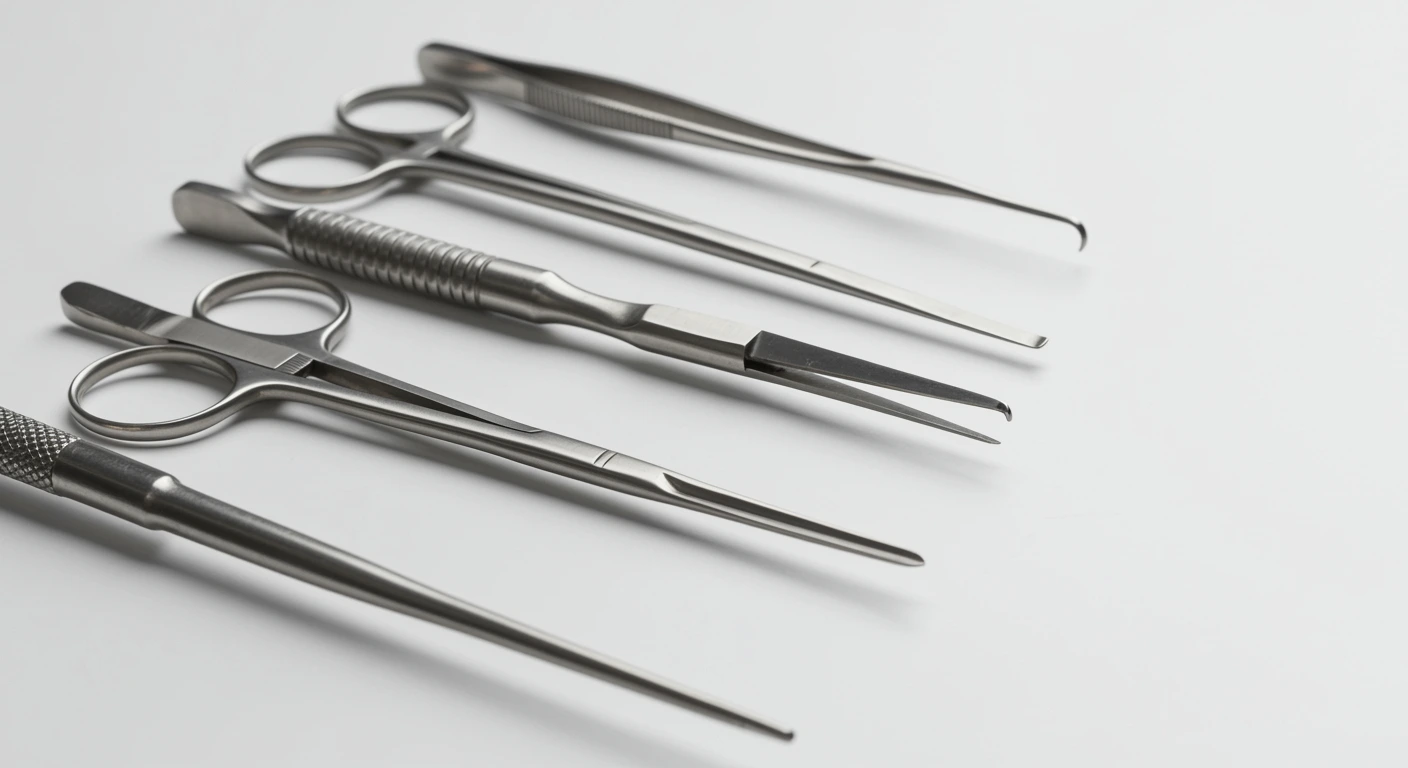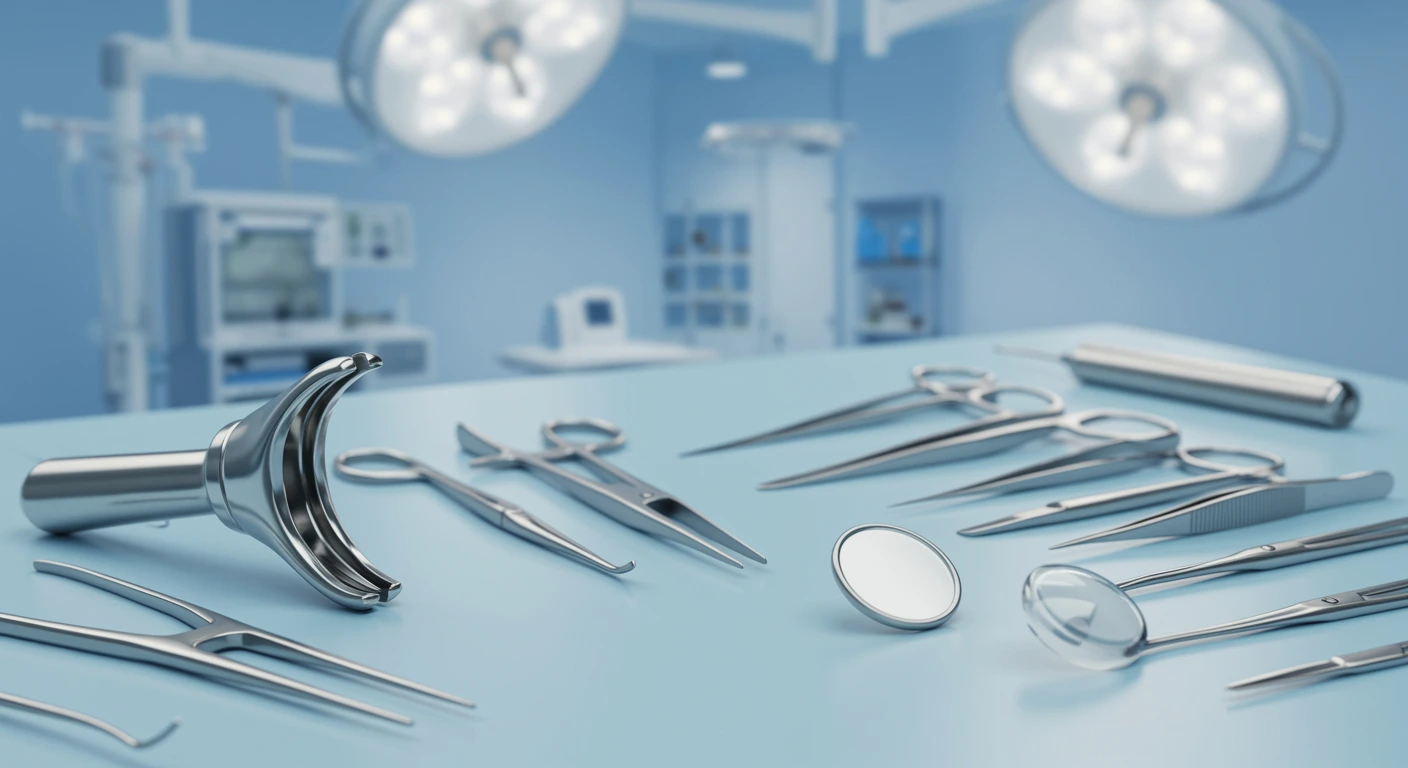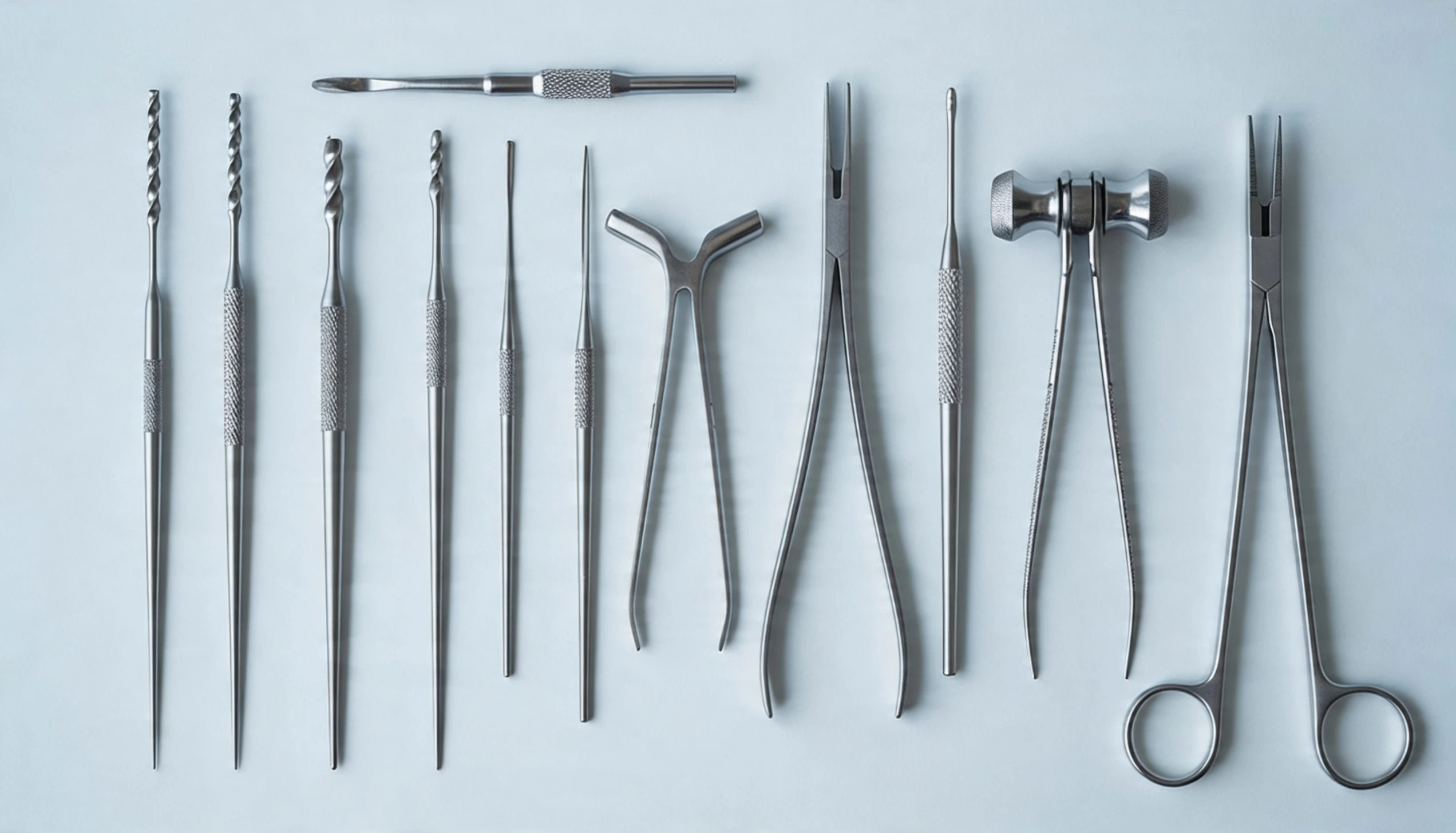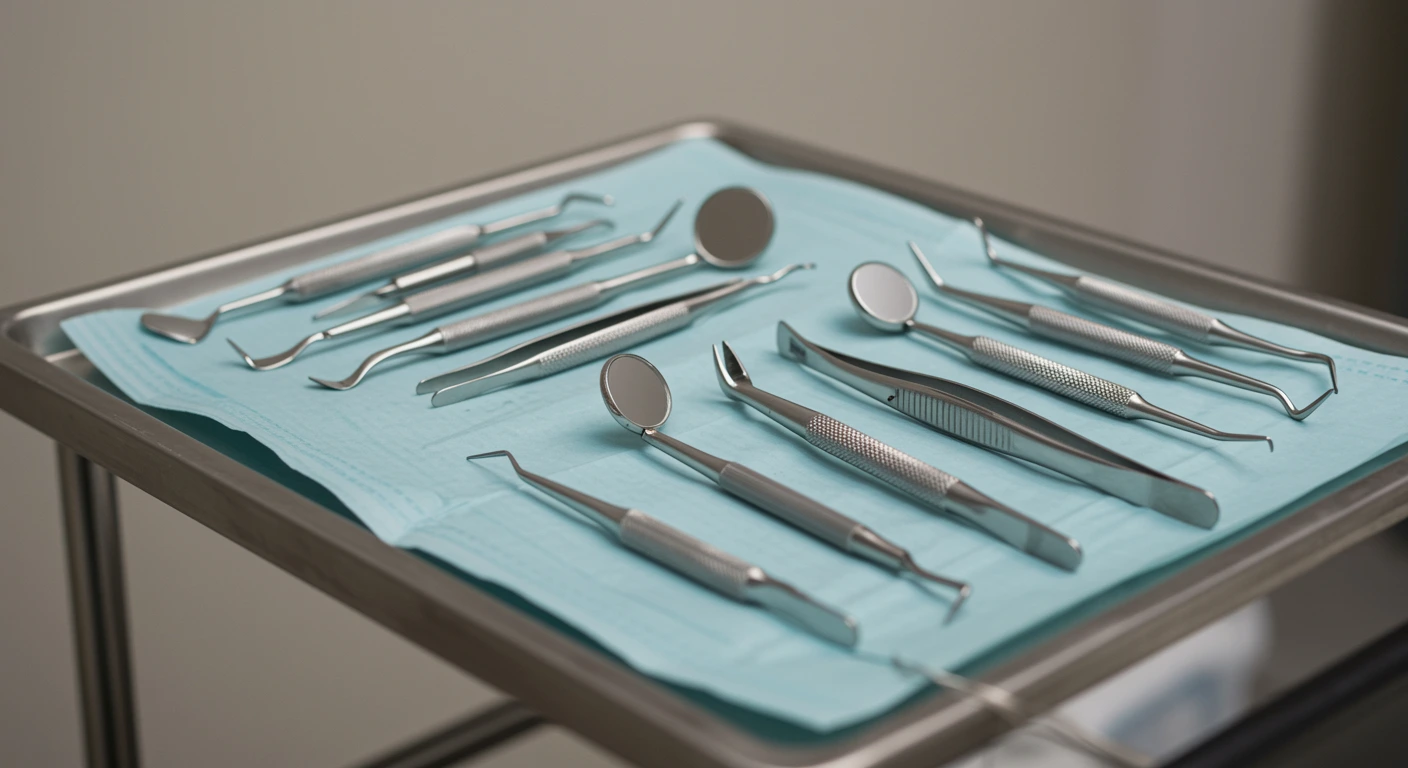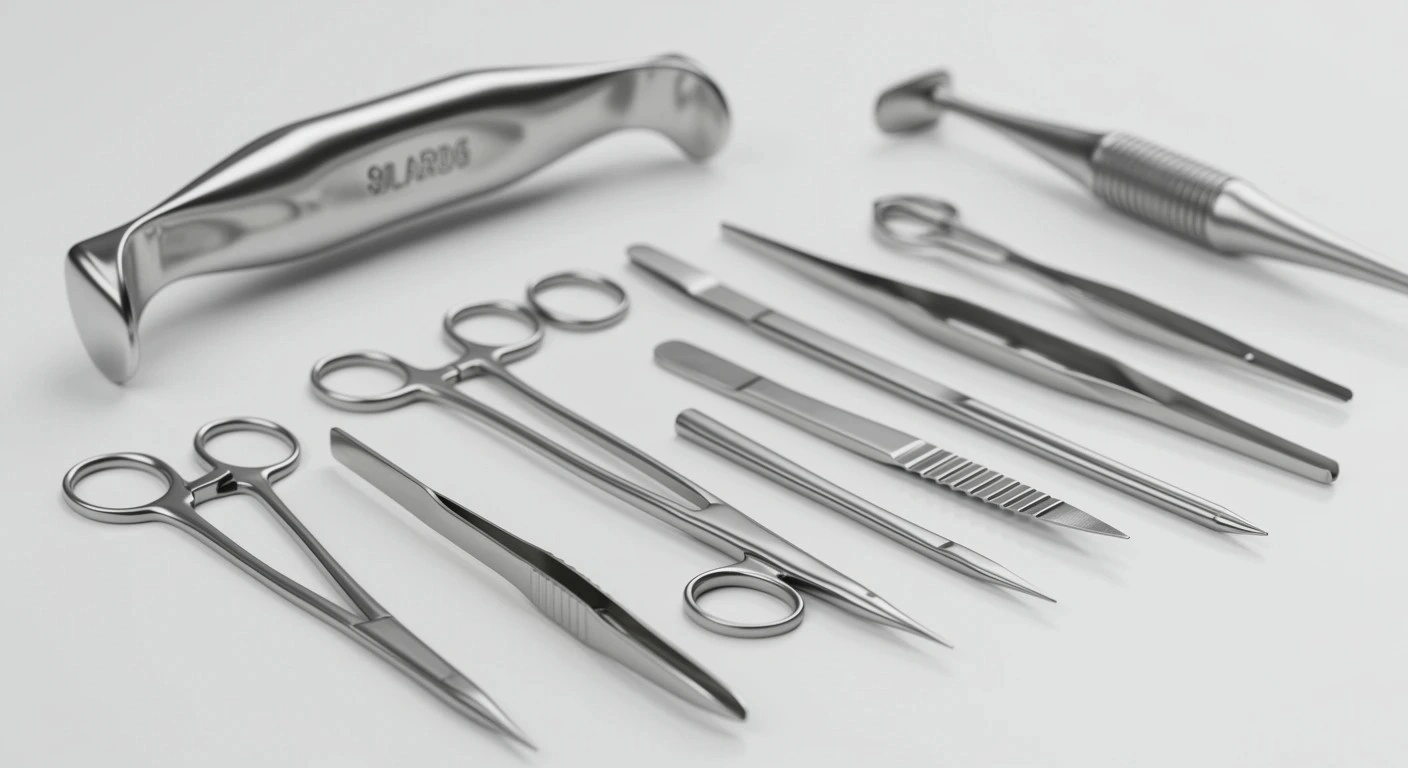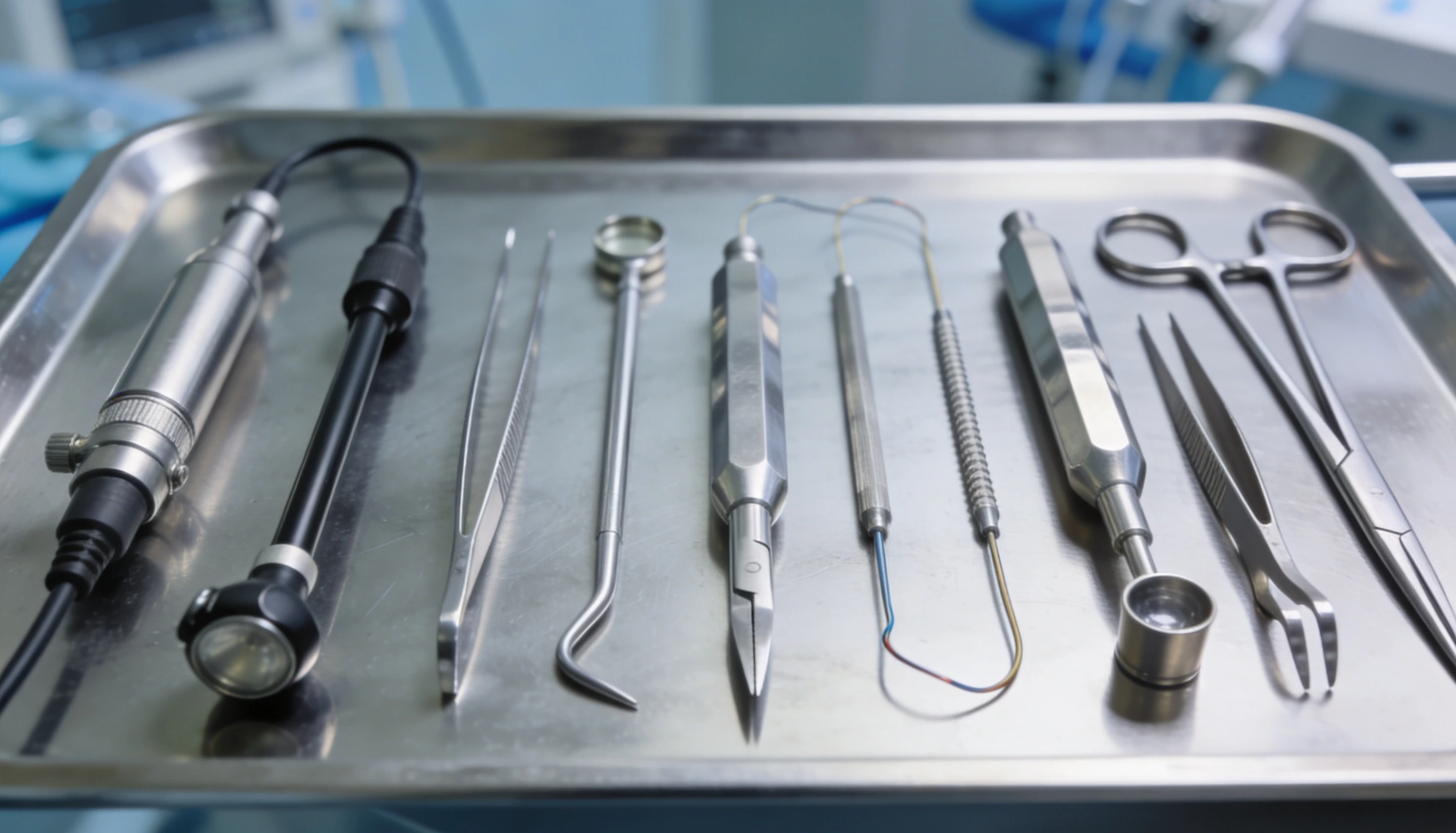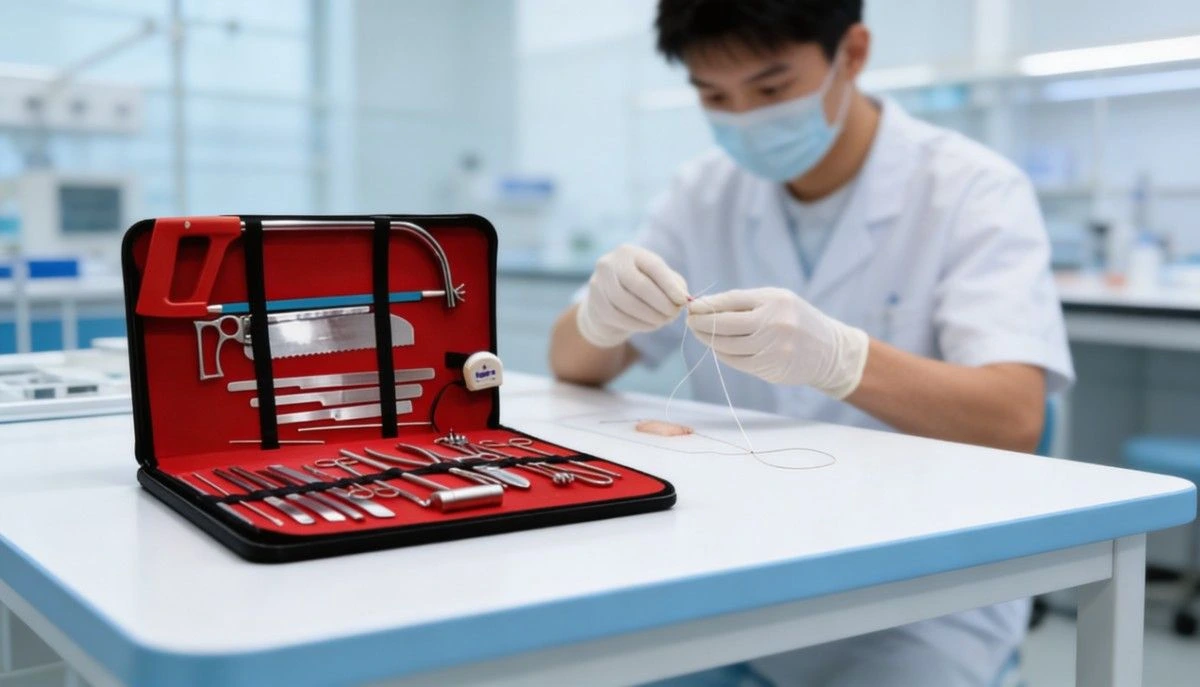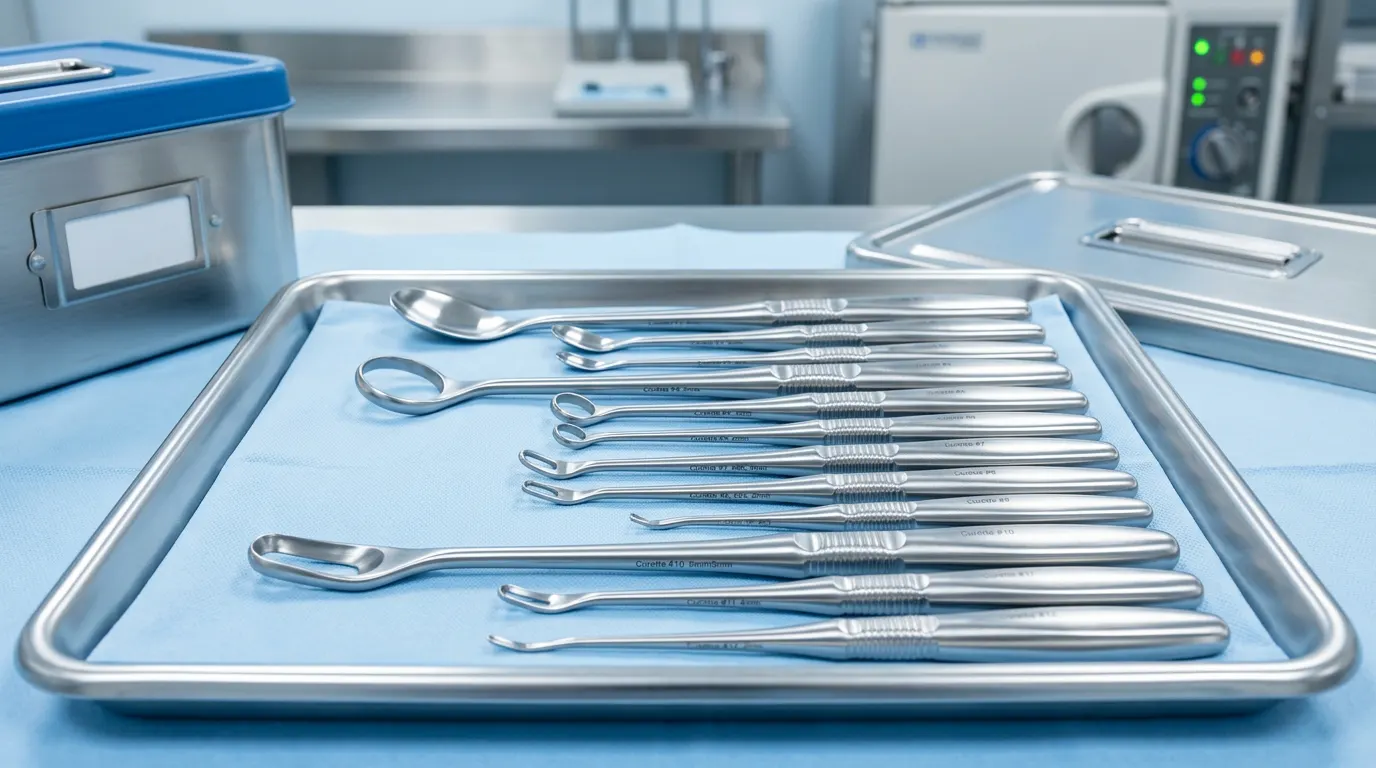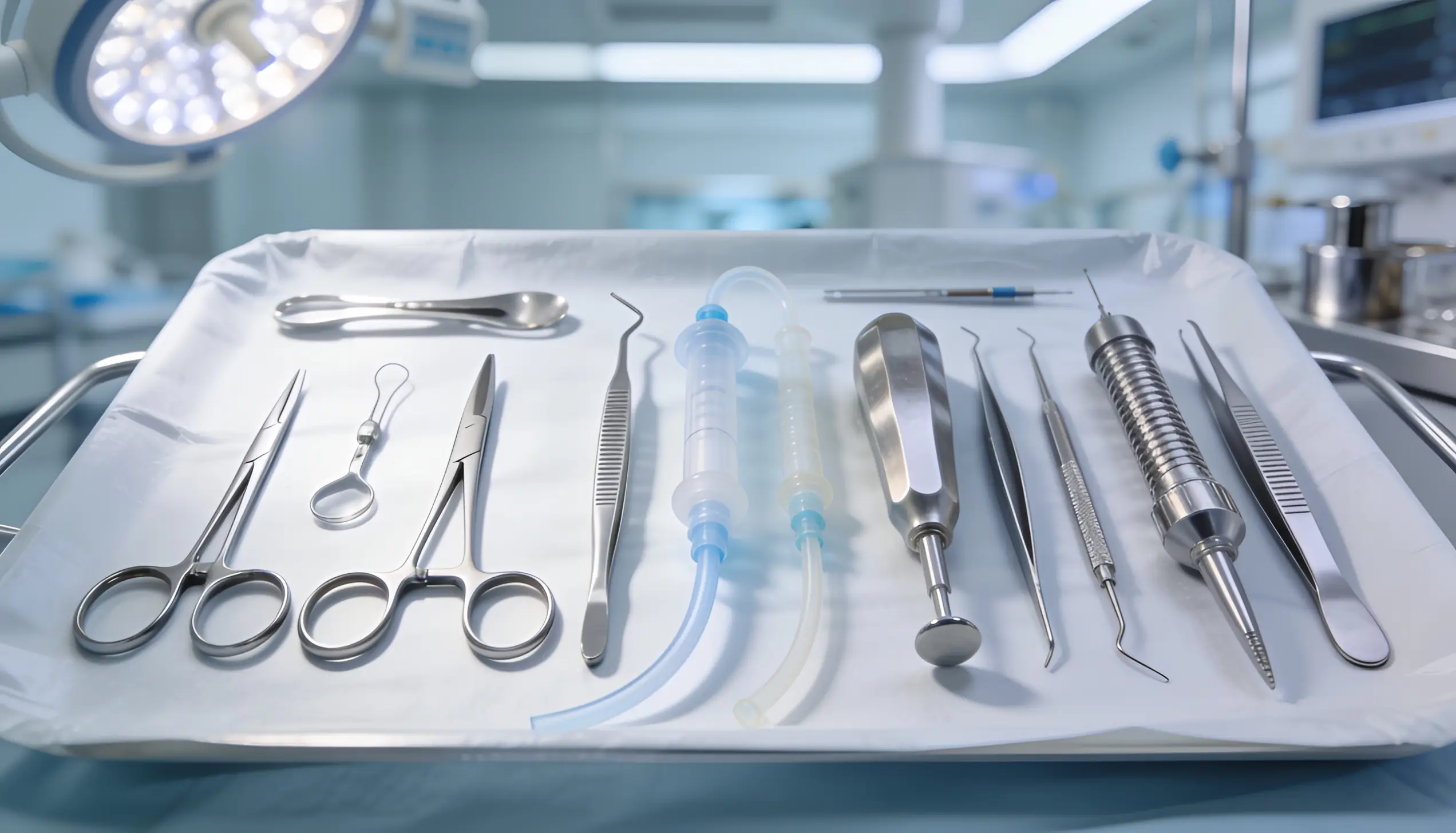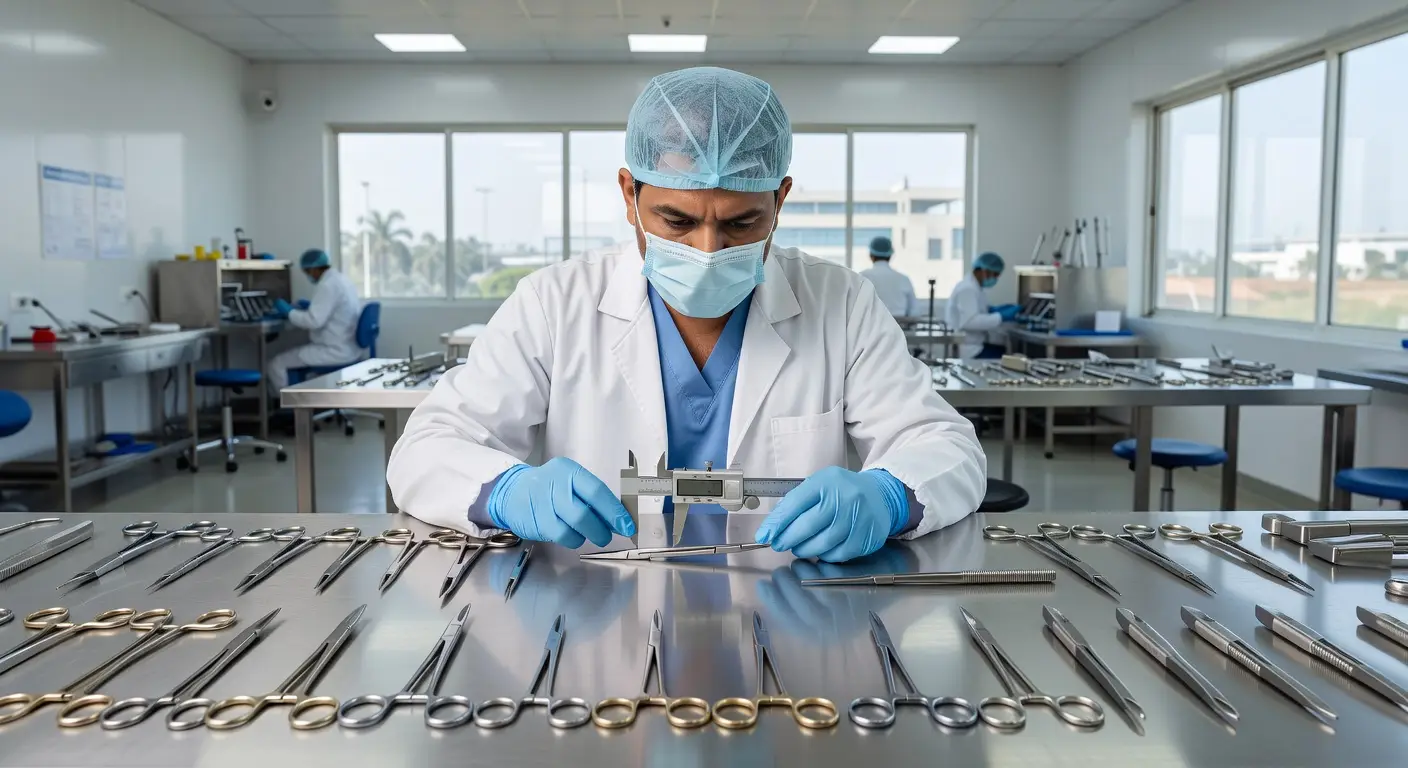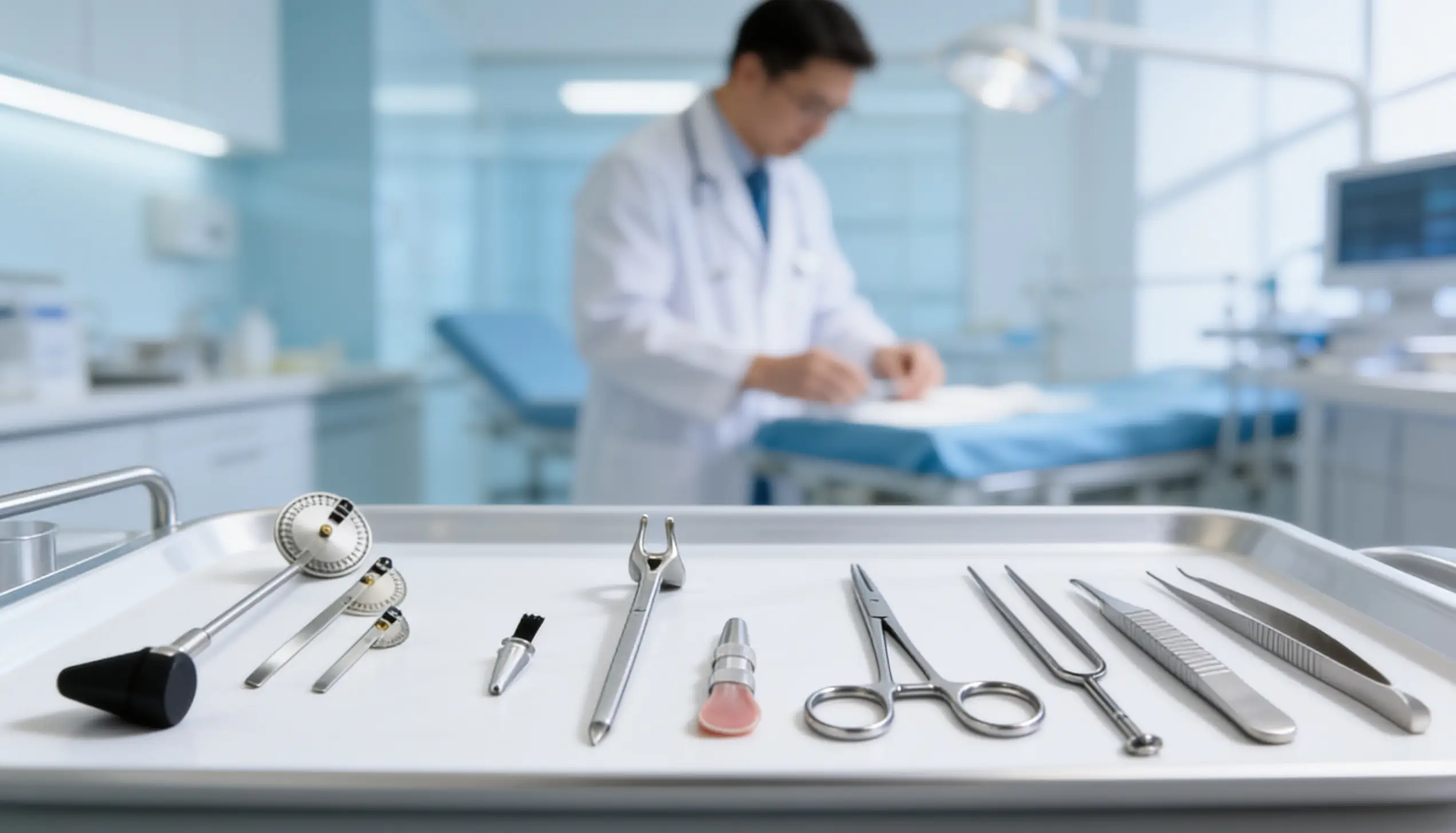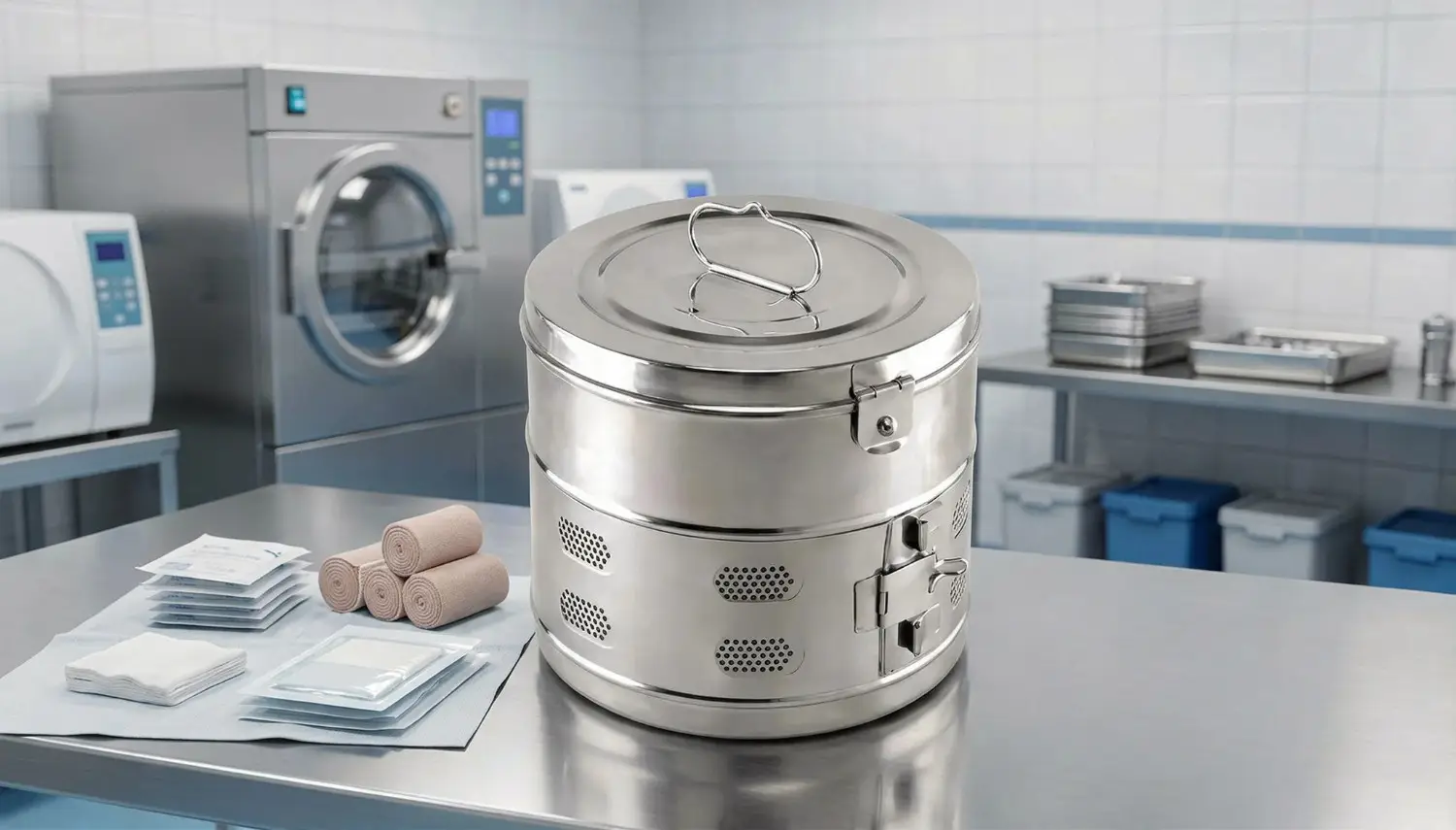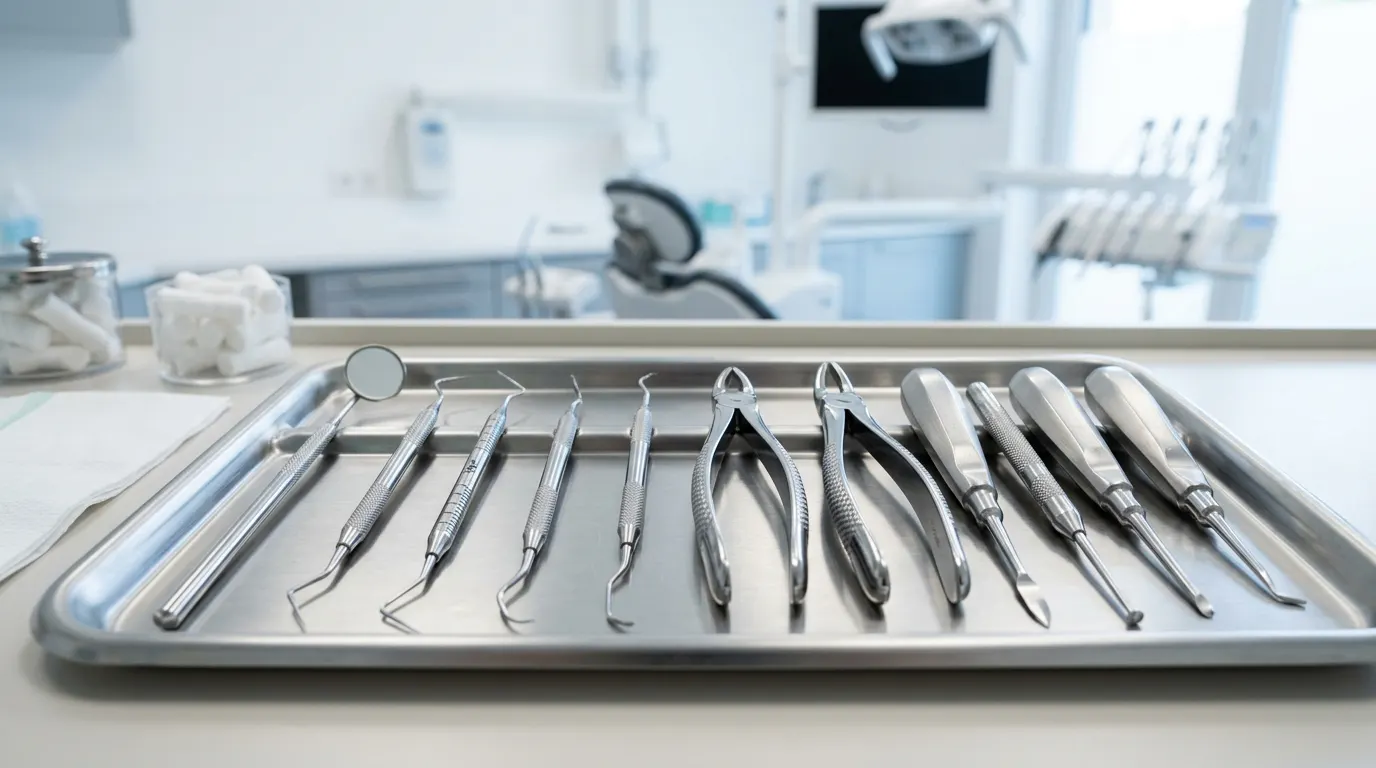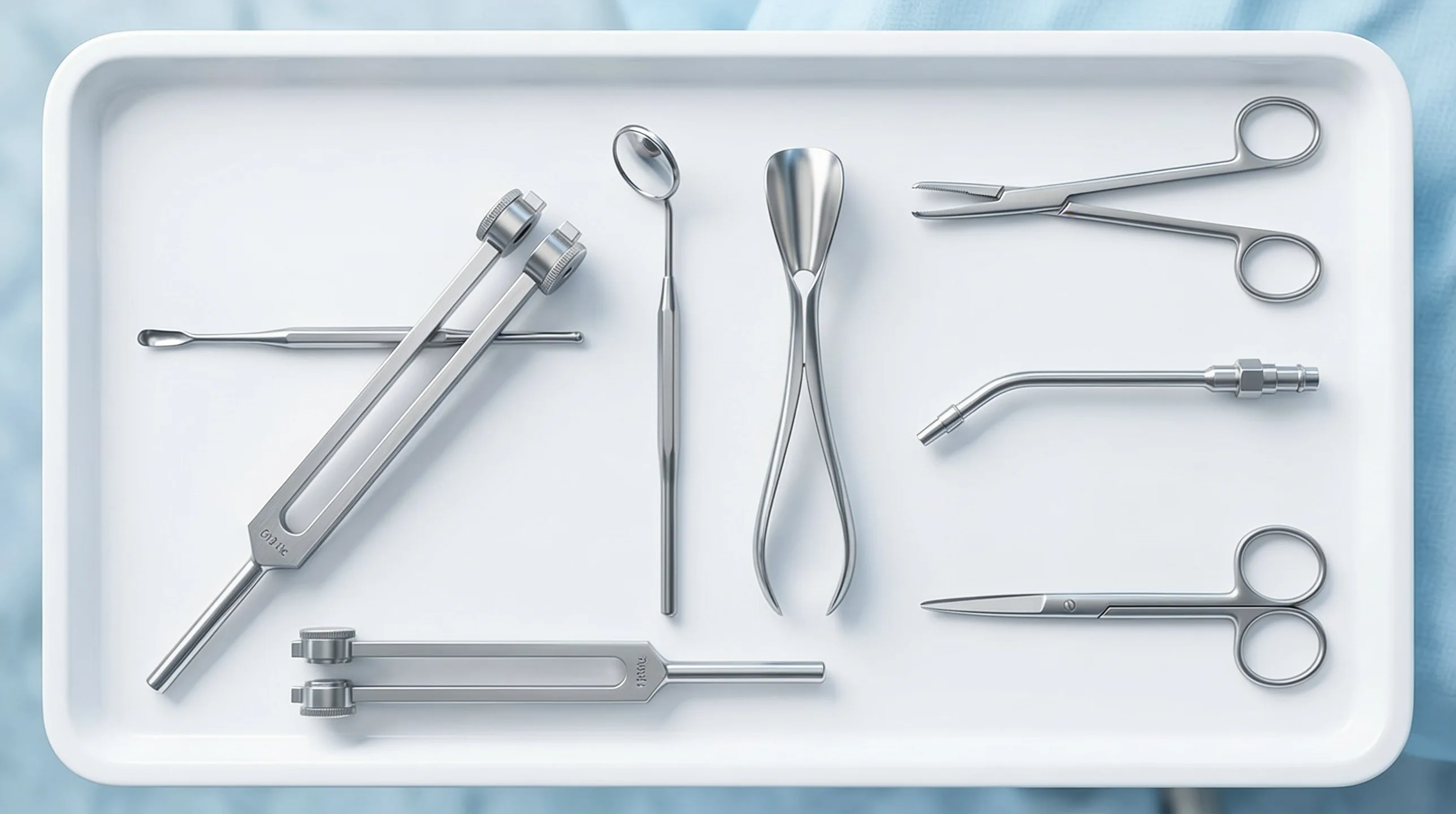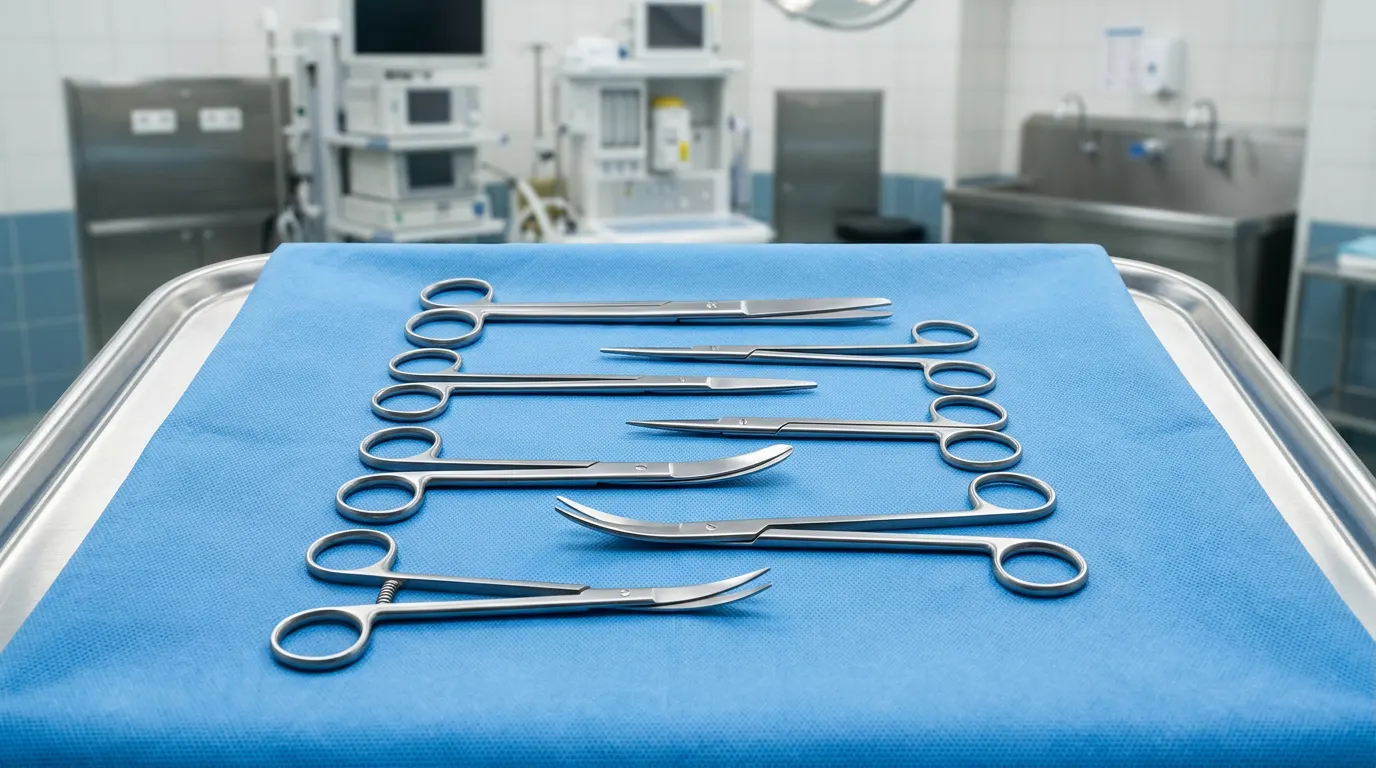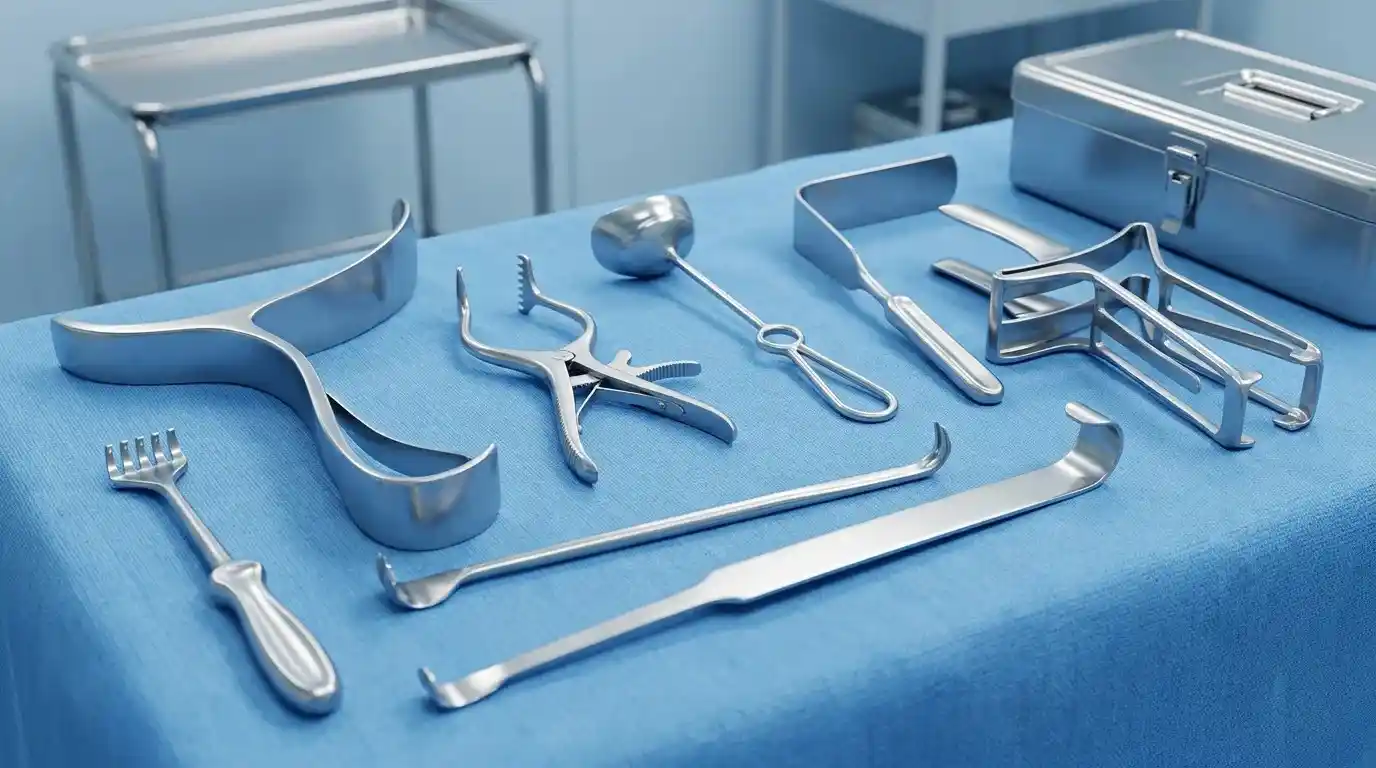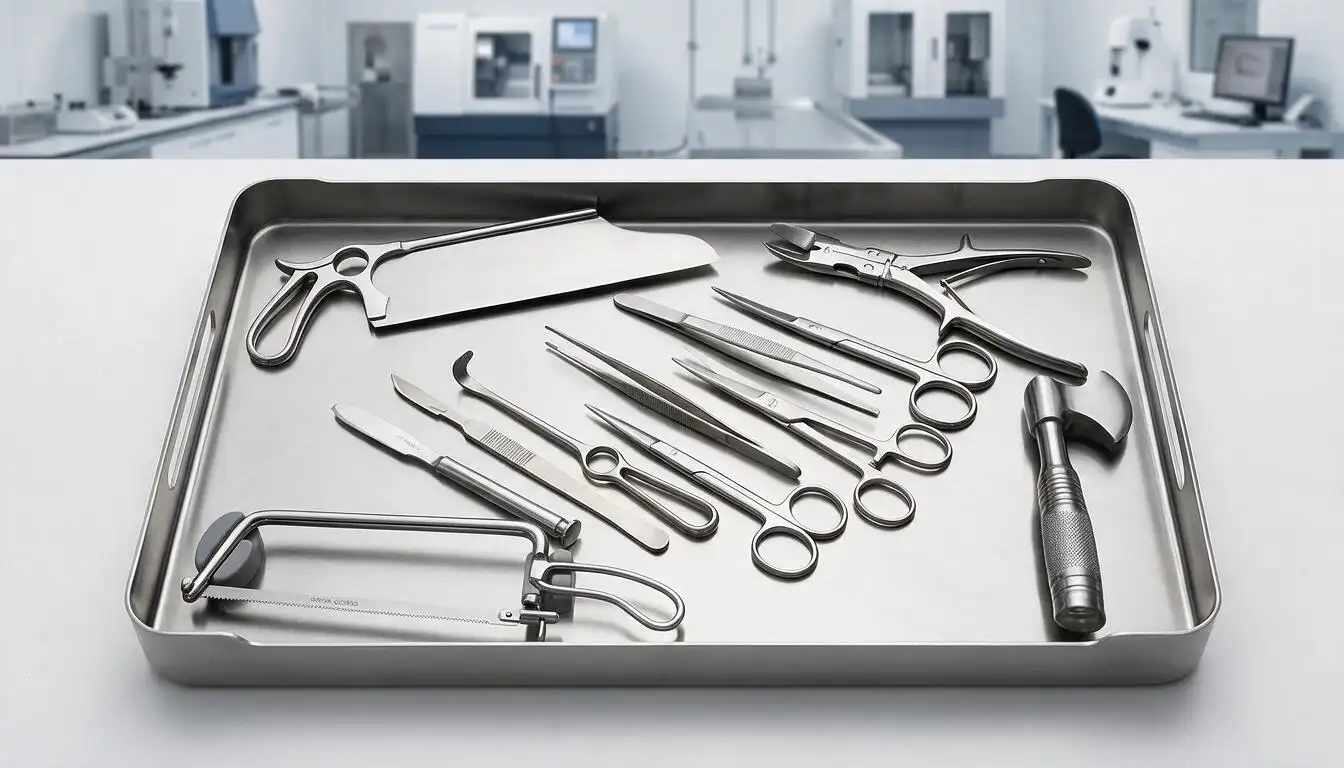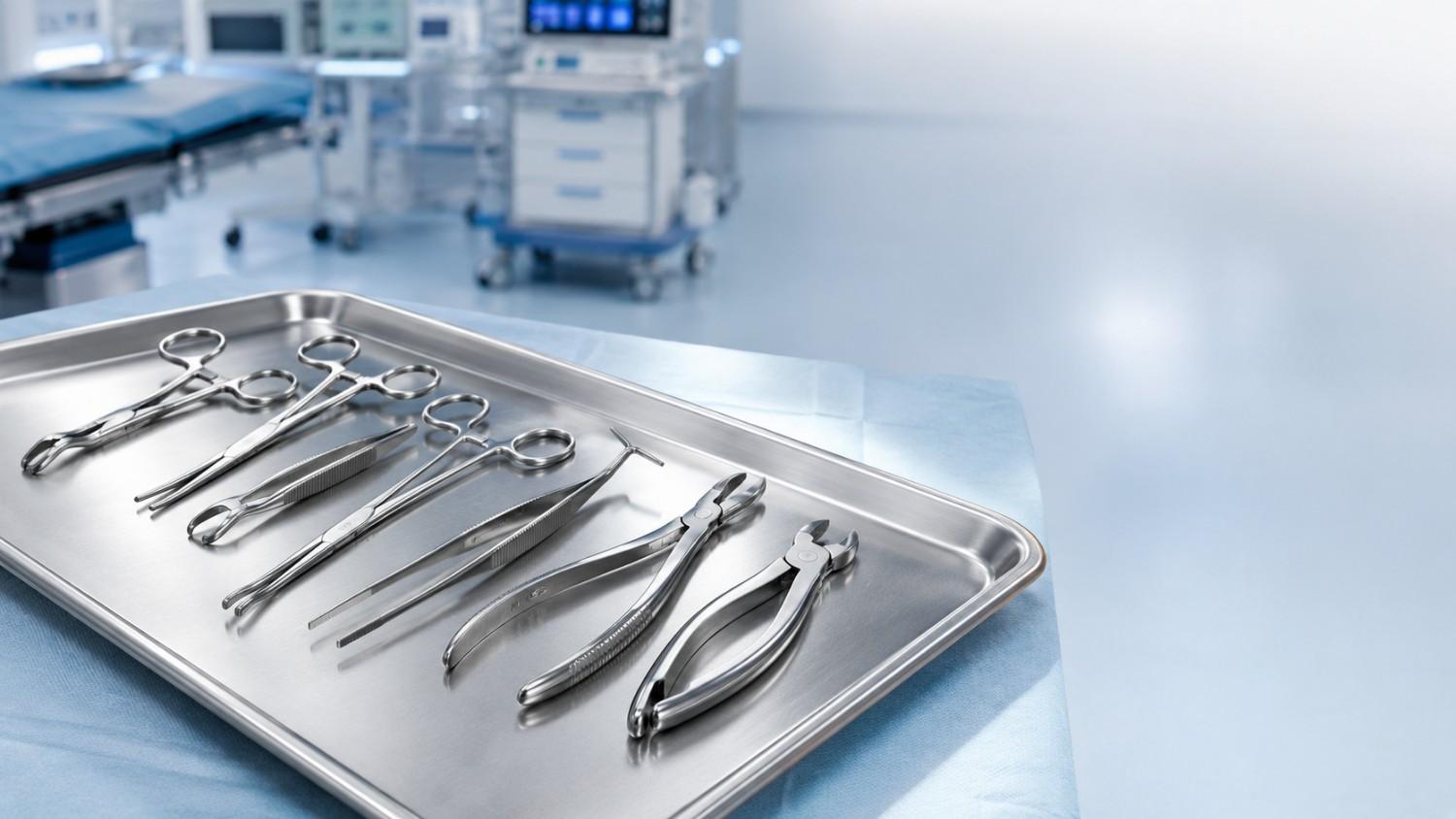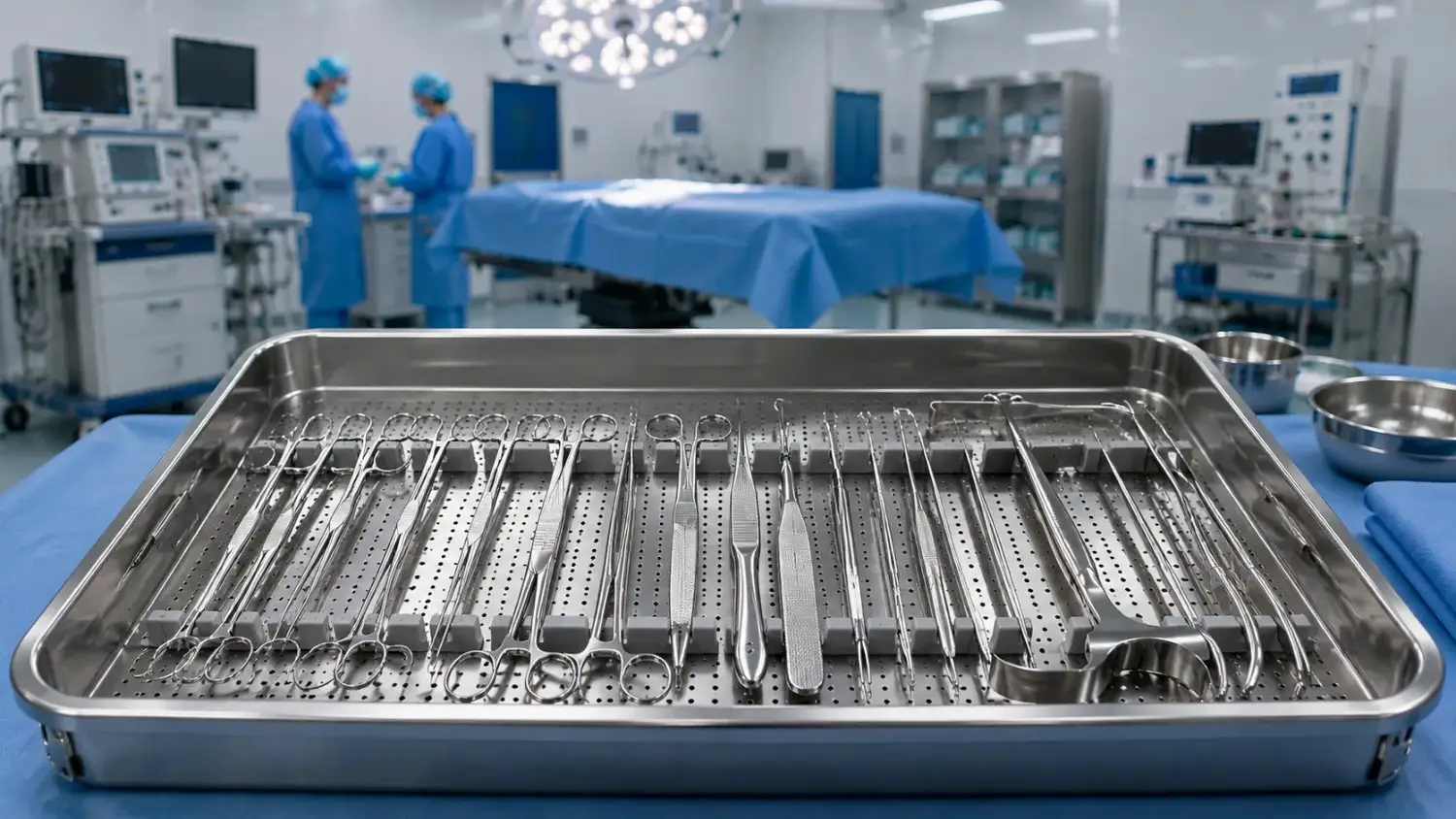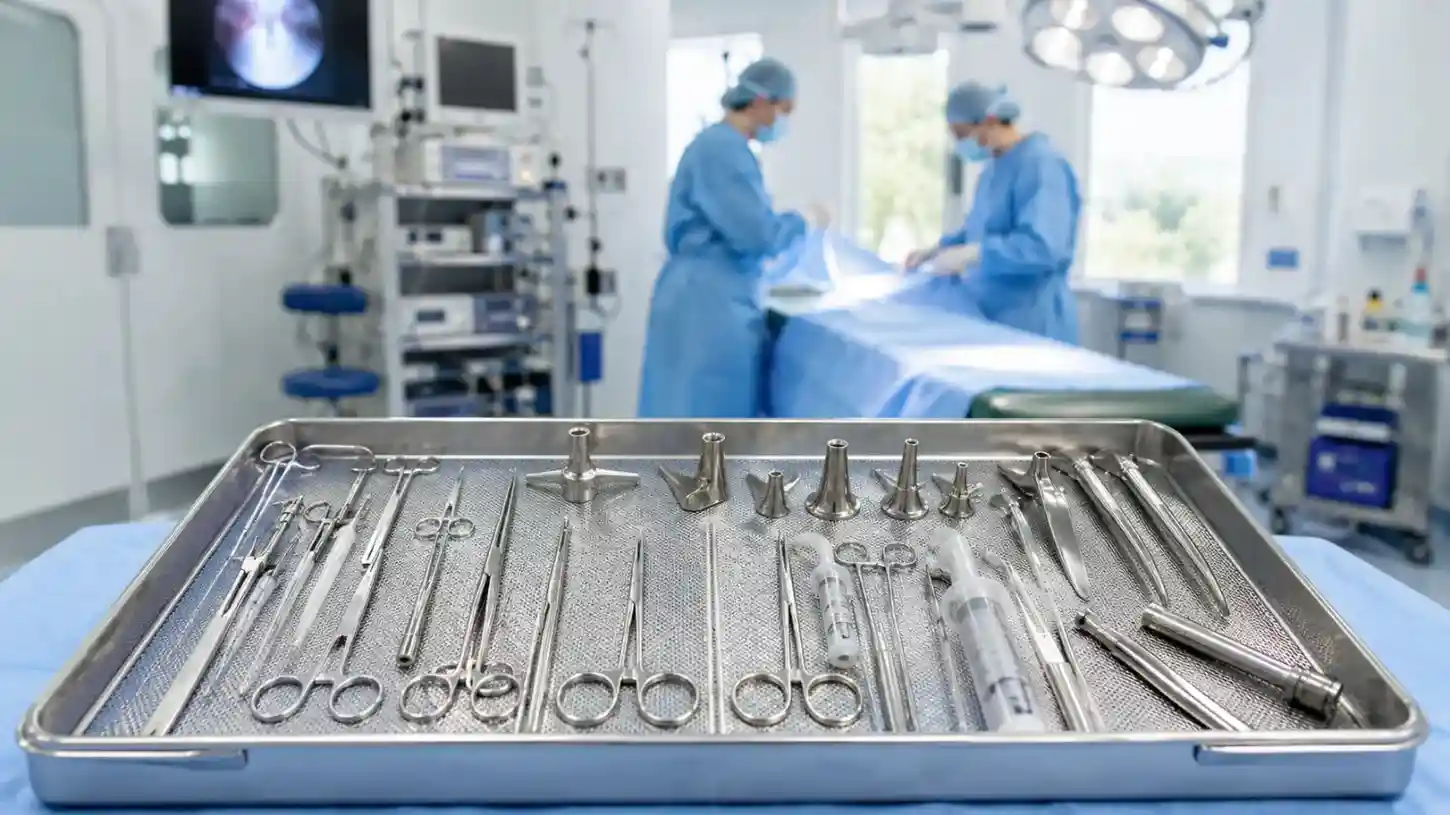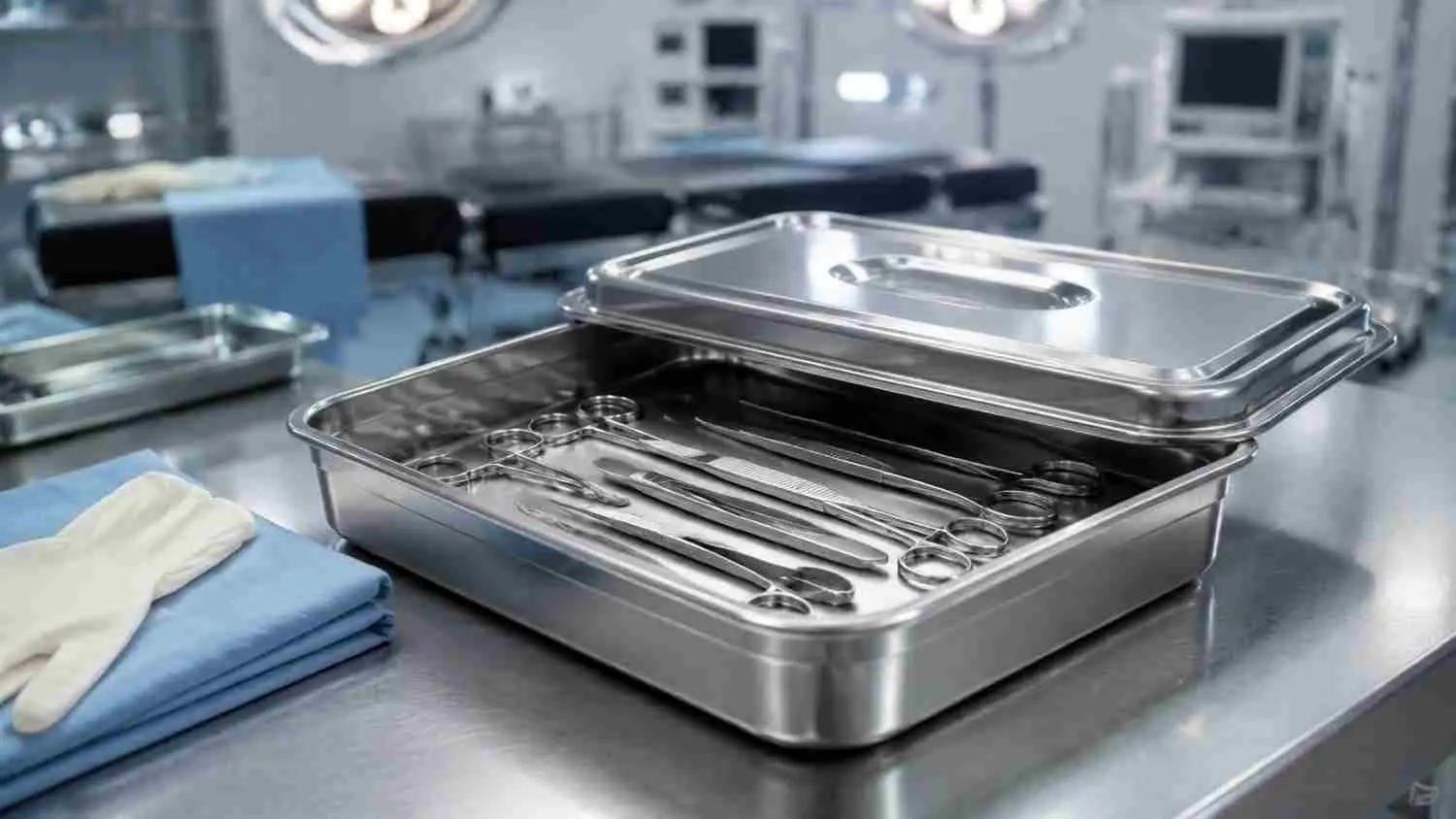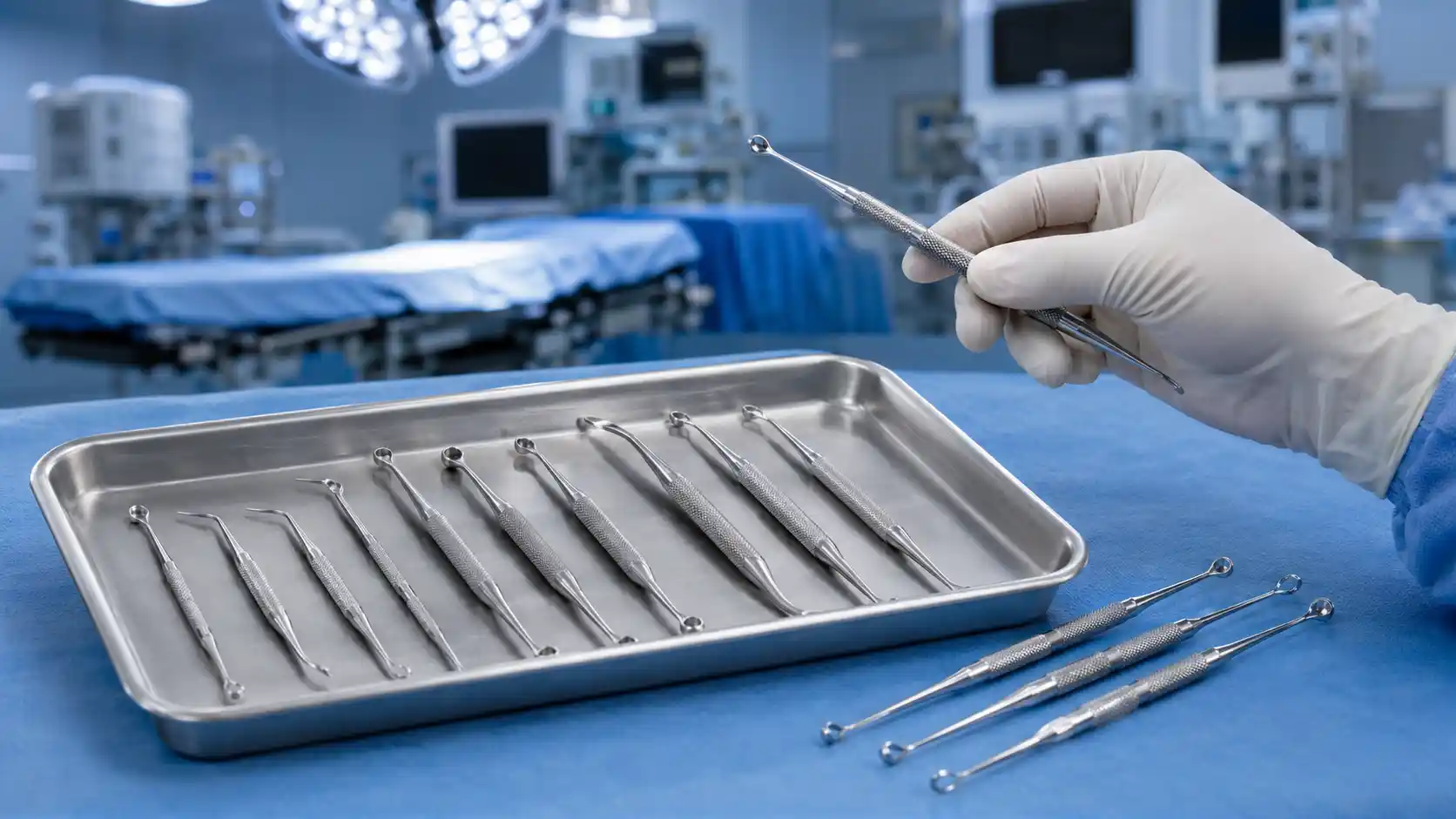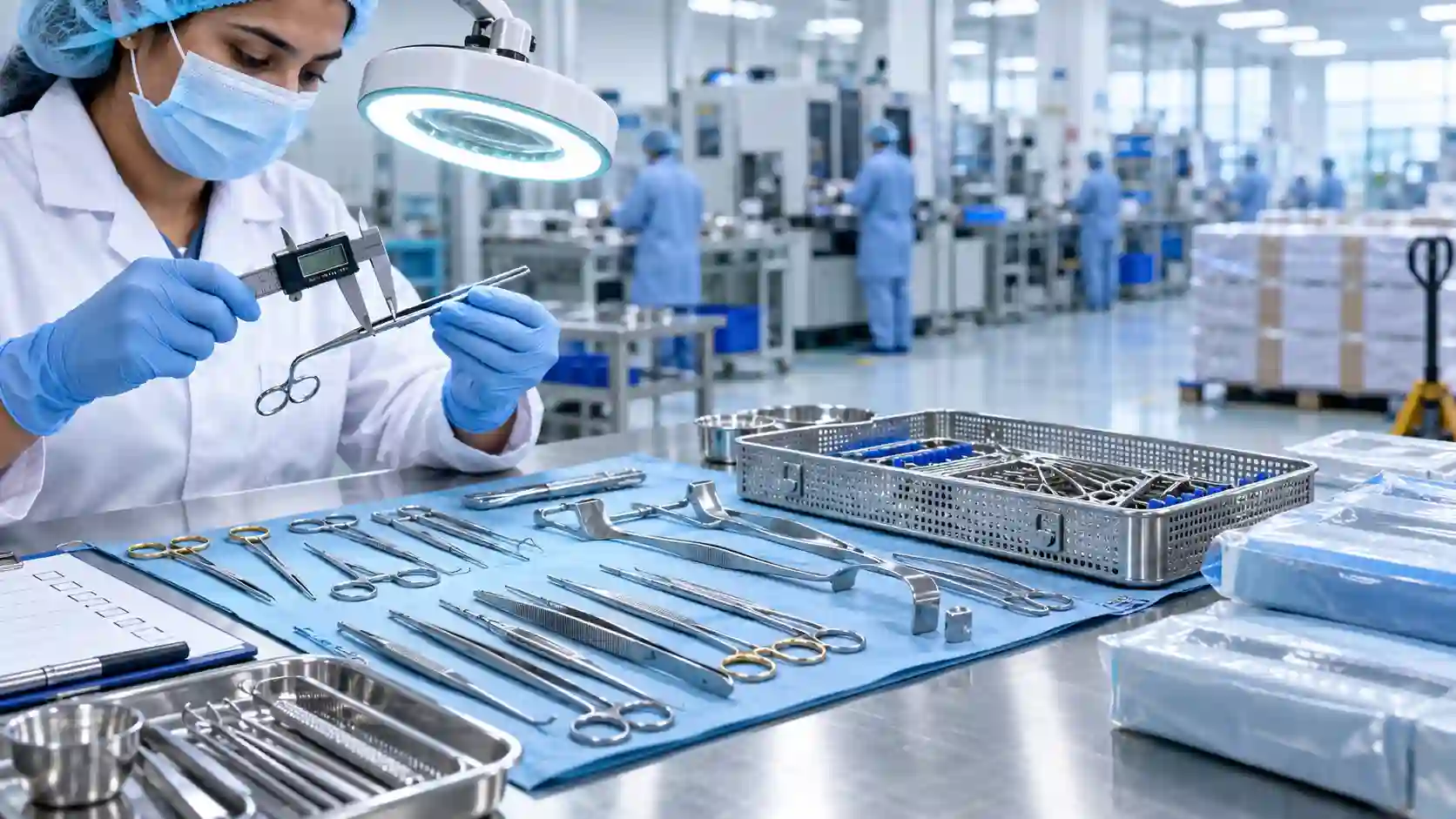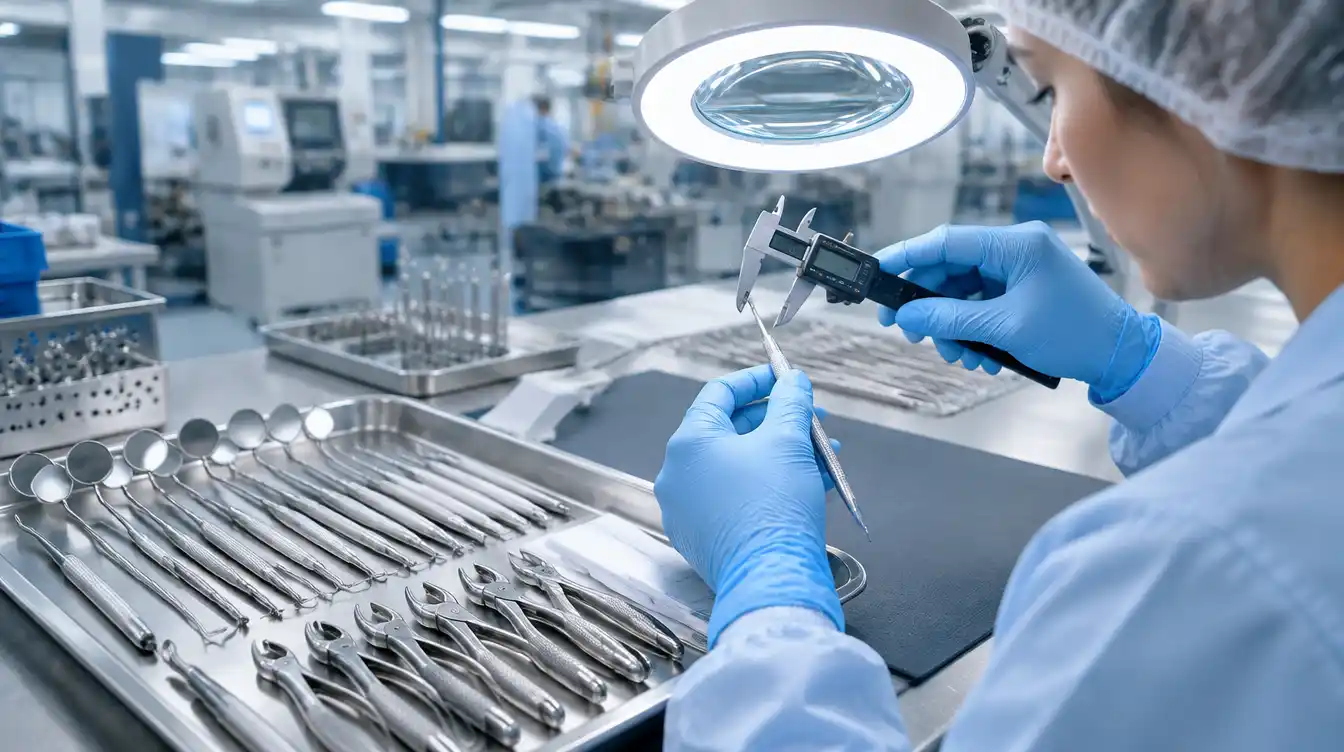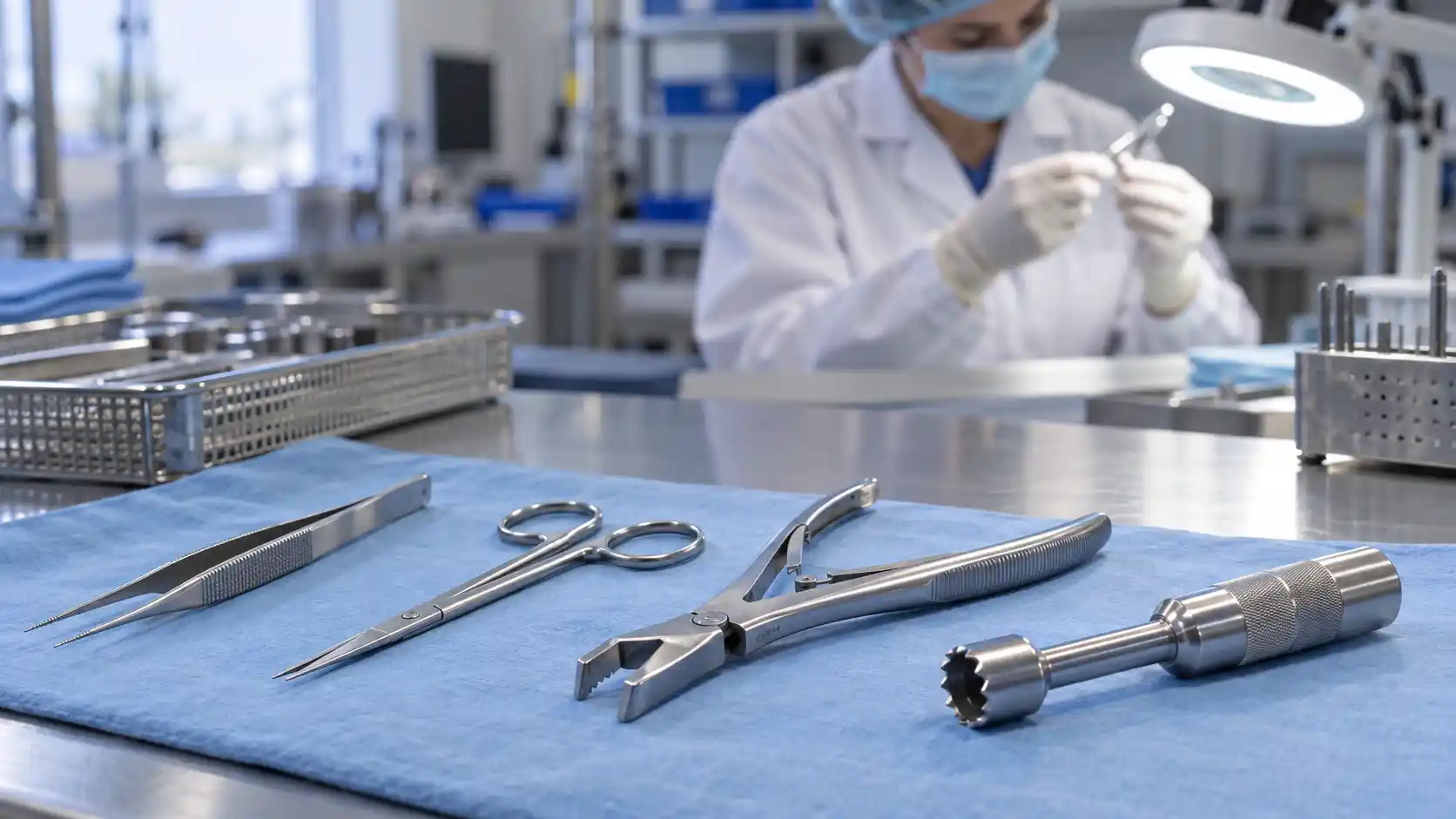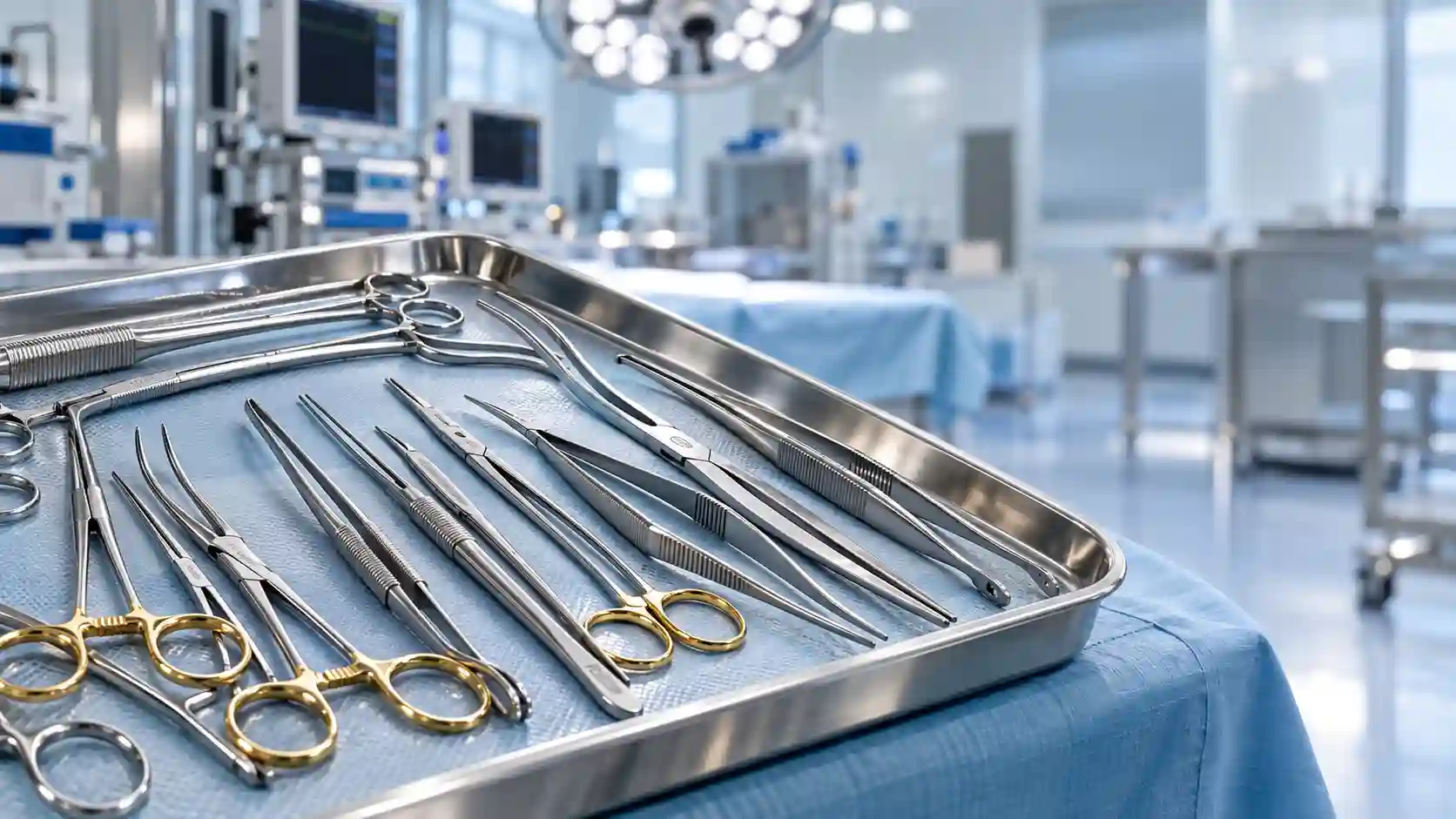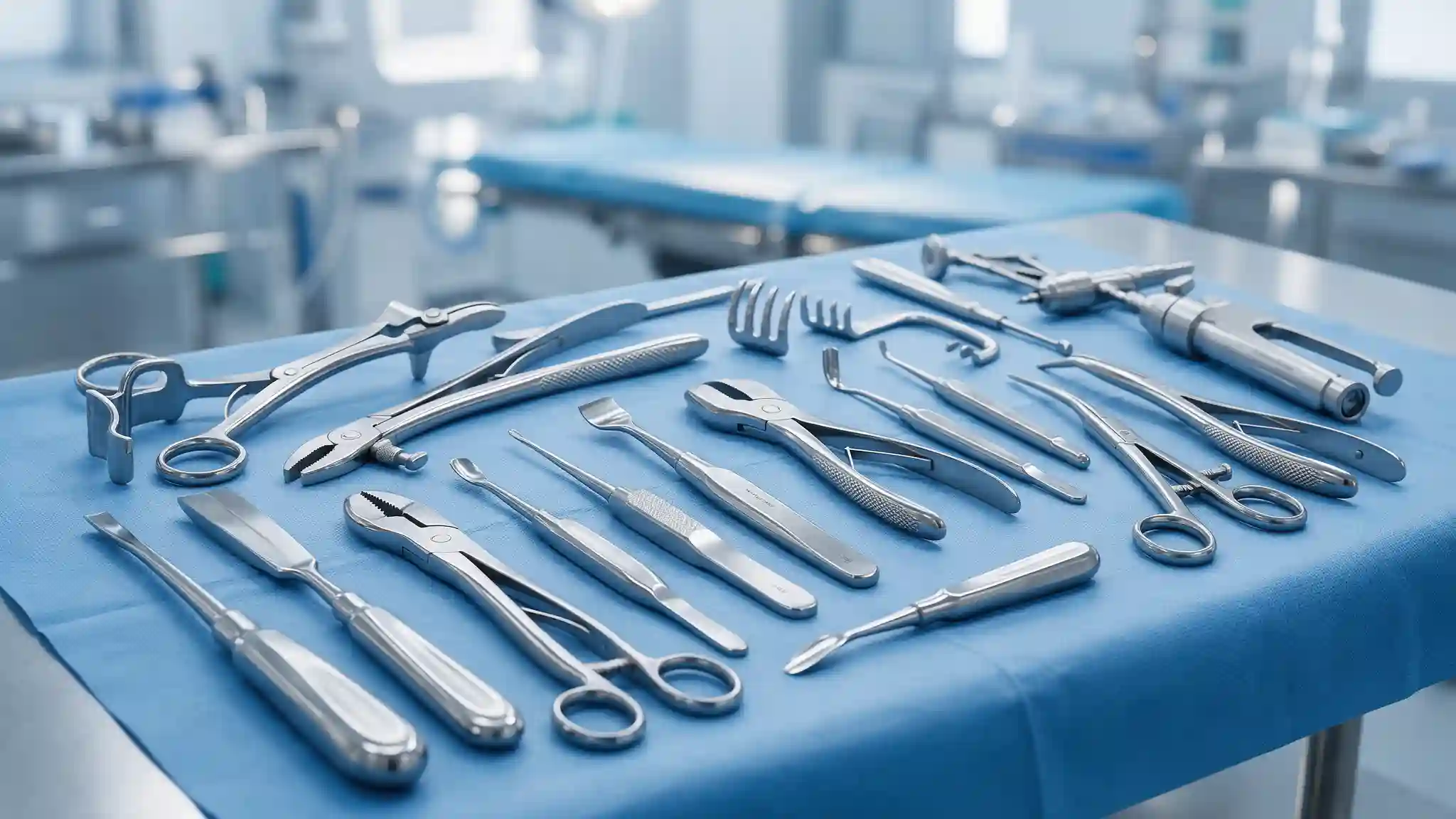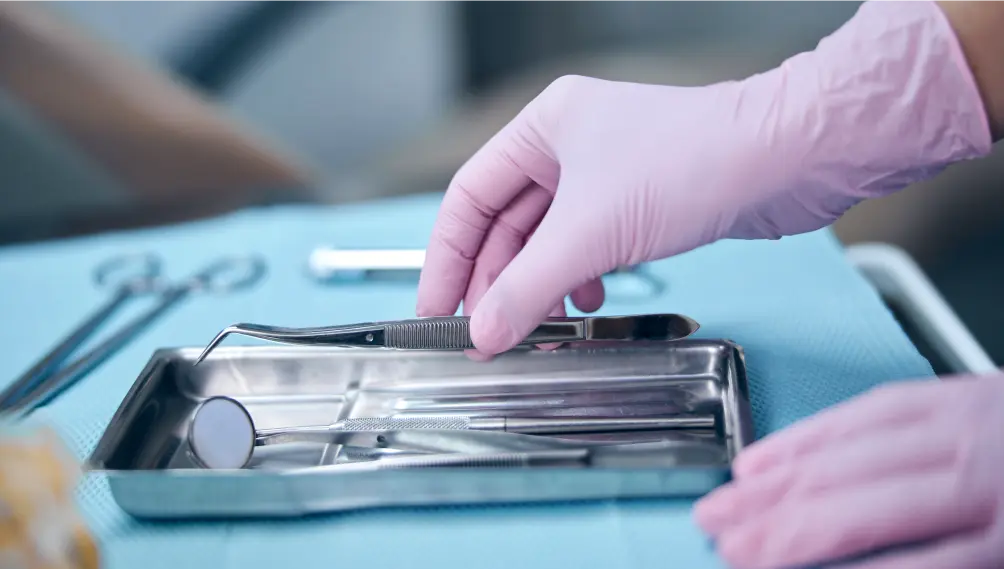
When you walk into any modern dental clinic, the first thing that you see is the tray with well-polished precision-engineered tools. These are the instruments that form the basis of contemporary dentistry. Be it a regular check-up or a complicated surgery, the availability of the appropriate dental instrument kit will make sure that the clinician will be able to operate with fine precision, and patient safety will be the first priority.
Their metallurgy, ergonomic design, and the finer details of these instruments are key factors that any dental professional who wants to achieve clinical excellence must understand. This guide will give a detailed overview of the types, selection of devices, and provision of maintenance of the devices that constitute high-standard dental care.
Fundamentally, a dental instrument is an exclusive equipment that is purposely created to perform specific tasks, which are either as basic as conducting simple check-ups, or as advanced as conducting elaborate bone procedures.In the case of any clinic, it is essential to buy dental instruments from a stable manufacturer since the quality of the tool directly determines the success of the treatment process and patient safety.
These tools are not only hardware, but they are just the continuation of the hands of the dentist. They are also tactile sensitive, and a practitioner can feel the decay or irregularities that the human eye may fail to notice. Since the primitive form of the mouth mirror to the modern state-of-the-art rotary instruments, the development of these tools has been steered by the necessity in the minimum invasive operations and maximal comfort to the patient.
Knowledge of the various dental instruments is paramount to both the students and the practitioner. They are mostly classified according to their respective clinical action:
These are the first instruments used in every appointment.
Invasive procedures require tools that can handle high pressure and remain sterile.
Tooth removal requires a blend of physics and precision.
These appliances are applied in fillings, crowns, and root canals.
There are so many choices when you visit the internet to purchase dental instruments. Nonetheless, dental tools used in clinics that are of high quality should be based on these three non-negotiable prerequisites to be worth investing in:
The dental instruments supplier should also ensure that their credentials are always verified so as to offer a traceable supply chain and manufacturing warranties.
The selection process involves a lot of choosing the right material. The standard in the industry is stainless steel, but titanium has found a niche in special surgery.
|
Feature |
Stainless Steel Instruments |
Titanium Instruments |
|
Edge Retention |
Extremely high; stays sharp longer. |
Softer; requires more frequent sharpening. |
|
Weight |
Heavier, providing a "solid" feel. |
40% Lighter, reducing wrist fatigue. |
|
Magnetic Properties |
Magnetic; can interfere with some equipment. |
Non-magnetic; safe for MRI environments. |
|
Corrosion Resistance |
High, but prone to "pitting" if left wet. |
100% Rust-proof and highly biocompatible. |
|
Primary Application |
Scaling, Cutting, and Diagnostics. |
Surgical Instruments & Implantology. |
Selection Insight: For routine scaling and cutting, stainless steel is the superior choice due to its hardness. However, for implantology, titanium is mandatory. Using steel instruments on a titanium implant can cause cross-contamination and lead to implant failure.
Even the most expensive extraction dental instruments can fail if the application is incorrect. Accuracy in the operatory is a combination of the right tool and the right physics.
When using elevators, the goal is not to pull the tooth but to lift it. By using the alveolar bone as a fulcrum, the dentist applies a "lever and fulcrum" motion. This expands the socket and severs the ligaments without damaging the surrounding bone structure.
Modern surgical dental instruments like periotomes have revolutionized extractions. And these thin and sharp blades are implanted into the periodontal ligament (PDL) space to slice the fibers prior to any force being pushed. This is to retain the buccal plate of the bone, which is very critical unless the patient intends to have a dental implant in the future.
The types of condensers and pluggers used in restorative dentistry should be sharp to prevent empty spaces in the filling. The restorative instruments of high quality possess a non-stick layer (Titanium Nitride is frequent), preventing the pulling of the composite resin out of the tooth as the tool is removed.
The dental instruments price for a full clinic setup can run into thousands of dollars. Protecting this investment through a rigorous maintenance protocol is a financial necessity.
Whether you are seeking a specialised surgical dental tool or a simple diagnostic tool, your decision determines the quality of your practice. Choosing dental instruments of high quality in clinics is a promise to your physical health and clinical outcomes of your patients. Using high-grade materials and balancing them with adequate maintenance and proper application, you are up to date in the field of modern dentistry.
Ready to upgrade your practice? Today, visit verified dental equipment manufacturers and discuss the most recent ergonomic designs and special kits based on your clinical requirements.
Have your tools checked with a magnifying glass every week. When you find pitting (you can actually see black dots), visible rust, or the tips are much shorter because they have been over-sharpened, you are ready to change.
The handles of an instrument are normally gold in color, and this means that the instrument has Tungsten Carbide (TC) inserts. TC is much harder than stainless steel, and such tools would be even harder to cut and hold.
Only in the event that the supplier is registered with the health authorities (FDA or EMA) and the make-up of the metal is clearly certified.