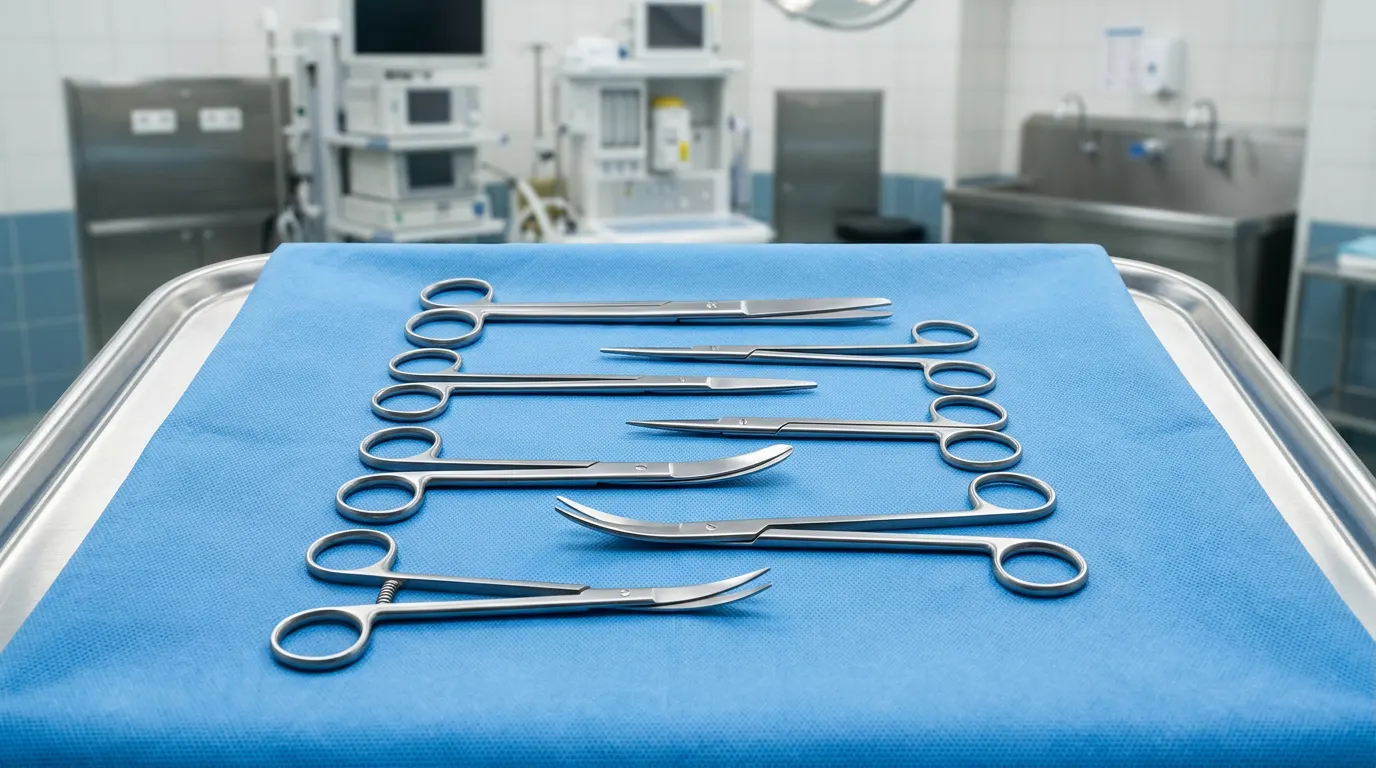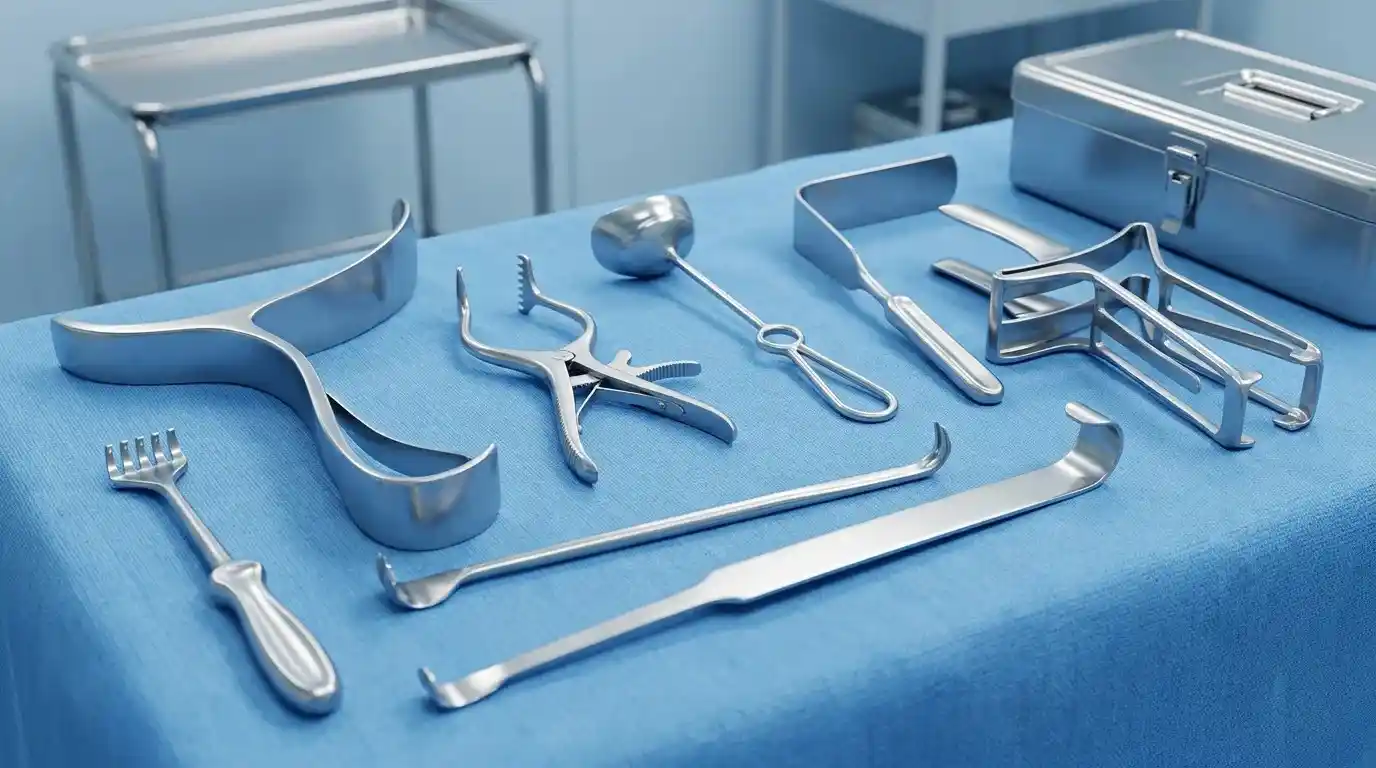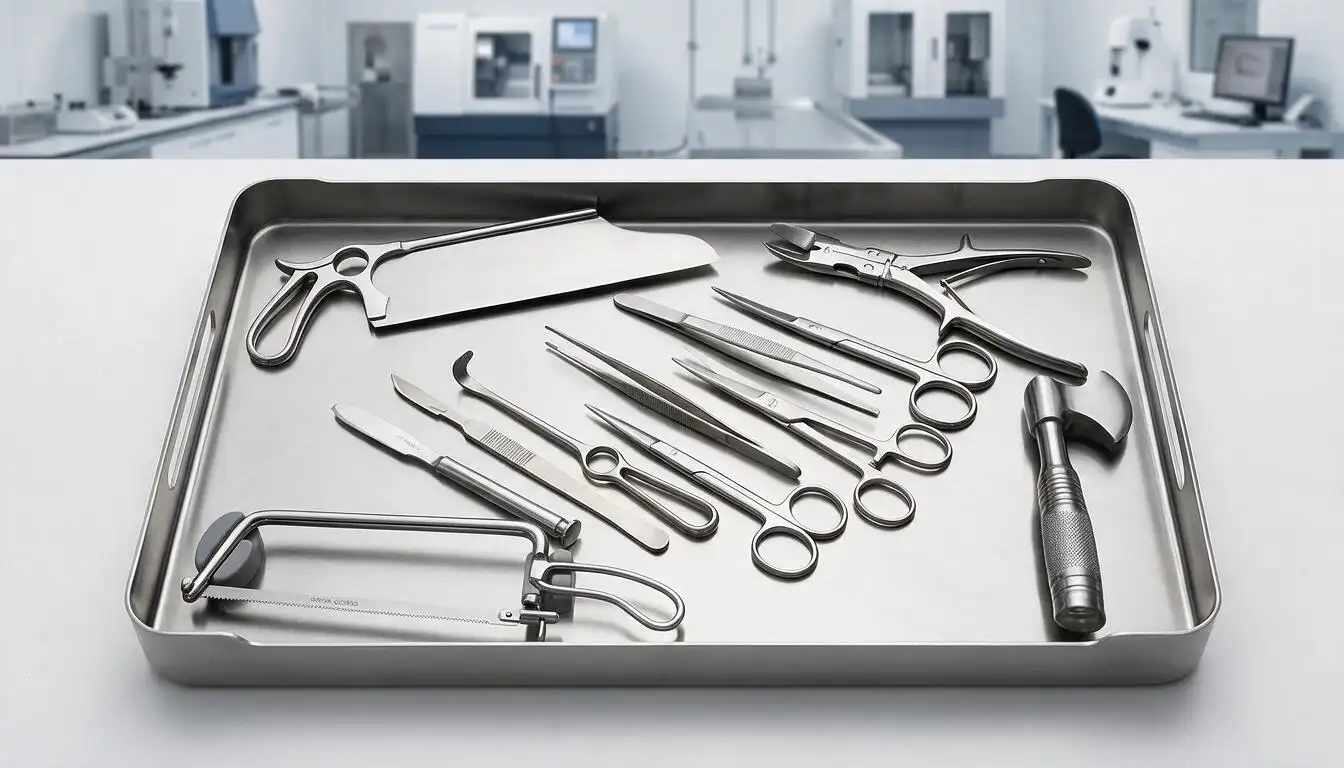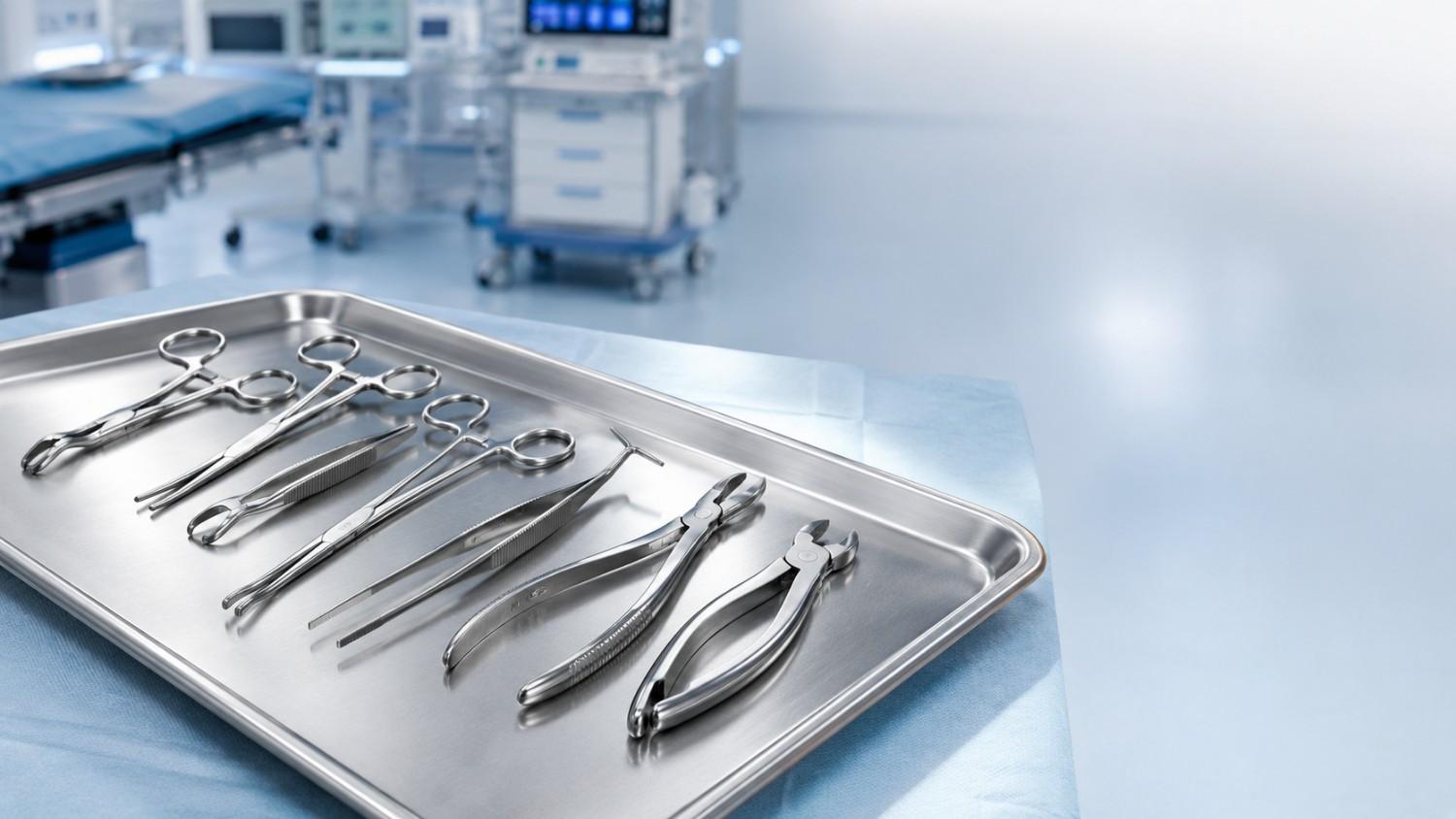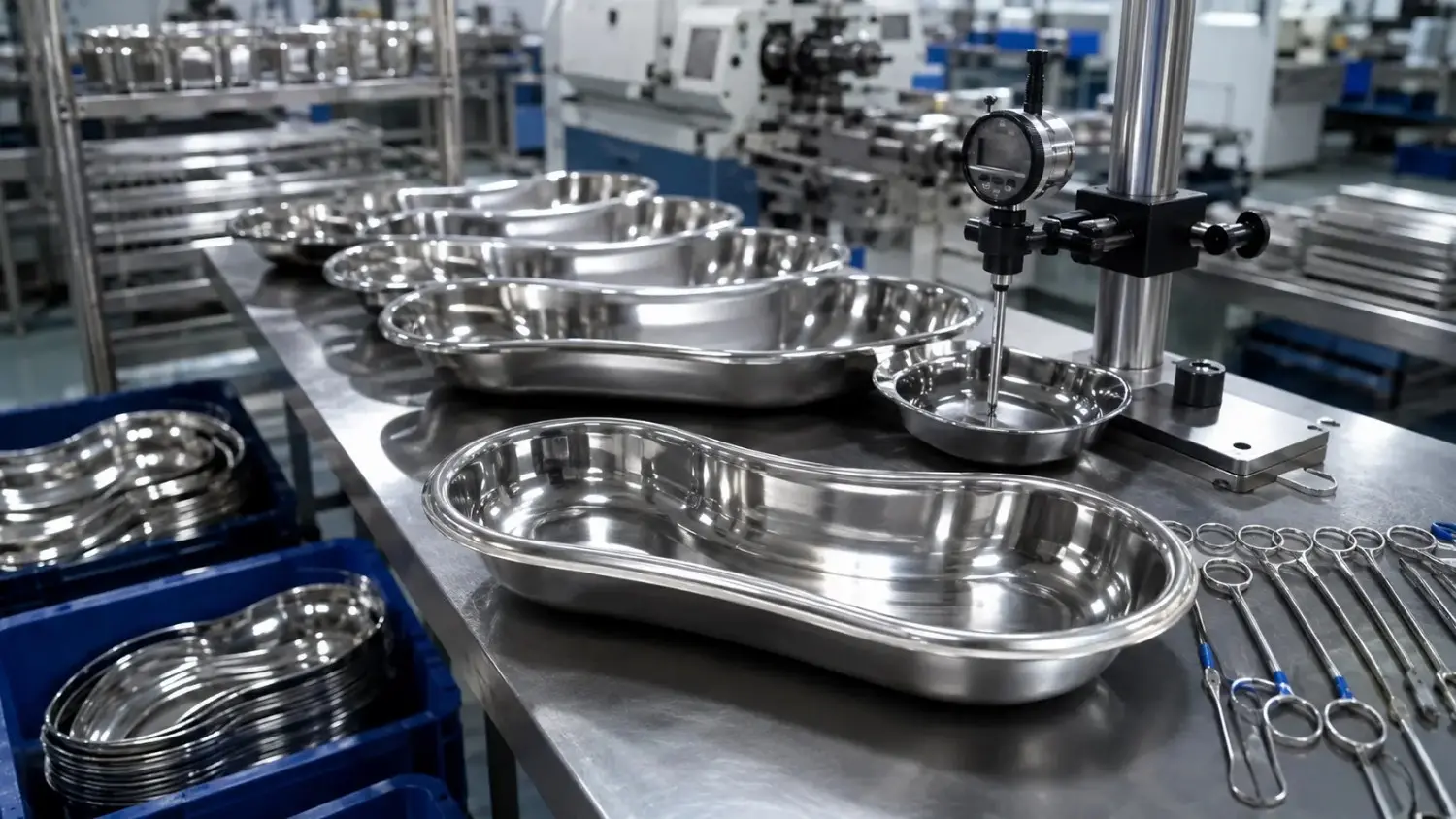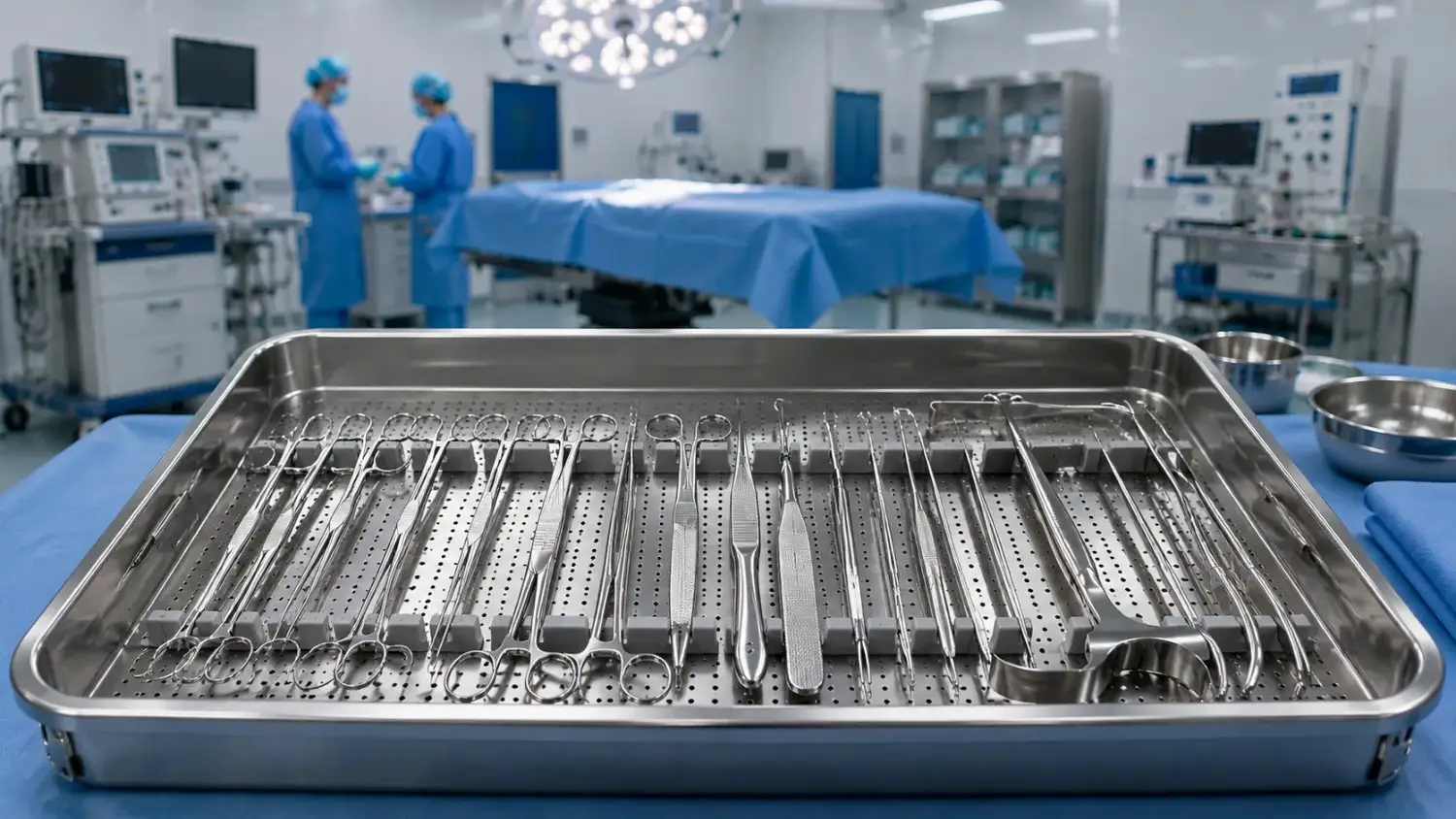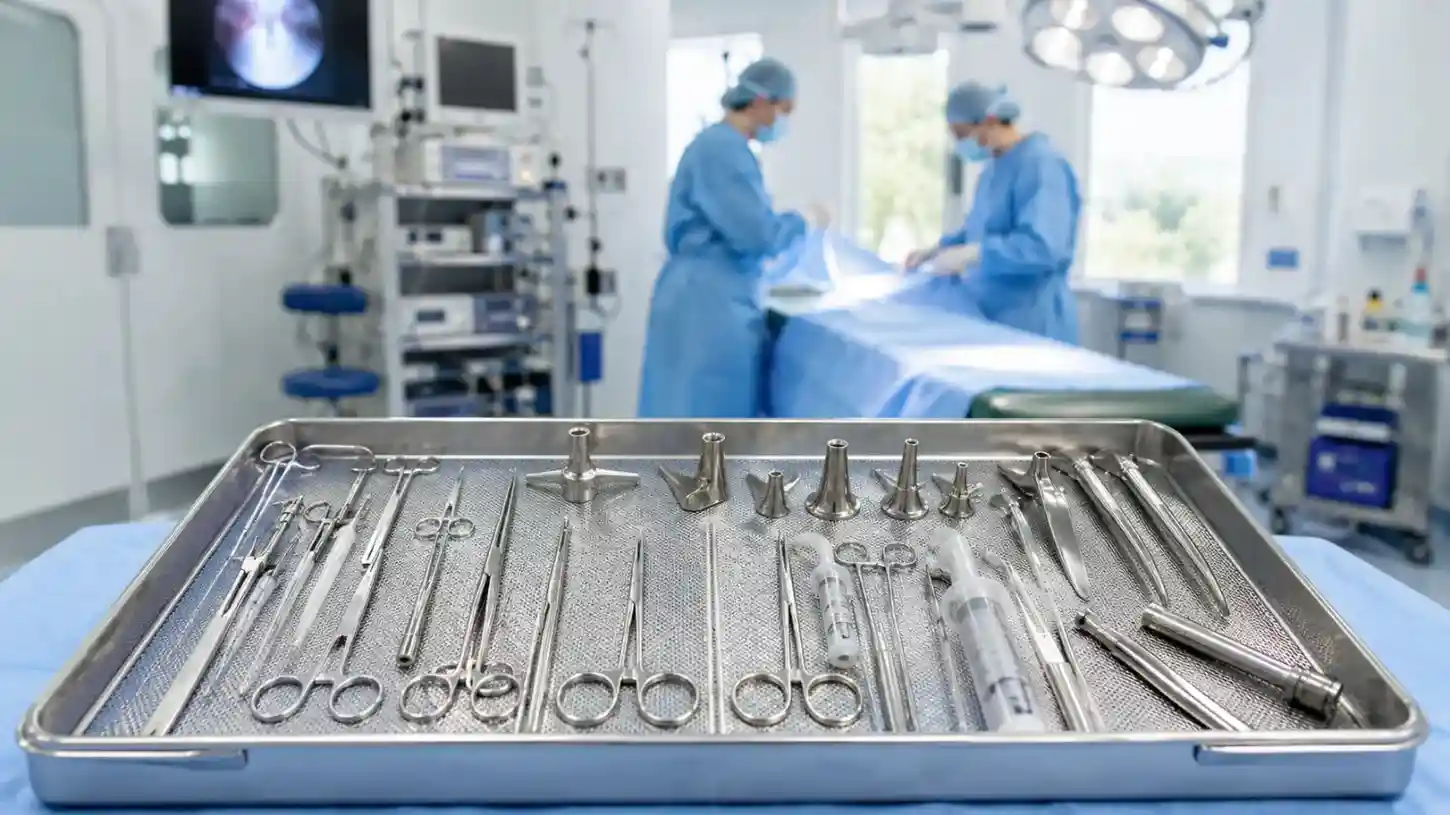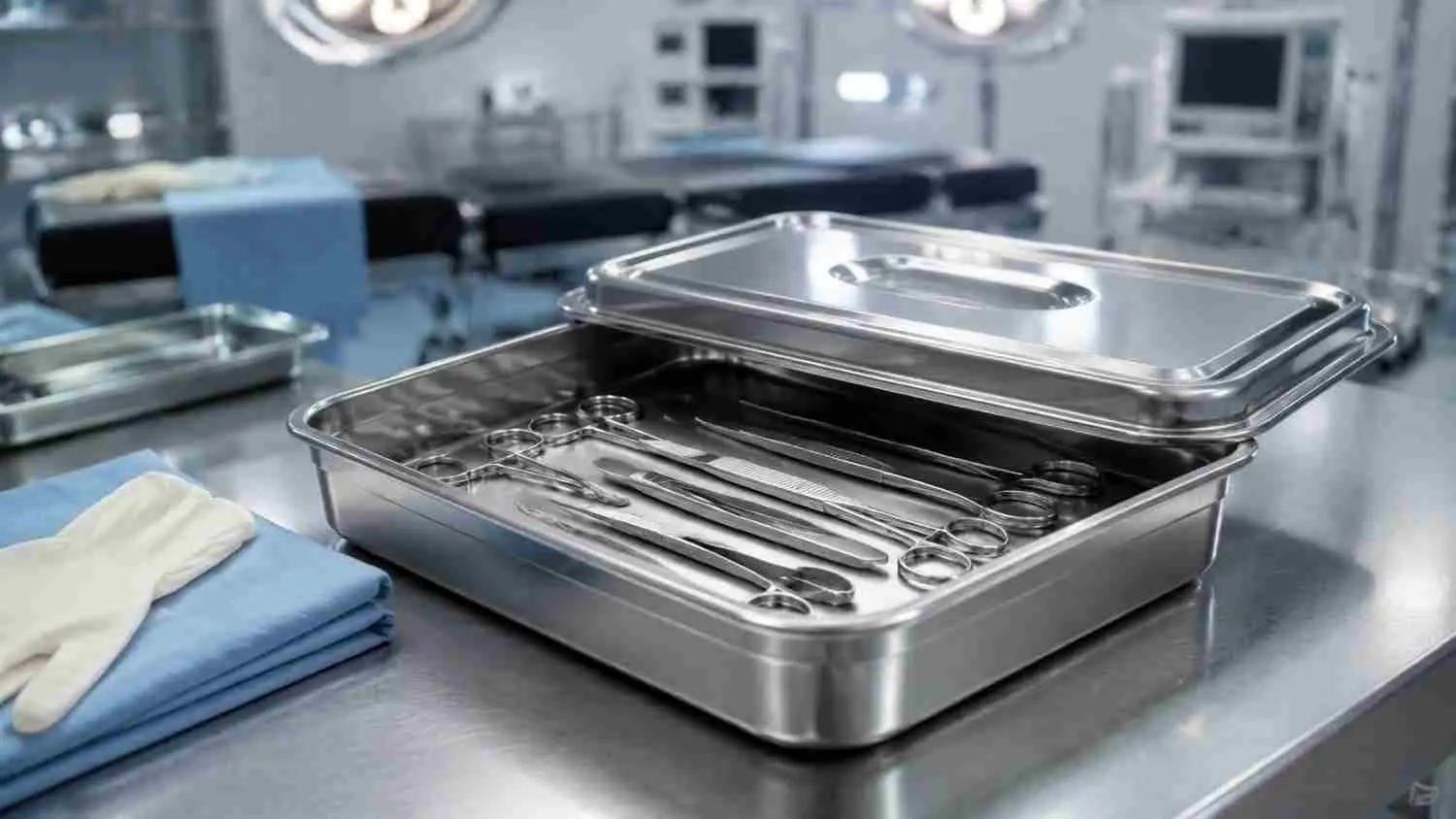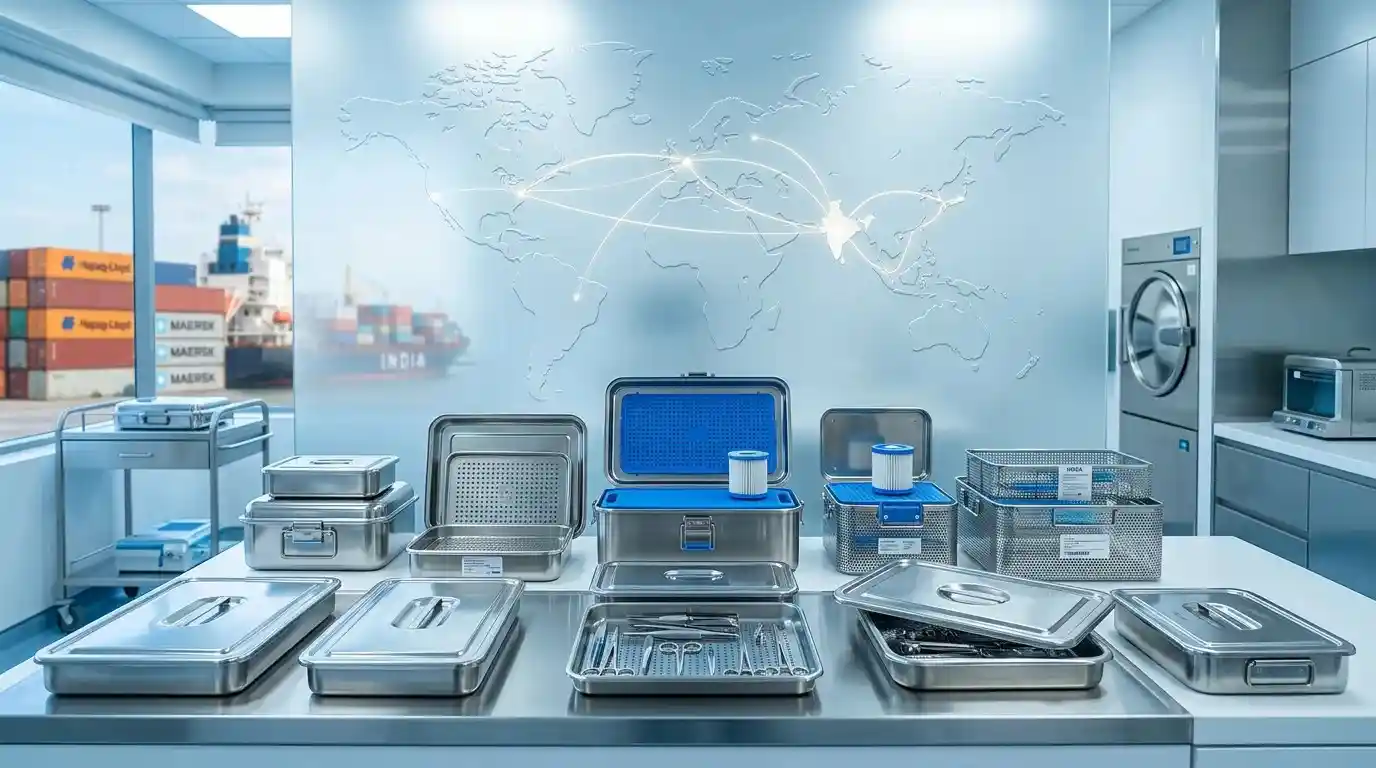
The international medical trays and containers market is estimated to be worth more than USD 5.2 billion in 2023 and is expected to surpass USD 8.9 billion by 2030 at a CAGR of approximately 8.1%. In the meantime, India's medical device export business has surpassed USD 3.4 billion in FY24 including surgical accessories like trays, containers and instrument sets, which are among the fastest-growing export categories.
Here's the part that's important to overseas buyers: India produces more, is cheaper and has become more competitive with international standards in quality. India is primarily emerging as the sourcing destination for medical-grade trays, containers and allied accessories for procurement teams, distributor networks and healthcare supply chains in the Middle East, Africa, Southeast Asia and Europe. India has quietly become the go-to sourcing hub for medical-grade trays, containers, and allied accessories
There are dozens of exporters now but it's the challenge to know who to trust and what to expect that's the hard part.
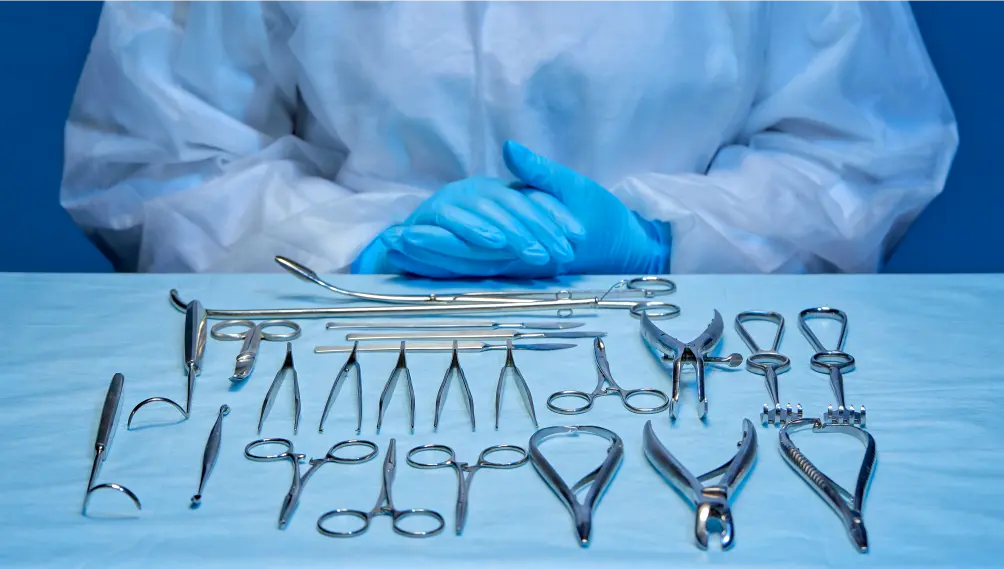
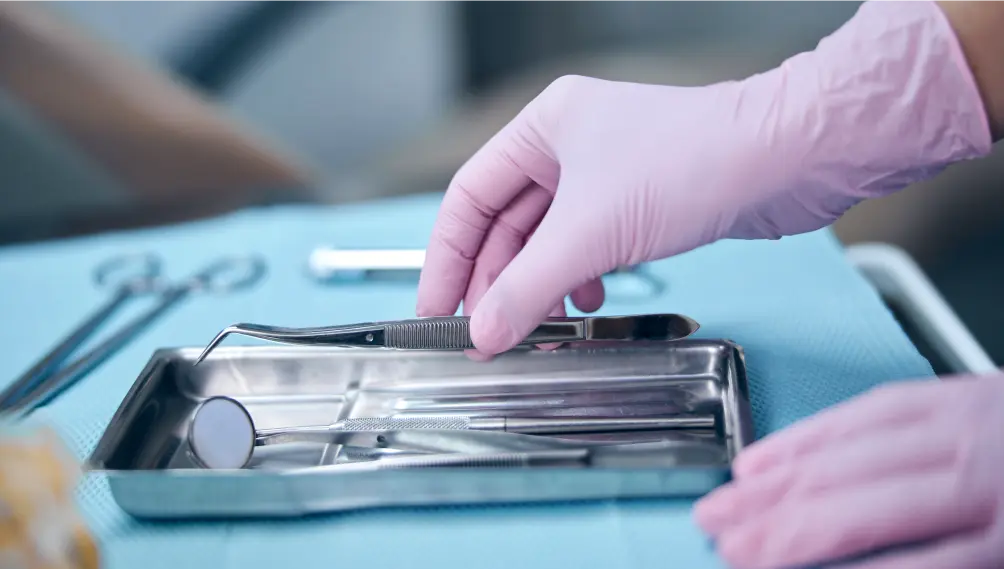
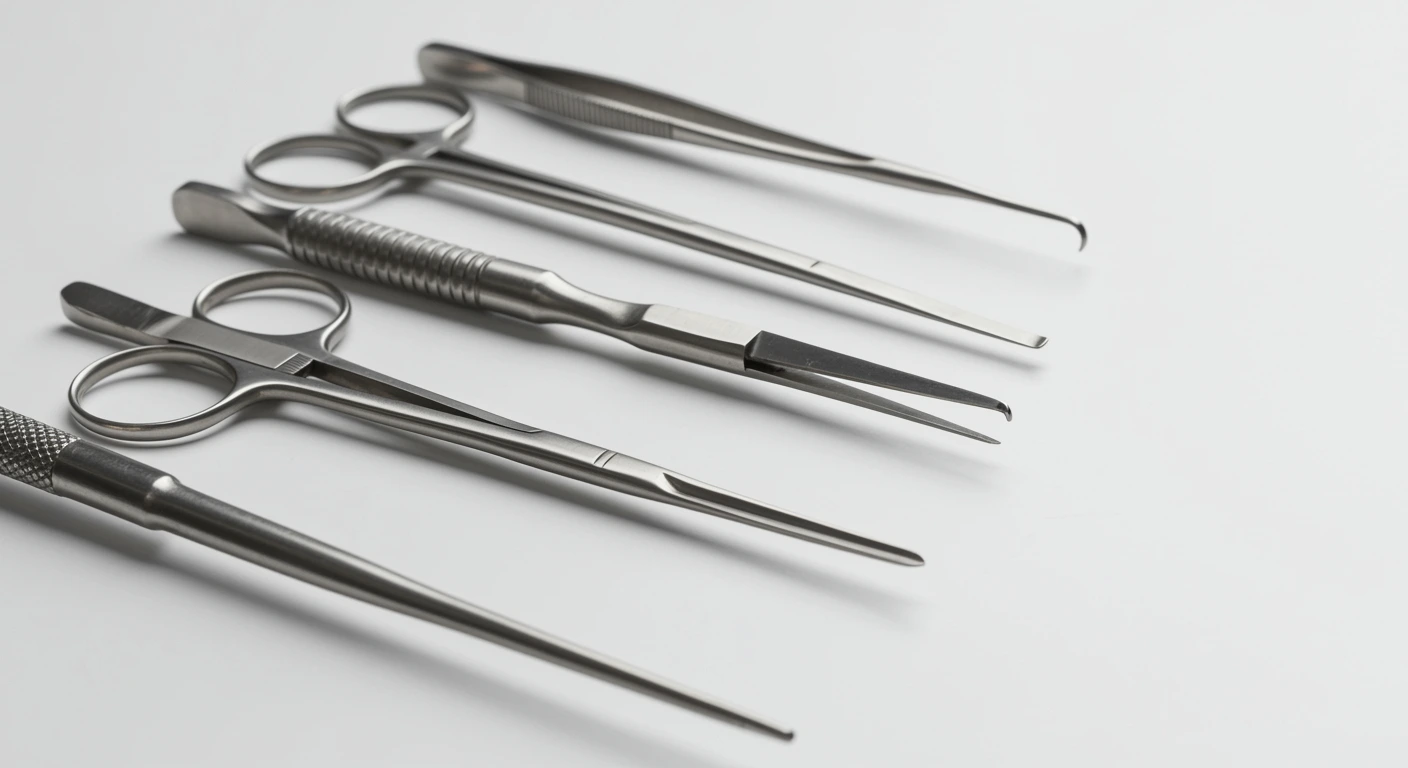
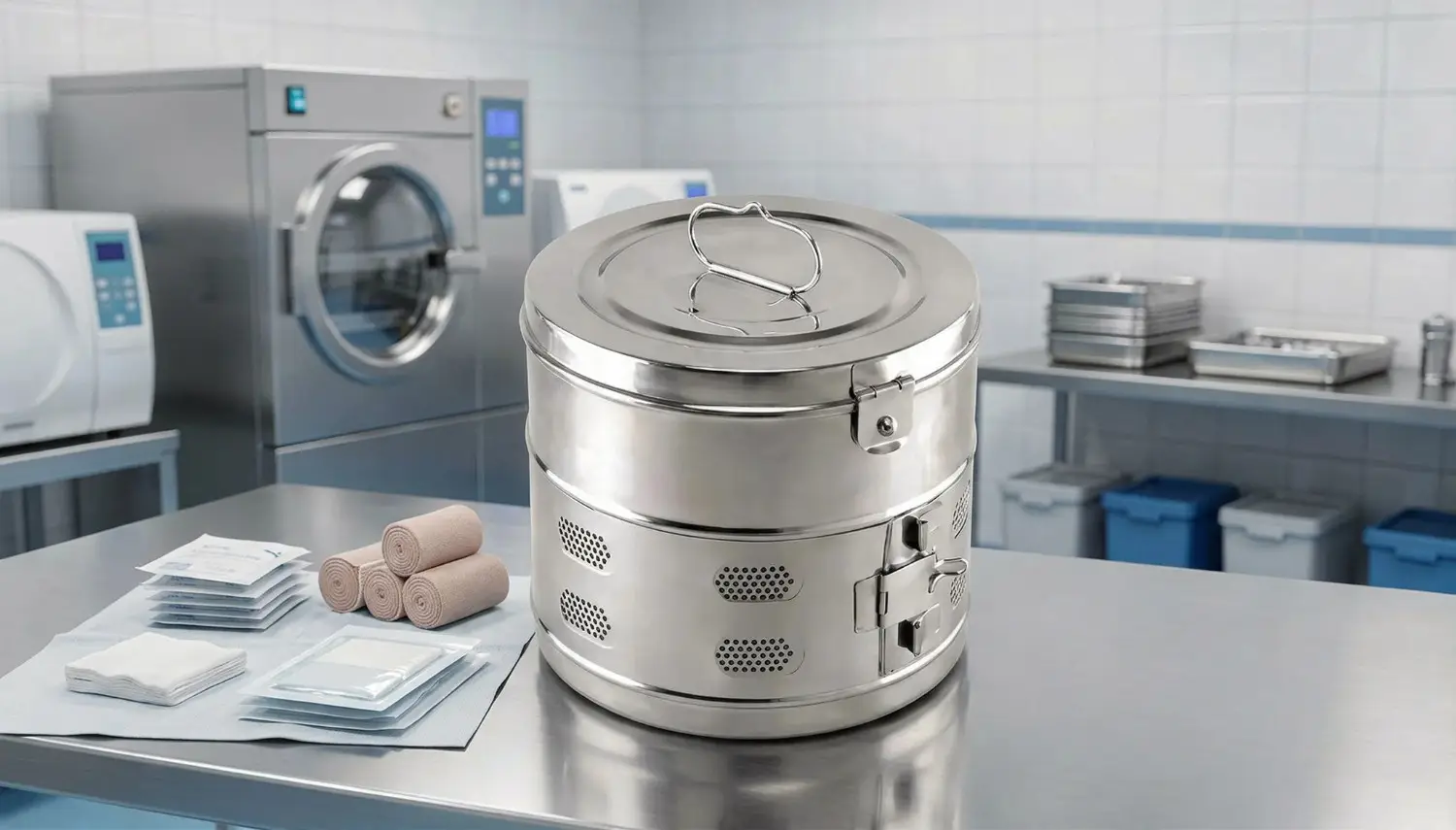
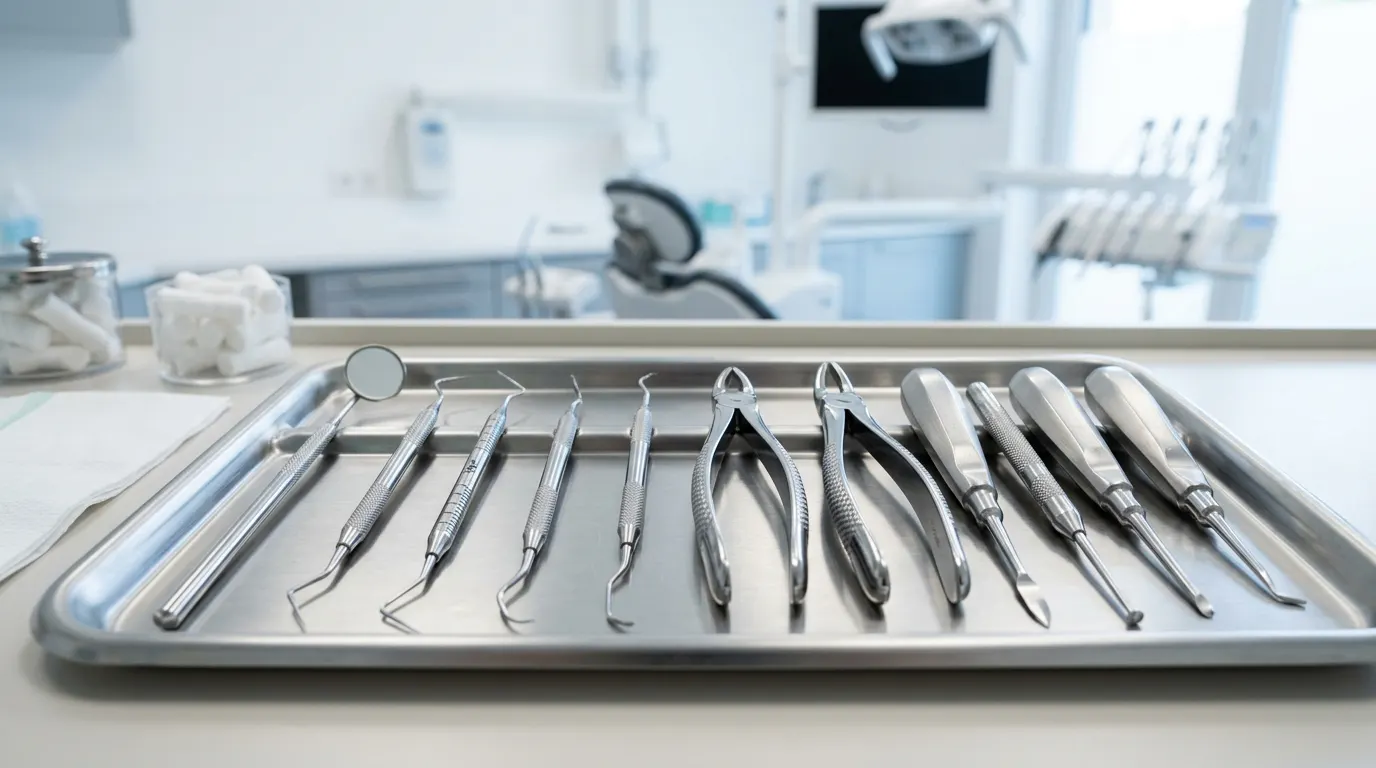
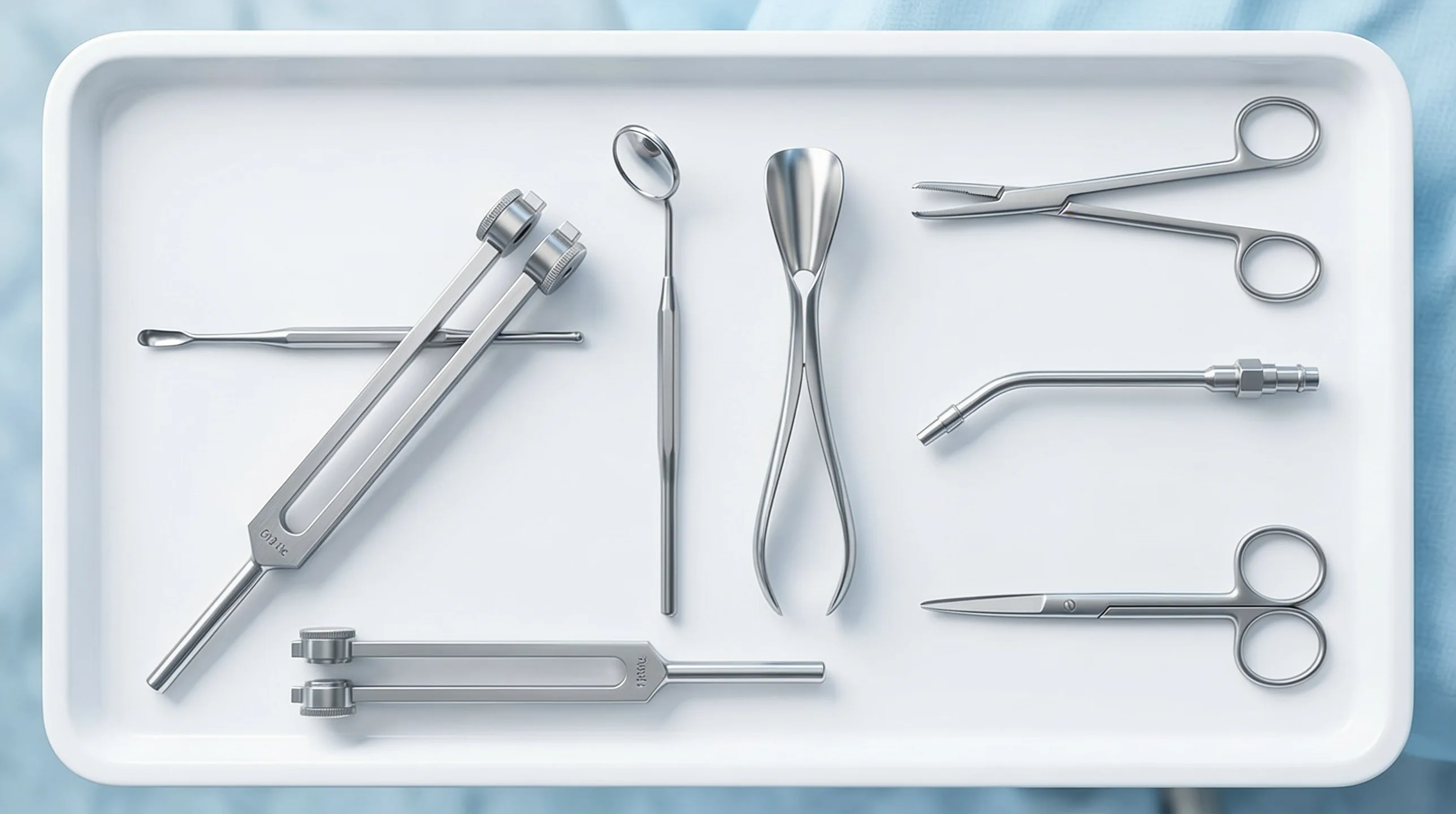
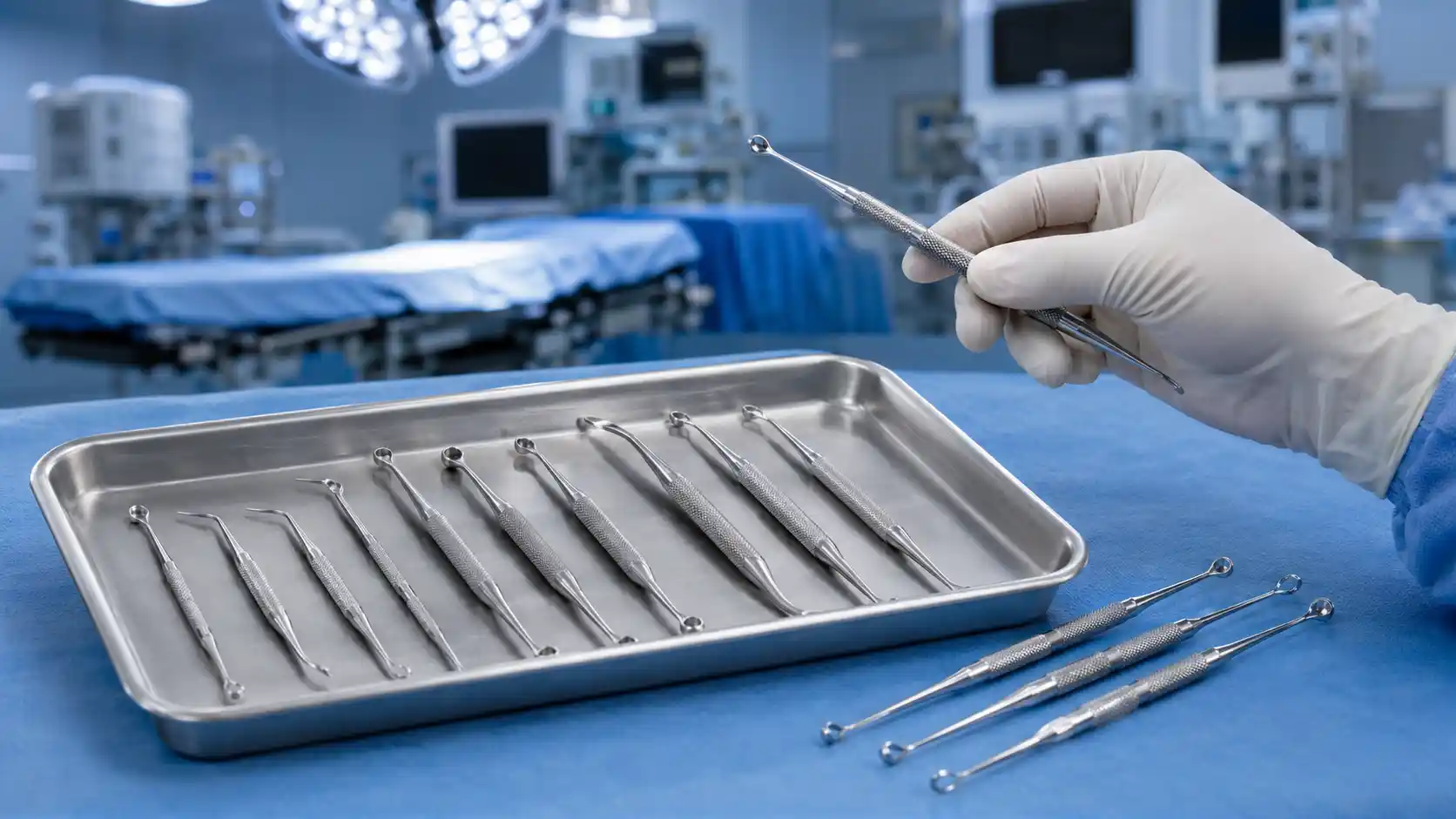
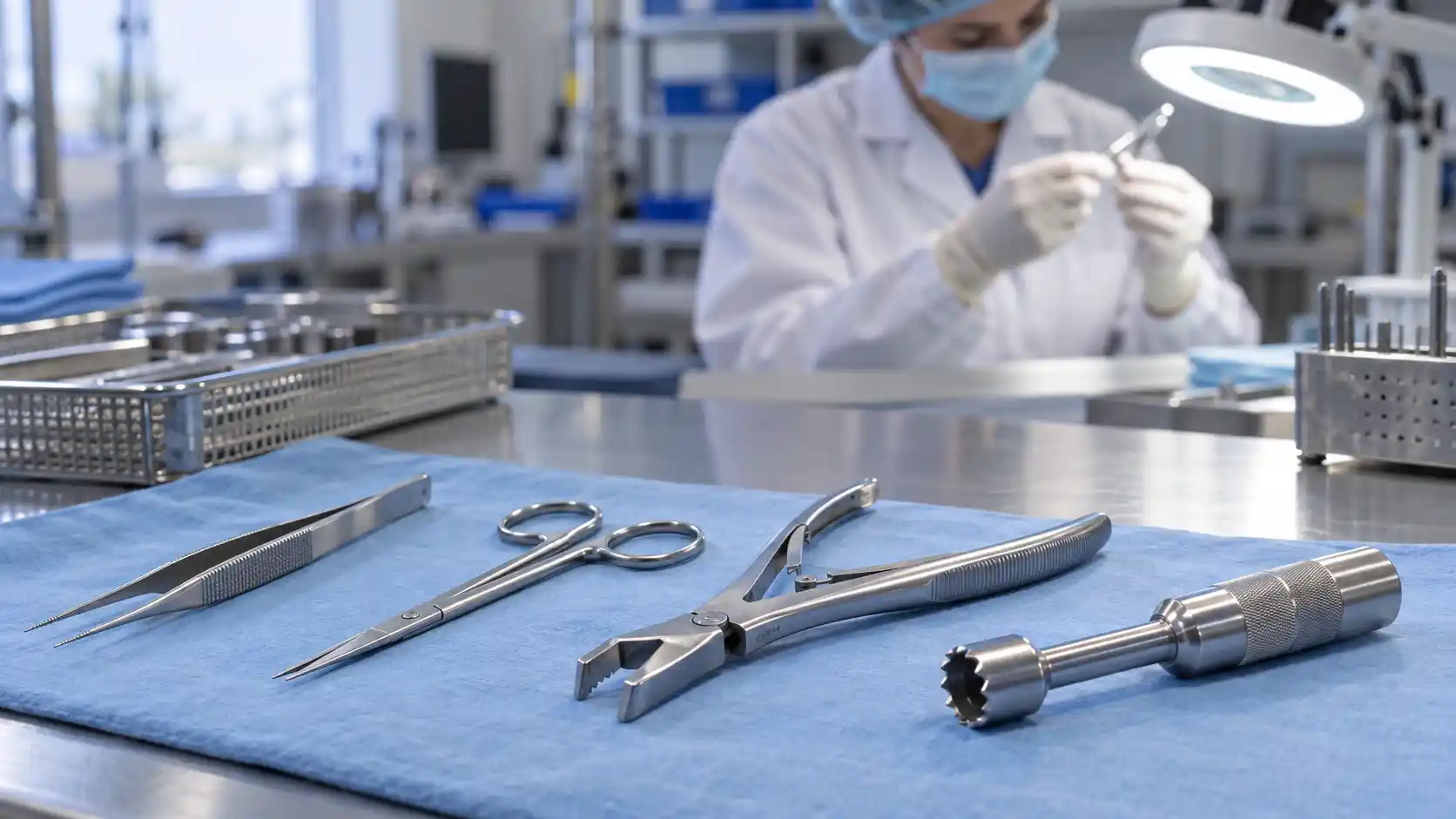
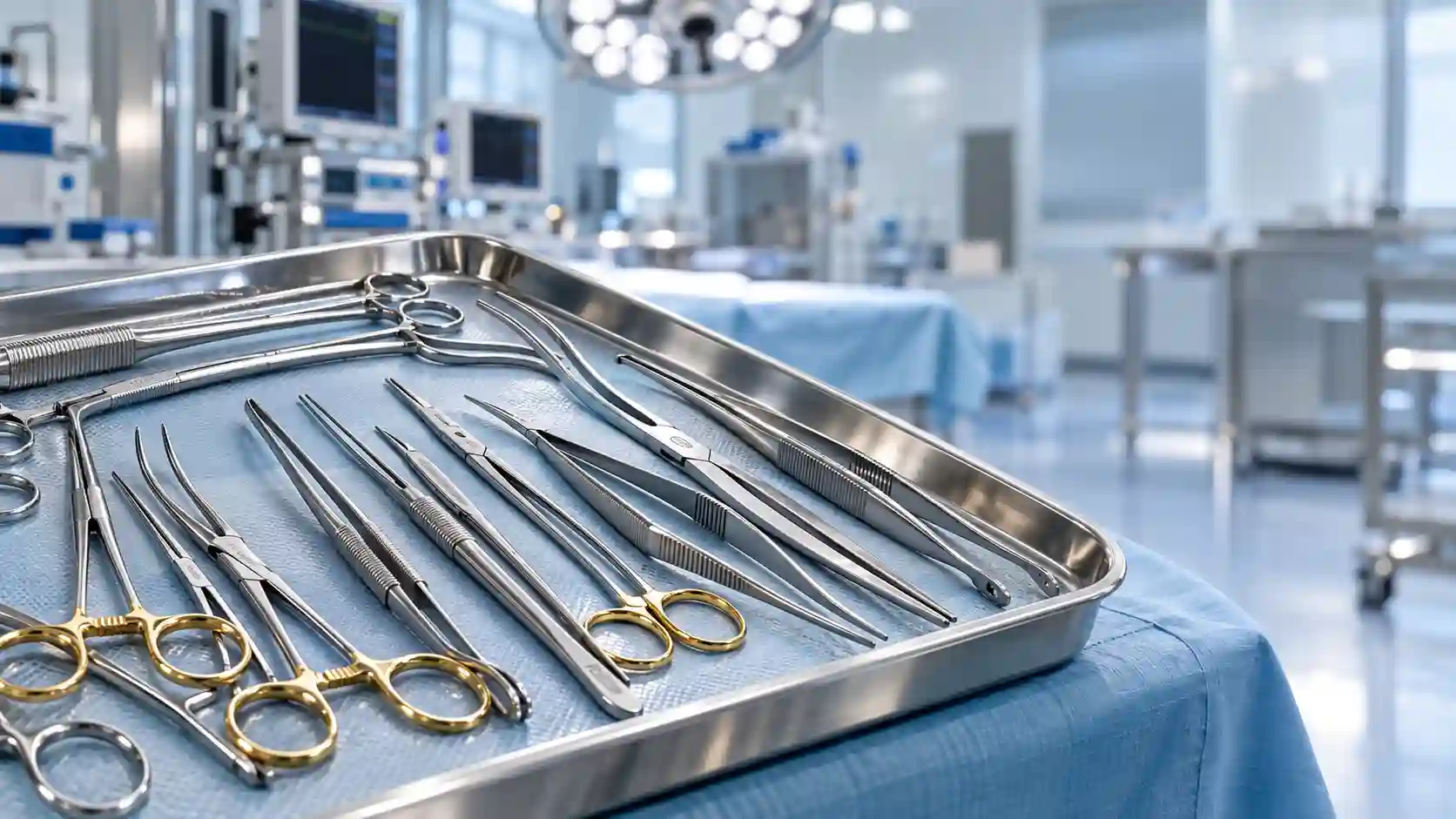
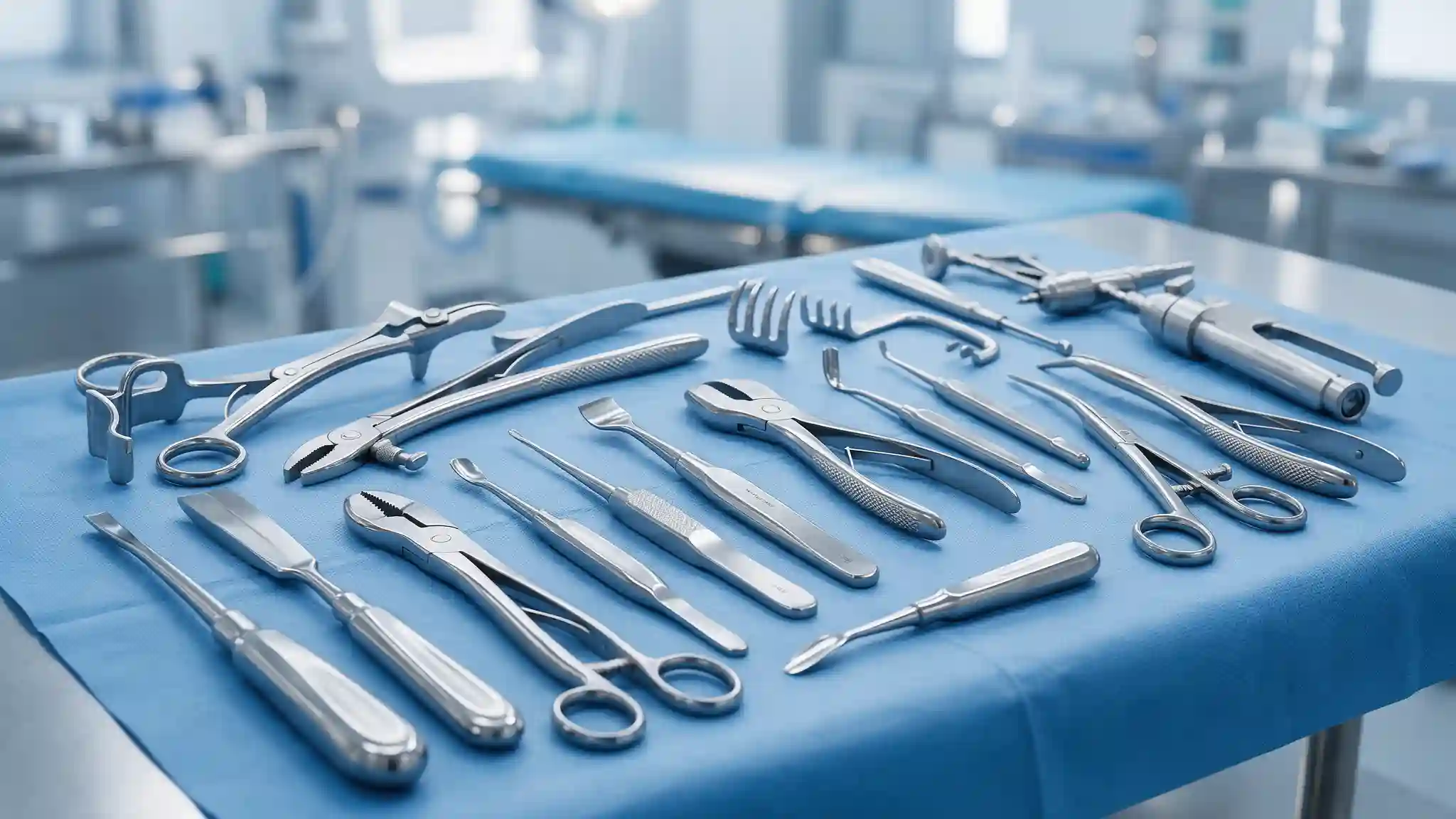
In essence, medical trays and containers are the silent workers of every medical or surgical procedure. They do the storing, organising, transporting and protecting of surgical instruments — and in the context of a global supply chain, they must raise the bar even higher.
If you are a buyer from overseas who wants to provide trays and containers throughout hospital networks, product specifications are not just standard functions.
It is critical to know about Trays and Containers material here. The most common materials used to make medical-grade trays are:
The choice of material type will depend on the end use and a good exporter will advise the buyer on the appropriate specification, not impose a catalogue of one-size-fits-all.
The History of surgical tray organization and sterilisation In the late 1800s, Joseph Lister's antiseptic principles changed the landscape of operating rooms by introducing the concept of using separate trays for organising and sterilising surgical instruments. The early surgical trays were just metal plates made from simple materials and boiled in water – nothing like the ISO-certified, autoclave-grade containers that can resist hundreds of sterilisation cycles without changing shape today.
If you're looking to buy Trays and Containers from an Indian exporter for the first time — or reviewing your existing supply chain — here's what experienced procurement teams look at:
Export Credentials & Certifications
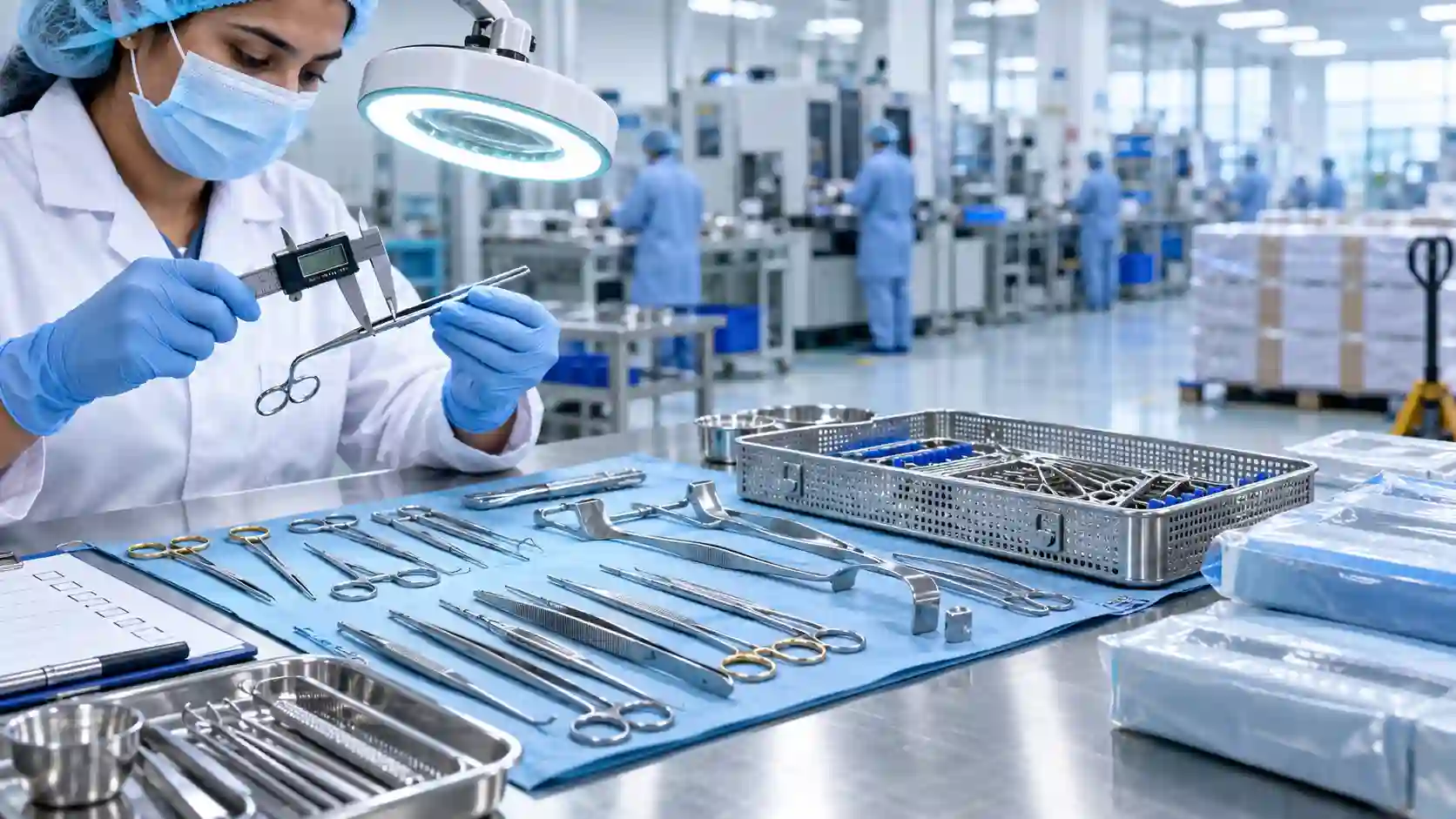
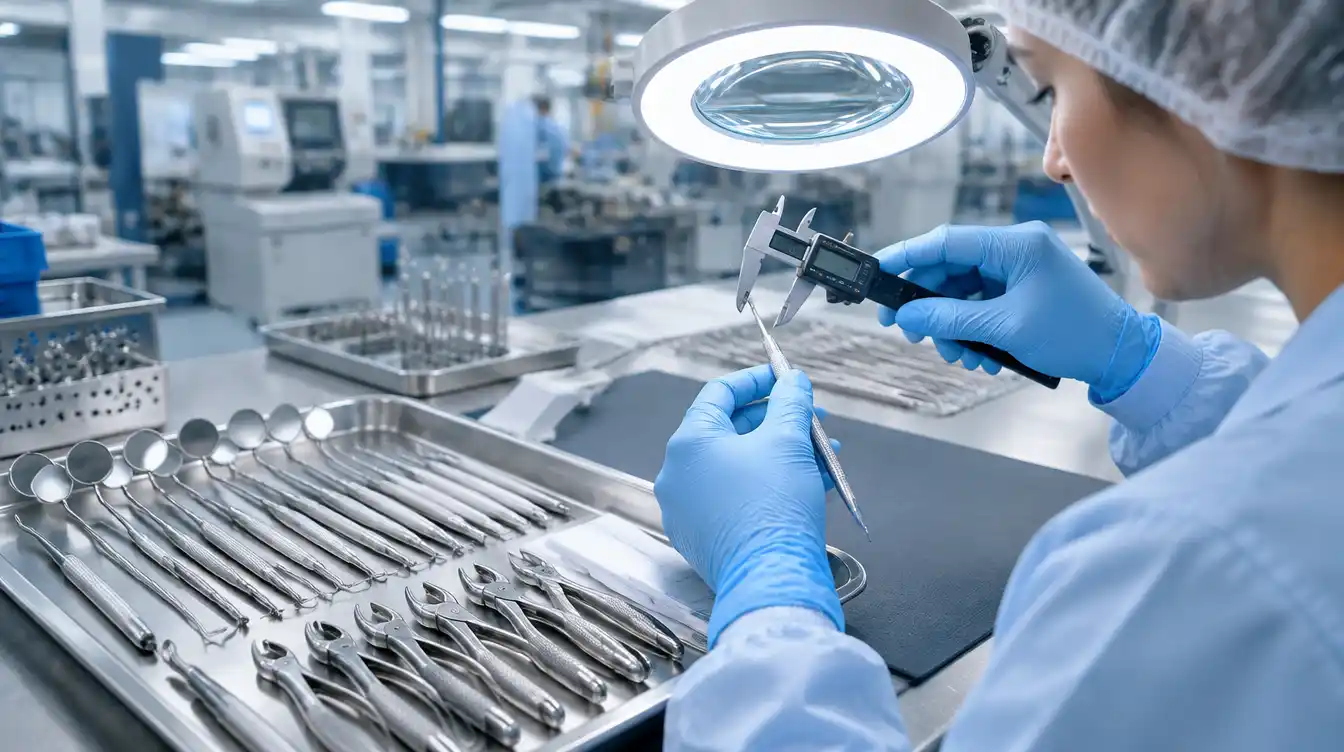
Manufacturing Capability
Pricing Transparency
Logistics & Lead Times
After-Sale Support
Did You Know?
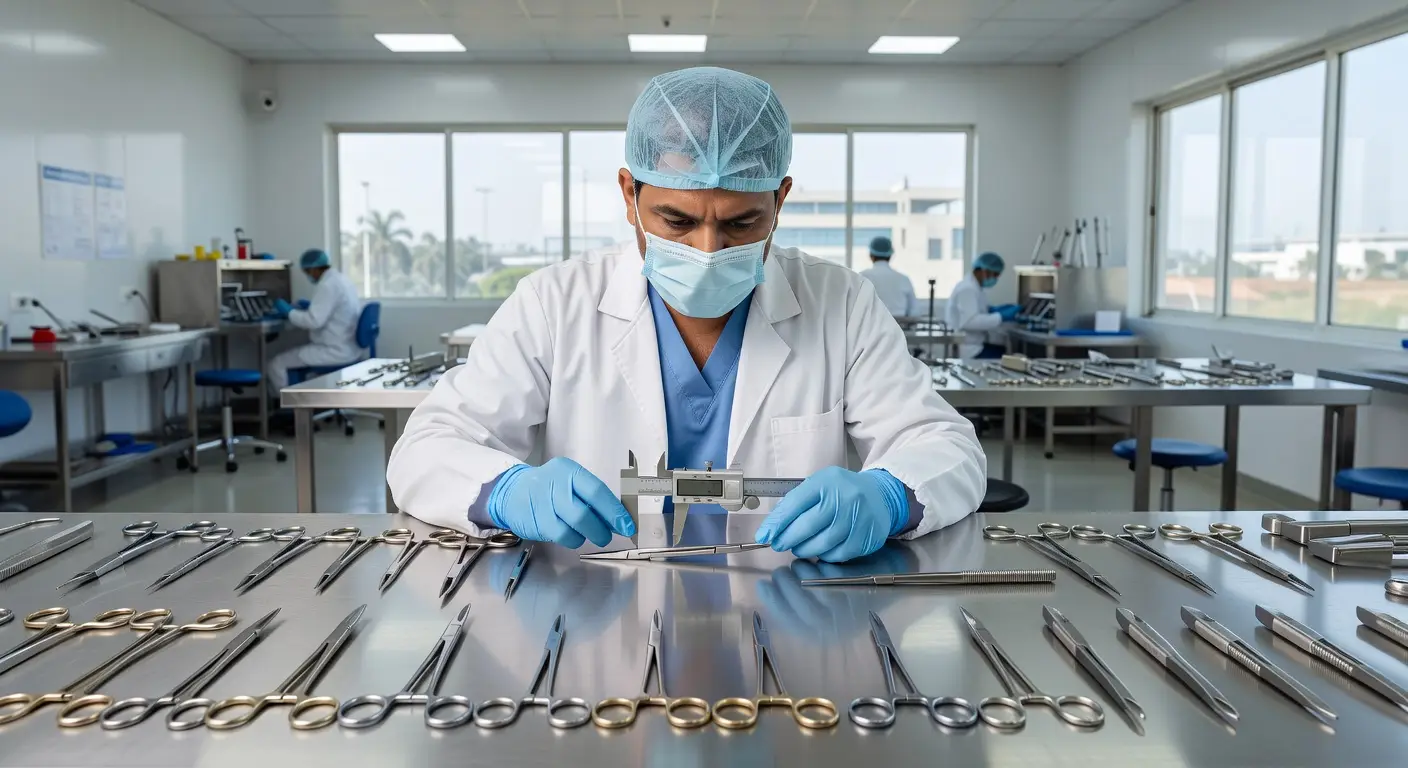
The Jalandhar-Ambala surgical instruments manufacturing belt of India is also referred to as the “Surgical Capital of Asia” and is responsible for exporting almost 70% of the surgical instruments produced in India. Manufacturers in this area have been making precision medical hardware for more than 100 years, so they have a depth of craftsmanship that newer markets can't replicate overnight, including producing medical trays and containers.
The Indian market, especially the pockets in the Punjab, Maharashtra and Gujarat region, has emerged as a strong player in medical trays and containers due to the following structural reasons:
The same sourcing rules apply for buyers interested in Trays and Containers, or other hardware. However, in medical accessories, India has a big plus as it is both clinically compliant and competitive.
A medical distributor in Dubai (MD) with a medium size had been procuring instrument trays and containers from a European supplier for more than six years. The quality was satisfactory, but their margins were under strain due to costs – particularly in the region, as hospital procurement budgets had become tighter after the COVID pandemic.
In 2023, they started studying Trays and Containers Exporters from India, thanks to a recommendation from a fellow in the region. They ran a trial with the manufacturer in Jalandhar for three months but got their answer.
That manufacturer was Mediwave — and that distributor has been a repeat customer for more than two years.
This isn't a one-off occurrence. But world buyers in Africa, Southeast Asia and the Gulf are finding out what the medical manufacturing belt in India has known for decades: quality does not have to be a premium price.
Mediwave is an established manufacturer and exporter of surgical instruments and medical accessories, such as a wide variety of Plastic Containers and Trays, instrument storage solutions, urology trays and accessory containers for hospital use.
From supplying trays and containers to a hospital chain to stocking a distribution network or fulfilling a government tender, Mediwave has the manufacturing depth and exporting capabilities to deliver.
These B2B sites have made it increasingly convenient to order Trays and Containers online – but it's also made it easier to commit big mistakes. For the best source, follow these tips:
Mediwave's team is prepared to help international buyers with the sourcing and documentation procedure, ensuring that it becomes effortless to buy Trays and Containers without any doubts.
The world is no less in need of high-quality medical trays, containers and surgical accessories, and the manufacturing sector in India is capable of producing them in sufficient quantities. For international distributors, hospital procurement teams and healthcare supply chain managers, it's not just about the cost of working with the right Trays and Containers suppliers in India. This is a choice of quality, reliability and longevity.
Mediwave has spent years building exactly that kind of reputation — one export order, one verified product, one satisfied client at a time.
Looking to source smarter?
Explore Mediwave's full range of medical trays, containers and surgical accessories — and speak directly with the export team for pricing, certifications and custom requirements. Contact us today.
Indian exporters primarily use Stainless Steel (SS304/SS316), high-grade Polypropylene (PP), and ABS Plastic. The right material depends on end use — reusable surgical trays, single-use applications, or general instrument storage and transport.
Yes. Reputable Indian exporters like Mediwave hold ISO 13485 or ISO 9001 certifications and offer CE-marked products. Always verify that the certification covers your specific product category before placing bulk orders.
Most established Indian manufacturers fulfil bulk orders within 18–22 working days. Lead times vary based on order volume, customisation requirements, and freight destination. Phased delivery options are available for large-volume orders.
Absolutely. Manufacturers like Mediwave offer custom dimensions, configurations, and labelling. It is advisable to share exact specifications upfront and request physical samples before committing to full production runs.
Documented cases show savings of up to 34% per unit compared to European suppliers — without compromising material grade or certifications. Savings vary by product type, quantity, and material specification chosen.
Request factory photographs, production capacity documents, and ISO certification copies. Ask for prior international shipment references. Genuine manufacturers will provide transparent documentation without hesitation, unlike brokers or resellers.