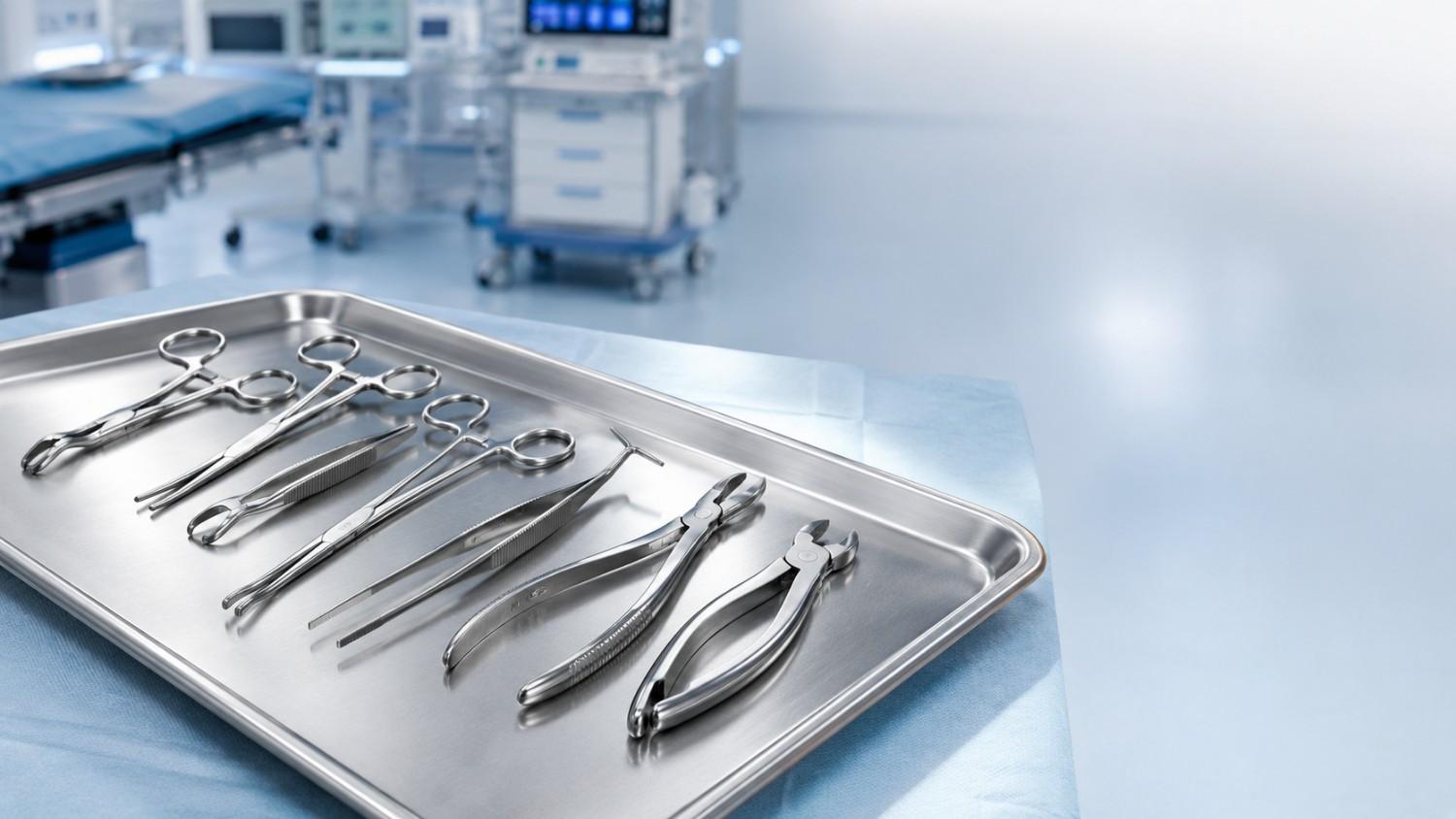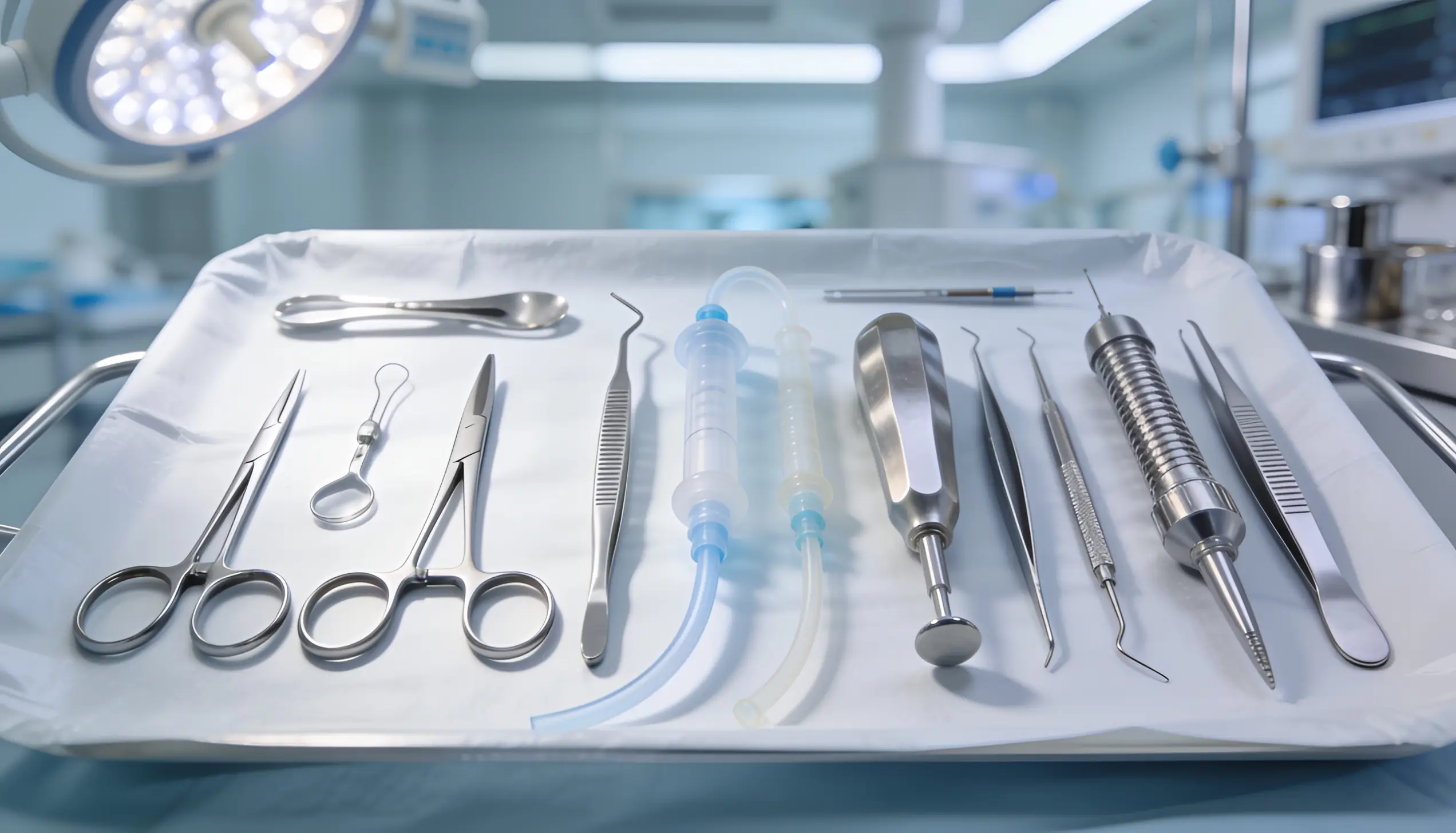
Precision is a crucial aspect of modern medicine especially in delicate and complex surgical procedures such as surgery on the nervous system. These areas are responsible for the most critical functions of the body, so any minor mistakes could have led to severe consequences. The surgeon has to work in a confined area where every millimetre counts. Neurosurgery instruments are essential to this process. Surgical instruments used to perform surgery from pre-diagnosis to post-surgical treatment are all dependent on the correct instruments being manufactured and used precisely, accurately and safely to ensure good results.
In this blogger's guide, we will discuss the purpose of neurosurgery instruments, their use and why hospitals should invest in quality neurosurgery instruments from trusted Neurosurgery Instruments Manufacturers in India and neurosurgery instruments suppliers in India.
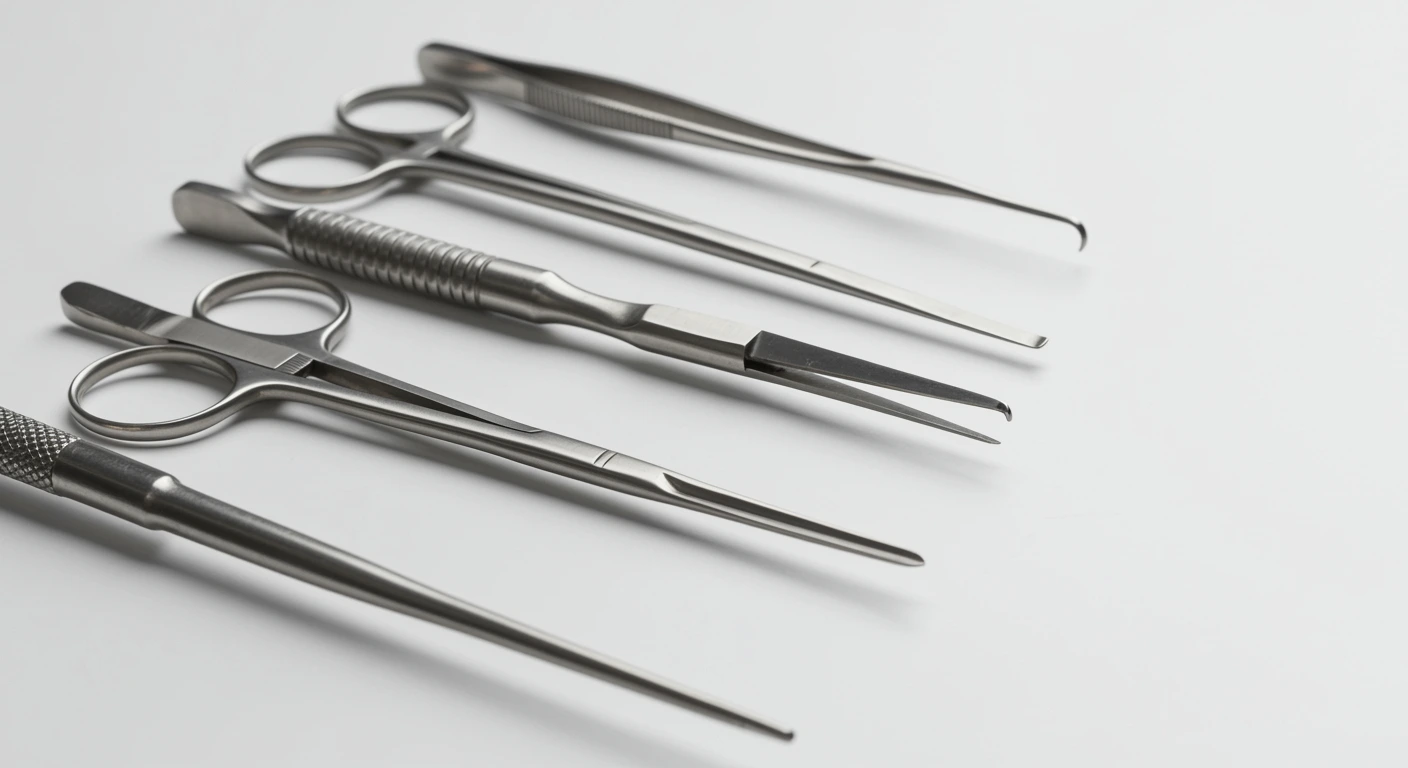
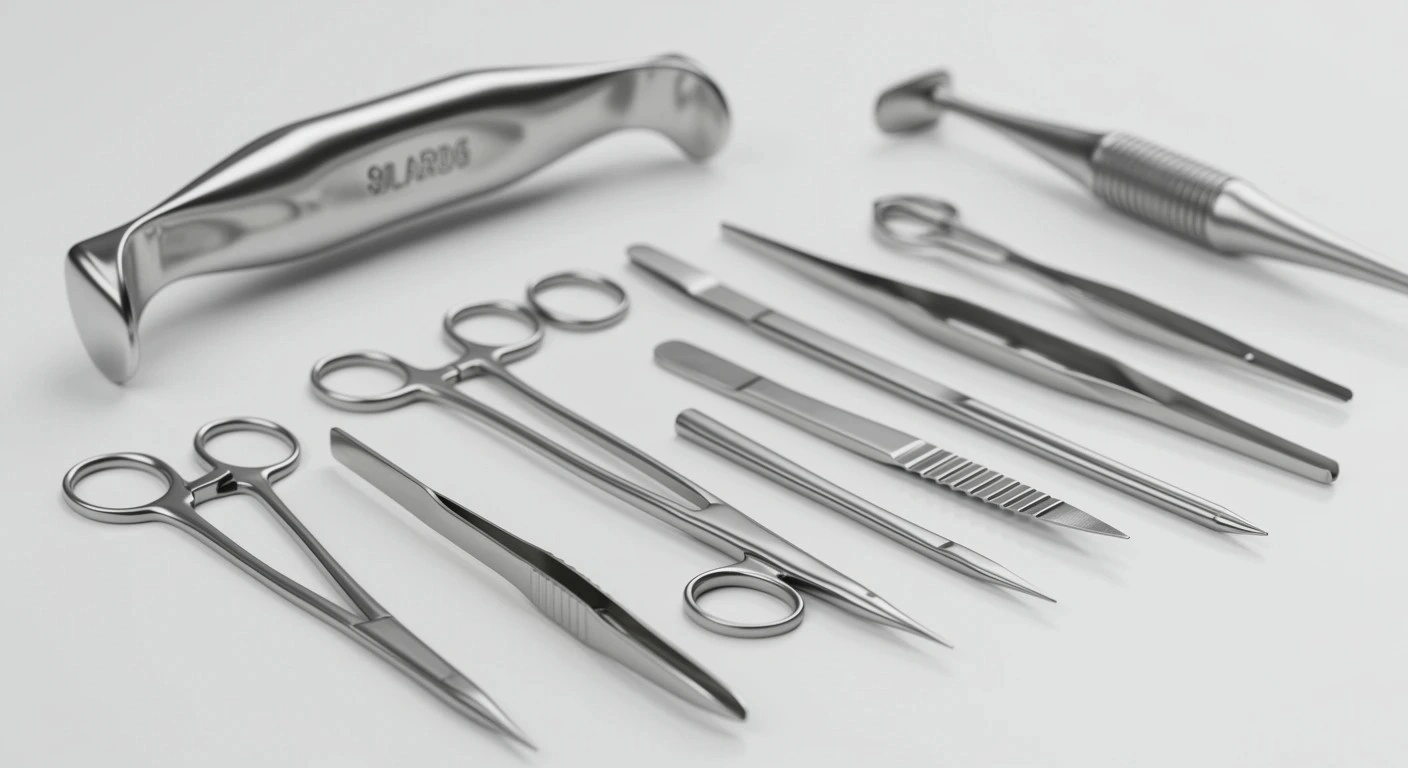
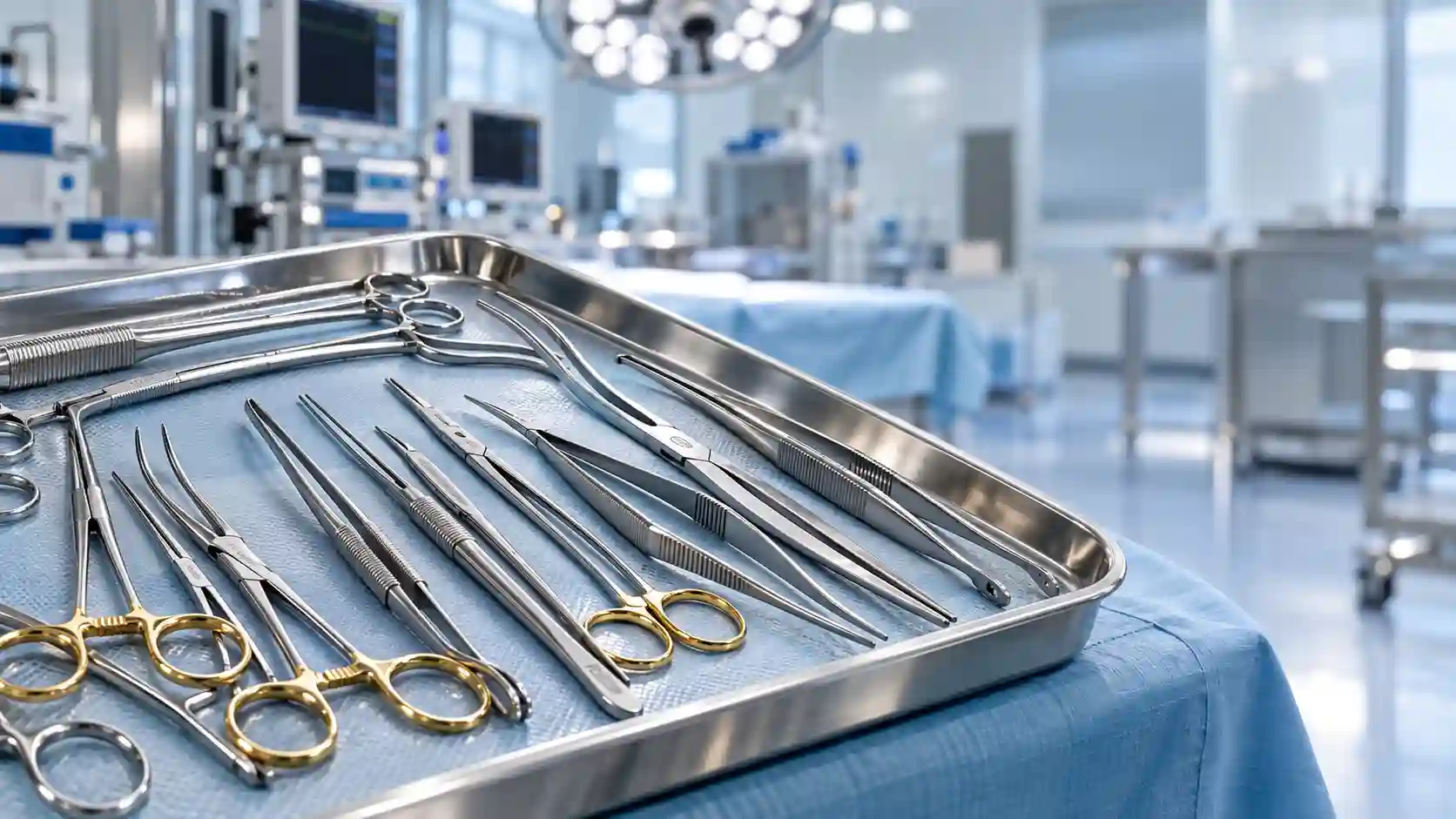
Neurosurgery instruments are among the most delicate tools used for fragile tasks around nerves, the spine or inside the skull. Their tips and contours match precise requirements that are determined by surgical practices. Accuracy is critical, given small movements even in sensitive regions.
Some reach narrow paths without tearing nearby layers. Designed not just to cut or hold but to limit how much the body must change around them.
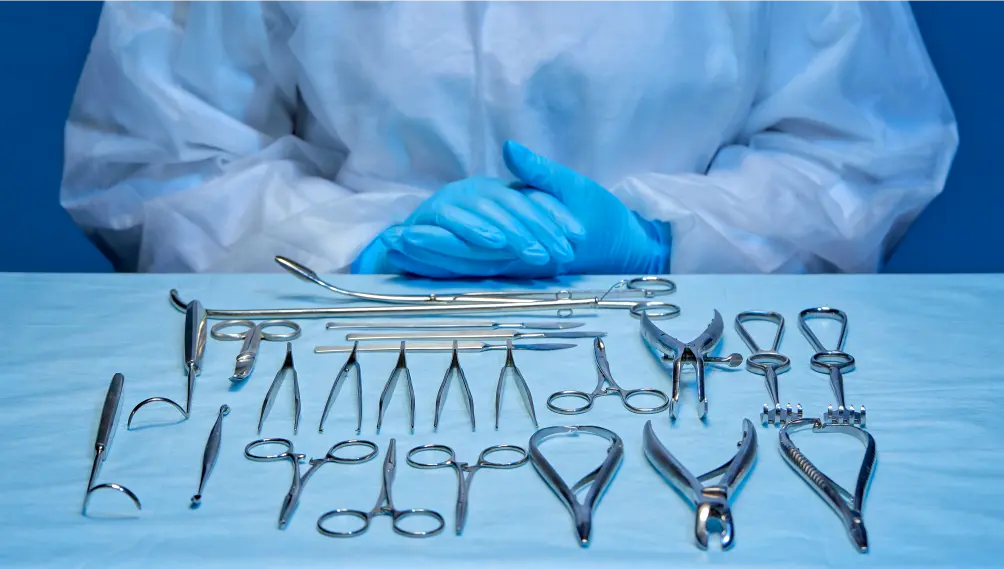
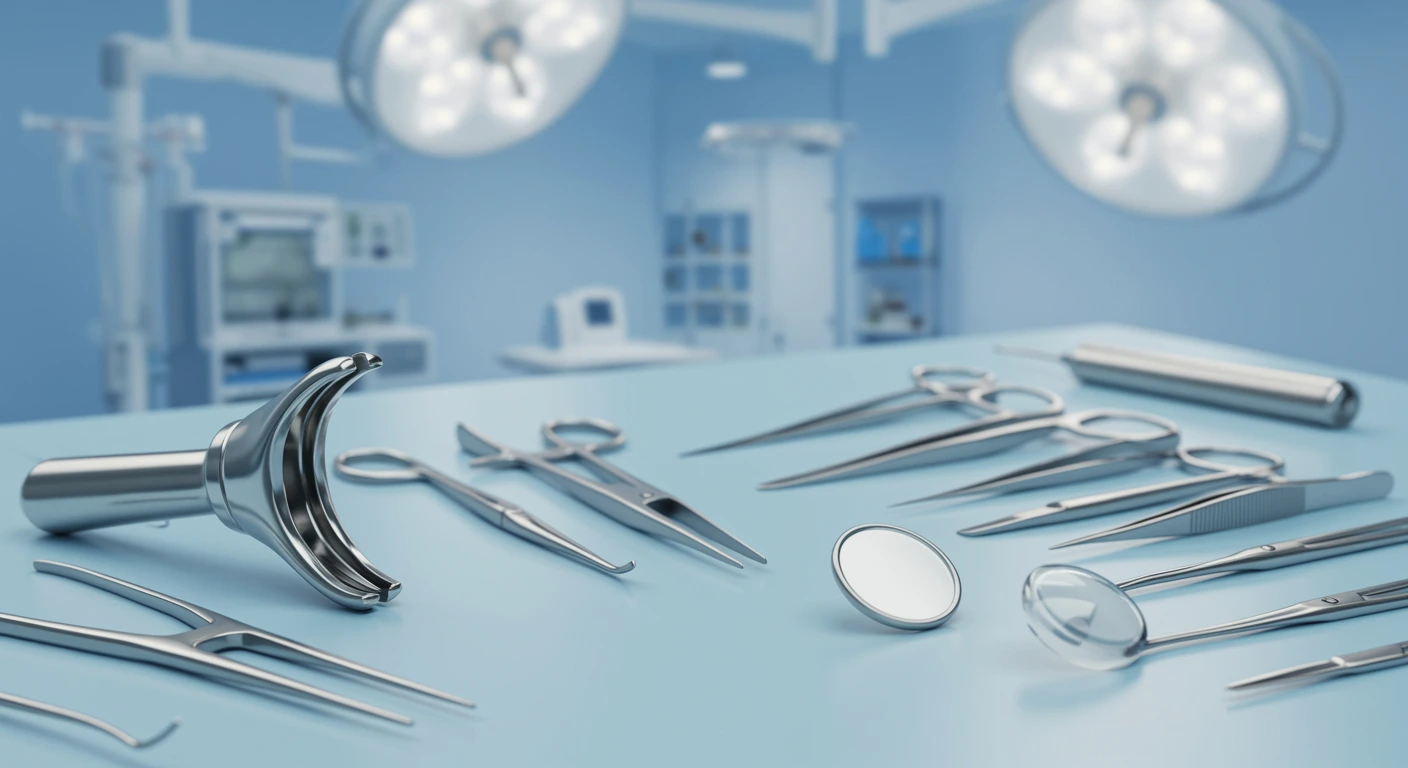
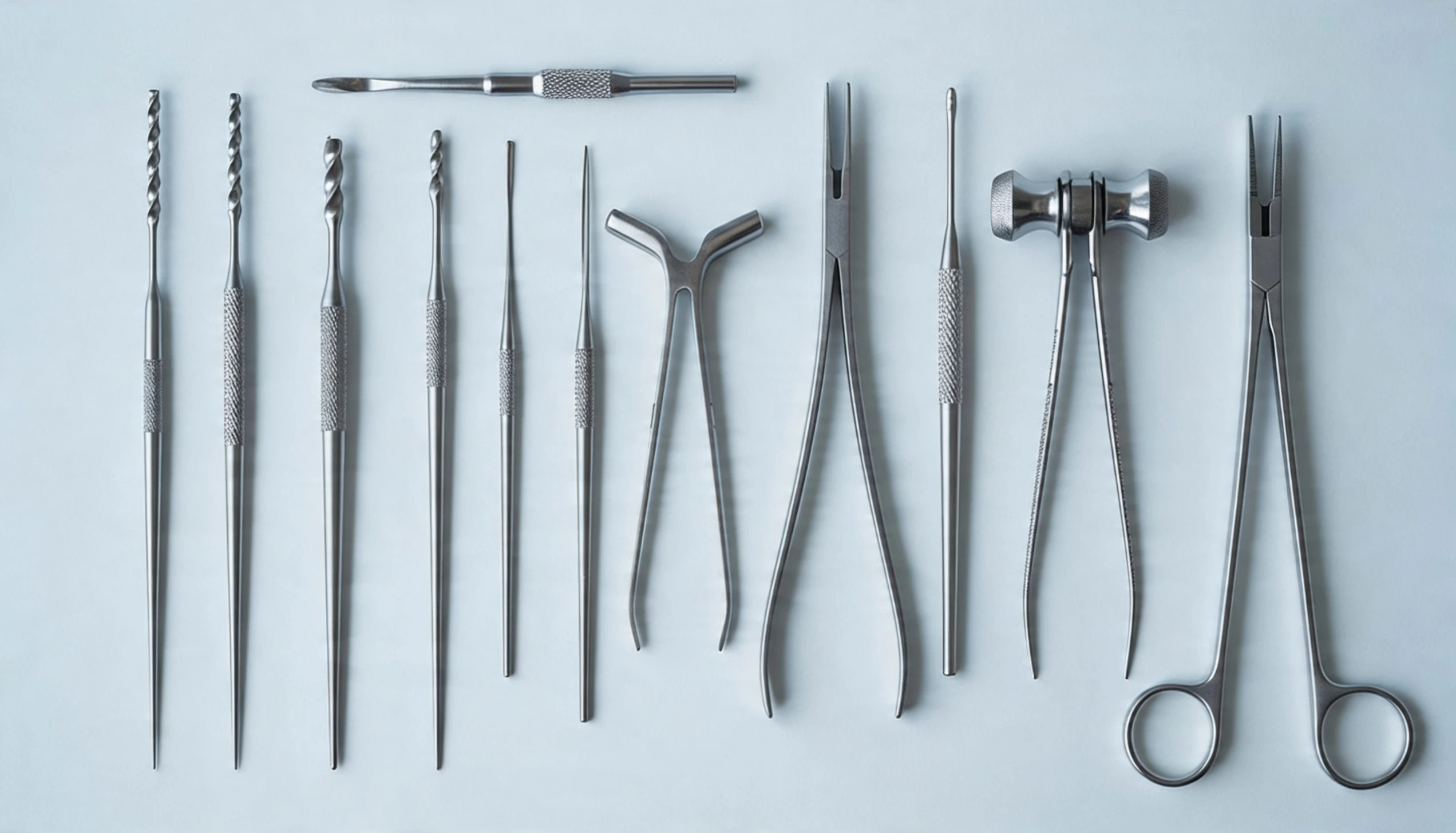
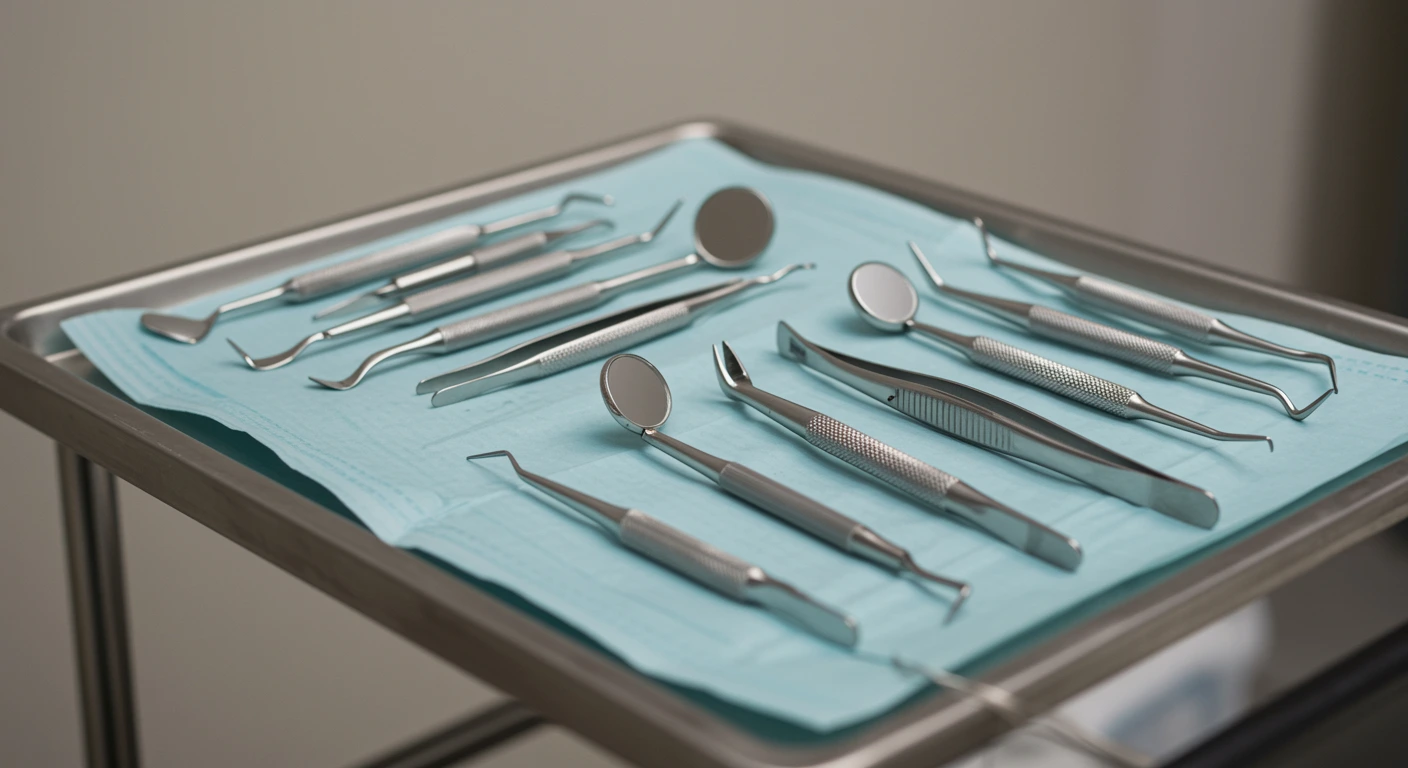
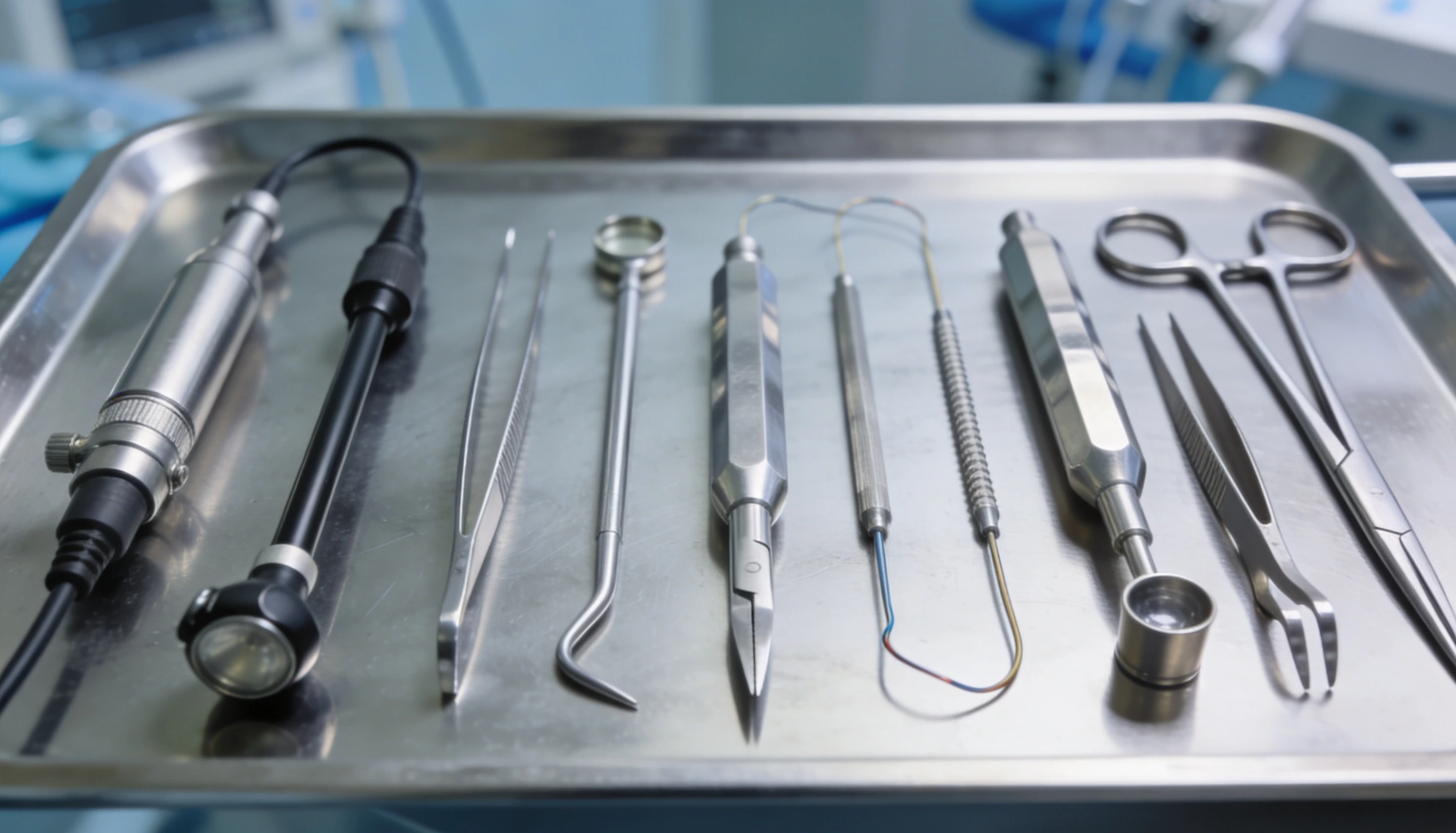
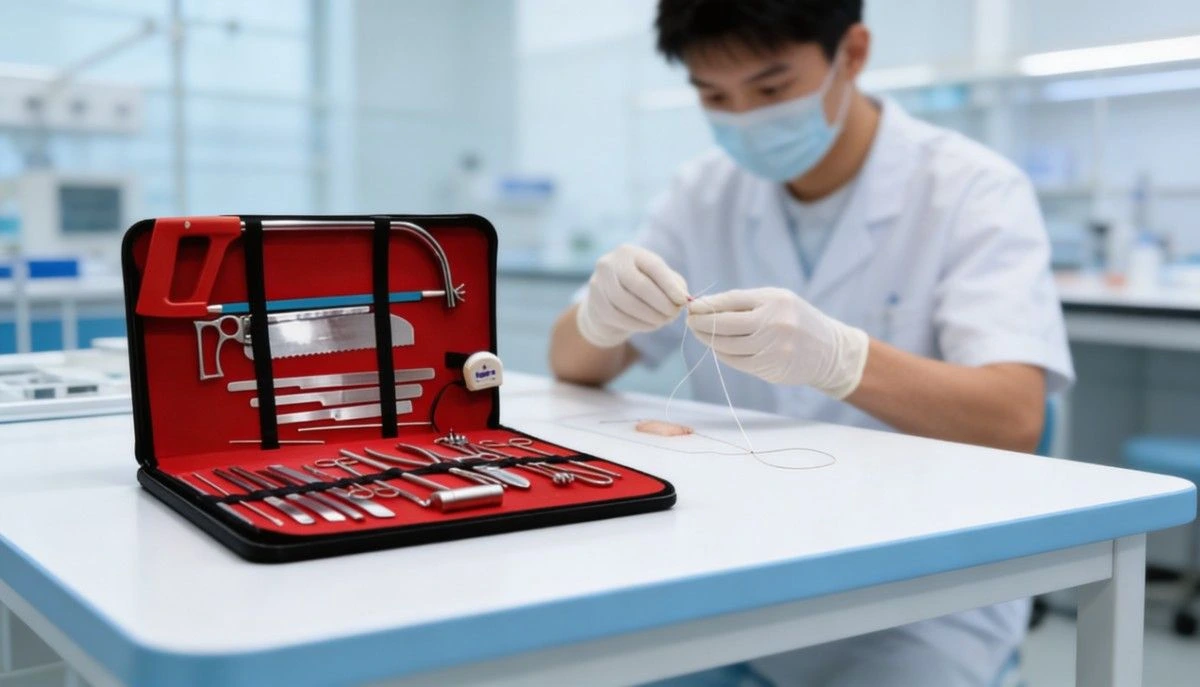
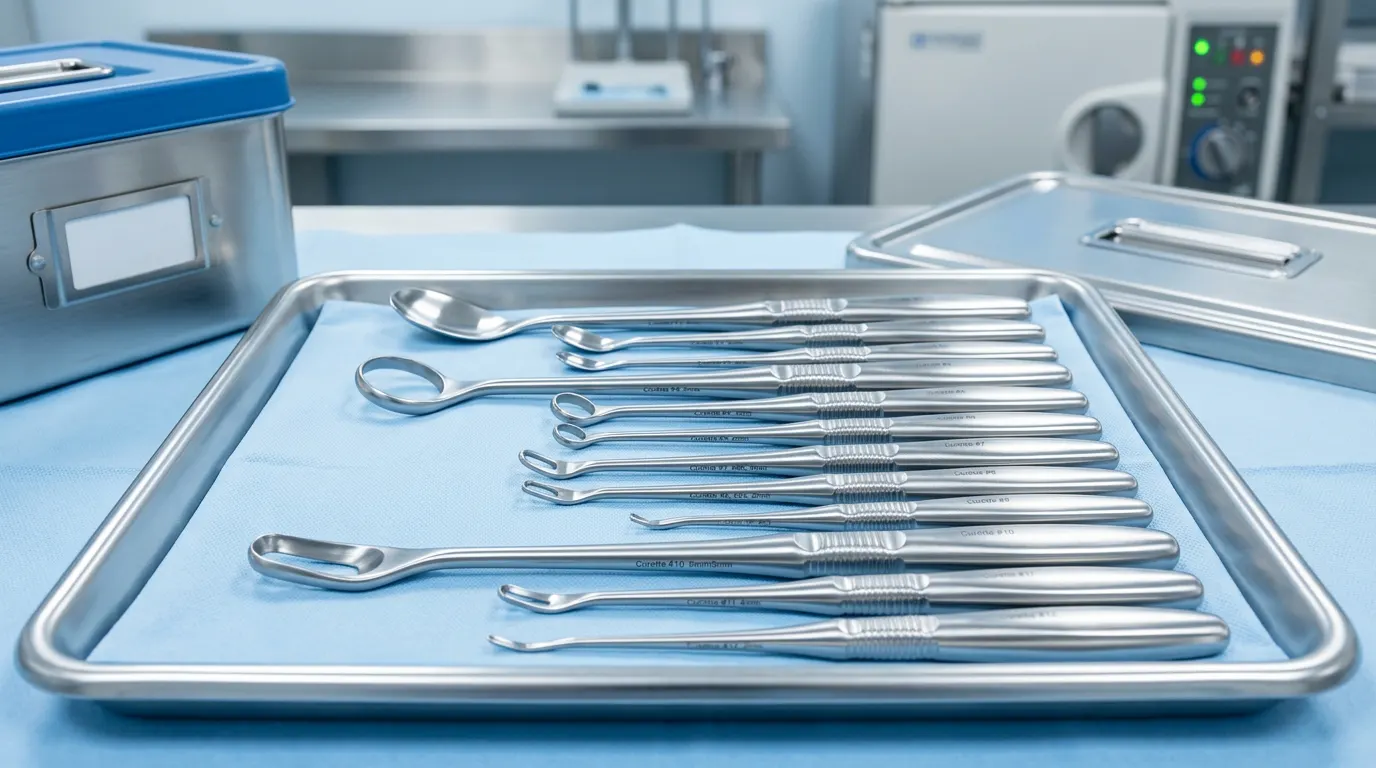
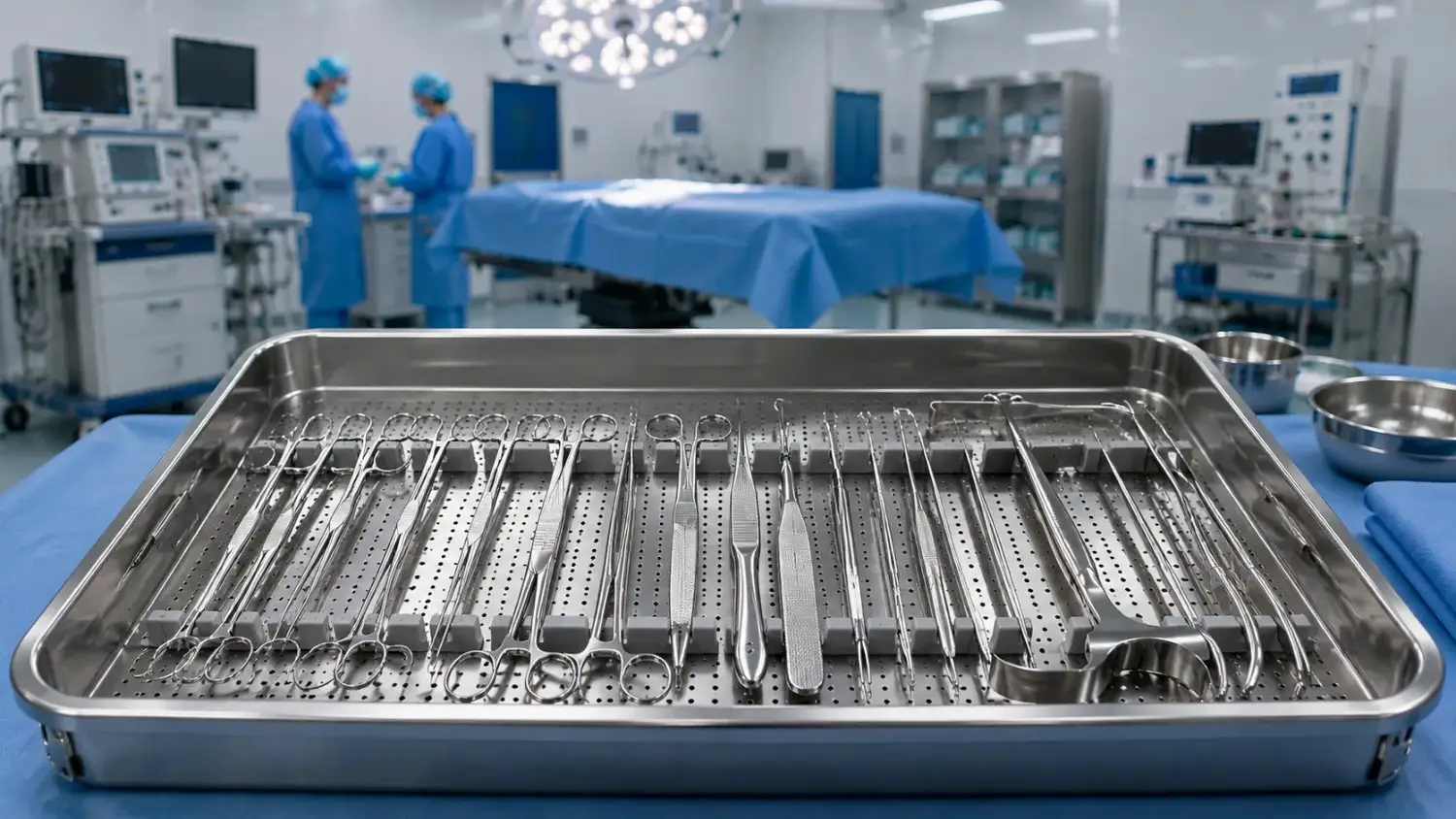
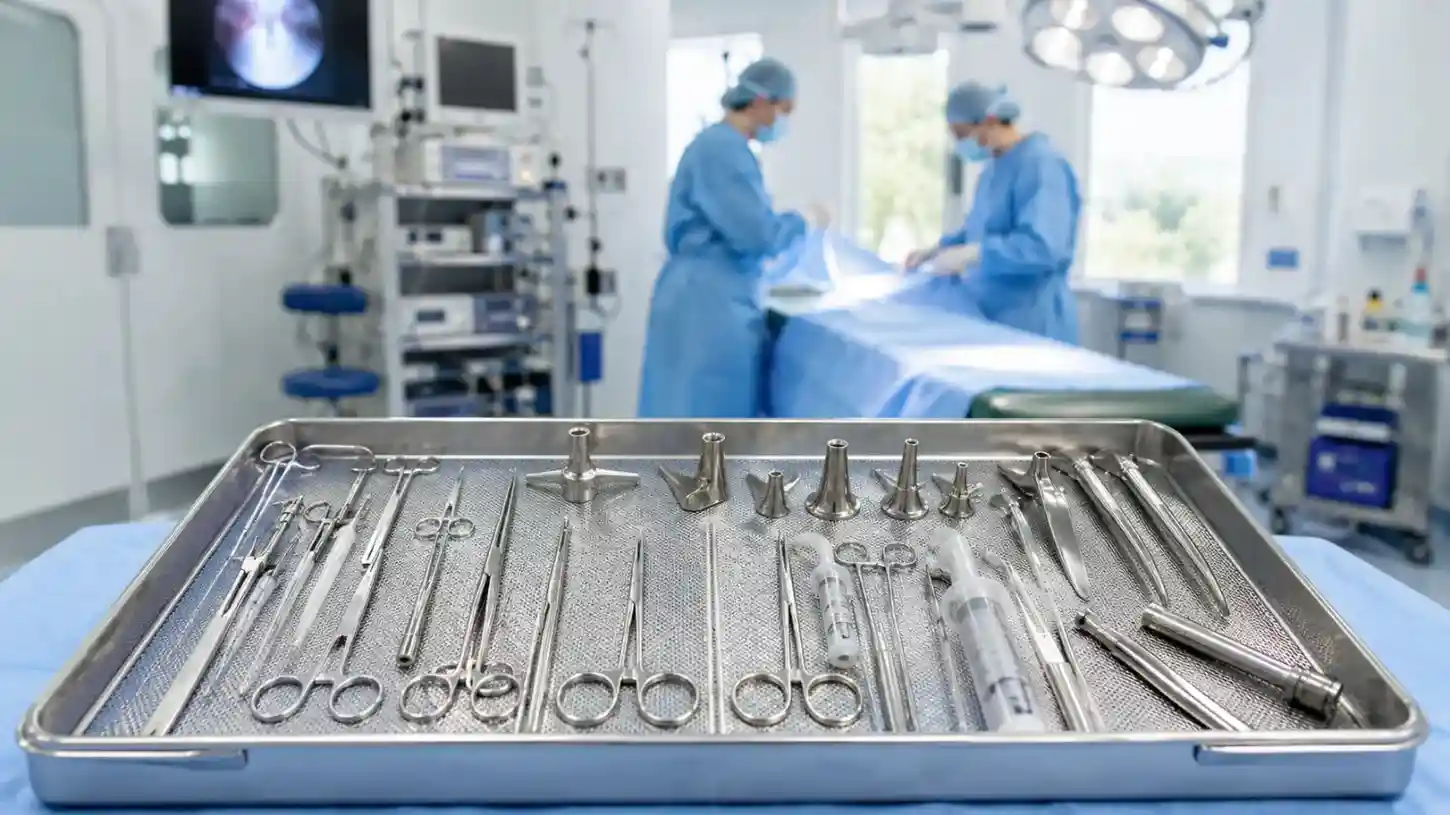
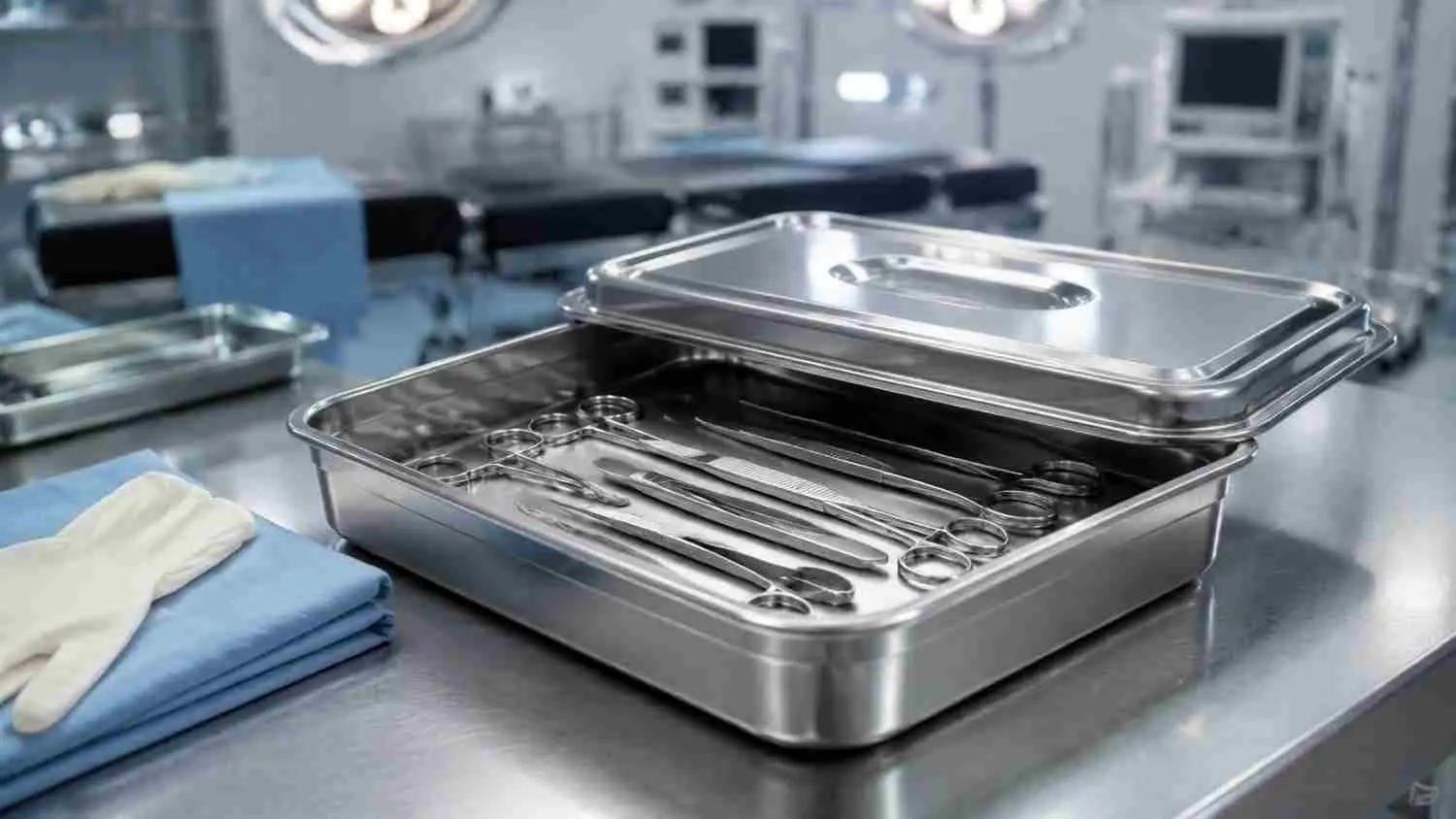
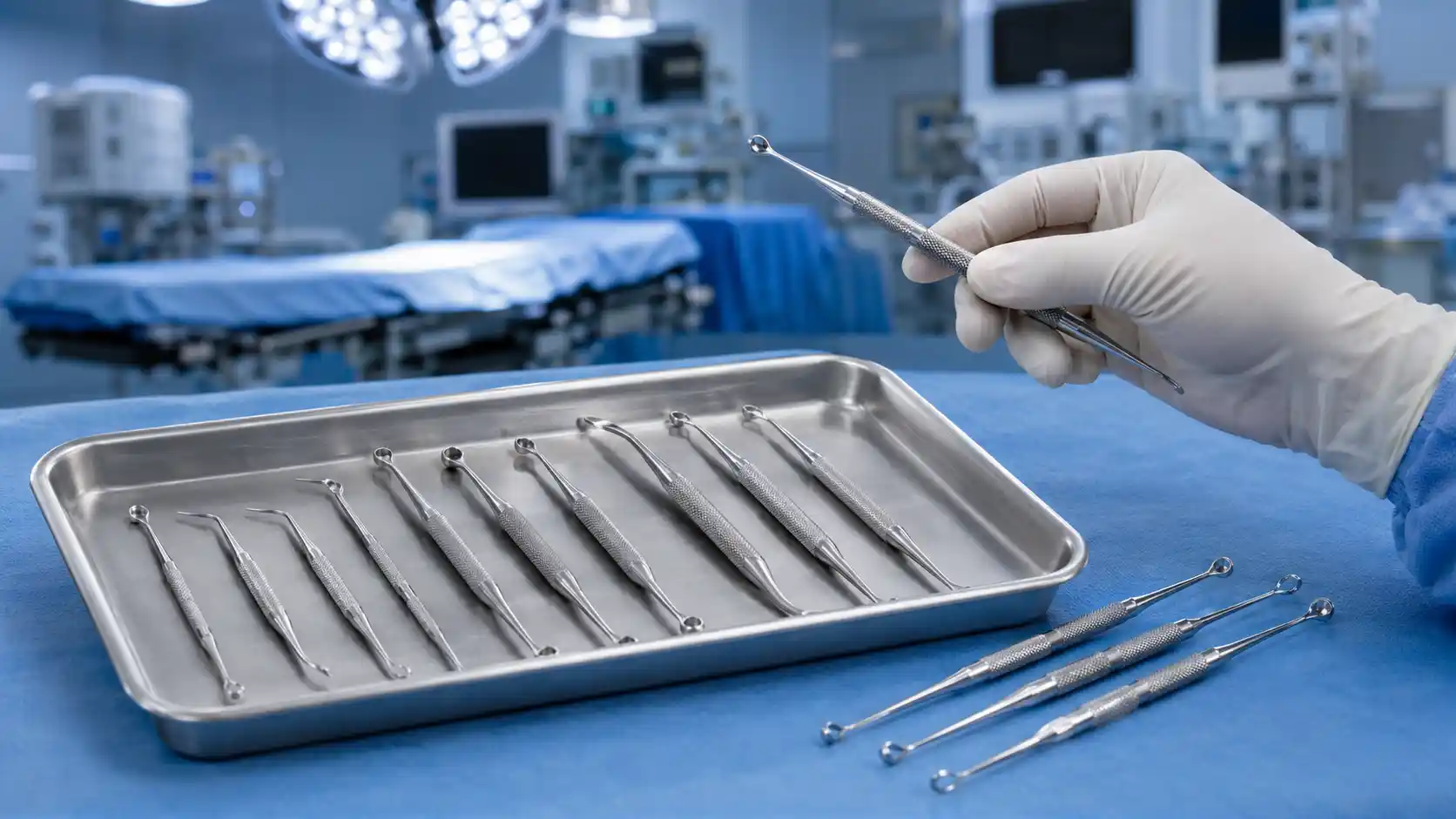
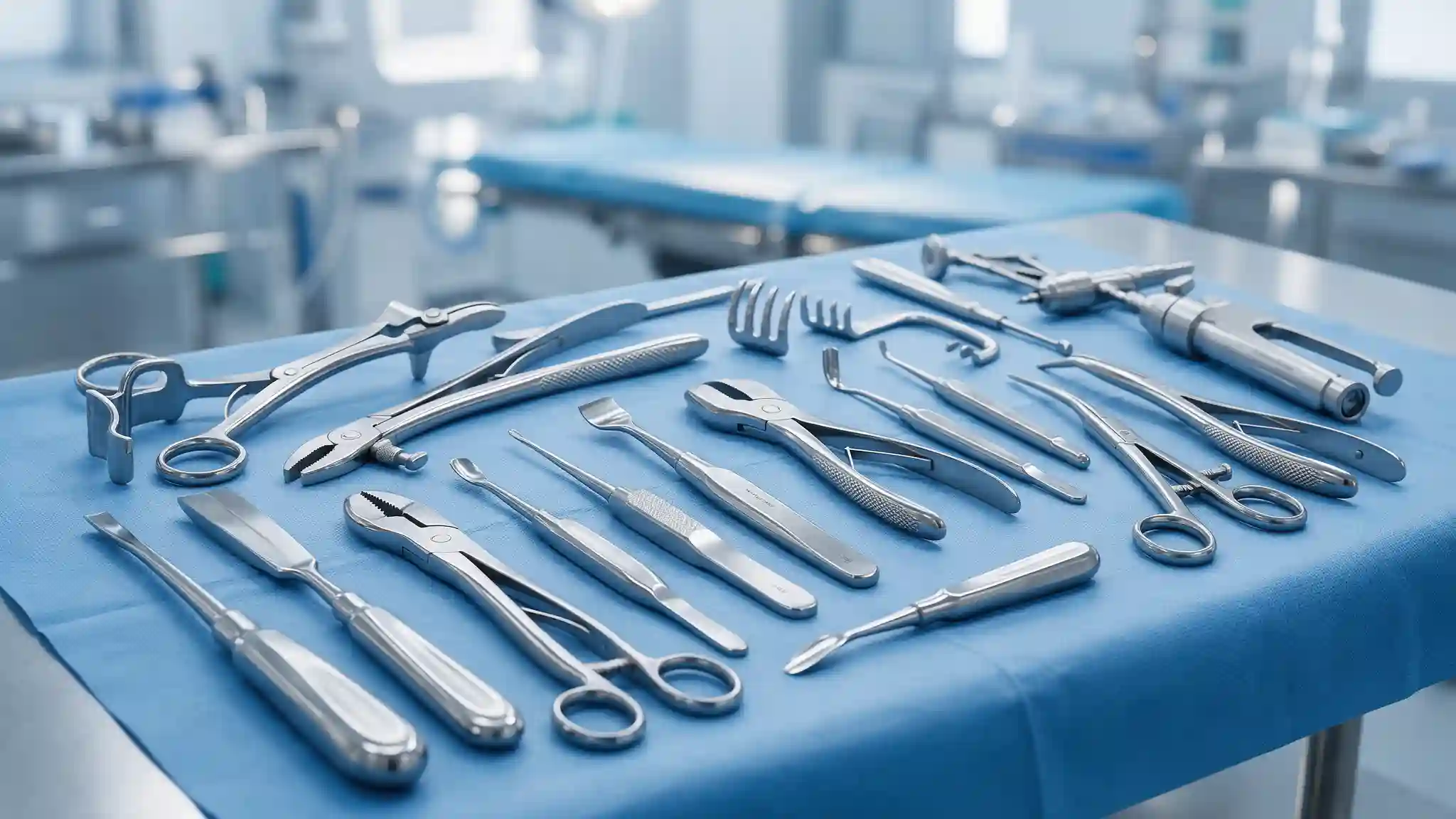
A full set of tools for brain surgery often holds different pieces meant to slice, separate, hold back tissue, bore holes, plus stitch - all built for exact work. Each piece fits a job where tiny mistakes matter too much.
Fun Fact: “"Hockey Stick" Instrument: The Woodson elevator, a common tool used to separate the dura mater from the skull, is often referred to by surgeons as a "hockey stick" or a "dental tool".”
Here are some of the reasons:
A very small, single, tiny slip might lead to unpredictable issues when operating at very fine scales in the brain. Yet steady hands paired with precise tools help keep complex procedures under control. Instruments built for exactness give surgeons the confidence to move carefully through delicate areas. Accuracy matters most where margins are measured in millimeters. Mistakes shrink when equipment supports flawless execution.
Instruments manufactured with advanced technology will create less risk of injury to tissues, less risk of developing infections after surgery, and will reduce complications associated with neurosurgery. Surgical tools that are designed to be sterilized and ergonomic will increase the safety for the patient during and after surgeries.
A sharp tool in steady hands cuts minutes off a race against collapse. When seconds thin out - like during a bleed inside the skull or damage along the spine - speed shaped by precision turns critical. Instruments built with care move like quiet helpers, letting actions flow without stumble. Less time stretched on the table often means harm stays smaller. Efficiency here is not about pace alone - it shows up as breath held longer, pulses that do not fade too soon.
Modern neurosurgery is accomplished using minimally invasive and image guided surgical techniques. Small cuts work because tools made just for surgery let doctors do hard jobs inside the body. Recovery speeds up since everything fits through tighter spaces.
The quality of the surgical instruments directly affects the number of successful surgeries (i.e., recovery of patients). Hospitals that utilize advanced technology tools for surgical procedures can document an increase in successful surgeries and a reduction in surgical complications.
Did you know? “The headlamp — from mining to surgery- Early neurosurgeons used reflective mirrors strapped to their foreheads to direct light — borrowed from coal miners. The first dedicated surgical headlamp was only developed in the 1880s, after which visualization of deep structures finally became possible.”
The following is the common neurosurgery instruments list:
A specialised set of fine instruments that used to assist in delicate operations relating to the brain, spinal cord and peripheral nerves.
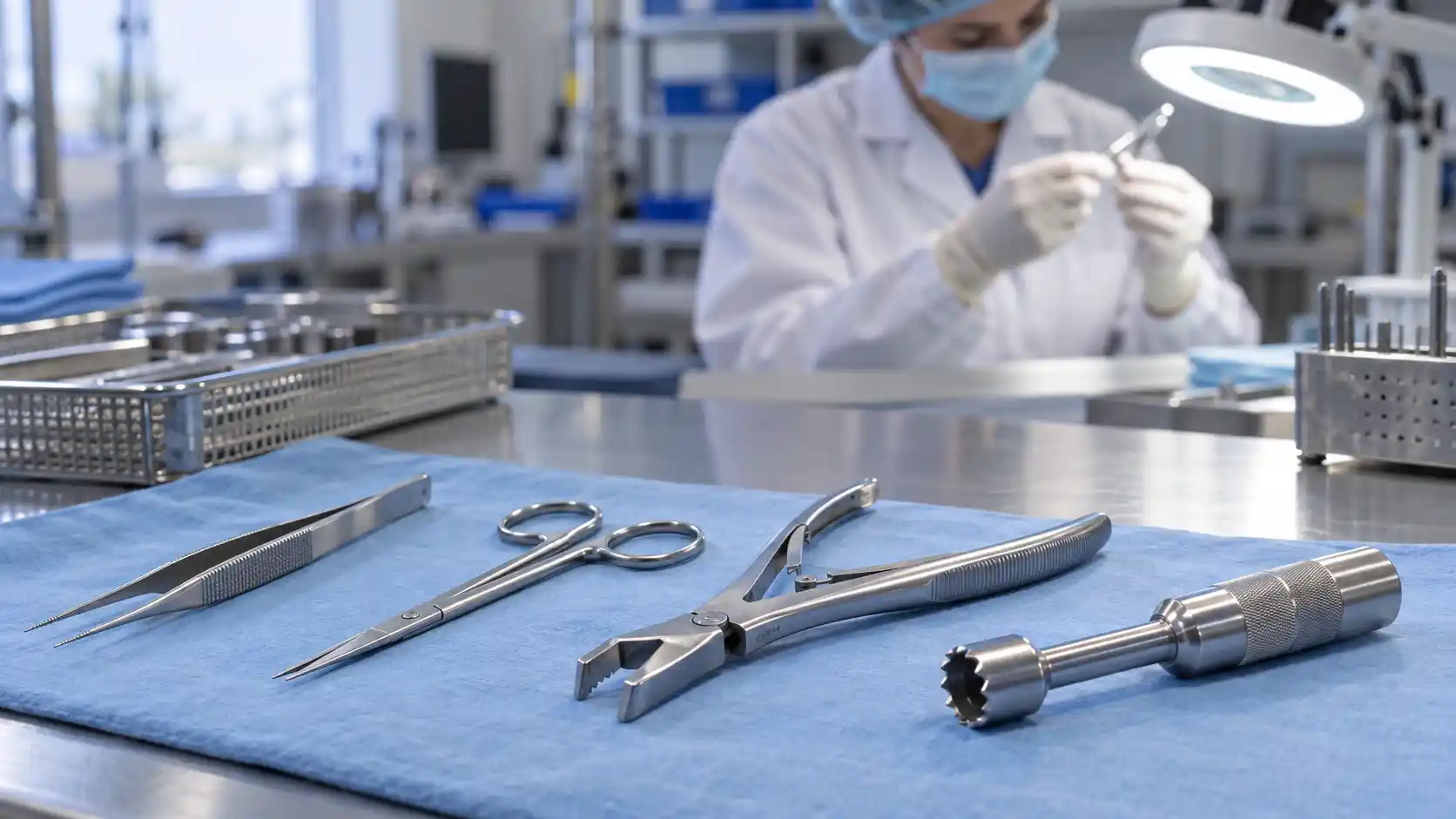
Part of microsurgical instruments that are designed to fit in a specified way and are common in neurosurgery to fix and remove tumour tissue.
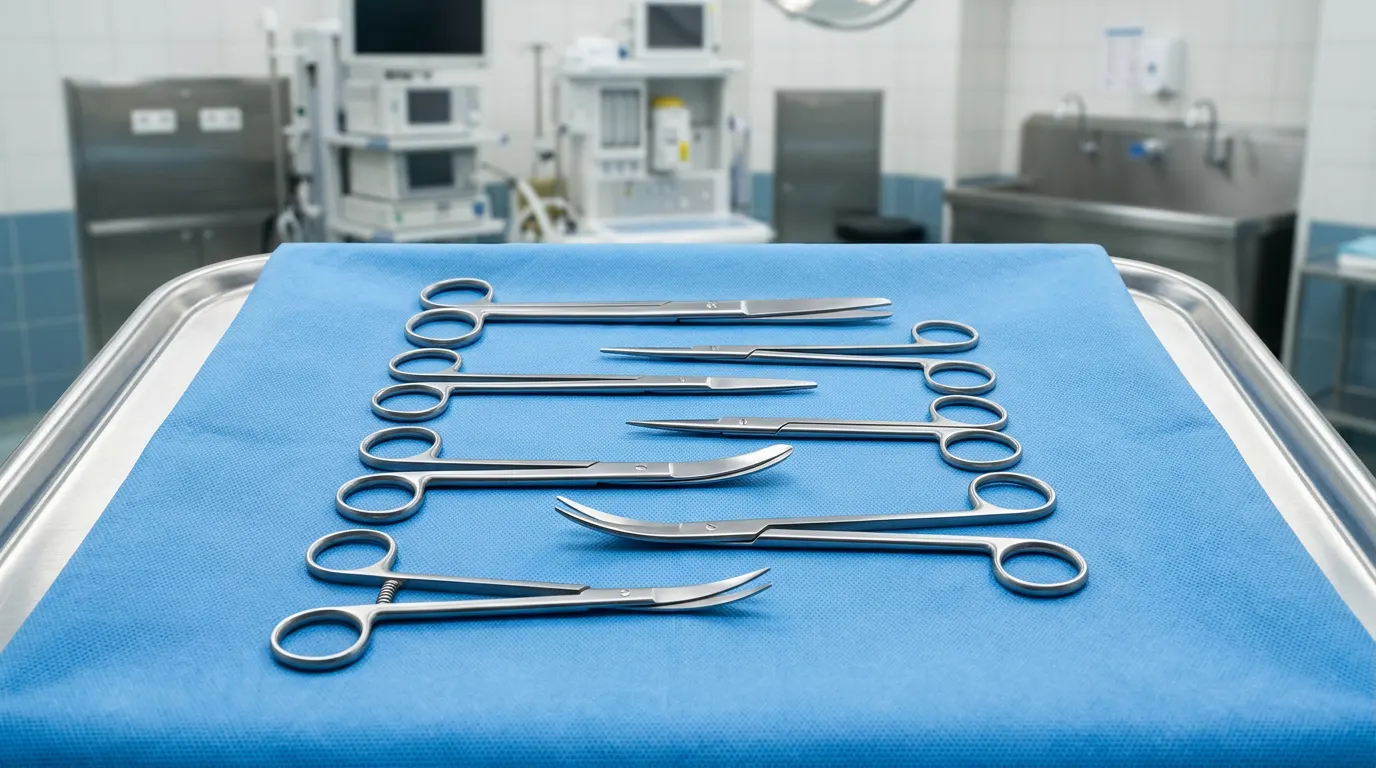
These scissors are precise and controllable and fit well for dissecting fine specimens under an operating microscope.
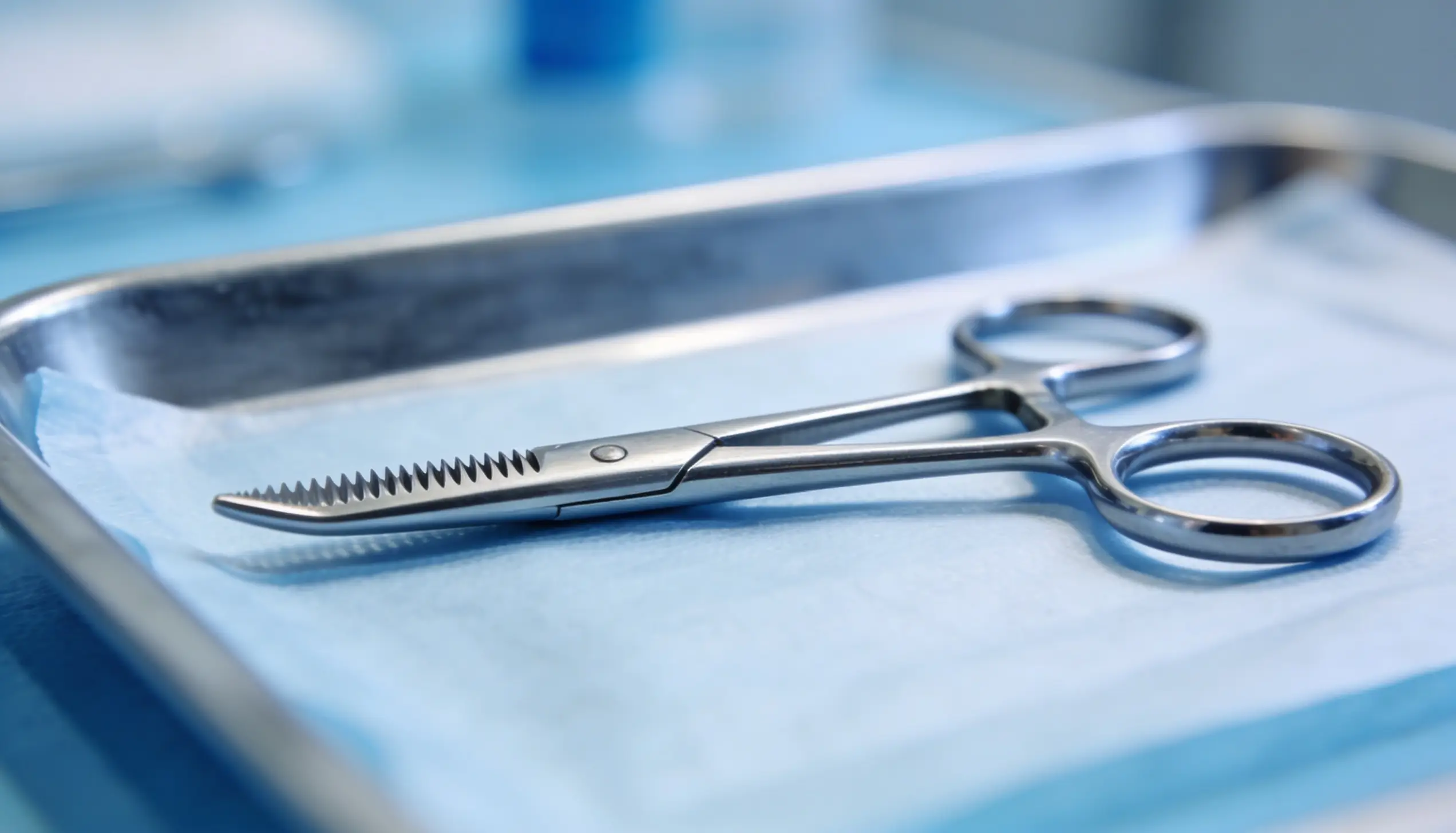
The neurosurgical forceps can precisely control the handling of tissue due to the micro-serrated tips and lightweight materials, thus enhancing the accuracy of the surgery being conducted by the surgeon and minimizing the chances of getting fatigued.
Starting with a fine tip, these scissors handle fragile brain tissue without damage during operations. Because of their sharp blades, surgeons rely on them when accuracy matters most. Their design allows smooth cutting motions inside tight spaces where mistakes are not an option. Hospitals keep them ready for use whenever precision becomes critical in surgery.
Trephines are used for trephine biopsy, the removal of a lamina from the spinal column, the creation of a cranial window, and for accessing areas of the brain in delicate orthopedic and neurosurgical procedures.
These neurosurgery instruments names form the backbone of any neurosurgical setup and are essential for both routine and complex procedures.
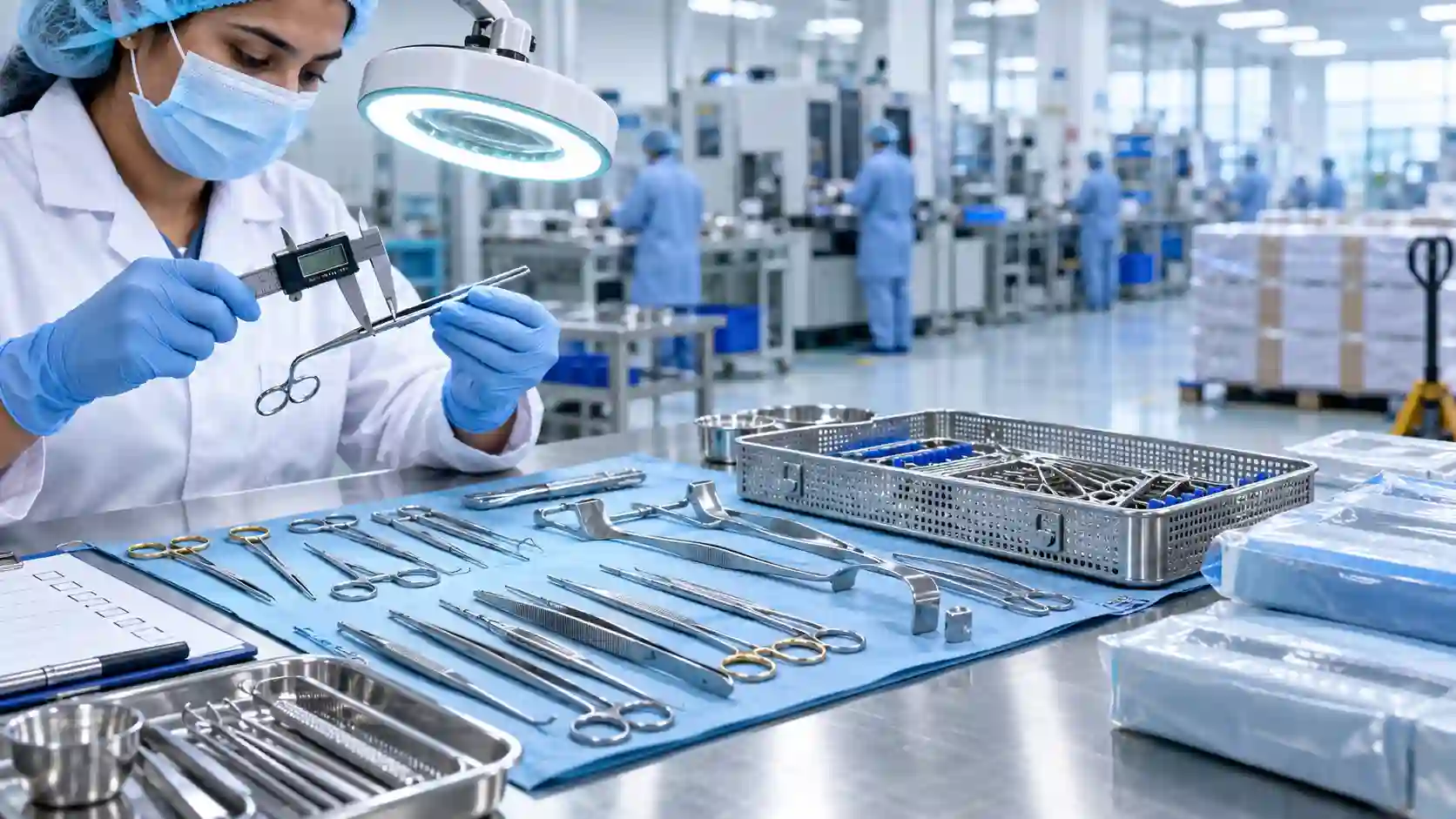
‘Mediwave is a prominent producer and distributor of surgery equipment that assists in the current medical practices and care. The company is involved in the making of accurate, dependable and safe medical devices that enable surgeons and medical practitioners to carry out important operations successfully. The product range of its business is surgical instruments, orthopedic, dental, ENT, and gynecological instruments used in hospitals and clinics. Mediwave focuses on the quality of materials, a high level of quality and a high level of manufacturing technology to guarantee durability and corrosion resistance as well as constant performance. The company is guided by international safety and compliance practices in line with upholding ethical and transparent business practices. Through supplying tailor-made solutions and bulk orders to hospitals across the globe, Mediwave provides products and services to healthcare providers with highly trained staff and advanced manufacturing plants in an attempt to enhance patient safety and clinical outcomes.’
Here are some of the key features of neurosurgery instruments:
Made of high grade materials. Titanium or Stainless Steel is the best option for long lasting instruments which resist corrosion.
Holding your instruments comfortably will help to eliminate fatigue and allow for the greatest accuracy while doing so.
Can be sterilized several times and still work just as well.
Extreme fine tips and delicate edges are required for operating fragile neurosurgical procedures.
All instruments must be manufactured to meet International General Medical Standards for Safety and Performance.
Here is another blog you might be interested in.
Top Gynecology & Obstetrics Instruments for Safe Maternity Care
The following table talks about the technical specification of neurosurgery instruments.
| Parameter | Specification |
|---|---|
| Material | Medical-grade Stainless Steel |
| Surface Finish | Satin / Matte / Polished finish |
| Corrosion Resistance | High resistance to corrosion |
| Sterilization Compatibility | Autoclave compatible |
| Precision | High-precision design for delicate procedures |
| Reusability | Reusable after proper sterilization |
| Durability | Long service life under surgical use |
| Application | Neurosurgical and spinal surgical procedures |
Here are some of the advancement of neurosurgery instruments:
Tiny tools slip through small openings, slicing cleanly while sparing nearby areas. Precision shapes every move, reducing harm as they work. These devices glide where bigger ones can’t reach, leaving less damage behind.
Instruments which are integrated with imaging technology will allow the surgeon to perform with more accuracy while navigating the human brain.
Instruments that are thrown away after one use will greatly reduce the risk of infection as well as improve the standards of hygiene that we are used to.
Hospitals have to deal with challenges even though they play an important role:
Advanced instruments can be expensive, making it essential to invest wisely.
Proper care is required to maintain performance and prevent contamination.
Medical staff must be trained to use these instruments effectively.
Here are some of the tips:
The following are some of the applications of neurosurgery instruments in hospitals:
Each application requires specific tools from a well-organized neurosurgery instruments set.
Here are some of the reasons:
Here are the most asked questions related to Neurosurgery Instruments.
Every cut inside the skull depends on tools built without error. Sharpness matters, consistency counts, only well made gear keeps patients safe during delicate work. Hospitals must stock every essential piece - no gaps allowed in what they carry. Trusted makers in India deliver these tools, proven again and again under pressure. Buying from them isn’t optional. It simply has to be done.
Tomorrow’s surgeries depend on today’s choices - sharp tools matter more every year. When hospitals choose durable gear plus ongoing practice, outcomes shift quietly but surely. Precision begins before the first cut, shaped by what waits in sterile trays. Care runs deeper when teams know their instruments like rhythm, steady through long hours. Results improve not by accident, yet from daily discipline behind closed doors.
If you are thinking of investing in neurosurgery instruments, then Mediwave is the right choice. The brand also deals in surgical instruments, ENT instruments, orthopedic instruments and much more. Contact Us Now.
Inside the operating room, tools made just for delicate nerve work come into play - each shaped to handle brain, spine, and neural tissue without compromise. Precision isn’t a goal. It’s built into every hinge, tip, and grip. Safety shows up not as a claim but in how each piece moves exactly when needed. These are not general devices. They answer one task: protect what matters most during complex procedures.
The components of a neurosurgery instrument set will consist of surgical cutting instruments or knife blades, surgical forceps or holding instruments, surgery retractors or pulling instruments, tourniquet instruments, and special micro instruments designed for micro neurosurgical procedures.
Great tools in brain surgery lower the chance of problems mid-operation. When precision matters most, solid equipment makes a real difference. Outcomes improve when every cut is controlled. A steady hand gains even more value with reliable instruments nearby.
Here are some of the ways to choose the right Neurosurgery Instruments Suppliers in India:
Yes, you can use basic neurosurgery instruments in most preventive surgeries that can be done with standard neurosurgical tools. When procedures get complex, though, simpler gear won’t cut it. Specialized operations demand equipment built for precision. Routine cases rarely need high-end devices. Yet intricate work pushes beyond basic capabilities.
Mediwave provides the best quality neurosurgery instruments in India. They ensure reliable supply for hospitals and distributors in which technical support for procurement and usage is provided.