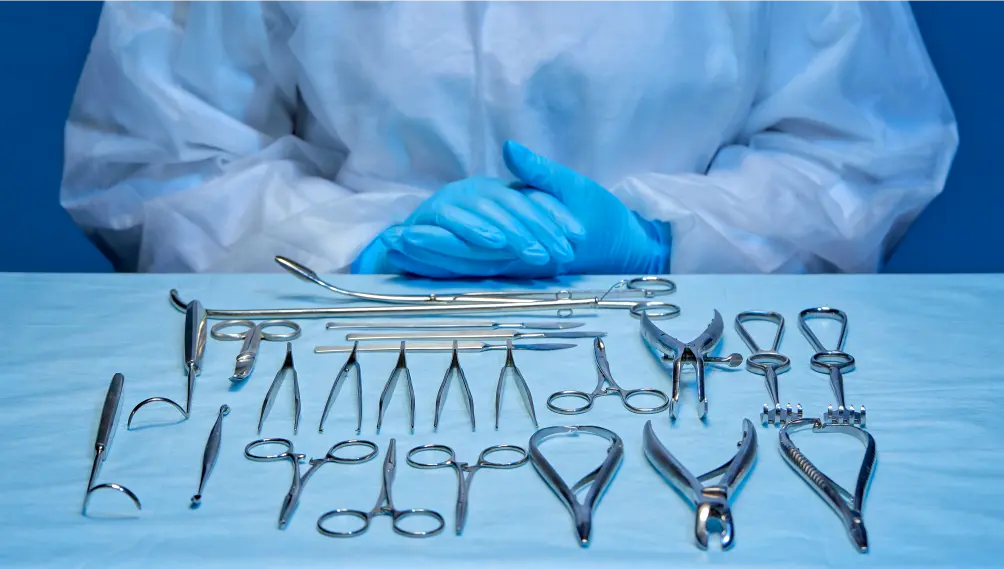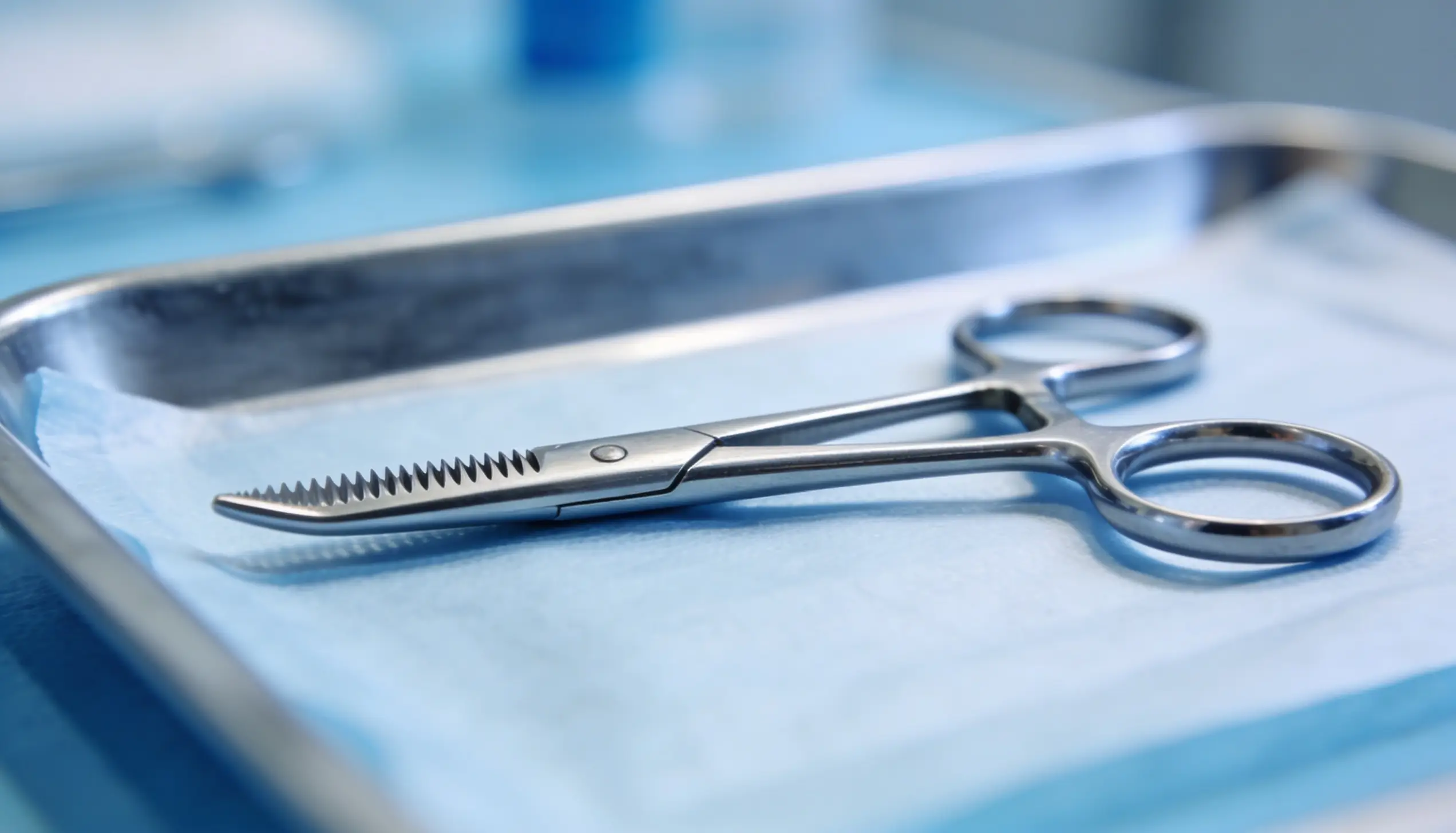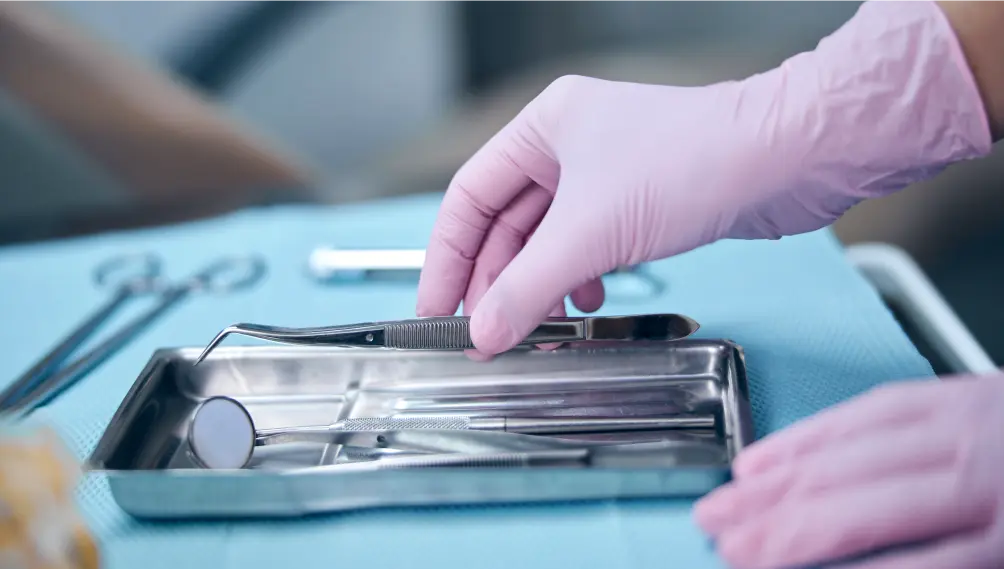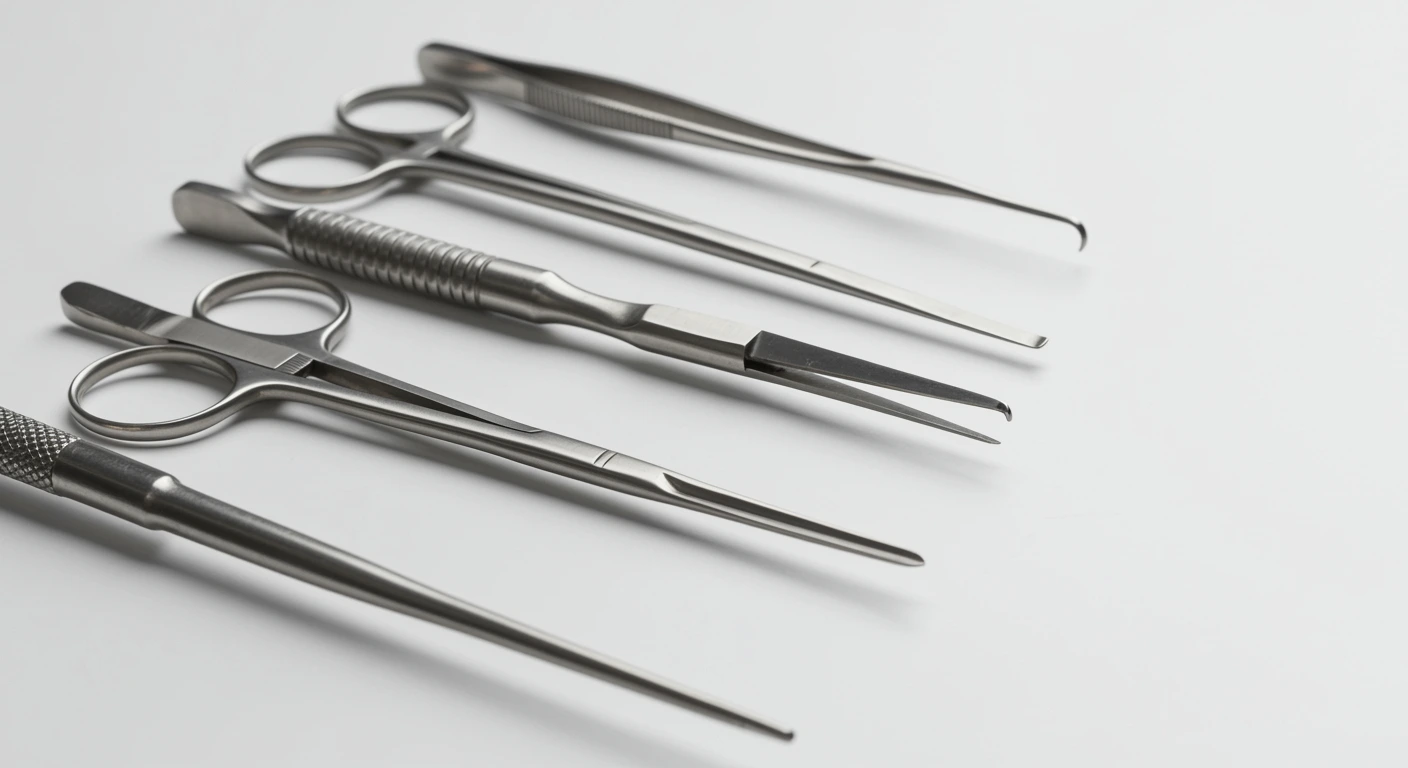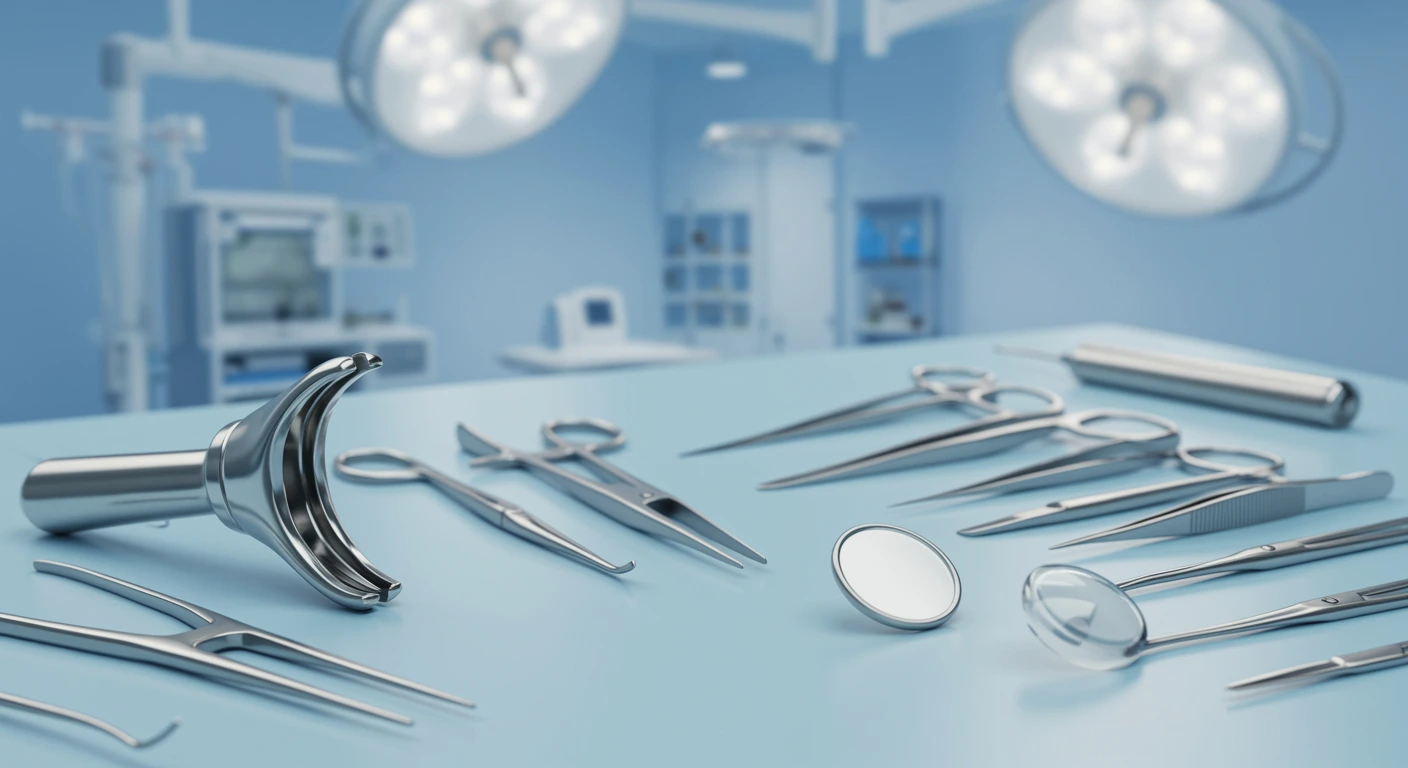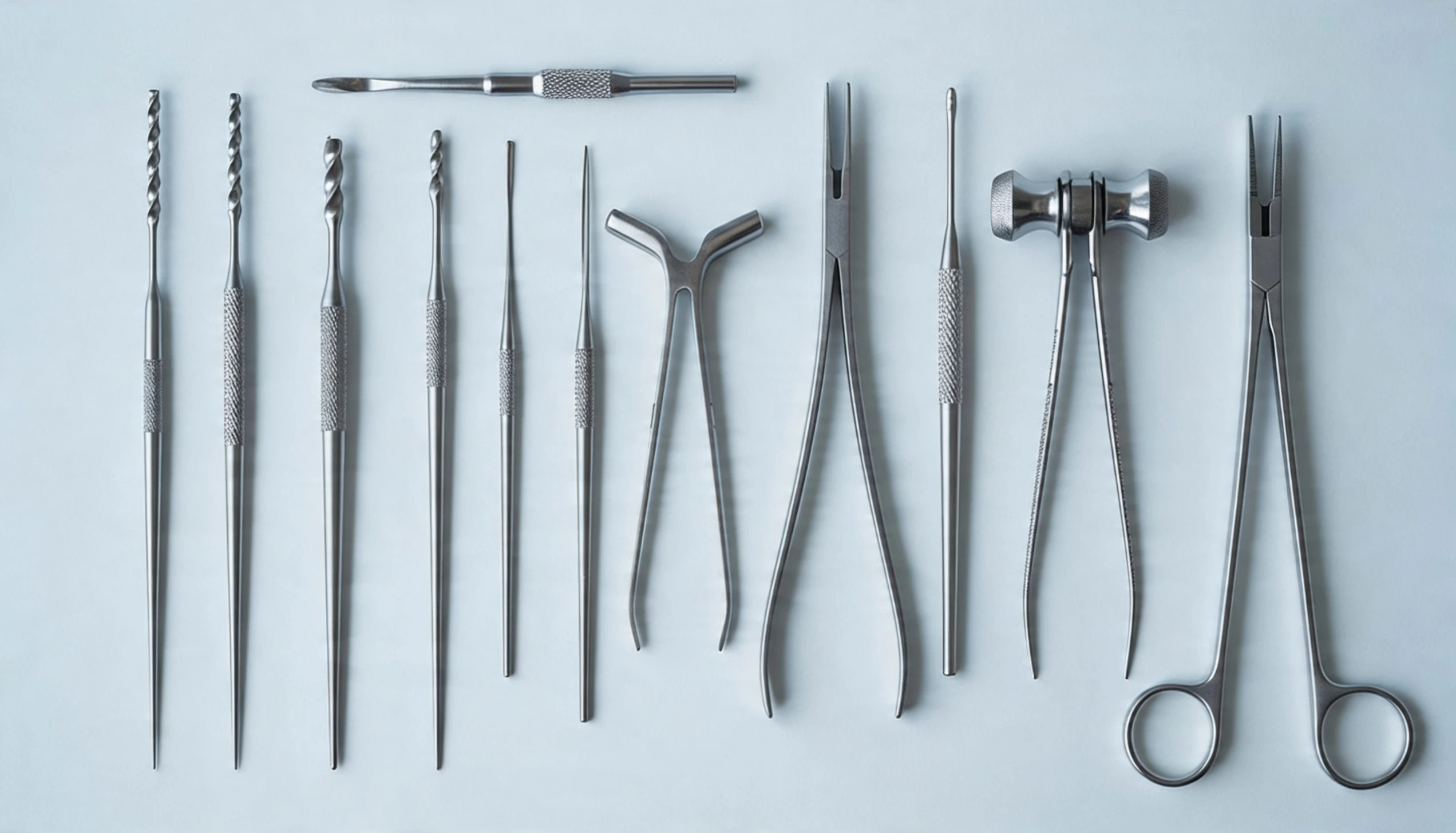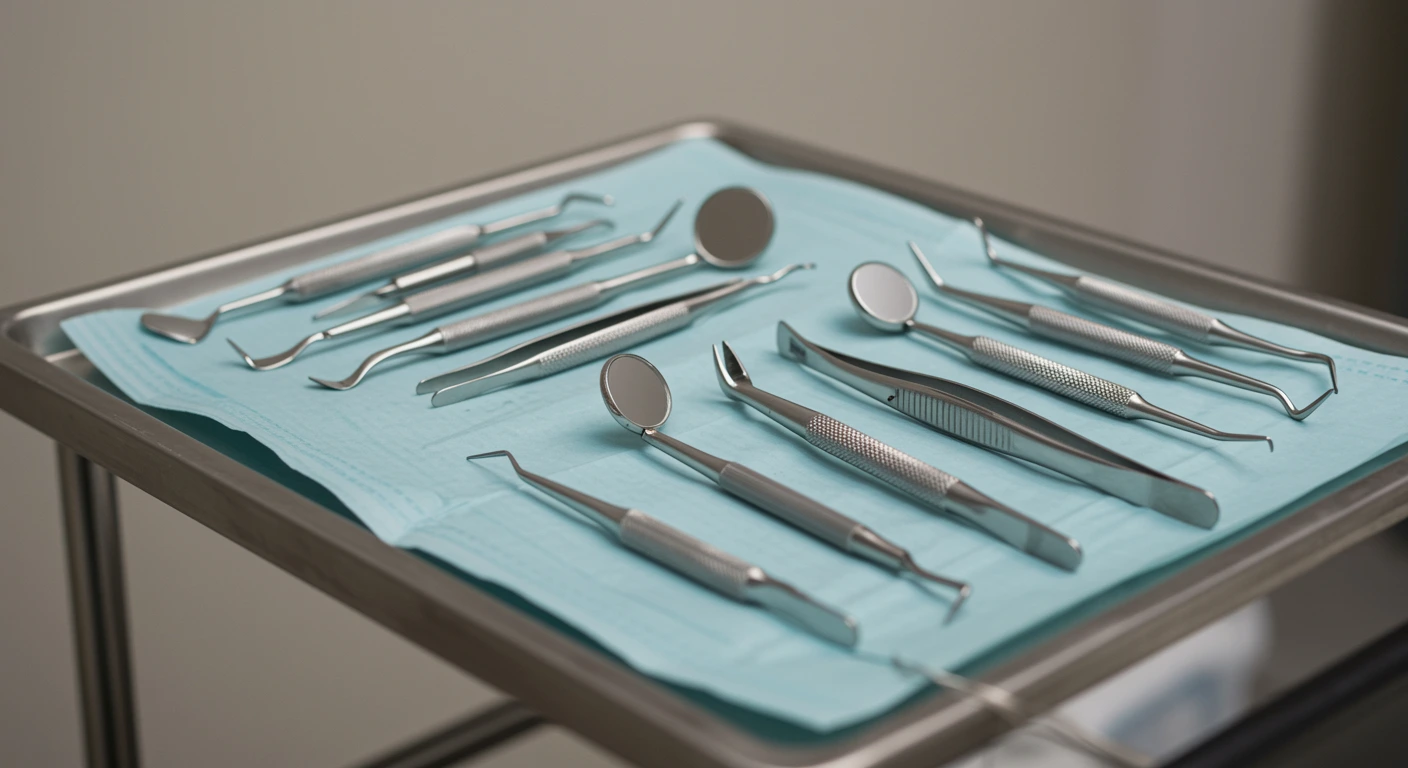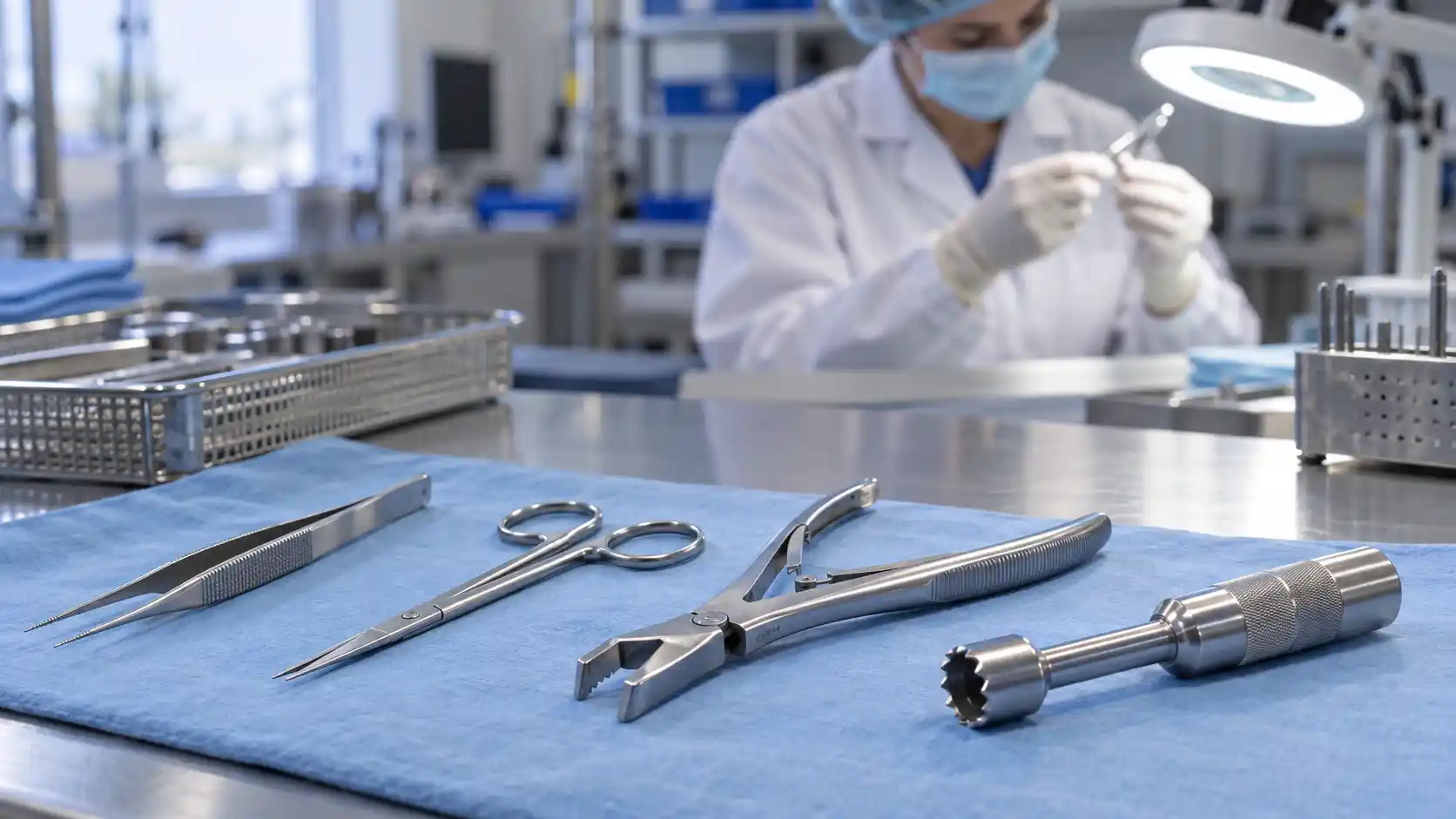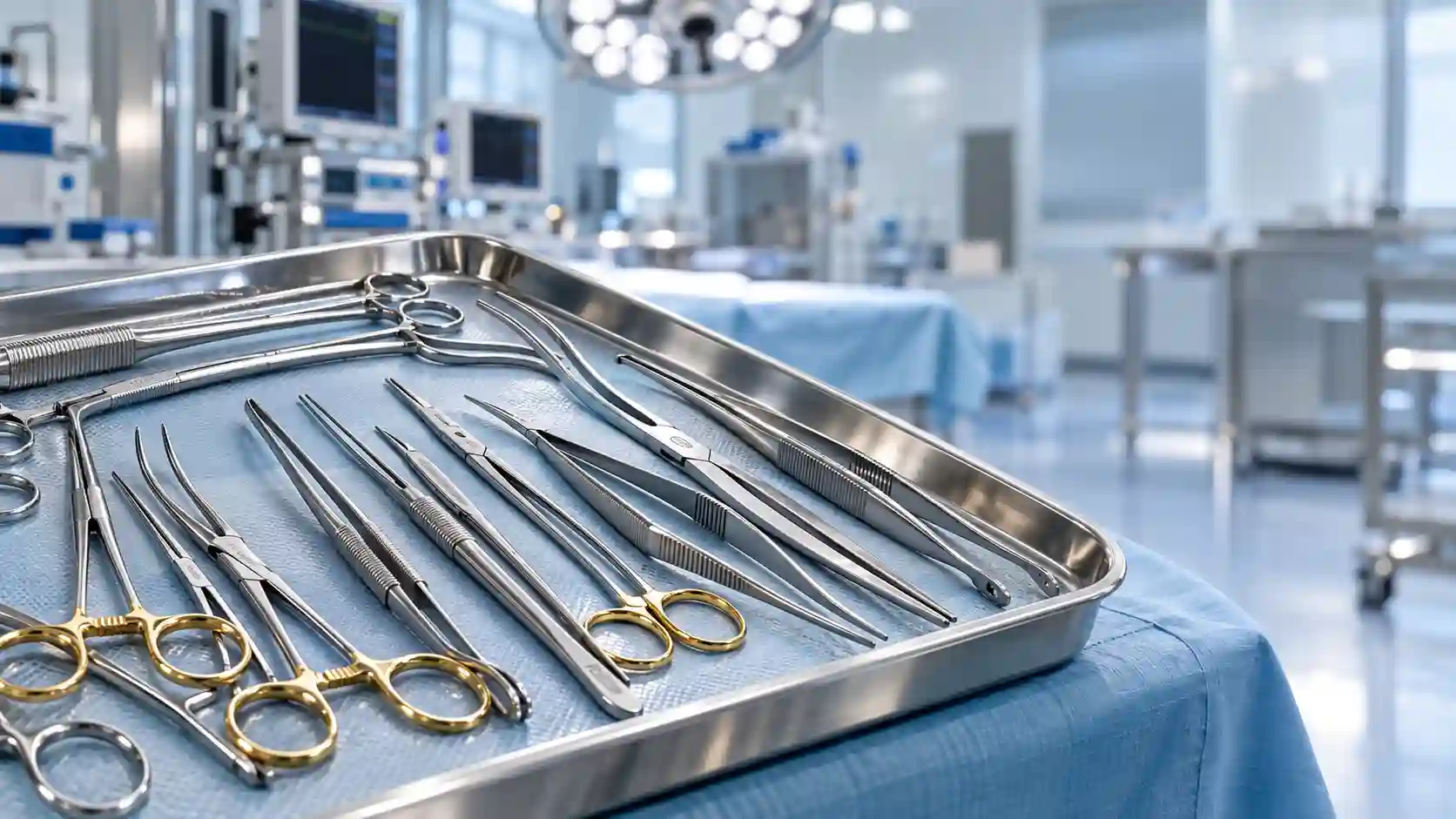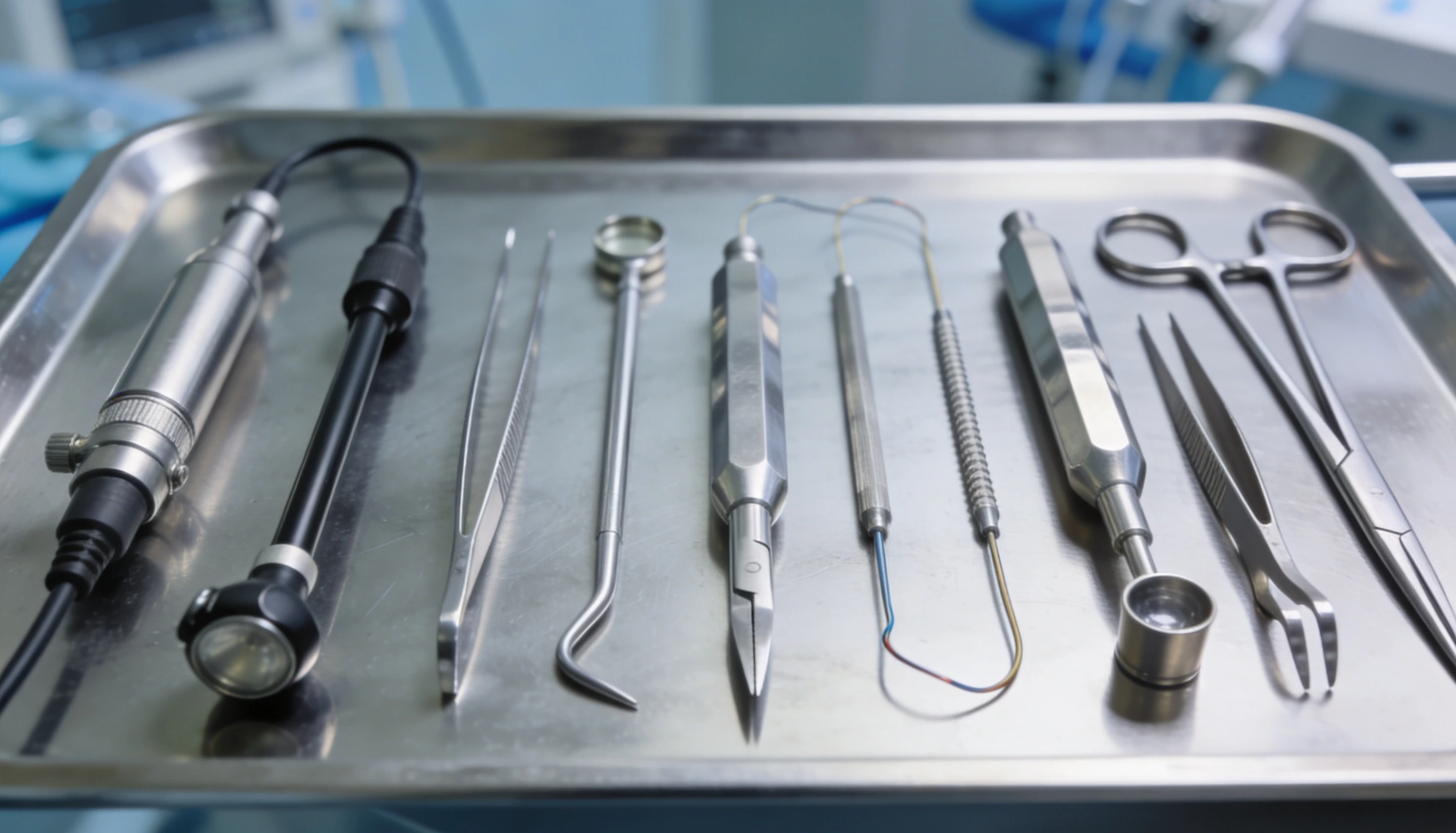
Choosing the right urology tool kit makes sure of how well surgeries go and how safe patients are. Because many different instruments help diagnose and treat urinary conditions, facilities need to think hard about what they actually need before buying the right one.
For a beginner or a trained doctor, it’s important to think about what really matters while picking the right tools for urology work. Instead of rushing, take time to learn Urology Instruments names that come up again and again. Some pieces show up more often because they do one job very well. While exploring options, notice which brands keep appearing across hospitals and clinics. Read on for more information.
Urology tool kits bring together instruments used during surgeries on the urinary tract or parts of the male reproductive organs. They are grouped by operation, which might include gear tailored for specific tasks like the following:
Fun Fact 1: “Napoleon Bonaparte, King George IV, Isaac Newton, and Benjamin Franklin all suffered from kidney or bladder stones — it was so common among the wealthy it was called the "disease of kings" (linked to rich diets).”
Look first at what surgeries happen most often in your facility or hospital. Then, you can choose tools accordingly, like – often doing cystoscopies?
Prostate Surgery Such As TURP Frequency?
Are kidney stone removal procedures (PCNL) needed?
Most well-built tools come from materials like-
Fewer replacements happen when materials last longer, so expenses drop while patients stay protected.
Modern hospitals benefit from modular instrument systems like:
Choose instruments that:
Selecting Trusted Urology Instrument Sets Manufacturers In India who ensure-
‘Mediwave is a prominent producer and distributor of surgery equipment that assists in the current medical practices and care. The company is involved in the making of accurate, dependable and safe medical devices that enable surgeons and medical practitioners to carry out important operations successfully. The product range of its business is surgical instruments, orthopedic, dental, ENT, and gynecological instruments used in hospitals and clinics. Mediwave focuses on the quality of materials, a high level of quality and a high level of manufacturing technology to guarantee durability and corrosion resistance as well as constant performance. The company is guided by international safety and compliance practices in line with upholding ethical and transparent business practices. Through supplying tailor-made solutions and bulk orders to hospitals across the globe, Mediwave provides products and services to healthcare providers with highly trained staff and advanced manufacturing plants in an attempt to enhance patient safety and clinical outcomes.’
Bladder checks often happen here. Small treatments fit within its purpose too.
Key components like:
Looking inside the bladder and urethra becomes possible with these devices, while also gathering tissue samples through a small procedure.
Used in prostate resection procedures in which it includes:
BPH (Benign Prostatic Hyperplasia) needs careful treatment – these tools support that process. One piece at a time, it addresses core concerns without harsh methods.
While looking at the ureteral stones, these sets of tools often involve. The key instruments are:
From small openings, doctors reach the ureter to take out stones or to check issues. Access happens with slender tools that slip in gently, avoiding big cuts. In these procedures it totally relies on precision instruments guided carefully into place. Viewing inside becomes possible without major surgery. Stone retrieval follows clear paths using narrow devices made for tight spaces.
A tiny cut lets it work inside the body. This tool pulls out stones without big surgery. Its shape fits tight spaces easily. It includes:
Large or complicated kidney stones need this collection of tools.
Here is another blog you might be interested in.
A Complete Guide to Surgical Instruments From India’s Leading Manufacturer
The following table talks about the technical specification of urology instruments.
| Parameter | Specification |
|---|---|
| Material Composition | Medical-grade stainless steel, titanium, or high-quality polymer |
| Surface Finish | Corrosion-resistant, smooth polished or matte finish |
| Sterilization Compatibility | Autoclave, ETO, plasma sterilization compatible |
| Design Type | Rigid or flexible depending on application |
| Working Channel | Available for fluid irrigation, suction, or instrument passage |
| Optical System | Fiber optic or digital imaging system (for endoscopic instruments) |
| Handle Type | Ergonomic, non-slip grip design |
| Tip Configuration | Rounded, atraumatic, or specialized functional tips |
| Size Range | Available in multiple diameters and lengths for varied procedures |
| Flexibility | Semi-rigid or highly flexible (for endoscopic devices) |
| Compatibility | Compatible with standard urology systems and accessories |
| Light Source Compatibility | LED or xenon light source (for scopes) |
| Irrigation System | Integrated or attachable irrigation system |
| Leakage Protection | High sealing efficiency to prevent fluid leakage |
| Reusability | Reusable or single-use (disposable variants available) |
| Safety Features | Atraumatic edges, precision control, and patient safety compliance |
| Regulatory Compliance | CE, ISO, FDA approved standards |
| Application Use | Diagnostic and surgical urology procedures |
| Maintenance Requirement | Easy to clean, low maintenance design |
| Packaging | Sterile or non-sterile packaging options |
```
Here are some ways to think it through instead:
Picking a top-grade set means fewer problems during procedures. Better tools lead to stronger recovery for people getting care.
Compliance and Certifications
Ensure that the instruments:
Especially crucial when getting supplies from Indian makers of urology instrument sets.
Did you know? “The Greek physician Hippocrates (460–370 BCE) described using curved bronze tubes to drain the bladder.”
Here are some of the reasons:
Here are the most asked questions related to the Urology Instruments Set.
Most of the time, picking a good urology instrument set shapes how well treatments go along with how smoothly clinics run. Knowing what each major device does helps to sort through options such as the Cystoscopy Kit, TURP tools, gear for ureter procedures, and those used in kidney stone surgery. Working alongside trusted Indian makers like Mediwave who build these tools adds reliability into daily medical work.
If you are thinking of investing in a urology instrument set, then Mediwave is the right choice. The brand also deals in surgical instruments, dental instruments, ENT instruments and much more. Contact Us Now.
Among the key kits used, one finds the Cystoscopy Set standing out. Moving on, the TURP Set plays a central role during advanced interventions. Another vital option appears - the Ureteroscopy Set - handling specific internal tasks well. Then there is the PCNL Set, equally important for complex operations. Together, these handle both examination work and significant surgeries.
When it comes to tools, stiff versions tend to last longer, plus they’re cheaper. On the flip side, bendable types reach tricky areas more easily.