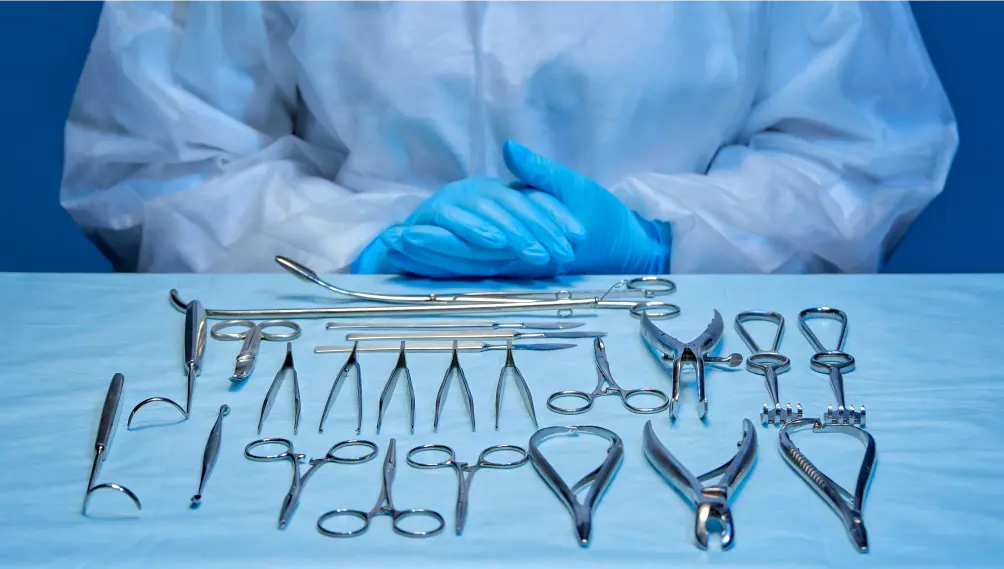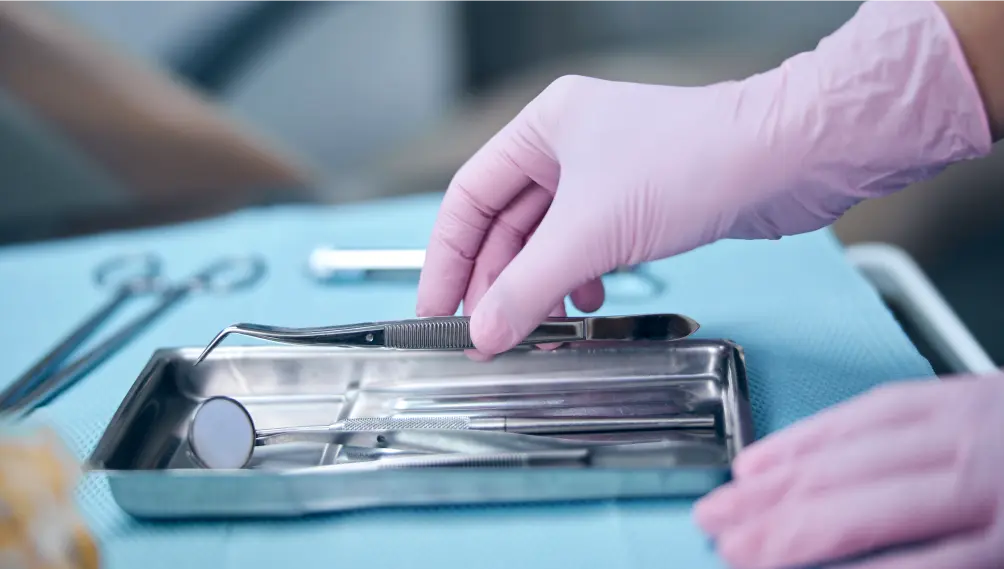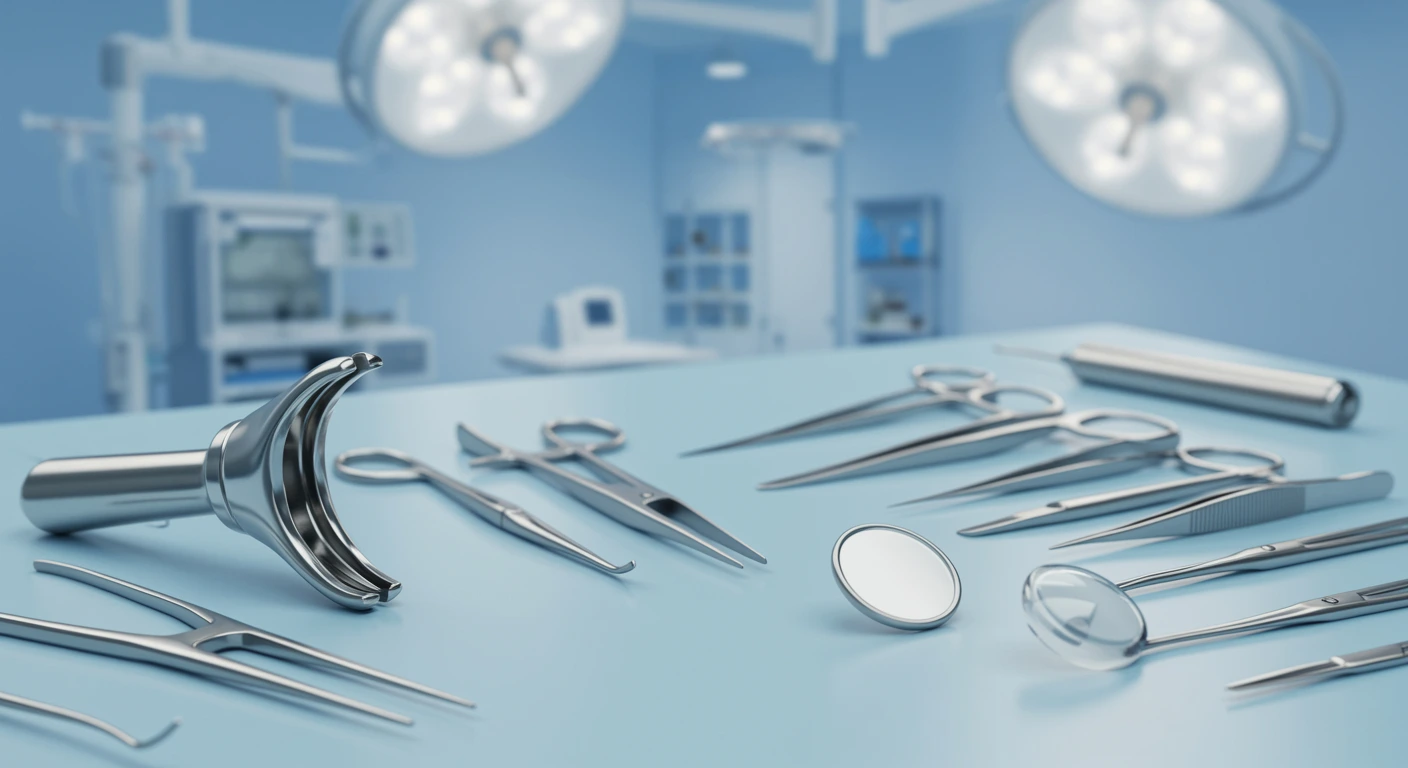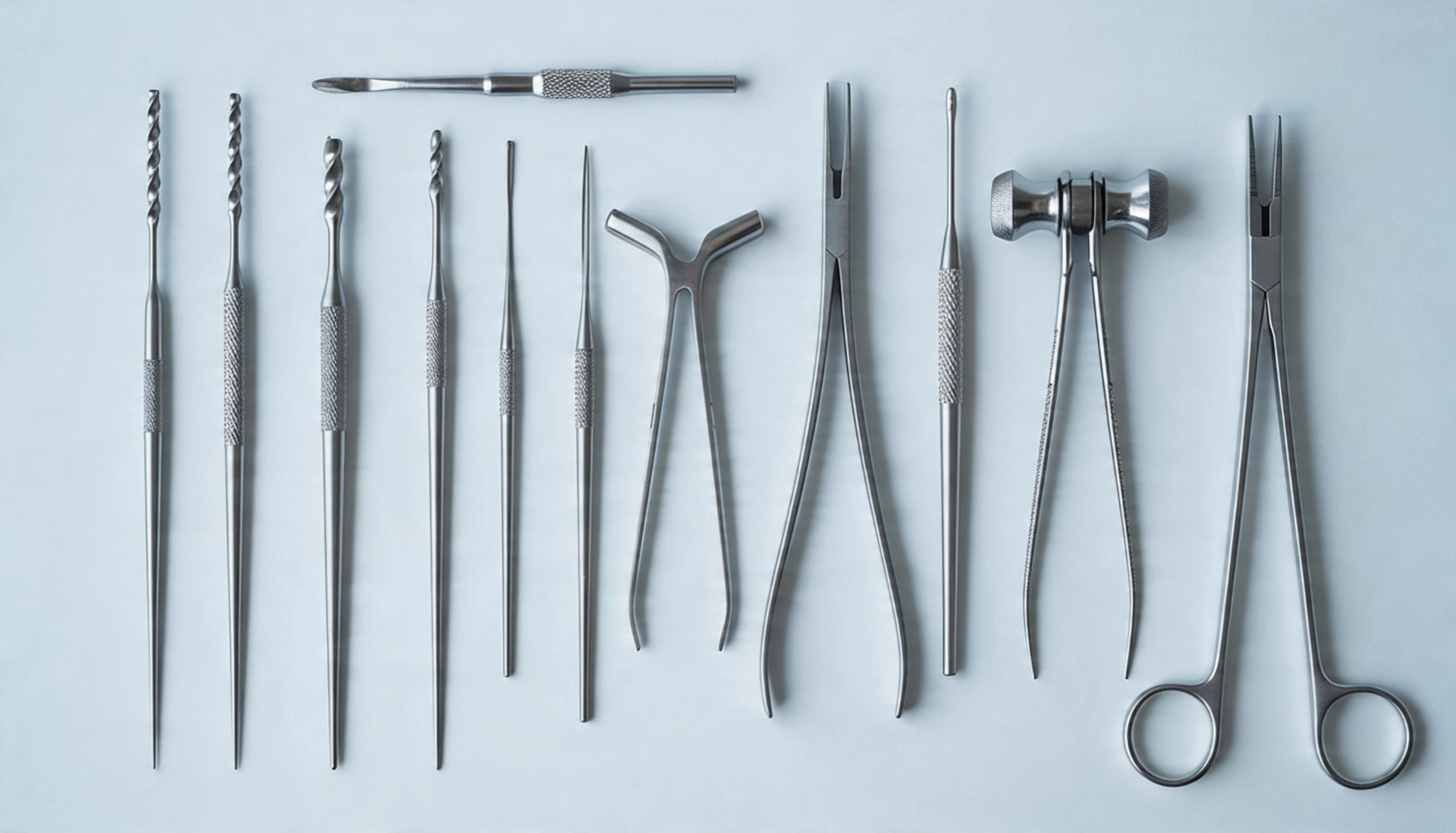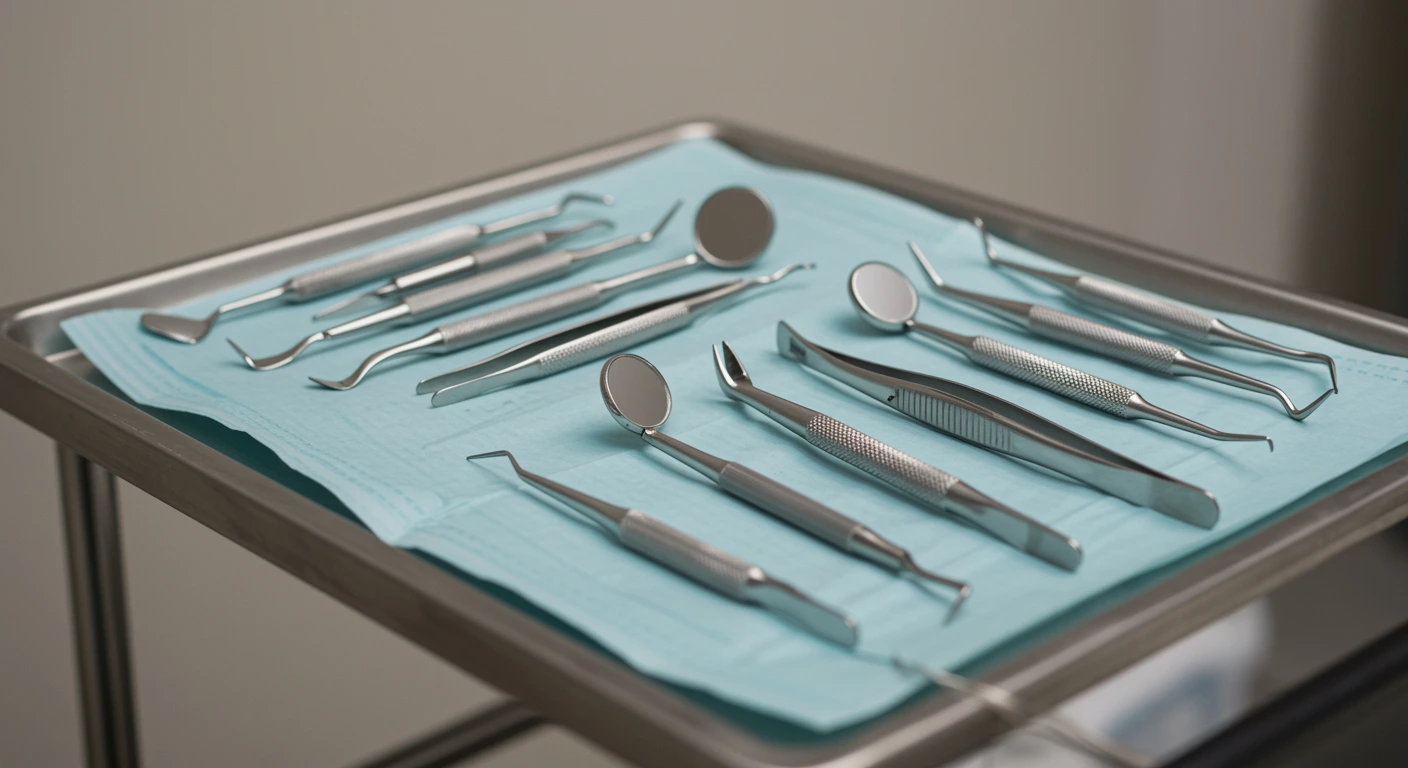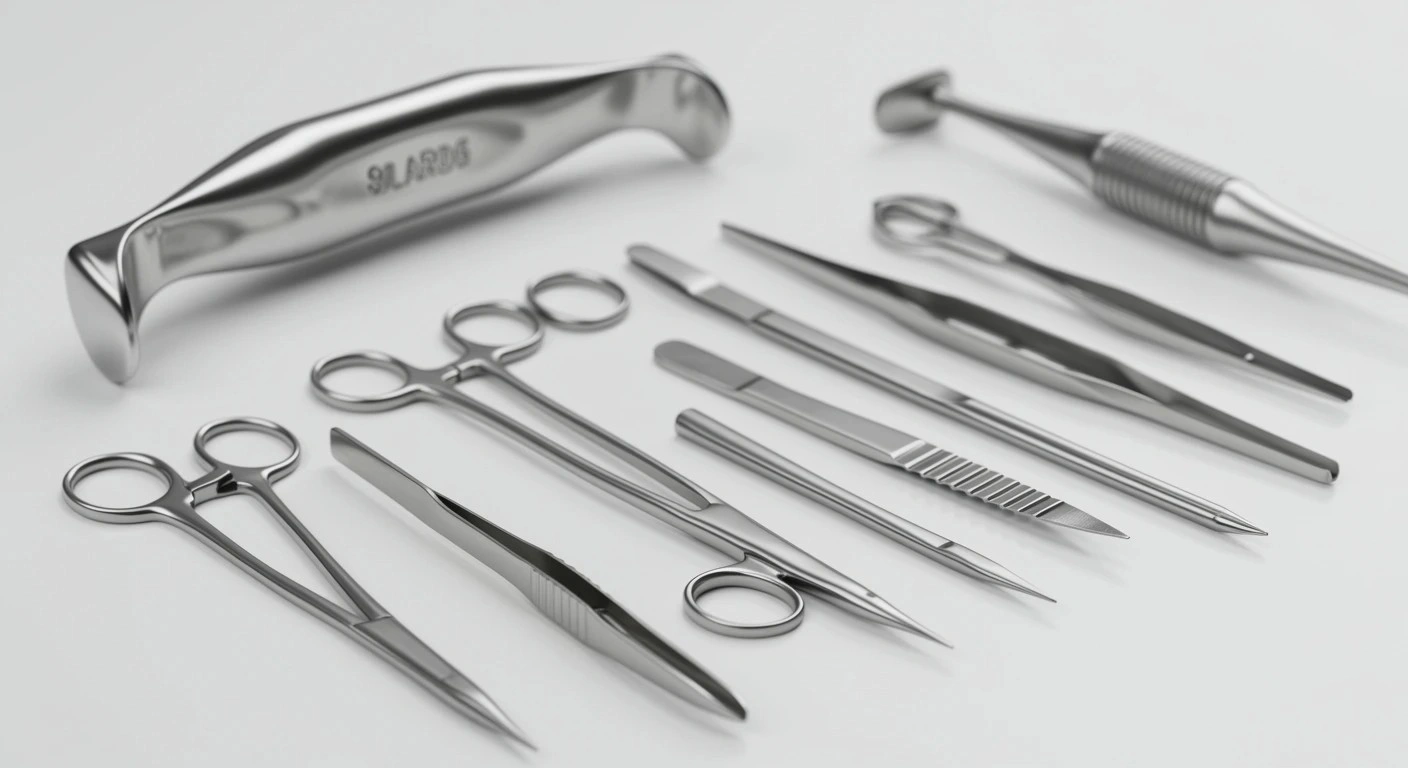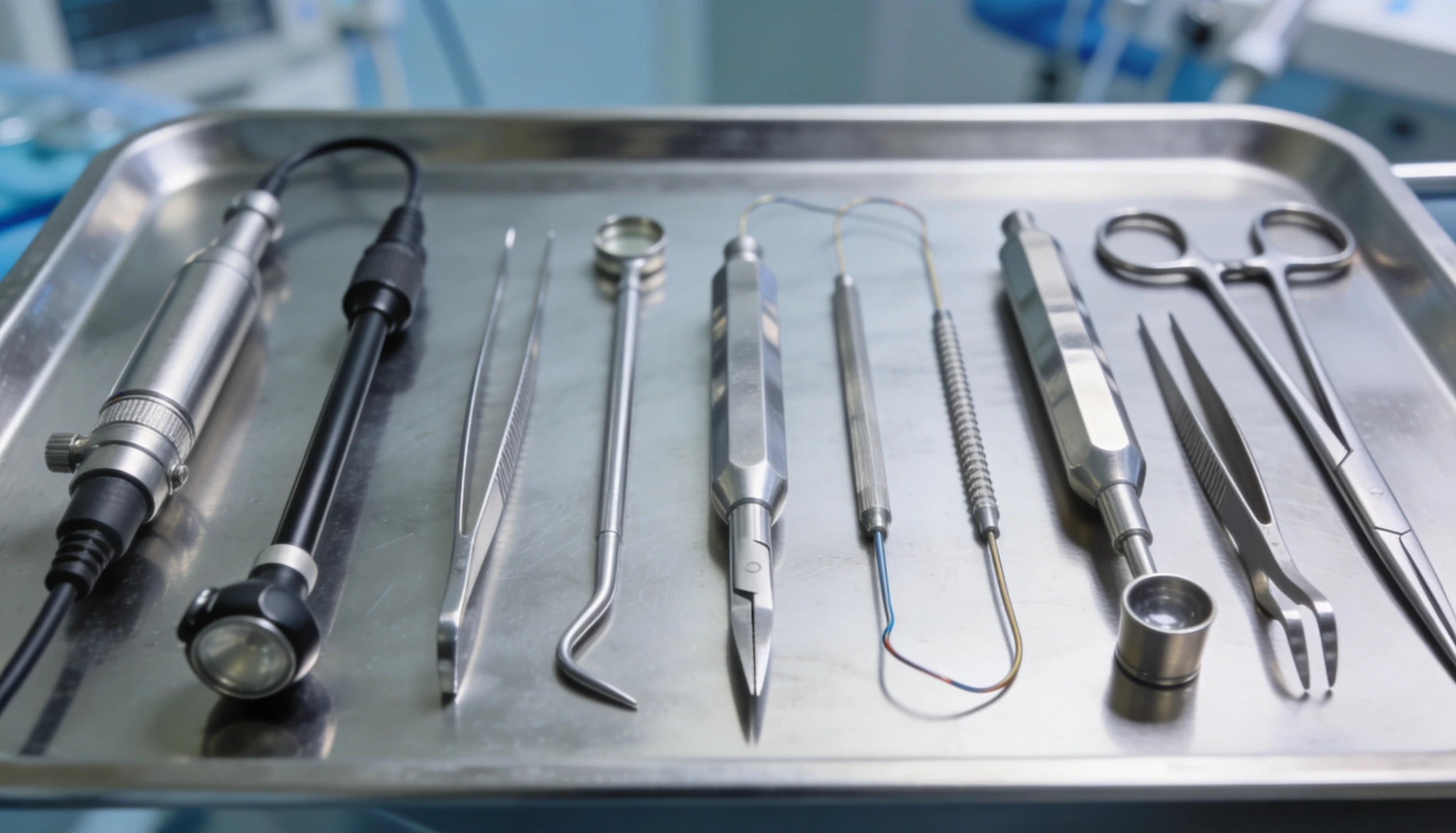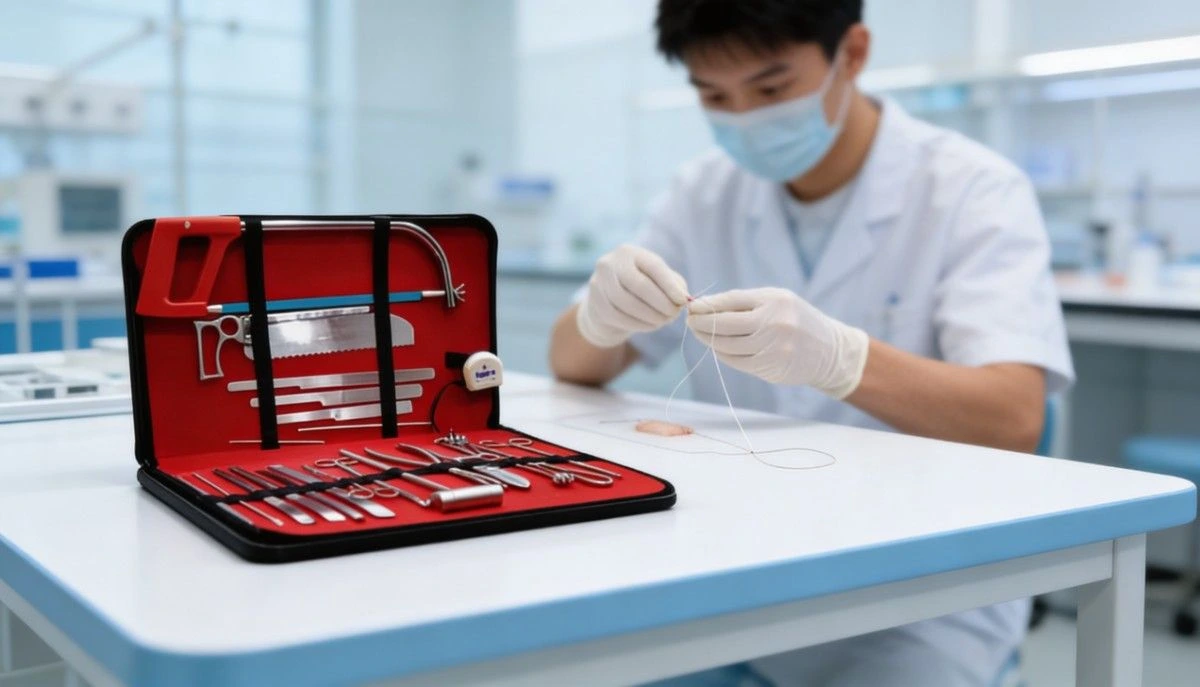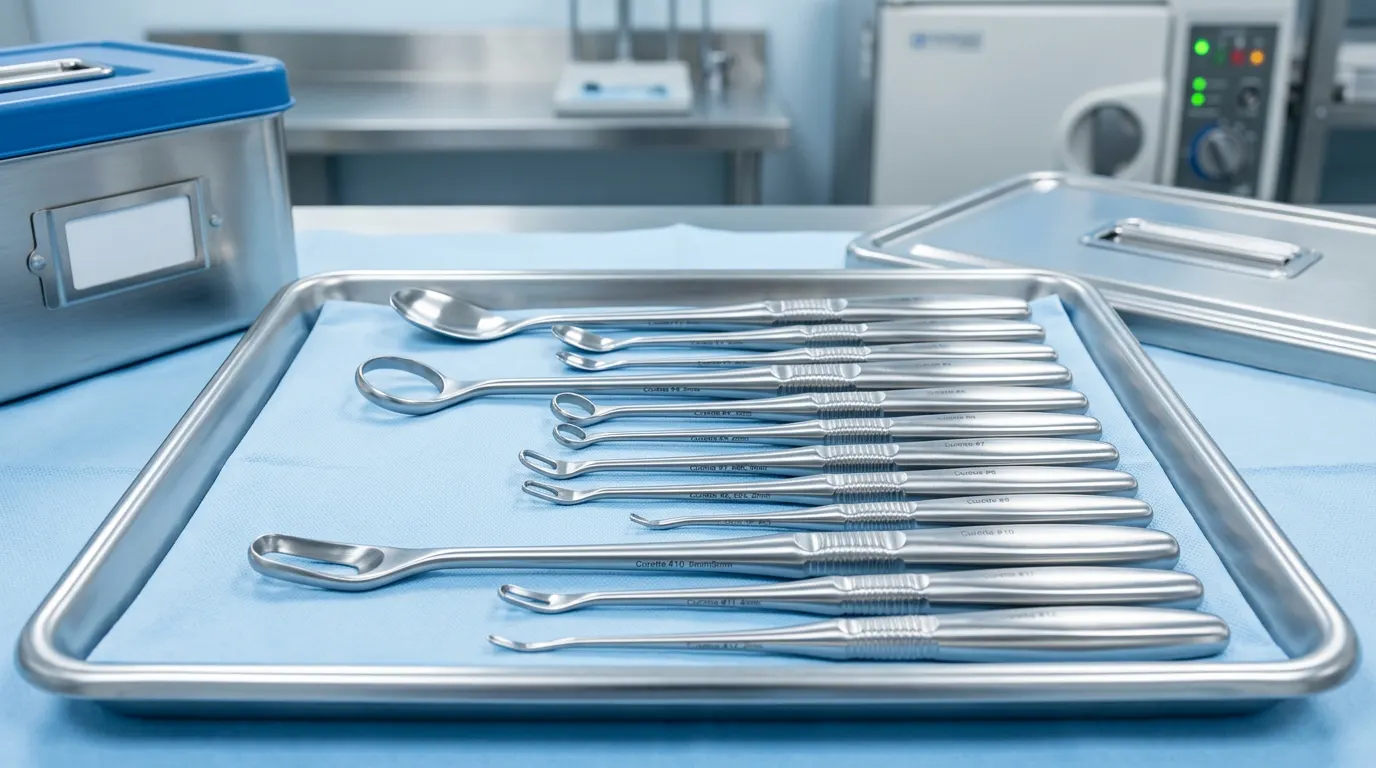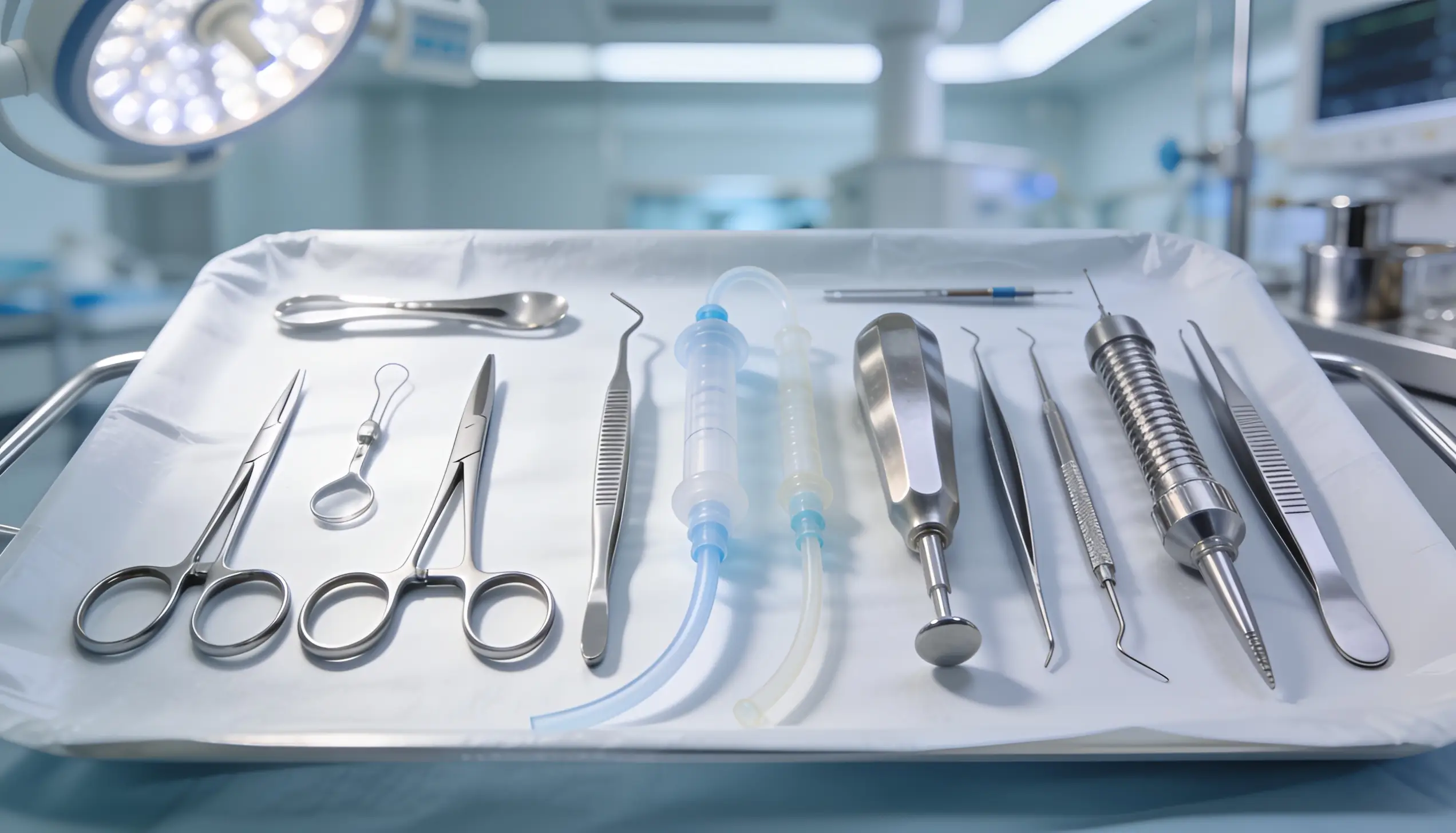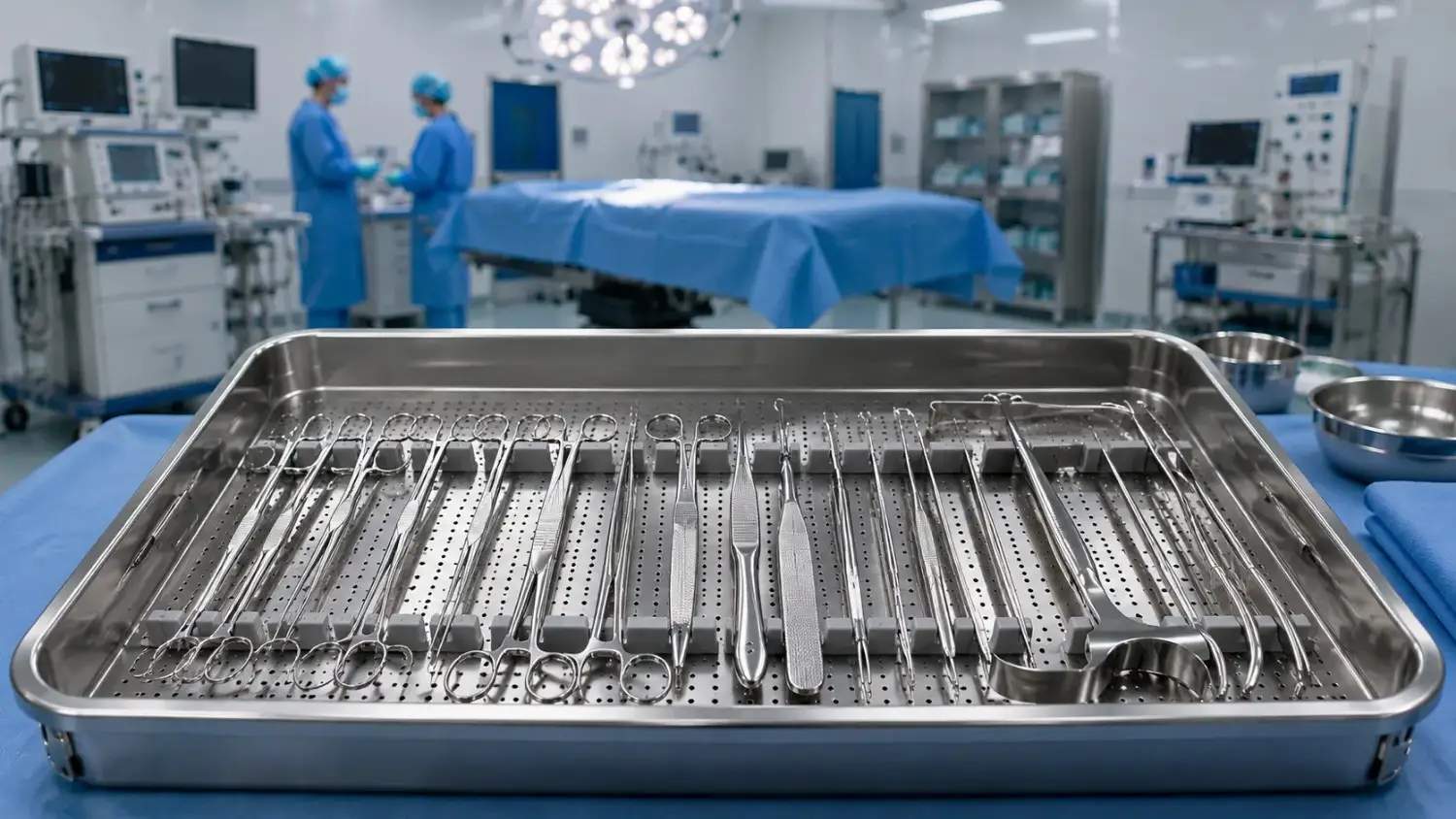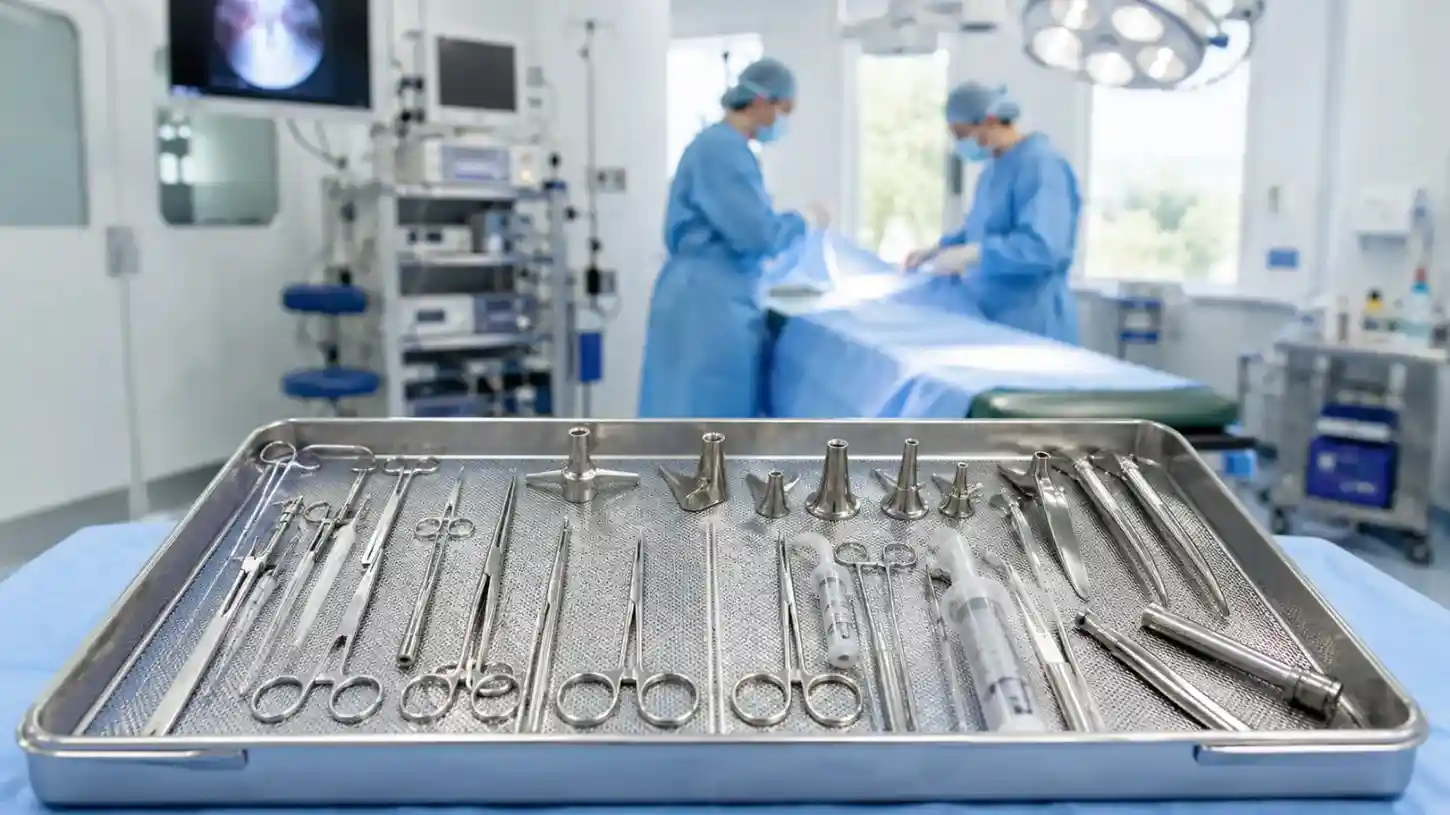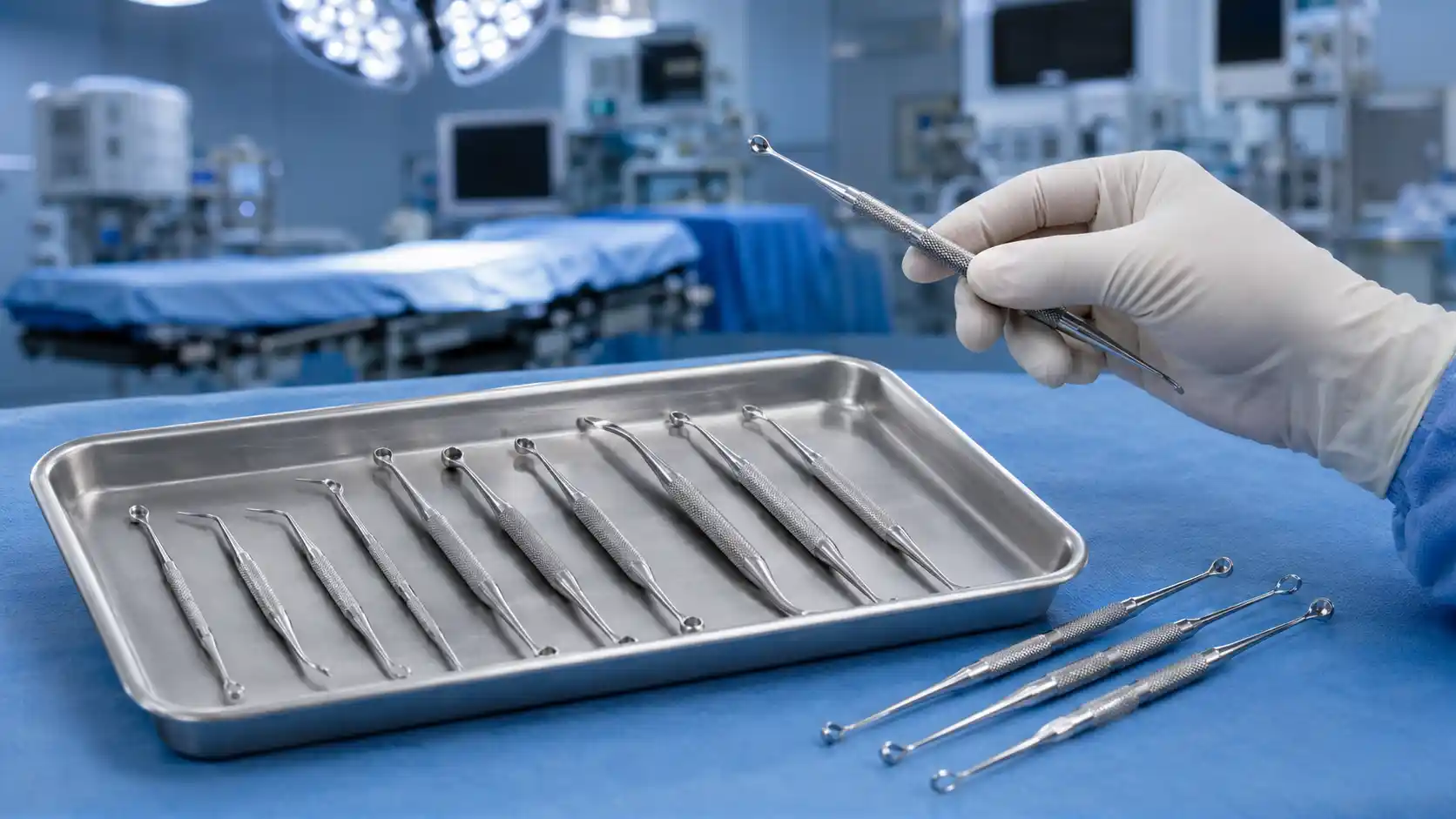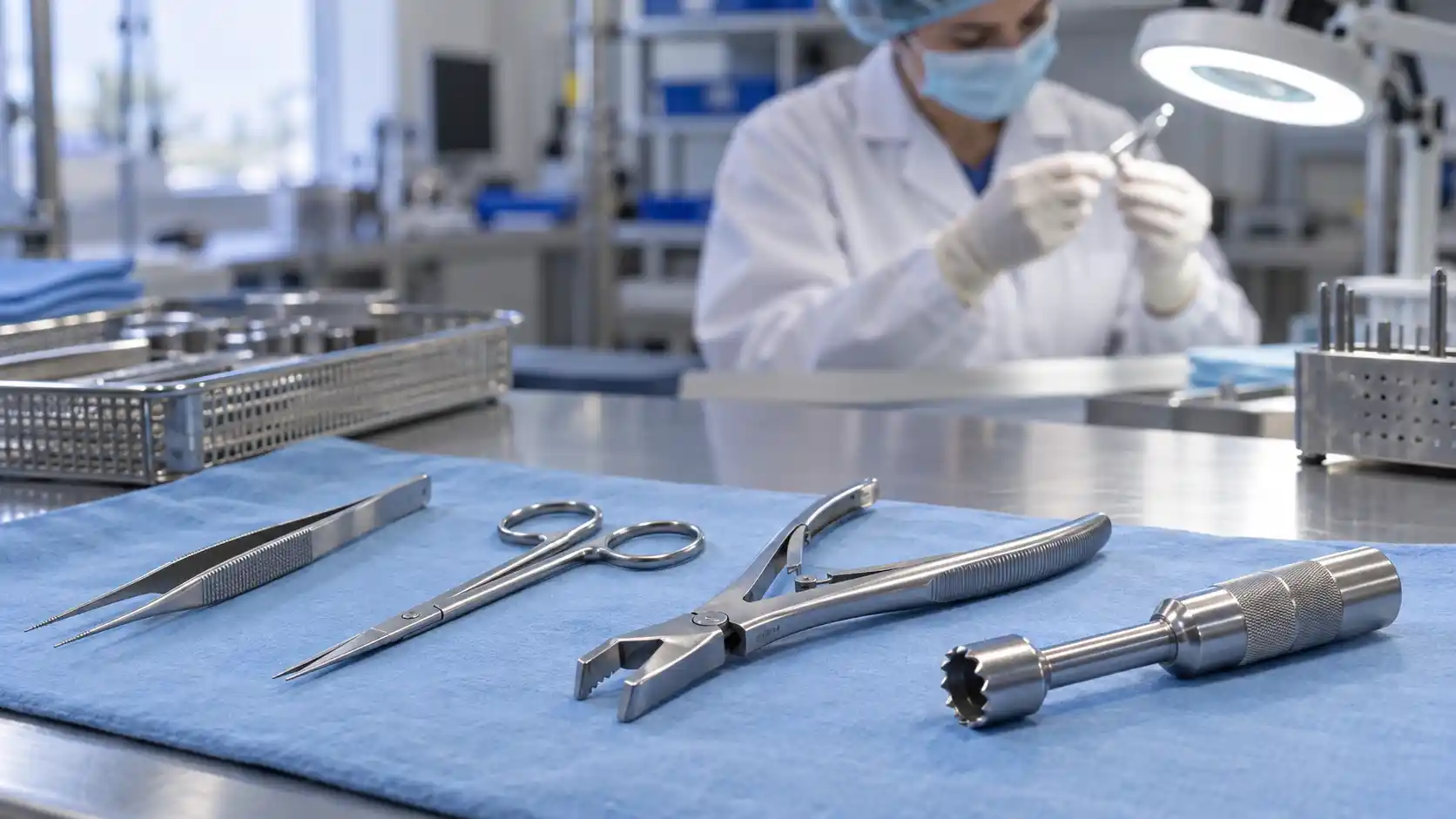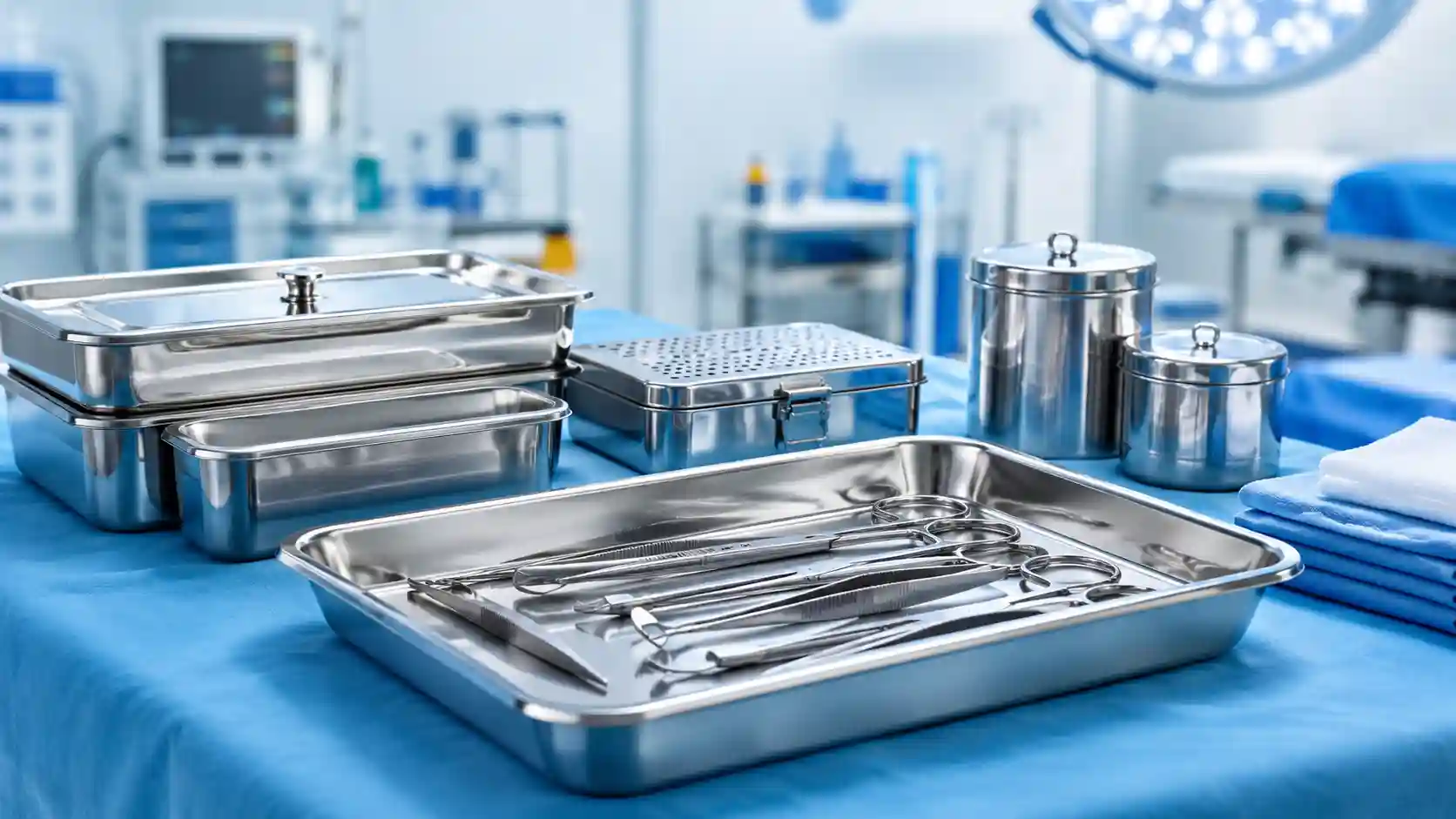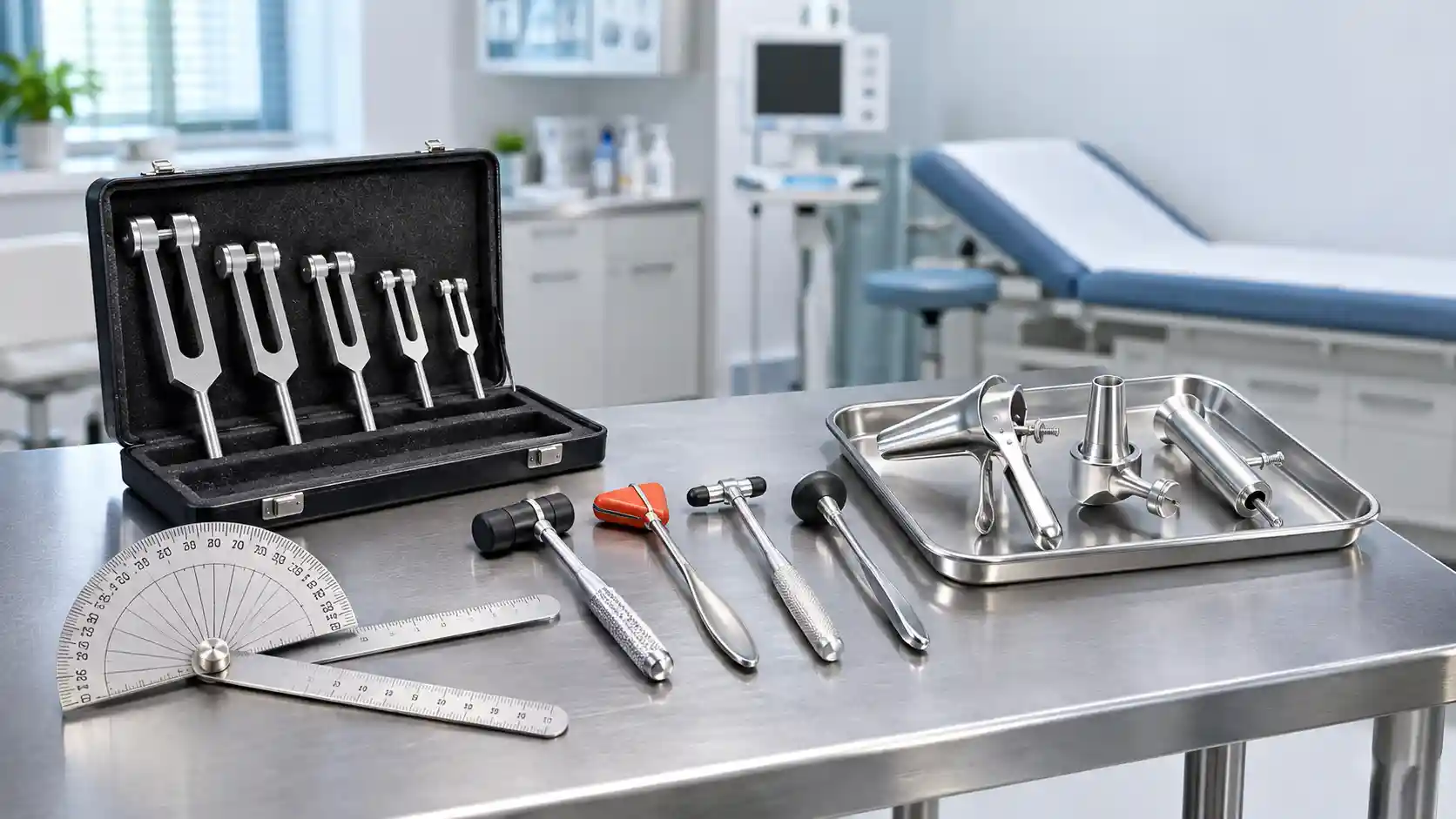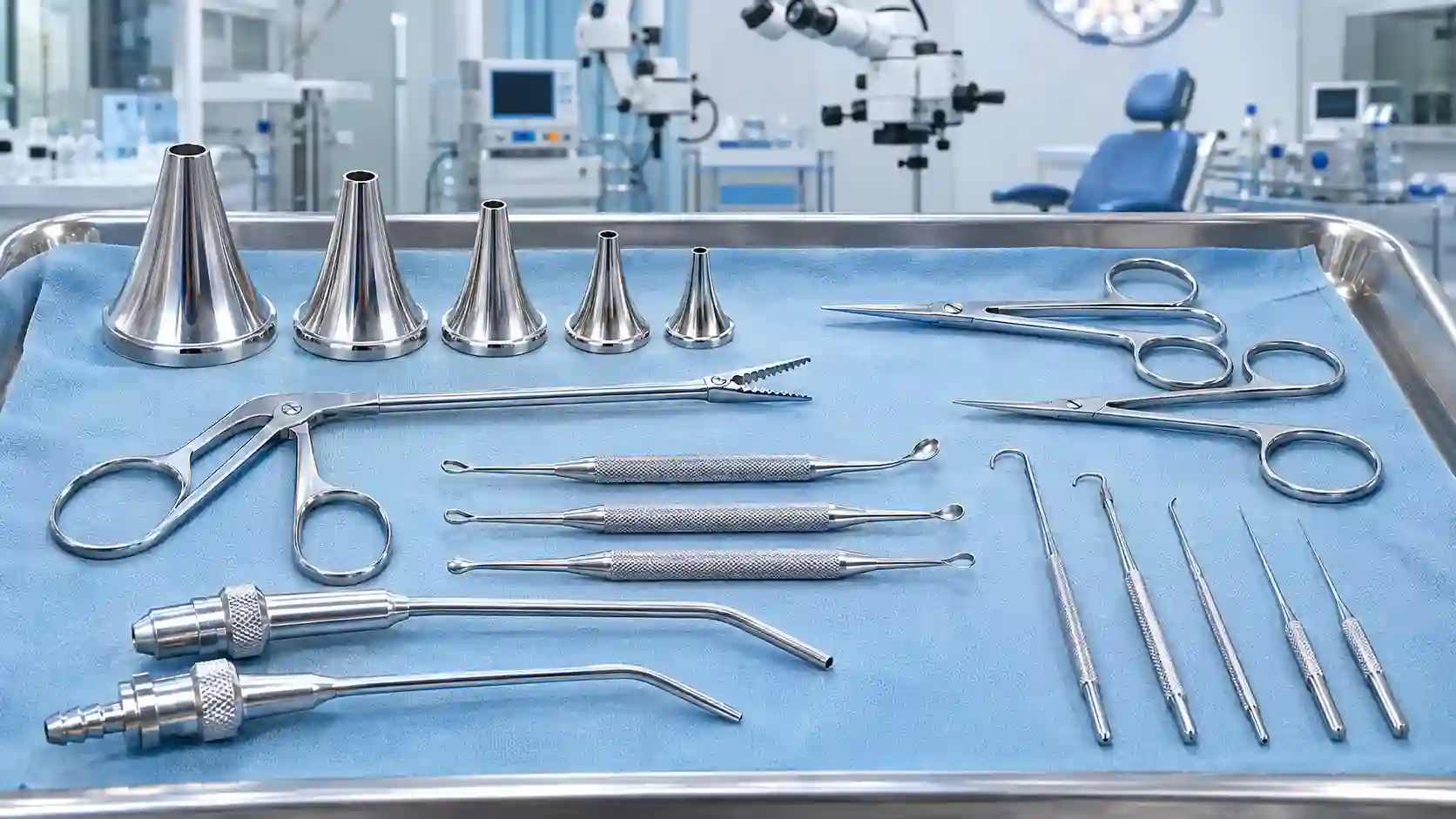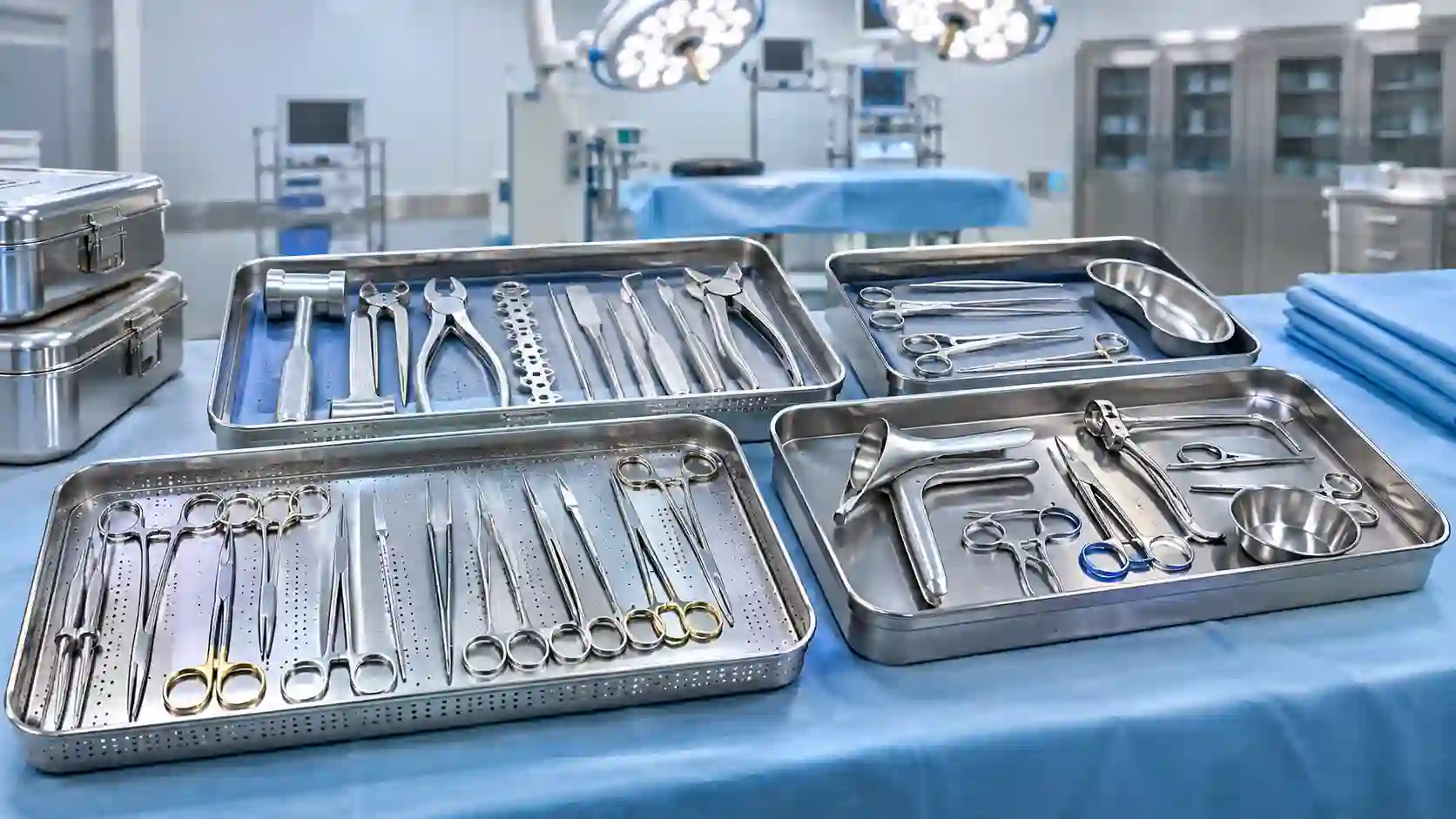
Surgical kits and sets play a vital role in hospitals with the right instruments needed in the most efficient way. They enable hospital staff to have all the appropriate instruments to hand before the day of the operation to ensure a smooth surgical process. The Surgical set price also requires consideration of quality standards, level of sterilisation, materials needed for specific surgeries, and a trusted supplier. This blog provides details on all the major types, applications, and buying considerations of surgical kits and sets including key factors to bear in mind when choosing the right manufacturer for you.
Surgical kits and sets are comprehensive collections of surgical instruments, designed for specific surgical operation or healthcare applications. Surgical kits and sets for medical student enable retrieval of the required equipment needed for the practical learning, as necessary, as there is no need to hunt out the individual items as and when required.
Surgical kits and sets for hospitals are chosen based on the procedures performed, the surgeons' preferences and the sterilisation procedures and guidelines of the hospital. Properly selected instrument sets are said to streamline the instrument preparation and help to establish a well-organized flow in the operating theatre and ease inventory management.
The need of Surgical kits and sets for clinic, hospitals are varied according to the surgical speciality, type of operation to be performed and clinical setting. Below are some of the surgical sets used, however specific instruments and arrangements may differ according to manufacturer.
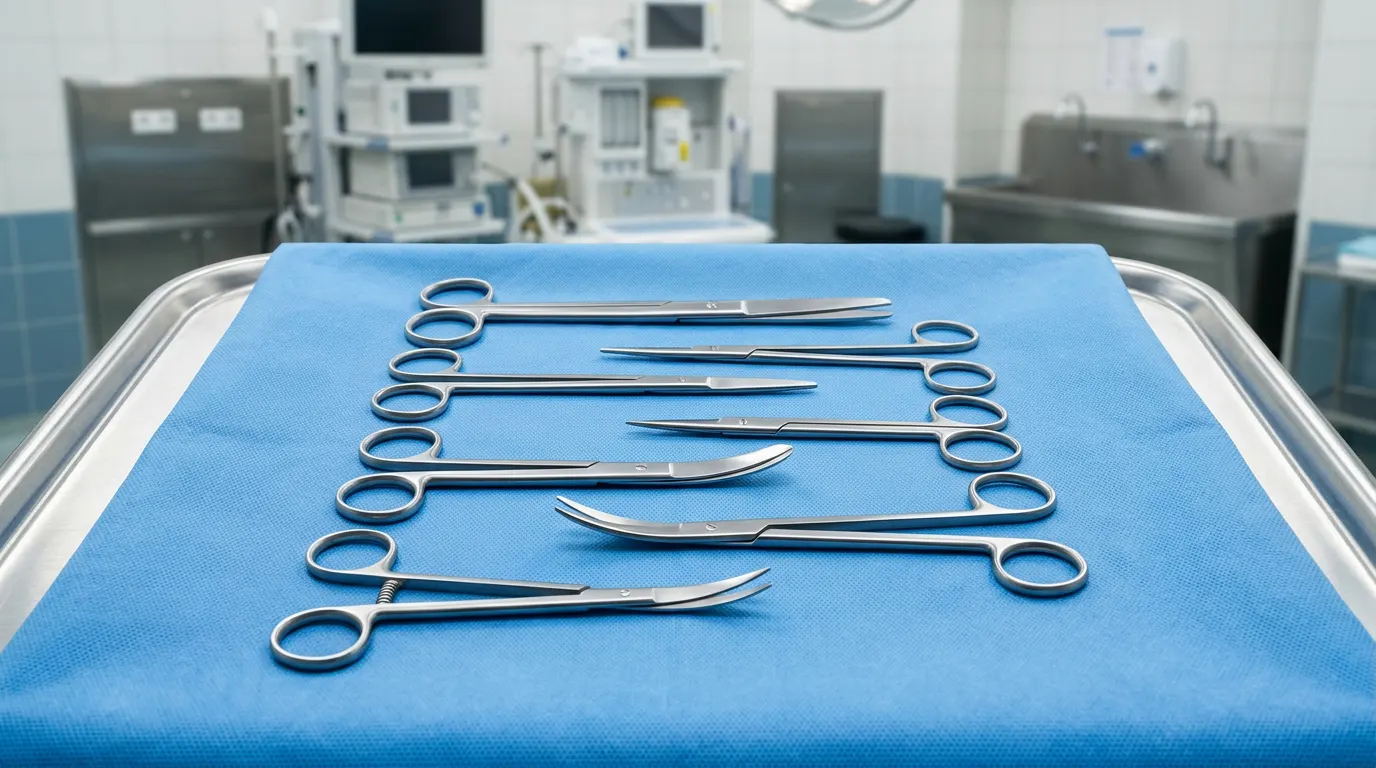
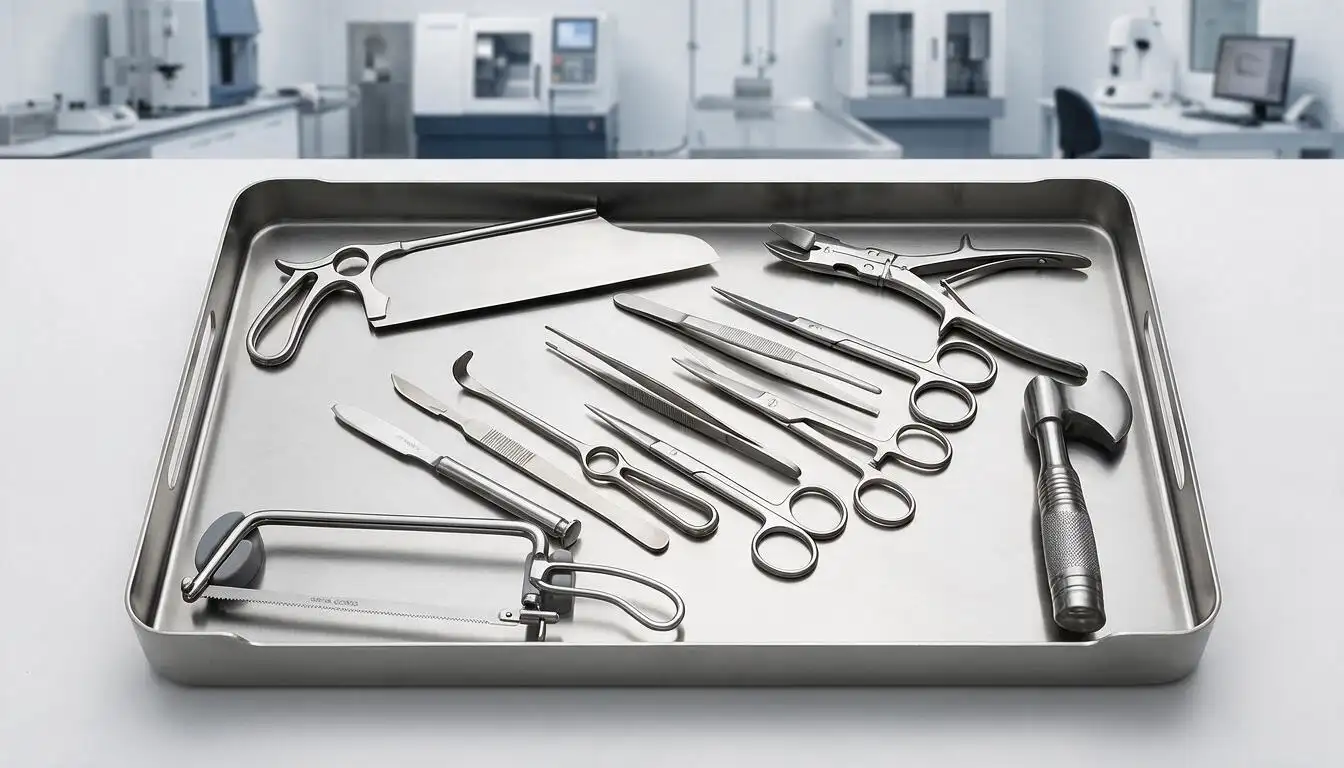
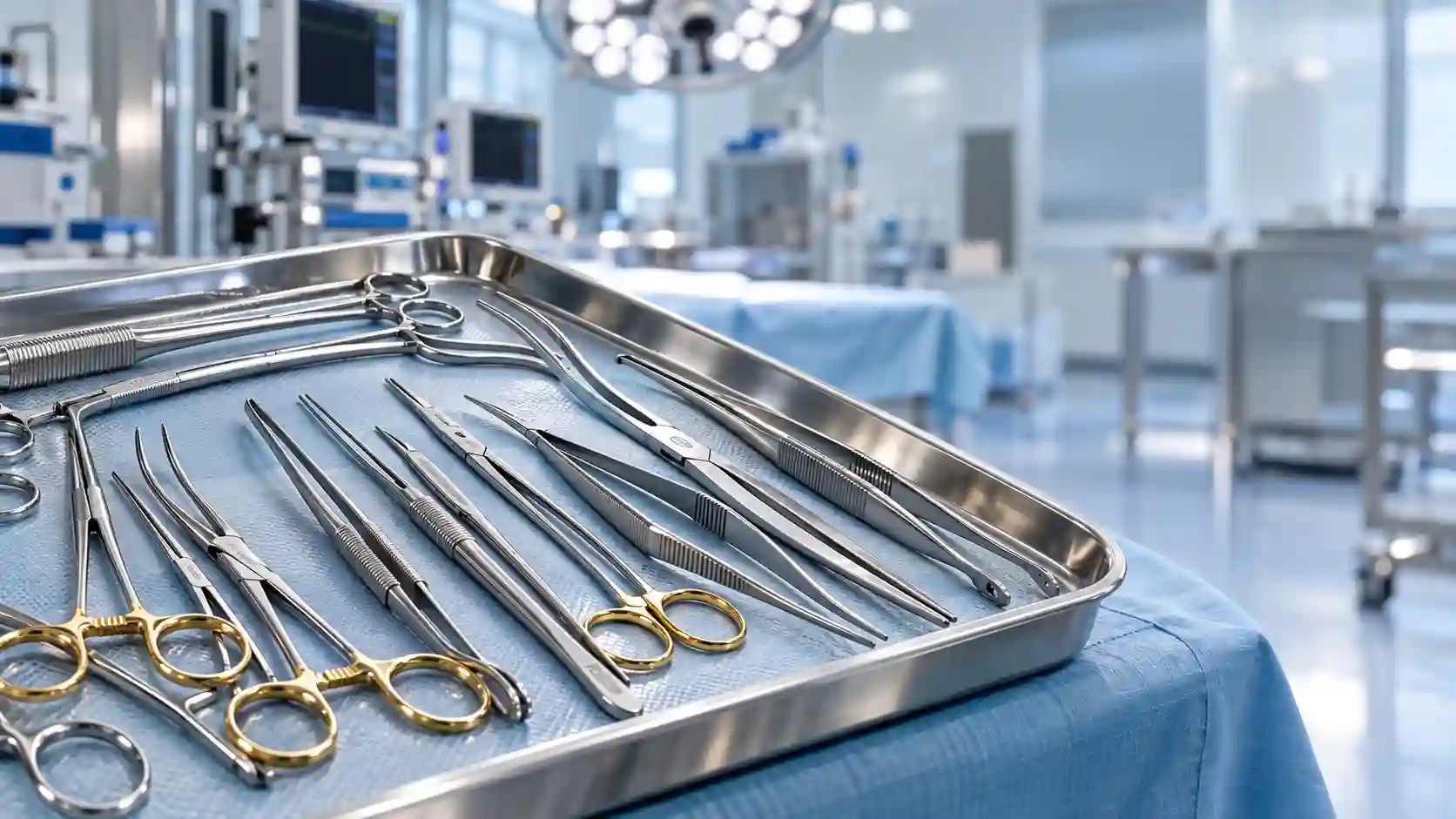
The beginner instrumentation sets in general surgery include surgical scissors, forceps, needle holders and retractors. General surgery instrument sets are designed to carry out general surgical operations with tissues, sutures and wound management. The exact contents of a set will depend on the specific operation to be performed and the surgeon's preferences.
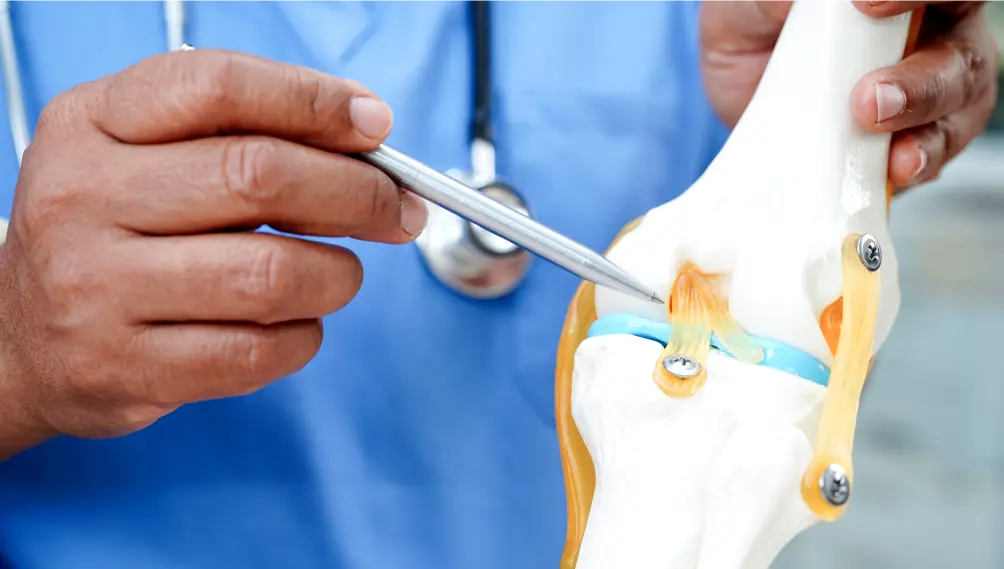
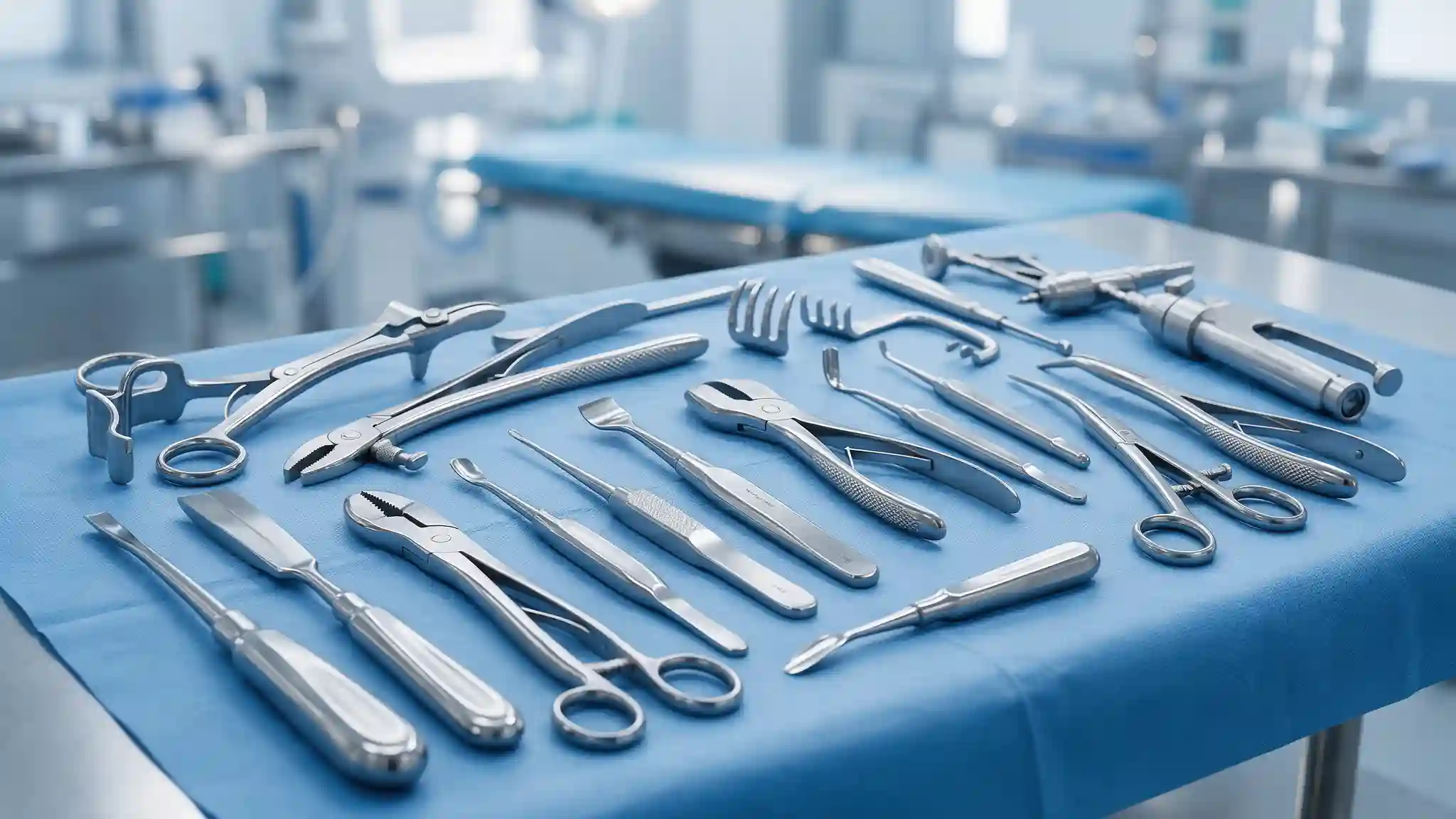
Orthopaedic surgical sets are typically used for work on bones, joints and adjacent tissues. There are a variety of tool types that can be included within these sets, which are classified depending on their specific function in the surgical process. The chosen instrument set should be assessed for specifications and compatibility prior to purchase.
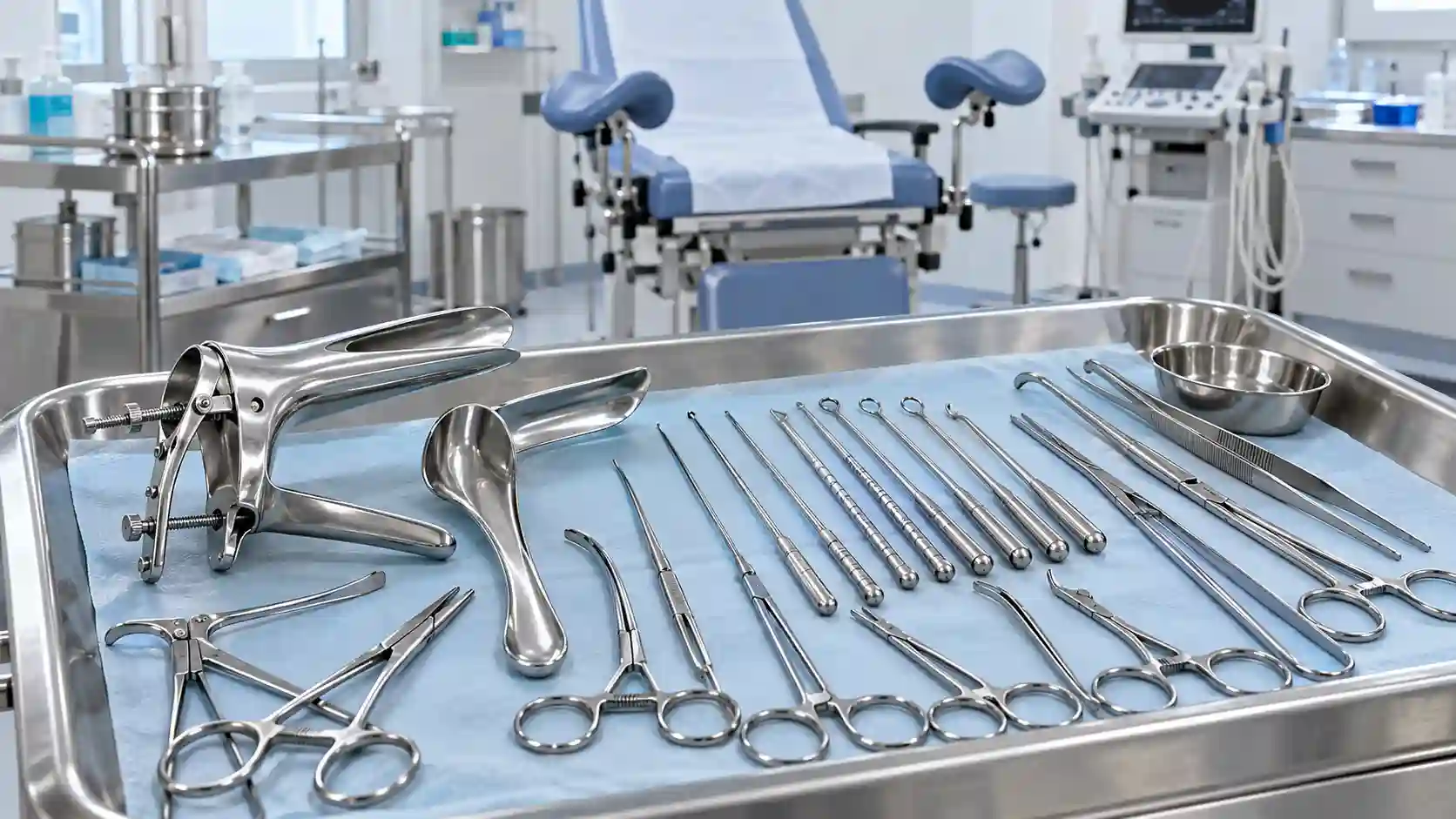
Gynaecological surgical sets consist of specific instruments used in specific procedures for the female reproductive system. Medical centres choose the suitable tools using clinical considerations, safe sterilisation methods and their preferences on using specific instruments.
Cardiovascular surgical sets are used for specialised procedures of the heart and blood vessels. They may contain specialised forceps, clamps, scissors and other instruments for delicate surgical procedures. Selection of instrument quality, design and suitability of instruments for cardiac and cardiovascular use must be considered.
In clinics, outpatient departments and treatment rooms, minor procedure packs are used for designated minor surgical procedures. They may contain dressing forceps, scissors, needle holders and more general instruments. The Minor surgical procedure sets should match the treatment needs and clinical guidelines.
Surgical instrument sets are designed to help facilitate a variety of procedures at all stages, such as preoperative, wound and tissue management and closing. The exact use of an instrument set will vary depending on what instruments are in the set and the procedure.
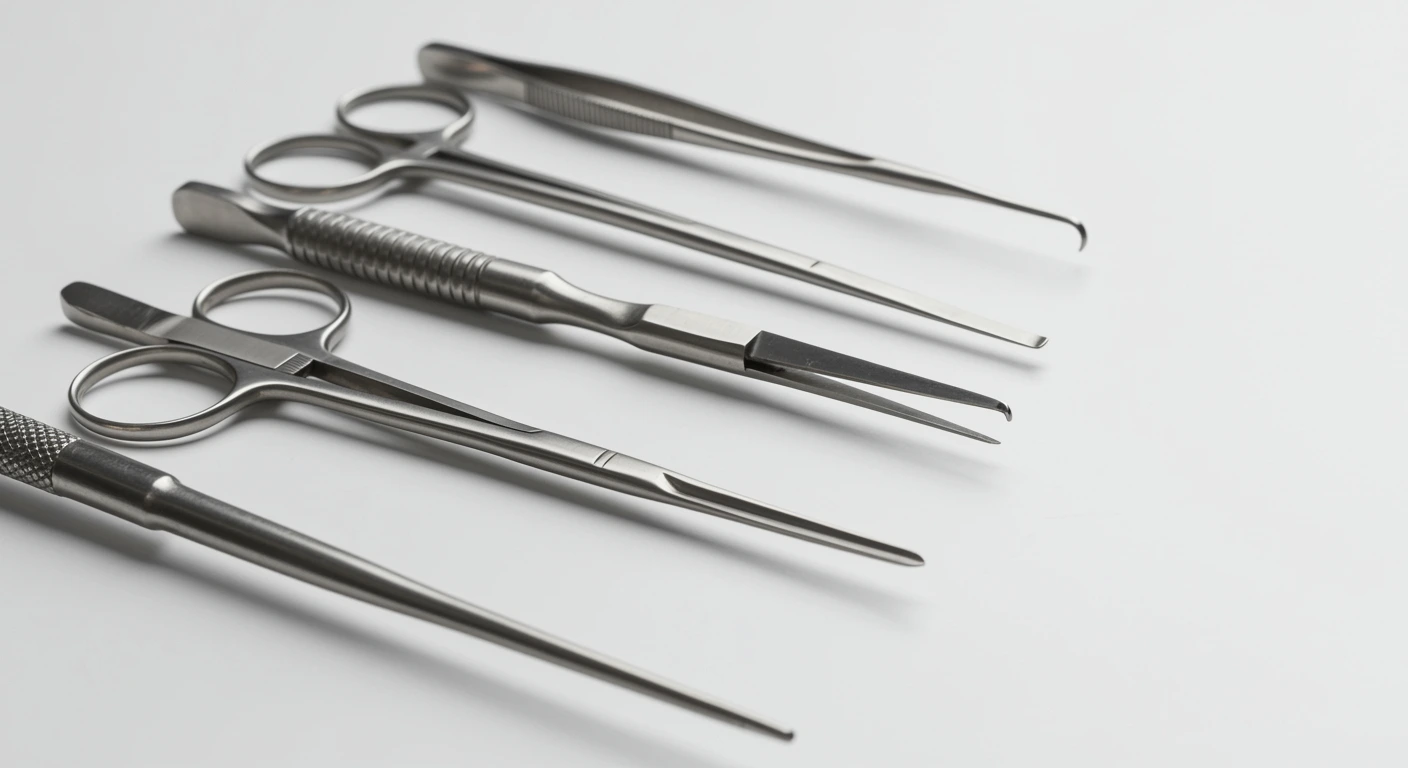
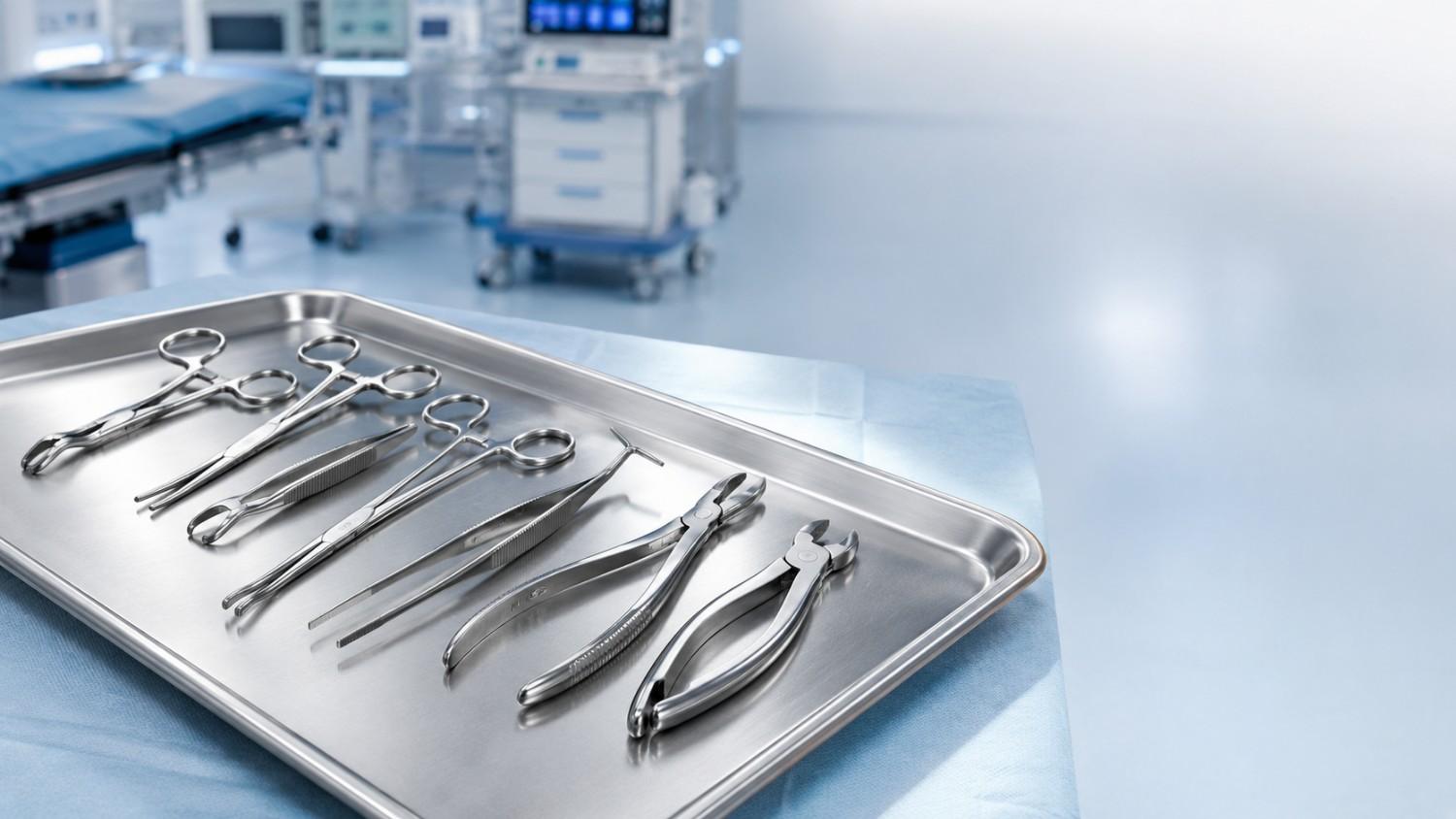
Forceps and surgical scissors assist clinicians in tissue handling and cutting or dissecting in situations where they are indicated. Instrument design and sharpness are relevant factors for controlled handling.
Instruments used for wound closure include needle holders, suturing instruments, and appropriate forceps. Optimum instrument set-up may assist surgical teams in line up the closure step of the procedure to meet its needs.
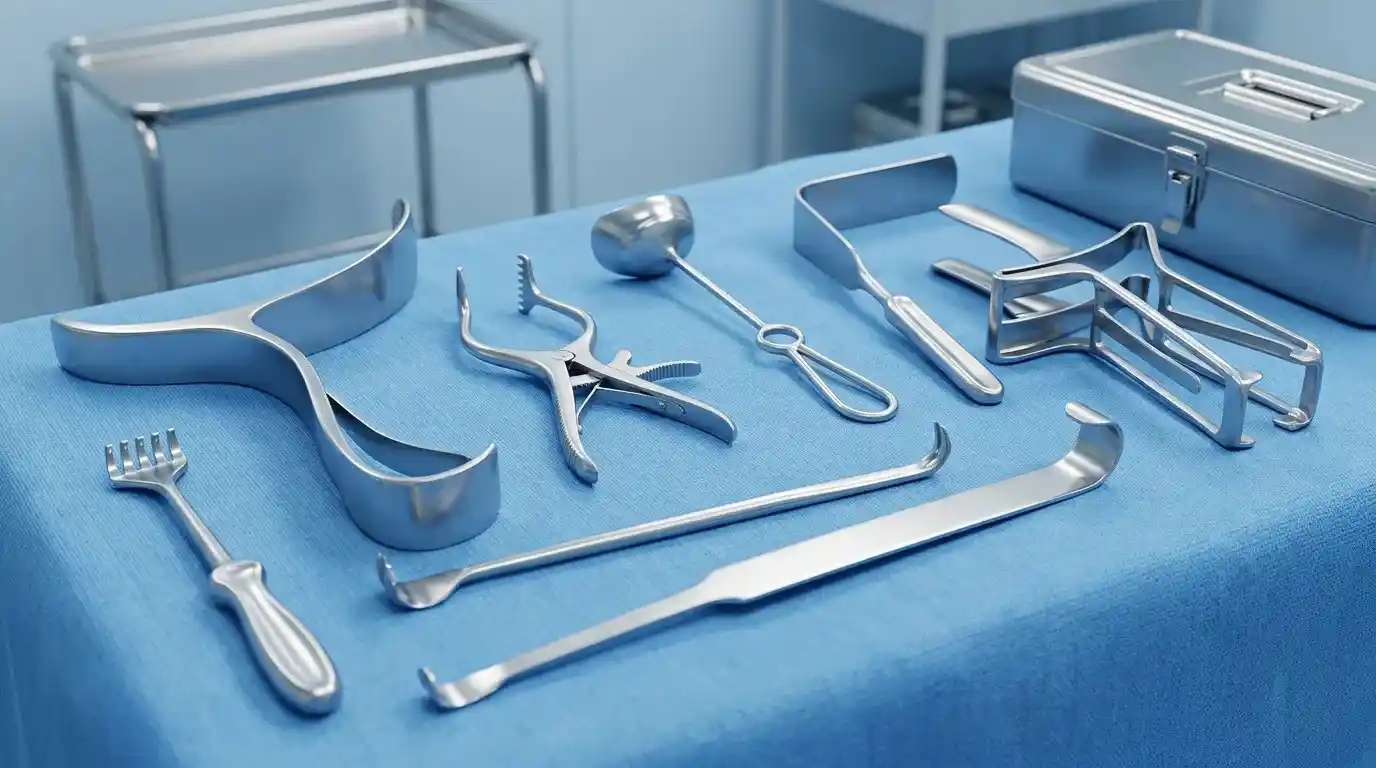
Retractions are used for back tissue and improve access to the surgical site. The choice of retractor will depend on the surgical site, the exposure needed and the clinical technique.
The selection of Surgical kits and sets for practice is dependent on intended procedure and requirements.
Before placing an order hospitals should compare Surgical set price against instrument configuration, quality, documentation and supplier availability. With thorough planning, you can be confident that the chosen set will meet your clinical needs and follow hospital processes.
In order to facilitate comparison, there is a protocol offered that enables you to focus on the key purchasing decision making criteria. This chart summarises these practical points, which procurement teams should consider when assessing instrument sets from different suppliers.
| Buying Factor | What to Check |
|---|---|
| Instrument selection | Confirm that the set contains the instruments required for the intended procedure. |
| Material quality | Review material specifications, corrosion resistance and suitability for repeated processing, where applicable. |
| Manufacturing quality | Check workmanship, finishing, alignment and instrument functionality. |
| Sterilisation requirements | Verify compatibility with the hospital's validated reprocessing methods and the manufacturer's instructions. |
| Documentation | Request relevant product specifications, traceability information and applicable conformity documentation. |
| Customisation | Confirm whether the supplier can accommodate approved instrument combinations or set configurations. |
| Supply capacity | Assess order quantities, lead times, replenishment and after-sales support. |
Additionally, when feasible, hospitals are advised to ask for samples or demonstrations of products and perform on-site examinations of instruments prior to placing large volume orders. All purchases of devices, products, and instruments are to be based upon the total cost of ownership rather than acquisition cost.
You will require reliable vendors for the stability in product quality and availability of instruments. As a hospital you will need your procurement team to go through the manufacturing capacity, product portfolio, quality testing, documentation and communication procedure. The Surgical kits and sets manufacturers in India like Mediwave deliver quality instruments to fulfil the specifications and purpose of the instruments.
Look for manufacturers like Mediwave with well defined quality control processes, defined material specifications, and documentation. Inspect items for proper finish, workability and general quality prior to acceptance. Be sure to identify which standards/certifications are necessary for your application, don't assume they are present on all products.
Hospitals may need unique sets of tools, or specific ratios or combinations of tools for various departments. Speak to Surgical kits & sets suppliers in India about these as you order. Check for existing supplies, production schedules, packaging and replacement options to improve your buying strategy.
Instruments should be tested for accuracy, efficiency, handling and consistency. All instruments must be chosen according to the clinical usage. Buyers should check on the instrument's suitability for their surgical team.
Mediwave surgical kits and sets can be found in a hospital's instrument purchasing research. Healthcare purchasers can view the Mediwave's top surgical set choices for further product information, specifications and buying options. Verify the products are suitable by contacting the supplier / manufacturer directly to make sure it is the right product for your surgery.
When hospitals are searching for a Mediwave, evaluate your issued instruments against their intended clinical use and your purchasing specifications. Seek relevant product specifications, identify quality documentation they need and agree on order quantities before buying. This gives you the information needed to avoid making a purchase based on false product claims.
The purchasing teams may encounter issues with incomplete instrument configurations, inconsistent product details and delivery delays and inflexibility of replacements. This has an impact on inventory planning and preparation of the operation room.
"Make a list of the instruments needed and the requisite quantities" before placing an order. Cross-check this with the supplier's list of items and specify any substitutes to be made to reduce the chance of getting the wrong set up.
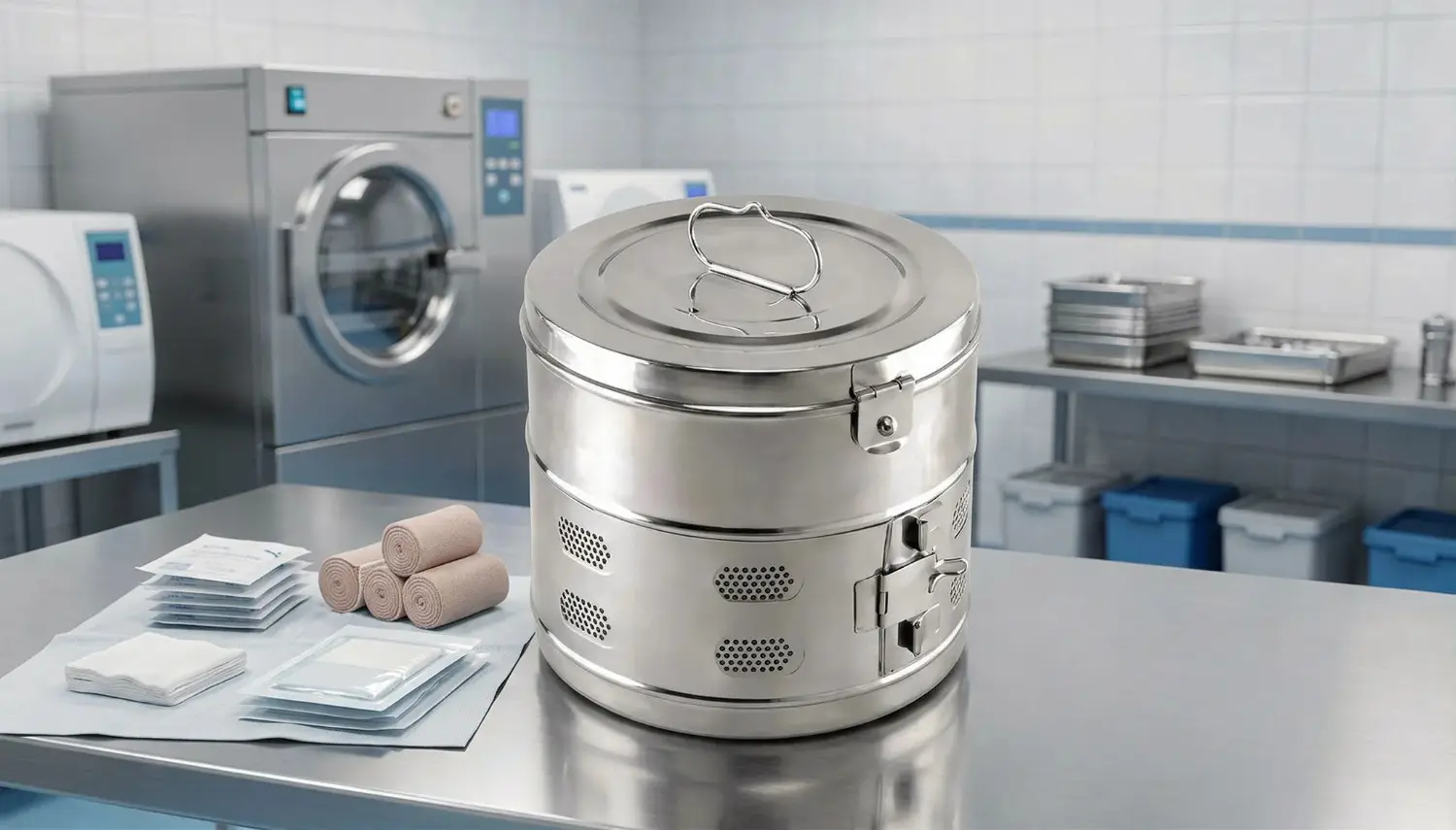
Reusable instruments require routine inspection, cleaning and care following manufacturer's directions. Develop processes for recognizing broken equipment, arranging for repairs as allowed and when to replace equipment that cannot meet operational specifications.
Choosing the correct Surgical kits and sets should be informed by clinical needs, equipment quality, equipment sterilisation instructions, and reputation of the supplier companies. Before a surgical kit and set purchase, hospitals should compare equipment details, review historic data, and make sure appropriate provision agreements are undertaken.
|
Contact or visit Mediwave as they are leading Surgical instrument manufacturers in India and support organized workflow in hospitals and clinics. |
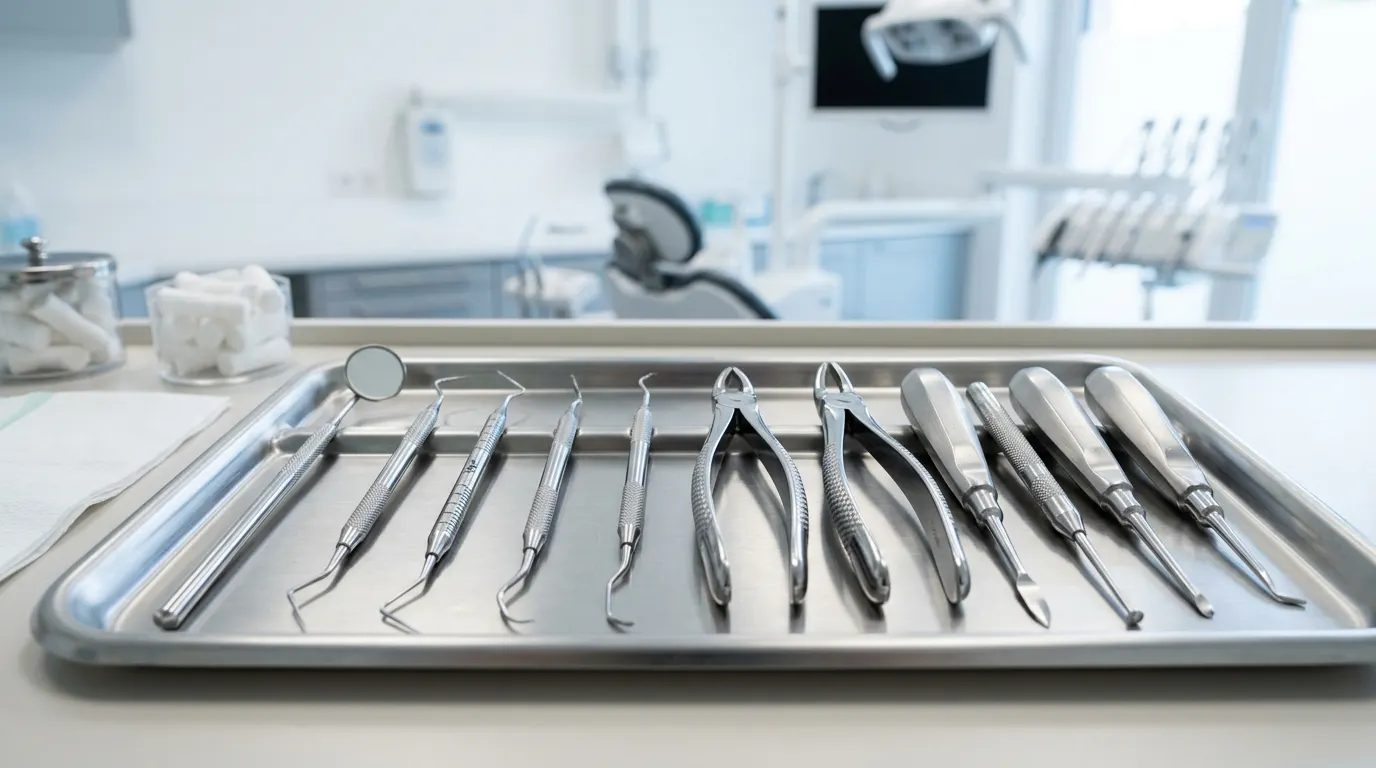
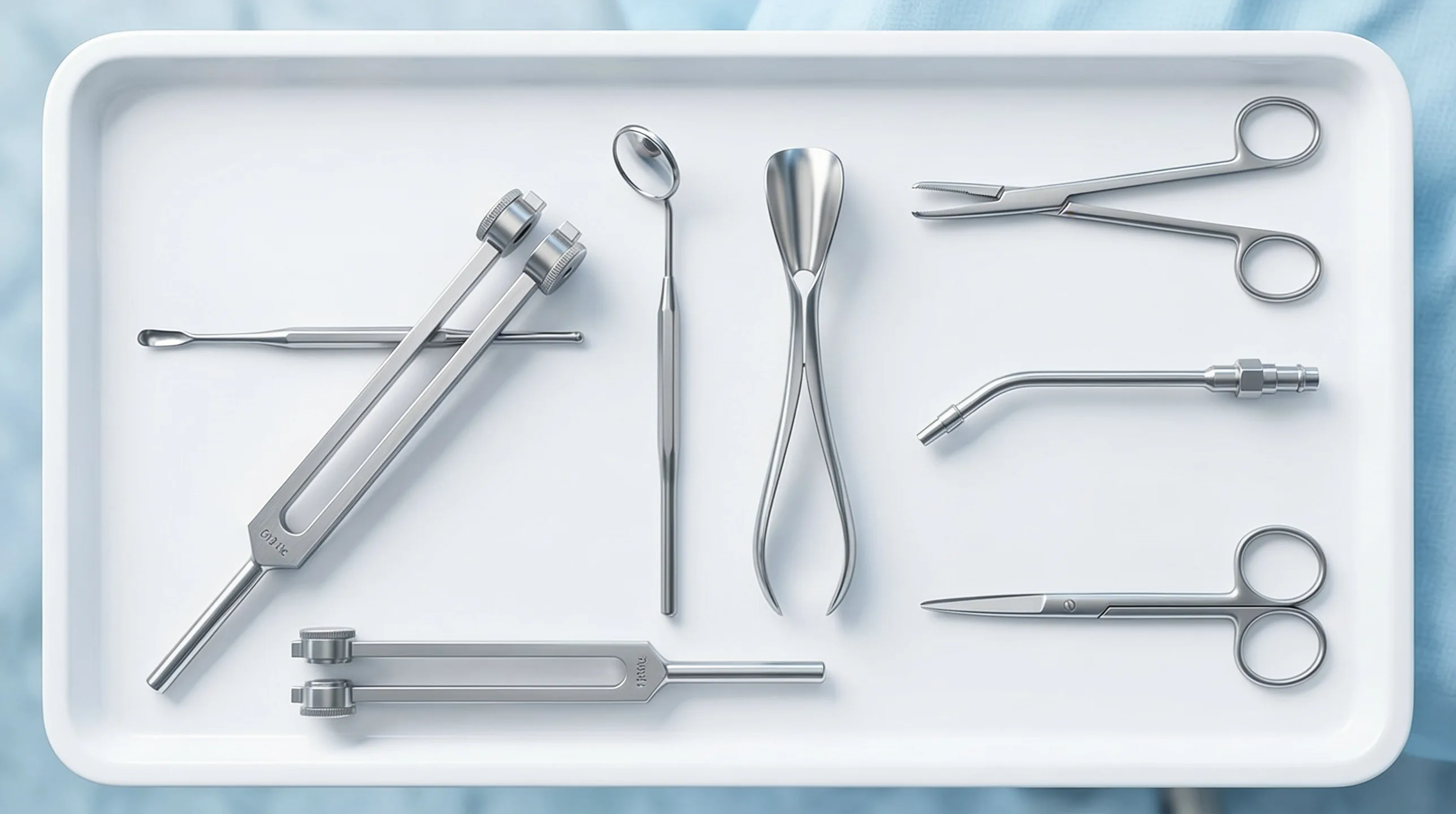
A set of surgical instruments contain the instruments used during surgical procedures for tasks such as preparation, suturing, tissue handling and more.
Depending on the kit selected some items may be suitable for re-use on the individual, others will be single use items. Always read the product labelling and instructions for use.
Clinics need to consider what the procedure entails, what instruments are needed, the quality of the material, ability of the products to be sterilised, documentation as well as supplier credibility.
The bulk buyers must agree on the quantities, technical specification, quality documents, delivery schedule, packing and replacement before placing any purchase.
Review manufacturing qualifications, documented quality controls, the product catalogue, ISO certification or other, and the qualification of the supplier to meet previously agreed specifications and delivery requirements.
Specify the products, configuration, specification, price, bulk order terms and must verify with Mediwave directly in case of hospitals without their own Mediwave platform before purchasing.