Call Us Anytime 24/7

+91-9888041825
Make in India Certified Medical Instruments Manufacturer Swachh Bharat Initiative Compliant Medical Manufacturing Unit MSME Registered Surgical and Medical Instruments Manufacturer
Medical & Surgical Industry Insights

Top 10 Surgical Instruments Explained: Names, Uses, and Why They Are Essential in Modern Surgery

Top 10 Surgical Instruments Explained: Names, Uses, and Why They Are Essential in Modern Surgery
  • 28 January 2026
Table of Contents
  • The Surgeon Arsenal: The Heart of the Operating Room
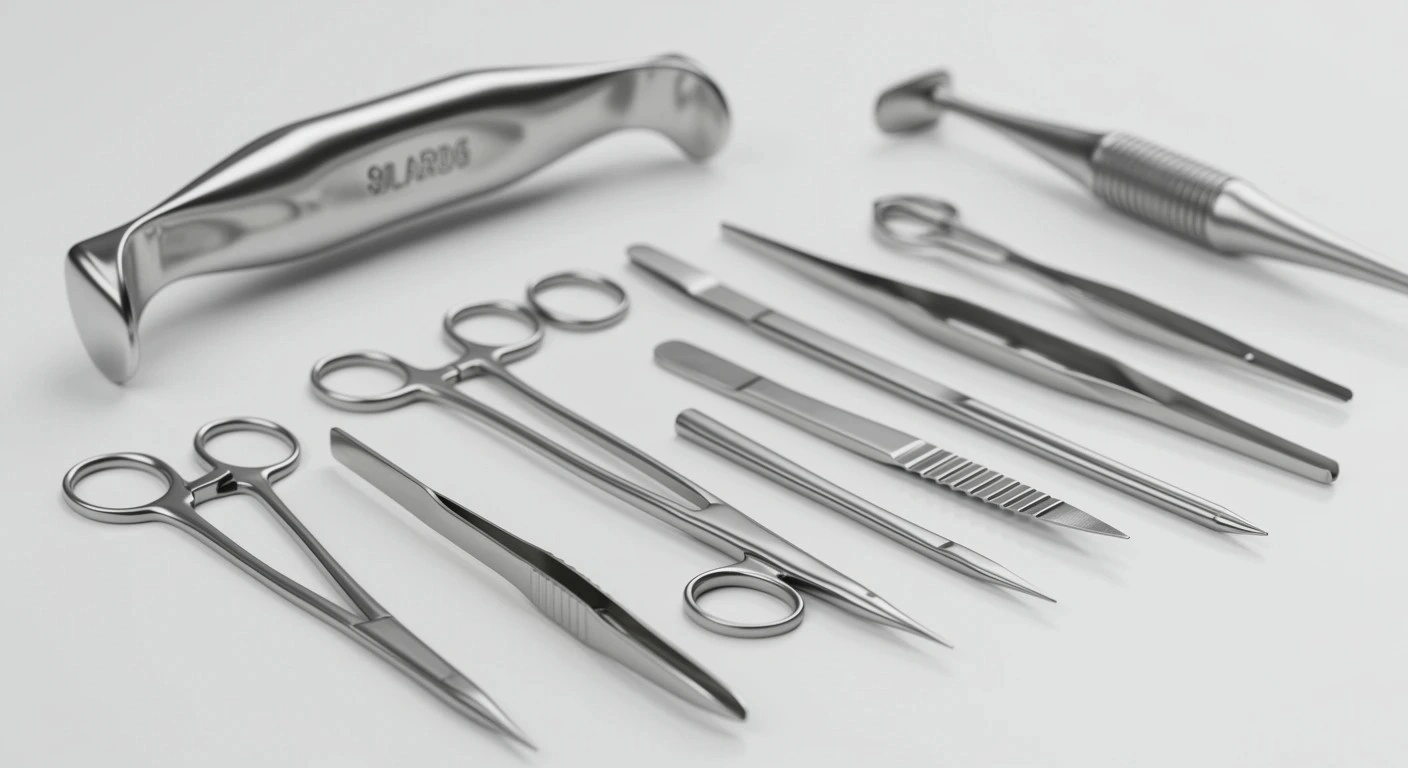
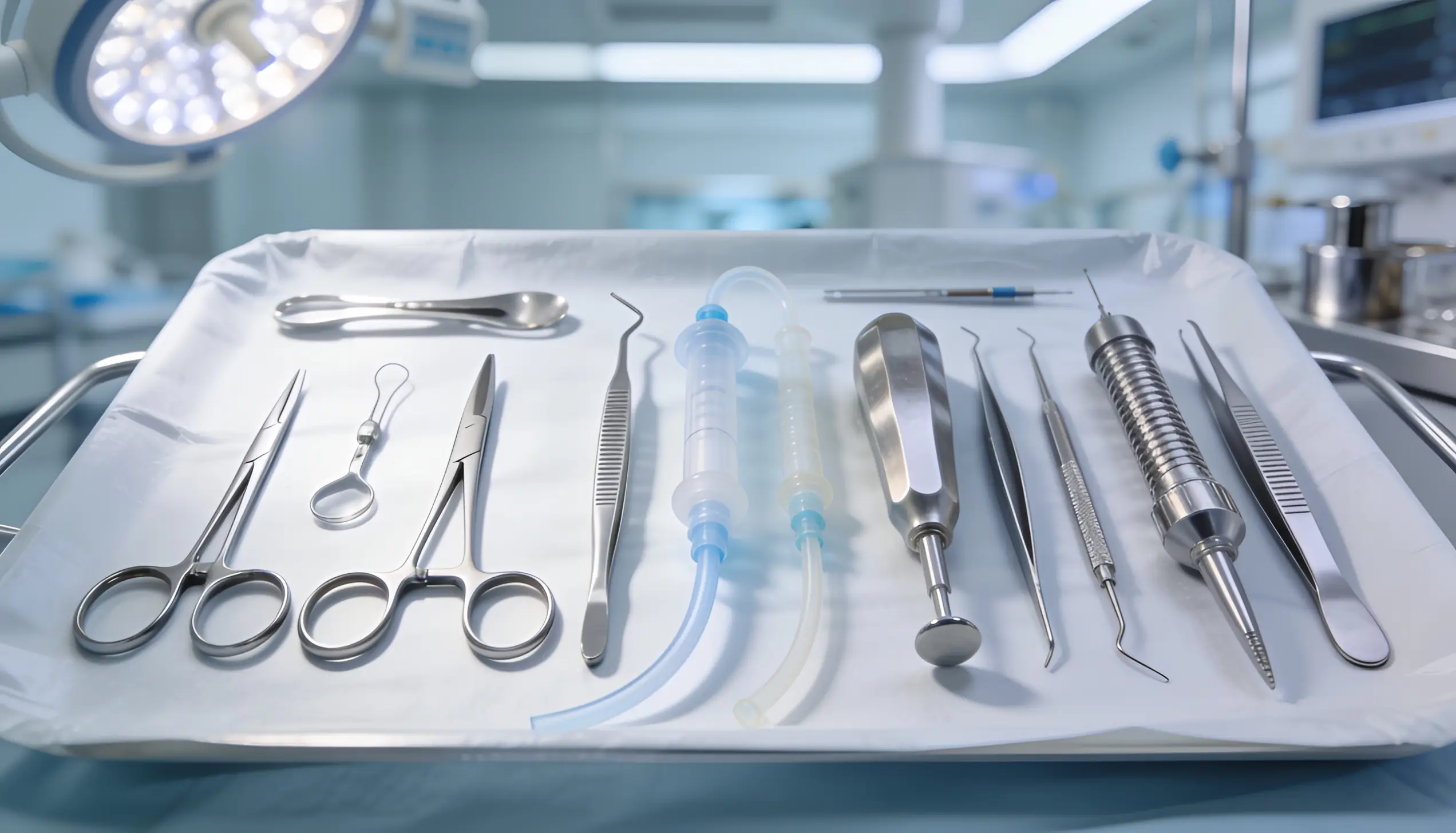
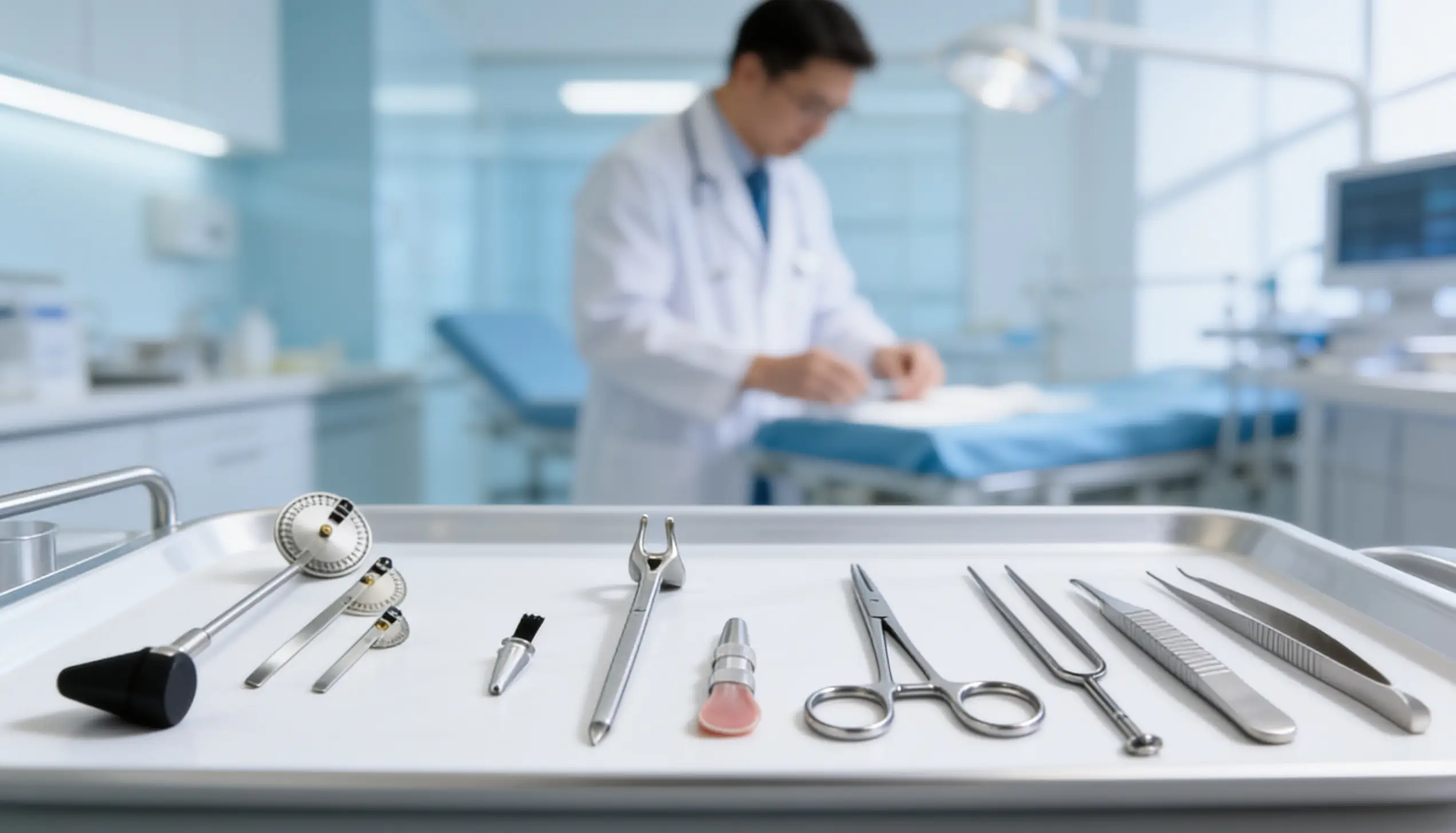
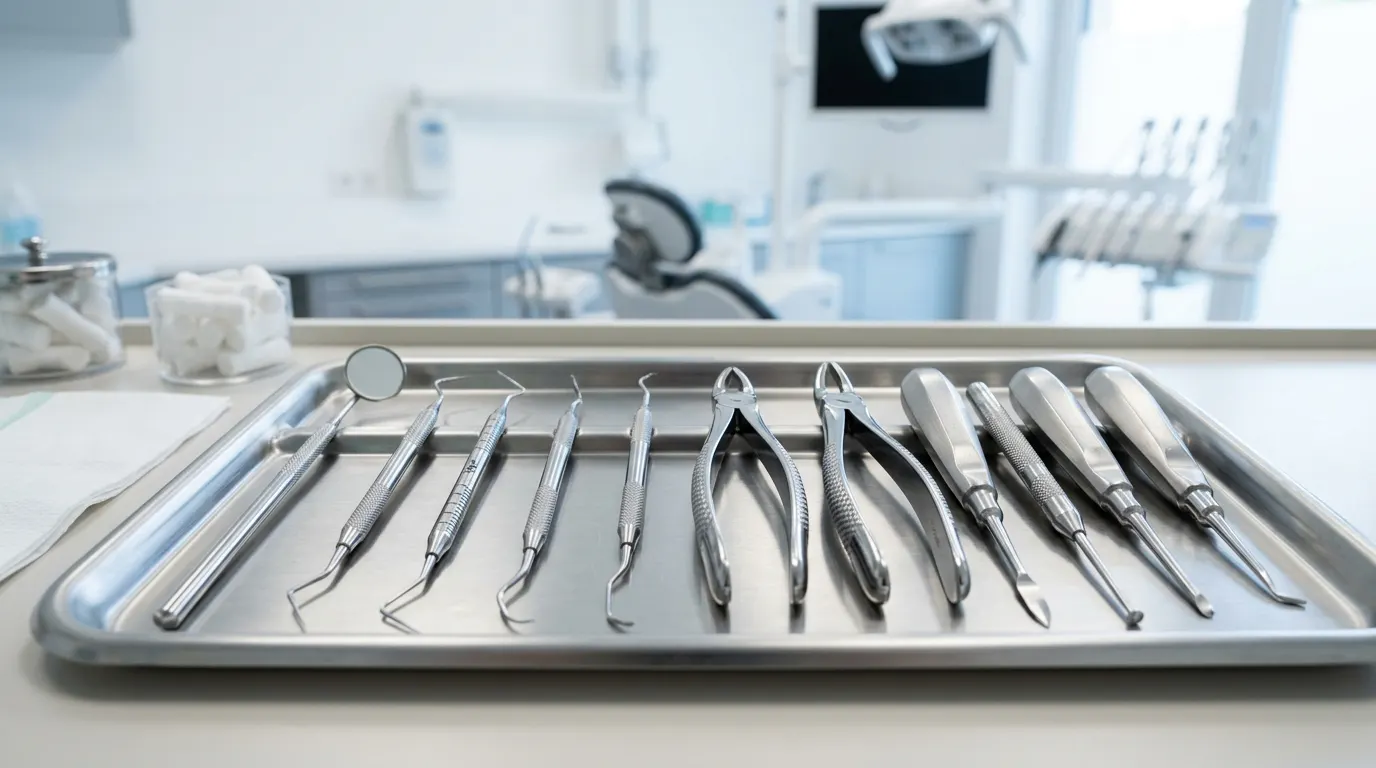
  • The "Golden Set": 10 Instruments That Define Surgical Excellence
  • The Benefits of Investing in High-Quality Instruments
  • The Four Pillars of Surgical Instrumentation
  • The "Buyer’s Checklist": How to Identify High-Quality Surgical Instruments?
  • From 4 Hours to 3: How Ergonomic Tools Reduce Surgeon Fatigue and OR Time
  • Where to Buy: Navigating Surgical Instruments Suppliers
  • Why Even "Best" Instruments Fail: The Maintenance Truth

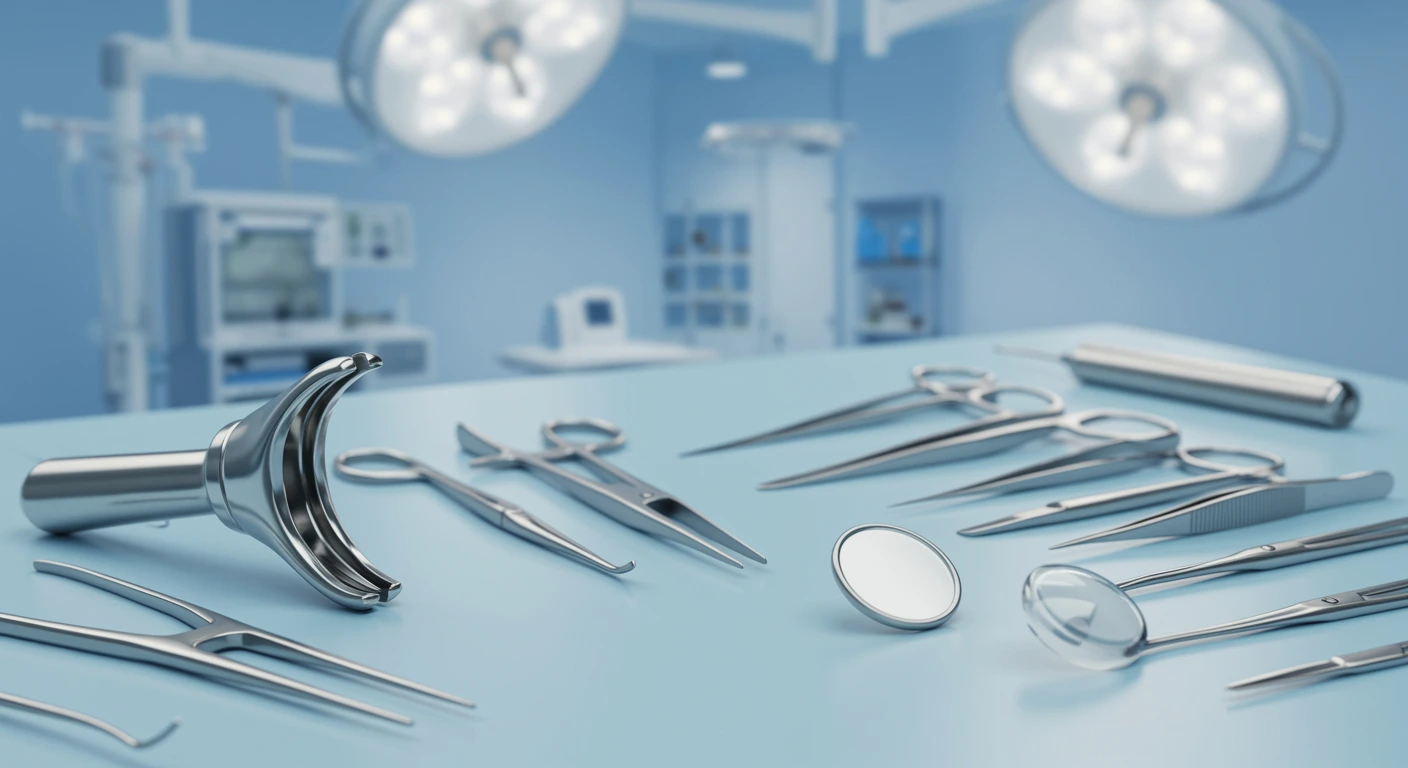
In the high-stakes environment of an operating room, precision isn't just a goal—it’s a requirement. To achieve this, surgeons who have decades of experience rely on specialized surgical instruments for surgery. No matter if you are a medical student or a healthcare administrator, if you are looking for surgical instruments for hospitals or a practitioner, or even if you are looking to buy surgical instruments online, understanding the nuances of these tools is vital.

The Surgeon Arsenal: The Heart of the Operating Room

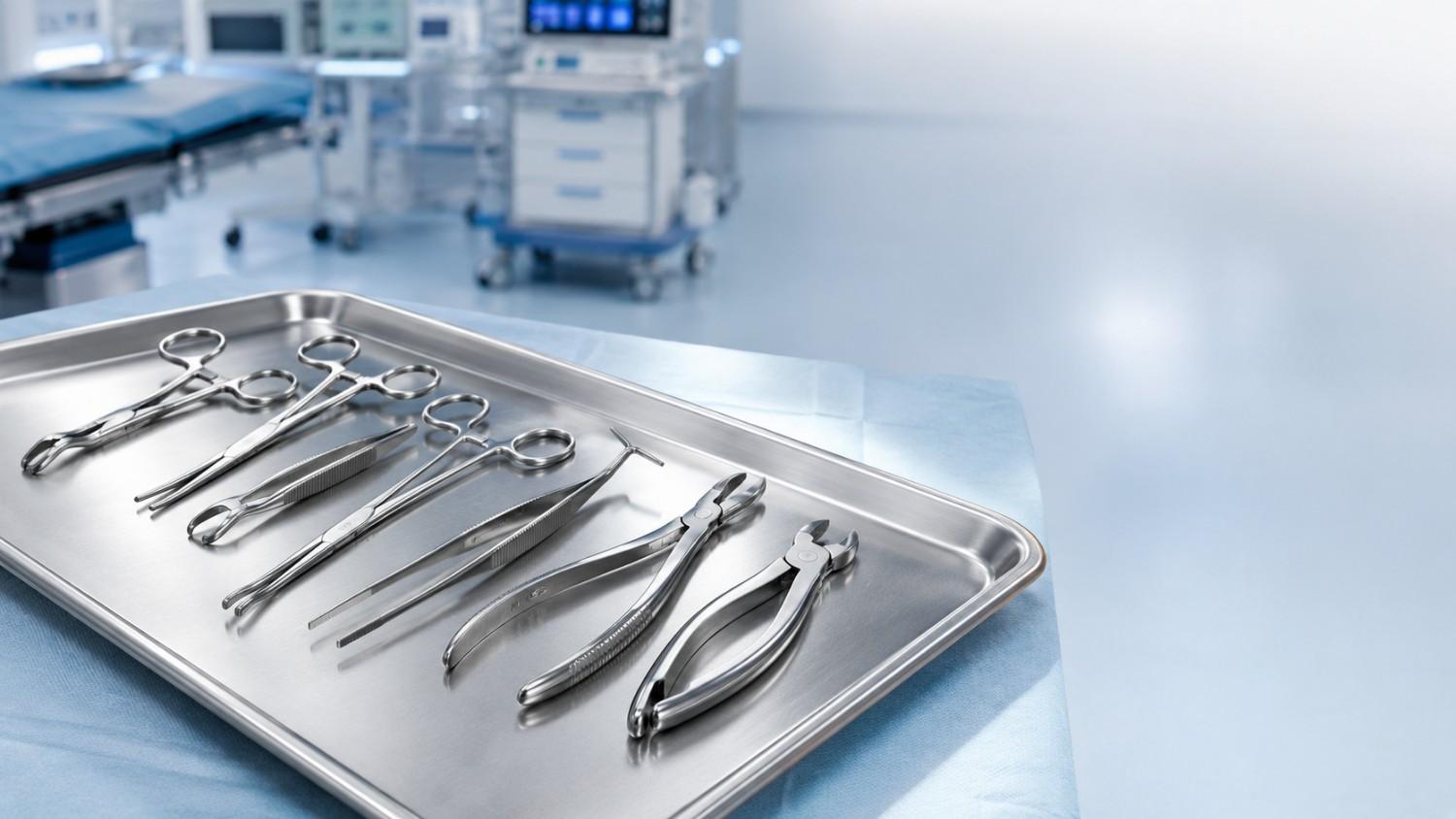
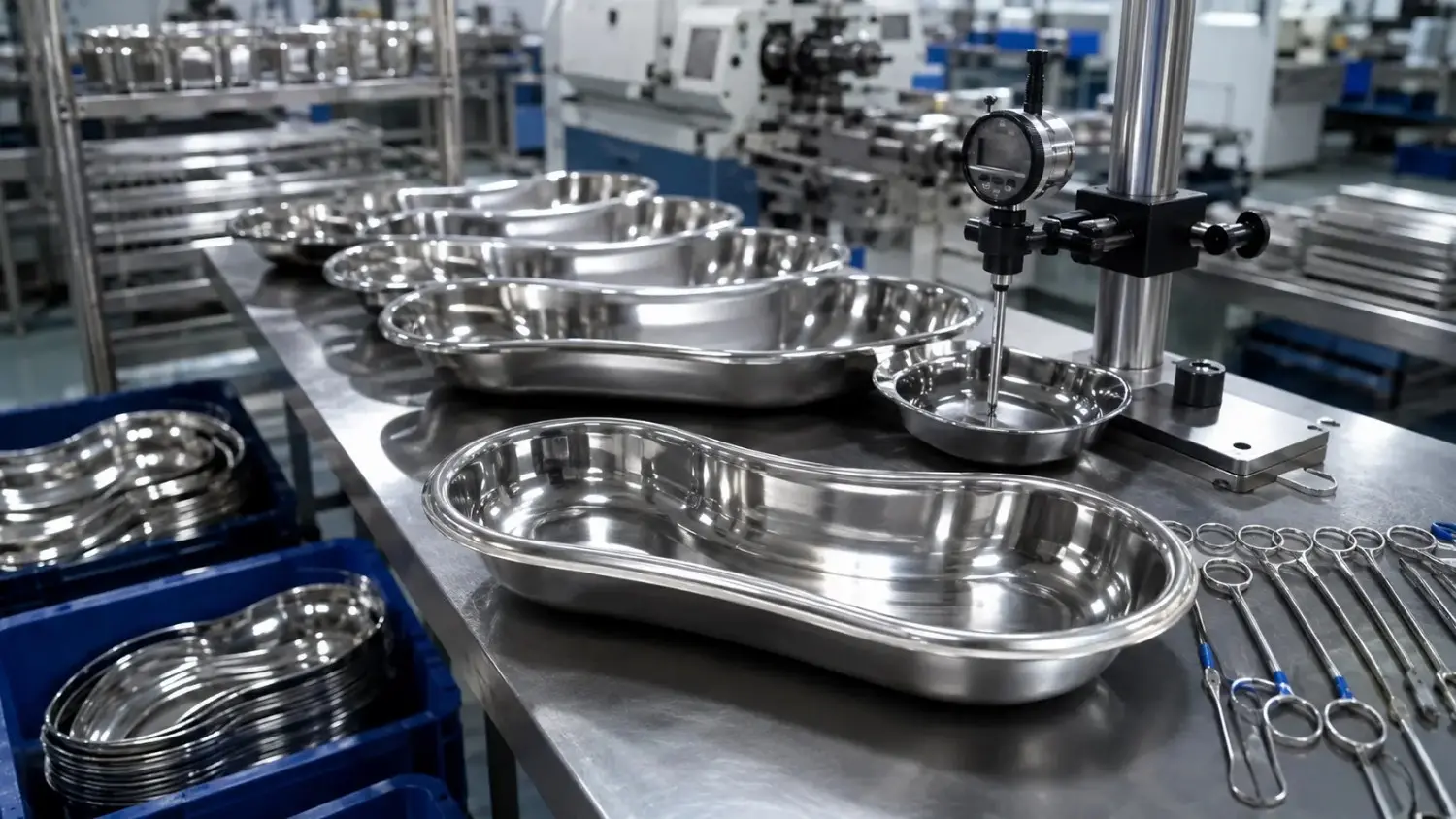
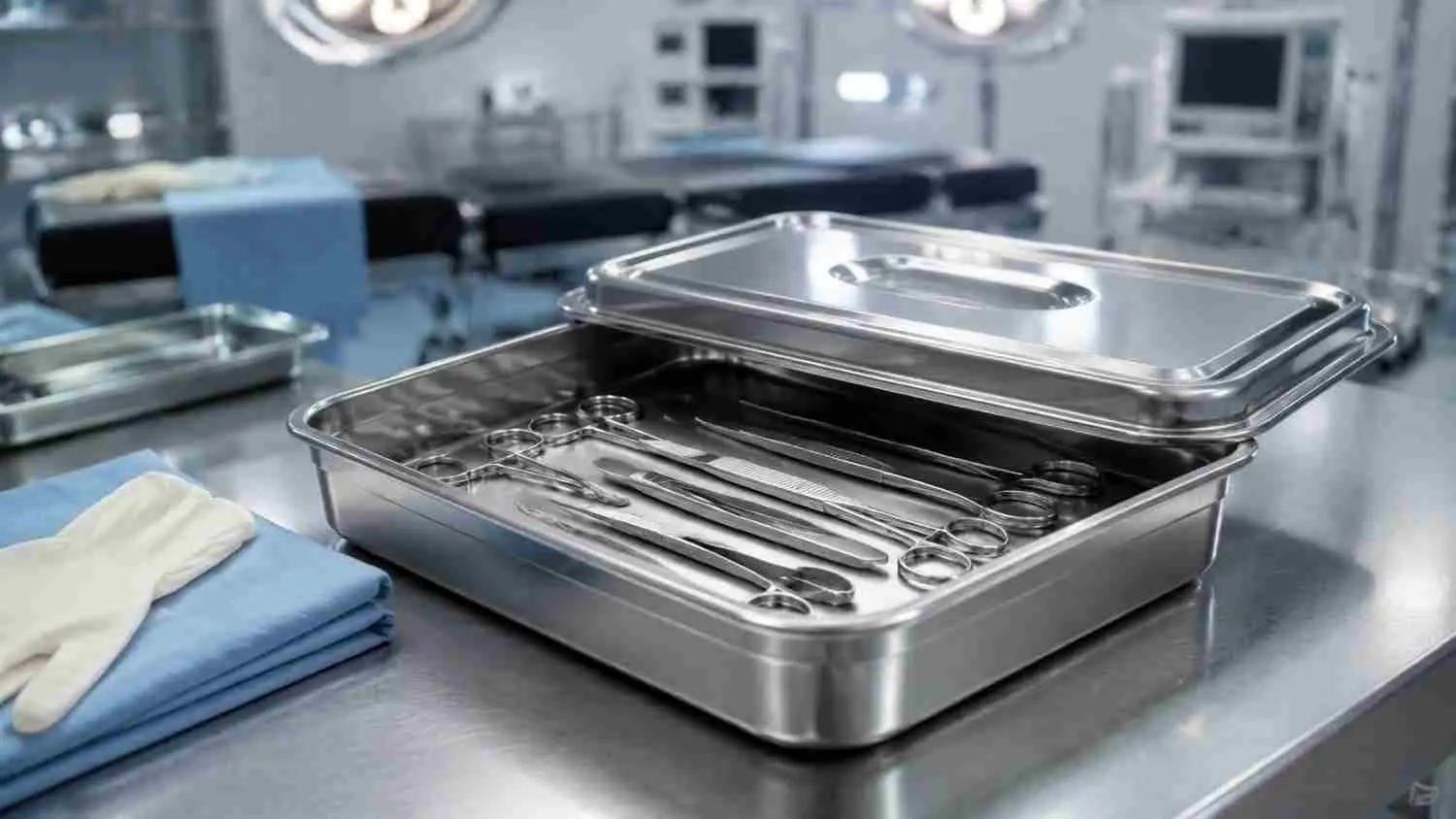
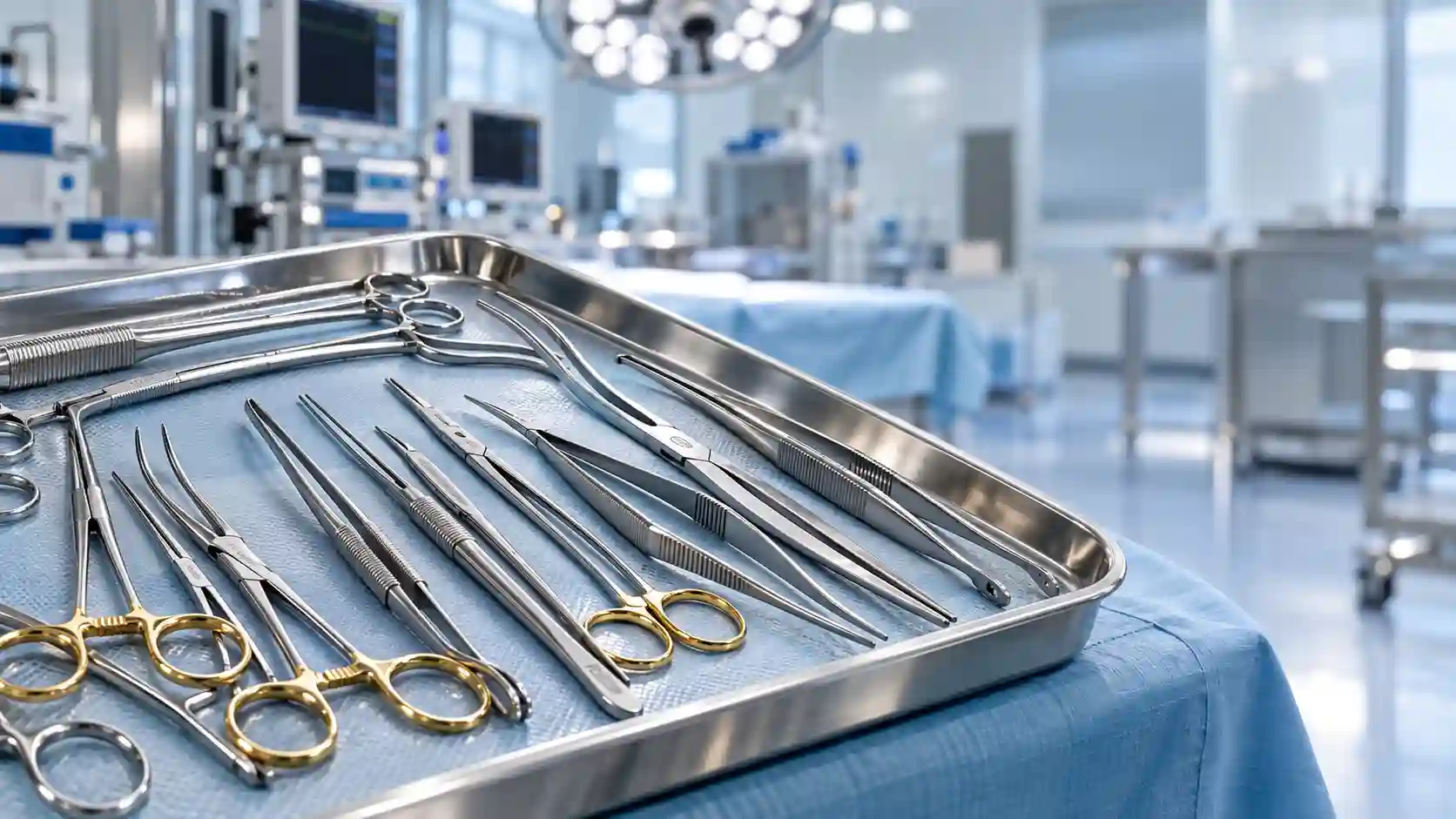
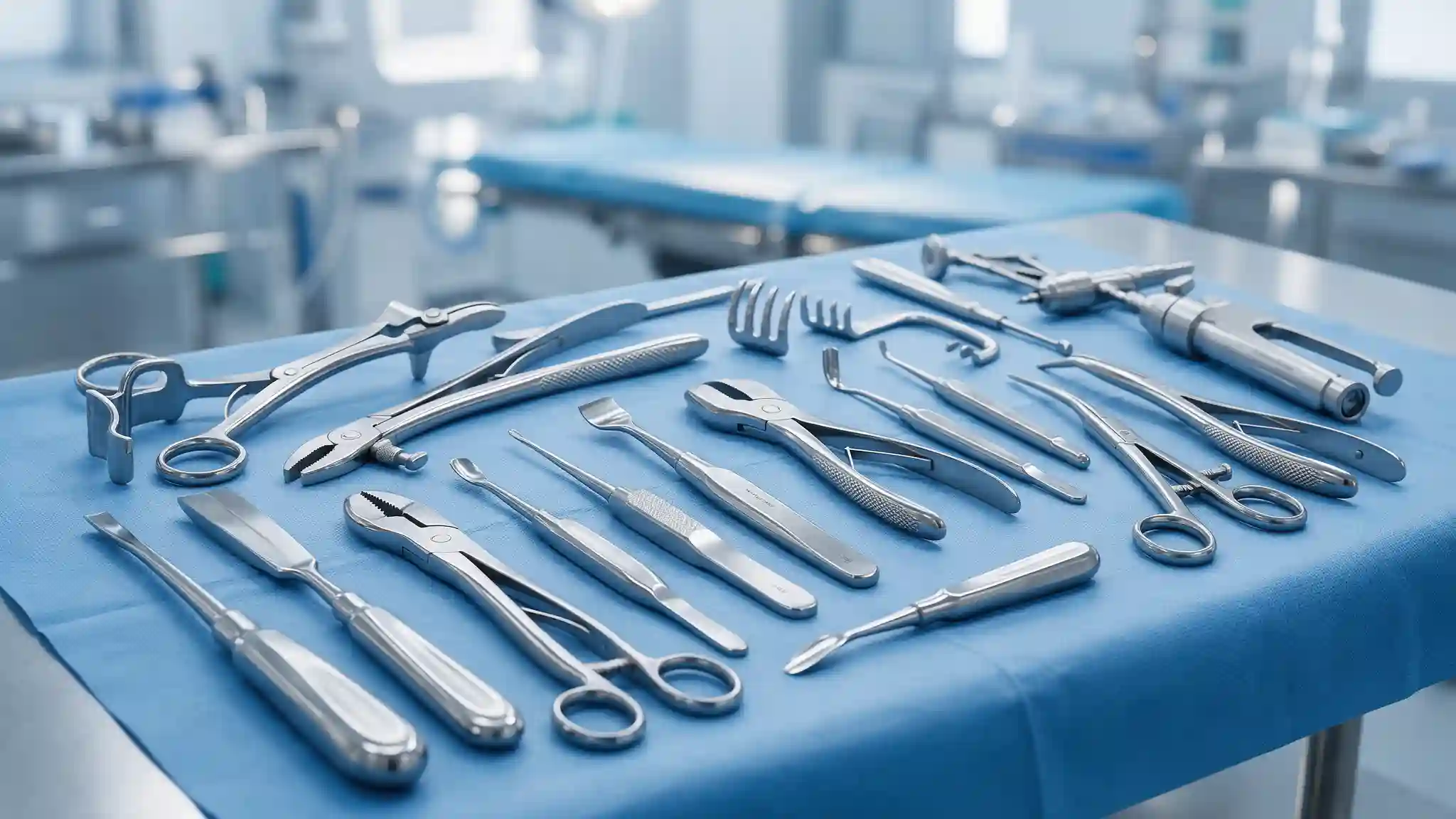
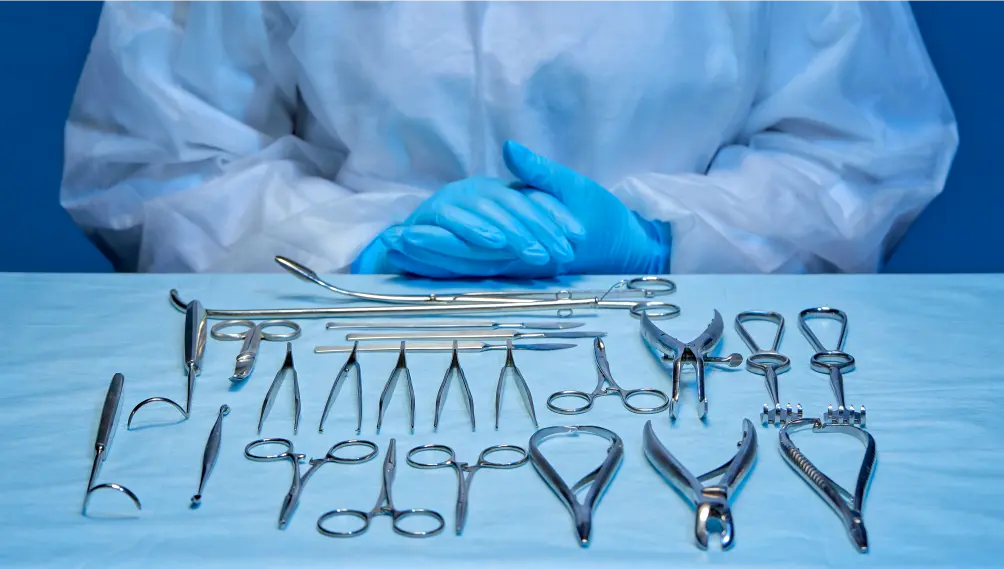
The art of modern surgery is a symphony of coordination, and the instruments are the tools that make it possible to save lives. In the acquisition of equipment, the best surgical equipment is manufactured of high-grade stainless steel (usually 300 or 400 series), which is durable, resistant to corrosion, and most importantly, safe to the patient.

The "Golden Set": 10 Instruments That Define Surgical Excellence

Instrument

Function

Why it's Essential

Scalpel

Incision

Clean entry into the body.

Mayo Scissors

Cutting

Handles tough tissue easily.

Hemostat

Clamping

Prevents blood loss.

Needle Holder

Suturing

Precise control for closing wounds.

Adson Forceps

Picking up

Essential for skin closure.

DeBakey Forceps

Vascular

Non-traumatic grip on vessels.

Army-Navy Retractor

Exposure

Provides a clear view of the site.

Suction Tip

Clearing

Keeps the surgical field dry.

Towel Clamp

Securing

Keeps sterile drapes in place.

Speculum

Expansion

Allows entry into narrow orifices.

The Benefits of Investing in High-Quality Instruments

Why do hospitals spend more on high-quality surgical instruments instead of the cheap instruments available online? A good quality of surgical instruments can do this : 

  1. Reduced Surgery Time: A sharp scissor cuts on the first try. A dull one requires 3-4 snips. Over a 4-hour surgery, these seconds add up to 20-30 minutes of saved time.
  2. Faster Patient Recovery: Clean cuts from a premium scalpel heal faster and with less scarring than "ragged" cuts from cheap steel.
  3. Long-Term Cost Savings: A $50 needle holder that lasts 10 years is much cheaper than a $10 needle holder that rusts after 3 months.
  4. Surgeon Confidence: When a tool is balanced and buttery smooth, the surgeon is able to concentrate on his work and not to lose his concentration; he is able to concentrate on the patient, rather than on the equipment.

The Four Pillars of Surgical Instrumentation

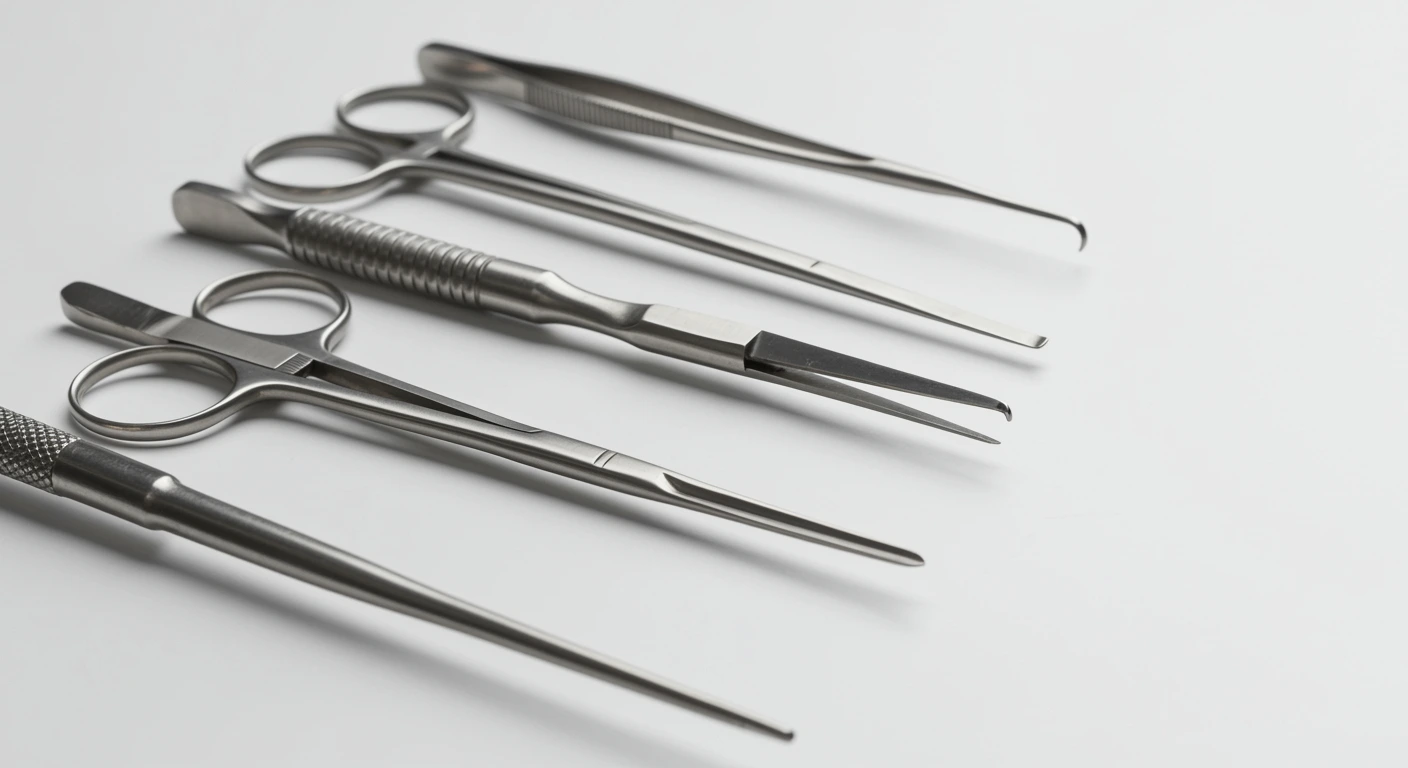
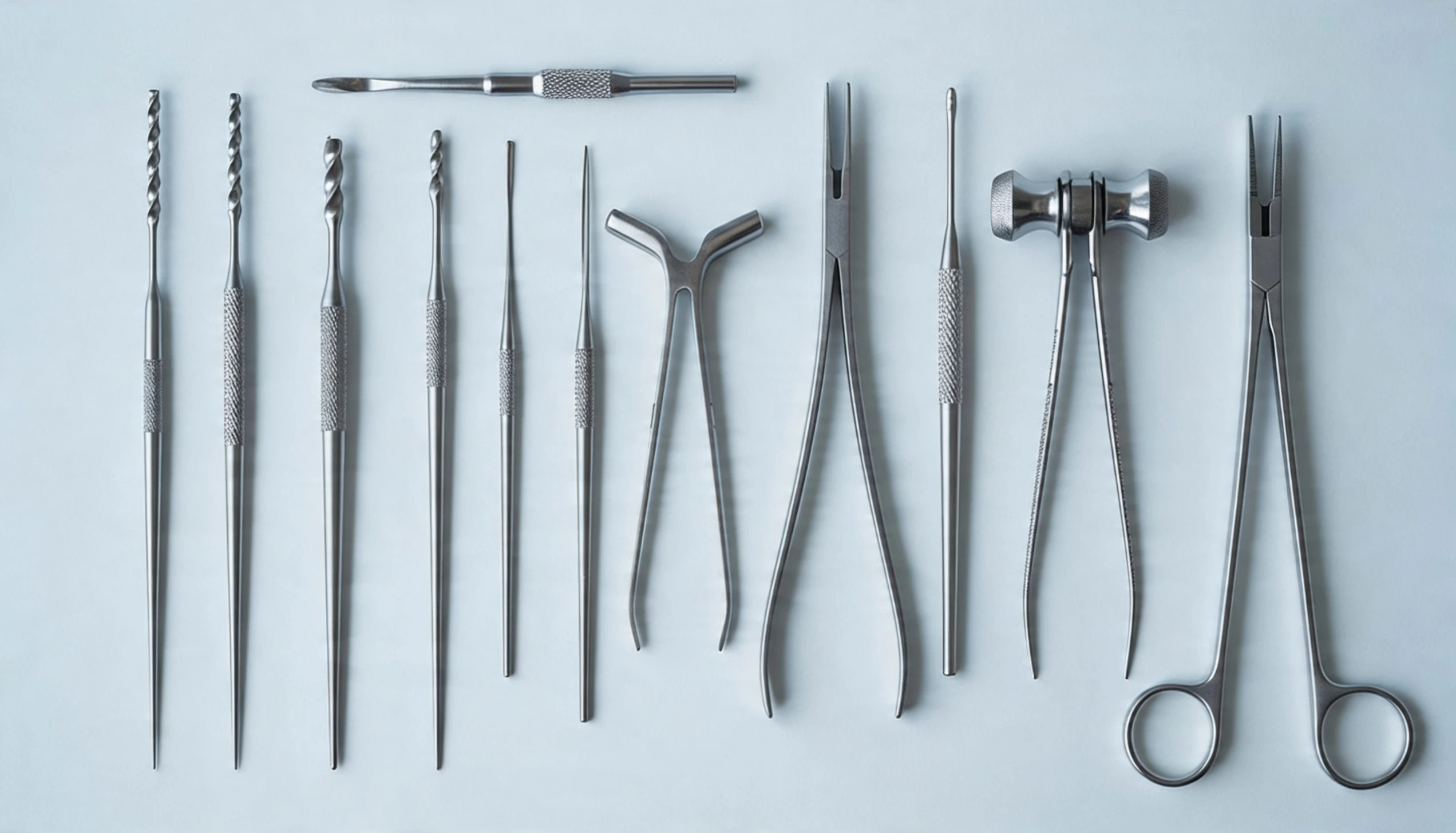
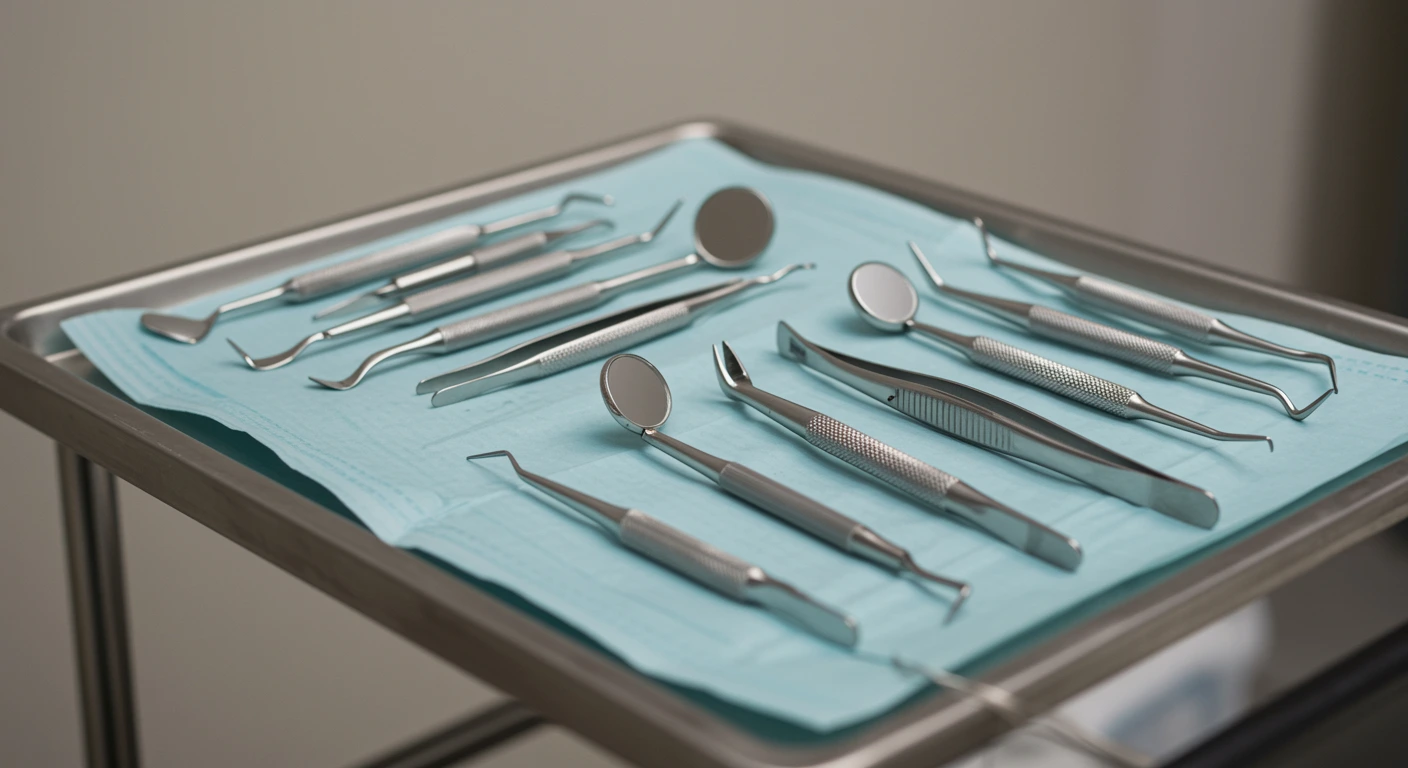
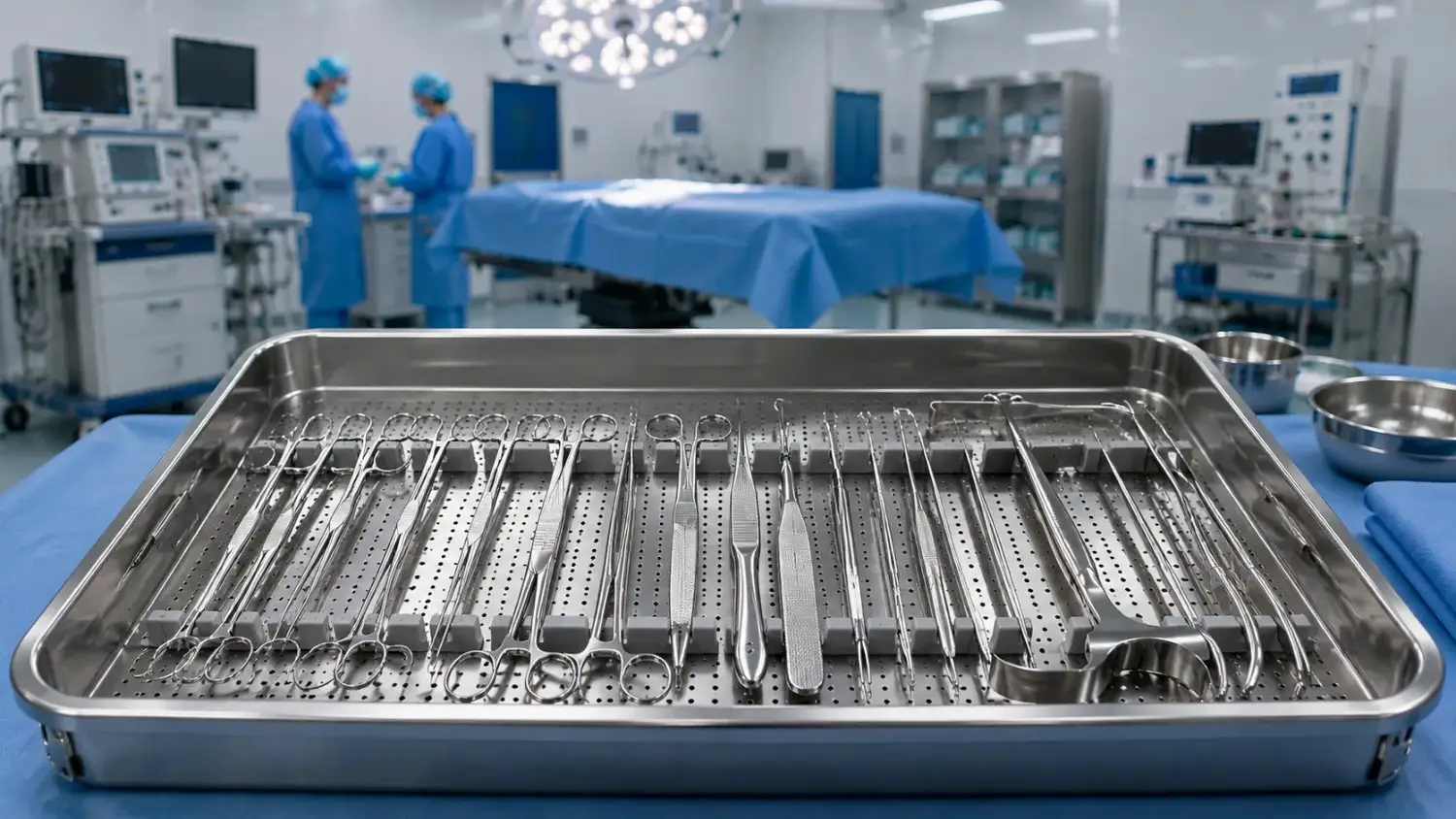
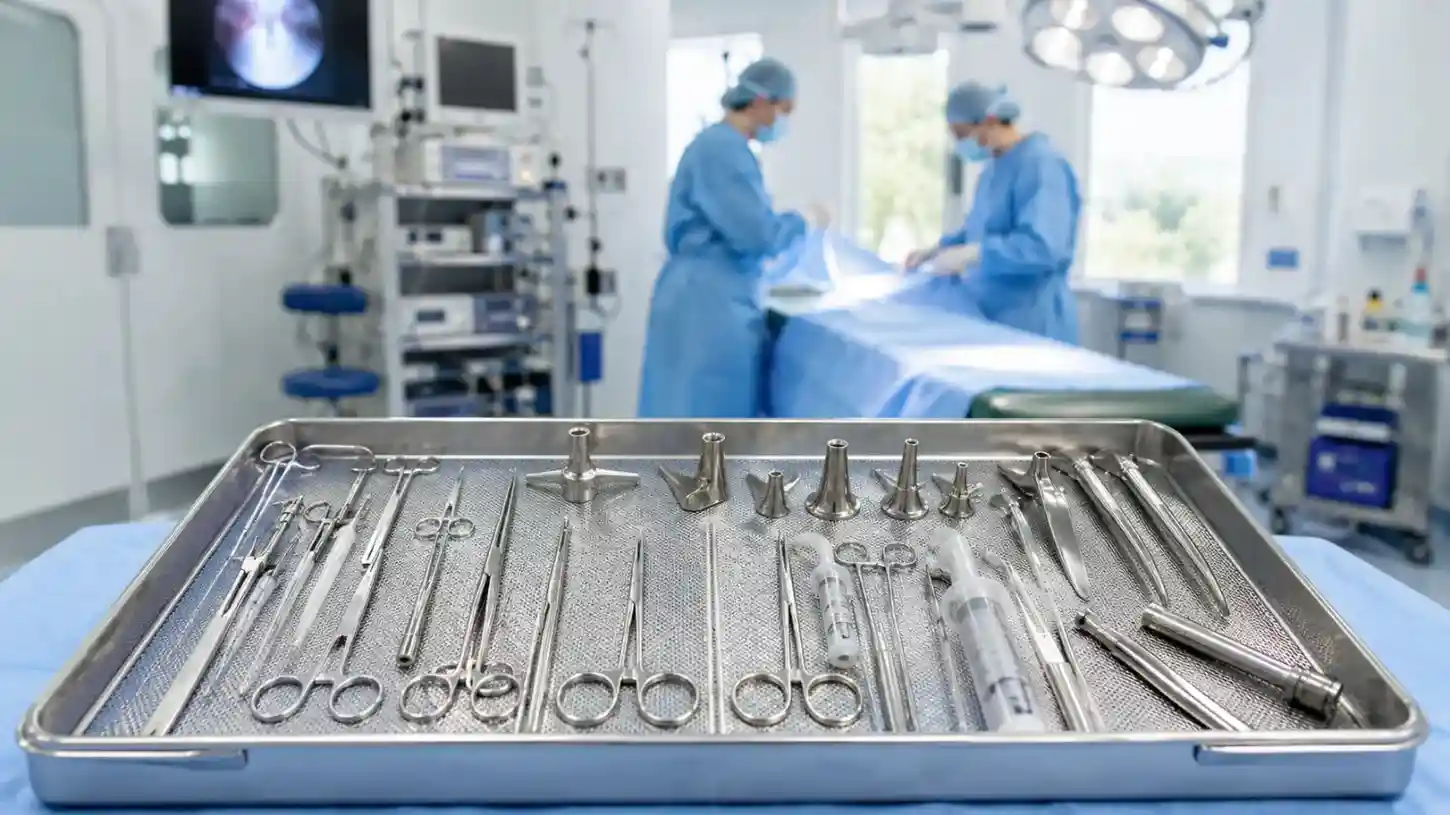
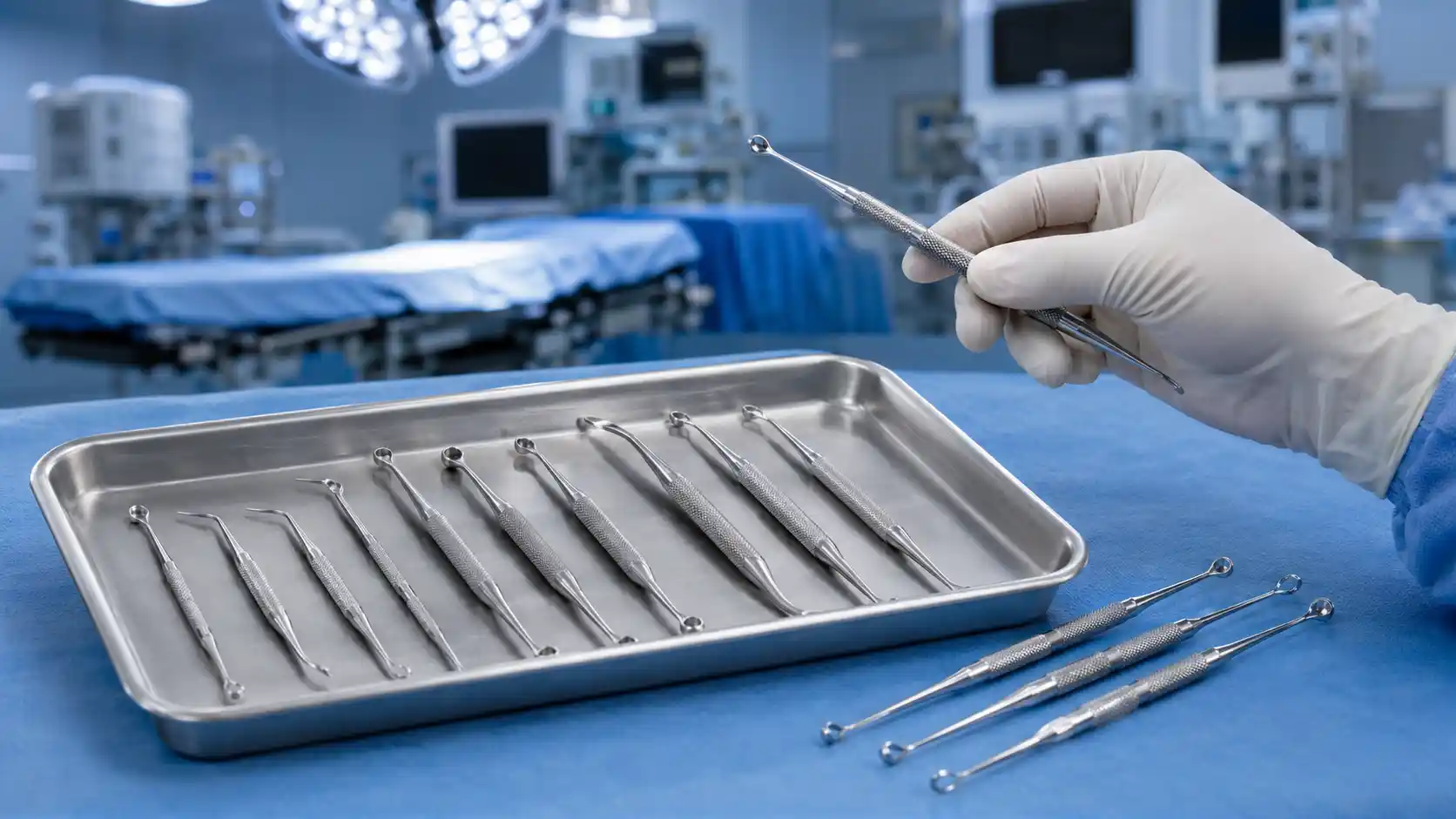
To understand types of surgical instruments, you must first understand their functional categories. A standard surgical instrument set is organized based on these four primary actions:

1. Cutting and Dissecting (The Edge)

These tools are designed to penetrate skin, divide tissue, and excise tumors.

  • Scalpels: The major implement for cuts. The reusable handle (such as the BP Handle) is used by modern surgeons in combination with disposable stainless steel or carbon steel blades.
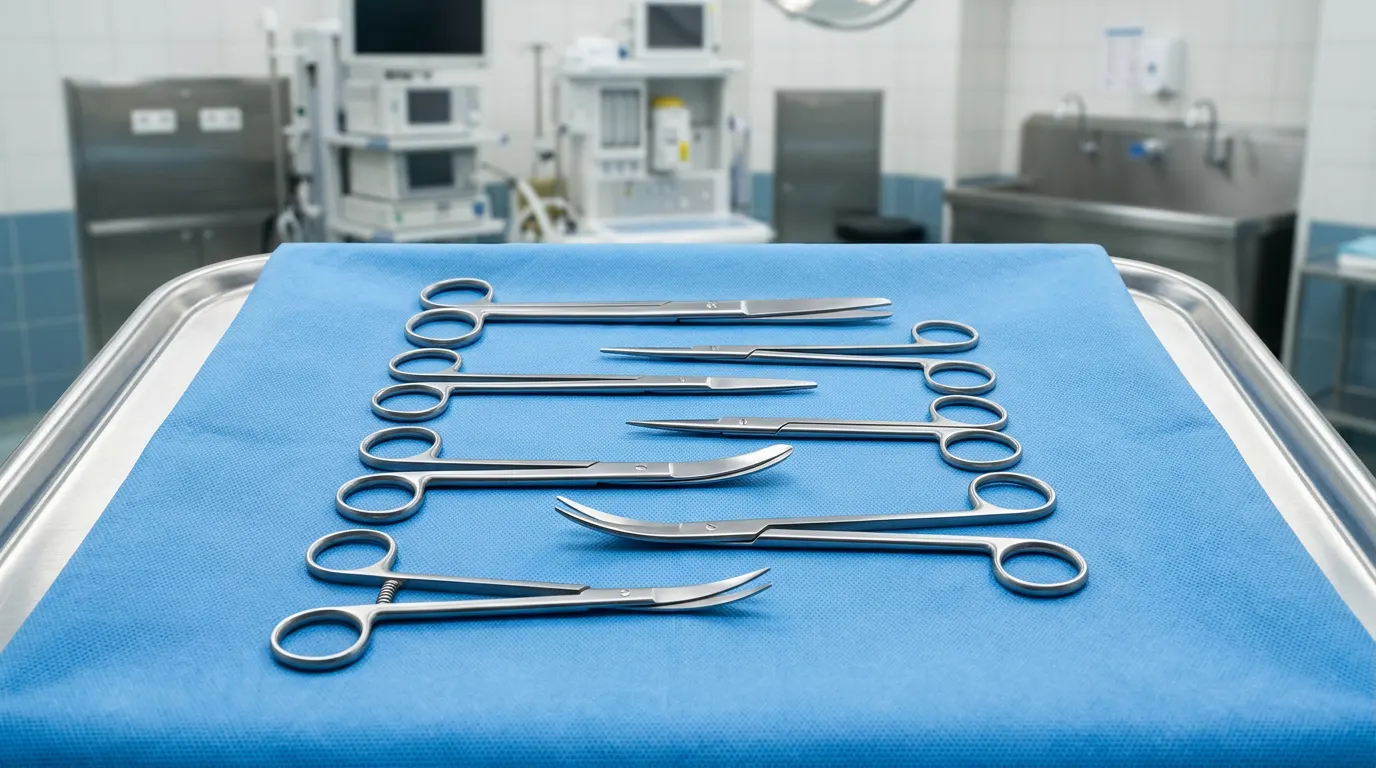
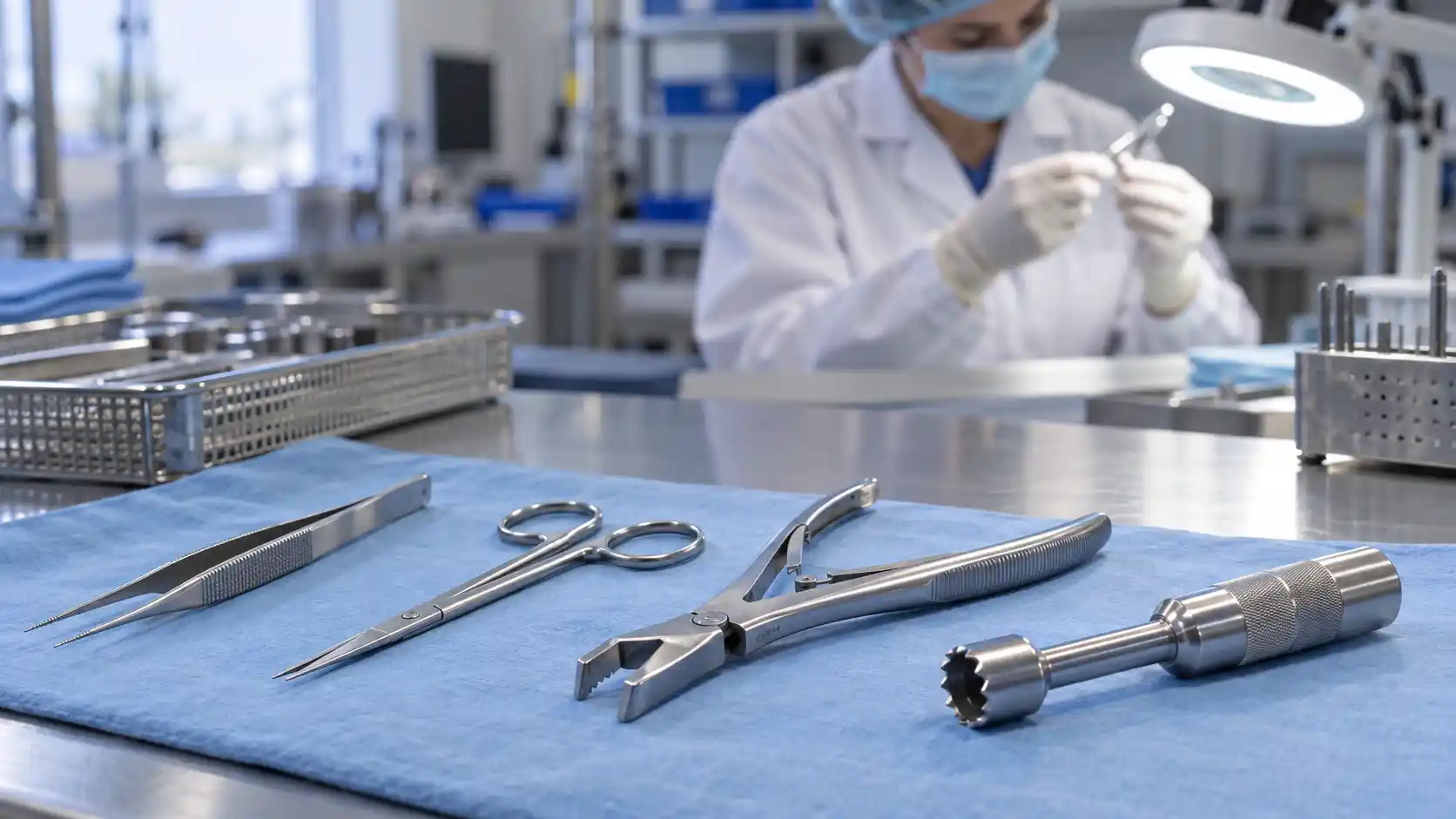
  • Surgical Scissors: surgical scissors, like Mayo Scissors, that are used to cut heavy connective tissue (fascia).
  • Metzenbaum Scissors: Scissors are used to make a delicate dissection of soft tissues.
  • Pro Insight: Tungsten Carbide (TC) inserts are represented as Gold Handles on scissors. These stay sharp 5x longer than standard steel.

2. Grasping and Holding (The Grip)

Surgeons need to hold tissue without causing "crushing injury."

  • Adson Forceps: Often called "pickups," these are used to grasp delicate tissues during suturing.
  • Allis Forceps: Features a "teeth" design used to grasp heavy or slippery tissue that needs to be removed.

3. Clamping and Occluding (The Control)

No surgery can proceed safely without controlling blood flow.

  • Hemostatic Forceps (Hemostats): These are employed in stopping bleeding (hemostasis) by clamping the blood vessels.
  • Mosquito Forceps: The tiniest type, which is applied in fine clamping of plastic or pediatric surgery.

4. Retracting (The View)

"You cannot fix what you cannot see." Retractors hold back the edges of an incision.

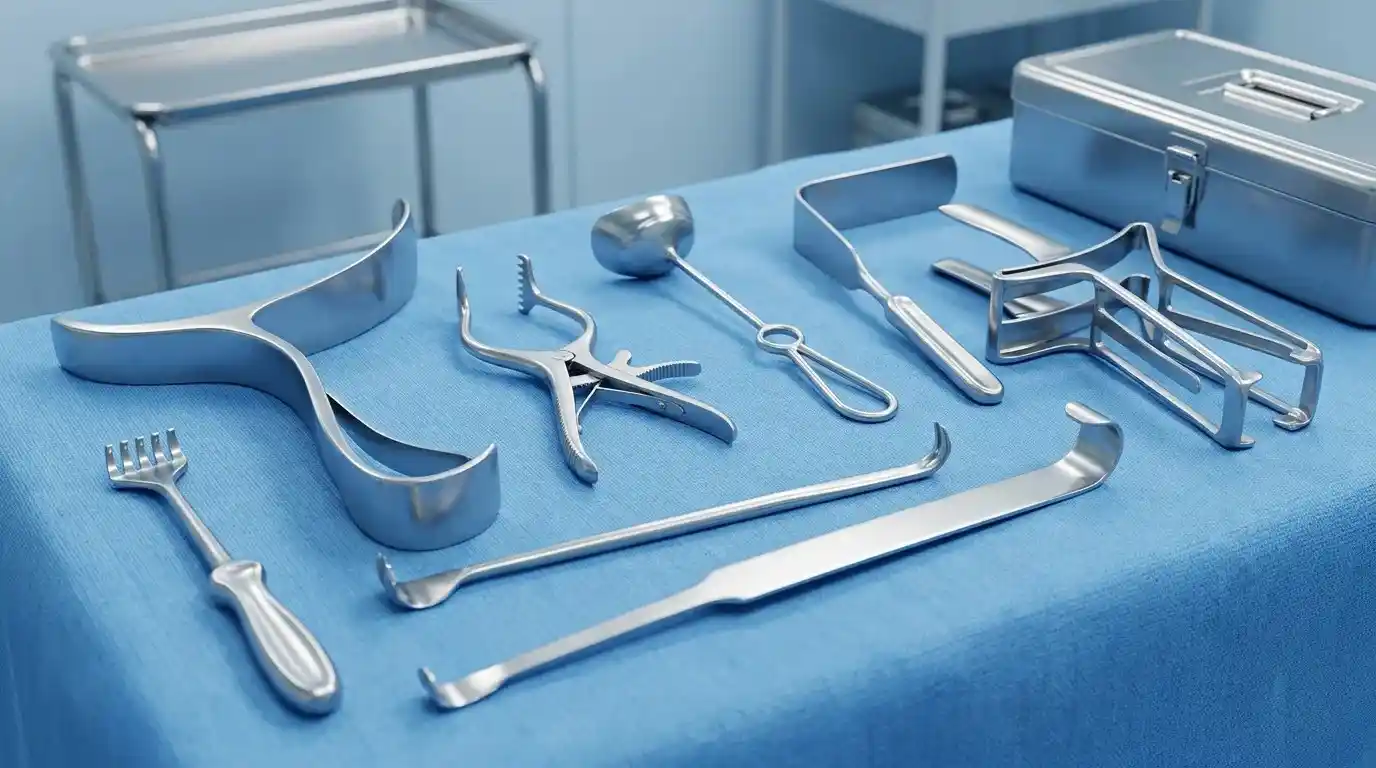
  • Self-Retaining Retractors: Tools like the Weitlaner stay open on their own using a ratchet mechanism, freeing up the assistant's hands.

The "Buyer’s Checklist": How to Identify High-Quality Surgical Instruments?

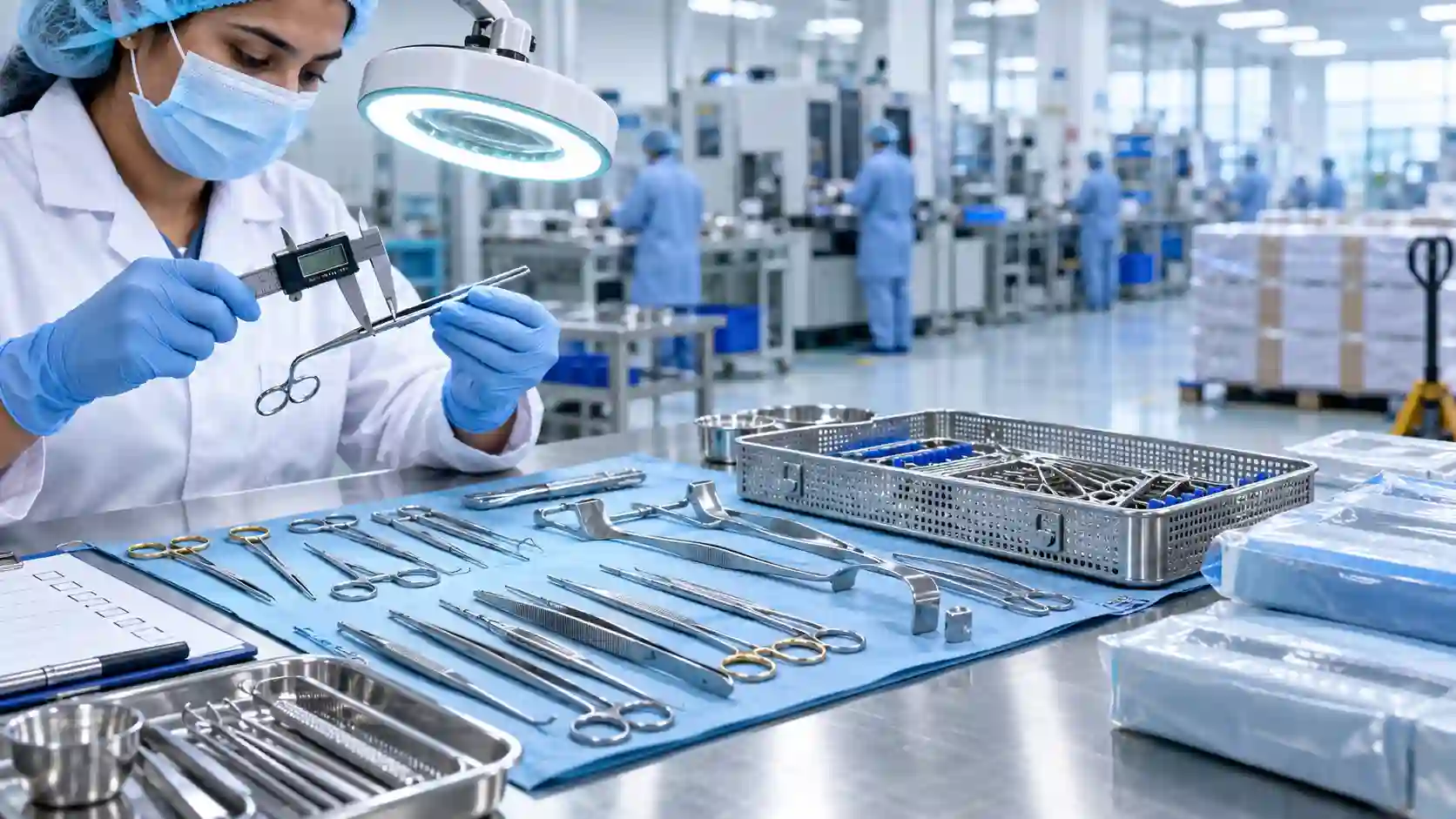
If you are sourcing surgical instruments for hospitals, you cannot afford to buy “disposable quality” for “permanent use.” At Mediwave, we help you identify truly durable, hospital-grade instruments built for long-term performance.

1. The "Finish" Matters

  • Satin/Matte Finish: The most appropriate in surgery since it minimizes the glare produced by bright OT lights.
  • Mirror Finish: This type is very resistant to corrosion and may even be blinding when under LEDs.

2. The Sound of Quality

Pick up a pair of scissors or forceps. Close them slowly.

  • The Test: There should be no "hitch" or "catch." The movement should be "buttery" smooth. If it feels gritty, it’s low-quality steel that will rust internally.

3. The "Box Lock" Inspection

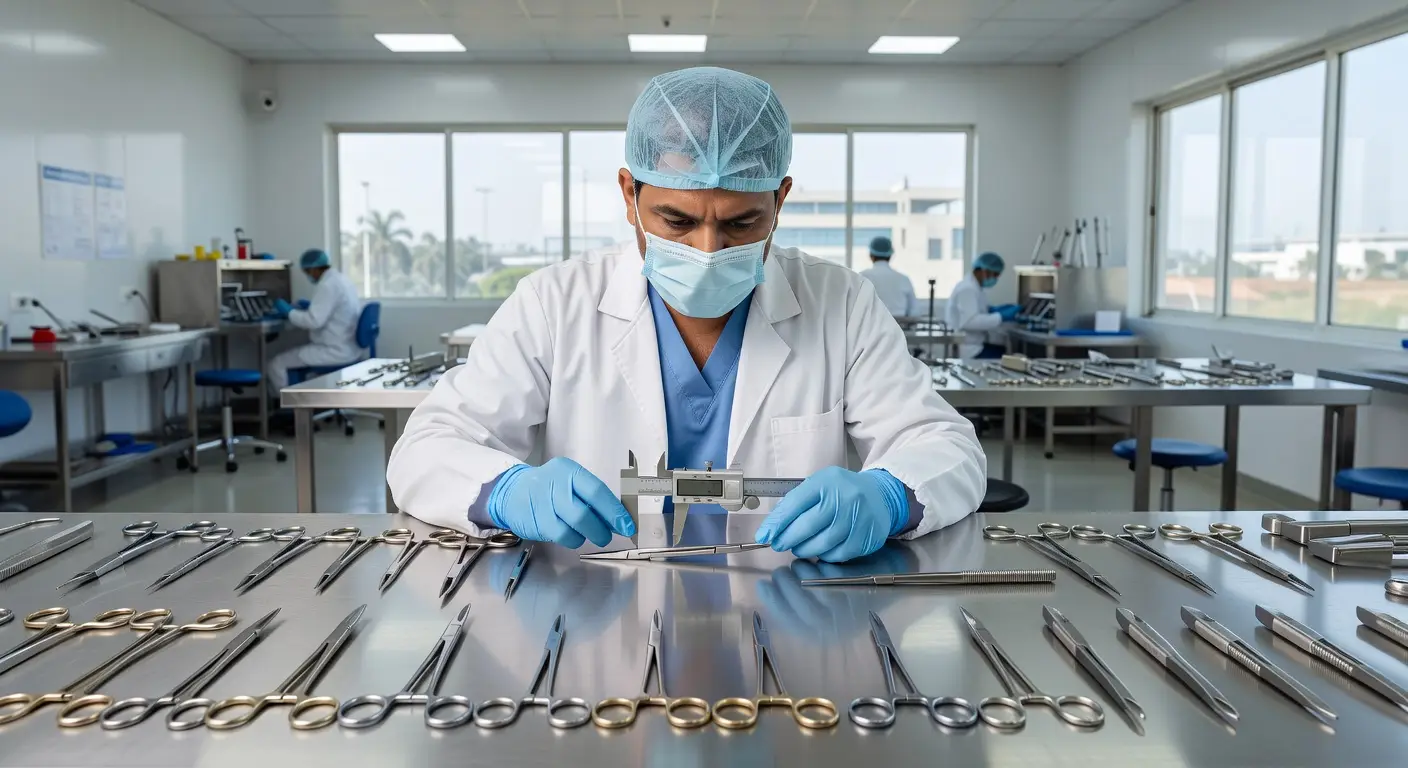
The box lock is the hinge where the two halves meet. In high-quality surgical instruments, this joint is perfectly flush. If there is a gap, blood and bacteria will collect there, making sterilization impossible.

From 4 Hours to 3: How Ergonomic Tools Reduce Surgeon Fatigue and OR Time

In the world of professional sports, an athlete’s gear is customized to their body to ensure peak performance. Surgery is no different. A surgeon who has a six-hour operation is an endurance athlete, and the surgical equipment that they carry is their main equipment. When such tools are not properly balanced or weighted, the surgeon experiences so-called hand fatigue that might cause tremors or slower movements in the last, most critical steps of an operation.

The Science of Ergonomics in the OR

High-quality surgical instruments are engineered with a focus on ergonomics—the science of designing tools to fit the human hand.

Weight Distribution: A premium instrument has a "center of gravity" that sits perfectly between the thumb and forefinger. This means the surgeon doesn't have to "fight" the tool to keep it steady.

The "Buttery" Action: When a needle holder or scissor has a smooth, frictionless joint, it requires 30% less physical force from the hand muscles to operate

Where to Buy: Navigating Surgical Instruments Suppliers

Purchasing surgical equipment for hospitals is a significant expenditure. Mediwave is an important player in ensuring that hospitals do not make expensive quality errors. Here is the reality of the market:

  • The Risk of "Cheap" Online Deals: Many generic surgical instruments suppliers sell "floor grade" steel. It looks good on day 1, but after 5 cycles in an autoclave (high-pressure steam), it will pit, rust, or lose its tension.
  • Standard Certifications: Always ensure the product is CE Certified and ISO 13485 compliant. This is the "gold standard" for medical manufacturing.
  • Complete Sets vs. Individual Pieces: For new clinics, buying pre-configured surgical instrument sets (e.g., a "General Surgery Set" or "Suture Set") is usually 20% cheaper than buying piece-by-piece.

Why Even "Best" Instruments Fail: The Maintenance Truth

Even the most expensive tools will be ruined if not maintained properly. To protect your investment:-

  • No Saline: Never soak instruments in saline. The salt causes "pitting" (microscopic holes), which leads to rust.
  • Ultrasonic Cleaning: This is the only way to remove microscopic debris from the hinges.
  • Surgical Milk: Always use a medical-grade lubricant after cleaning to keep the "ratchets" (locking mechanisms) smooth.

Purchase only through certified suppliers such as Mediwave, who provide CE-certified and medical-grade equipment.


You need one scalpel or a complete set of surgical instruments; either way, bear in mind: The instrument is an extension of the hand of the surgeon.

High-grade stainless steel of the 400 series is the most resistant and does not easily corrode.


ISO 13485 certified and a box lock joint without gaps.


Purchase only through certified suppliers such as Mediwave, who provide CE-certified and medical-grade equipment.