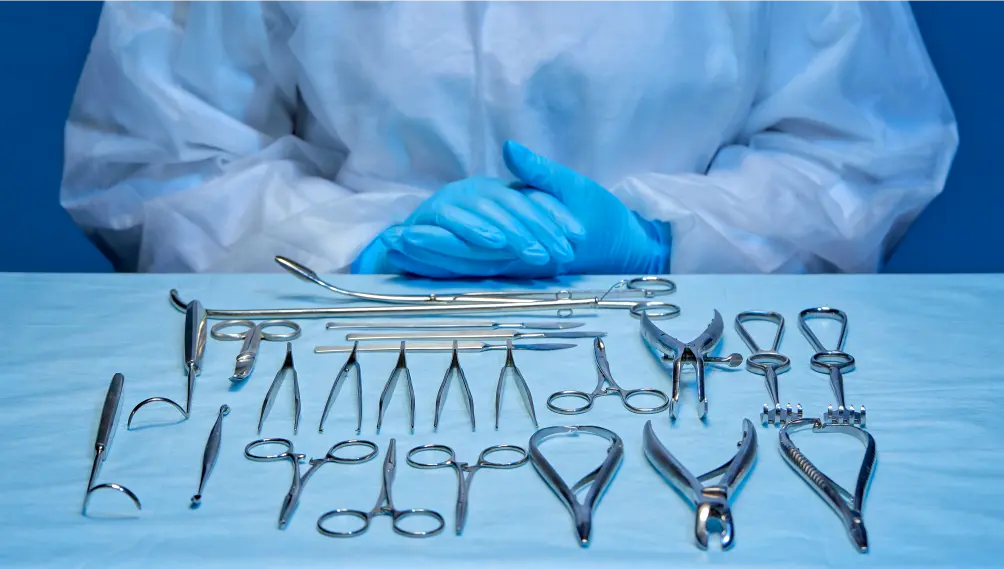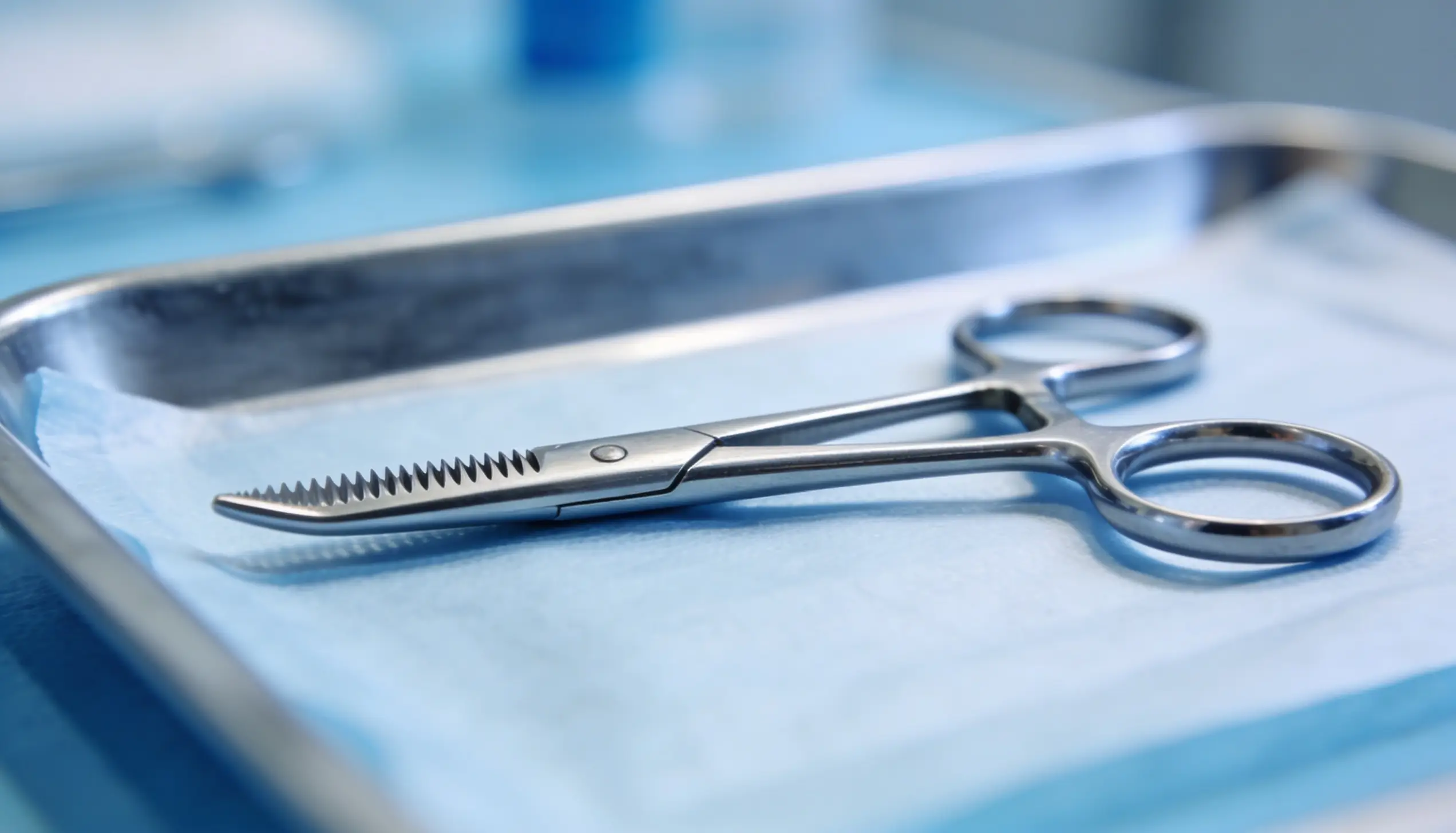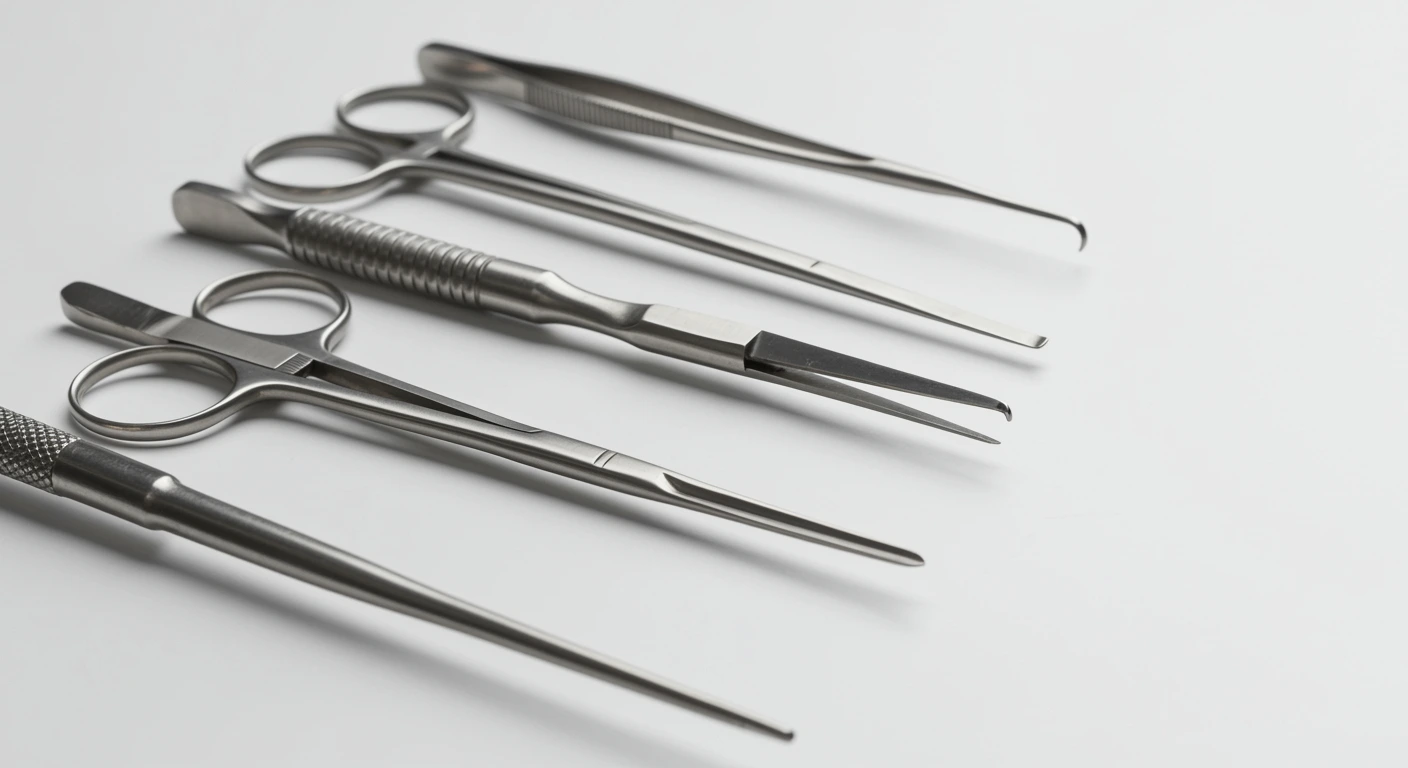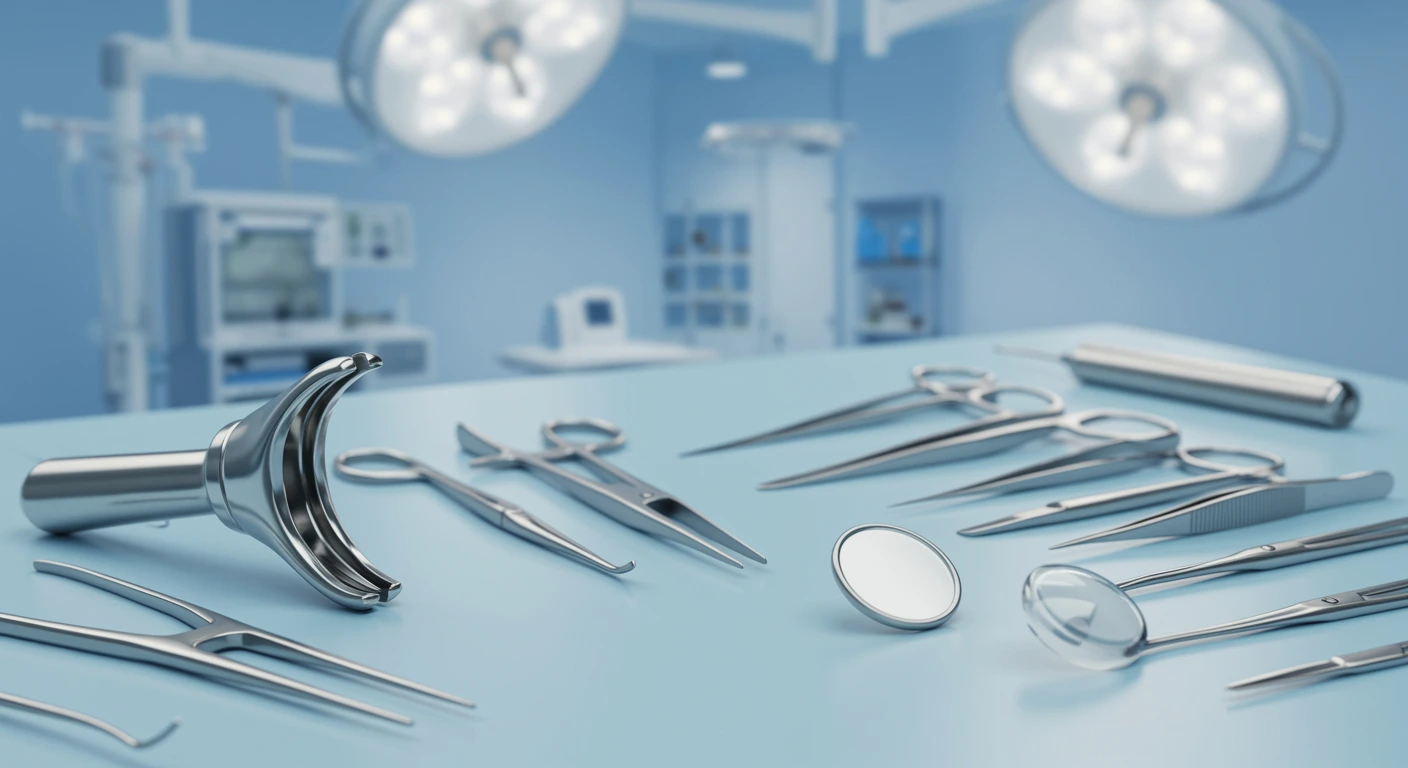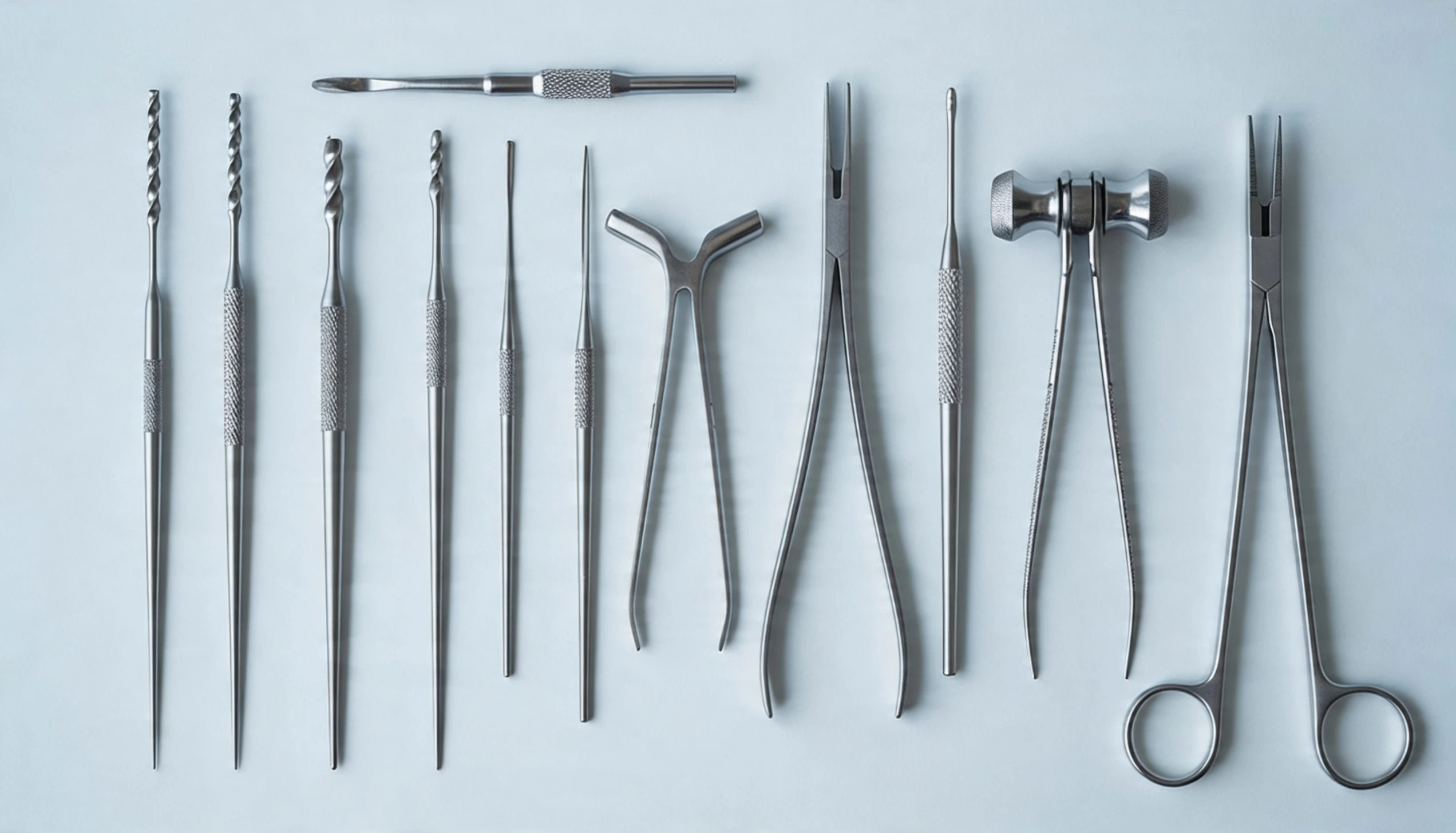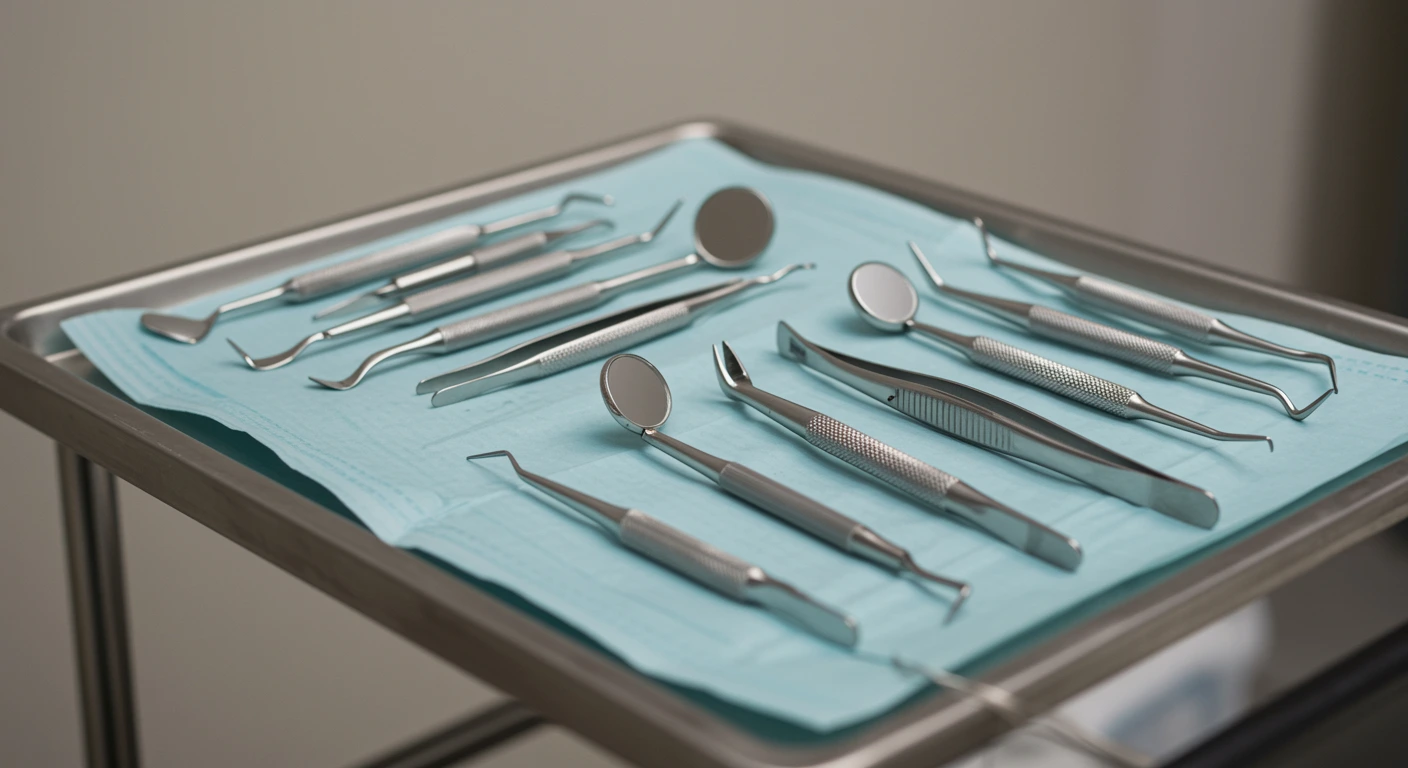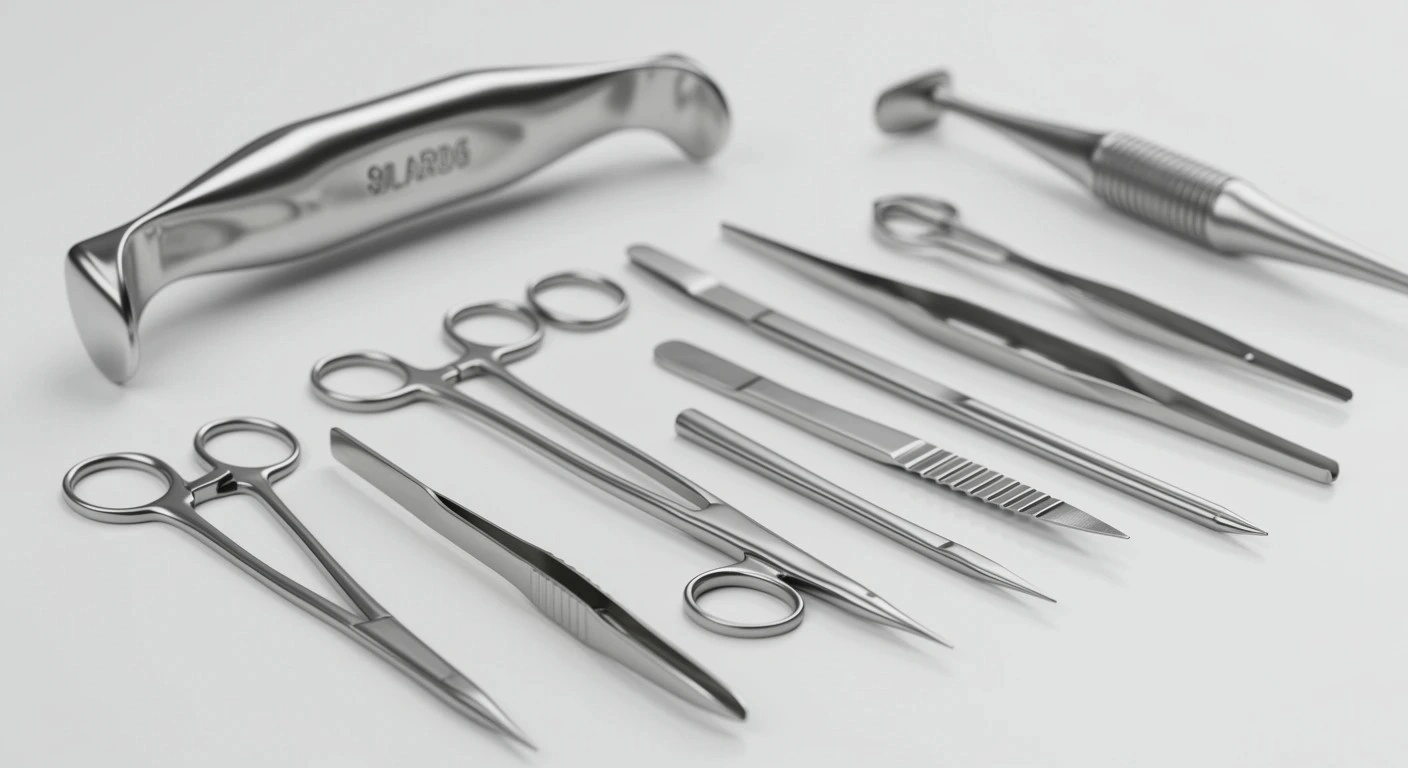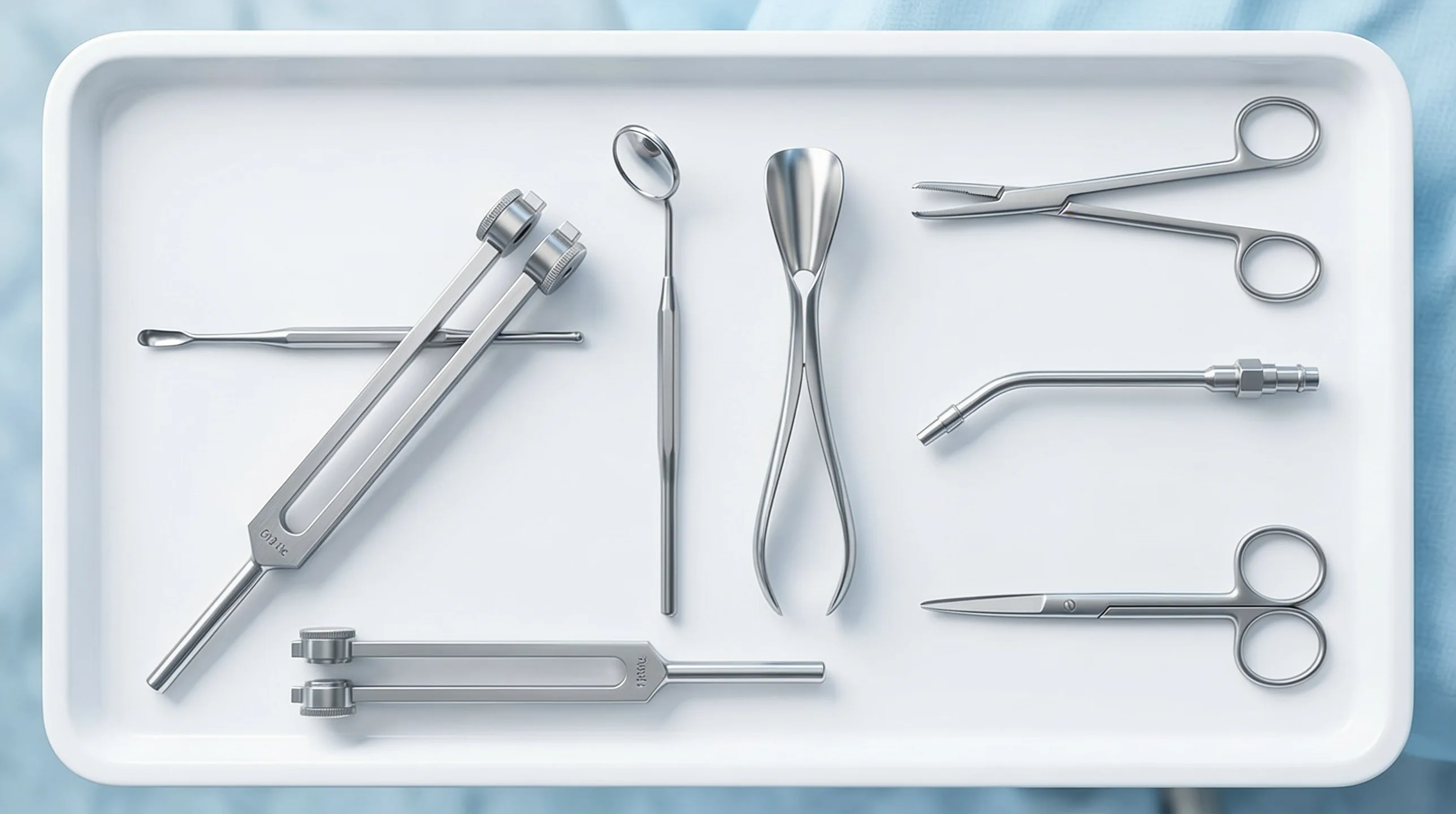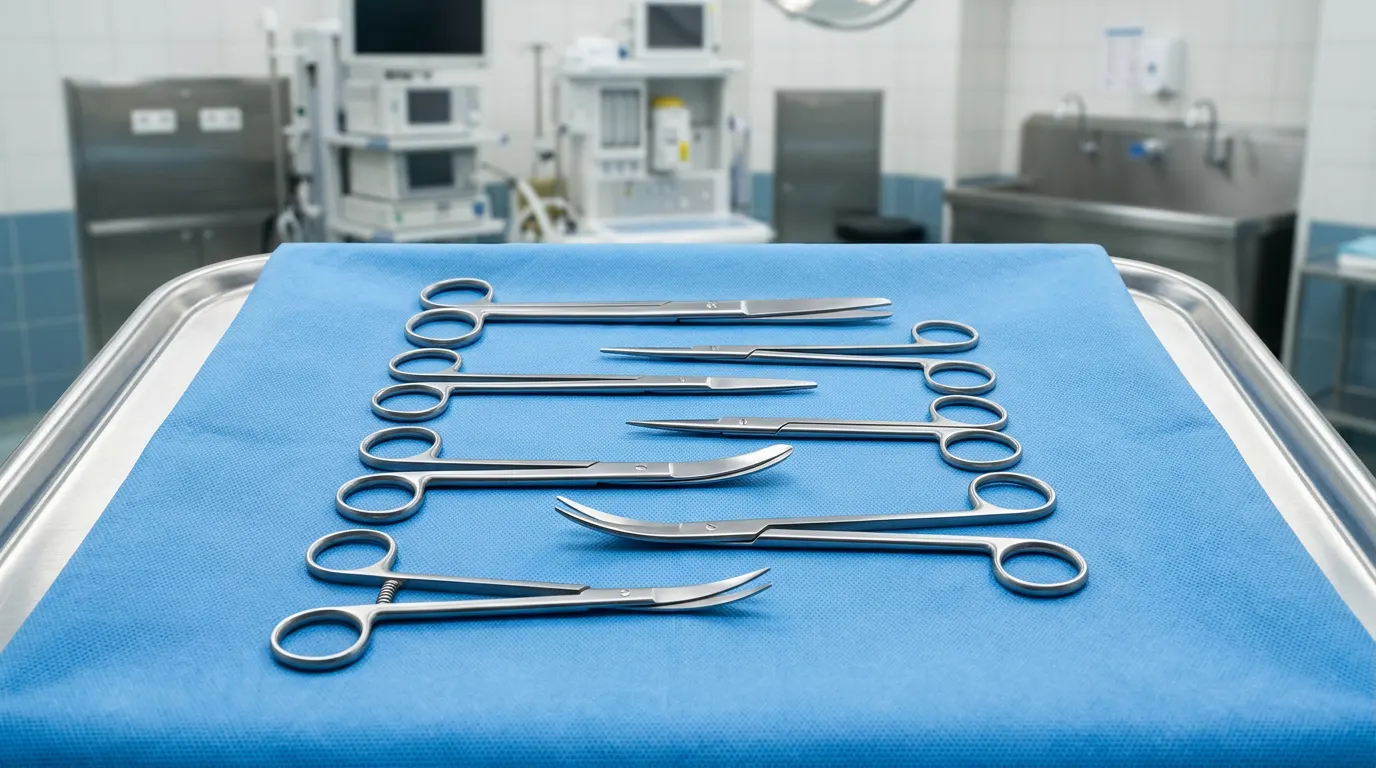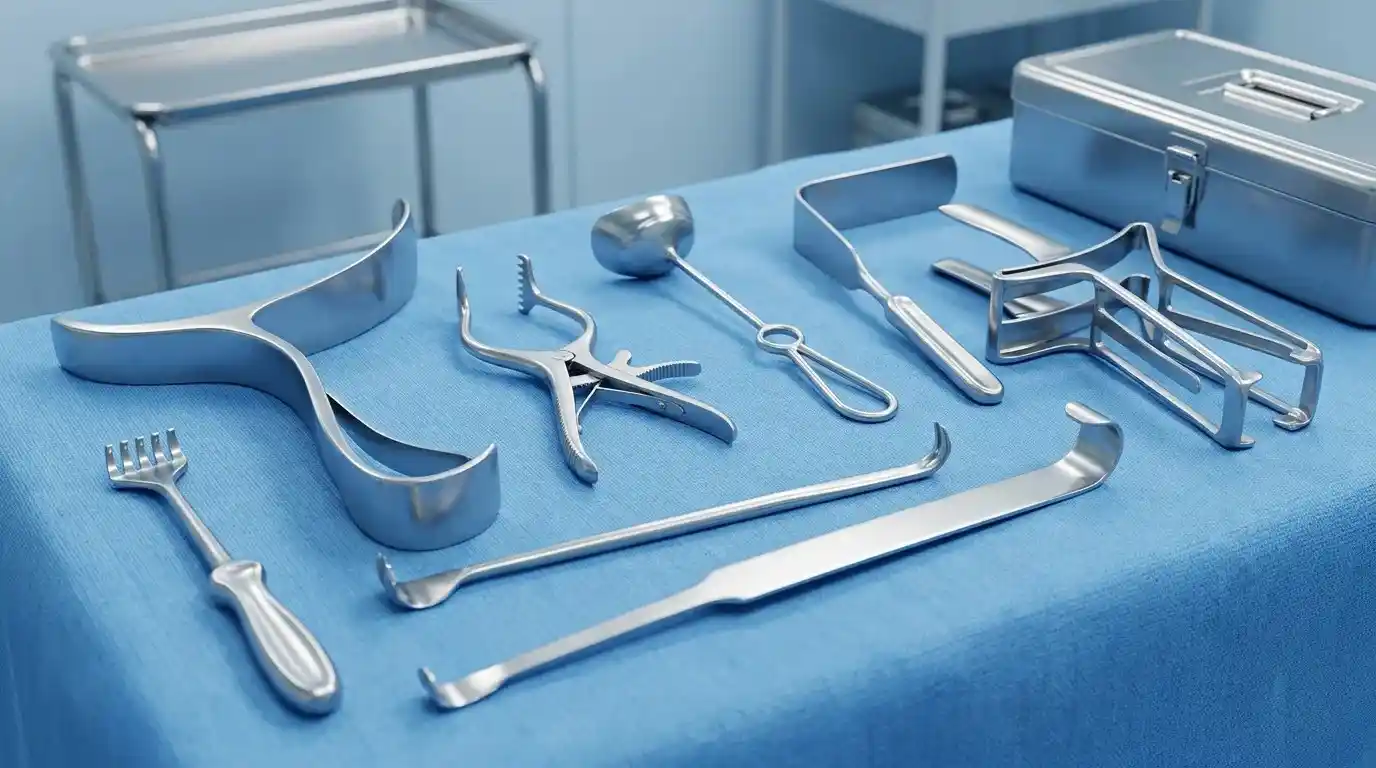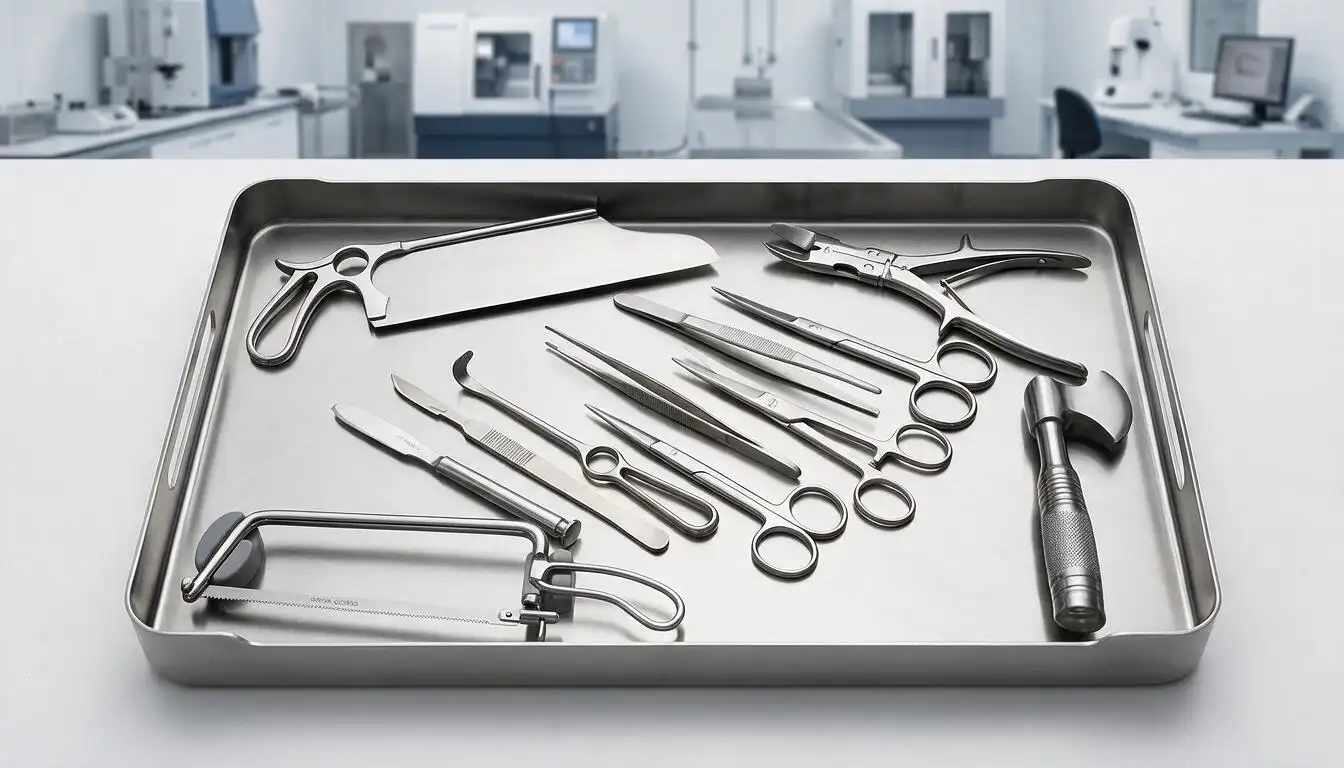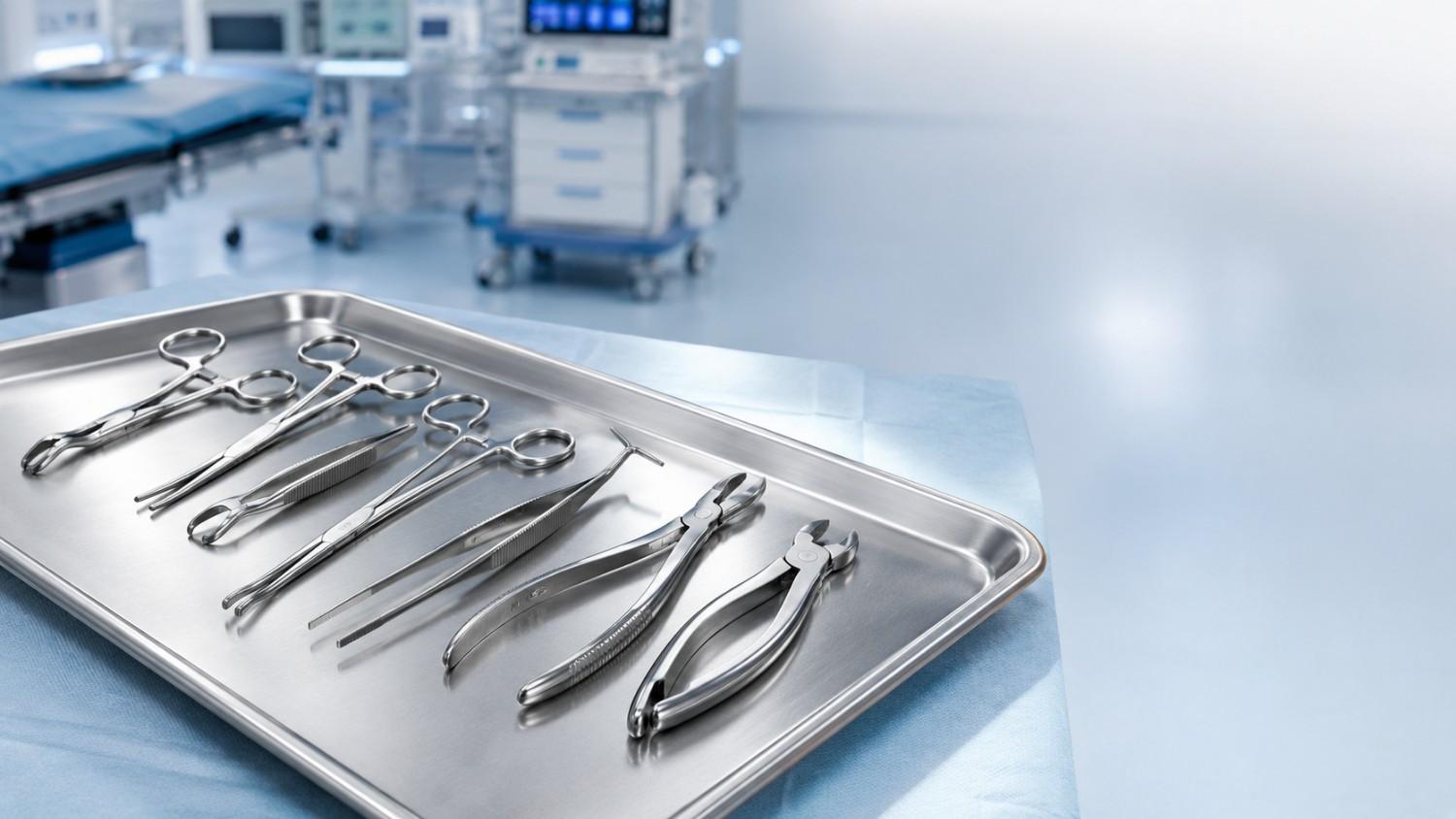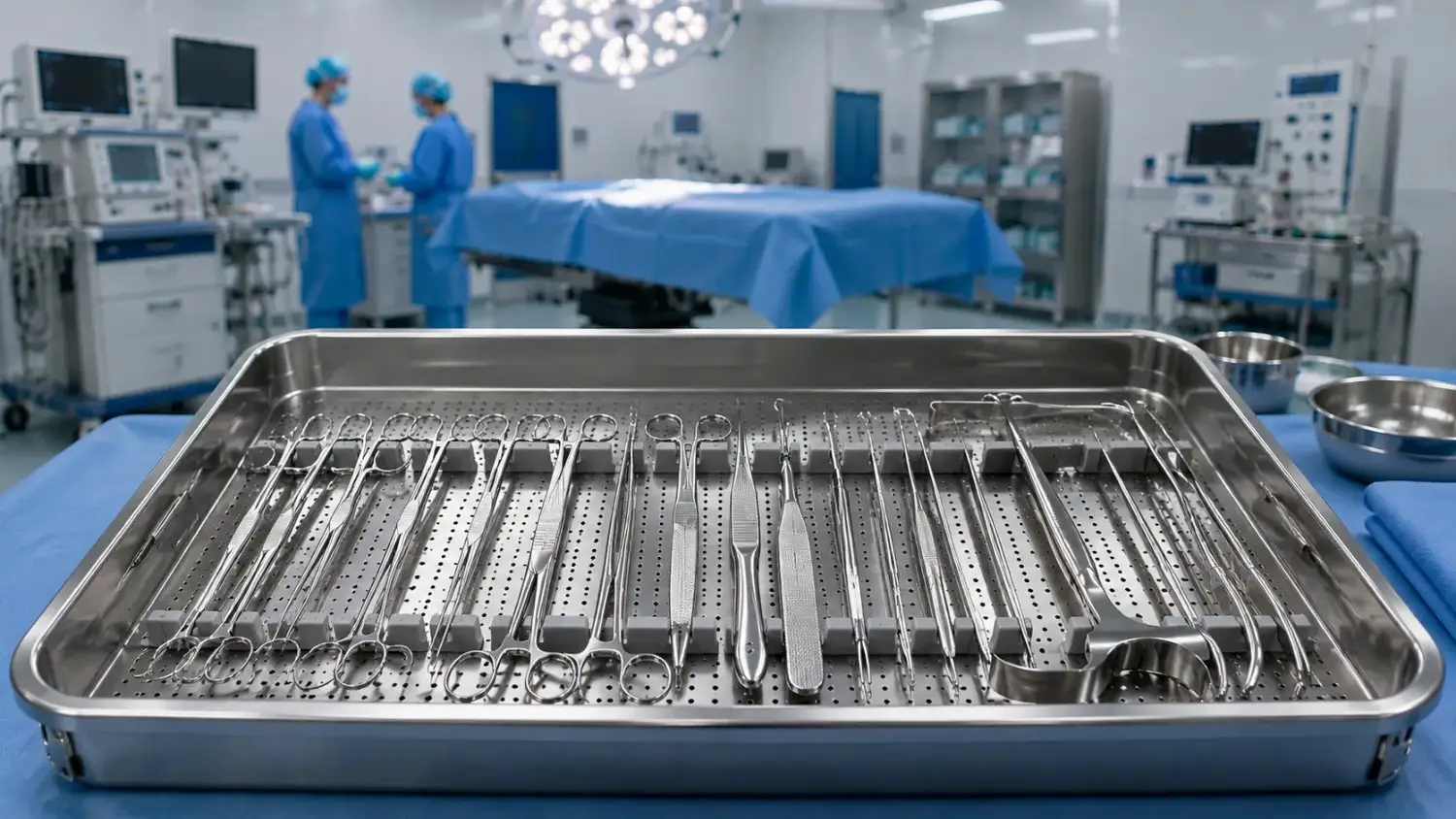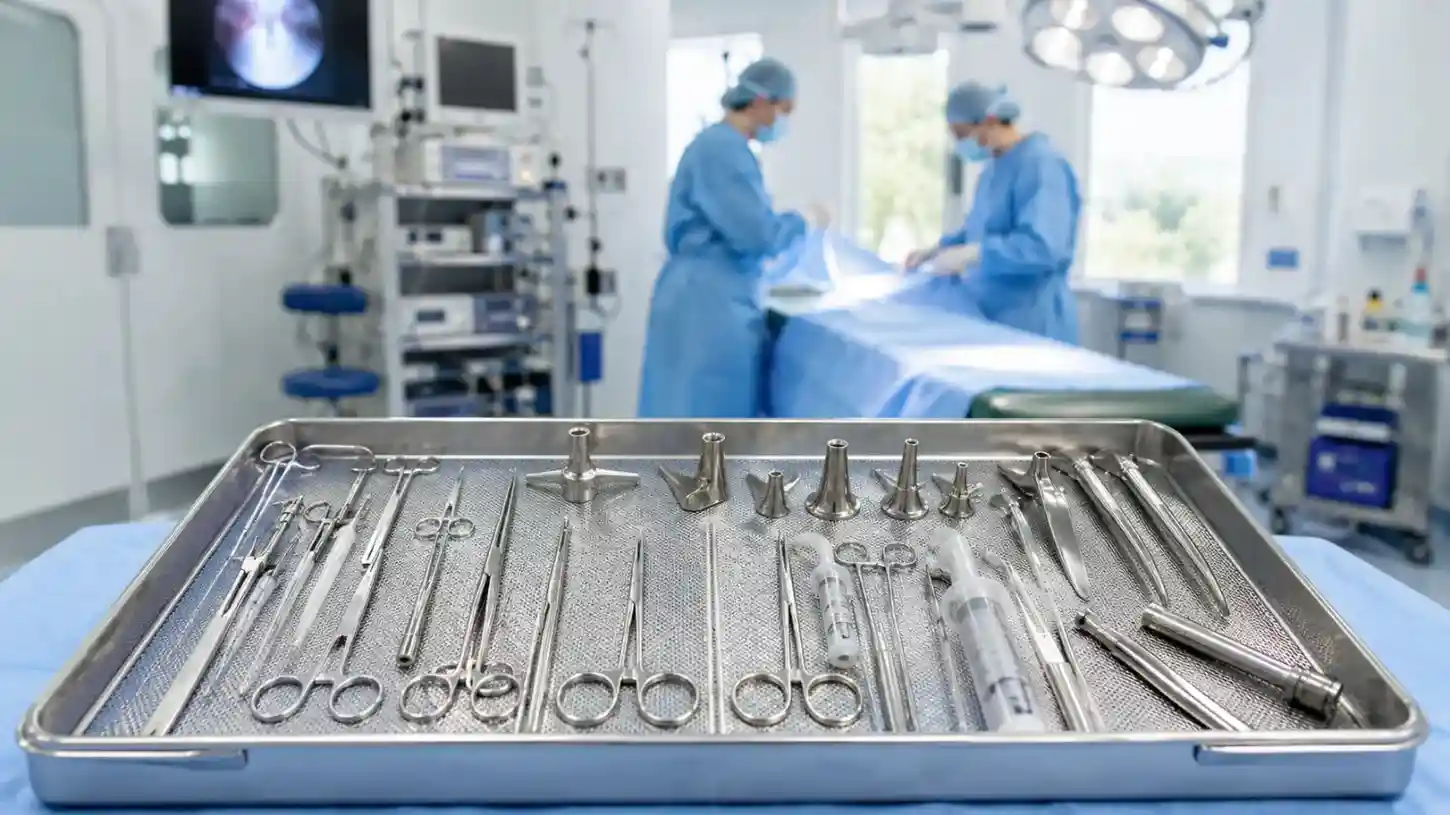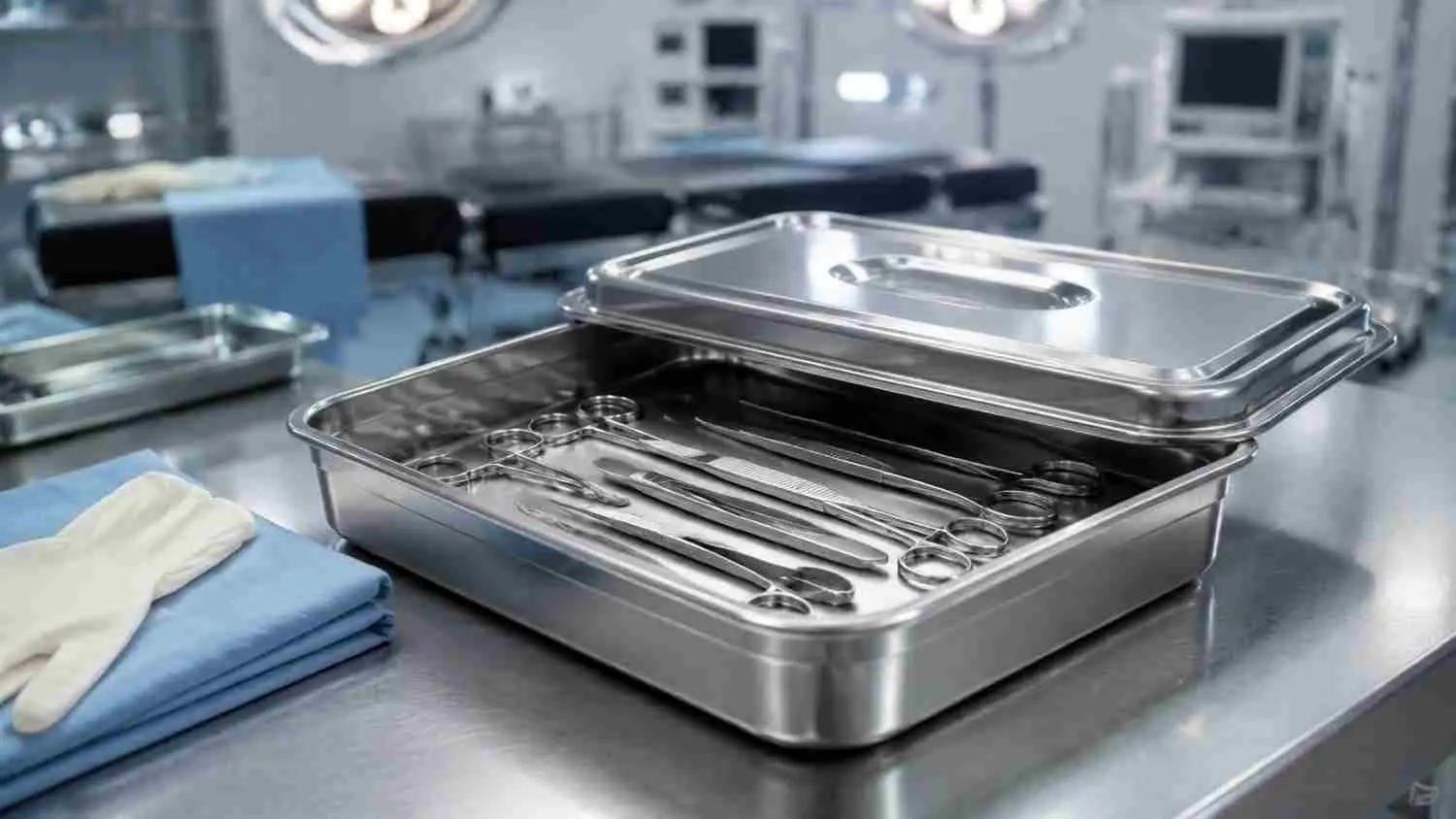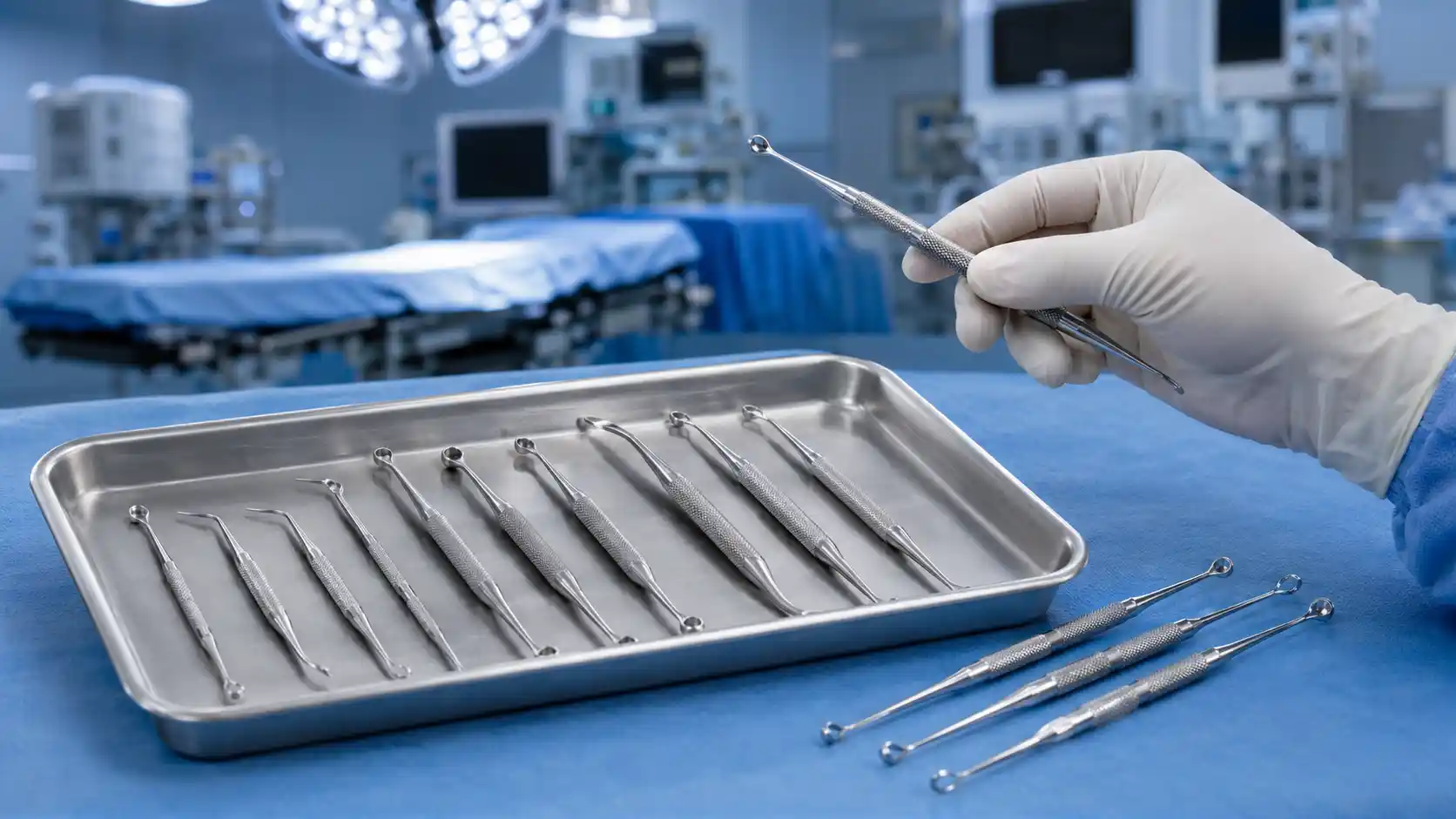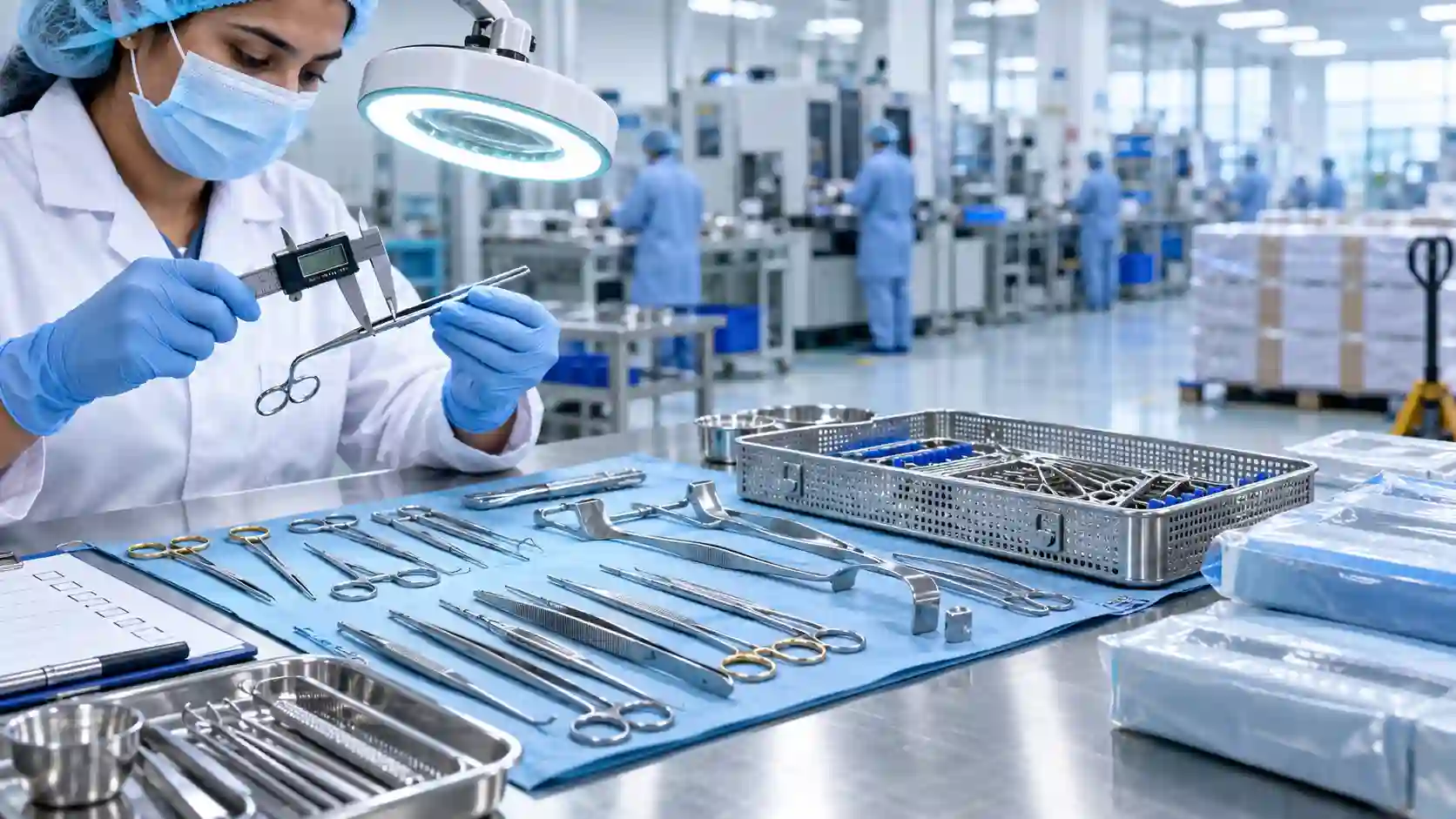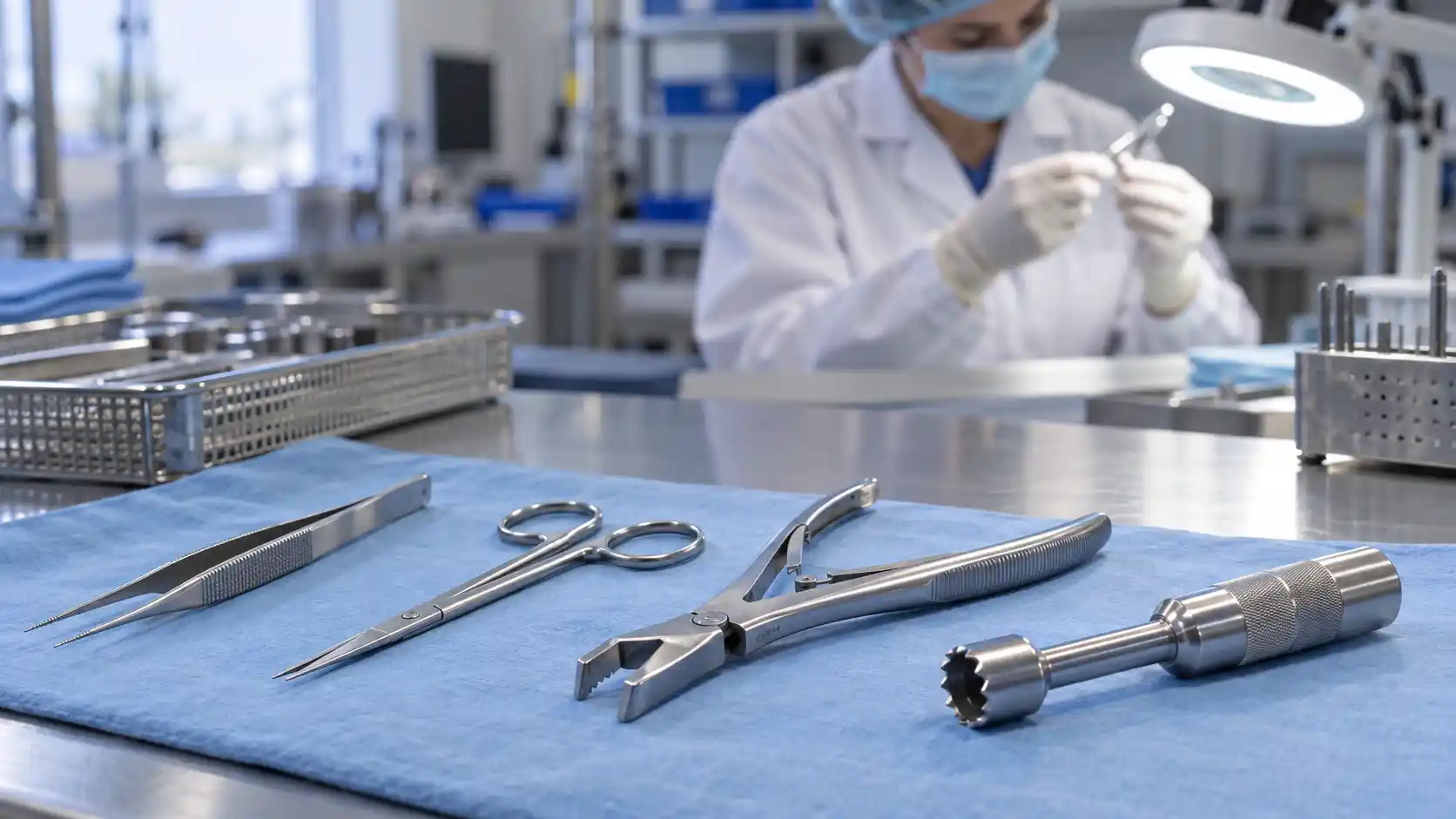
Orthopedic surgery is a field of extreme accuracy that can be likened to high-end engineering that is carried out on the human body. Whether a surgeon is fixing a complicated fracture, conducting a total hip arthroplasty, or correcting the spinal deformity, the outcome of the intervention process is greatly dependent on the quality of the orthopedic instruments. These are created to engage the hardest tissue in the human body, bone, and shield the fragile nerves and vessels that surround it.
Investing in a state-of-the-art orthopedic set of instruments is not only a matter of equipment, but it is also a matter of assuring a predictable patient mobility and clinical outcome. This is the guide to our world of surgical orthopedic equipment and the way it is used, and how one can select the most effective equipment in an existing surgical practice.
Bone is a living, dynamic tissue that requires a unique approach compared to soft tissue. While a scalpel easily glides through skin, bone requires force, torque, and heavy-duty mechanical action. Orthopedic surgical instruments are engineered to provide this force without causing unnecessary trauma.
A surgeon makes use of a mallet or a bone drill, whereby they are relying on the tool to give them a feel. In case of too soft steel or ill design of the handle, the feedback is lost, which leads to the risk of intraoperative complications. Explain why the use of a reputable supplier of orthopedic instruments is an absolute condition of surgical safety. The quality of tools will help to make sure that the feel of the bone is transferred directly to the hand of the surgeon.
The variety of orthopedic tools on the market nowadays is enormous, and each of them is designed to fit one anatomical area and a specific type of surgery.
These are the "workhorses" of the orthopedic theater.
Before a bone can be screwed or plated, it must be perfectly held in place.
Modern orthopedics relies heavily on battery-operated or pneumatic power systems.
With so many orthopedic instruments suppliers in the global market, making the right selection is a challenge. High-quality orthopedic instruments must be evaluated based on the following professional criteria:
The choice of material used is usually determined by the nature of the tool used, as a handheld tool or a permanent implant.
|
Property |
Stainless Steel (316L/440) |
Titanium (Grade 5/Ti-6Al-4V) |
|
Mechanical Strength |
Highest, perfect for bone-cutting. |
Excellent strength-to-weight ratio. |
|
Flexibility |
Rigid; does not bend easily. |
More flexible; mimics bone elasticity. |
|
Corrosion Resistance |
Excellent, but can pit over time. |
Virtually immune to corrosion. |
|
Weight |
Heavier, providing better leverage. |
Ultra-lightweight (40% lighter than steel). |
|
Primary Application |
Handheld tools, Drills, Saws. |
Implants, Plates, Spinal Cods. |
Application Insight: While most handheld surgical orthopedic instruments are steel for the sake of cost and hardness, titanium is preferred for tools that stay in contact with the patient for long periods or for the implants themselves due to its superior biocompatibility.
The application of these tools is a specialized skill. Incorrect usage can lead to "thermal necrosis" (bone death due to heat) or hardware failure.
When using a drill from an orthopedic instruments set, the speed must be controlled. High-speed drilling without irrigation can cook the bone cells. Surgeons must use a "pecking" motion—drilling a bit, pulling back, and cooling with saline—to ensure the bone remains healthy enough to grow back into the screws.
In procedures like hip replacements, a mallet is used to "seat" the prosthesis into the bone. The application of force must be measured. Too little force results in a loose implant; too much can cause an intraoperative fracture. This is where the tactile quality of high-quality orthopedic instruments becomes apparent.
For fractures of the patella (kneecap) or olecranon (elbow), surgeons use specialized wires and pliers. The application involves creating a "figure-eight" with the wire to convert pulling forces into compression forces, which actually uses the body's own muscle movements to help the bone heal.
The orthopedic instruments price for a complete set is substantial. To ensure these tools last for decades, a strict maintenance protocol is required:
The orthopedic surgery is a profession supported by engineering, which is heavy-duty. Since the first choice of high-quality orthopedic tools to the accurate use of a bone drill, each step must be excellent. Knowledge about the metallurgy, mechanical purpose, and maintenance requirements of your orthopedic instrument set will help you provide a safer environment for patients and a more productive working process for the surgical team. When it comes to bone surgery, not only is the right tool an advantage, it is a necessity.
Often, a black or specialized coating indicates "Super-Cut" or Tungsten Carbide edges, which stay sharp significantly longer than standard stainless steel.
No. Large bone surgery (femur/pelvis) requires different torque and size specifications than small bone surgery (hand/wrist). Using the wrong set can damage the bone surgery instruments.