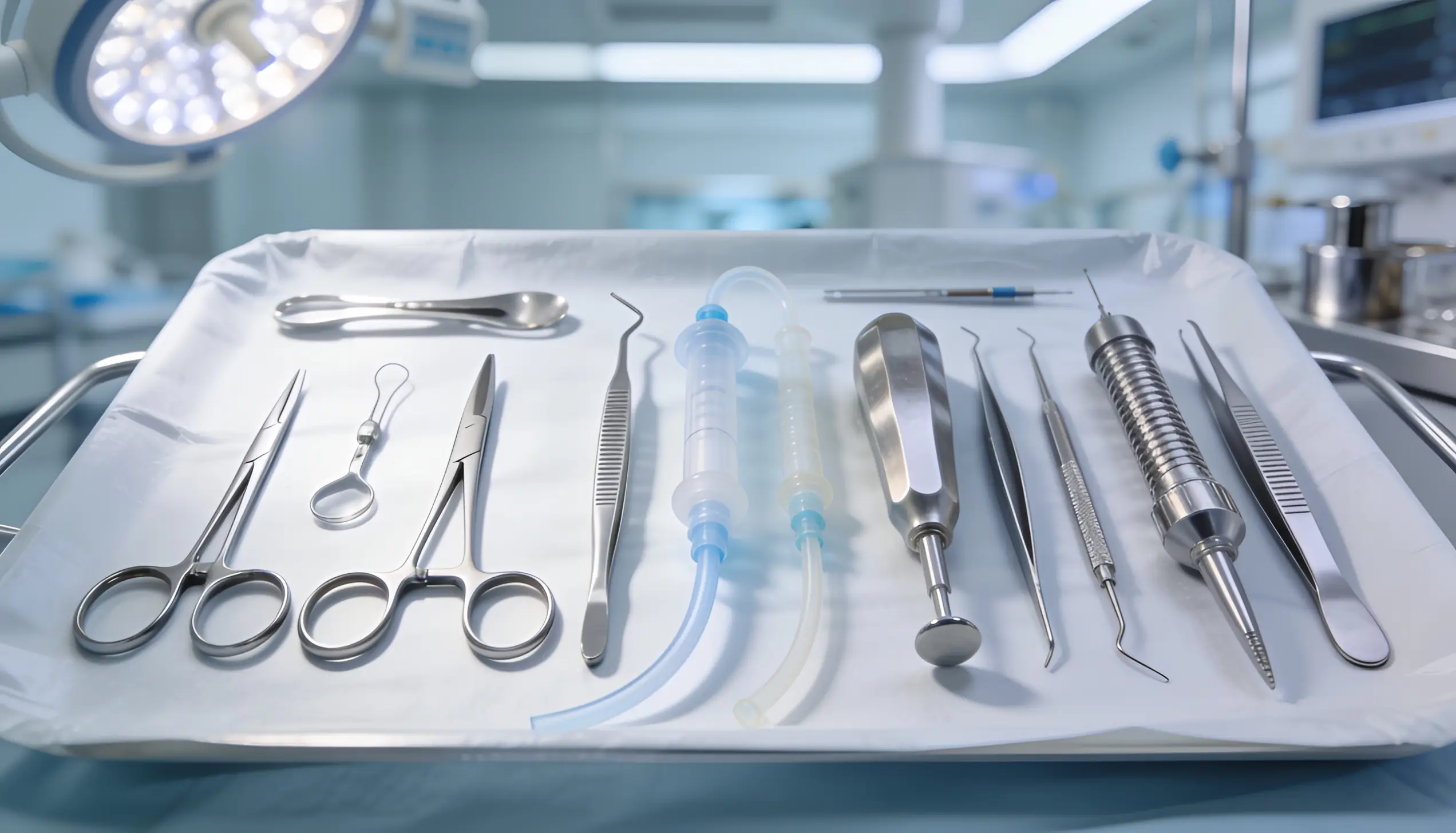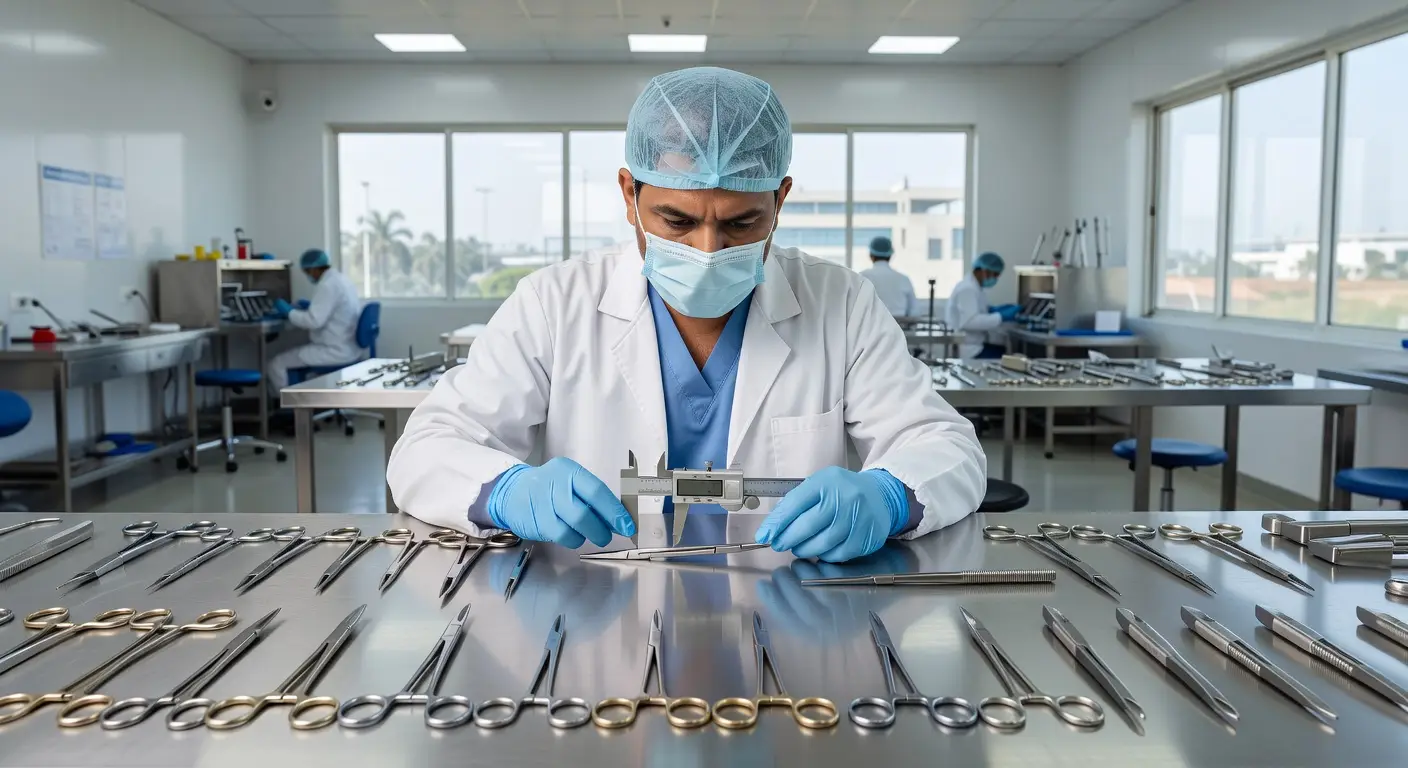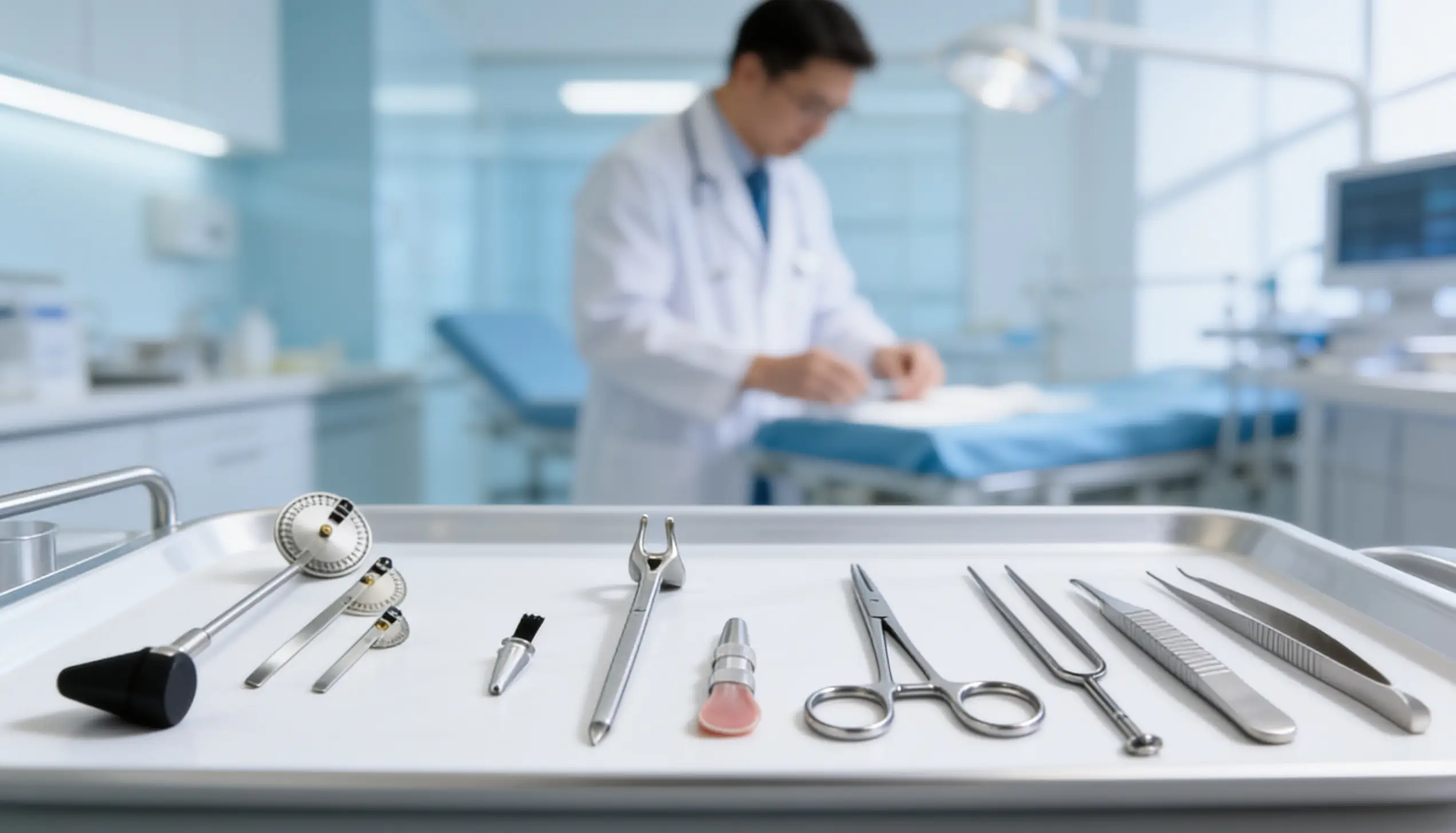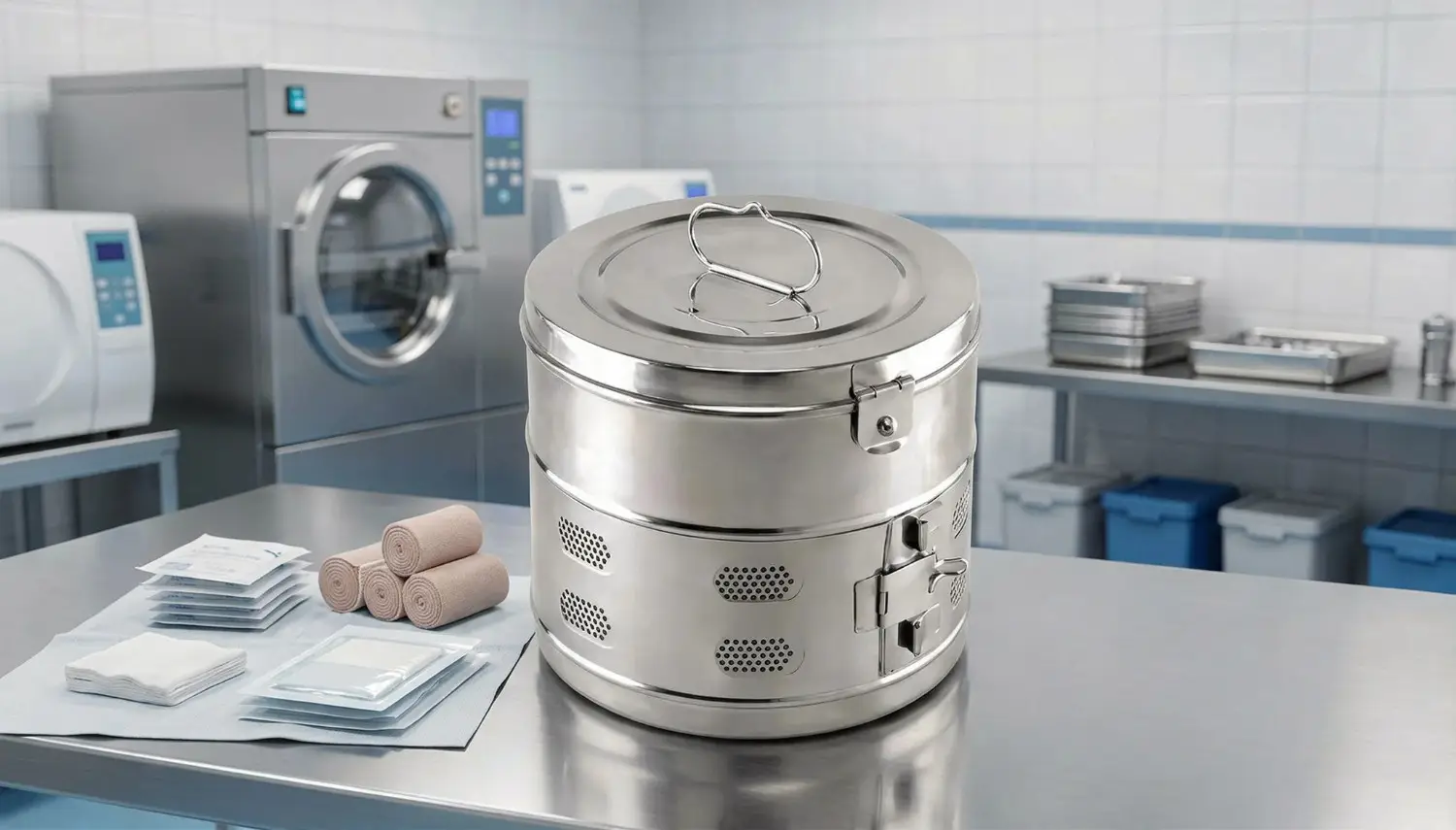
Precision is important for any surgical procedure or dental procedure. With that in mind, many types of Surgical Instruments make precision procedures possible. The Bone Curette is one of the most critical surgical instruments when performing these procedures. In all cases of cutting or scraping away tissue in the socket after extraction to prepare for a bone graft or to perform a biopsy, the proper fit of the curette to the user's hand and the proper anatomical fit will determine whether the procedure is completed successfully or unsuccessfully.
However, very few sources provide information about the various types that can be used and matched with each procedure. This guide will provide you with information to assist you. How do you match the right Bone Curette Size to the right procedure? and will provide clinical information to help you understand how to choose a fit-for-function curette for a specific procedure.
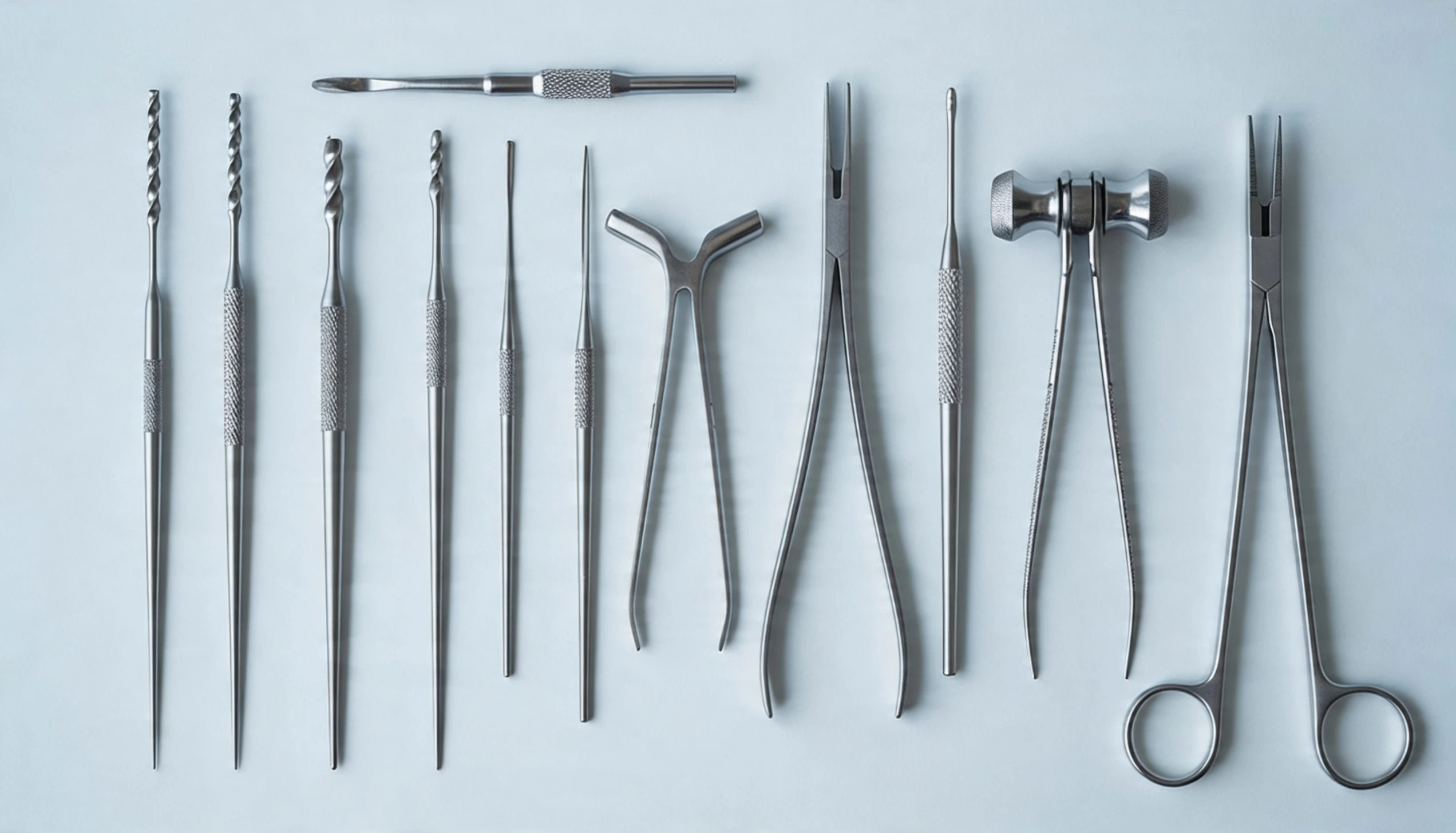
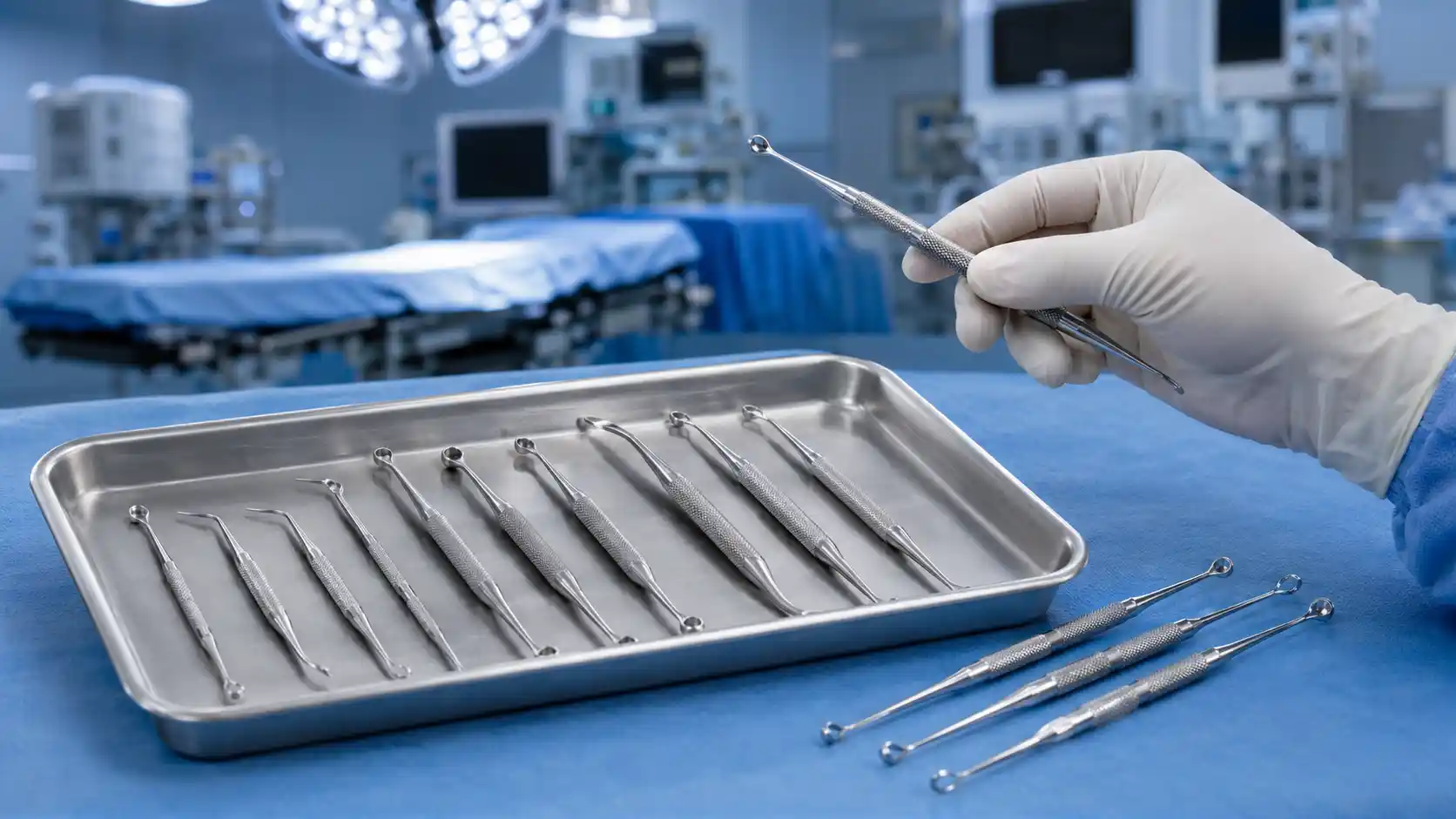
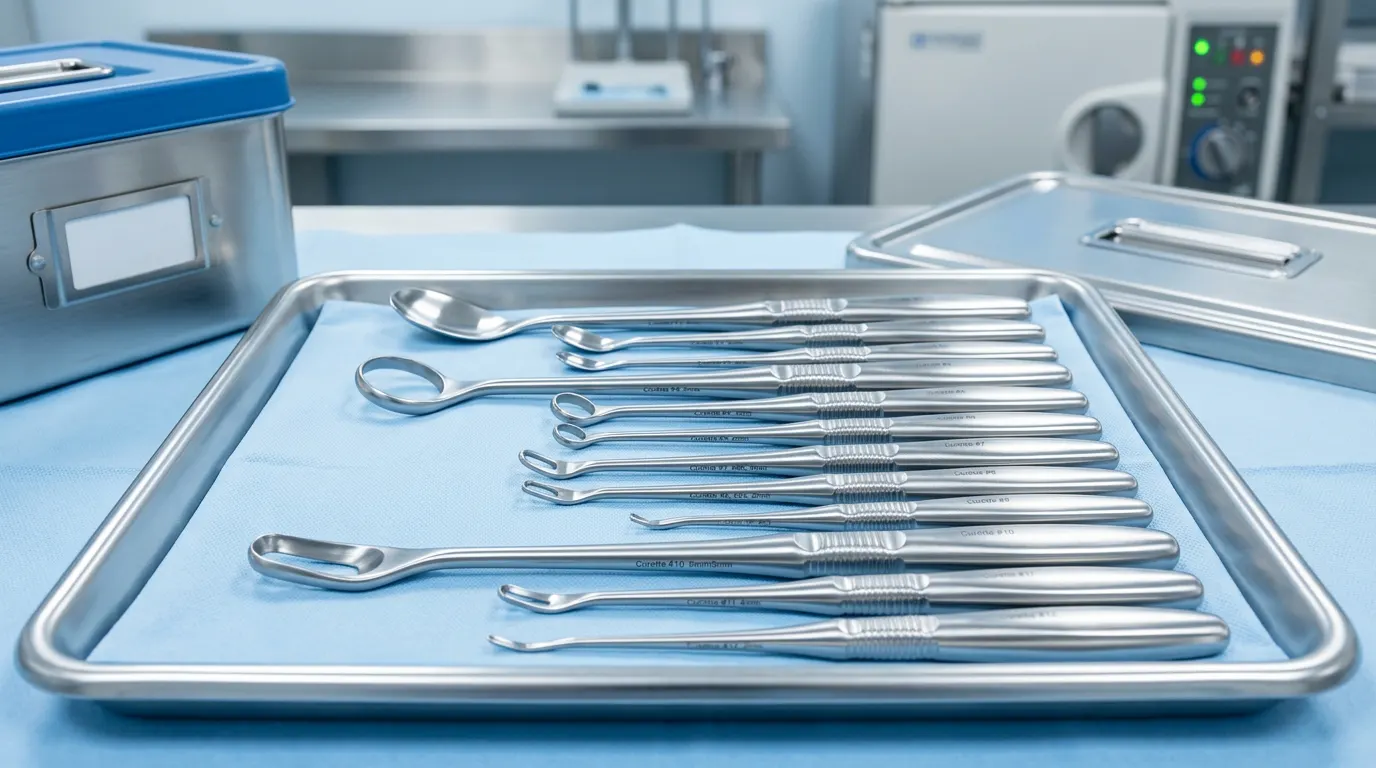
A Bone Curette Instrument is a spoon or scoop-shaped surgical tool, designed to scrape, scoop or debride bone and surrounding soft tissue. The word ‘curette' is derived from ‘curer' which means ‘to clean' — and that is exactly what these instruments do. They use controlled and deliberate strokes to remove cavities of necrotic bone, granulation tissue, cysts and debris.
A curette consists of three parts: the handle, shank and working end (cup or scoop). The working end can be straight, angled or offset, depending on the area of the anatomy it is intended to access.
The table below provides a quick-reference summary of the most commonly used Bone Curettes across surgical and dental disciplines:
| Type | Design Features | Common Clinical Use | Common Sizes |
|---|---|---|---|
| Spoon Curette | Spoon-shaped scoop tip | Cyst/granuloma removal | 0, 1, 2, 3 |
| Ring Curette | Circular loop tip | Soft tissue debridement | 2mm – 8mm |
| Lucas Curette | Angled offset blade | Periodontal surgery, apicoectomy | 85, 86 |
| Volkmann Curette | Double-ended, fenestrated | Bone biopsy, grafting prep | 1–4 |
| Molt Curette | Elongated, offset handle | Periosteal & bone debridement | 2, 4 |
| Bone Biopsy Curette | Heavy-duty serrated edge | Bone sampling / pathology | 3mm – 7mm |
Each type has a distinct set of indications. Understanding these distinctions is essential before making a purchasing decision — whether you are stocking a single operator or sourcing in bulk for a large institution.
Among the most common Bone Curette Dental applications. Oral surgery curettes are a must-have for:
Curettes are regularly used in orthopaedics for the following procedures:
During minimally invasive spine surgery, special angled curettes can assist the surgeon in working through a small anatomical area. They are used to:
Curettes are used in ear, nose, and throat surgery to help with:
The Bone Curette Size is equally important as finding the right type of curette. The majority of manufacturers use a numbering system (0-4 or 1-6) in which the lower numbers refer to the smaller and finer tip, while higher numbers refer to the larger and heavier cups. Here are some general guidelines:
It is recommended to order a full line in a mixed-use building or a hospital. This prevents delays in the procedure due to the lack of availability of a certain size during a crucial moment.
Related Blogs You Might Be Interested In:
A Complete Guide to Surgical Instruments From India’s Leading Manufacturer
Not all surgical curette products are created equal. Below are the key quality parameters that surgeons, dental professionals, and hospital procurement managers should evaluate before placing an order:
| Factor | What to Check |
|---|---|
| Material | 316L / 17-4 PH surgical-grade stainless steel |
| Size Range | Available in 0–4 or equivalent for your specialty |
| Sterilisation | Autoclave-safe; must withstand 134°C cycles |
| Handle Grip | Knurled or hexagonal for non-slip control |
| CE / ISO Certification | ISO 13485 & CE marking preferred |
| Bulk Availability | MOQ, lead time, and sterilised packaging options |
| Warranty / Return Policy | Manufacturer guarantee on finishing defects |
The working end of the curette should always have a sharp edge after repeated use and after the sterilisation procedure. Low-grade stainless steel has a tendency to become dull easily and develop microfractures. Before making a big order, ensure your supplier gives you details of the type of steel and how hard the surface is (Rockwell scale).
Surgeons are exposed to long hours of repetitive and precise movements. If the instrument is poorly balanced (if the handle is too light or too heavy compared to the working end), fatigue is increased and accuracy is decreased. Find instruments with knurled, round or hexagonal handles which can be gripped firmly even when wet.
All instruments in the tray should be completely autoclave-ready. In the case of curettes this is defined as the ability of the instrument to withstand the steam sterilisation process at 134°C with normal cycle times without warping, discolouration or loosening of the joints. Some of the lower-quality instruments tend to break prematurely when stressed by heat again and again.
When looking to purchase Bulk Bone Curettes for Hospitals, private surgical chains, and buyers, it will be different than purchasing direct from a clinic. The following aspects are important on a larger scale:
Minimum Order Quantity (MOQ): Request MOQ from manufacturers upfront. Authentic manufacturers typically provide flexible lot sizes for major institutions.
Packaging and Sterility: Pre-packaged, sterile forms of instruments will decrease the amount of time needed for theatre preparation. Ask suppliers right away if they carry pre-sterilised/single-use options with accompanying reusable kits.
Quality Control Processes: A sample received may appear to be of good quality. Therefore, request quality assurance documents for the quality of consistently manufactured products. ISO 13485 will ensure your supplier maintains product consistency.
Lead Time and Stock Availability: Critical for emergency surgery departments. Verify the standard lead time and whether suppliers have the capability to complete rush orders.
After-Sales Support: Quality suppliers will have a defined returns policy on any instruments received that do not meet specifications.
In the past 20 years, India has become competitive in the global marketplace for producing quality surgical instruments. Many Bone Curettes Manufactures in India and Mediwave are one of the best manufacturers and suppliers.
There is an increasing number of reasons why an International Buyer would like to purchase from an Indian Manufacturer:
Among the Best Surgical Instrument Manufacturers in India, we have established robust quality management systems and produced consistent parts with consistent finishes.
If you are placing a Bone Curette in Bulk order for the first time or switching suppliers, these practical steps can protect your institution:
To improve the efficiency of Bone Curette use in your regular surgical routine, you must first grasp their clinical utility. The second aspect of efficient bone curette usage is training, instrument upkeep, and situational awareness. The following bulleted list represents evidence-based methods of practice:
Mediwave is a prominent producer and distributor of surgery equipment that assists in the current medical practices and care. The company is involved in the making of accurate, dependable and safe medical devices that enable surgeons and medical practitioners to carry out important operations successfully. The product range of its business is surgical instruments, orthopaedic, dental, ENT, and gynaecological instruments used in hospitals and clinics. Mediwave focuses on the quality of materials, a high level of quality and a high level of manufacturing technology to guarantee durability and corrosion resistance as well as constant performance. The company is guided by international safety and compliance practices in line with upholding ethical and transparent business practices. Through supplying tailor-made solutions and bulk orders to hospitals across the globe, Mediwave provides products and services to healthcare providers with highly trained staff and advanced manufacturing plants in an attempt to enhance patient safety and clinical outcomes.
Ans: A bone curette is a specialized surgical instrument featuring a spoon or scoop-shaped tip. Its primary function is to scrape, scoop, or debride bone and soft tissue. It is used to "clean" a site by removing necrotic bone, cysts, granulation tissue, or debris.
Ans: Every curette consists of a handle for gripping, a shank (the neck of the tool), and a working end (the cup or scoop) which performs the actual cutting or scraping.
Ans: Most manufacturers use a numbering system (typically 0–4 or 1–6). Lower numbers (0–1) indicate smaller, finer tips for delicate work, while higher numbers (4 and above) indicate larger, heavy-duty cups for major orthopedic procedures.
Ans: The Lucas Curette (specifically sizes 85 and 86) and the Spoon Curette are the most common for dental use. They are ideal for debriding a socket after a tooth extraction to remove infected tissue and prepare for healing or bone grafting.
Ans: The Volkmann Curette is often double-ended and fenestrated. It is primarily used in orthopedic surgery for bone biopsies or preparing a site for a bone graft by scraping away diseased tissue.
Ans: Reliable instruments are made from 316L or 17-4 PH surgical-grade stainless steel. This ensures the tool maintains a sharp edge, resists corrosion, and does not develop microfractures after repeated use.
Ans: They must be autoclave-ready. High-quality curettes are designed to withstand steam sterilisation cycles at 134°C without warping, dulling, or losing structural integrity.
While not being particularly attractive, the Bone Curette Instrument is certainly one of the instruments that get the most use, from a simple extraction to an intricate orthopaedic procedure; if you choose the right curette appropriate size, material, and supplier, it will make a significant contribution to a successful outcome.
If you are a single practitioner looking to create your own instrument set or a purchasing manager responsible for placing a Bone Curette Dental supply order with a large multi-speciality hospital for bone curettes, then the effort required to investigate types, sizes and performance characteristics will make it all worthwhile. Indian manufacturers may provide you with the combination of technical ability, regulatory compliance and economical values unparalleled elsewhere in the world, thus making them worth your time to explore.
Contact with us and source smarter with India's trusted surgical instruments manufacturer.