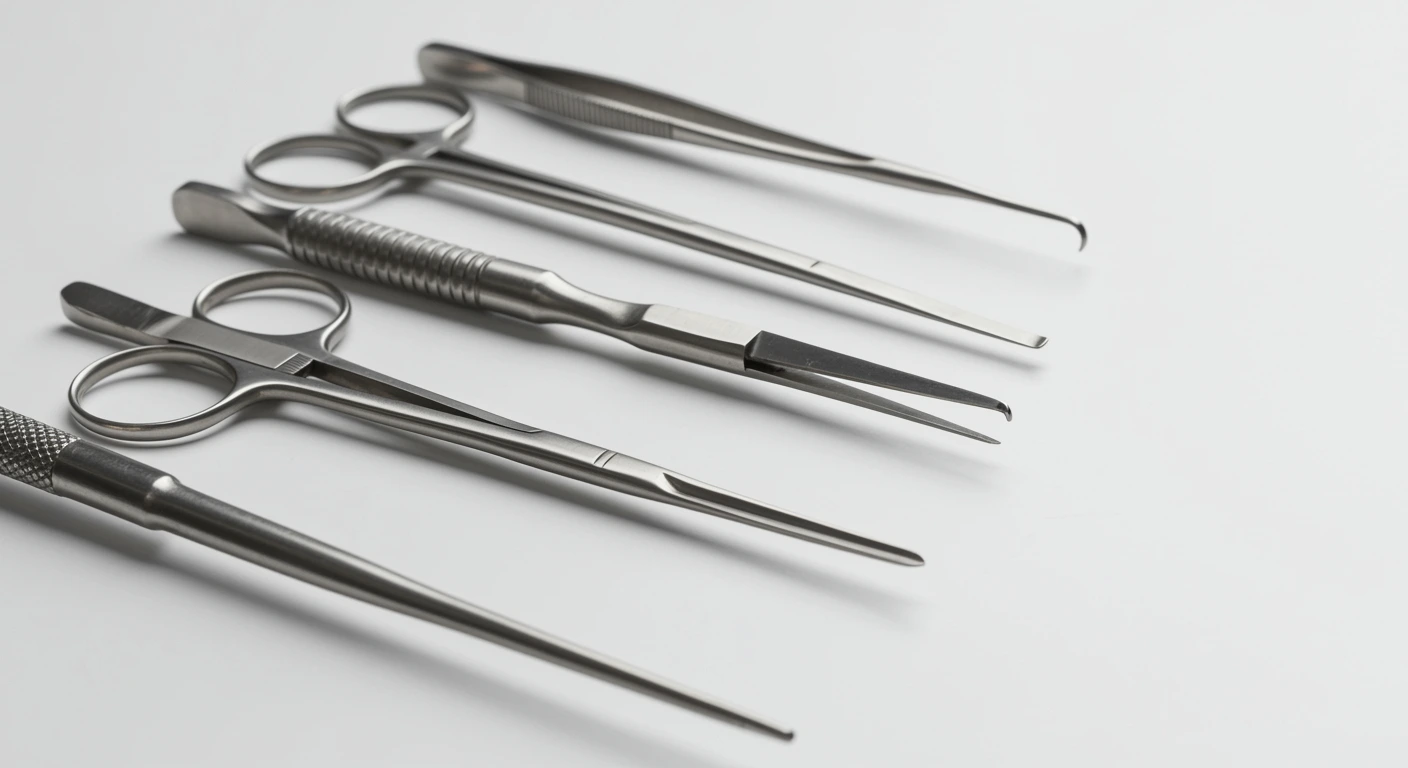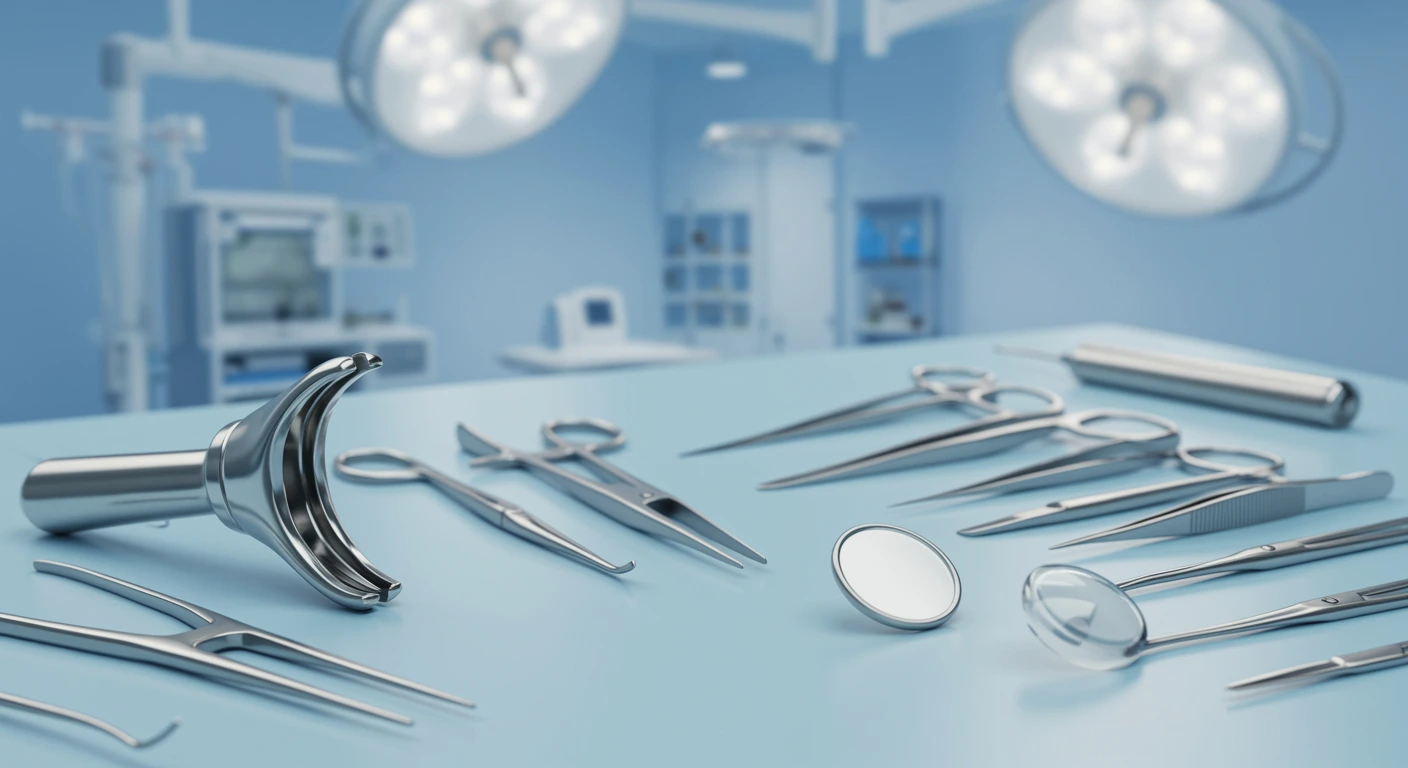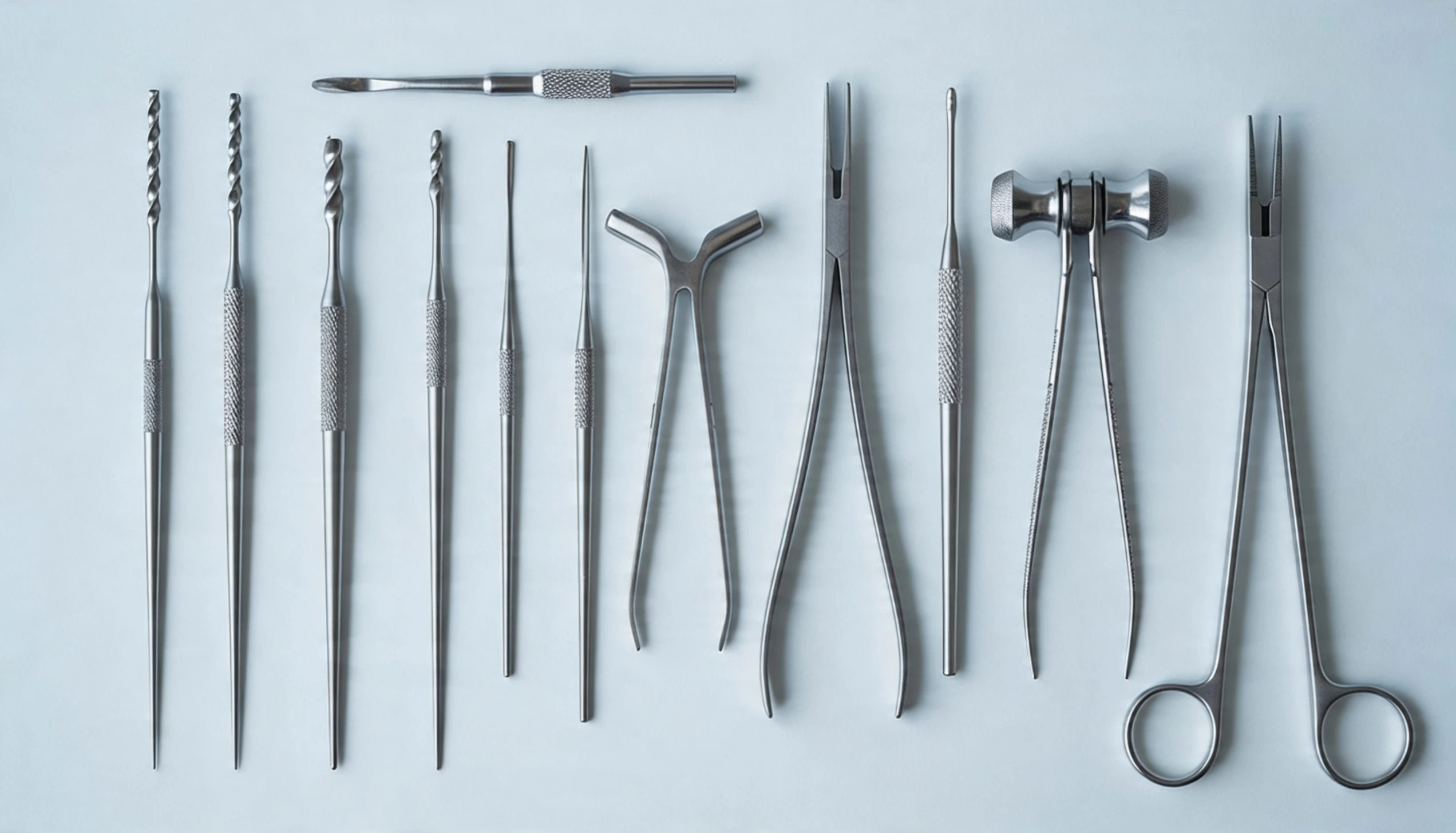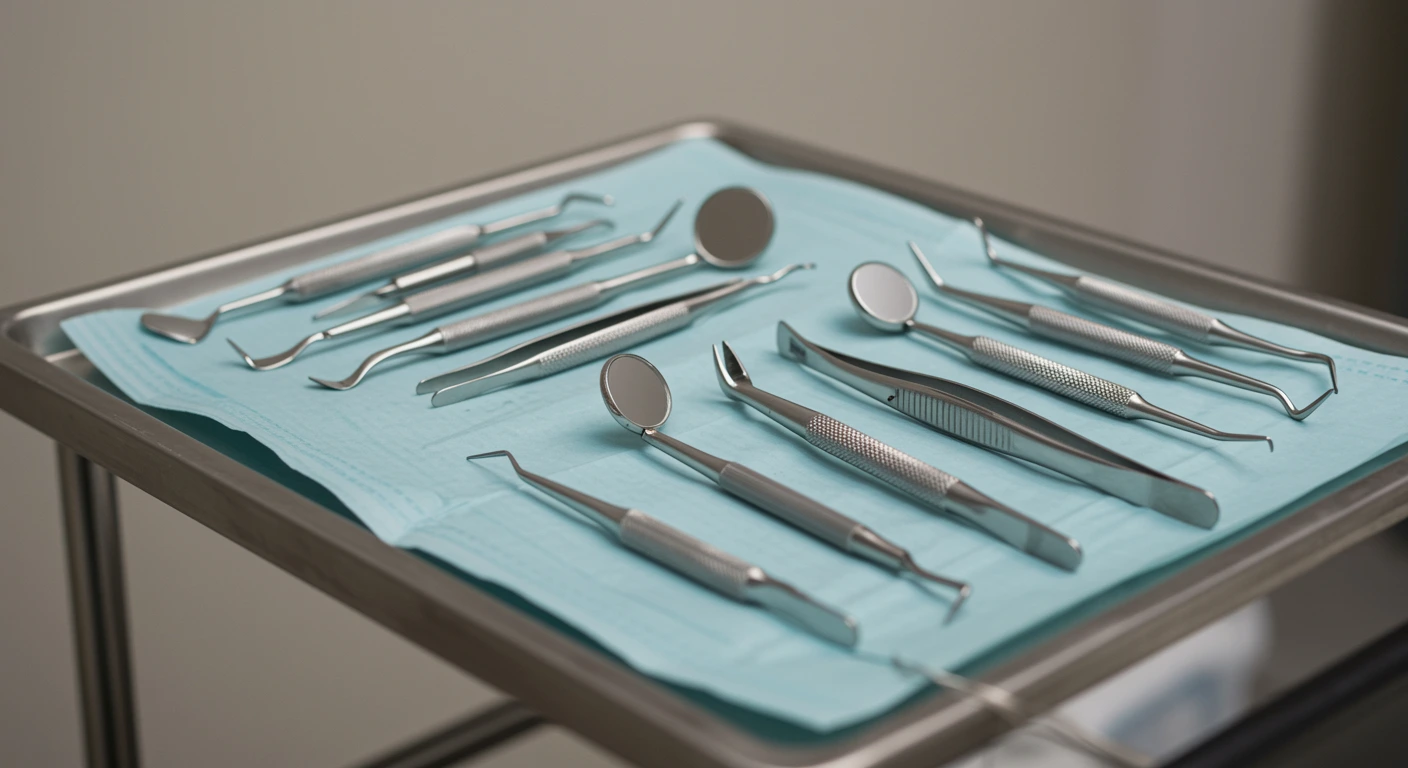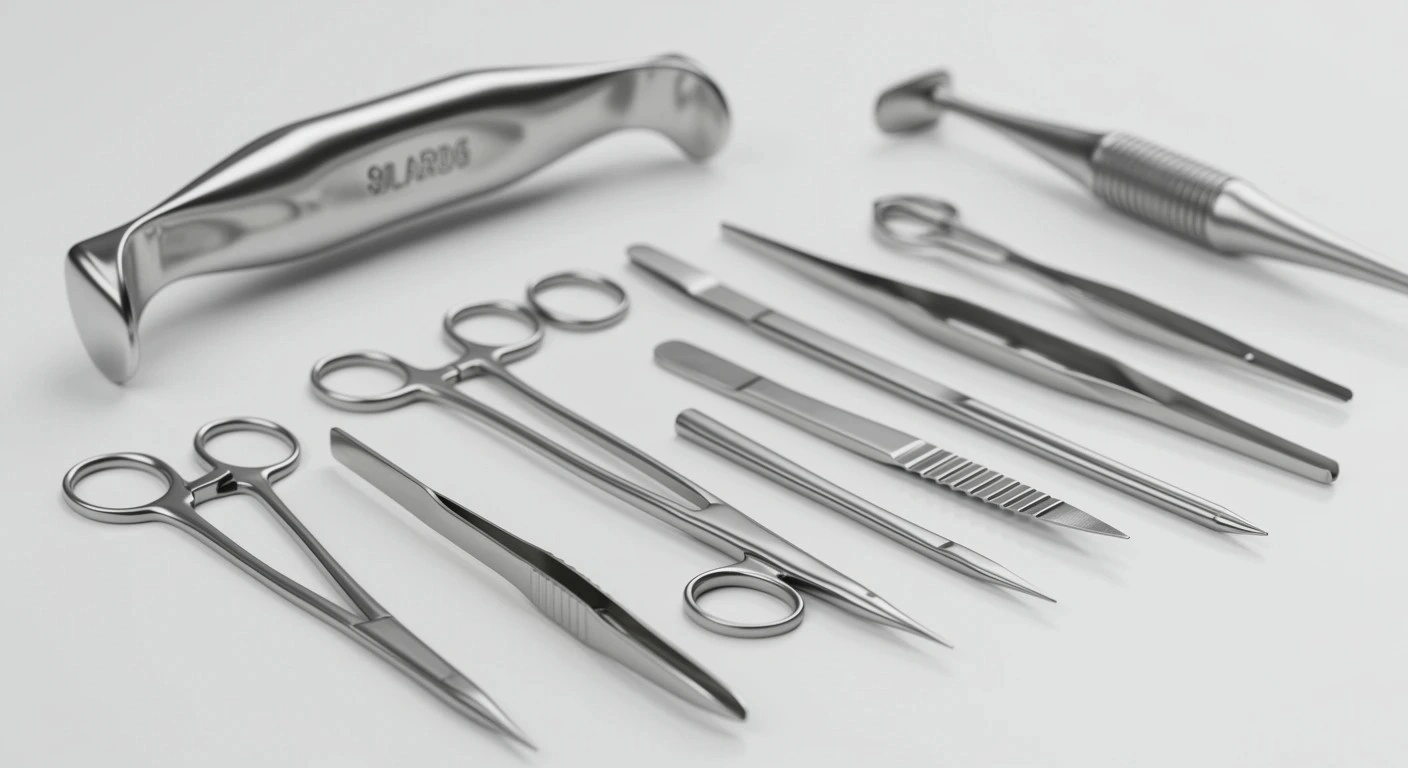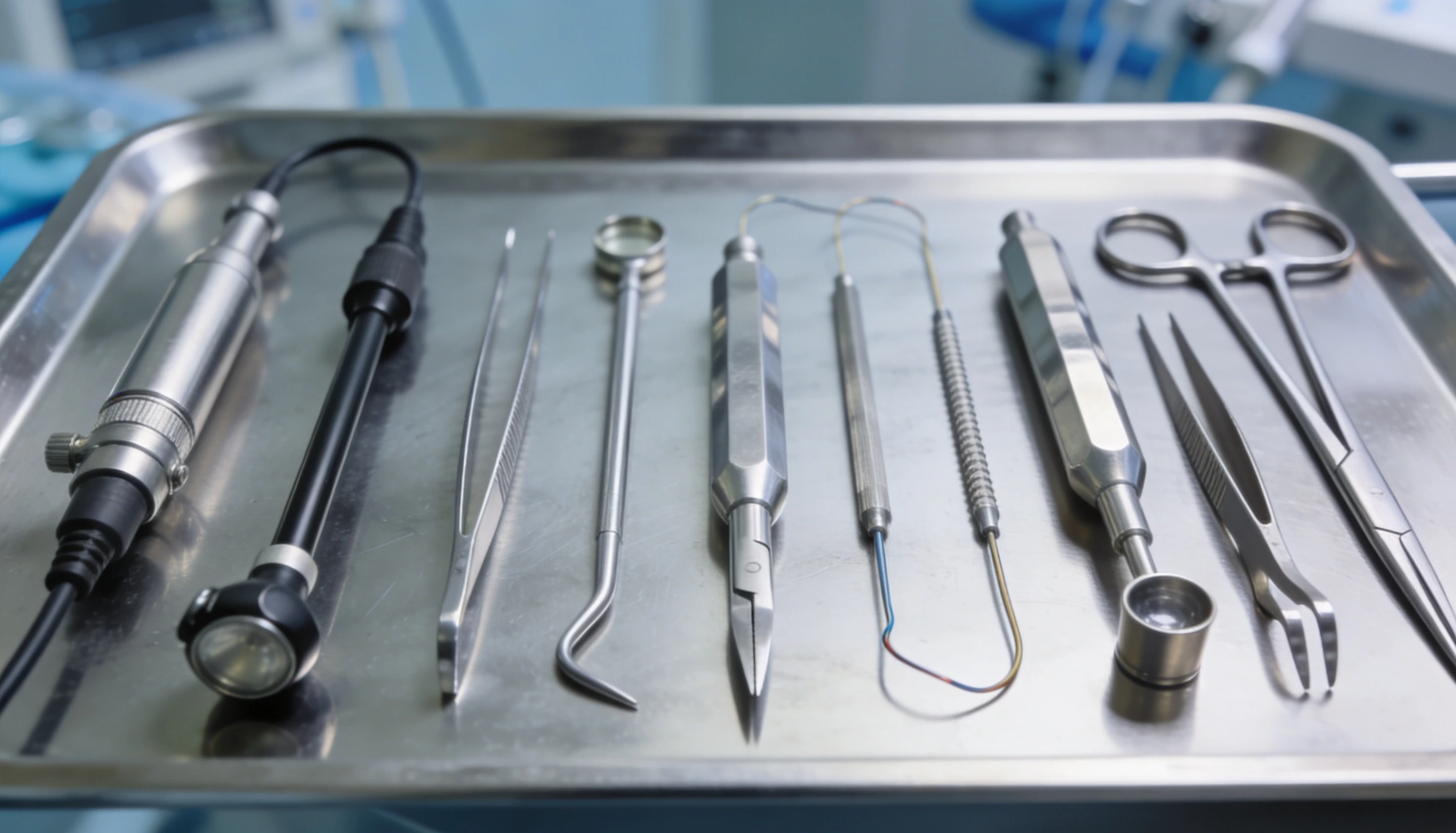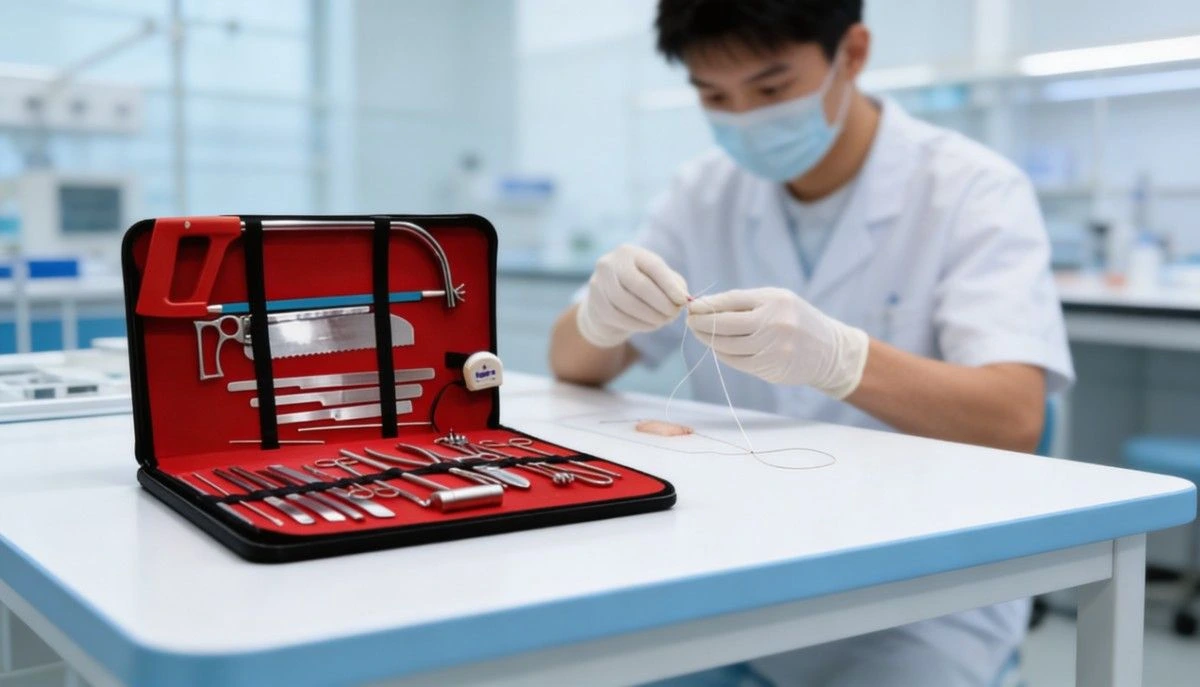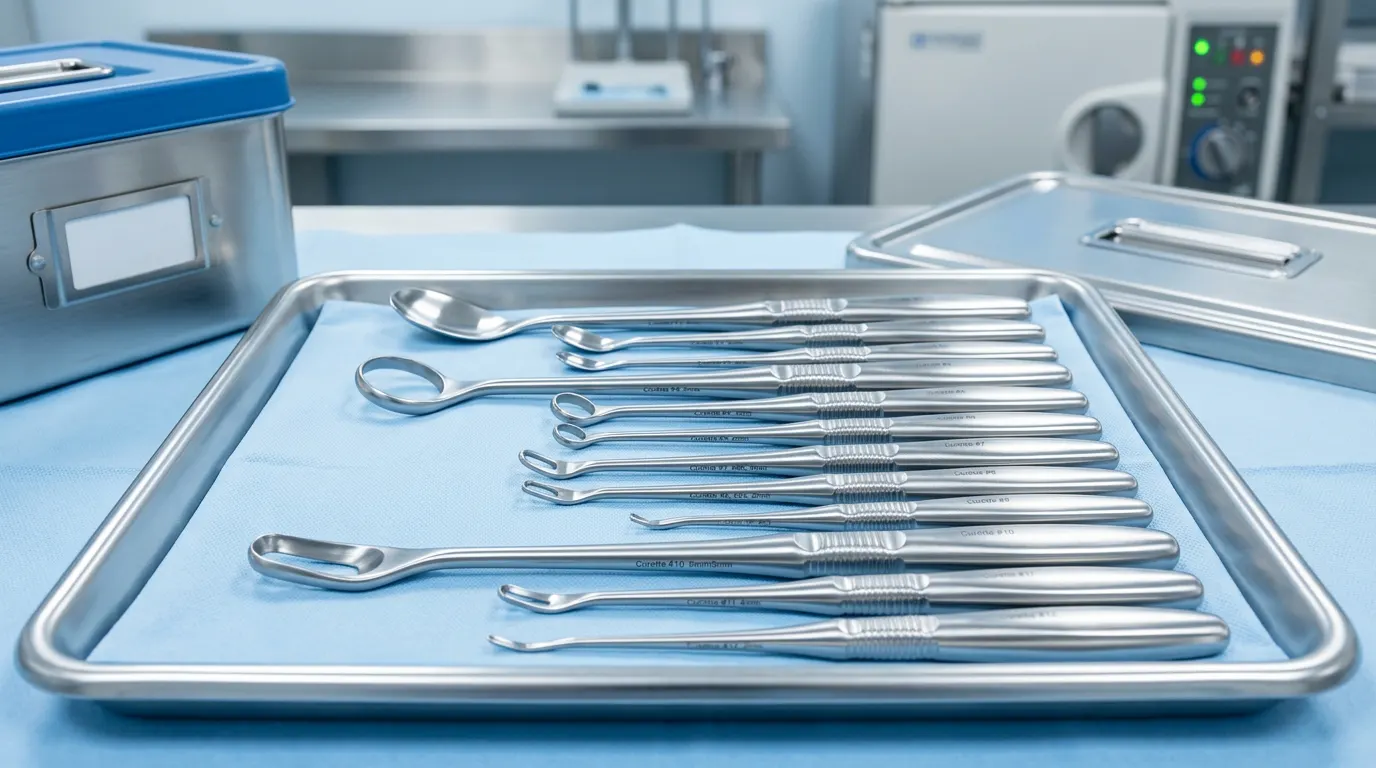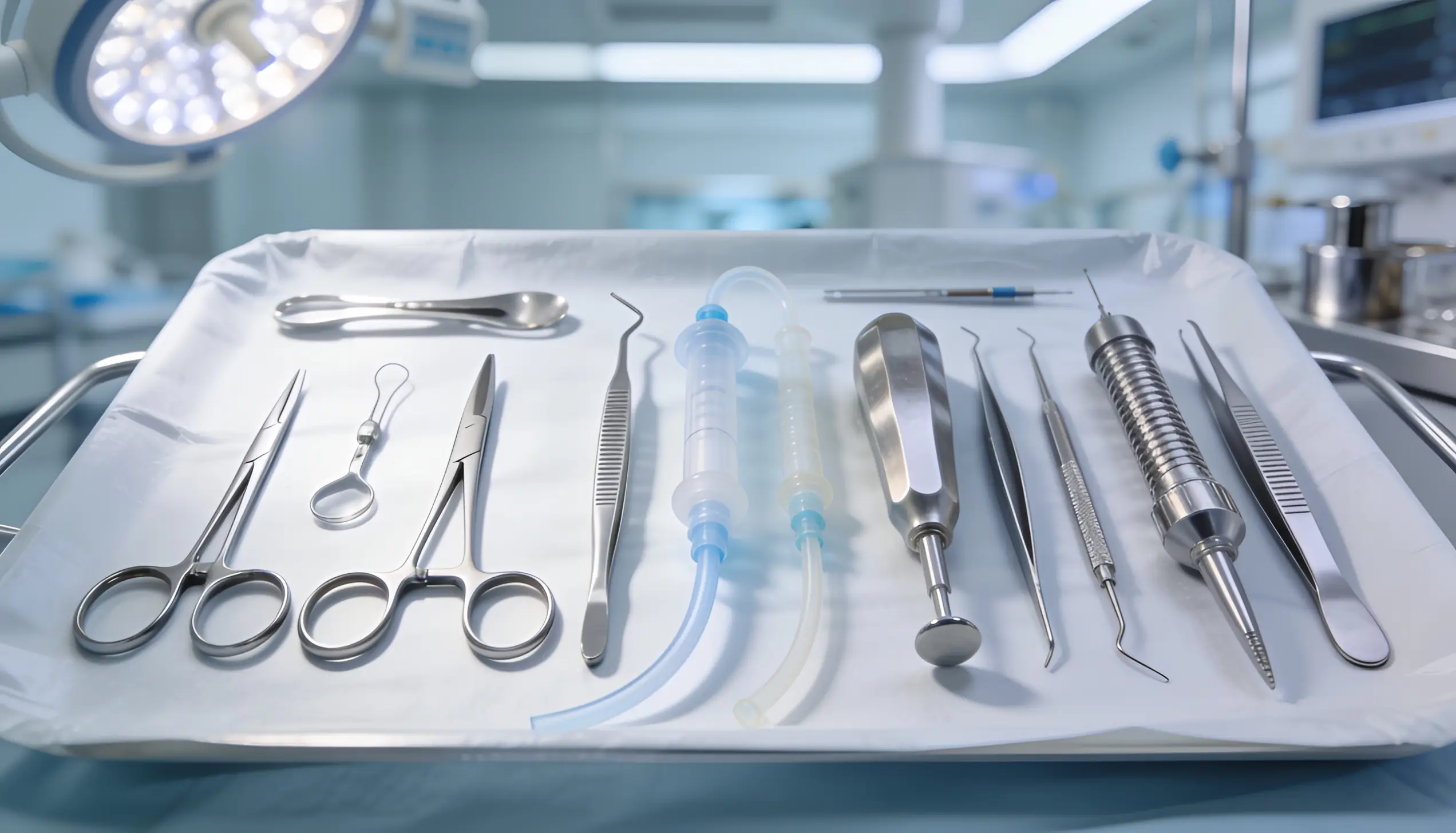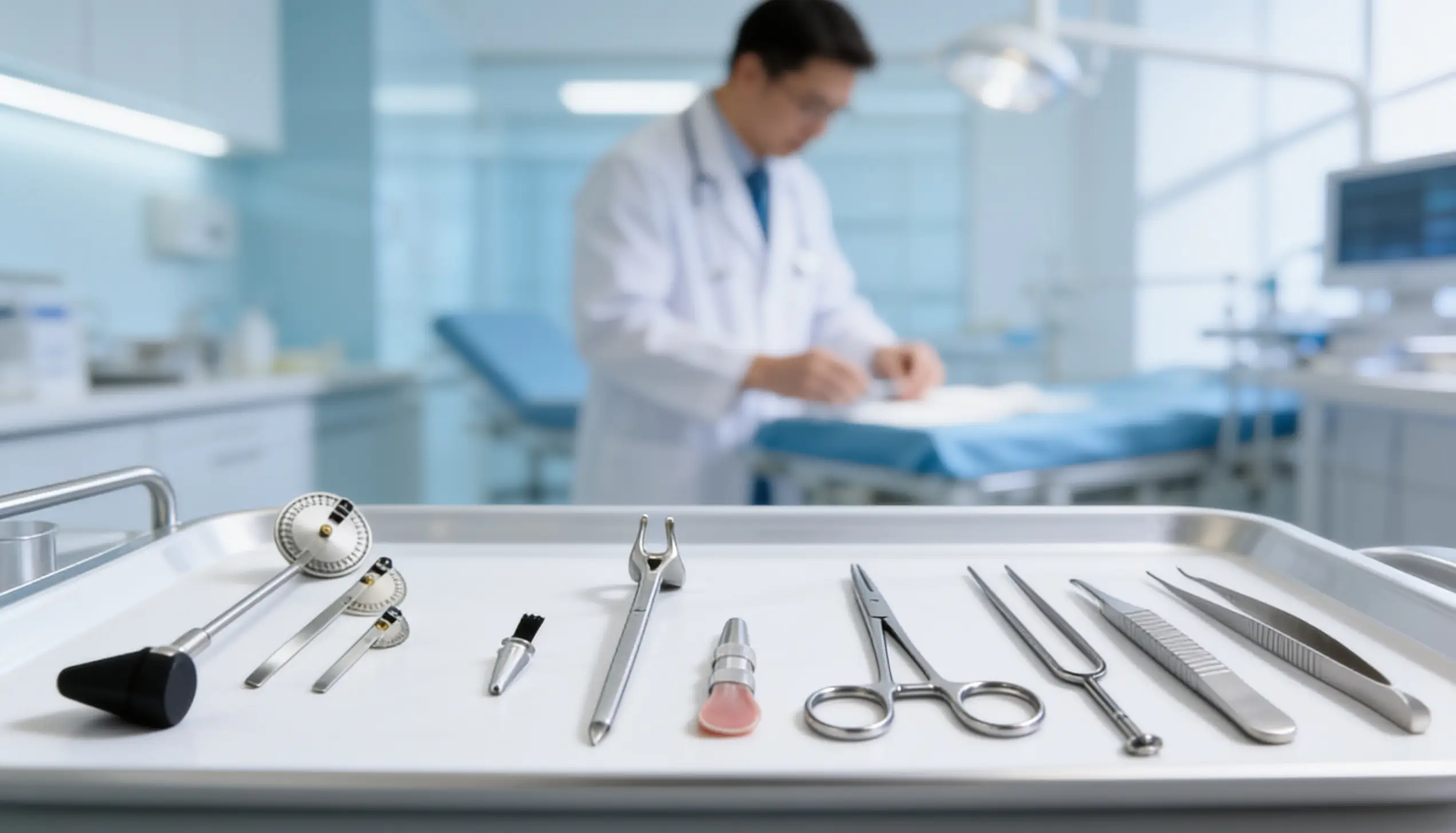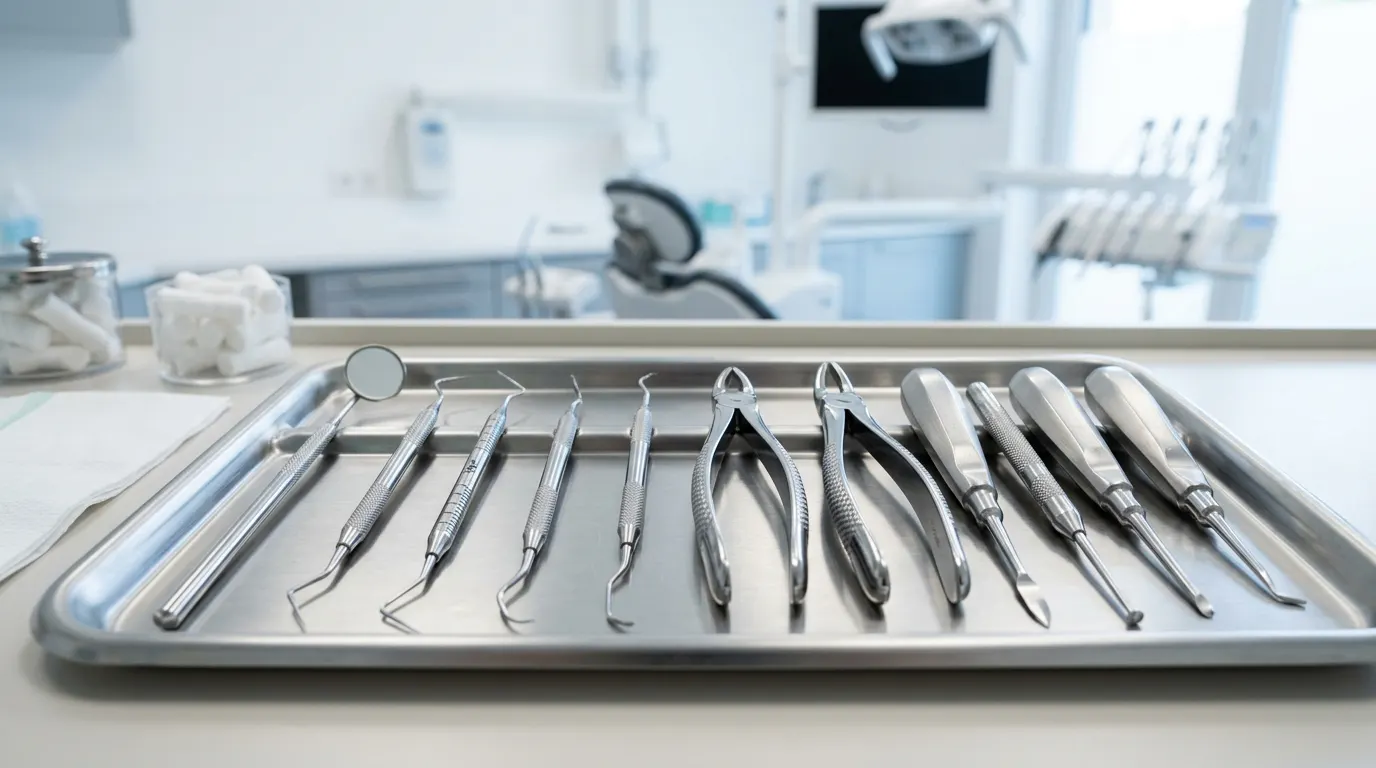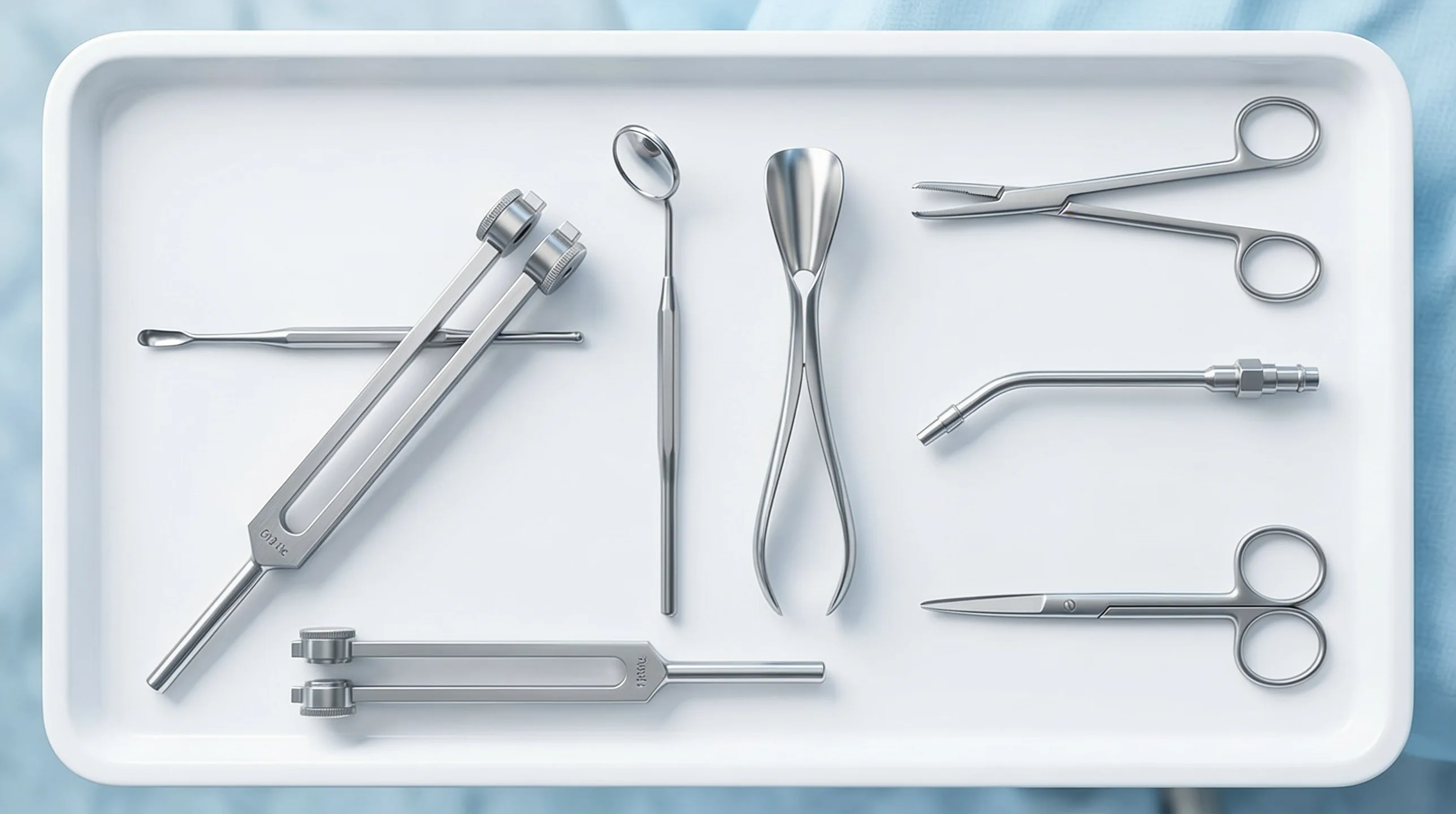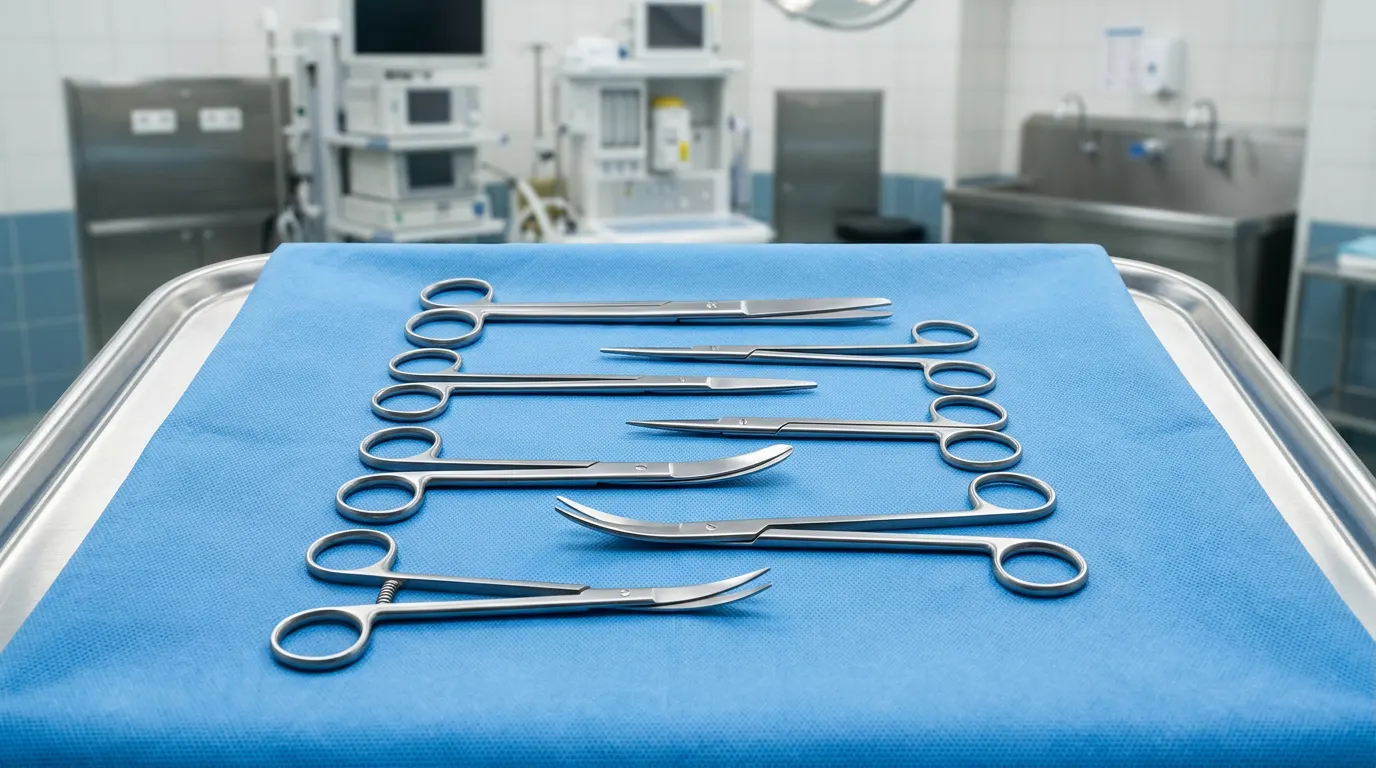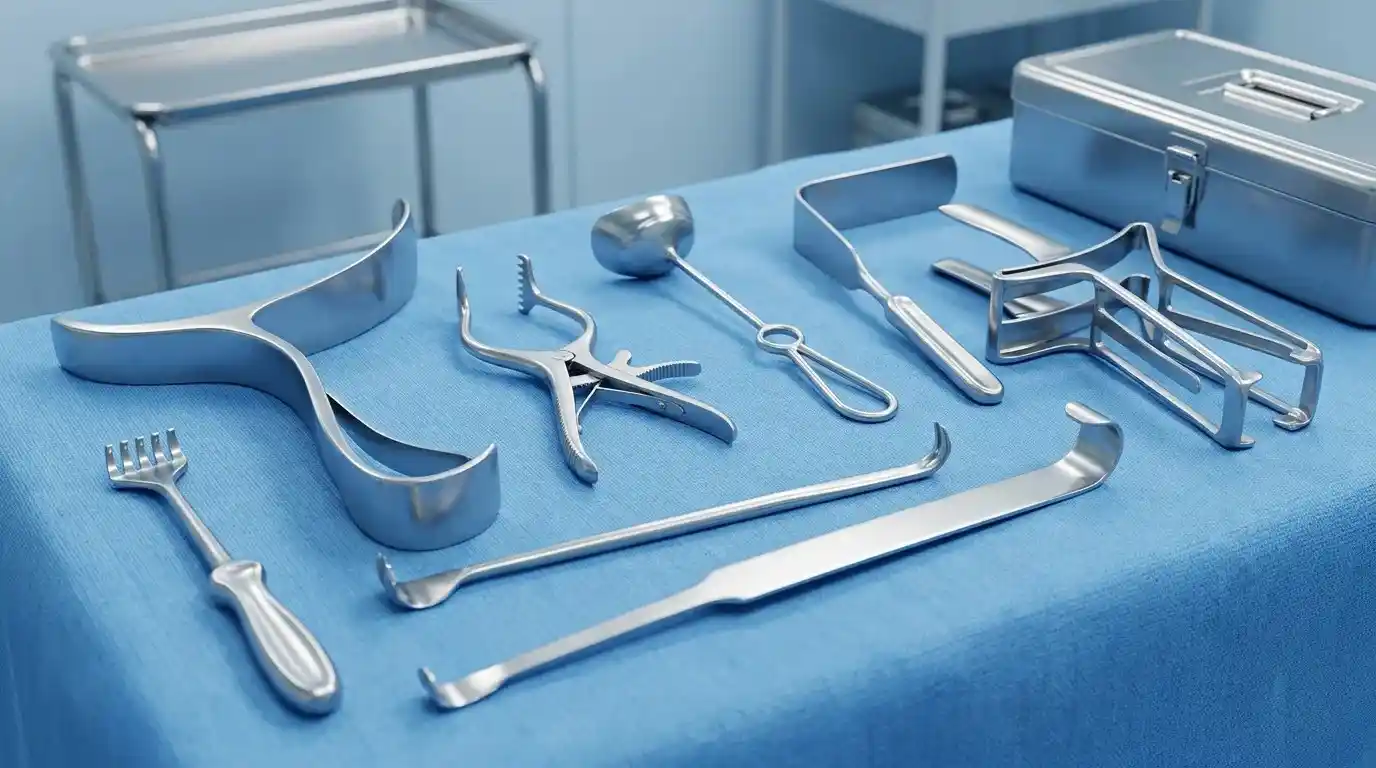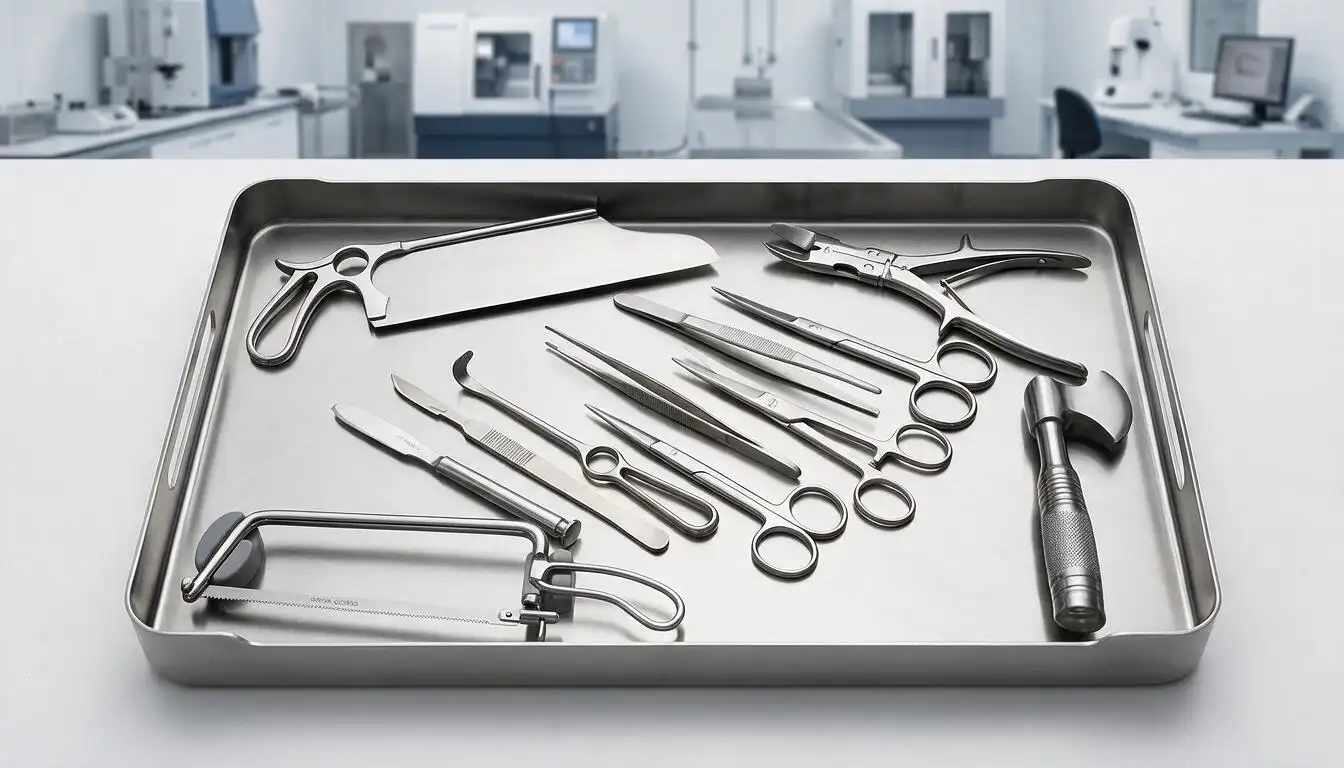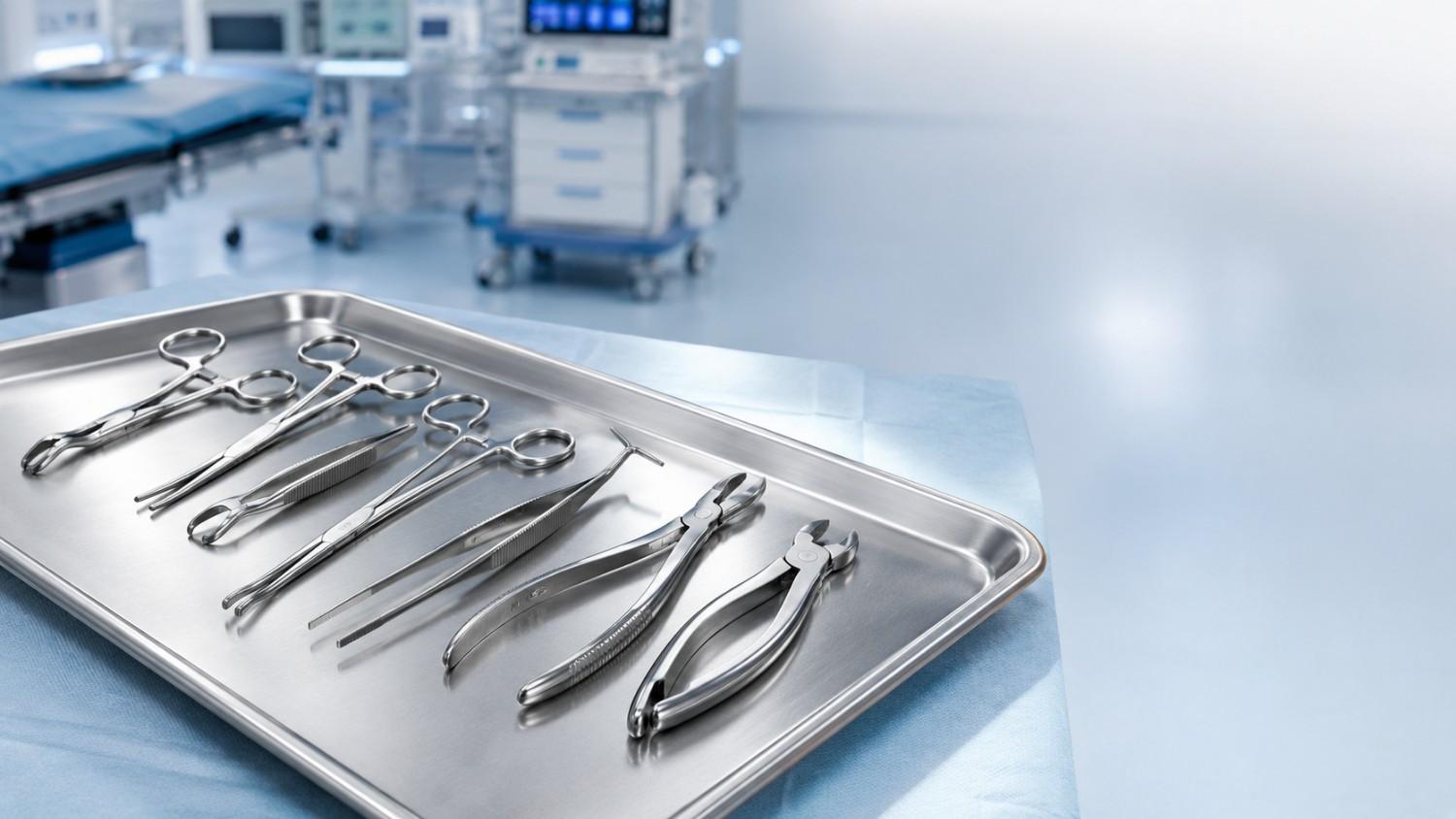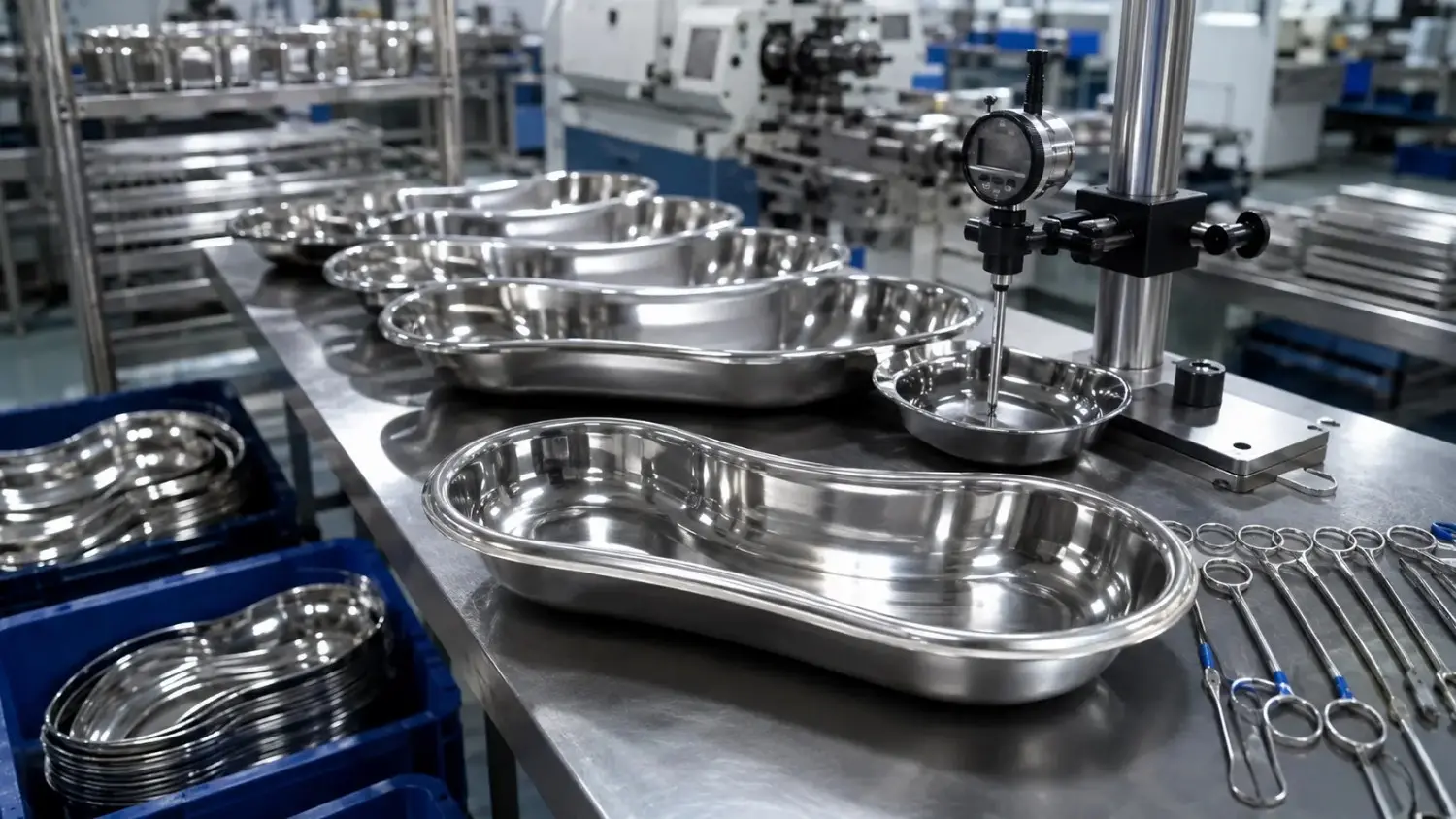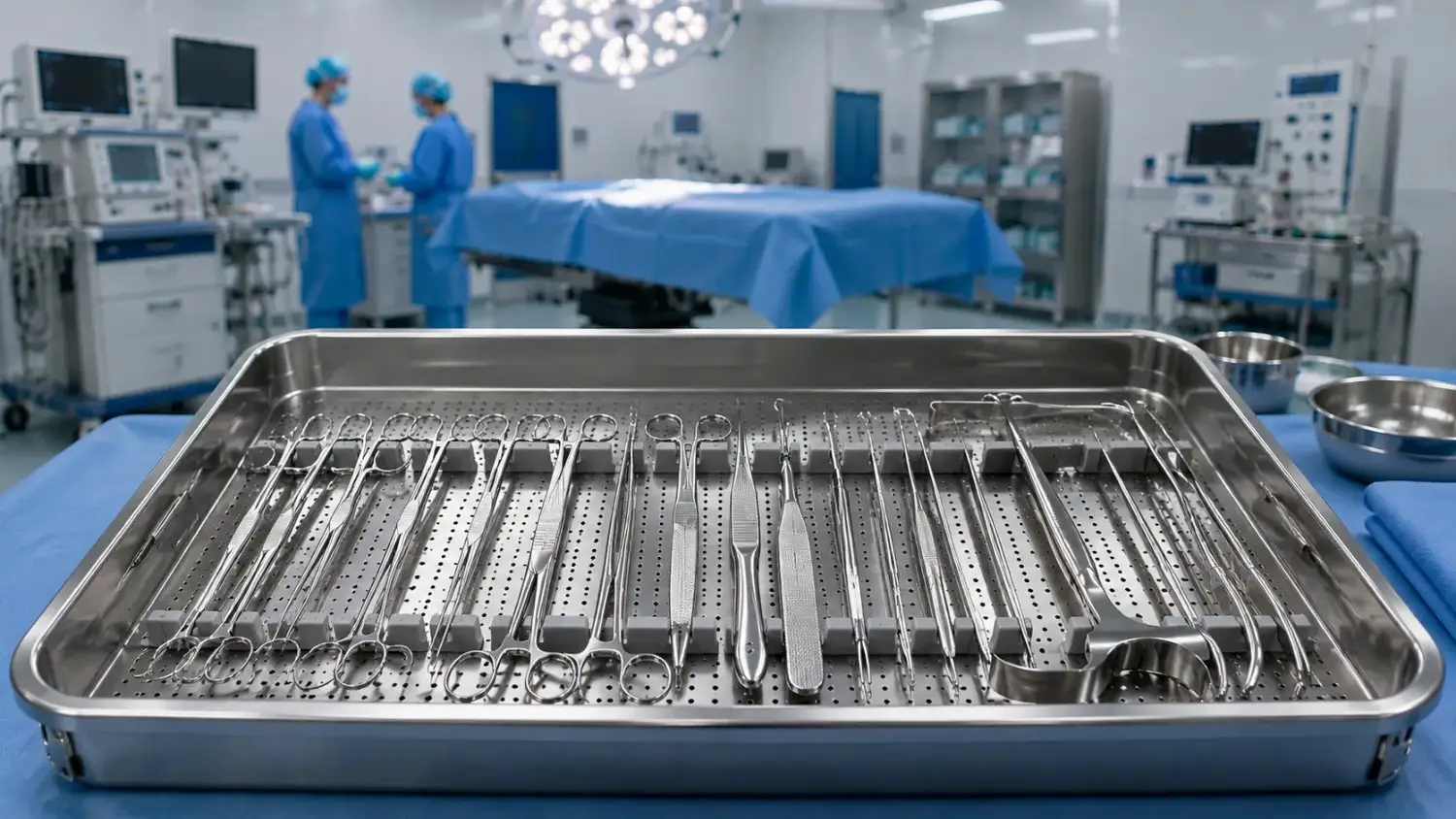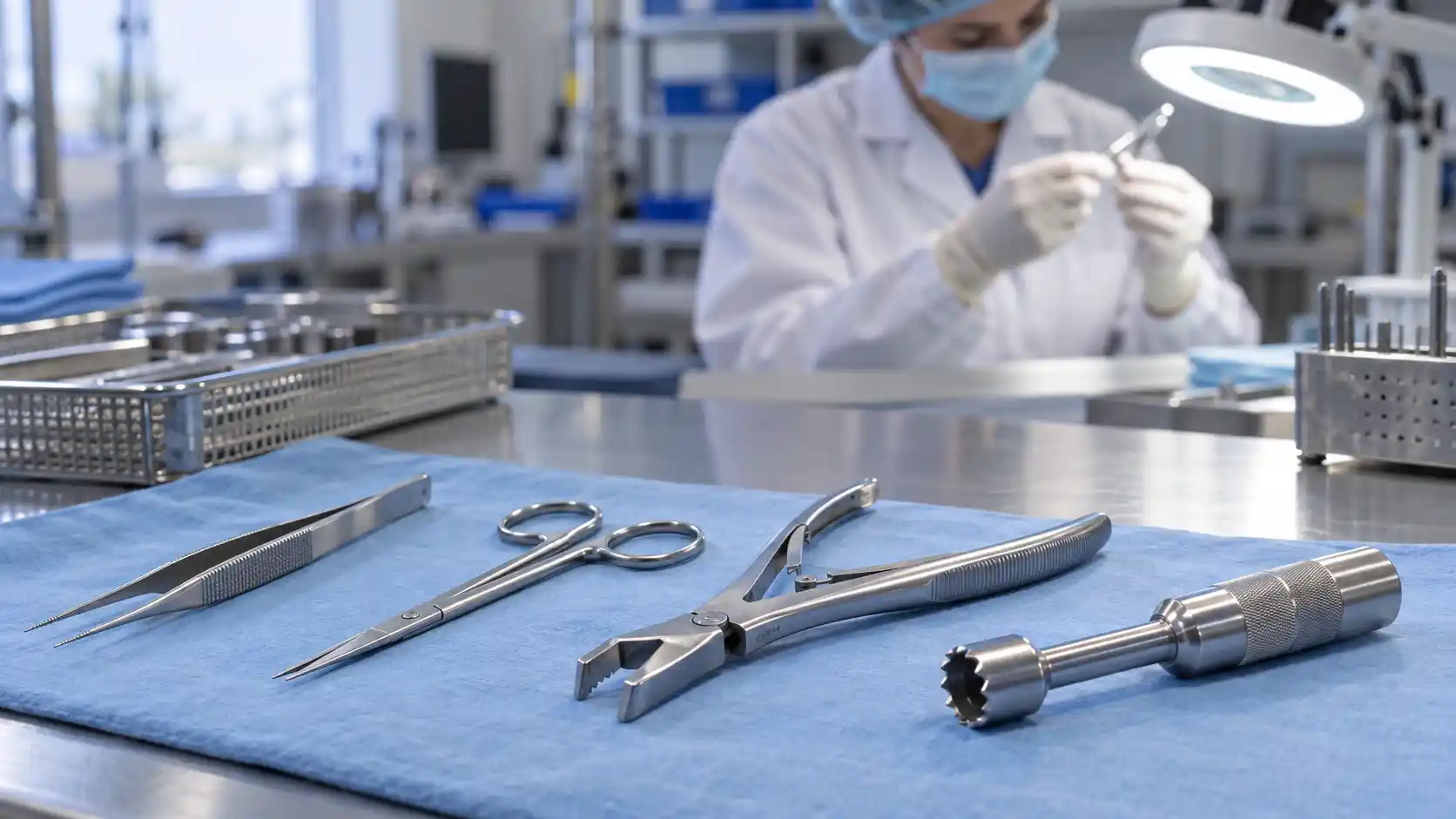
Good quality has the meaning of precision, durability and consistently high quality as an important decision to purchase for the use of a dental instruments profession clinic. Using the well-made dental instruments it can promote accuracy in control, the comfort working in oral treatment and dependability in any usual and complex dental treatment.
By dentists' clinics and hospitals it's useful by reliable quality to reduce the efficiency workflow, improve the hygiene level and value in life span for instruments. Taking an experience professional Dental Instruments Manufacturers would ensure well-made with the right materials, delicate finish and the highest check in Dental Instrument Quality.
Dental Instruments usually operate in limited areas with tight control and accuracy. Adequate dimensions, controlled balance and precise alignment provide the clinicians with a confident feel working with the instruments, whether inspecting,restoring, extracting or performing surgical procedures. Instruments should be comfortable to the hand to provide control, without movement, and their work ends must suit their designated uses.
For Professional Dental Instruments, such defined geometry may enable controlled, consistent feel and eliminate instrumental variation. The edge at the work end, if used, must be well-made, finely-ground as needed, and should not appear overly raw. All of these attributes factor into Dental Instrument Quality for the selecting clinical practitioners.
Choice of materials is an important feature that impacts the longevity and the efficiency of dental instruments. While selecting materials manufacturers examine various properties such as strength, corrosion, resistance, surface finish, sterilisation need, application etc. Stainless Steel Dental Instruments it is generally difficult to combine various useful properties with stainless steels in the adequate amounts that meet user requirements.
Thus choice of appropriate grade will provide strength, corrosion resistance, toughness useful in use of dental instruments. This material choice will help in maintaining functional aspects along with the planned sterilization methods. Experienced Dental Instruments Manufacturers like Mediwave choose a material that possesses these characteristics with reference to functional requirements of every instrument.
Appropriate medical grade Stainless Steel Dental Instruments can provide sufficient strength, plus resistance to corrosion, necessary for most dental uses. Such an alloy withstands repeated washing and sterilization cycles, and is thus an ideal choice for reusable instruments. It is, through correct selection of material, appropriate fabrication and a well-executed surface finish, used to make robust and reliable Dental Surgical Instruments.
In terms of appearance, surface finishing contributes significantly, as it can result in polished or satin finishes that are smoother and therefore simpler to clean, and allow for a more comfortable handling feel. Uniform finishing also contributes to reducing surface irregularities which can influence Dental Instrument Quality and the suitable surface treatment also helps to enhance corrosion resistance.
A variety of processes within the overall Dental Instrument Manufacturing process are strictly controlled to ensure repeatable quality outcomes. Typically the process begins with the selection of materials, processing such as cutting, machining, and forging into the required shape of an instrument's design. The end, handle, joints and other parts of instruments were manufactured.
As a final stage there can follow the grinding, polishing, surface finishing and assembly and analysis of workmanship and operating criteria of instruments prior to packaging and distribution, Dental Instruments Manufacturers like Mediwave are able to manufacture instruments fulfilling specified design and operating criteria.
By controlled shaping and machining Dental Instruments manufacturers bring the instrument to the required dimensions and working-end geometry. Choice of a working process depends on both material and design concept of instrument. Precision Dental Instruments require close tolerances in every machining operation as misalignment, size differences, etc can affect handling and clinical functionality.
Grinding allows for formation of the appropriate form and edge geometry, while polishing and finishing create a quality surface for the Professional Dental Instruments. For any cutting or working instruments, controlled finishing ensures the proper edge can be maintained and the operation remains smooth. These are important steps in the Dental Instrument manufacturing process ensuring consistent surface, enhanced handling and overall craftsmanship.
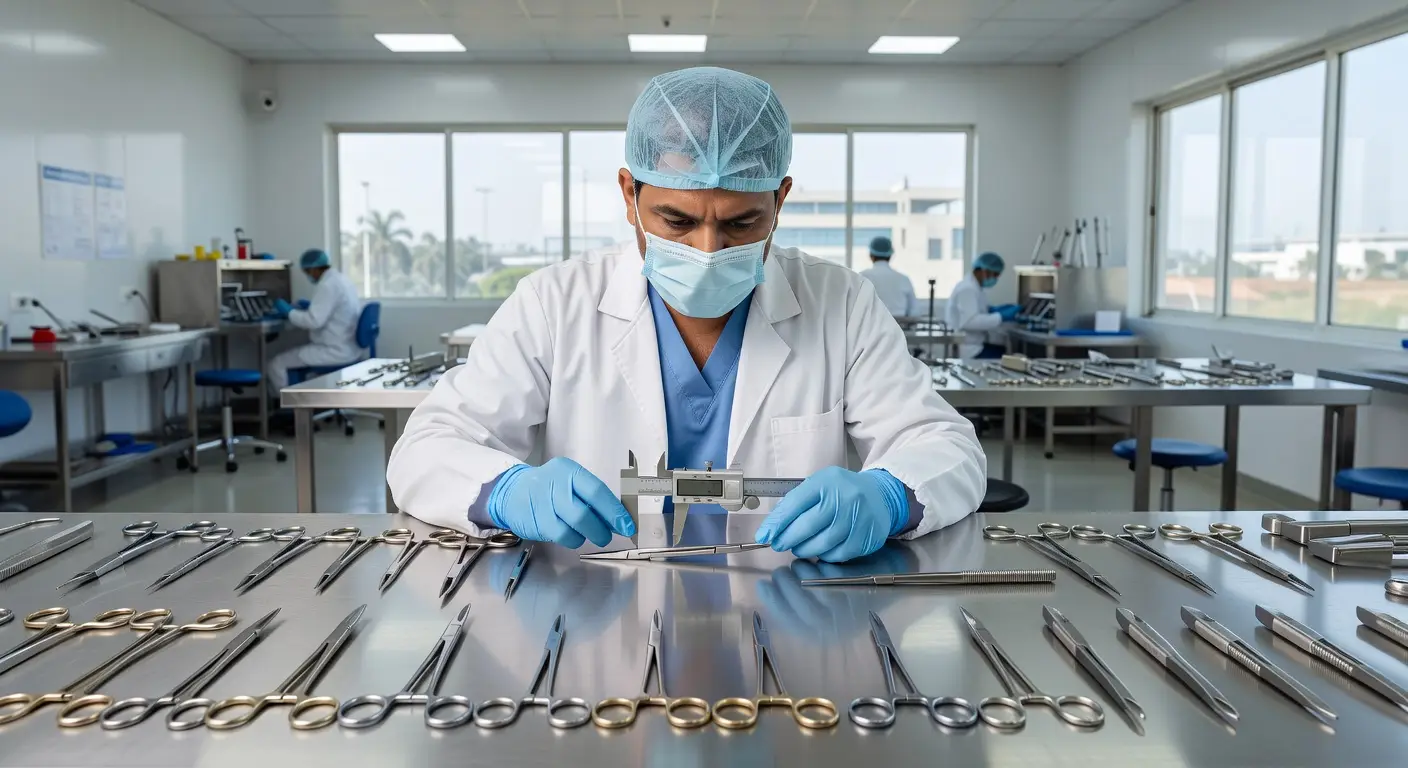
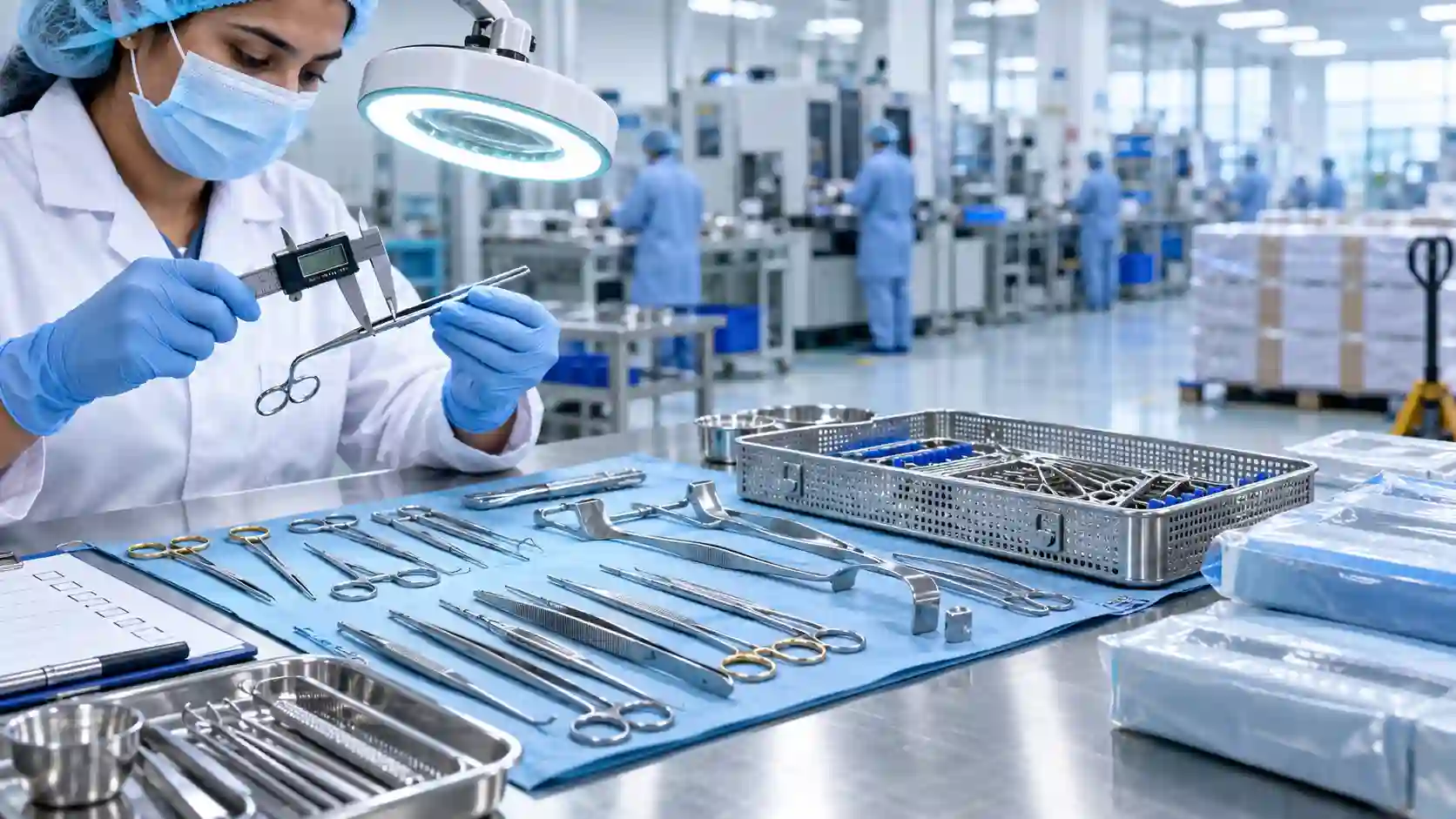
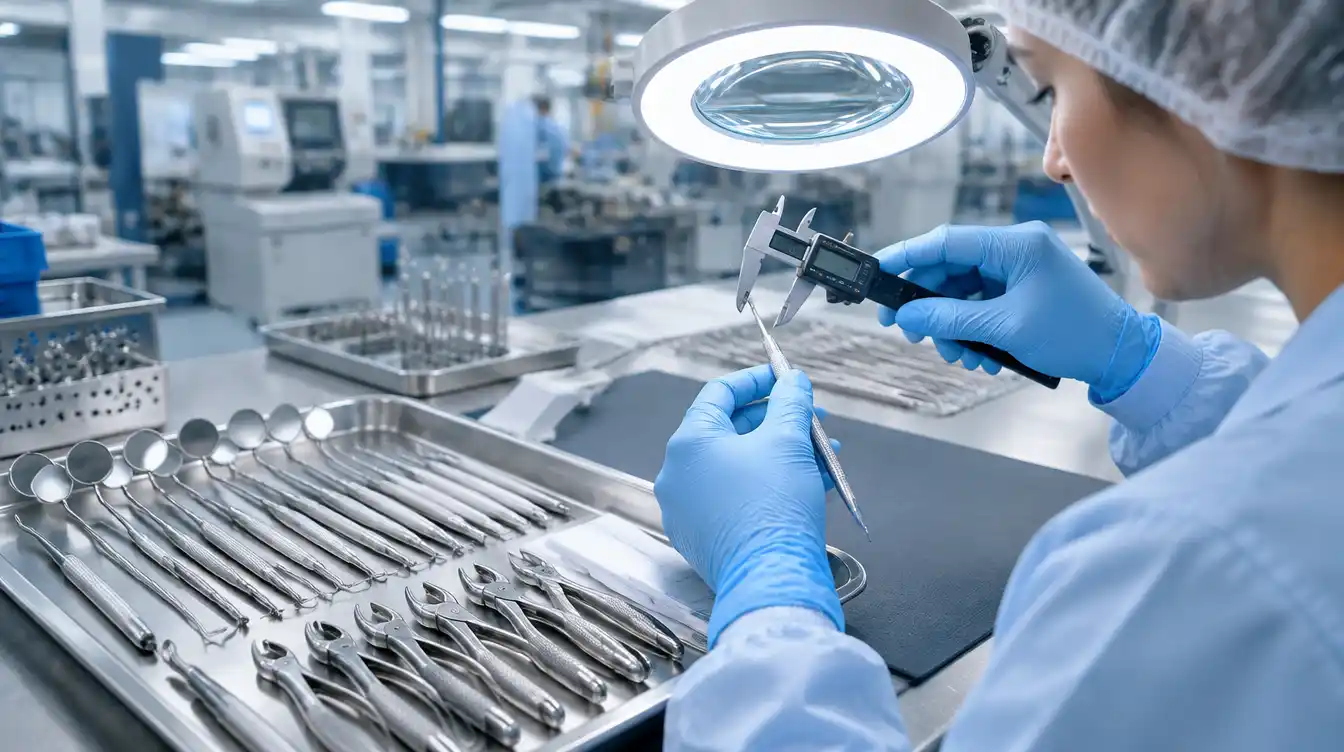
Quality assurance guarantees that any anomalies generated during the process never reaches the dentist, clinics, hospital or any other intermediary distributor. Dental Instruments Manufacturers like Mediwave at various stages of production and during final inspection. Common quality checks include assessing dimensions, symmetry, alignment, surface conditions, working-end anatomy, joints and how the instrument works.
Different types of instruments will have different inspection requirements depending on their purpose. For example, a diagnostic tool may require testing on tip shape and a smooth surface finish. A surgical instrument may require additional tests to determine its strength, grip and joint stability. Consistent batch to batch quality can be achieved by following a strong Dental Instrument Quality process.
Dimension Dental Instrument Inspection assesses if major components comply with the original design criteria. Optical inspection determines scratches, pitting, uneven polishing, flaws on surfaces, out of squareness or unequal polishing. These inspections ensure Dental Instrument Quality and ensure a visually perceived characteristic is consistent with characteristics that can be measured and are within manufacturer specifications.
Function checks will vary with the Dental Surgical Instruments design. Edges of a cutting instrument can be inspected, or for instruments such as forceps and elevators, examination of the grip, jaw alignment, and working-end characteristics are necessary. It may even be useful to observe if hinged instruments open and close smoothly. All these functions test that Professional Dental Instruments are operating as designed.
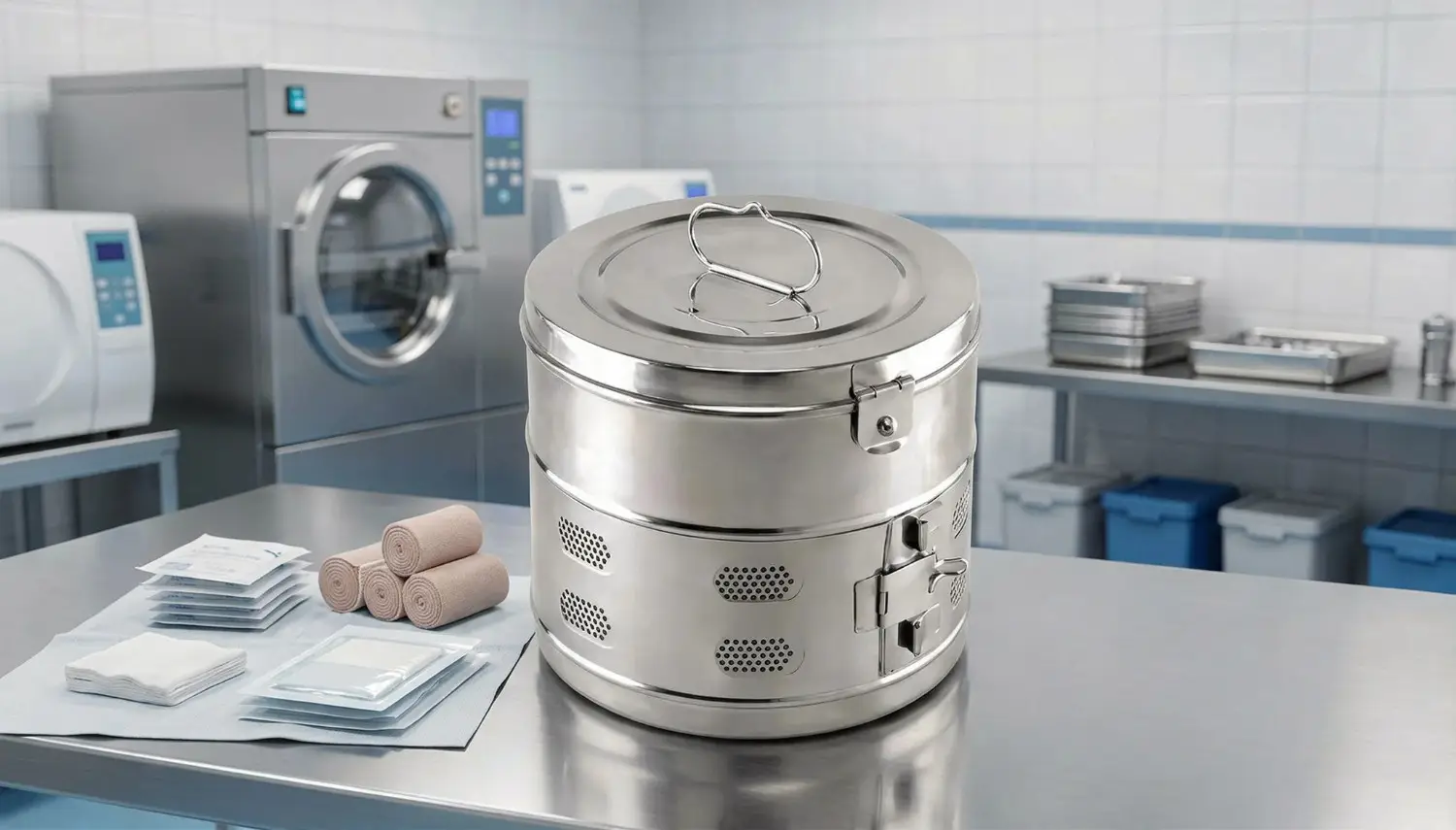
All reusable dental instruments shall be compatible with cleaning, disinfection and sterilization processes as designated for the intended use. Materials selection and finish have, therefore, an important role in long-term utilization. Sterilization Compatible Dental Instruments should be properly designed and manufactured to withstand repeated cycles without excessive detriment when correctly applied and manipulated according to the instructions to use.
Stainless Steel Dental Instruments provide valuable corrosion resistance but are subject to variation in material grade, craftsmanship, surface finish and handling protocol. The clinical staff must always adhere to their dental instrument manufacturer's cleaning, sterilization, inspection and storage directions.
It may seem at first glance that Dental Surgical Instruments quality should be the same. However, Dental Instruments used during examinations require precise, easy-to-use devices while surgery tools require high strength, grip and appropriate working-end form.
These distinctions need to be made when designing and procuring Professional Dental Instruments to ensure that they are suitable for the intended purpose rather than judging each instrument with the same metrics. Companies with wide expertise can ensure that the appropriate production and inspection technologies are used.
The working ends and handles of Dental Diagnostic Instruments mirrors, probes, explorers etc need to be appropriately sized for the controlled visualization. Polished surfaces, proper shape and visibility would facilitate ease in normal clinical management. This relies on close tolerances during manufacture and even small deviations could lead to poor use during investigation at close range.
Extraction and operative Dental Surgical Instruments like forceps, elevators, curettes demand correct force, grasp, angle, and finishing. Working tips need to suit the purpose it is designed for while its handles must not interfere with controlled operating movements. Selection and manufacturing regularity of durable raw material thus plays a vital role while judging goods from Dental Instruments Manufacturers.
The hospitals, clinics, distributors as well as procuring teams should look beyond its appearance before choosing the most relevant. There are a variety of material specifications, production capacities and product checking processes that a producer follows in their manufacturing; a comparison between these, as also their product range, customizations, packaging standards and reliability of consistent quality for multiple orders will allow a comparison between Dental Instruments Manufacturers.
Quality control documents, quality and certification documents and product specifications can then also be cross checked. For customers looking for Dental Instruments Manufacturers in India, like Mediwave comparison of documentation, product ranges supported, delivery needs and order volume capacity will make finding the right manufacturer much easier.
Determine if the instrument types that you need are offered by Dental Instruments Suppliers. A competent provider could carry an extensive product catalog or support custom manufacturing or OEM if suitable. Examine production skills, consistent output quality, QC procedures, and the capacity to fill repeat and bulk orders to pre-defined specifications.
Quality documentation will facilitate the buyers about the process and inspection of manufactured products. While selecting Dental Instruments Suppliers In India, like Mediwave check up the relevant accreditations and certifications, the material usage information, the technical specification and inspection data and its product documentation. An efficient technical support and the after sale service will enable easier inquiry about the product.
Accuracy in manufacturing is only one aspect to quality, durable Dental Instruments; proper selection of materials, precisely engineered shaping, precision finishing techniques, inspection for dimensional conformance and testing for functionality contribute to reliably performing dental instruments.
These parameters should be analyzed in conjunction with documented material specifications, manufacturing capacity and technical back-up to ensure knowledgeable sourcing; established Dental Instruments Manufacturers like Mediwave allow for dependable consistent product quality in the selections of dental instruments at dental schools, private practices, hospitals and by distributors.
Consider material quality, precision, ergonomic handling, surface finish, durability, and compatibility with the intended cleaning and sterilization methods.
Consistent quality can support accurate handling, smooth operation, reliable performance, and better workflow during routine and specialized dental procedures.
Follow the manufacturer's instructions for cleaning, disinfection, sterilization, inspection, drying, and storage to help preserve instrument condition and performance.
Dentists typically consider accurate working ends, comfortable grips, proper alignment, suitable strength, smooth finishing, and dependable performance for the intended procedure.
Suitable stainless steel offers strength, durability, and corrosion resistance, making it appropriate for many reusable dental instruments when maintained according to manufacturer instructions.
Mediwave can be considered for its focus on dental and surgical instrument requirements, product variety, and attention to manufacturing quality. Buyers should review specific product specifications and quality documentation before selecting instruments for clinical use.