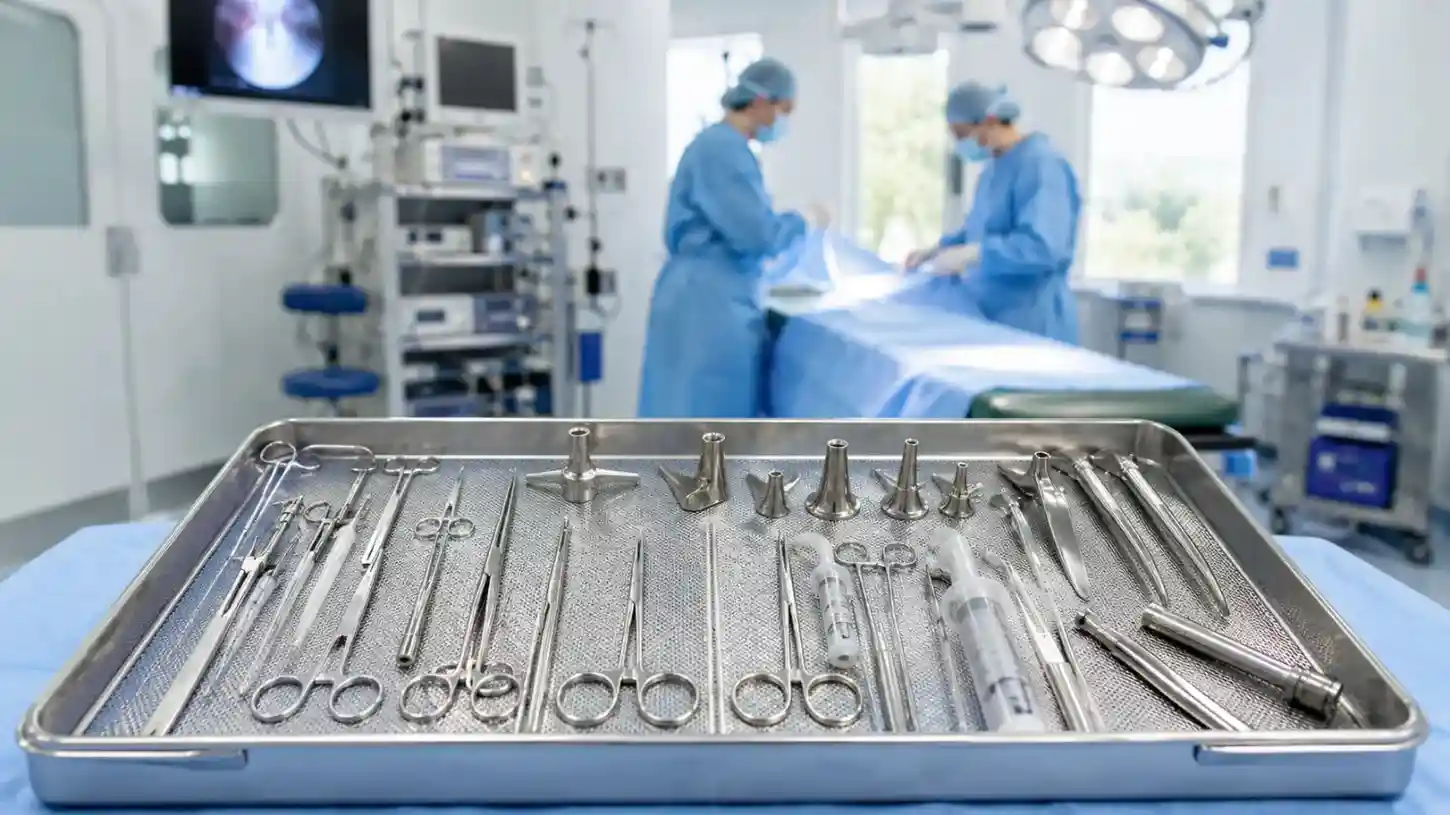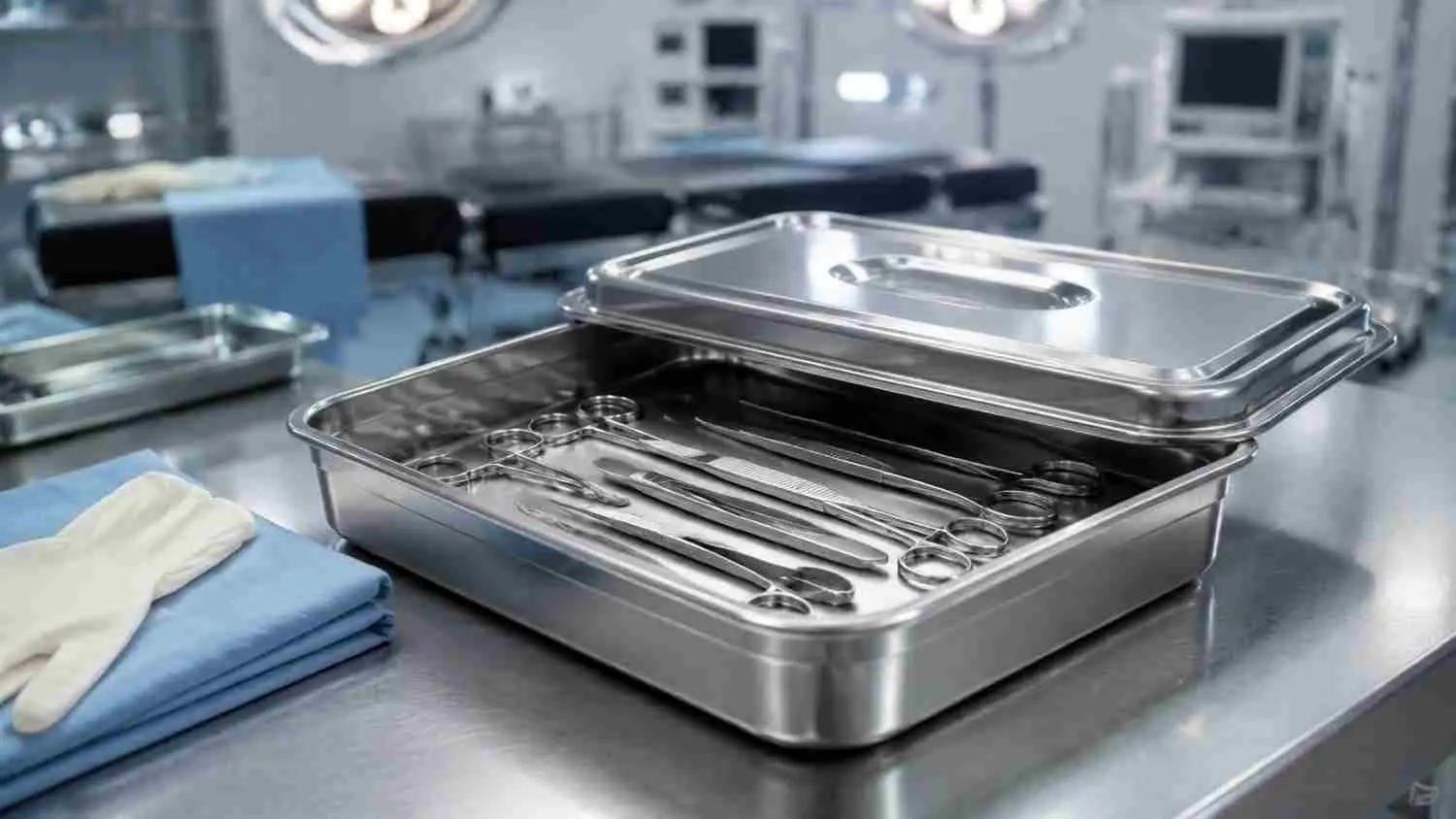
The kidney tray is one of the widely utilised surgical instruments and medical supplies in hospitals, clinics, diagnostic centers and OT rooms. Medical kidney trays are basic equipment yet hold immense utility for managing hospital waste, sustaining a sterile environment, and aiding different medical tasks. The kidney-shaped tray facilitates performing a range of clinical practices like wound care, small surgeries, dental care, as well as a part of other patient assistance protocols.
In this blog, let us walk you through the kidney tray uses, applications, benefits and what features need to look for to get the perfect choice!
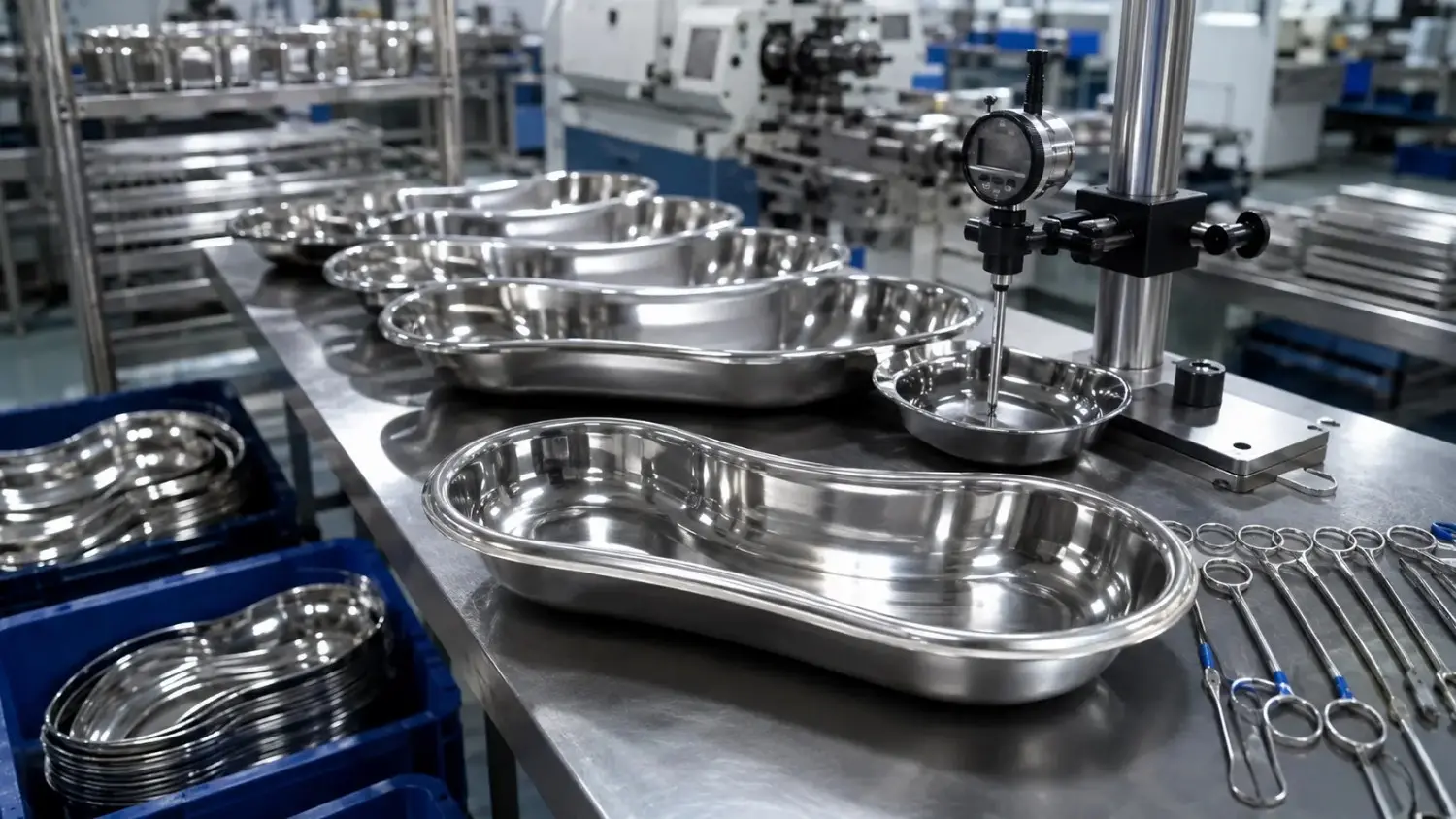
A kidney tray is a shallow medical container for holding instruments, dressings, swabs, bodily fluids or bio-waste that become available during the examination and surgery. In form, kidney trays are approximately kidney–shaped to curve around a patient and fit neatly against their body.
Kidney trays used in medical and surgical applications are typically stainless steel so that they can be repeatedly sterilized. Certain ones, though, will use a lightweight disposable plastic so they don't need to be cleaned between patients.
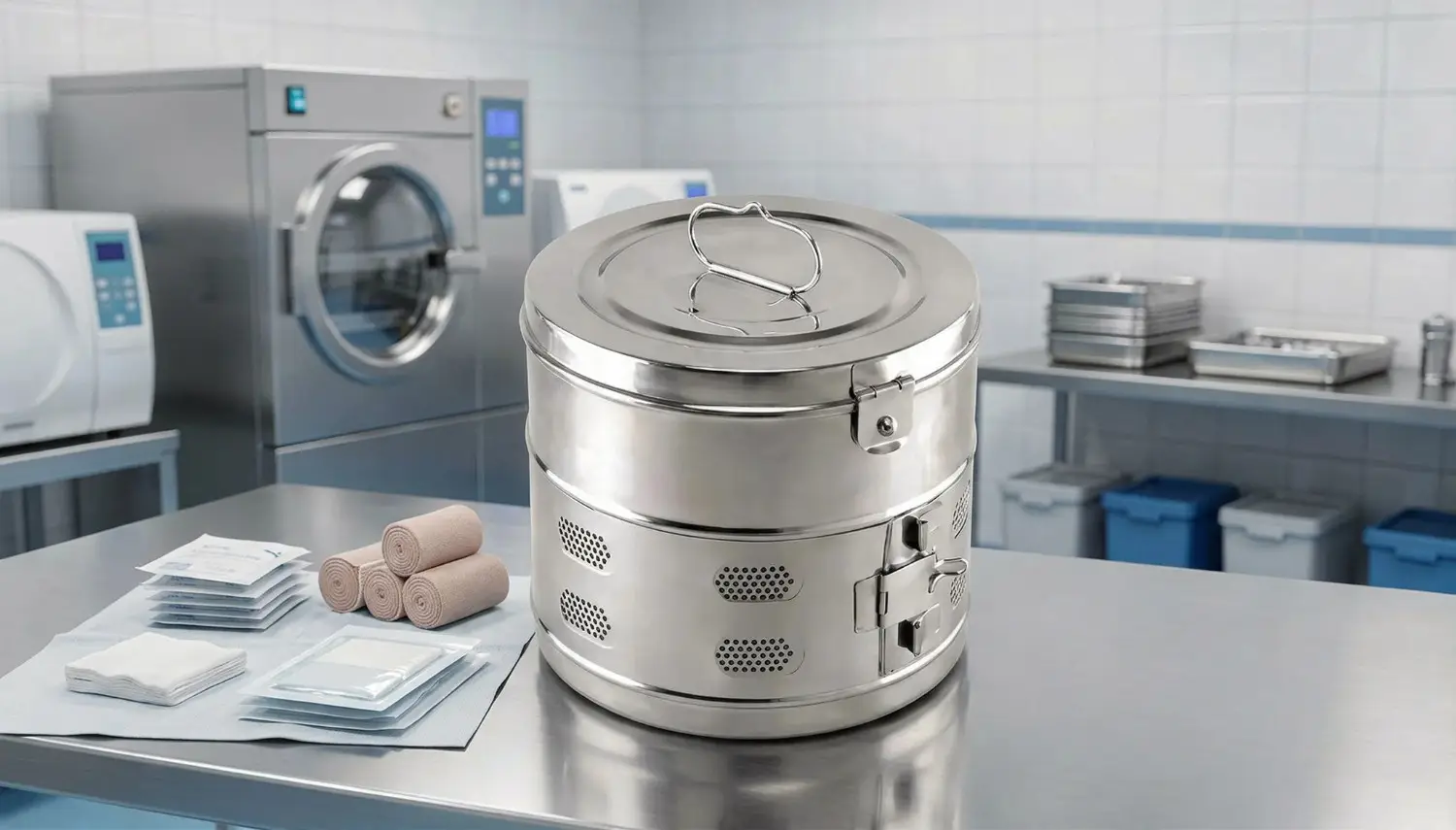
From standard plain kidneys, the option of picking up a kidney tray with lid available in various sizes. They prove to be quite useful in promoting better levels of hygiene and cleanliness in any medical practice.
This is because this tray has a curved edge, not too dissimilar to that of a kidney. The idea is that once you place the tray against the patient’s body, you won’t cause much of a spill and both the doctor, nurse or technicians can grab the materials from it while you’re carrying out the procedure on a patient.
Kidney tray manufacturers in India usually supply high-quality, rust-proof and easily disinfected steel kidney trays that sustain long-run use in most healthcare settings.
Fun Fact: “The kidney-shaped tray design has remained widely used in healthcare for decades because its curved profile helps reduce spills and allows easier positioning close to the patient during procedures.”
A kidney tray is a versatile item used in the medical and clinical industry, found in many areas throughout a hospital or a medical center, due to its multi-functional purpose and capability to be utilized by many departments.
Popular uses for kidney trays:
Looking for the best kidney tray then Mediwave is the right platform.
Did you know?
“Many hospitals keep multiple kidney tray size options available because different procedures require different capacities and instrument arrangements.”
Trays used are of different design, used in different medical setups. The frequently used trays are:
This is most commonly used in hospitals/clinics because of its high performance like it does not react, is anti corrosive and long lasting as it can survive numerous sterilization processes.
Lightweight and disposable plastic trays are excellent in use for various single uses where contamination has to be avoided. This tray is also known as. The non- reusable tray.
A kidney tray with lid contains extra layers that safeguard your sterilized instruments by protecting them against exposure and contamination when you place or carry them.
These trays are often utilized for procedures that require the accumulation of excess amounts of fluids.
If you want to buy kidney tray then Mediwave is the right choice.
As a Manufacturer and Supplier Mediwave provides sophisticated surgical instruments to cater to modern healthcare requirements. The company is a specialist in providing precisely engineered surgical, orthopedic, dental, ENT and gynecological instruments, etc for hospitals and clinics. Providing custom-made orders based on specific client needs, Mediwave assures medical devices that are safe, reliable, durable and long lasting as they use advanced technologies and top-grade materials for corrosion resistance. Mediwave adheres to all the International safety standards and follows business ethics. With trained professionals and state-of-the-art manufacturing facilities, Mediwave successfully manages bulk international orders, enabling medical professionals worldwide to enhance patient safety, surgical outcomes, and efficiency.
Common uses kidney trays for use in various departments:
Commonly found in emergency departments, hospital wards, surgical operating rooms, and intensive care units.
Aid to examine patients under outpatient settings; used with wound care dressings and small procedures.
To hold instruments, cotton rolls, suctioning material, and treatment debris.
Clinics specimen examination aid to transport specimens.
To carry out procedures such as dressing changing and wound care for patients at their homes.
Looking for the right kidney tray size then go and visit Mediwave.
|
Here is another blog you might be interested in. |
The following table talks about the technical specification of the kidney tray.
| Specification | Details |
|---|---|
| Product name | Kidney Tray |
| Material | Medical-grade stainless steel |
| Steel grade | Corrosion-resistant surgical stainless steel |
| Shape | Kidney-shaped ergonomic design |
| Surface finish | Mirror polished or satin finish |
| Edge finishing | Smooth rolled edges |
| Construction | Seamless deep-drawn body |
| Available sizes | Small, medium, large, and custom sizes |
| Lid option | Available with or without lid |
| Sterilization compatibility | Autoclave and hospital sterilization compatible |
| Corrosion resistance | Yes |
| Chemical resistance | Suitable for standard hospital disinfectants |
| Reusability | Reusable |
| Application | Hospitals, clinics, operation theatres, dressing rooms, dental clinics, and diagnostic centres |
| Cleaning method | Manual cleaning and automated sterilization compatible |
| Compliance | Manufactured according to medical equipment quality standards |
Some of the benefits are:
High levels of hygiene kidney trays limit the presence of harmful bacteria.
Stainless steel trays withstand multiple sterilization attempts over time.
The bent body facilitates easy positioning of equipment on the patient’s body.
Surgical instruments and gauze remain in place throughout the procedure.
Stainless steel trays are made of a rigid material with high wear resistance.
Long lifespan and ability to reuse reduce financial costs.
After switching over to stainless steel kidney trays with covers to go on the trays which then goes over to the dressing room. Instrument control is now a lot better, it’s faster to sterilize the instruments, and then we cut out a lot of the trays used by disposables after just a couple of months.”
Following factors consider before purchasing a kidney tray for any health institution:
Medical facilities can have them analyzed by proficient kidney tray manufacturers in India for uniform quality and standard protocols followed.
Here are some of the reasons:
A kidney tray may appear basic as medical paraphernalia; its significance in the provision of hygiene, effective practice, and the overall care of patients within the care sector cannot be understated. Kidney trays assist a broad variety of procedures ranging from wound dress and surgical processes, through to oral treatment and routine examinations.
Searching for “kidney tray near me”? Contact Mediwave now.
|
Size Category |
Common Application |
|
Small |
Minor dressing and sample collection |
|
Medium |
General patient care |
|
Kidney Tray 10 inch |
Routine clinical and dressing procedures |
|
Large |
Surgical and high-volume procedures |
Stainless steel trays are generally more durable, reusable, and suitable for repeated sterilisation.
|
Feature |
Description |
|
Shape |
Curved, kidney-shaped for ergonomic use |
|
Material |
Stainless steel or medical-grade plastic |
|
Sterilization |
Autoclavable (steel) or disposable (plastic) |
|
Usage |
Holding instruments, dressings or medical waste |
|
Sizes |
Available in multiple capacities |
Kidney tray price depends on the material quality, size, manufacturing finish, lid availability, and whether the tray is designed for reusable or specialized medical applications.
Through Mediwave hospitals and clinics can find high-quality kidney trays for long-term use and make sure to reduce the high risk of infection.