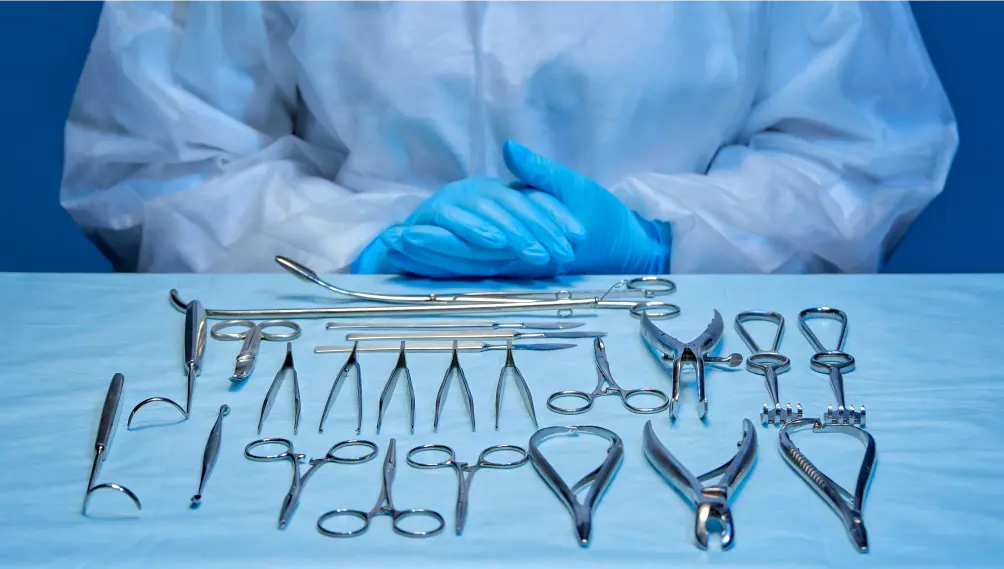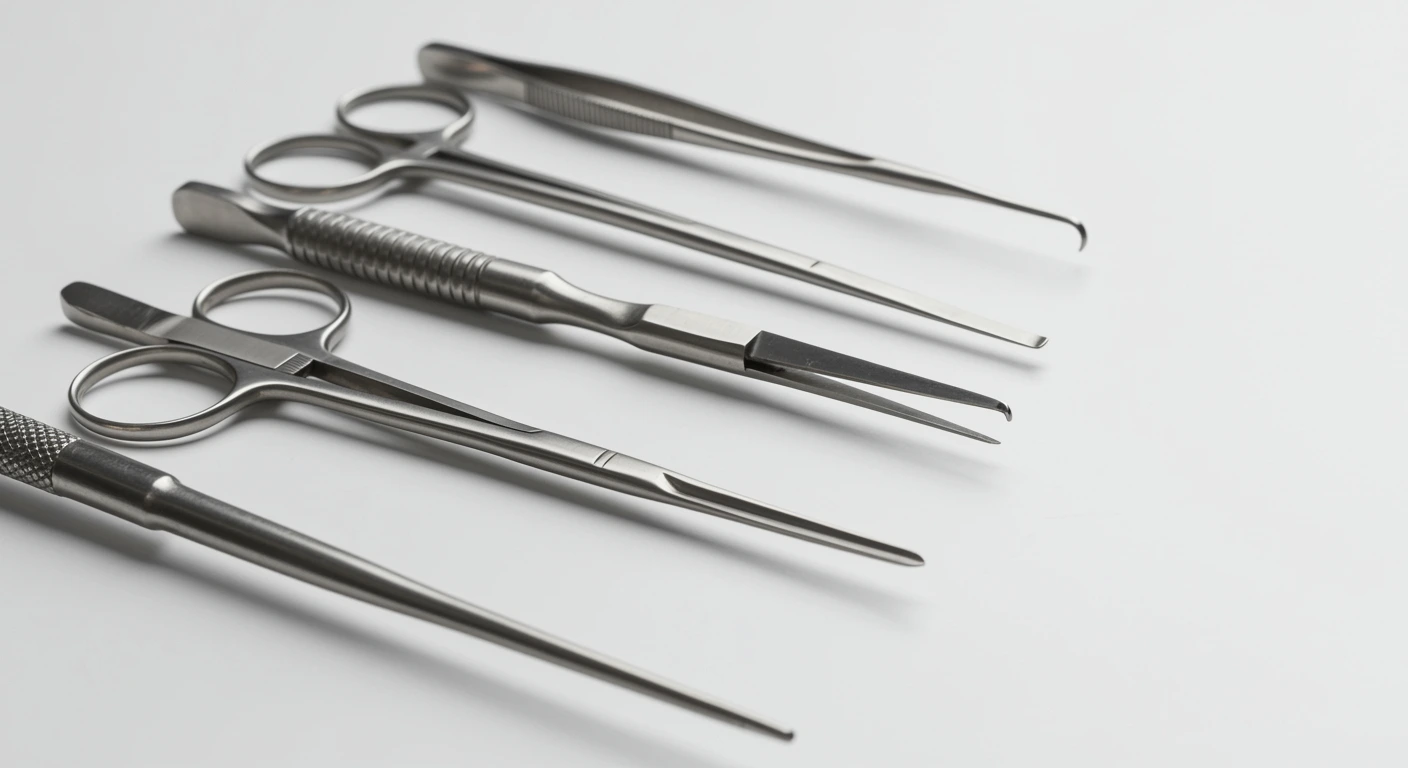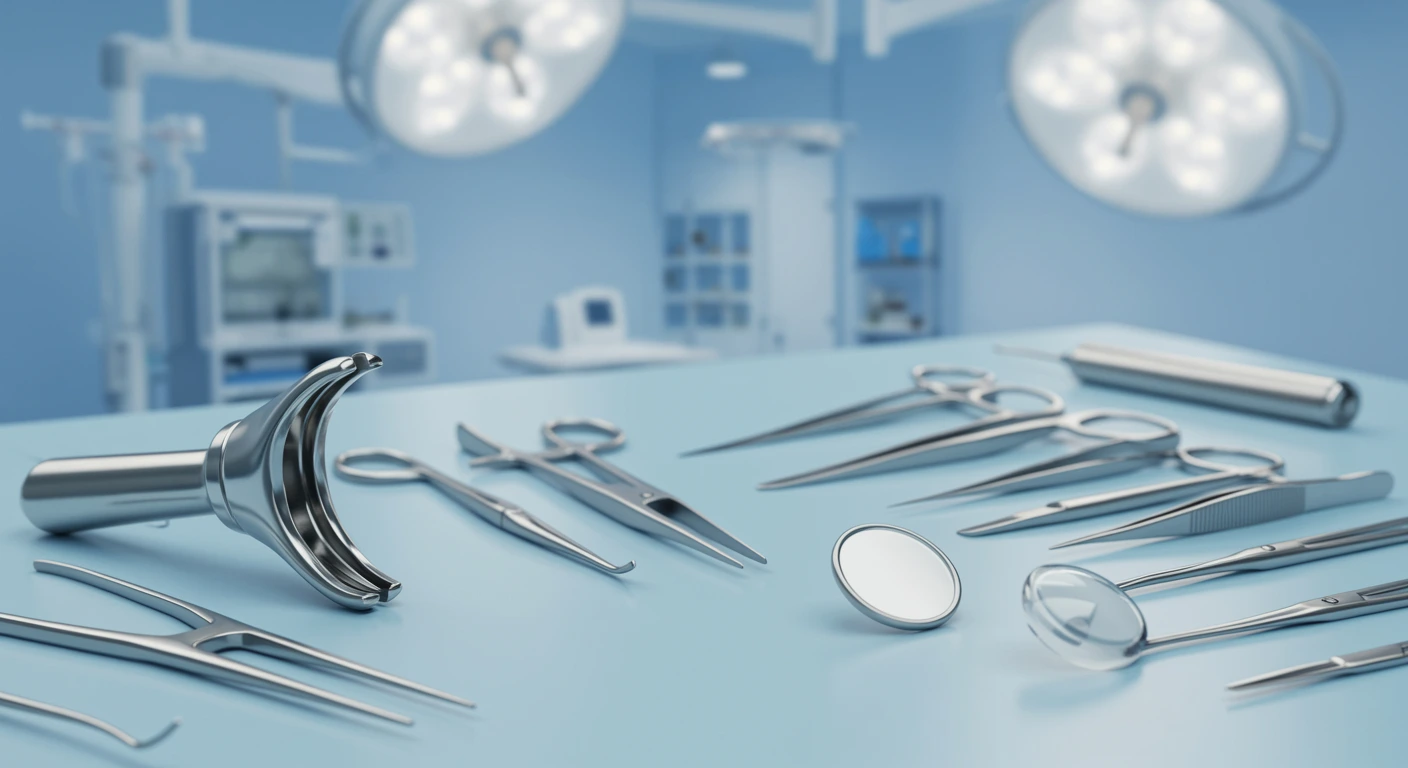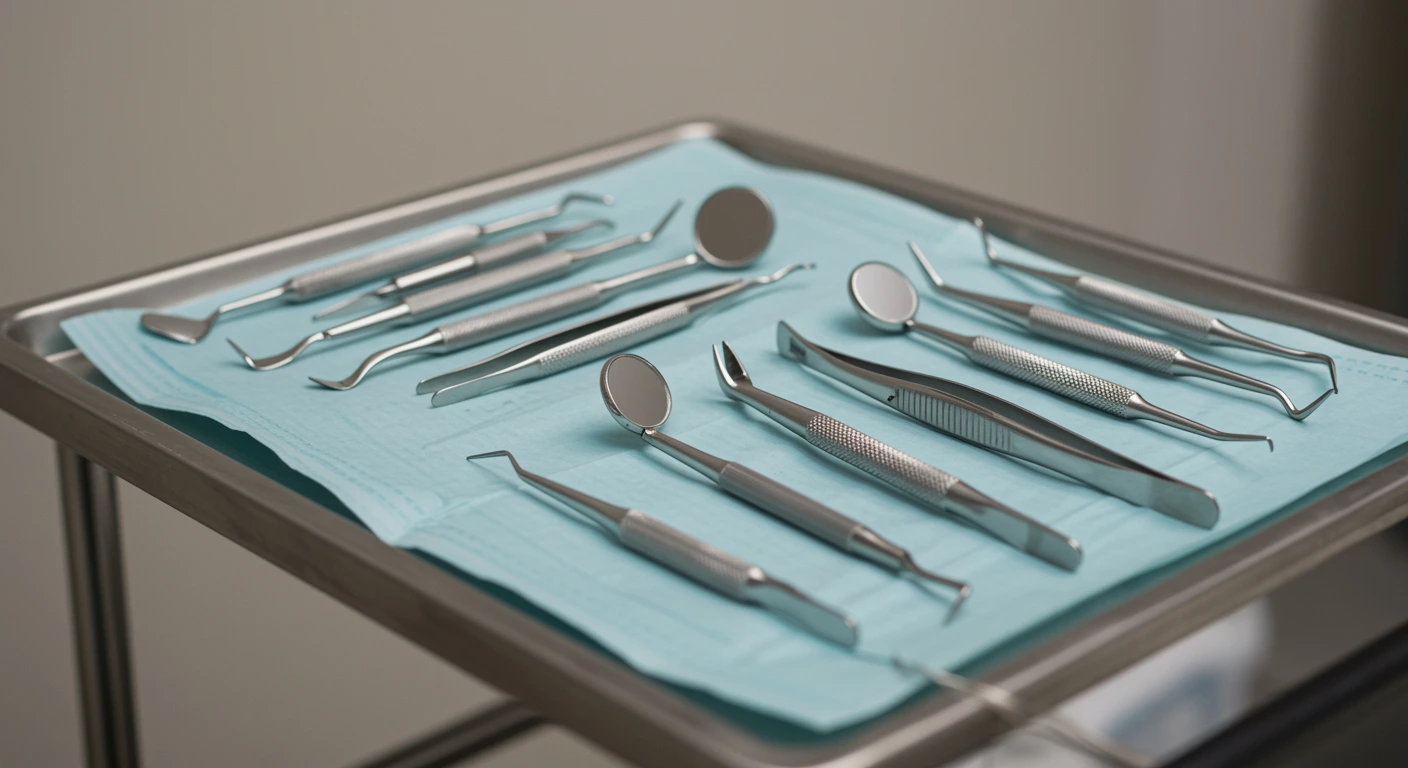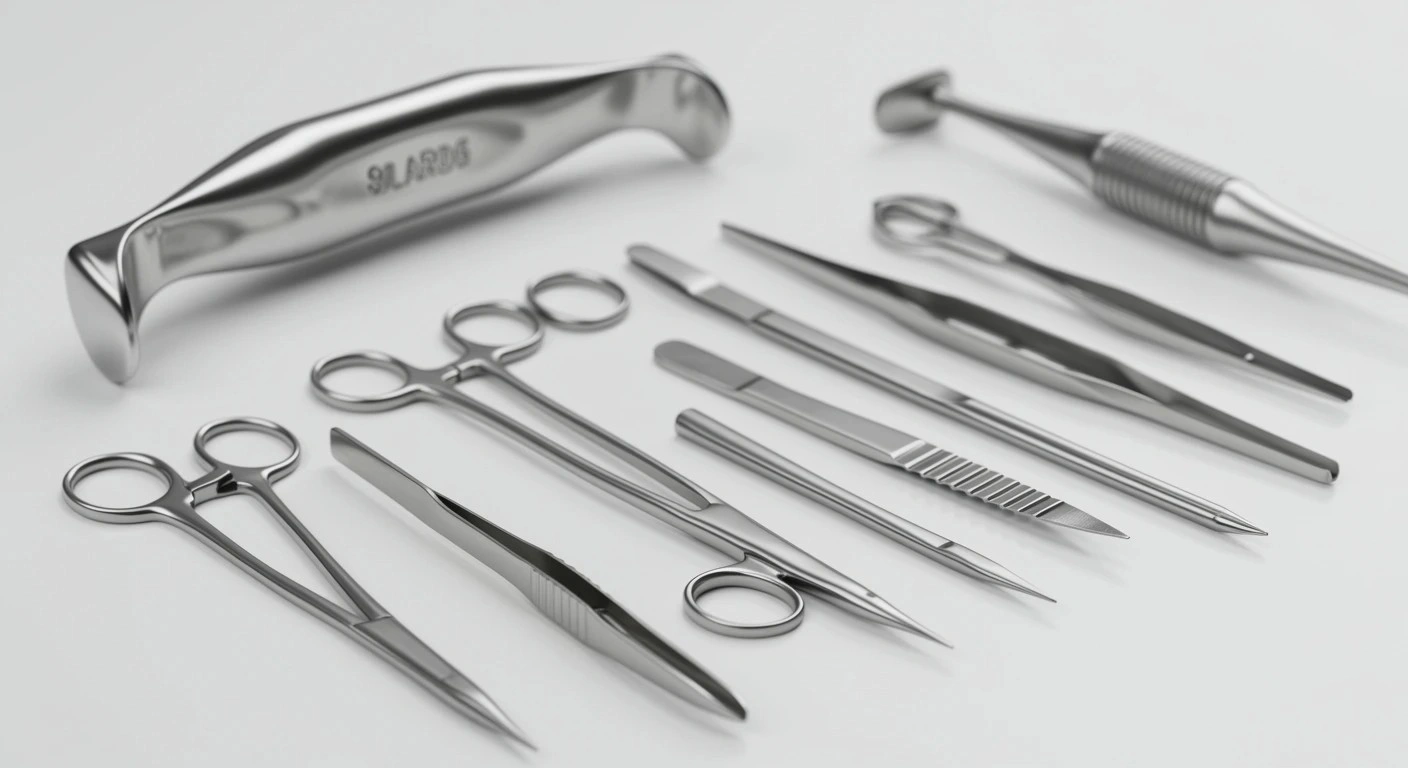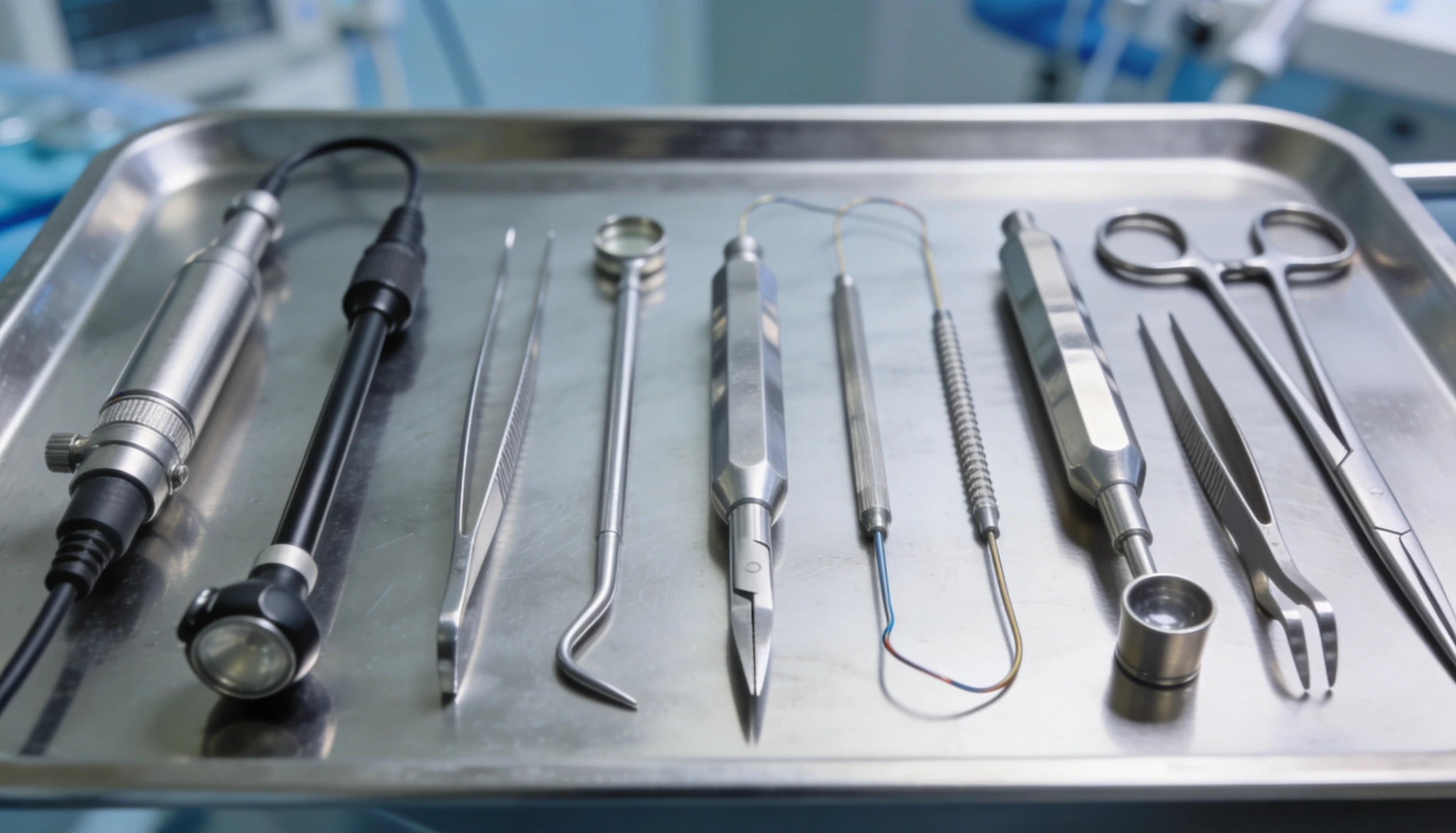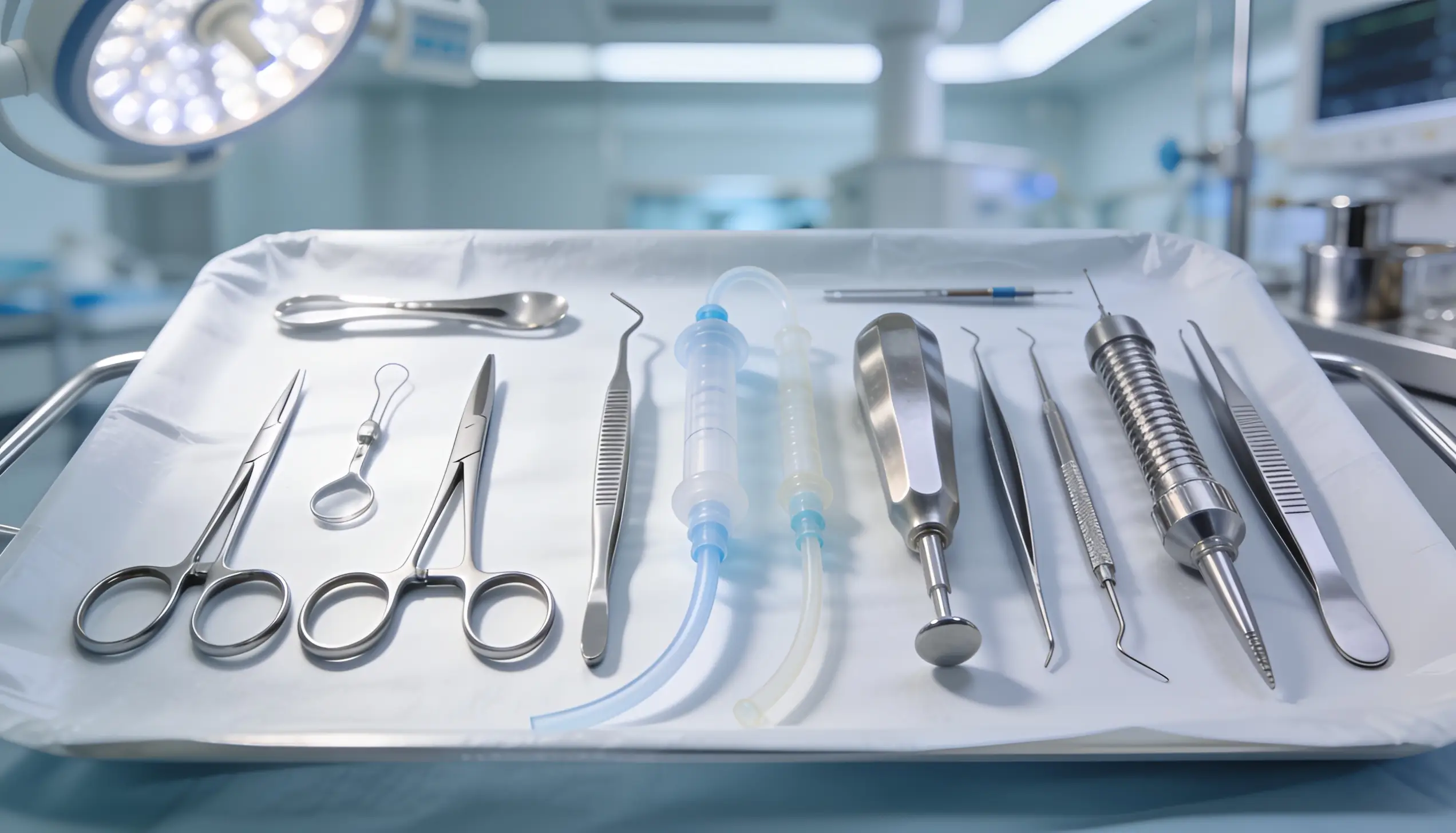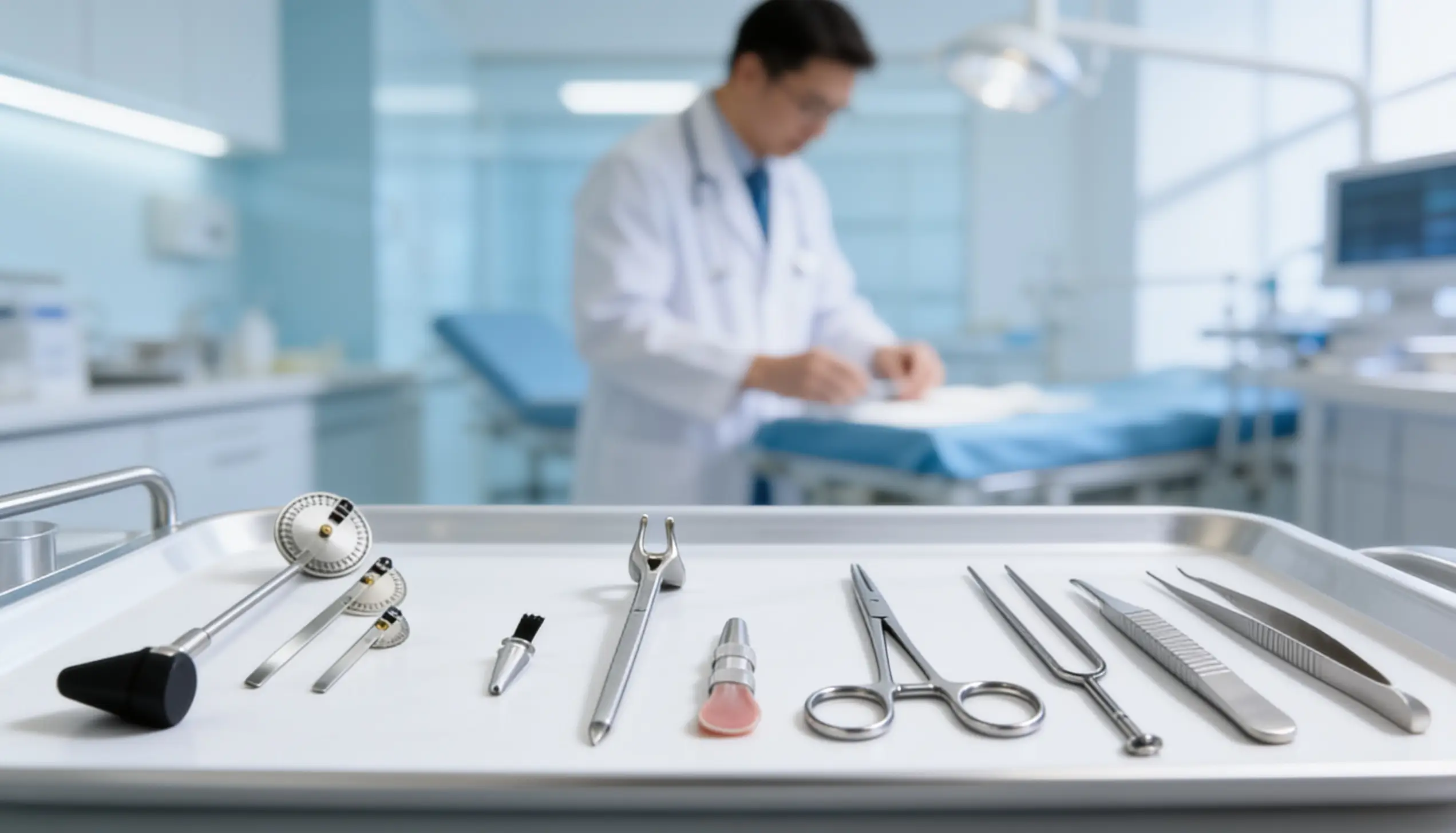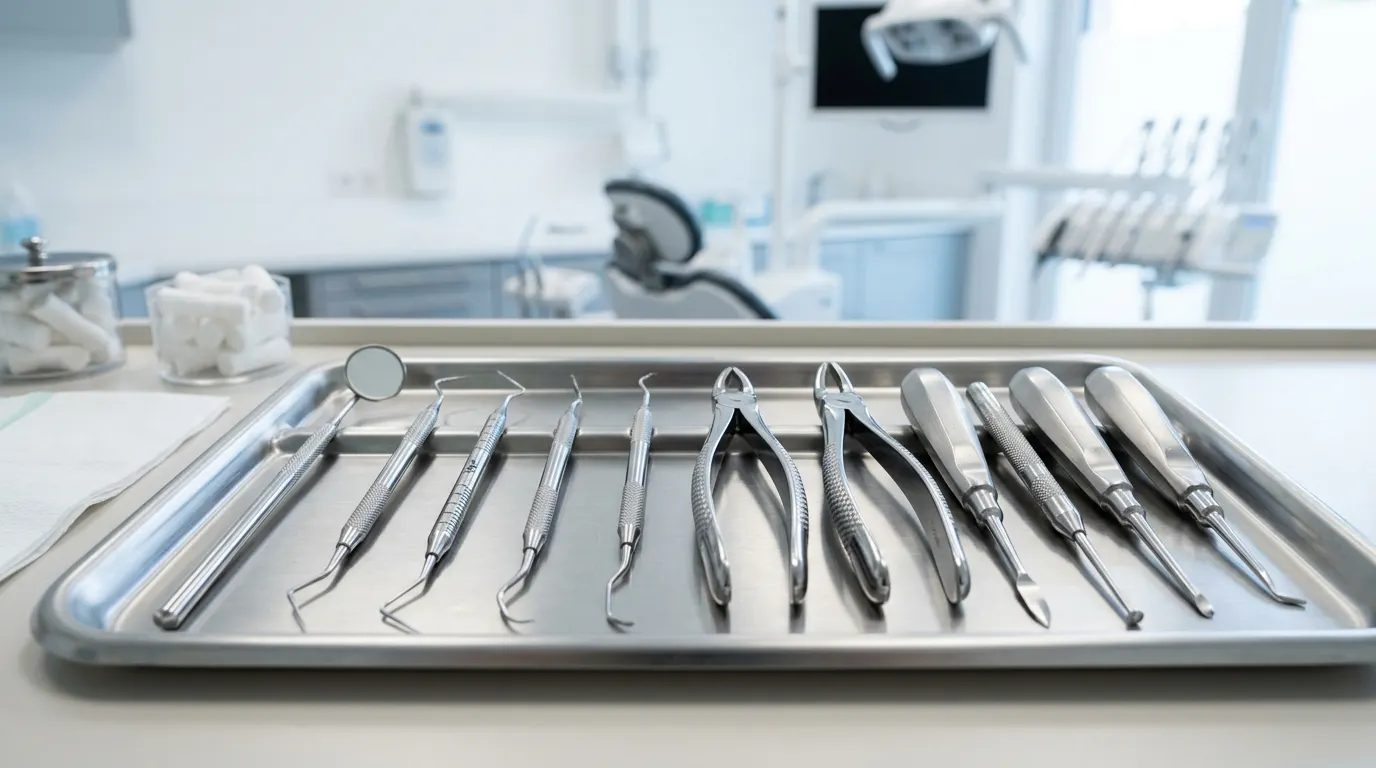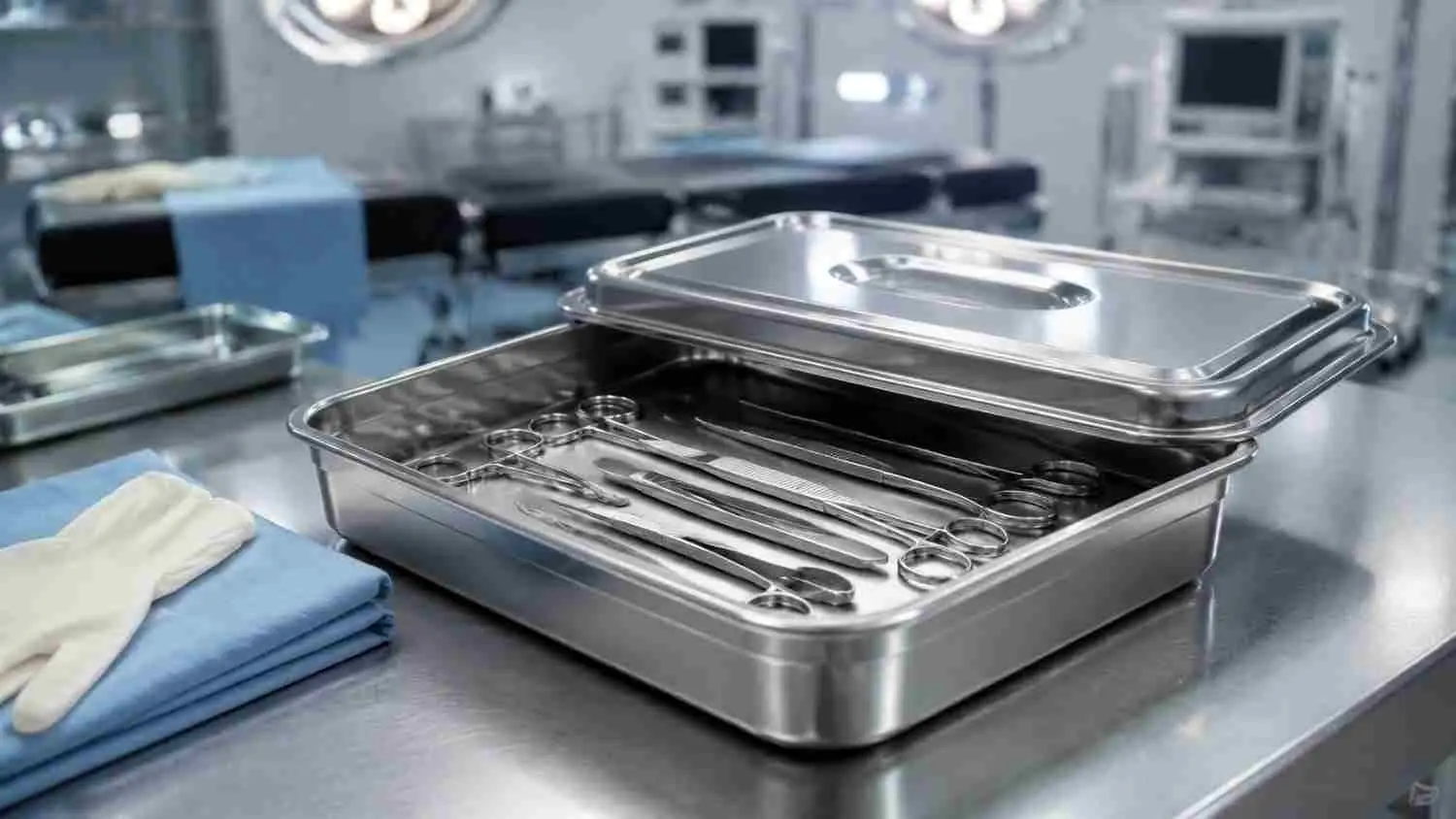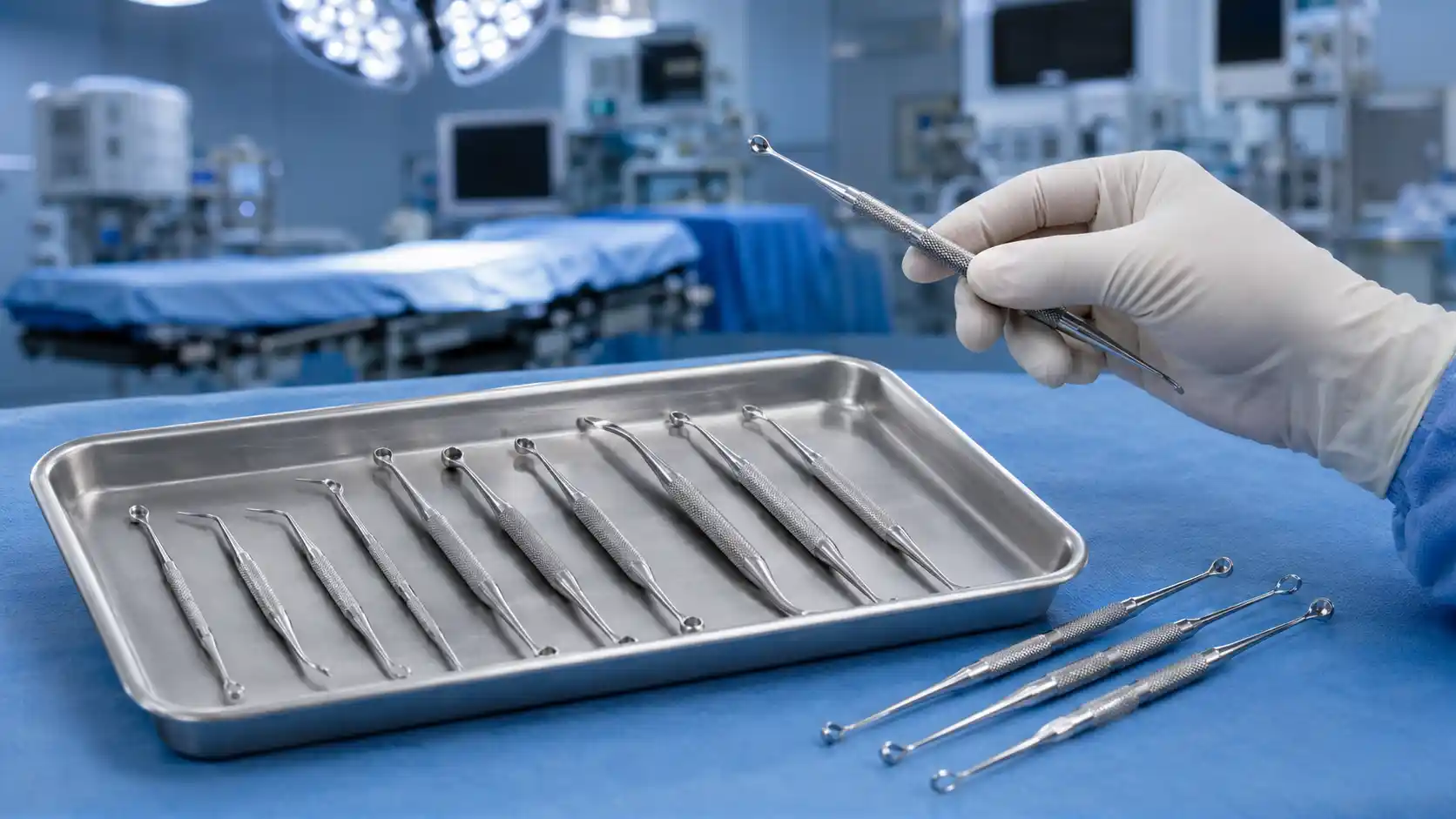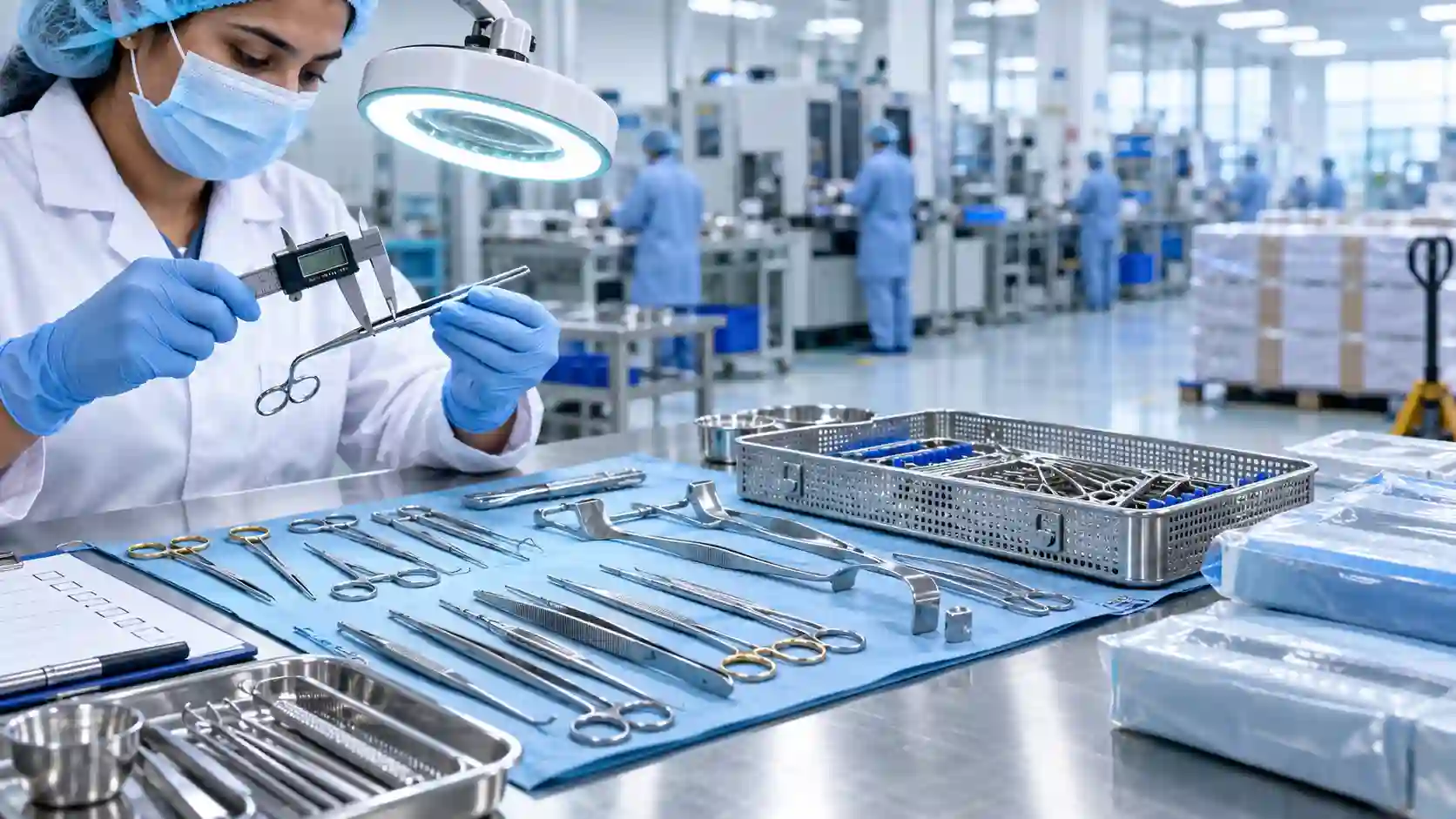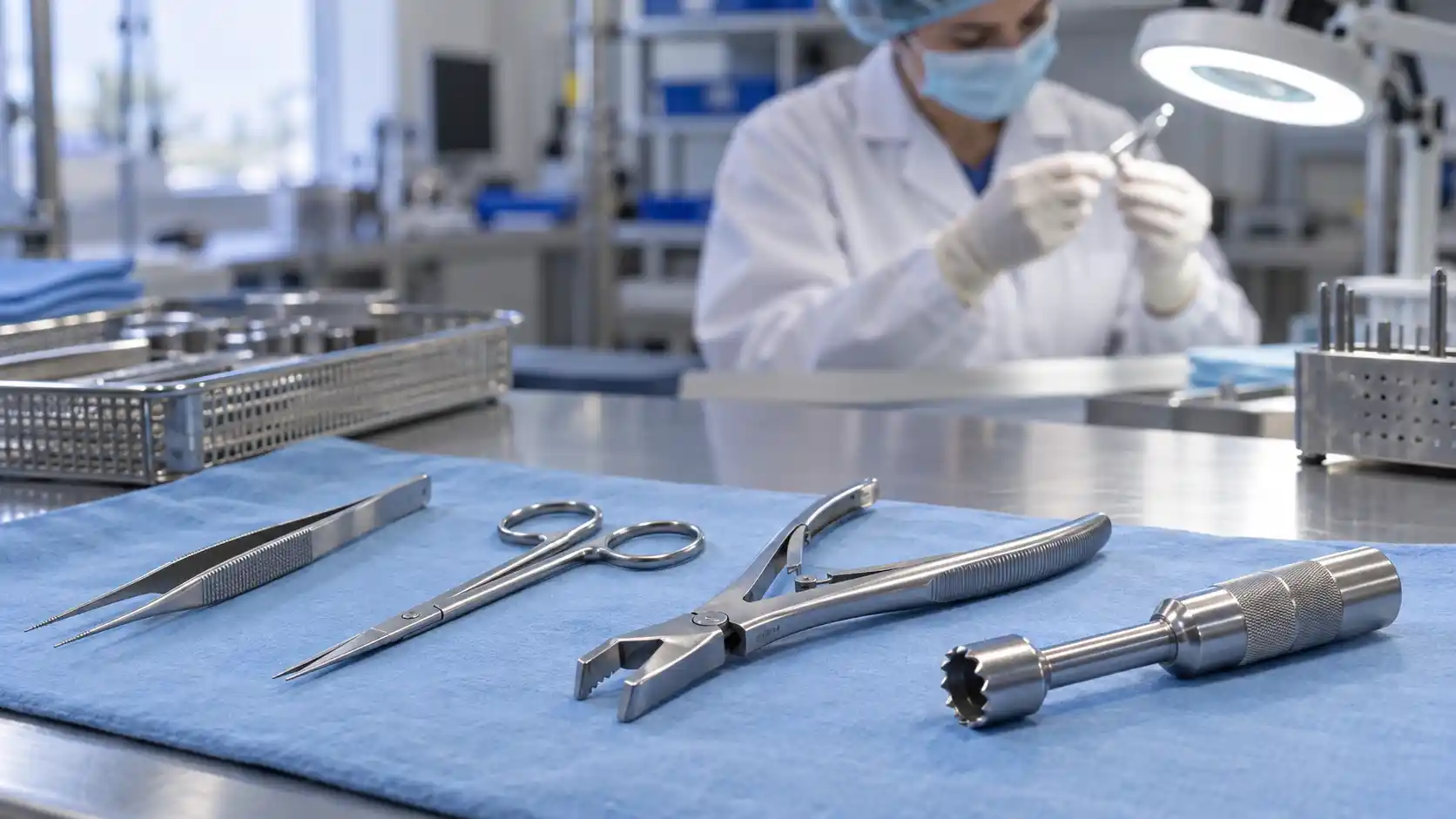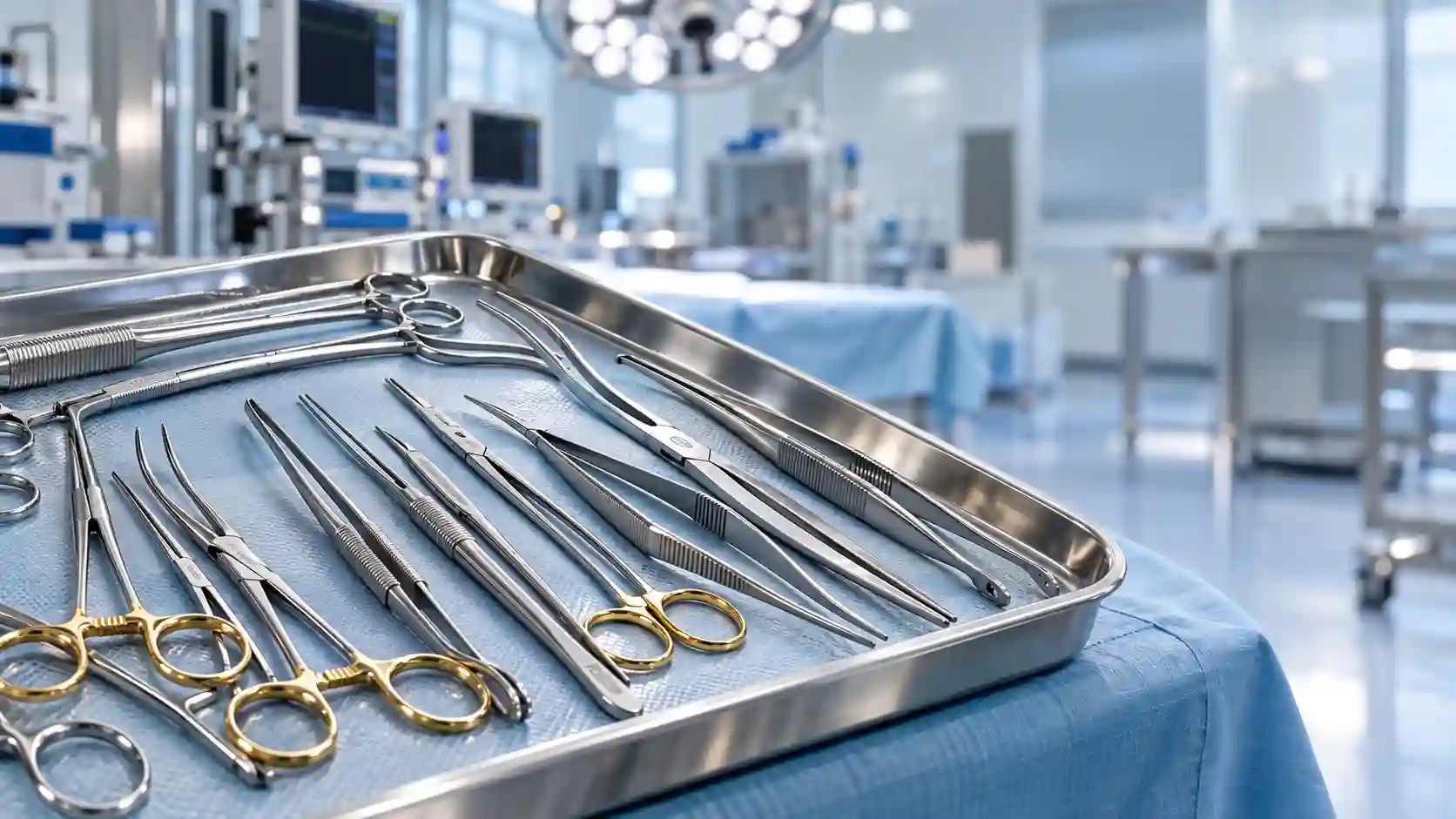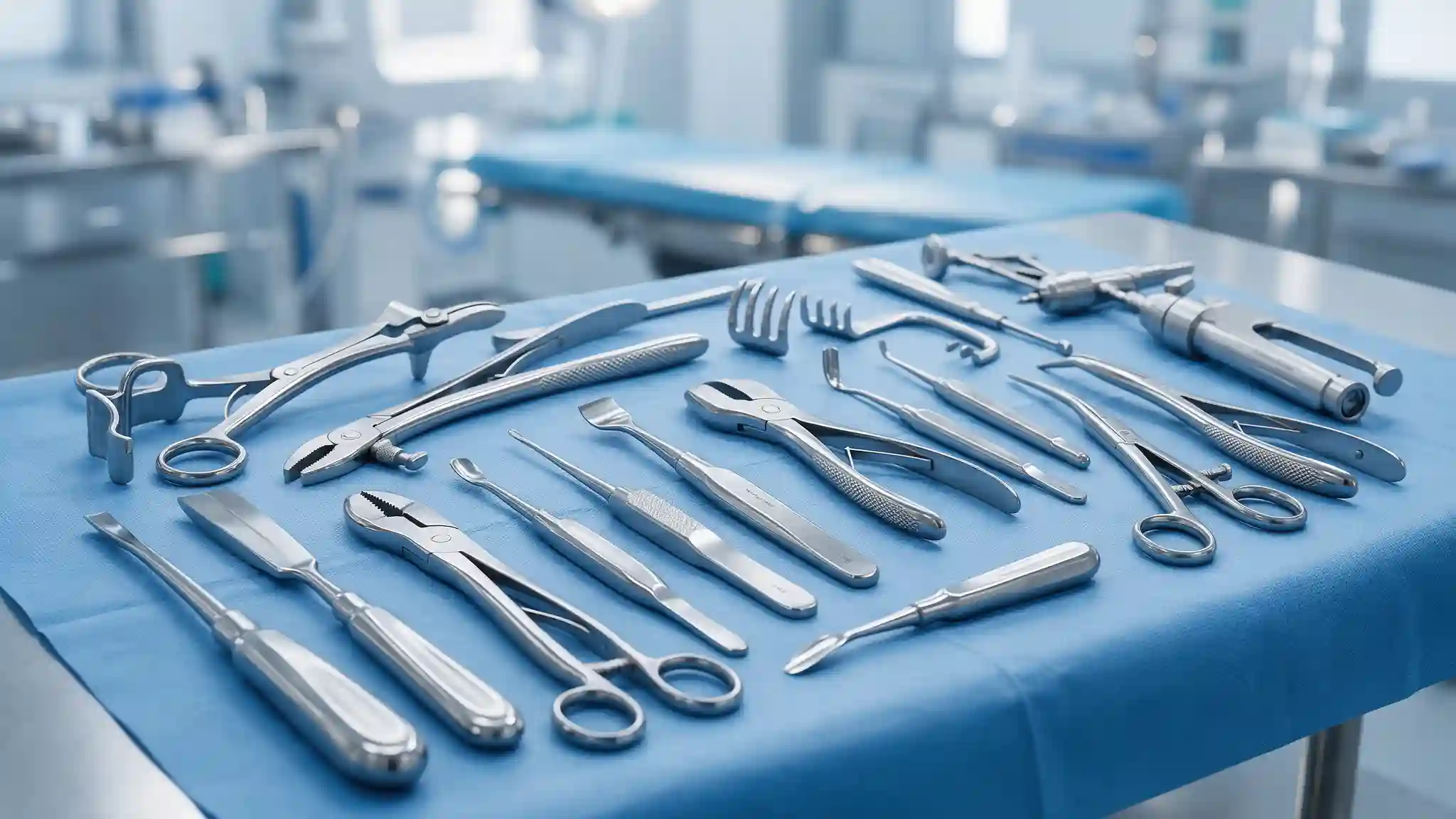
Ear instruments are essential for diagnosing, examining and treating various ear ailments. For performing the necessary examinations and surgeries within the ear canal, eardrum, middle and inner ear, ENTs use specialised and sophisticated instrumentation. To perform the surgical operations and use the various Ear instruments within the ear canal, ear specialists require excellent visibility, precision, and control. Read on to know about the types, functions and uses of the ear instruments in hospitals and clinics.
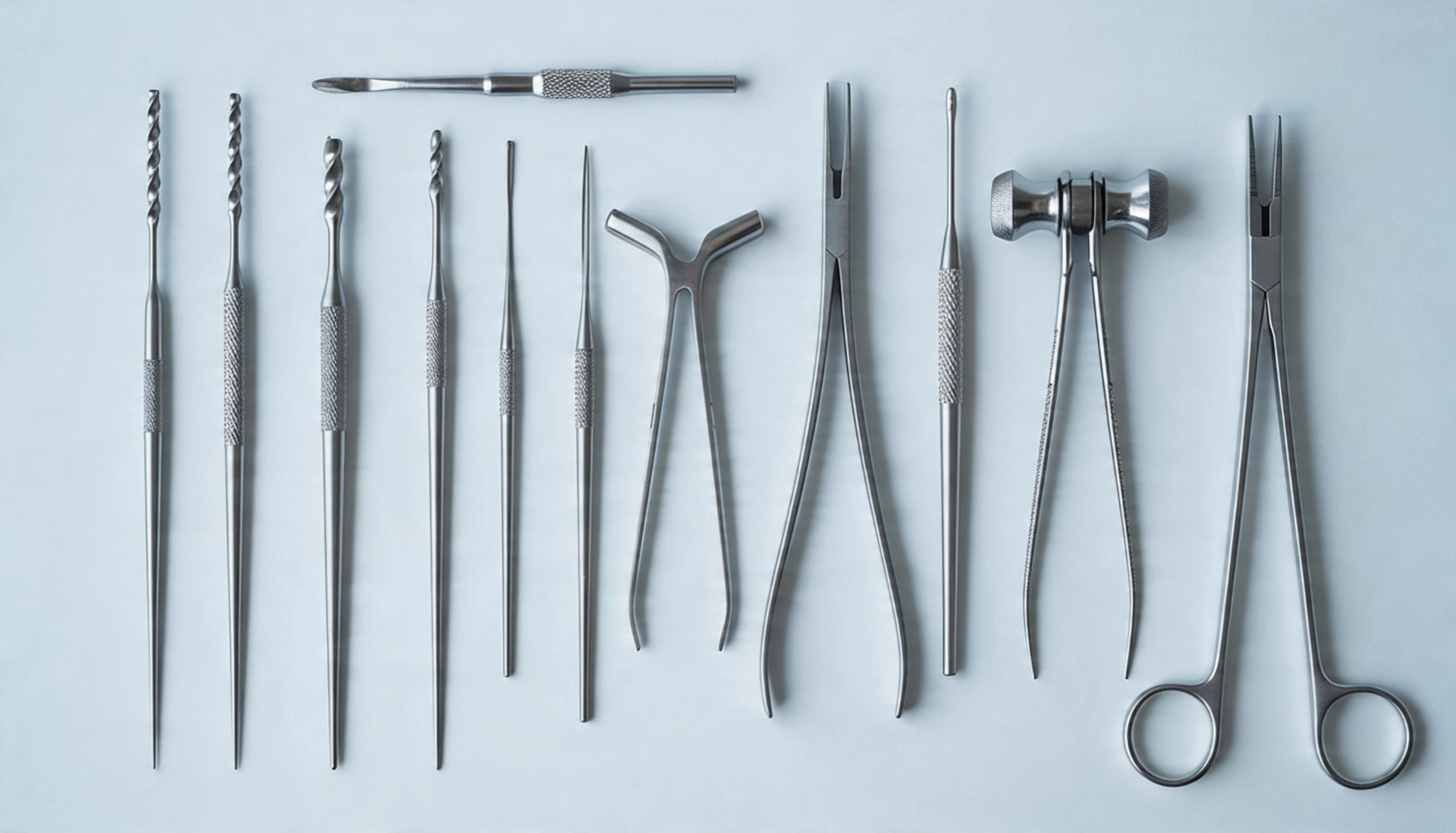
Ear instruments are delicate surgical instruments used by ENT surgeons for ear examination, surgical procedures and foreign bodies removal. These are utilised for general and advanced ear operations to sophisticated machinery related to ear's fine anatomy. Ear instruments are used to visualise, grasping, cutting, suction and mobilising tissues. Choice of Ear instrument set must be suitable for the procedure, patient and surgeon. Well made, high quality instruments are ideal for steady handling and precise surgical movements.
ENT specialities use various shapes and sizes of instruments with varying functions some of these are available for general examination purposes, some for more precise surgical procedures. Here's a quick guide to know more about key Ear instruments types:
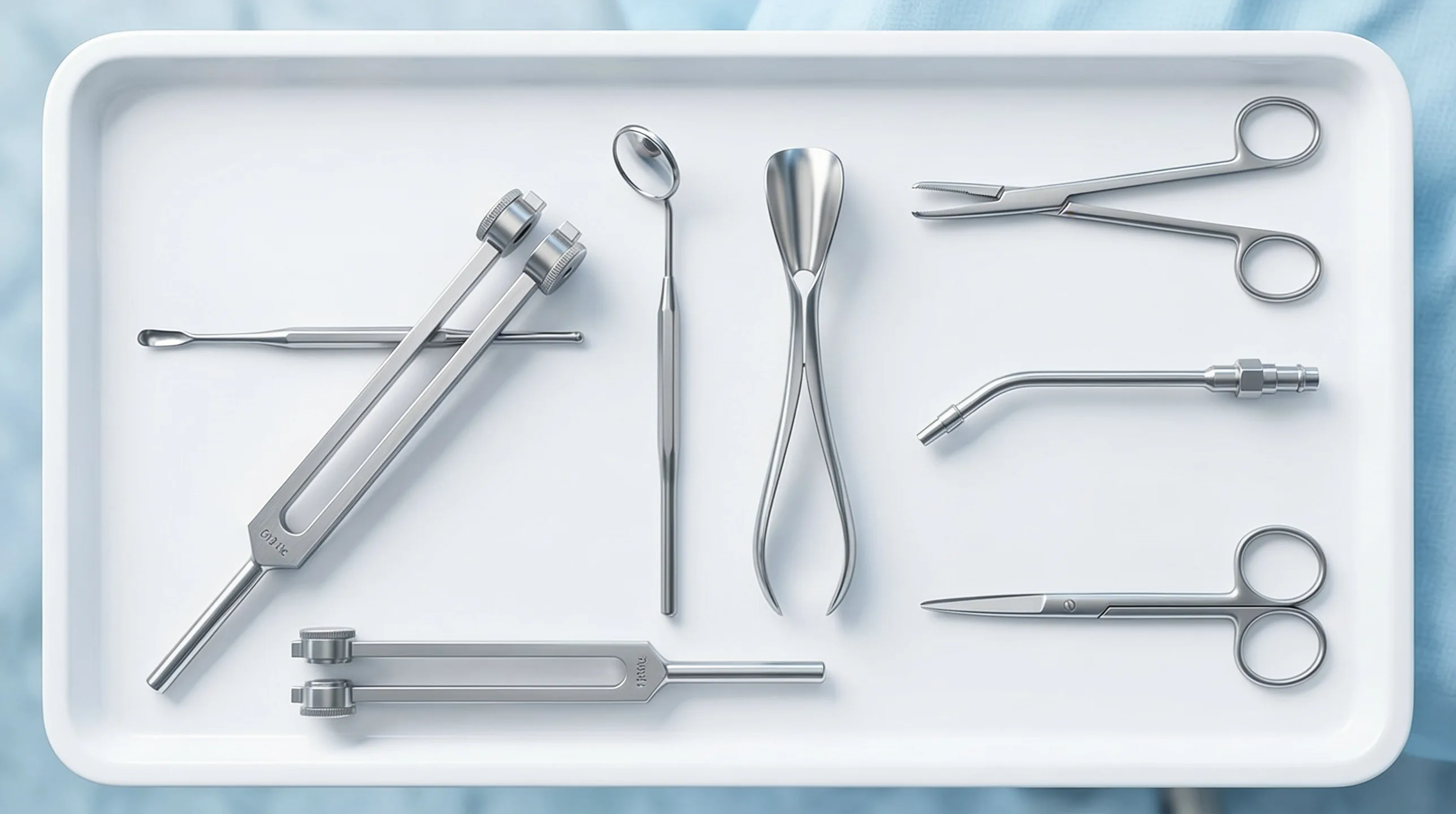
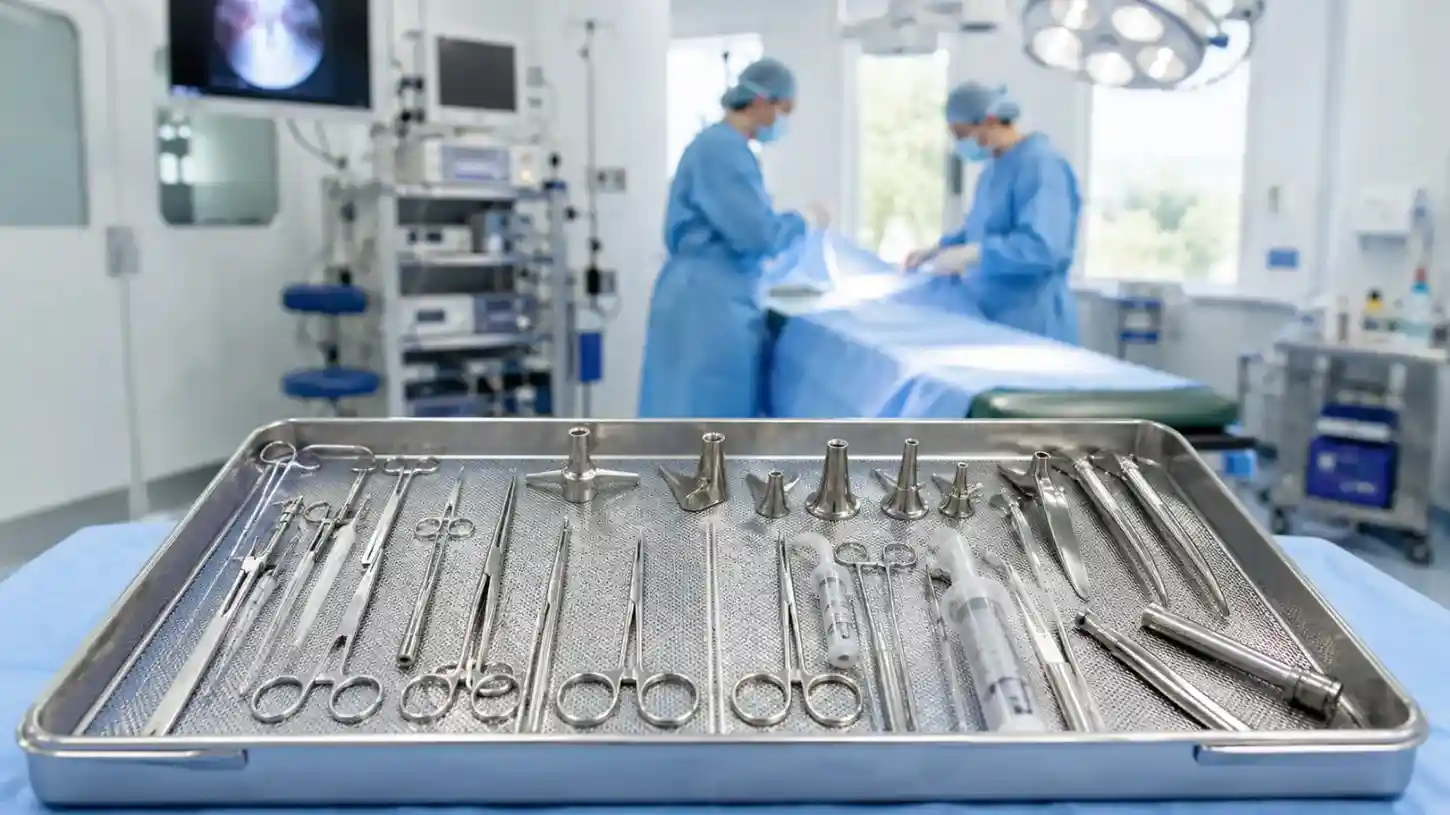
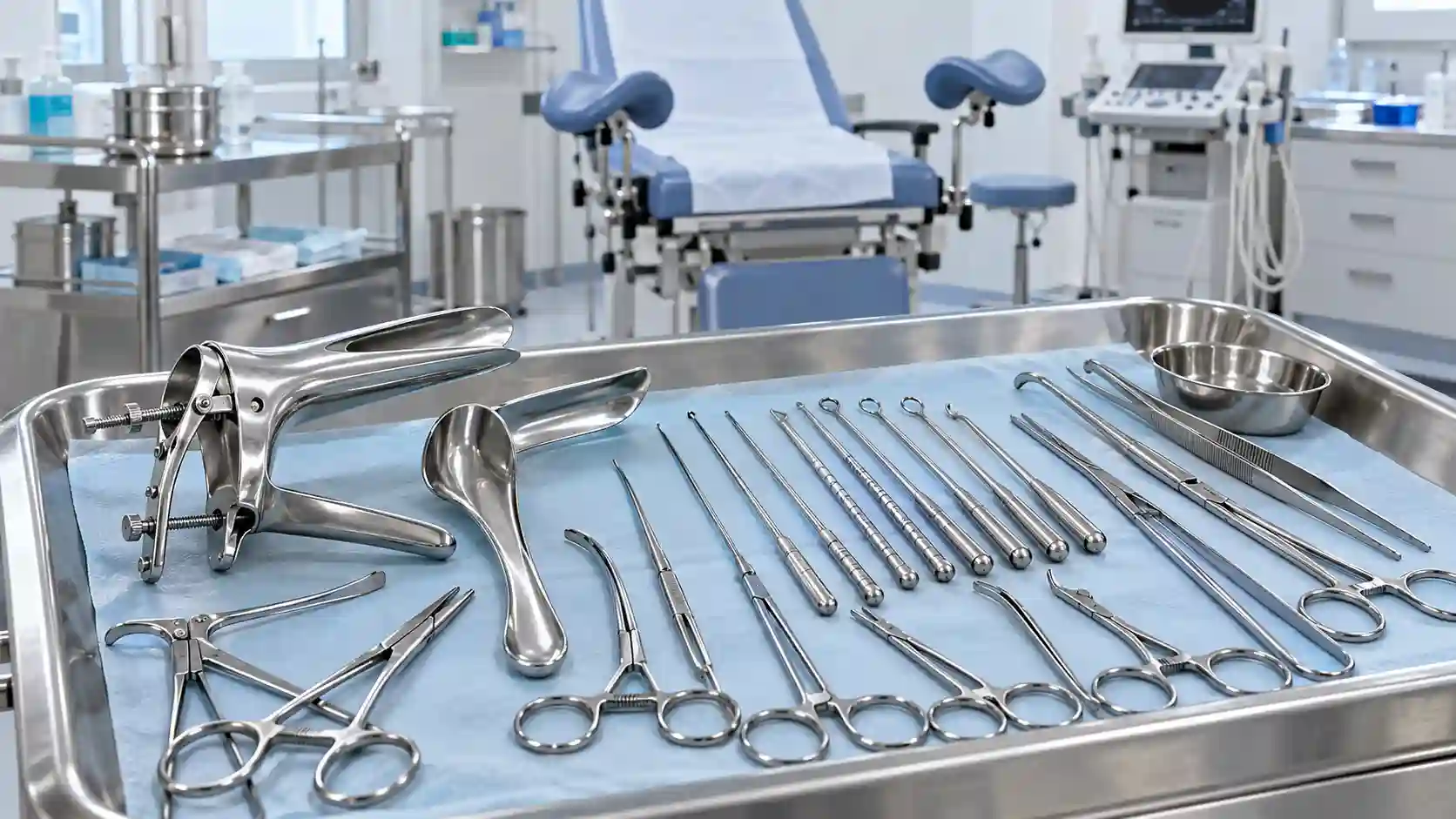
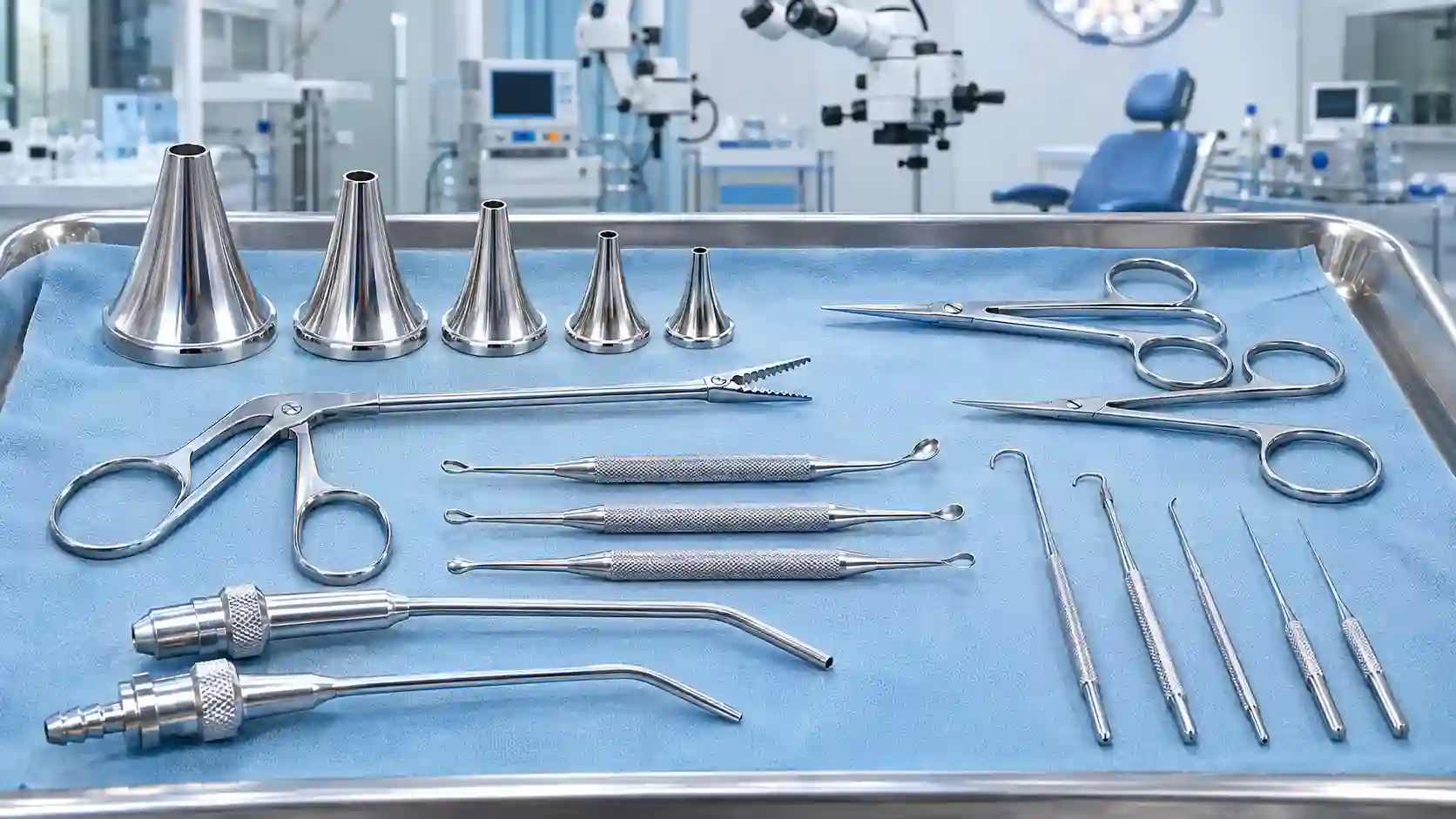
An Ear speculum is an ear instrument that widens the ear canal while conducting an examination. They help doctors see the entire ear canal, and the eardrum more clearly.
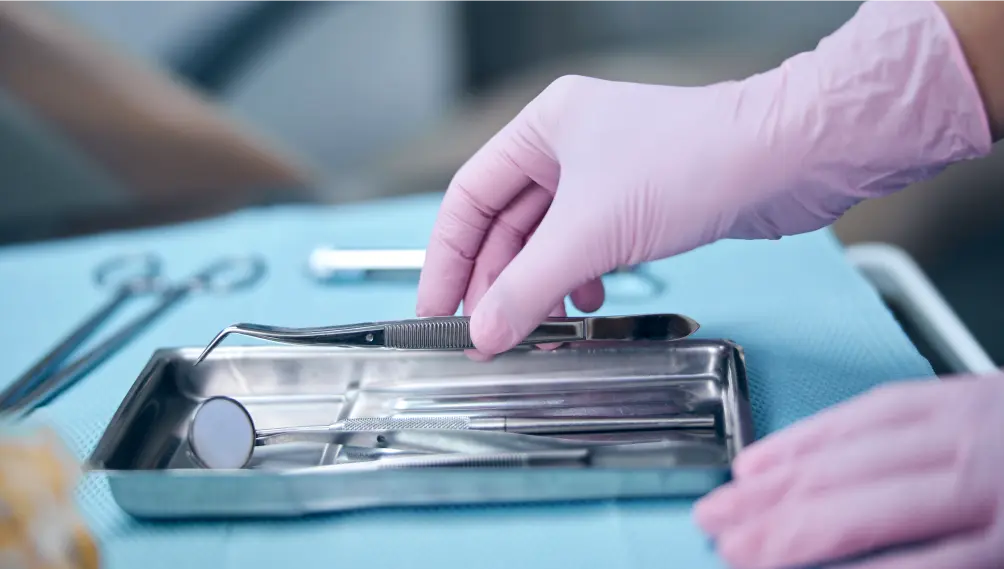
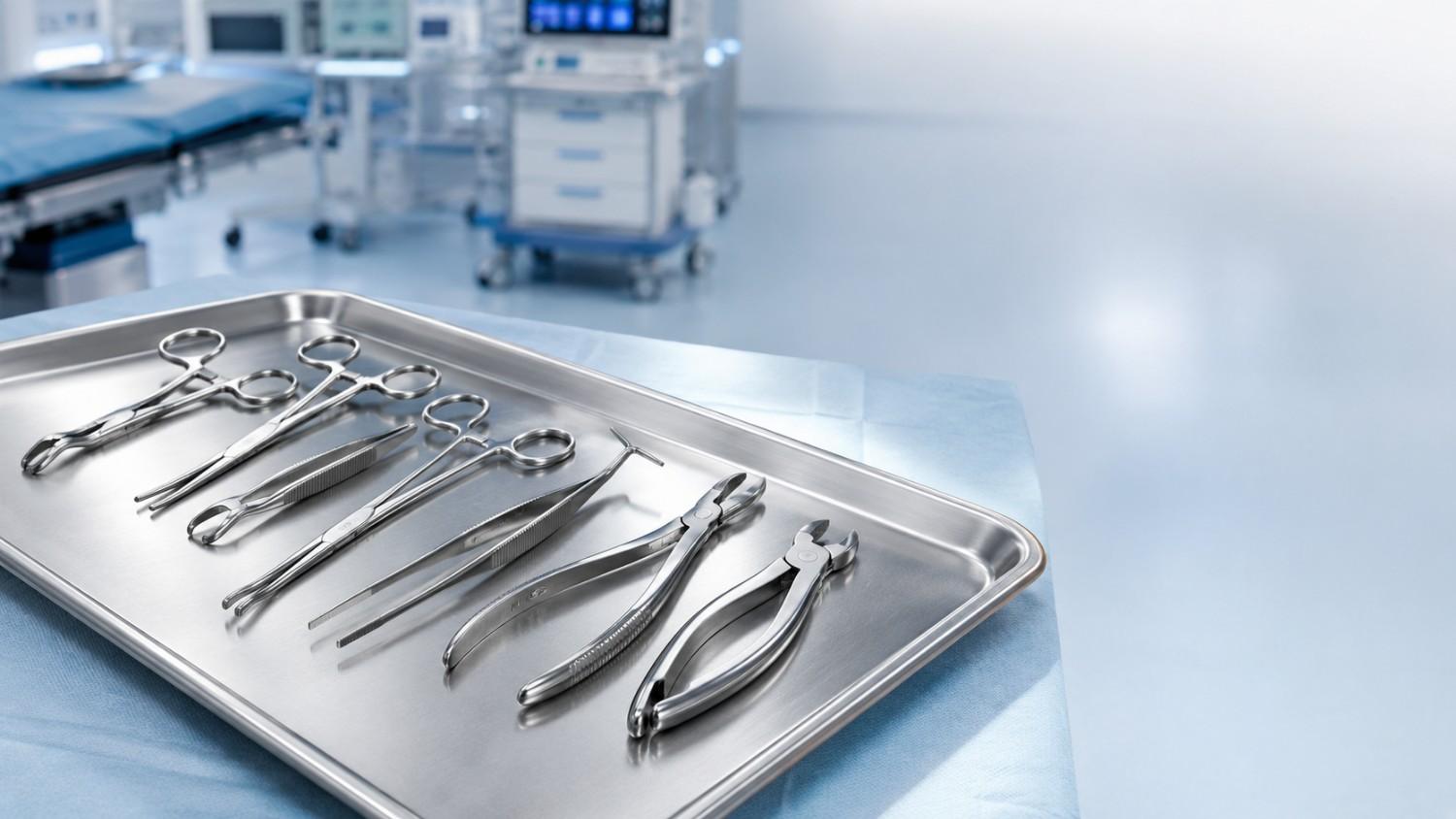
Aural forceps of various designs are used to pick up and remove foreign bodies, debris and dressing material from the canal. The slender, delicate arm of forceps can be manipulated gently in the examination and operative field.
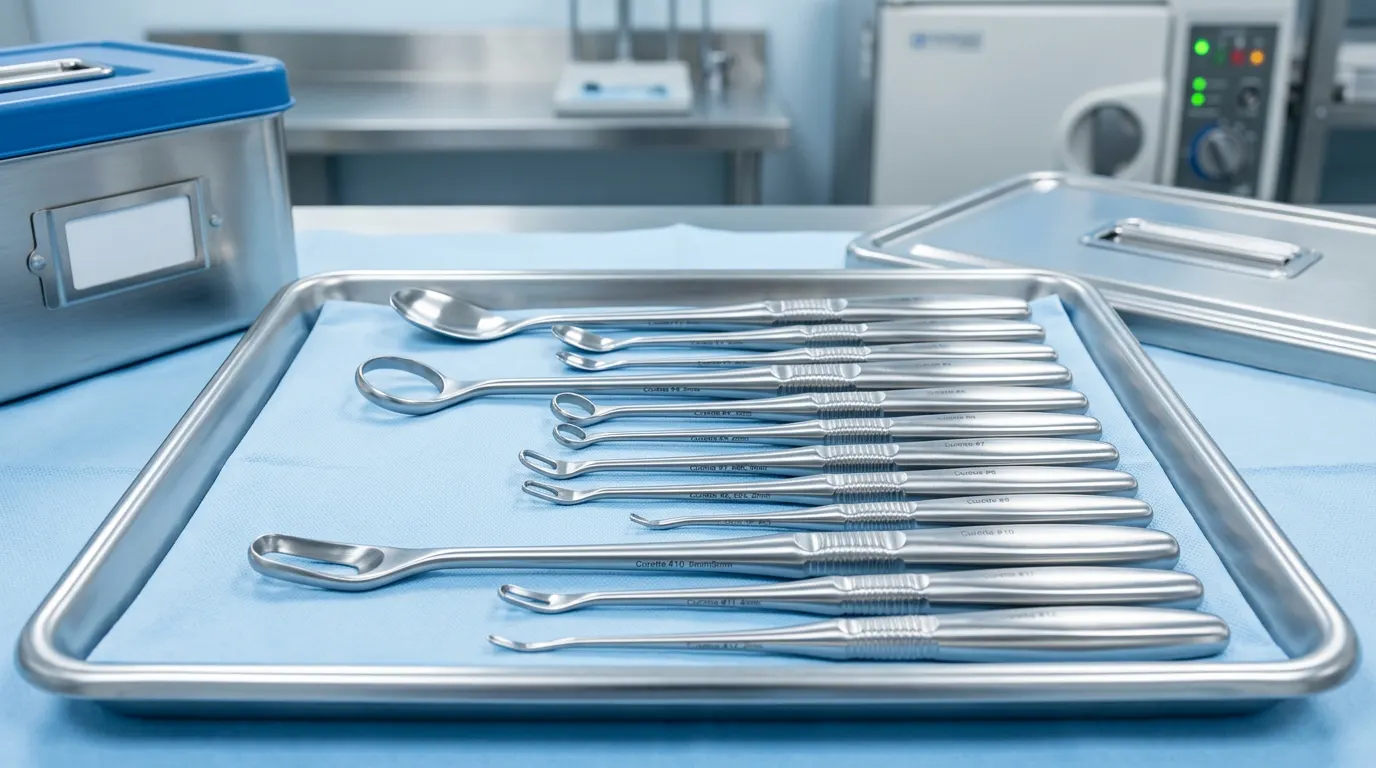
Ear curettes are instruments that may be used for the removal of wax and other debris from the external auditory canal. The curettes are typically available in a variety of shapes and sizes to assist with a controlled cleaning action and specific clinical needs.
These cannulae are used to draw away fluids, blood and debris from the operation site and are employed where a clear operating field must be maintained. Their small diameter allows for suction in limited spaces and allows for delicate work.
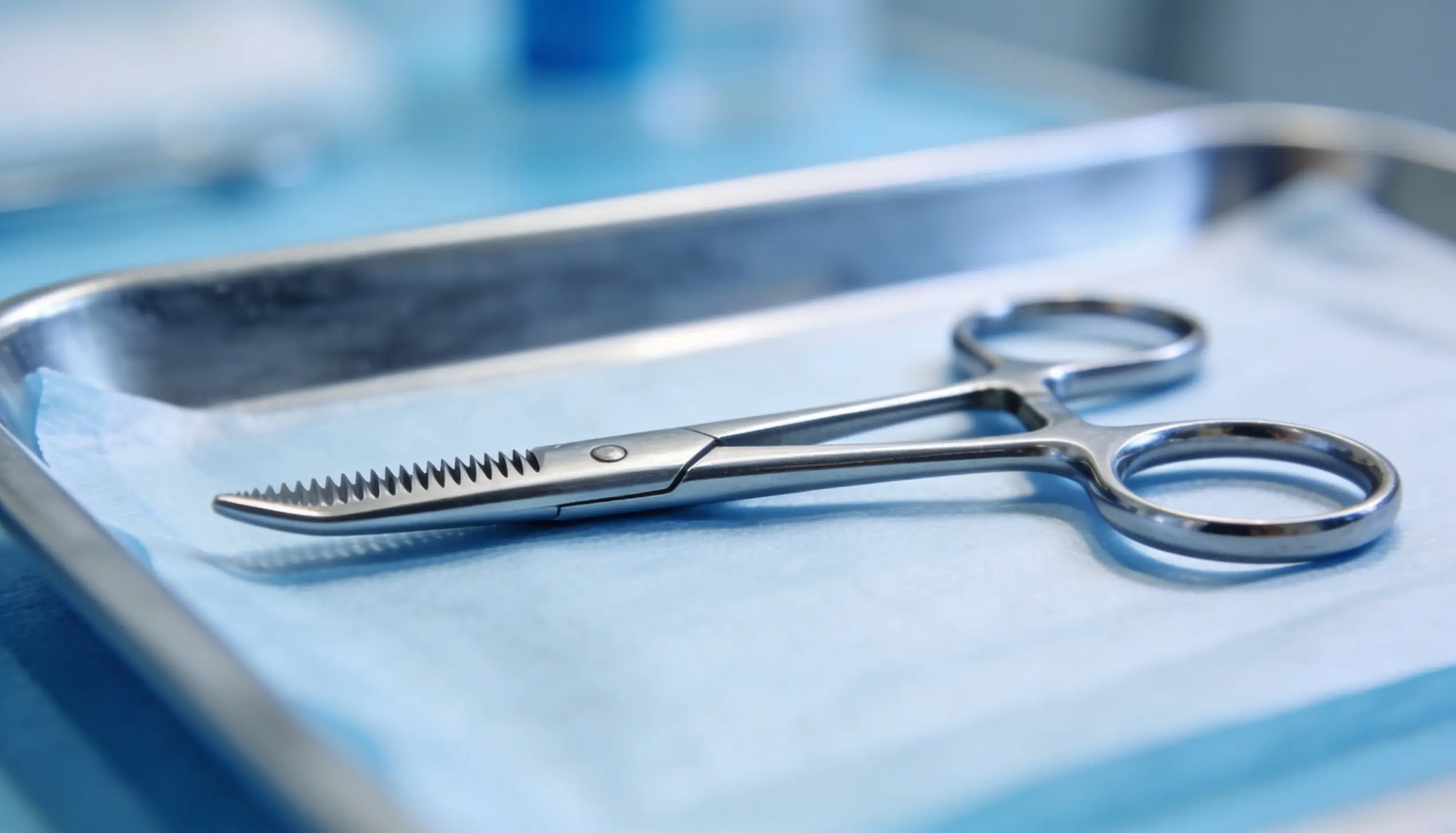
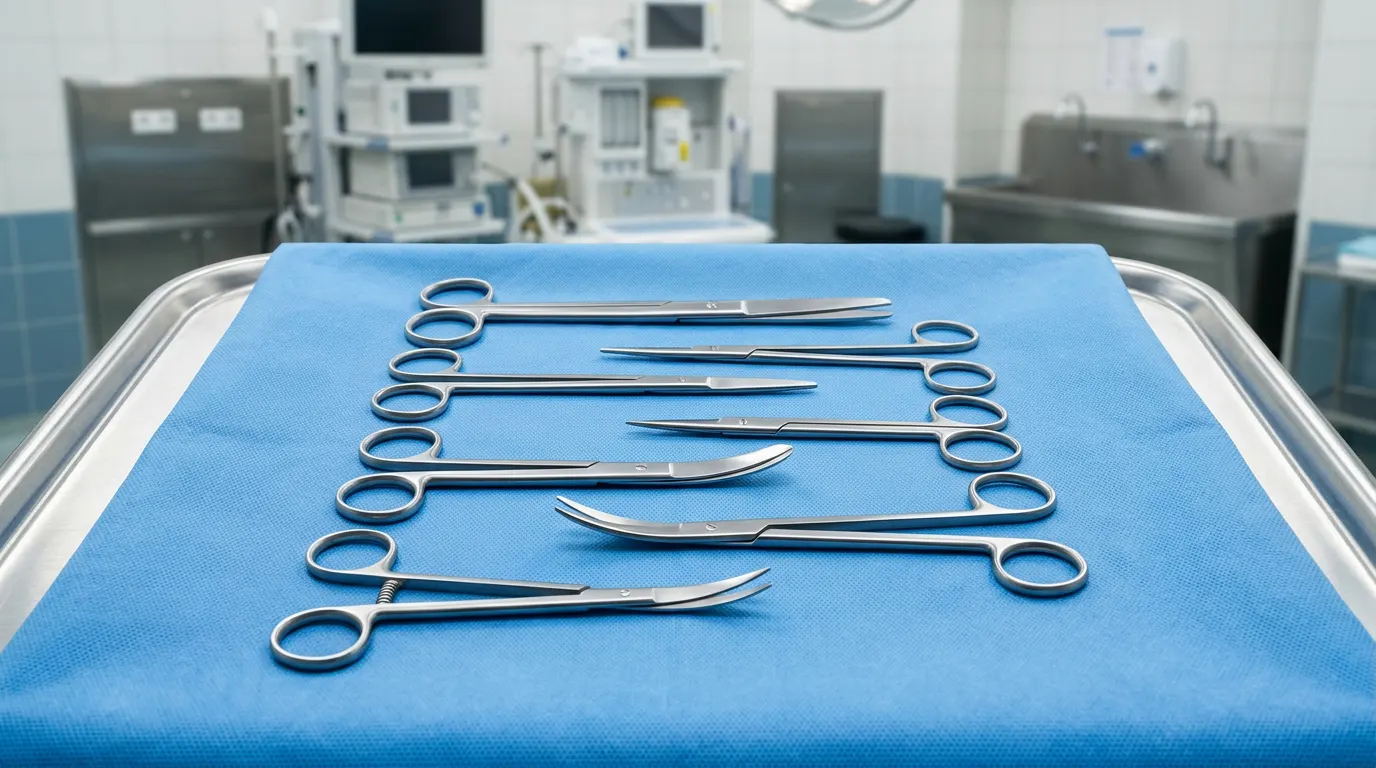
Ear scissors are used as special scissors instruments for ENT operations. They facilitate the cutting of soft tissues and other materials in small and controlled spaces thanks to their small size.
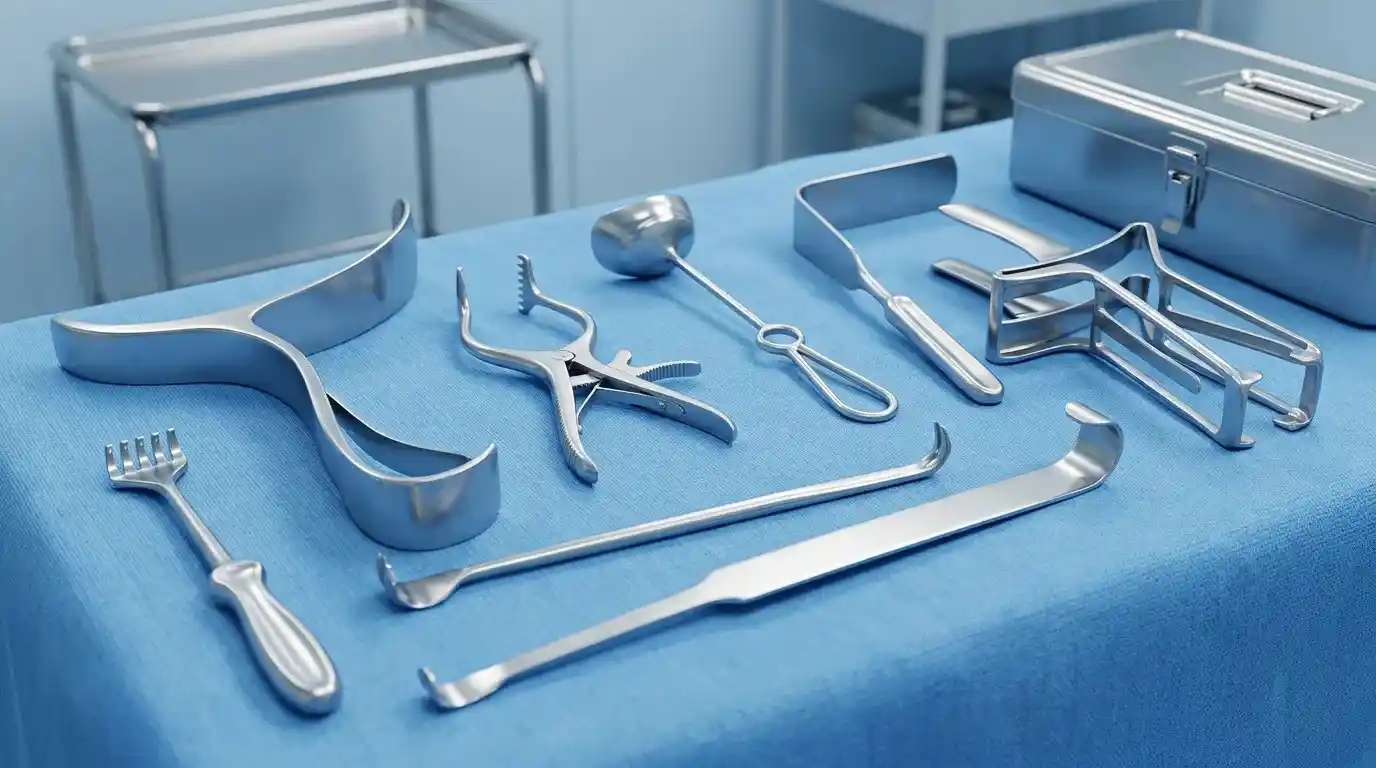
They are used to hold, lift, and position fragile tissue during ear surgery. The pointed, custom-designed tips reach into small areas and allow for particular surgical procedures.
Micro ear needles are designed to be used for the delicate operations performed on the small structures of the ear. They help with delicate tissue handling and other specific functions.
Prior to making an Ear instruments list, physicians should look at its design, material, size, and use. Here is an explanation of some of the common Ear instruments uses.
| Instrument | Primary Use |
|---|---|
| Ear Speculum | Visualising the ear canal and eardrum |
| Aural Forceps | Grasping and removing foreign objects |
| Ear Curette | Removing earwax and debris |
| Ear Suction Cannula | Removing fluids and surgical debris |
| Ear Scissors | Cutting soft tissues and materials |
| Ear Hook | Lifting and manipulating tissues |
| Micro Ear Needle | Performing delicate surgical tasks |
Not all ENT tools are the same. There are Premium ENT surgical instruments sets that are applicable to various procedures. Using the appropriate tools ensures practitioners can safely keep the operation in order and adjust to sensitive ear tissues.
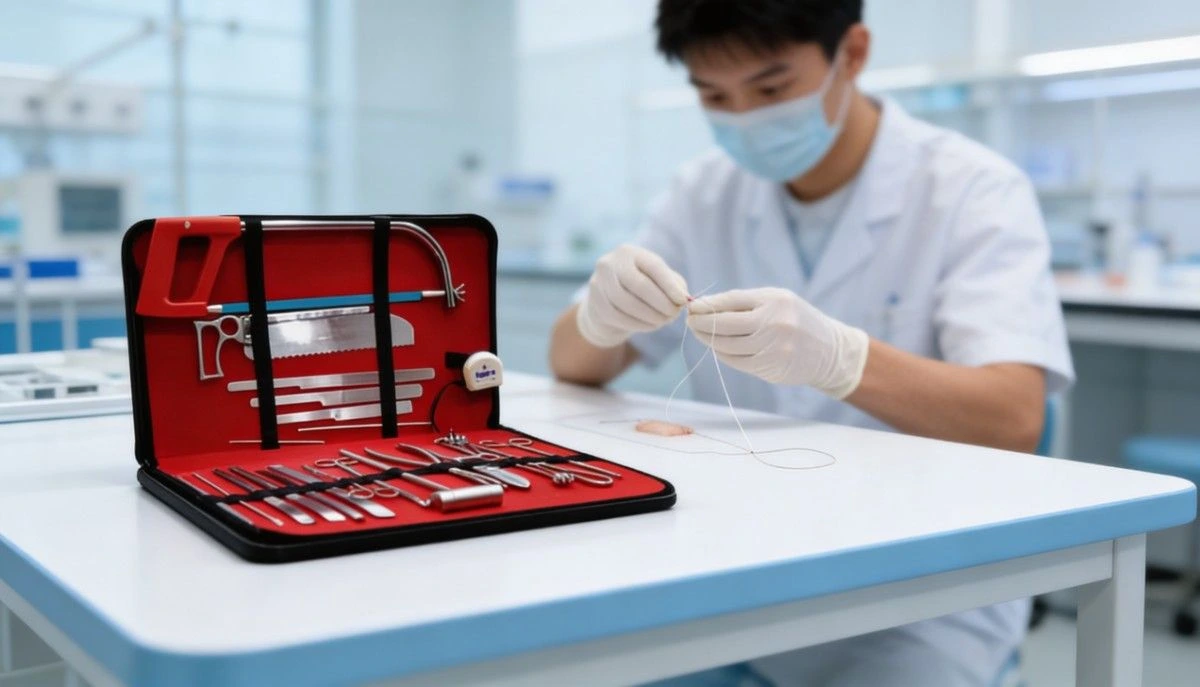
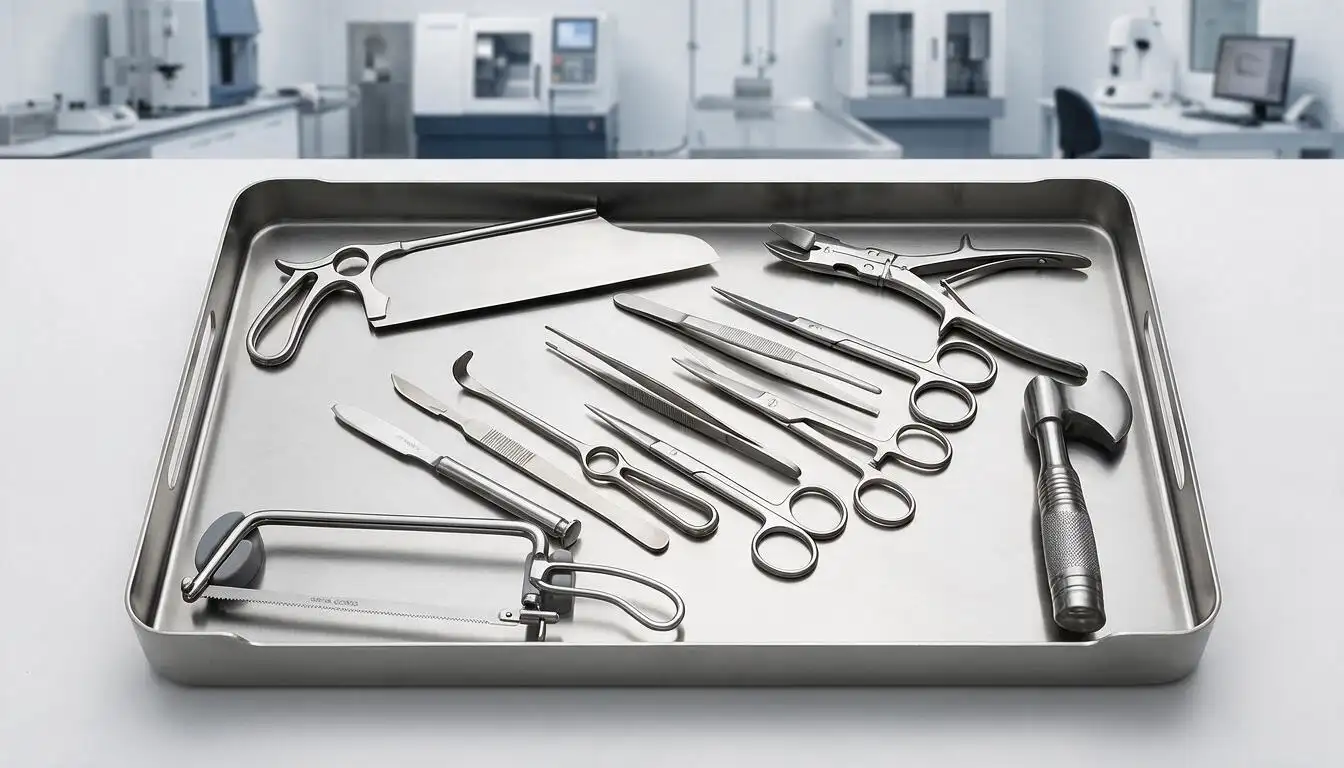
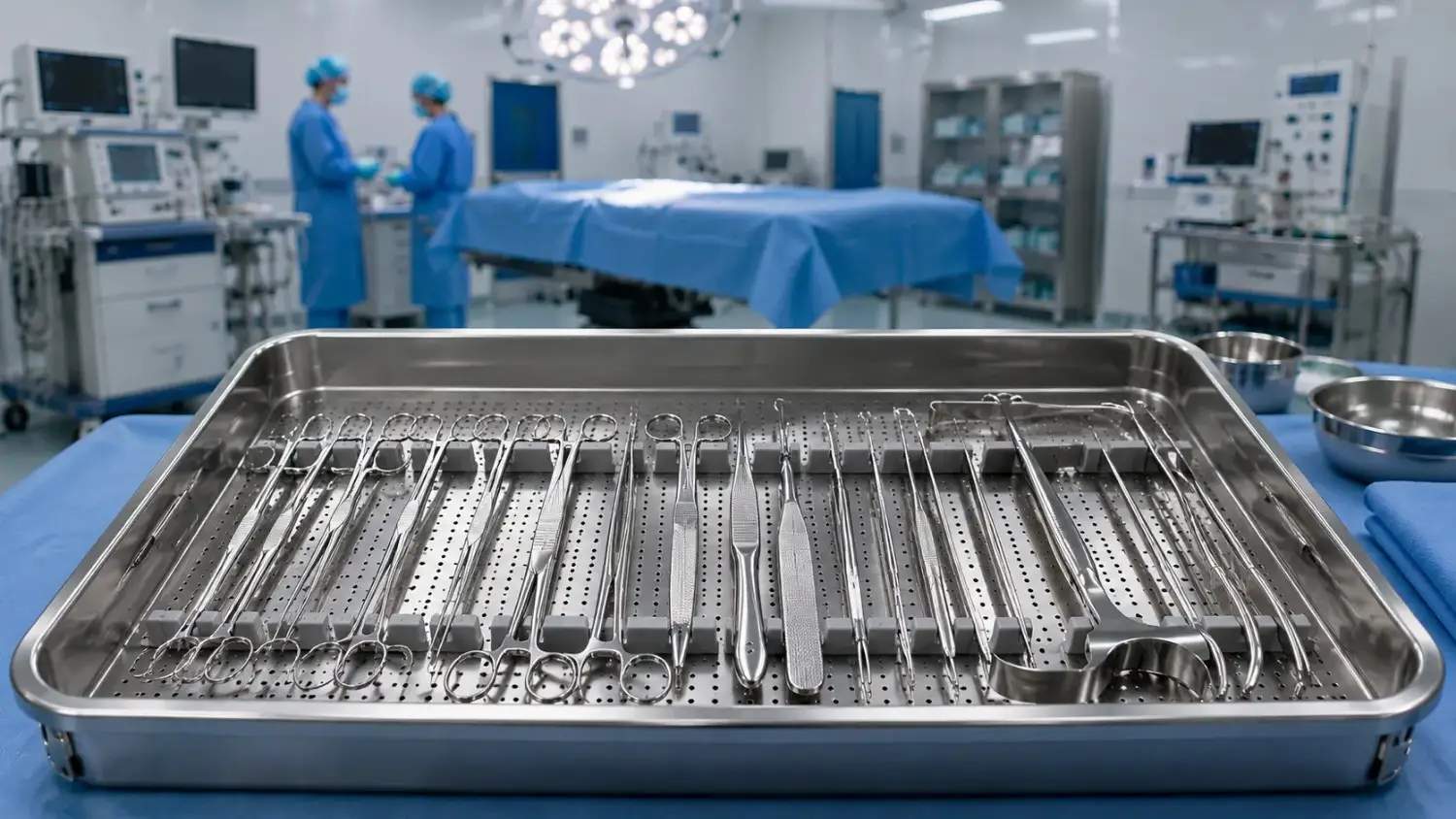
Typically, an Ear instrument set consists of some or all of the instruments necessary for a standard ear examination and some or all of the tools necessary for specific operations.
A typical Ear instruments list may include:
Set selection should be based on procedure requirements, not that all sets contain the same instruments.
ENT specialists depending on what it is that they will do and the body part that they will use it in. The tools used for a simple ear check up are not the same as those used for a tympanoplasty or mastoid operation. The type of Ear instrument doctors uses also varies according to working space, relevant accuracy, quality and sterilisation simplicity of the materials. No matter where you are working, the Ear instruments for hearing should be suitable for your application and professional criteria.
Using Ear instruments help to look inside the ear canal and at the eardrum to diagnose and treat conditions which could cause hearing problems. It also includes surgical instruments used to operate on parts of the ear that are involved in hearing.
But there are other types of Ear instruments for hearing, which are not the surgical tools. In addition to that, Mediwave has the diagnostic and audiometry instruments including audiometers and tympanometers, which are different from those of the manual ENT.
For hospitals, ENT, and surgical centres. Before buying ENT surgical instruments here are some of the points that need to be considered from the procurement team.
All the above mentioned points help to choose the best ENT surgical instrument sets for surgery.
Opting for reputed Ear instruments manufacturers in India like Mediwave can lead a medical facility to have instruments meant for various applications in ENT procedure. Before ordering supplies in bulk, buyers have to look at finishing, manufacturing quality, specifications, and quality assurance processes.
Likewise, reliable Ear instruments suppliers in India like Mediwave can provide the hospitals, distributors and surgical centres with the needs of the product availability. To satisfy the purchase decision, compare the contents, materials, and product specifications to decide on the purchasing decision.
The quality of the material, specification of the instruments, finishing, compatibility with sterilisation, documentation, reliability of the seller, etc need to be verified when purchasing ear instruments in bulk from Mediwave.
ENT doctors and ENT surgeons always have a set of ENT instruments for checkup and surgery. The Ear instruments consist of ear specula, Ear curettes, suction cannula, micro instruments and many more for different procedures, which has a defined clinical use and application.
Getting to know ENT equipment types, uses and applications facilitates the procurement procedures by medical facilities and medical equipment purchasing professionals. Choosing trustworthy manufacturing firms and distributors like Mediwave, and reviewing the instruments for quality assurance and accuracy contribute significantly to the effective functioning of ENT equipment in medical care institutions.
Speculums, aural forceps, curettes, suction cannulae, hooks, scissors, and micro needles, are among the most common items we employ.
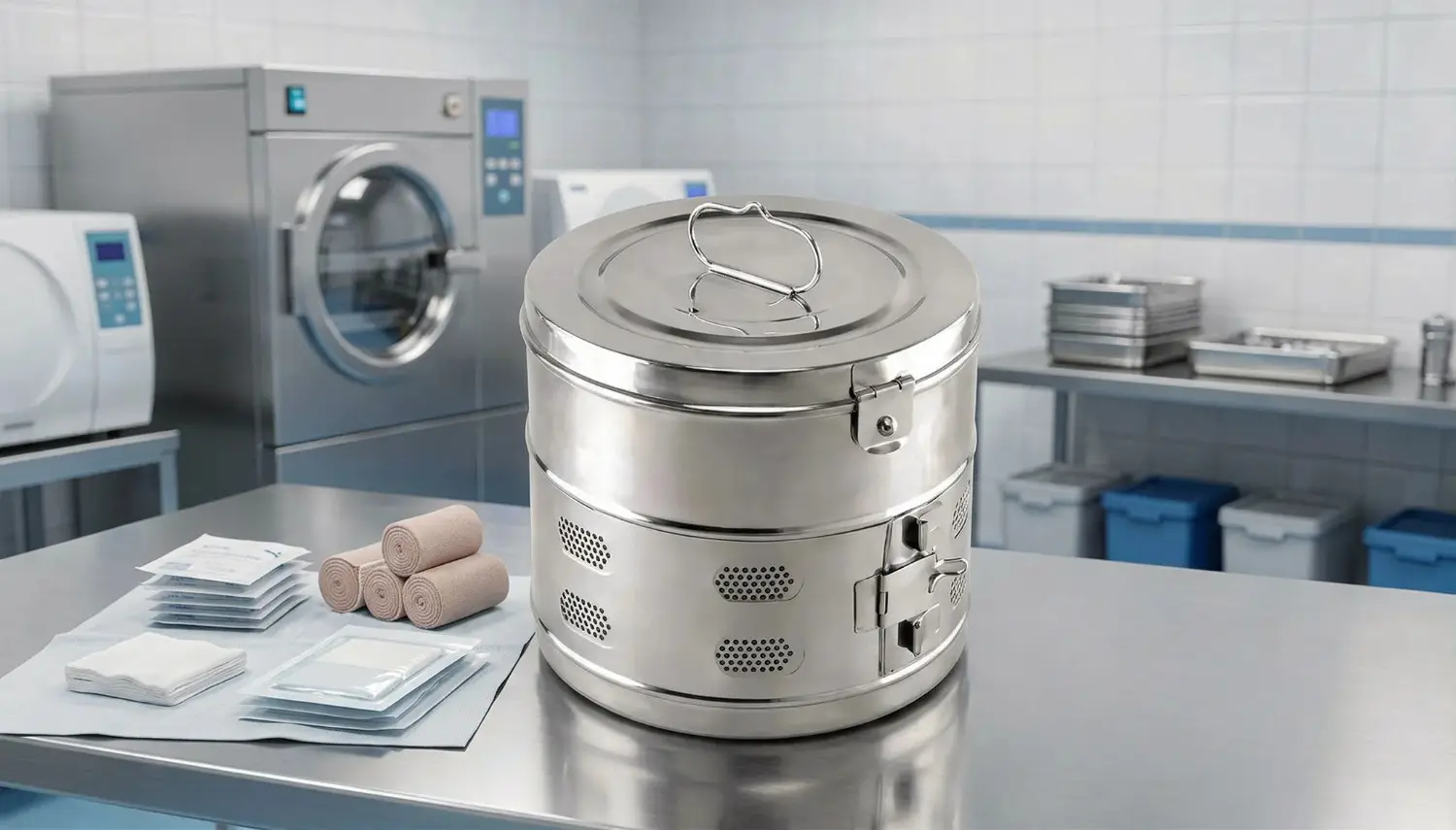
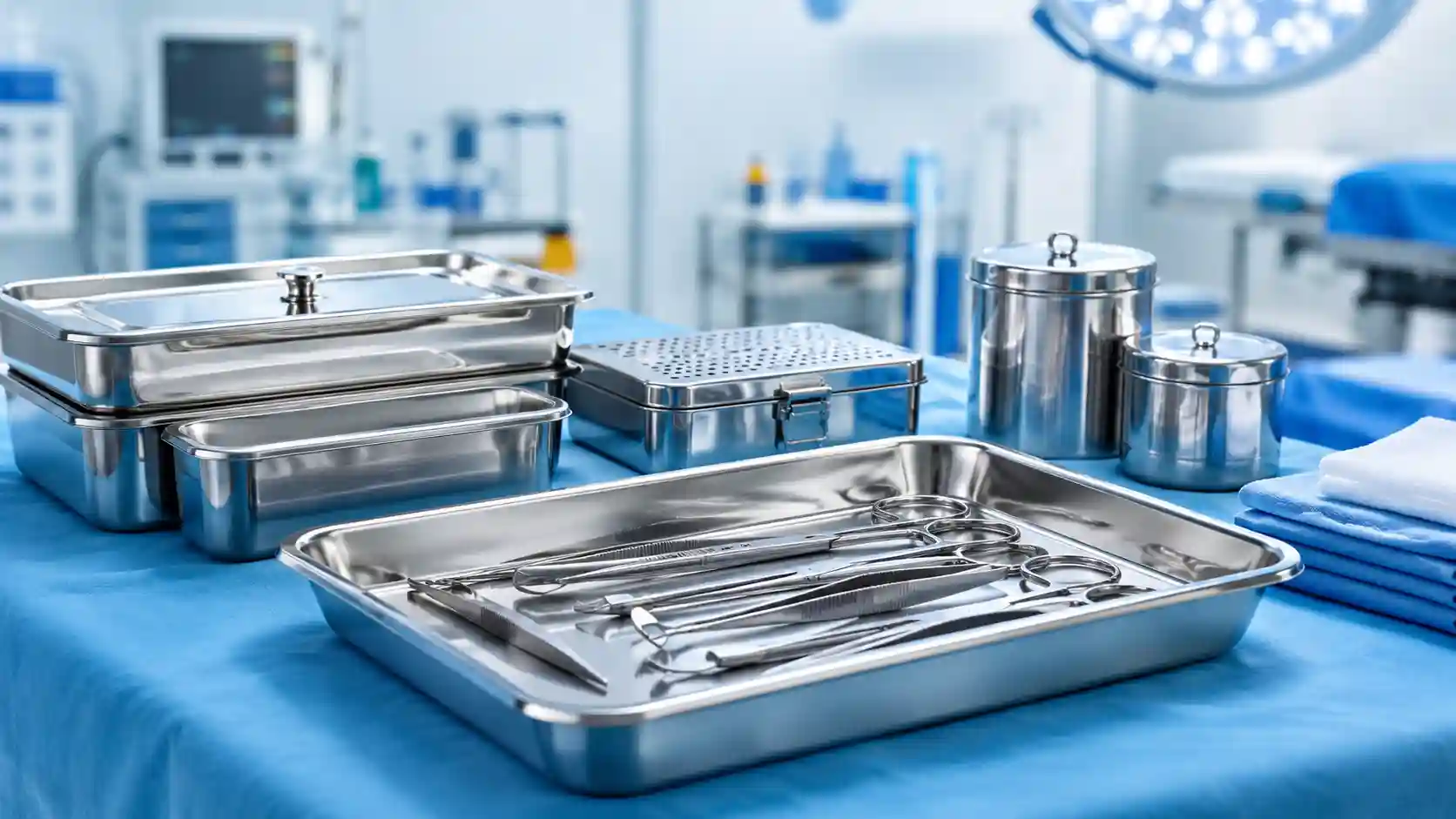
Several of the re-usable ENT instruments are made from stainless steel. The stainless steel material used to produce the instrument is extremely hard wearing and suitable for high quality sterilisation.
The ear speculum helps to open the ear canal so the ENT can view into the canal and see the eardrum.
No. Each instrument has a particular use; the choice of instrument depends on the particular type of operation and the requirements of the patient.
Clean, prepare and sterilise instruments that are used, in accordance with the manufacturer's instructions and healthcare standards.
The quality of the material, specification of the instruments, finishing, compatibility with sterilisation, documentation, reliability of the seller, etc need to be verified when purchasing ear instruments in bulk from Mediwave.