A patient can rate a clinic within seconds of walking through the door. Clean rooms matter. Expert care matters even more. But the equipment behind your care often determines your efficiency. If you are designing a new clinic, designing the right ENT clinic equipment list to match from day one can be cost-effective, efficient, and promote your success in the delivery of care. Too many new specialists purchase too many, too few, and the wrong items. A logical equipment checklist will help you get started on the right foot.
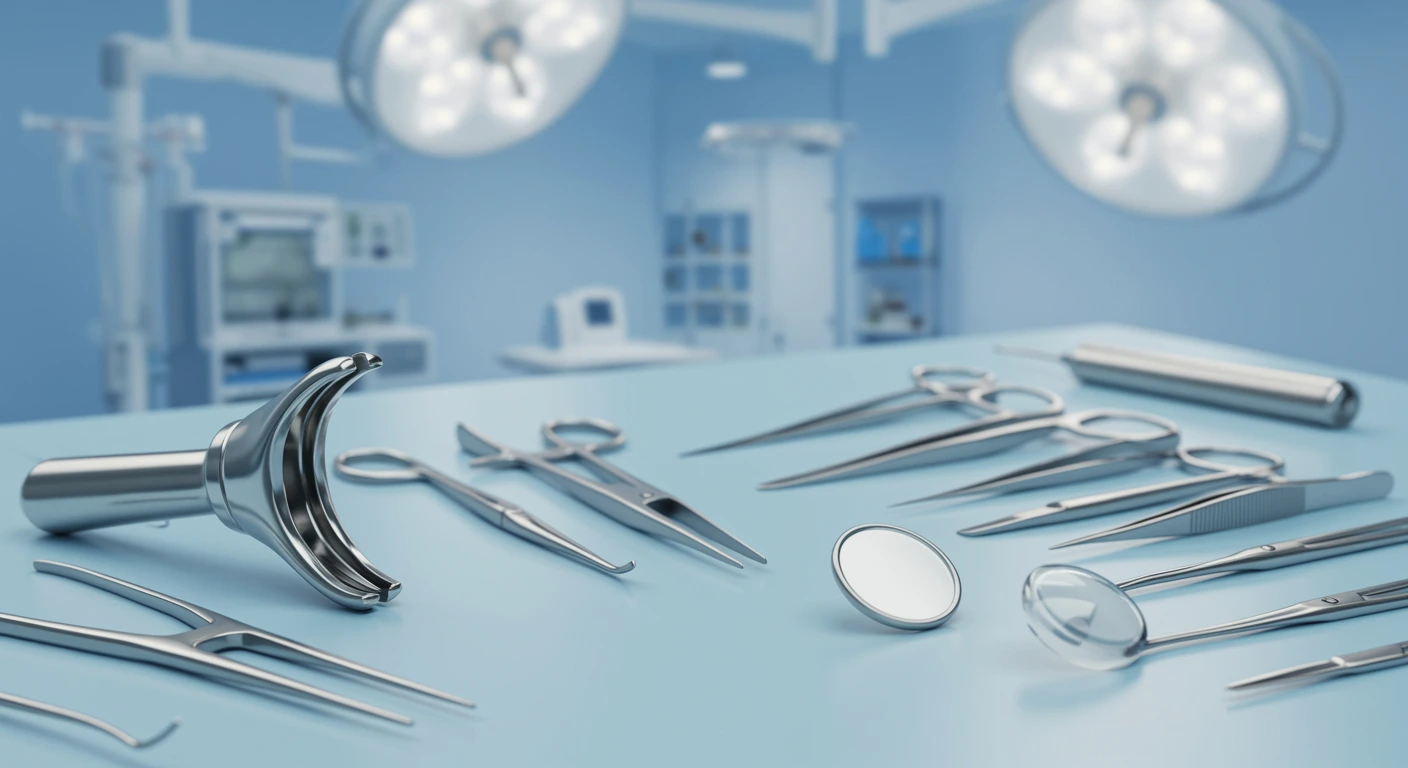
Imagine an ENT practice as a workstation. Accessory devices are used to support diagnosis, treatment and surgery. Some of the equipment will be for diagnostic purposes, others for examination or surgical procedures. A full kit would encompass examination systems, ENT instrumentation or ENT instruments name, ENT surgical instrumentation, sterilization equipment and patient management.
It’s so easy. You need everything you need in the clinical setting to properly examine patients and perform procedures safely, but also to keep day-to-day functioning running smoothly. An ordered layout will help with both.
Here is the list of new equipment needed by a trusted practitioner for new practical needs:
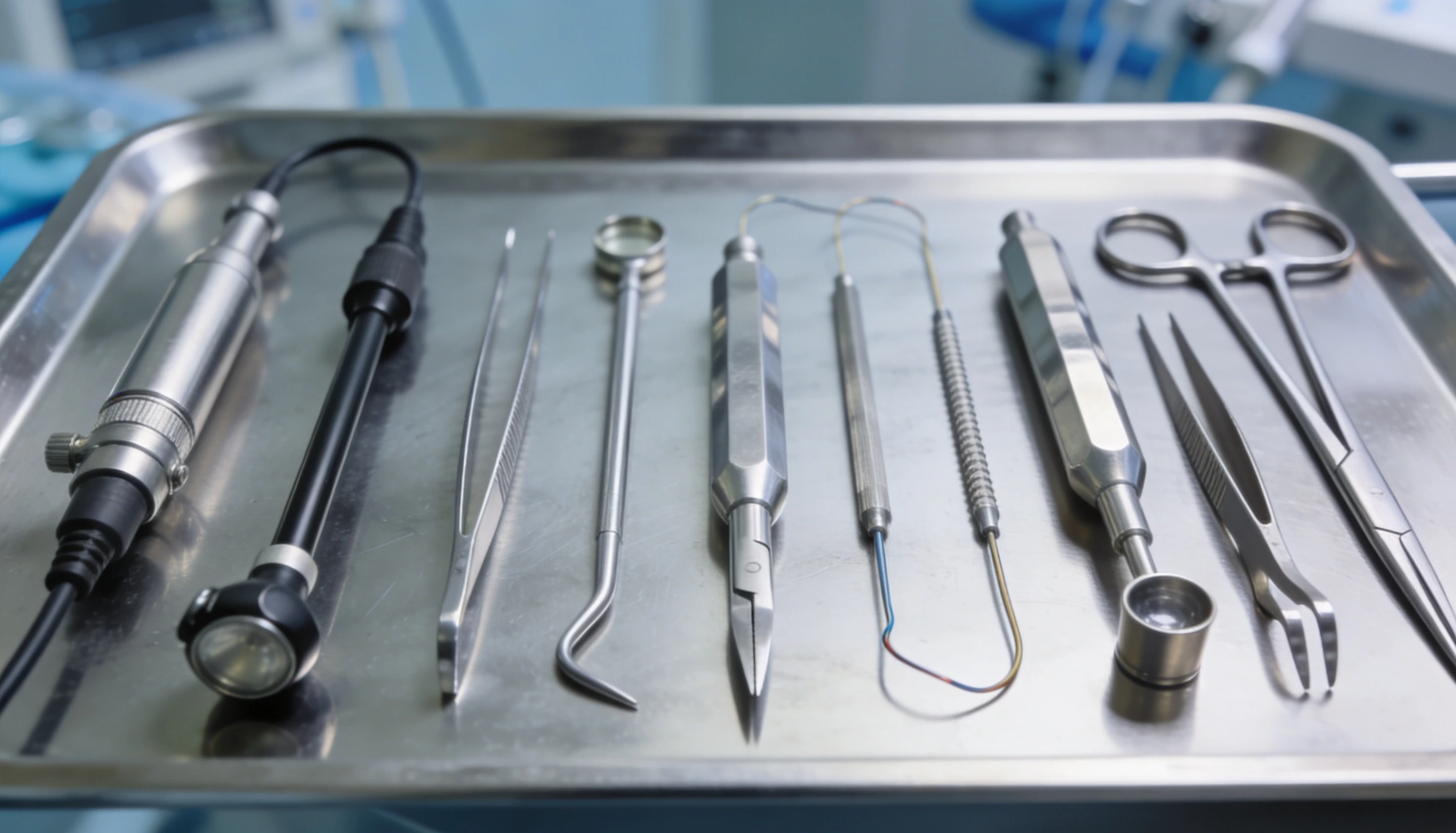
Diagnostic Equipment. These assist you in detecting conditions efficiently. Typical diagnostic tools are otoscopes, endoscopes, microscopes and hearing assessment systems. You will find that nearly every patient encounter begins with diagnostic equipment.
Treatment Devices facilitate non-surgical procedures. Suction units, cautery and nebulizers are treatment devices. This category of devices helps the clinician carry out routine procedures in the clinic.
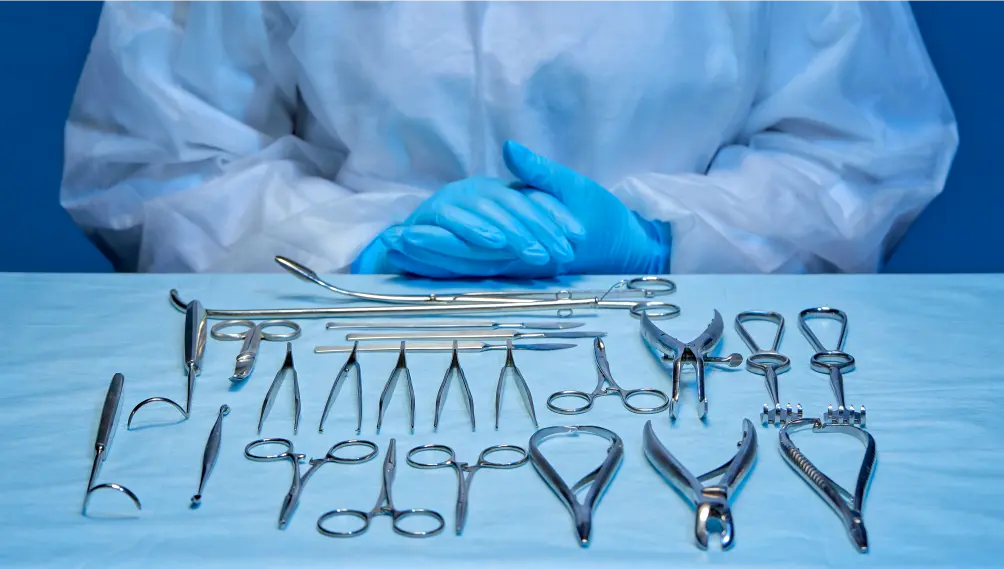
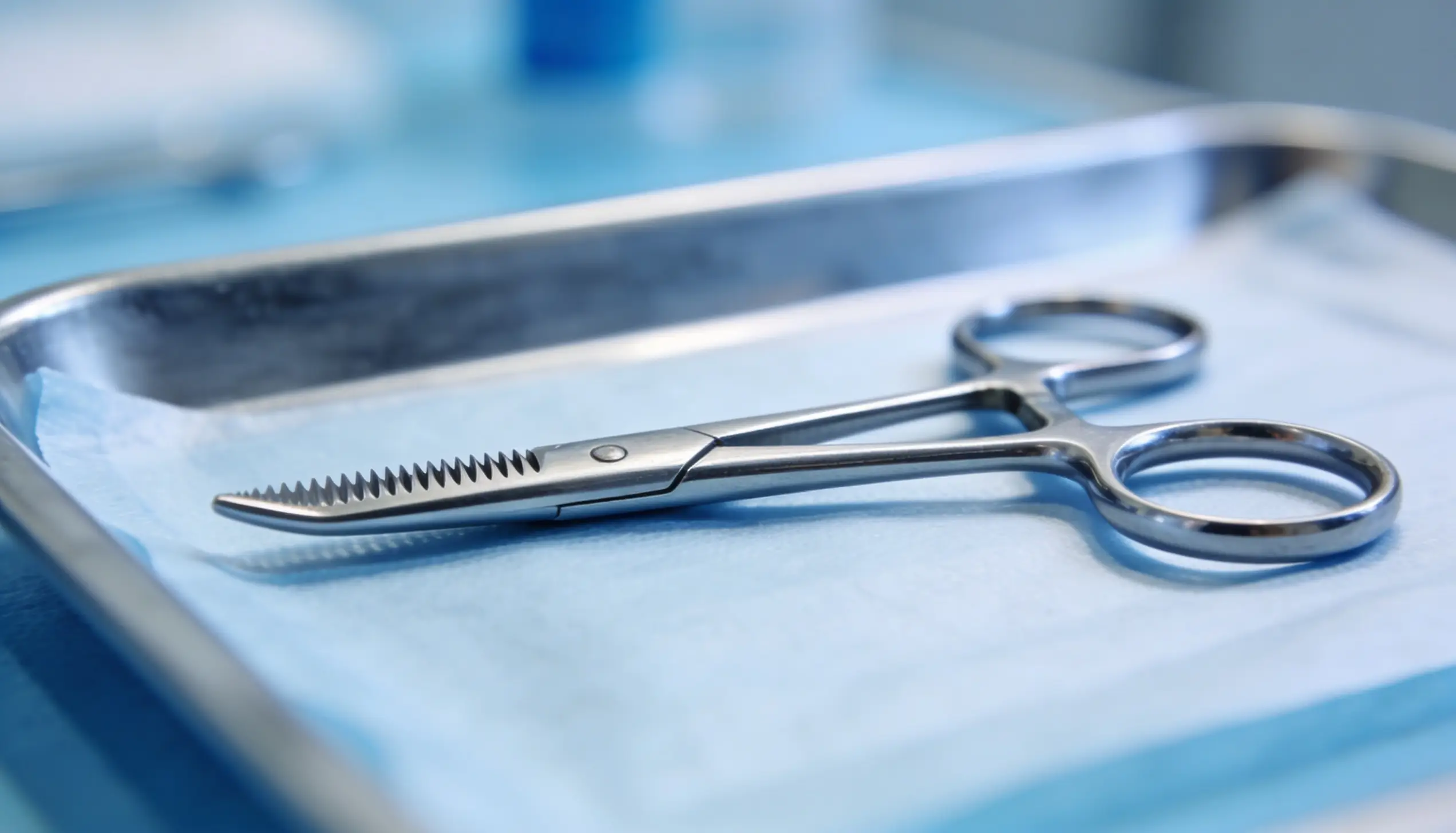
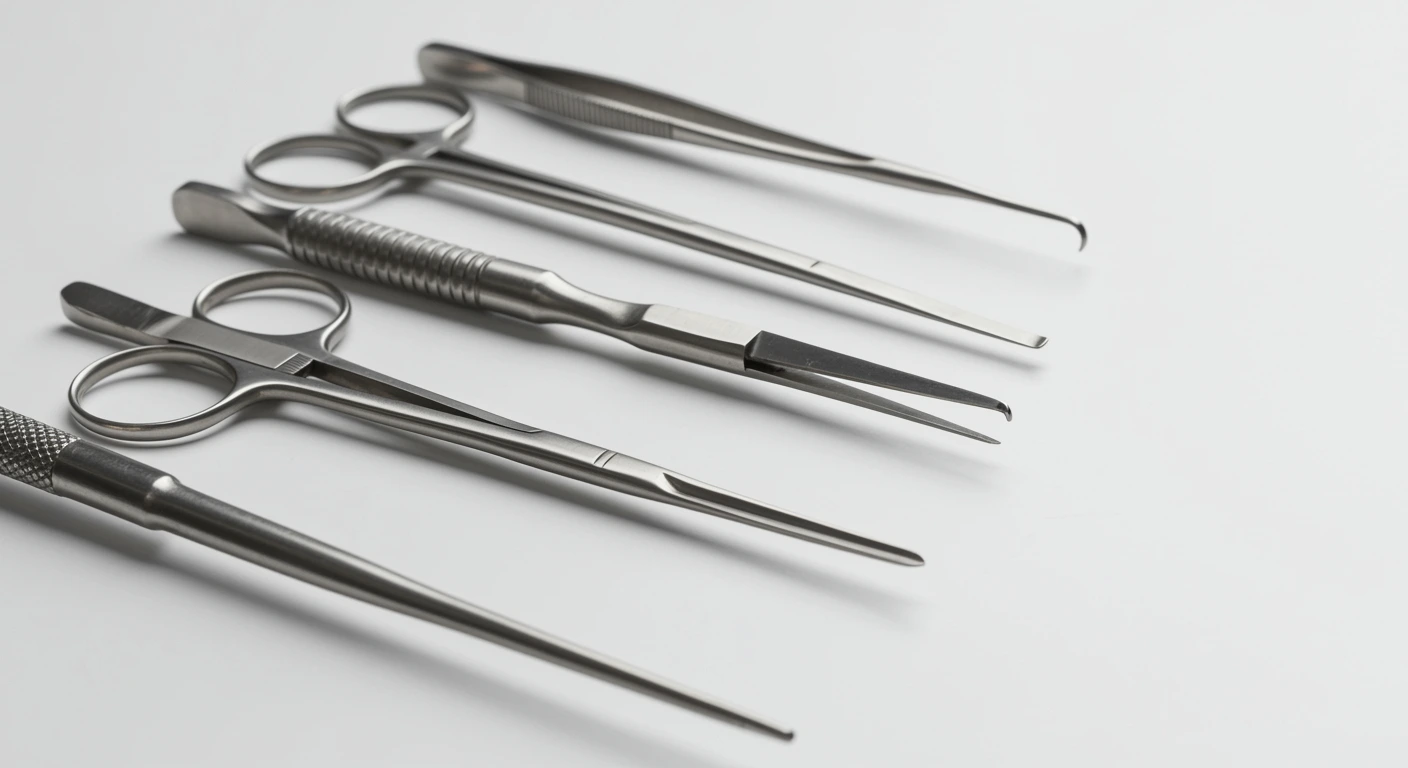
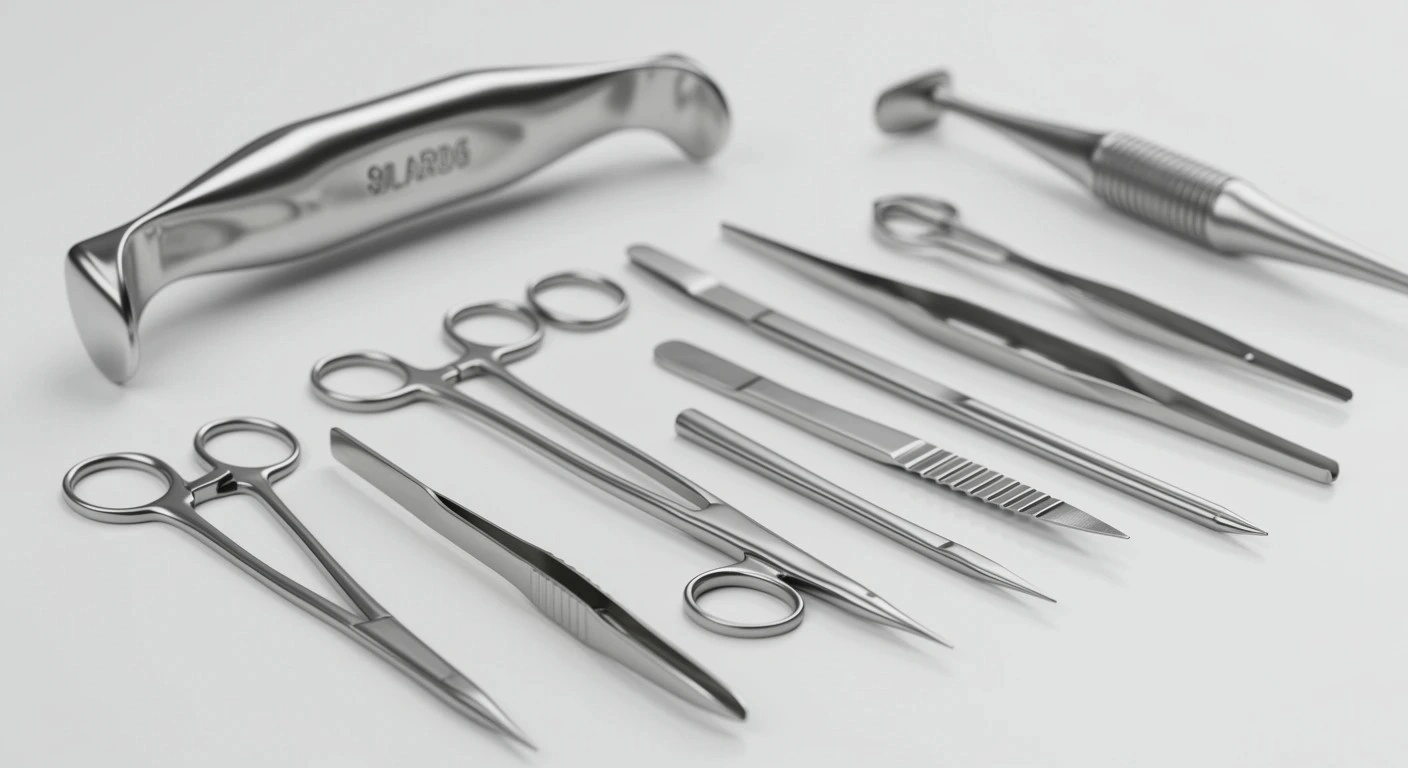
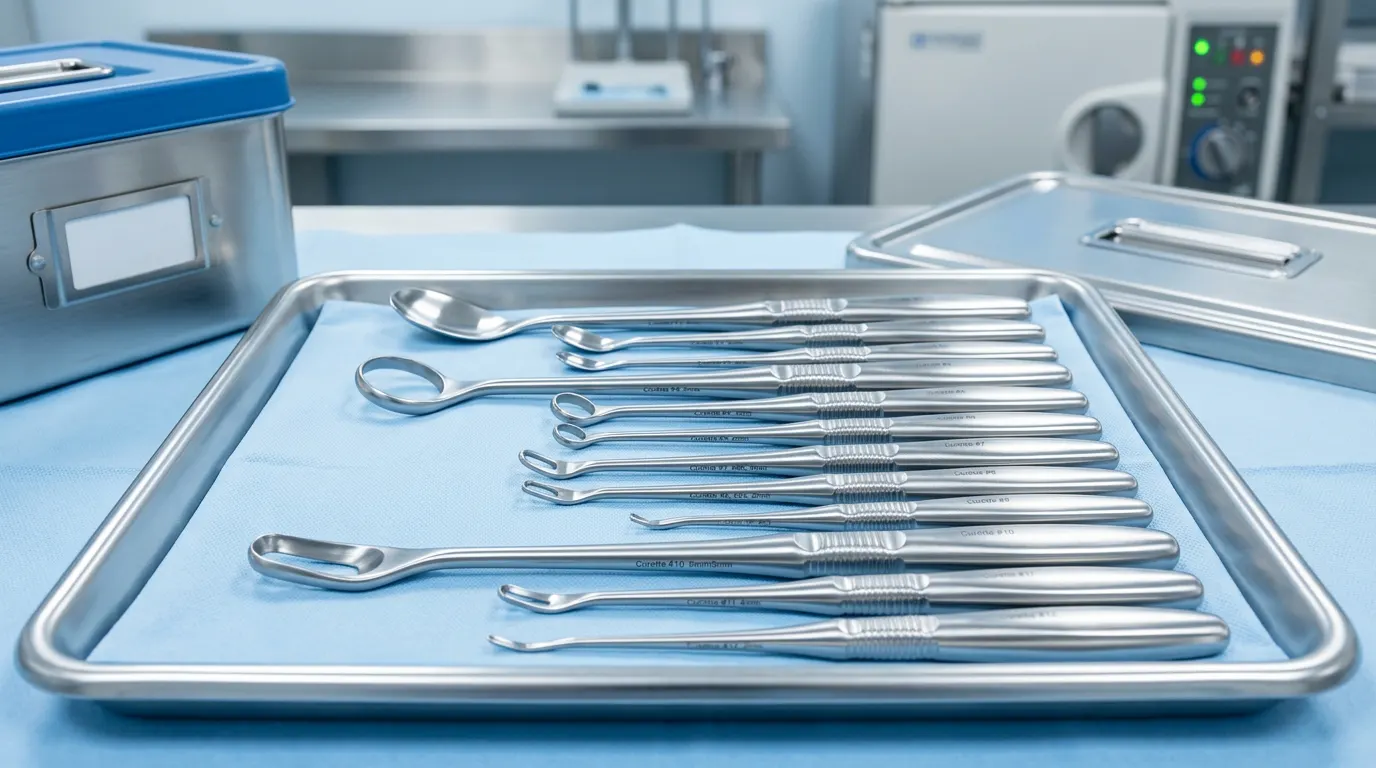
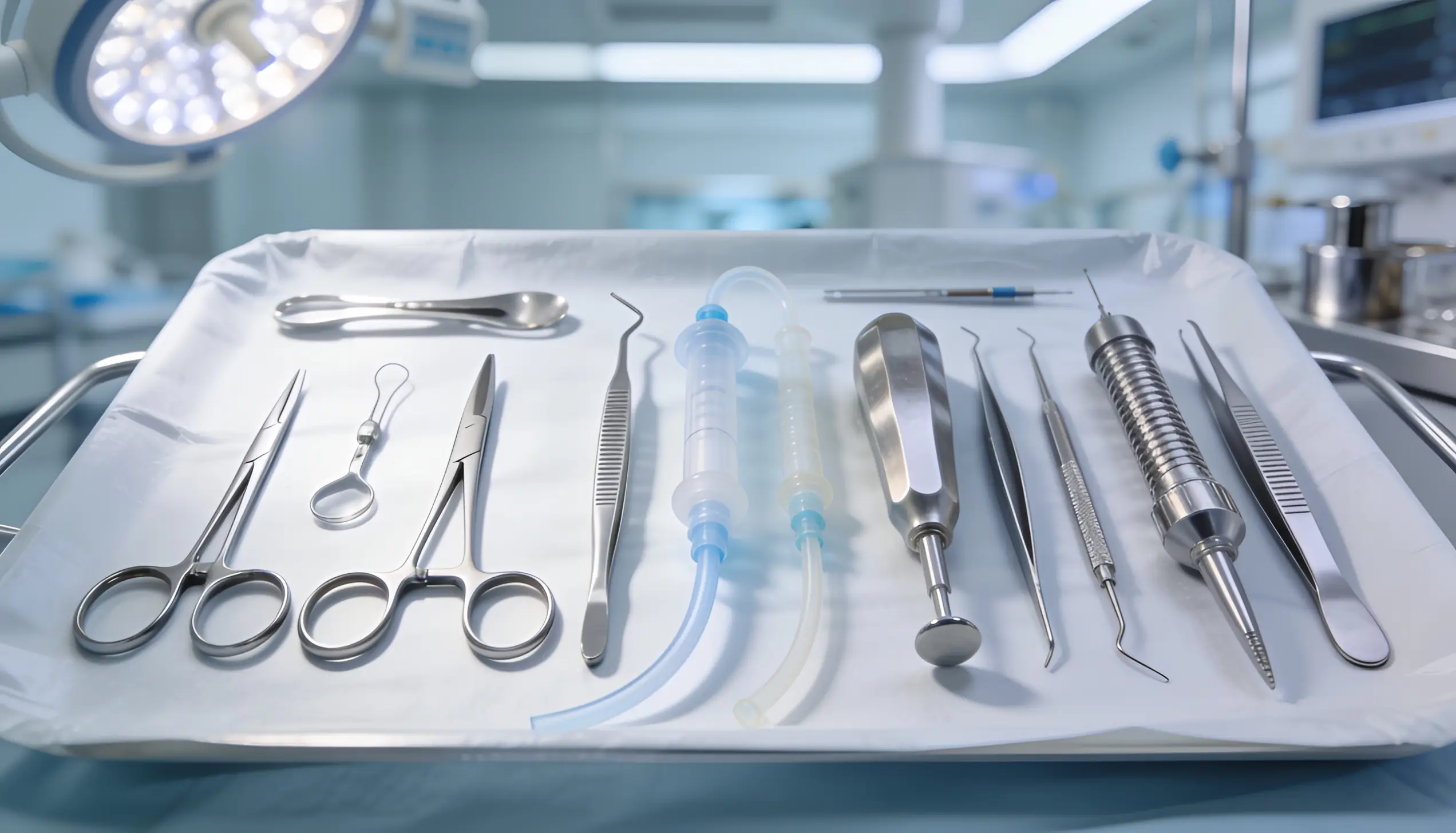
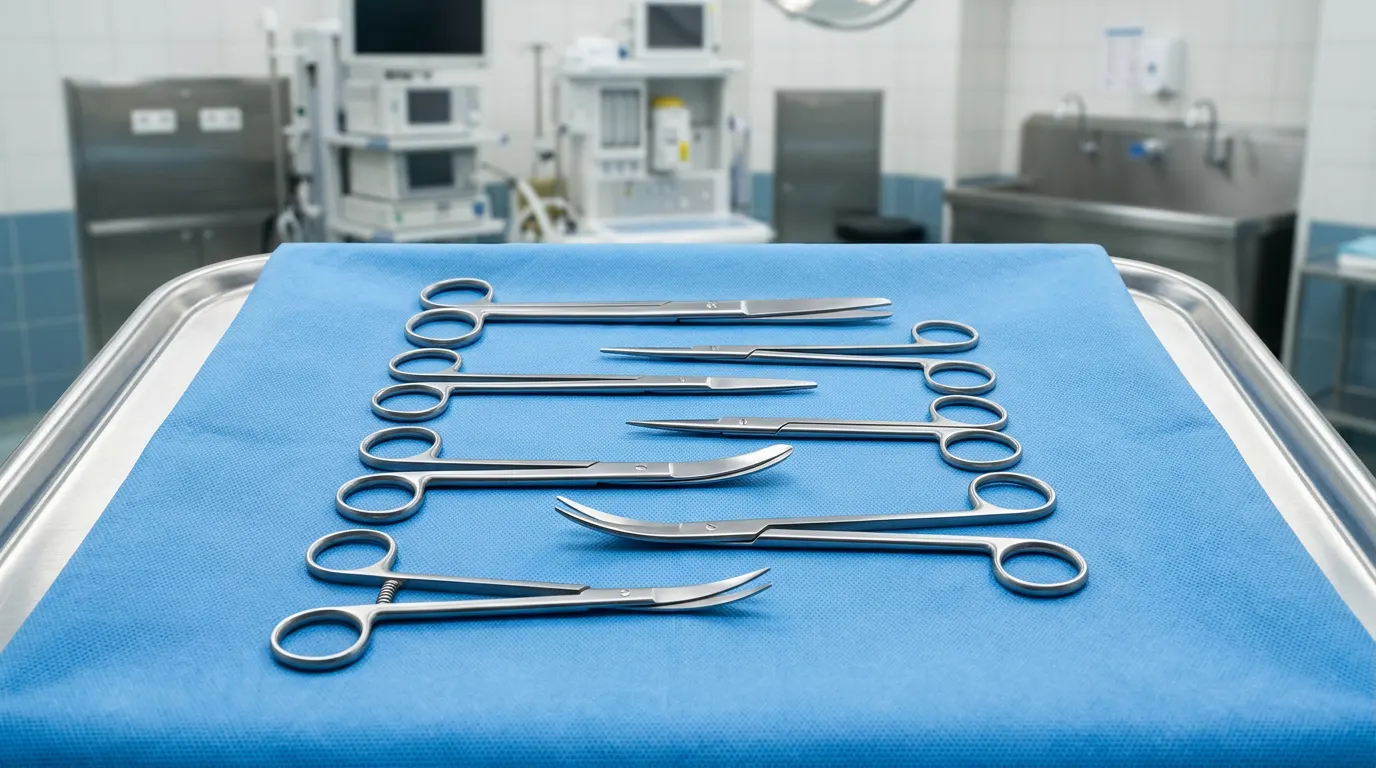
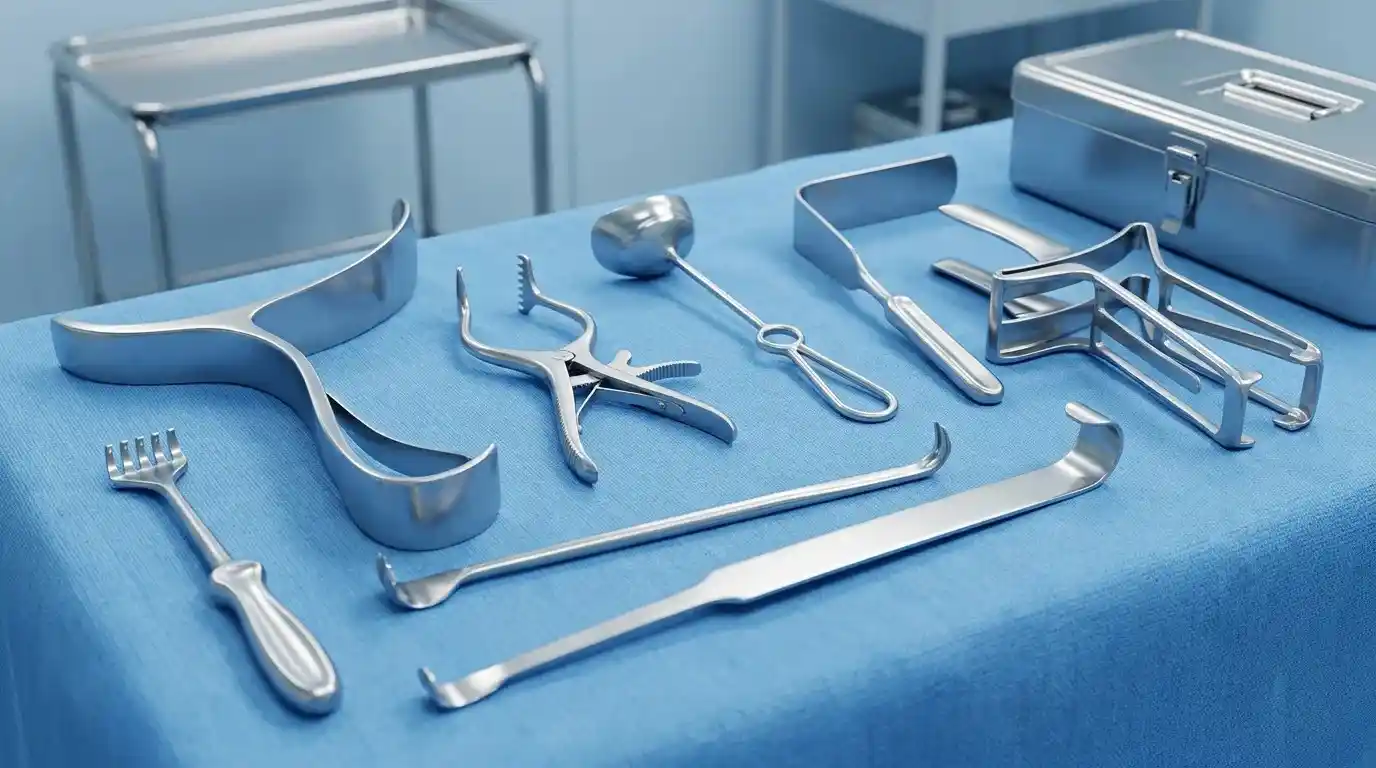
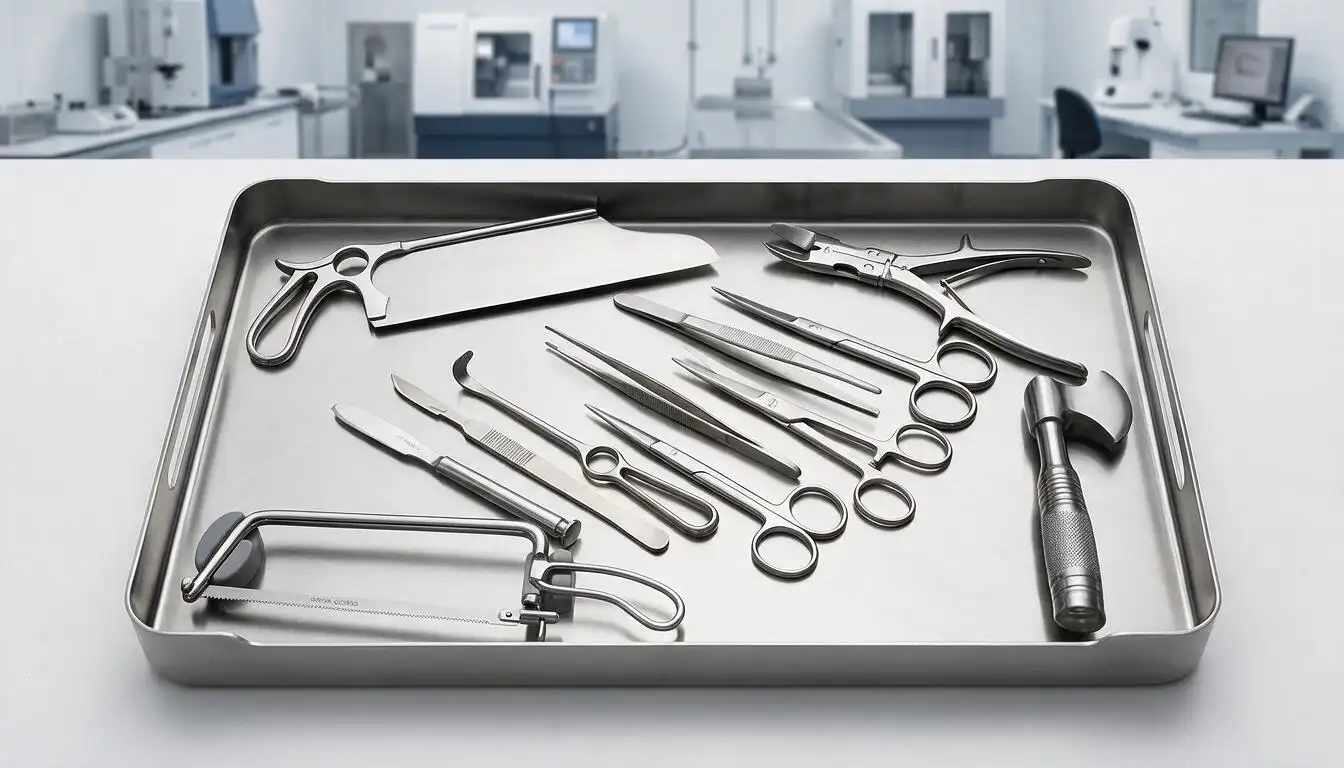
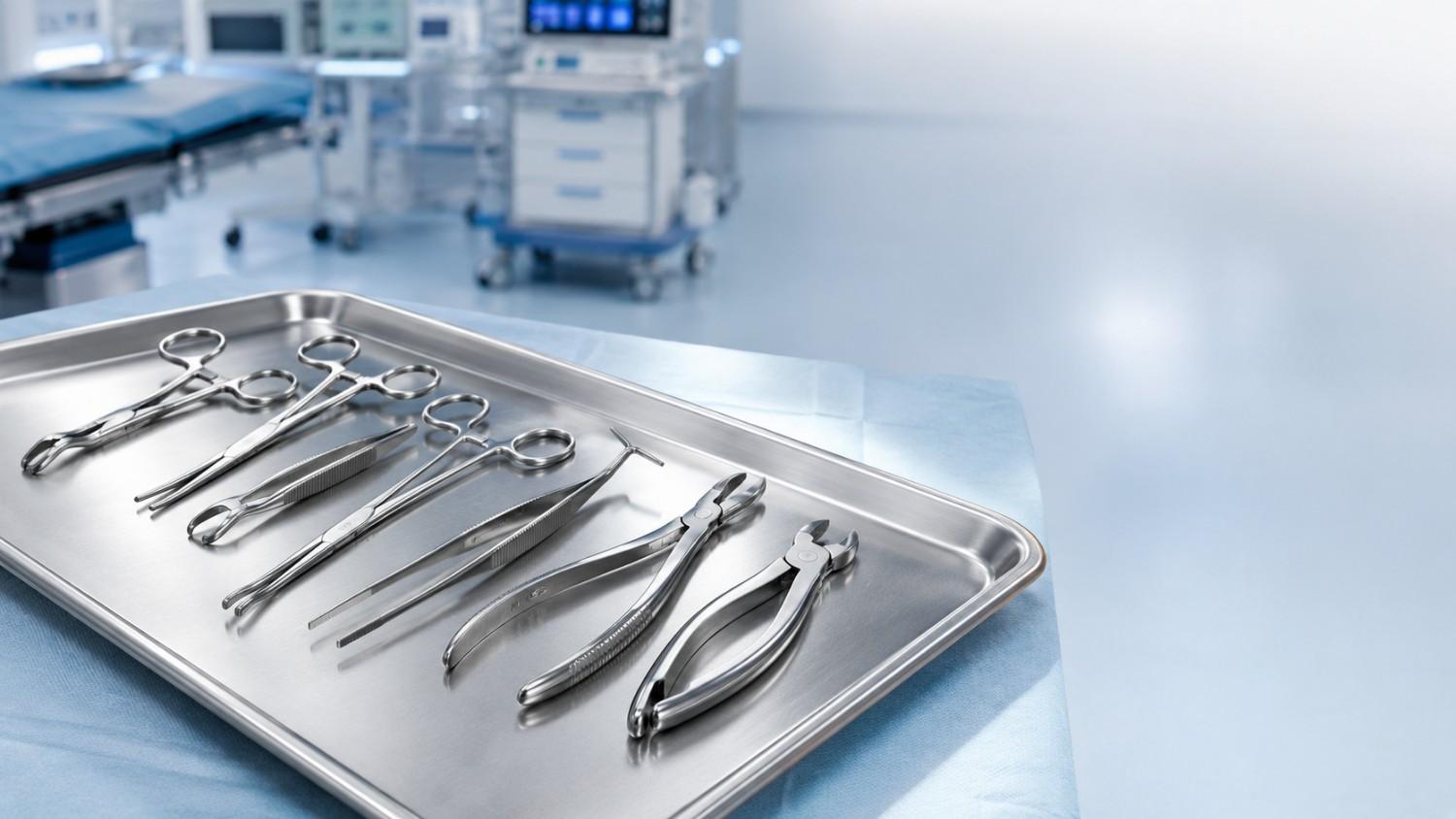
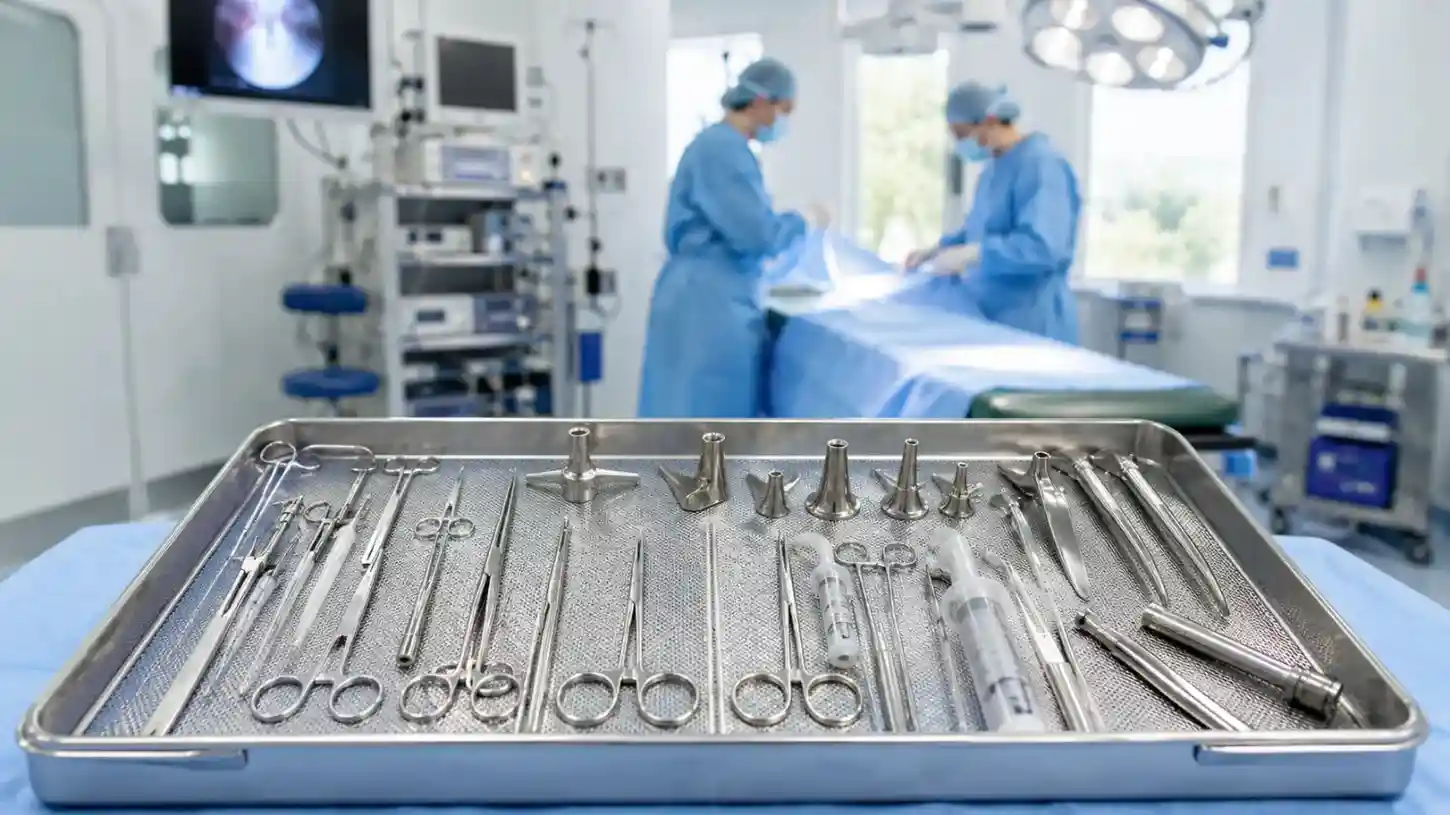
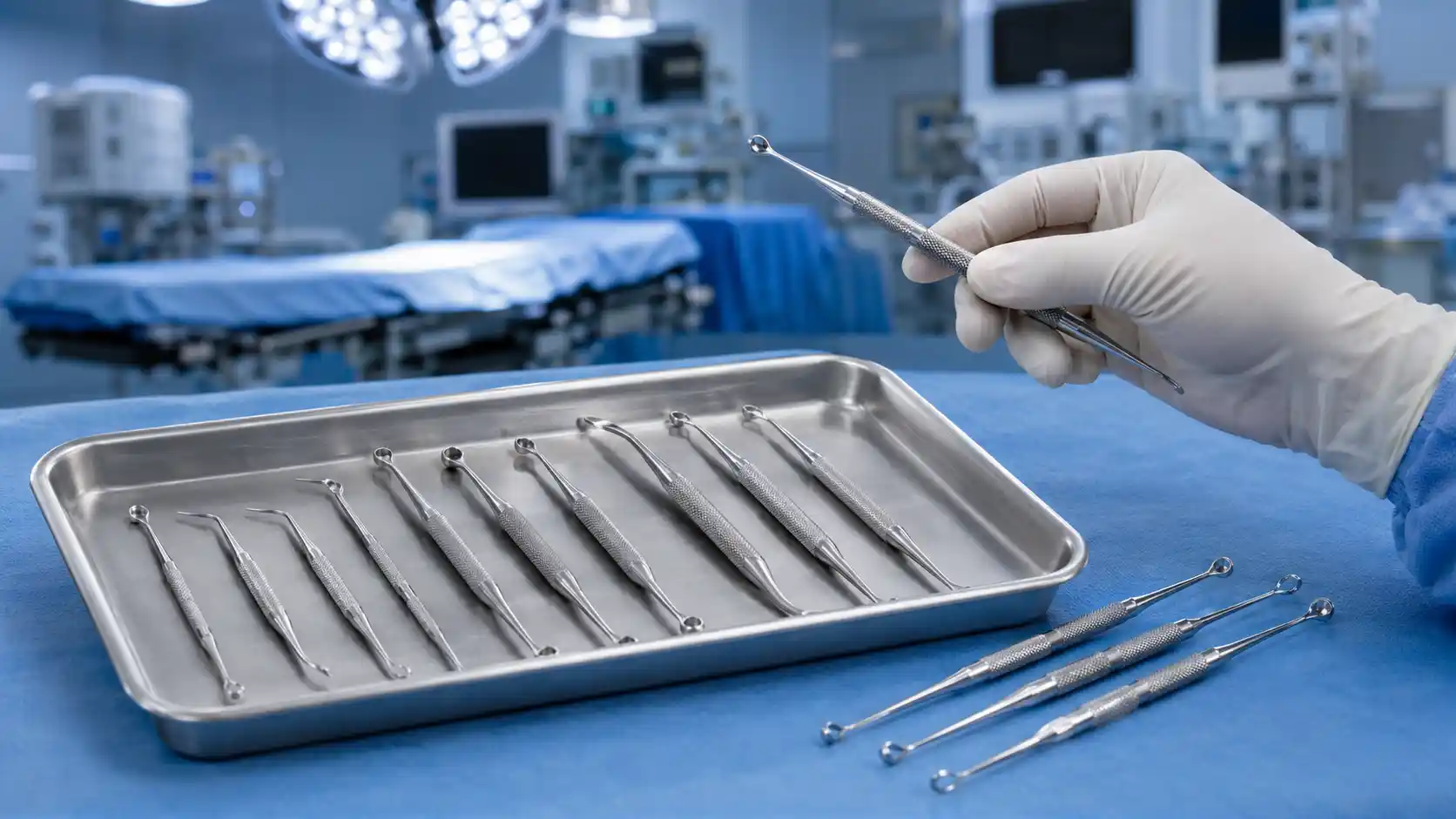
ENT Surgery Instruments: They enable specialists to work accurately, so there‘s no room for error. They include forceps, speculums, curettes and a special pair of scissors.
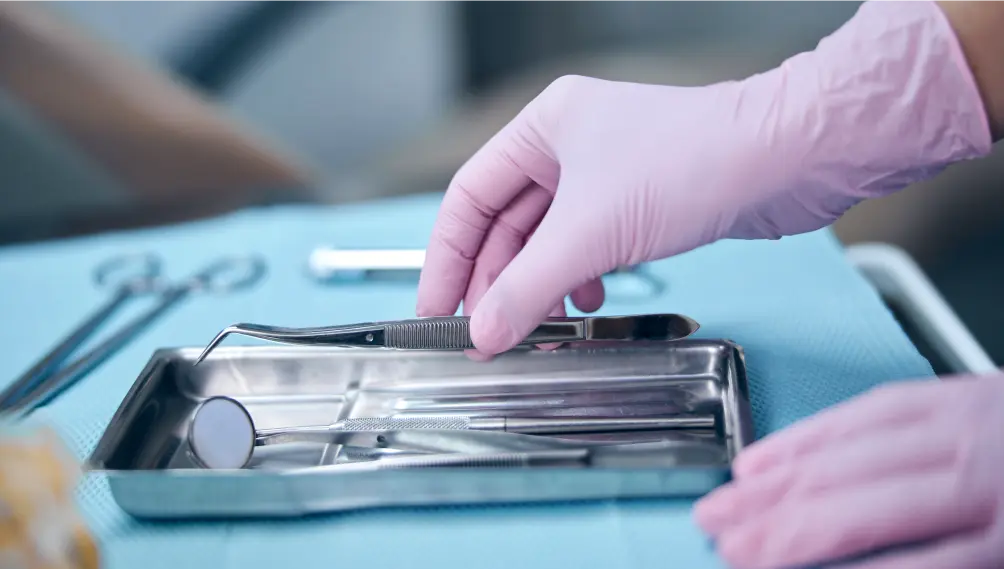
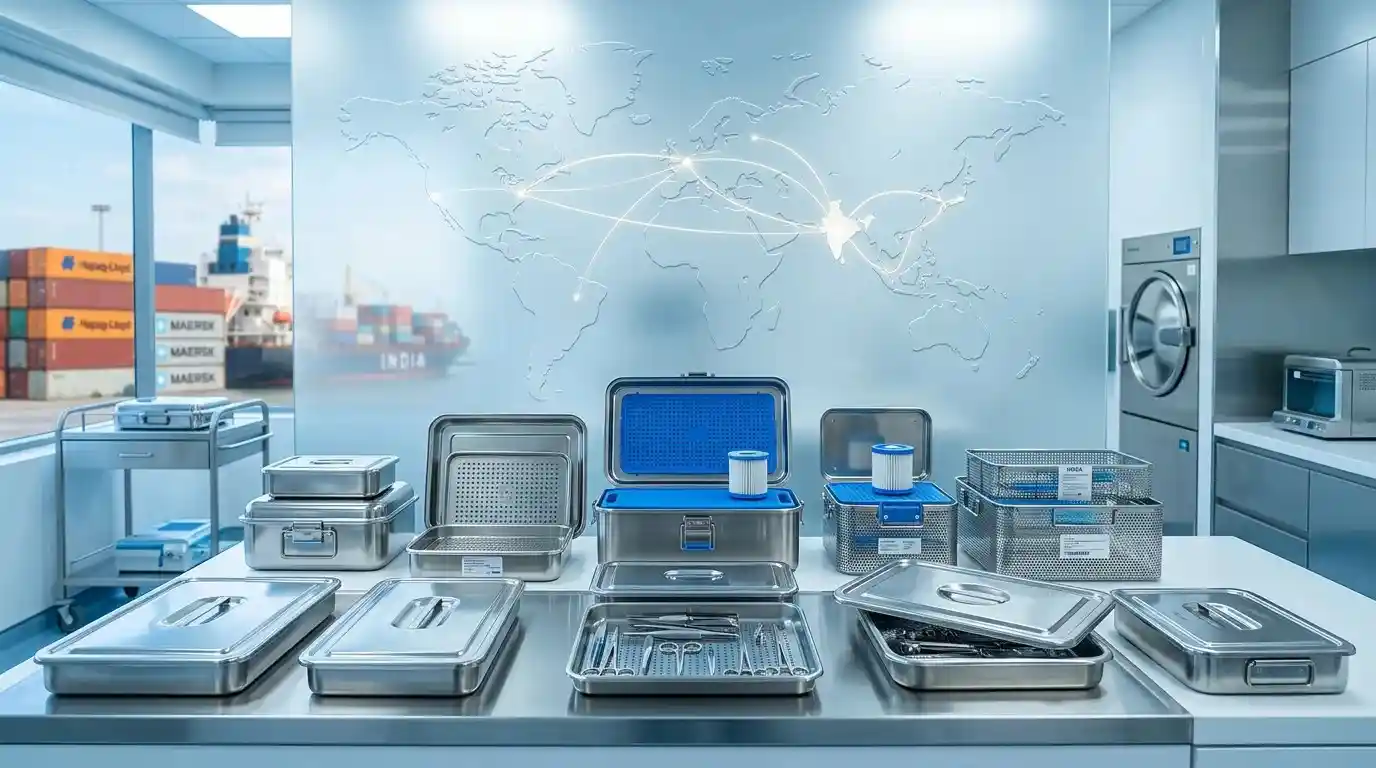
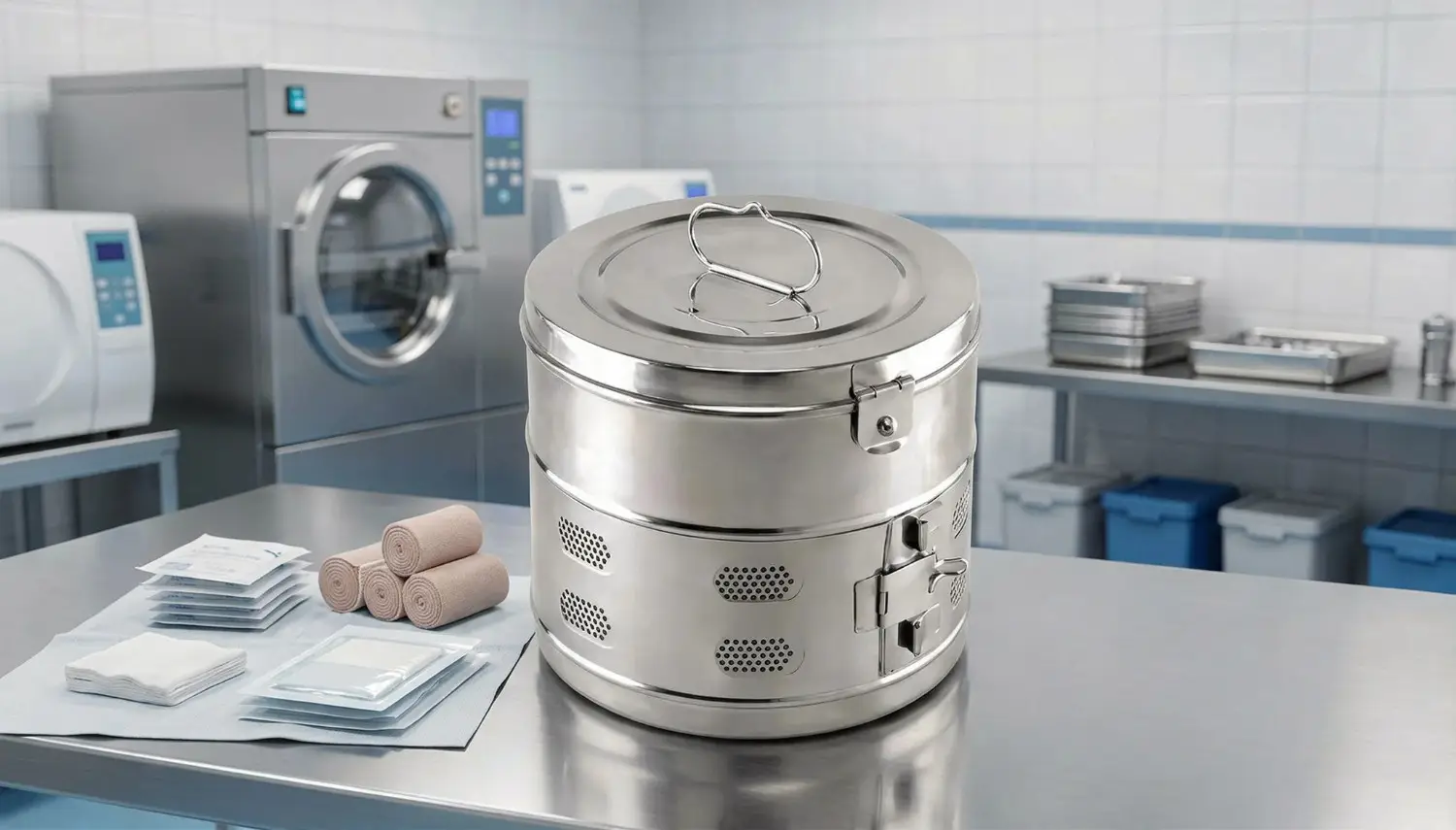
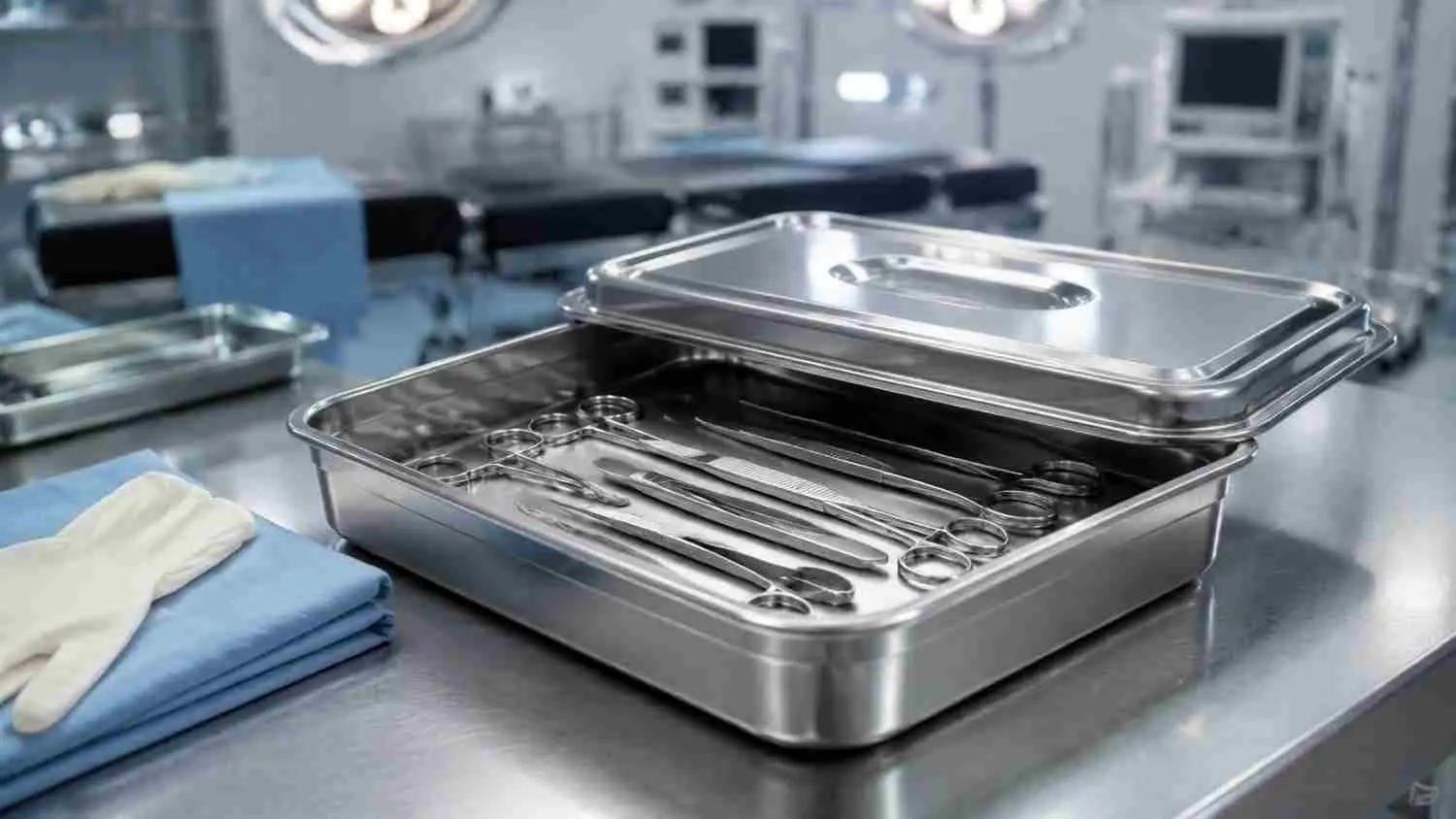
Keep instruments clean. Autoclaves, instrument washers, and storage techniques ensure equipment is safe for use.
Along with this, there are computers, patient chairs, examination units and record systems supporting day-to-day operations and although they don‘t appear clinical, they are what hold the practice together.
| Instrument Group | Example Tool | Common Use | Frequency |
|---|---|---|---|
| Ear | Curette | Wax removal | Daily |
| Nose | Nasal speculum | Examination | Daily |
| Throat | Laryngeal mirror | Viewing structures | Daily |
| Surgery | Needle holder | Suturing | As needed |
| Endoscopy | Grasping forceps | Procedures | Frequent |
A well-run clinic is set up around key pieces of equipment. Always do the basics first.
An ergonomically adjustable chair increases patient comfort and allows for better positioning of the patient during the examination. The majority of professionals feel that investment in an ergonomic chair will decrease time wastage in the workflow.
This station is common to the different sources of lights, material output, vacuum, compressed air, and storage. It is the center of nearly all consultation rooms.
The otoscope is still one of the most common ENT instruments. It allows the practitioner to have a quick view of the ear canal and tympanic membrane.
Aids in the diagnosis of structural abnormalities, infection, and tumors. Using high-definition images can give greater acuity.
Magnification with microscopes for delicate ear procedures. You need to be very precise when working on small structures.
Hearing tests are an essential component of many practices, with specialised aommeters and soundproofed test rooms helping to aid diagnosis.
Fun Fact: The earliest practical otoscope was introduced in the nineteenth century and revolutionised the examination of the ear, as it enabled doctors to examine the ear canal better than they could ever before.
Assembling an ENT set of instruments can require a lot of forethought. Start by selecting instruments that will be used.
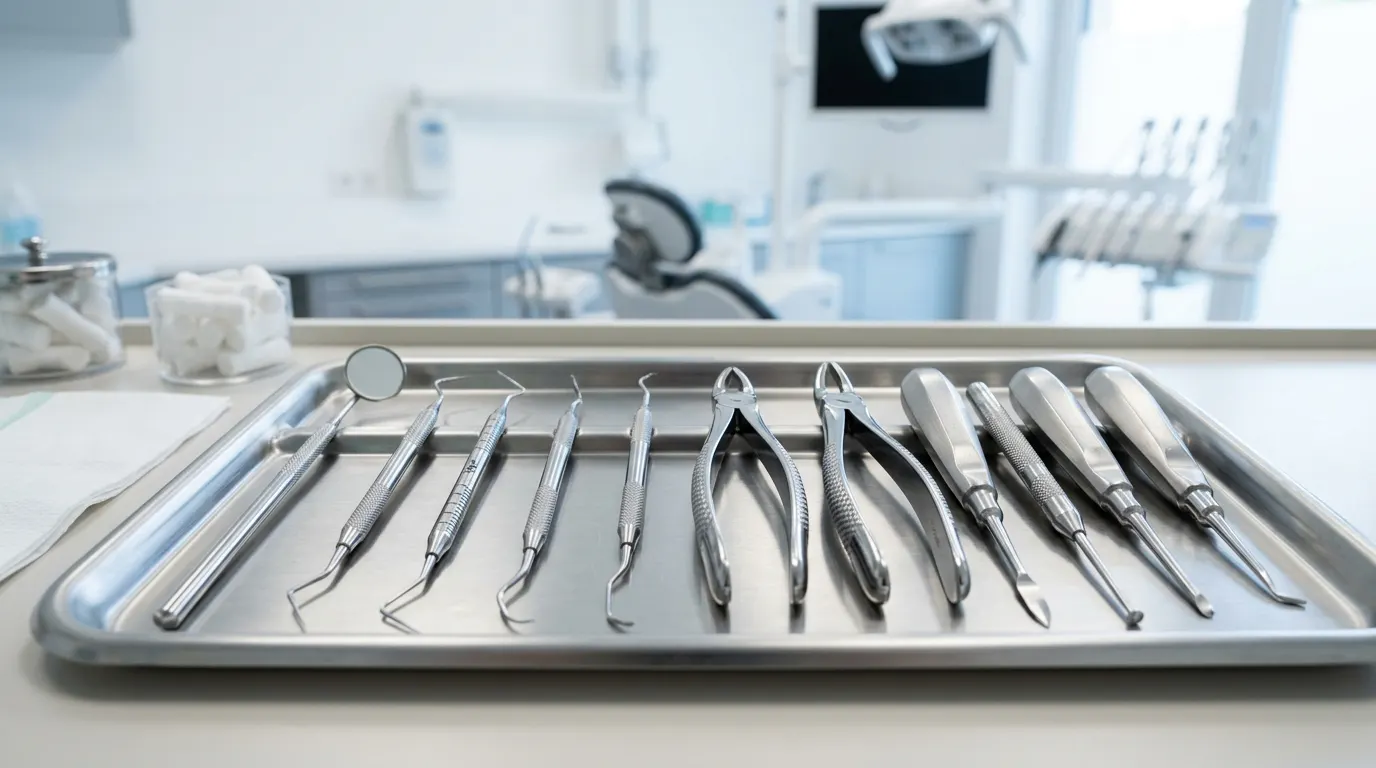
A practical ENT instruments list often includes:
These tools deal with a high proportion of ordinary consultations.
As patient volume grows, add:
These items are for when smaller in-office procedures are required.
ENT surgical instruments vary by speciality focus. Common examples include:
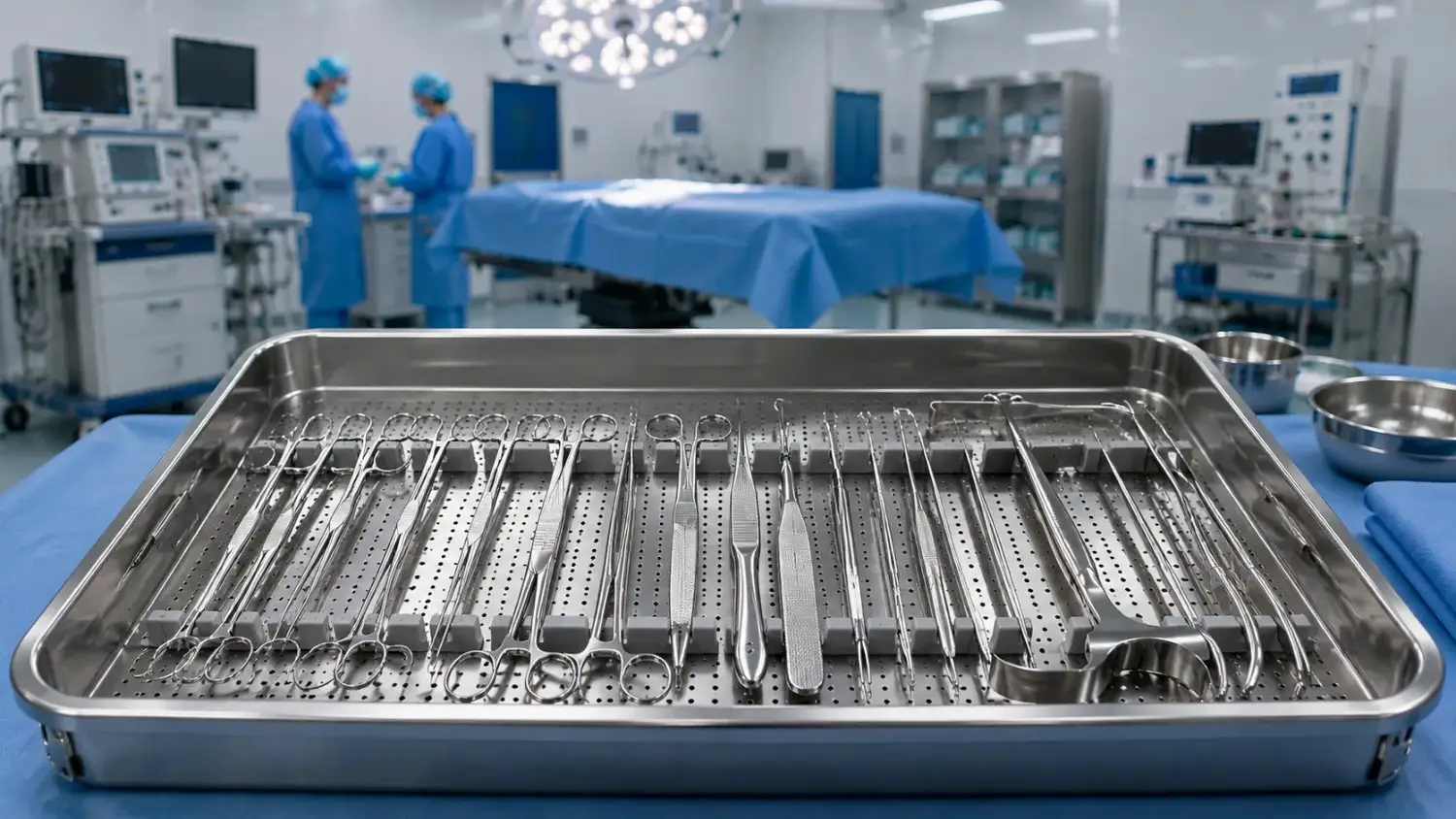
Studies have demonstrated that using a standardised instrument tray speeds up procedures and cuts down on time.
|
Instrument Group |
Example Tool |
Common Use |
Frequency |
|
Ear |
Curette |
Wax removal |
Daily |
|
Nose |
Nasal speculum |
Examination |
Daily |
|
Throat |
Laryngeal mirror |
Viewing structures |
Daily |
|
Surgery |
Needle holder |
Suturing |
As needed |
|
Endoscopy |
Grasping forceps |
Procedures |
Frequent |
Never just buy all the instruments on sale. Select on the basis of the services you want to provide.
Hearing clinics will use different equipment than sinus surgery centres. List what you are expecting to do before you purchase.
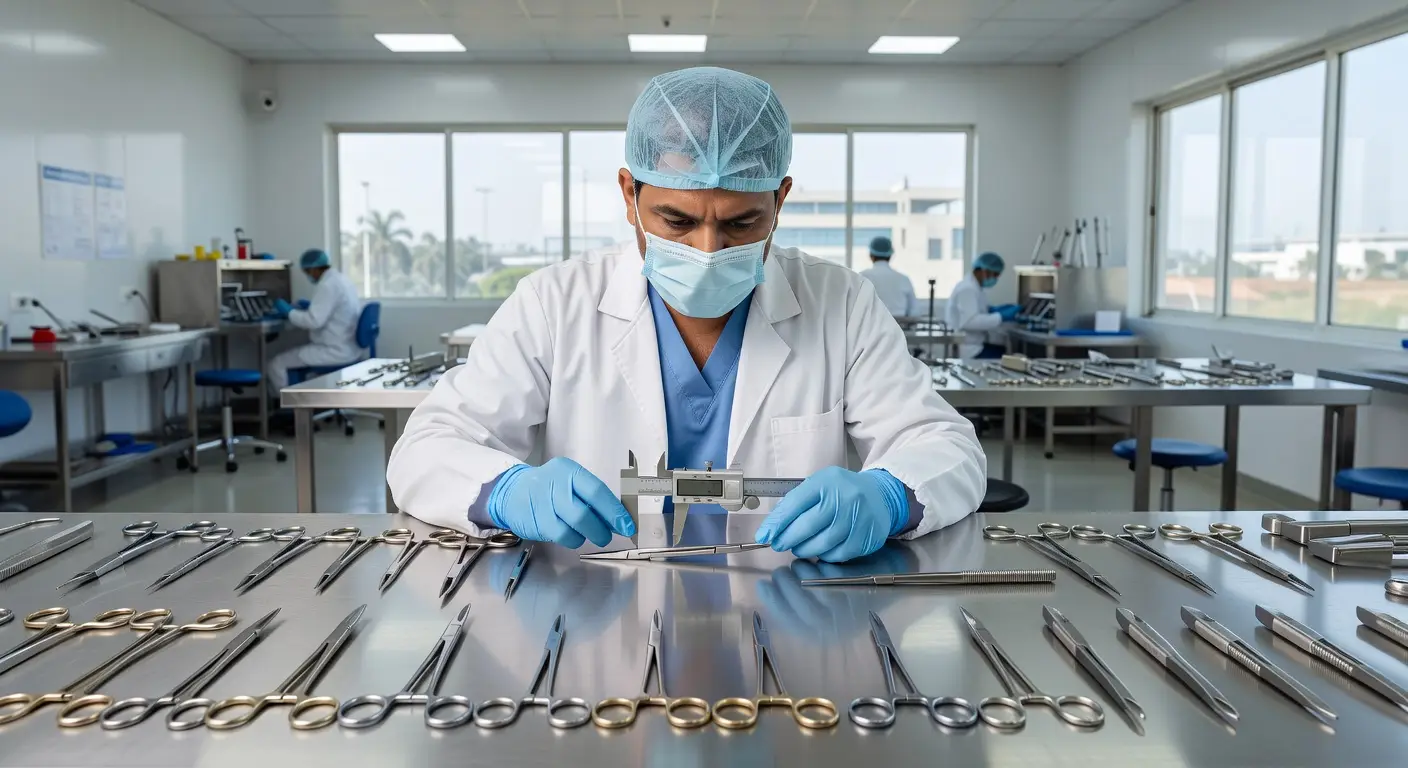
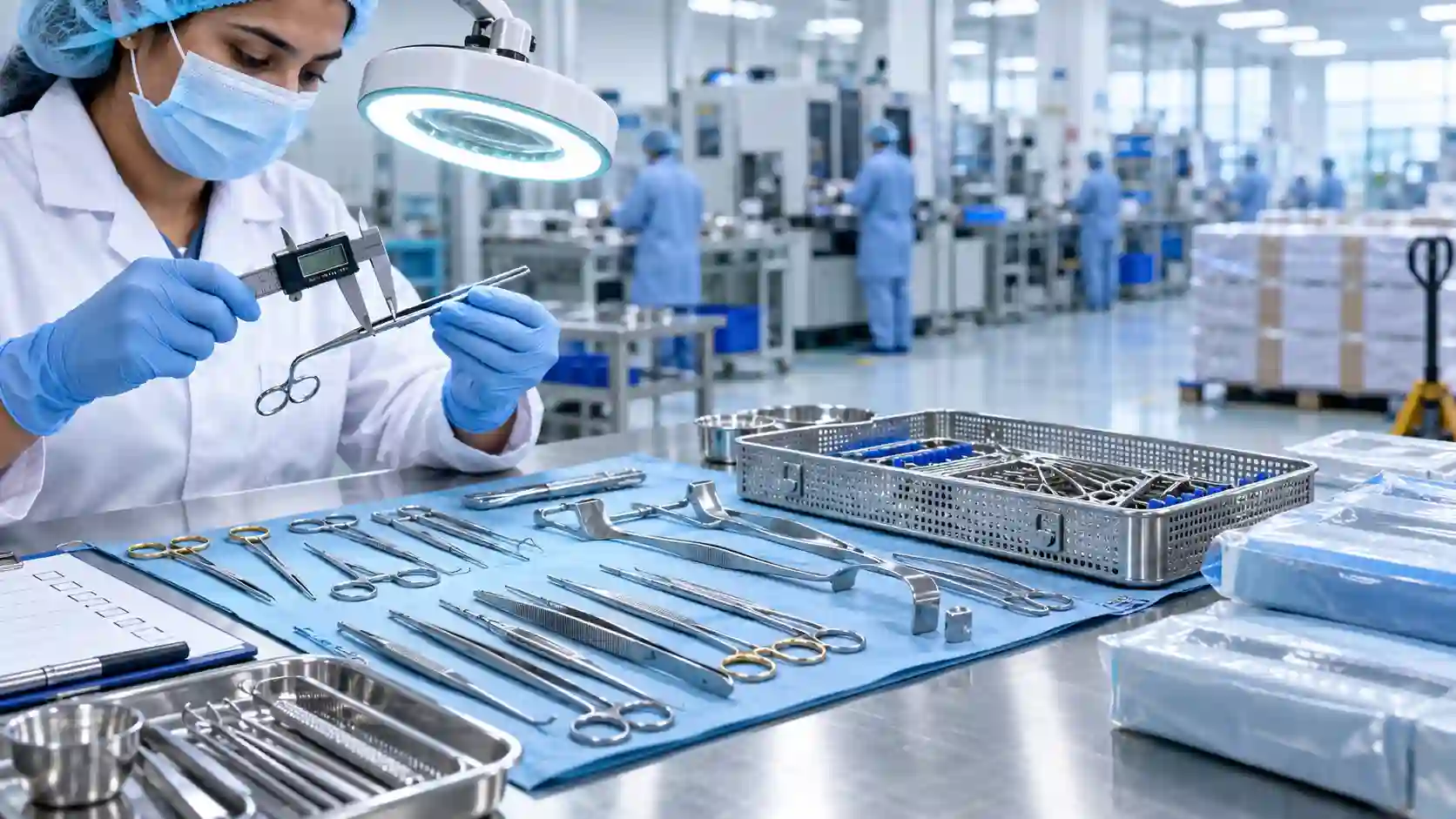
Good-quality stainless instruments often last longer. Cheap instruments can be costly over time to replace.
Dependable suppliers also include maintenance support, spare parts and warranty service. The predictability of equipment failure is minimised.
Begin simple and build up: a number of users find purchasing expensive software packs early on can tend to commit precious capital.
Did You Know? Hearing loss affects hundreds of millions of people throughout the world, which has made audiology services one of the most useful and valued new additions to many ENT practices.
Surprisingly, purchasing your ENT instruments online is a common practice among many clinics. The ability to compare prices, consider more suppliers for the same product and follow up with one supplier if you find a better price are popular reasons for buying online. However, it is still important to do due diligence.
Before placing an order:
Internet buying is good if you are confident about your required specifications. Often with the more complicated equipment such as endoscopy equipment, a demonstration may be appropriate before you make a firm decision.
The professional even got so focused on the profession.
Equipment should reflect clinical objectives. If you don‘t have objectives, you can buy so much equipment that you will blow your budget.
Position equipment in locations that are accessible to staff. Inefficient rooms lead to delays for the whole day.
A busy clinic is processing large numbers of instruments. A lack of sterilisation capacity may lead to time pressures on operations.
Allow for potential expansion of exam rooms, imaging stations, or audiology departments.
Reduced prices may be appealing. However, equipment failures impact patient experience and clinic throughput.
A practical budget ensures that your practice starts off in a sound financial position. Researchers advise dividing costs into budget categories: basic equipment, growth equipment, and extras. Purchase examination equipment, sterilizing systems, and diagnostic equipment first, and plan to purchase more advanced equipment at a later date when it can be justified by the number of patients. Many practices also allocate a fund for repairing, calibrating and training staff that often gets overlooked. If service contracts are being considered talk them through with the supplier. Figure the total cost of ownership, not the initial purchase price. Slightly more money now will save you trips to the repair shop and interruptions to business. If a solid budget can be maintained, the operation can expand gradually while keeping pace with cash flow, aiding a better patient experience.
As a Manufacturer and Supplier Mediwave provides sophisticated surgical instruments to cater to modern healthcare requirements. The company is a specialist in providing precisely engineered surgical, orthopedic, dental, ENT and gynecological instruments, etc for hospitals and clinics. Providing custom-made orders based on specific client needs, Mediwave assures medical devices that are safe, reliable, durable and long lasting as they use advanced technologies and top-grade materials for corrosion resistance. Mediwave adheres to all the International safety standards and follows business ethics. With trained professionals and state-of-the-art manufacturing facilities, Mediwave successfully manages bulk international orders, enabling medical professionals worldwide to enhance patient safety, surgical outcomes, and efficiency.
It takes more than equipping rooms with ENT equipment to establish a successful ENT practice. Every purchase should enhance patient care and safety while improving efficiency. The ENT clinic equipment plan should be based on clinical necessity and focus on selecting high-quality ENT instruments that will put you in the best position to care for patients.
Getting ready to start up your practice? Putting together a master list with Mediwave will guide you to select the most useful equipment from the beginning. Contact us
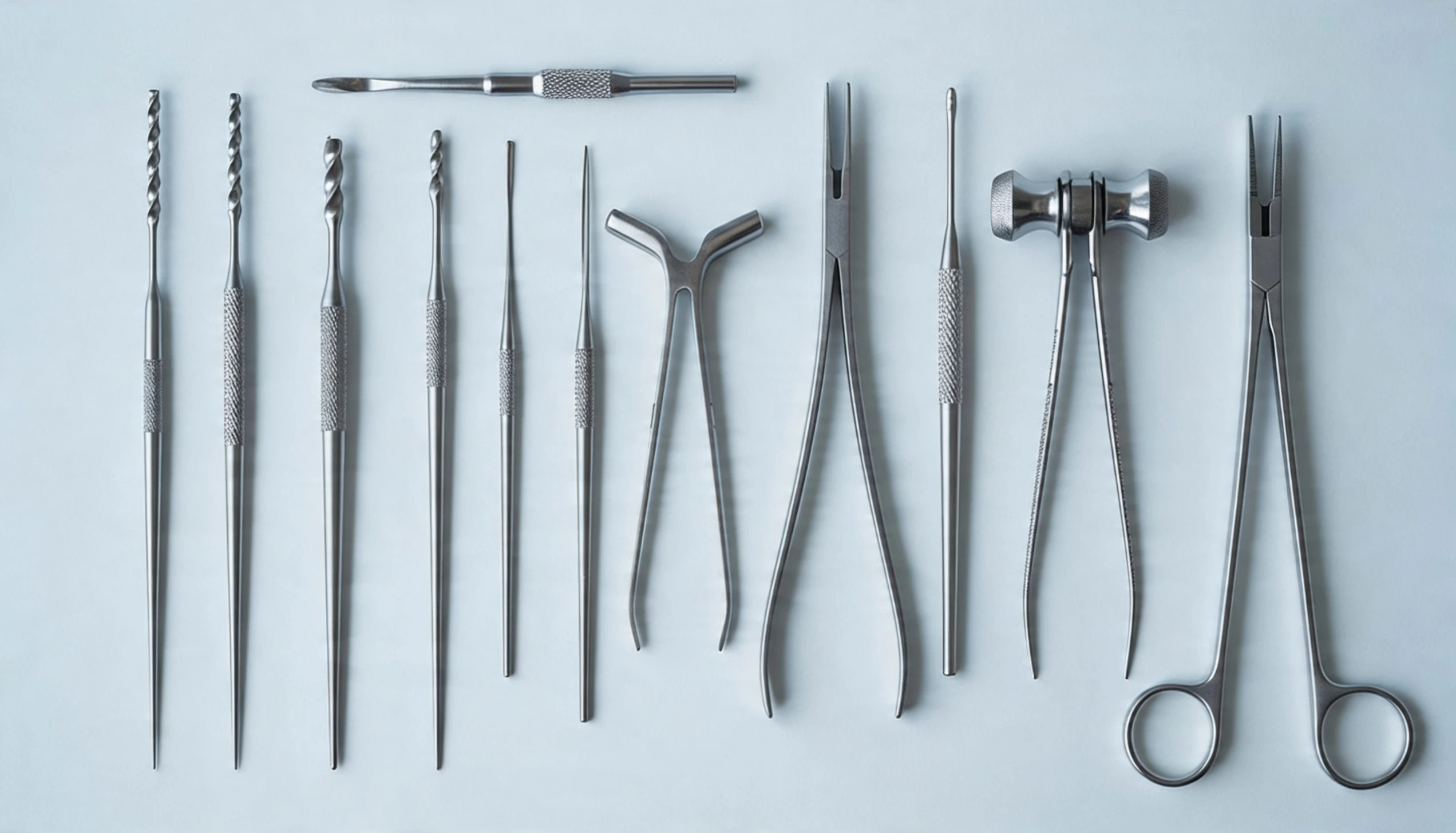
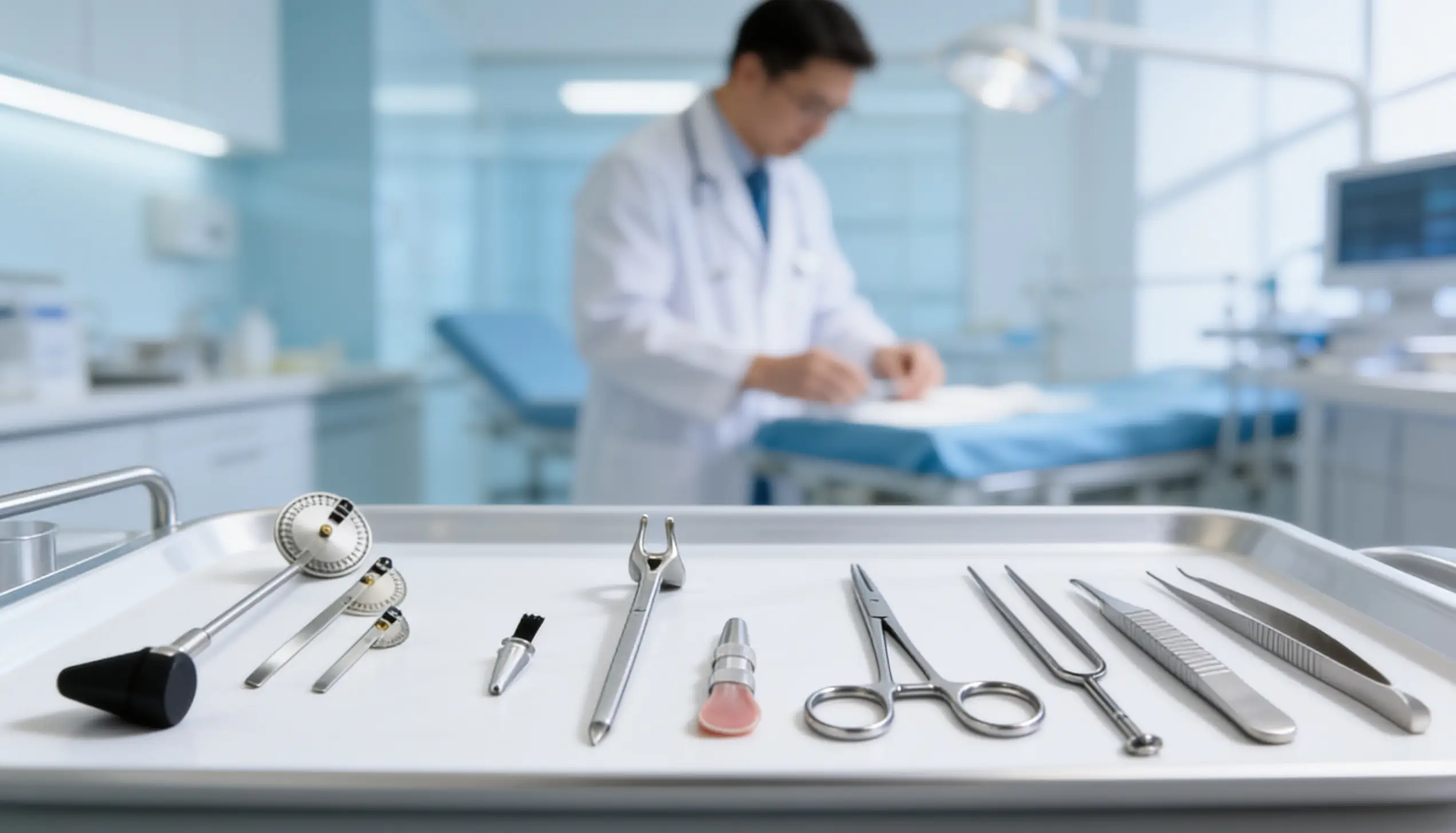
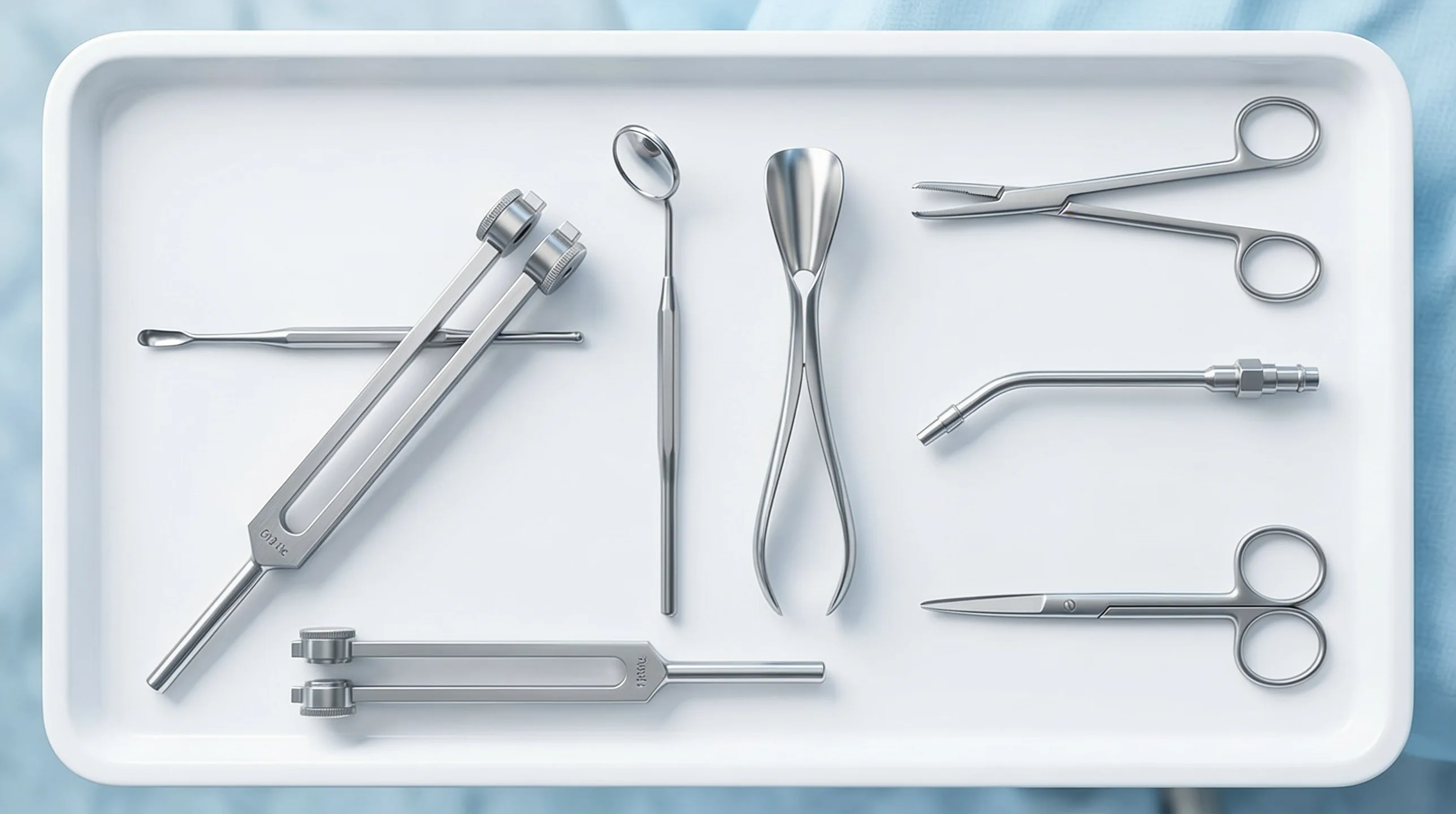
The following are some of the most commonly used ENT instruments: ear speculums, nasal speculums, tuning forks, tongue depressors, curettes, and laryngeal mirrors. They form the basis of everyday diagnostic techniques as well as minor procedures.
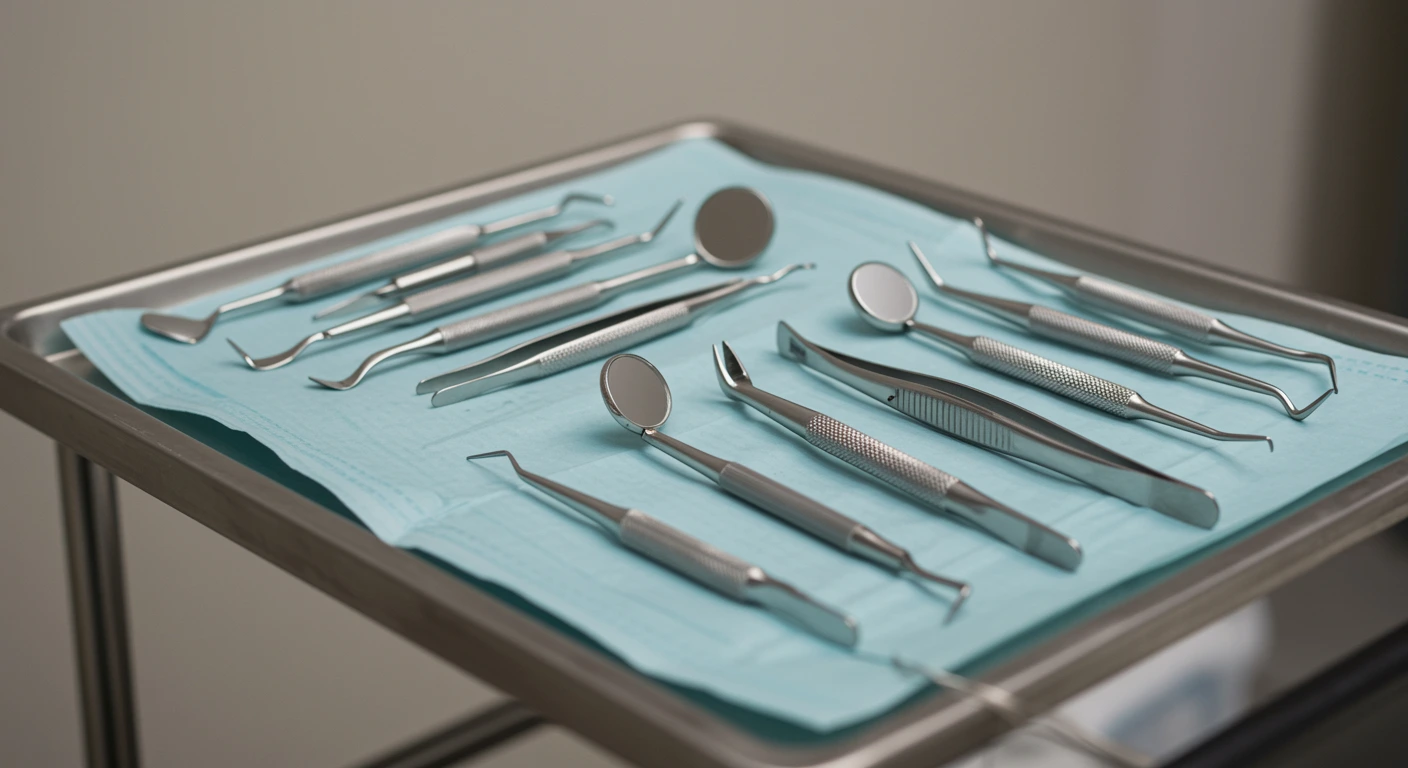
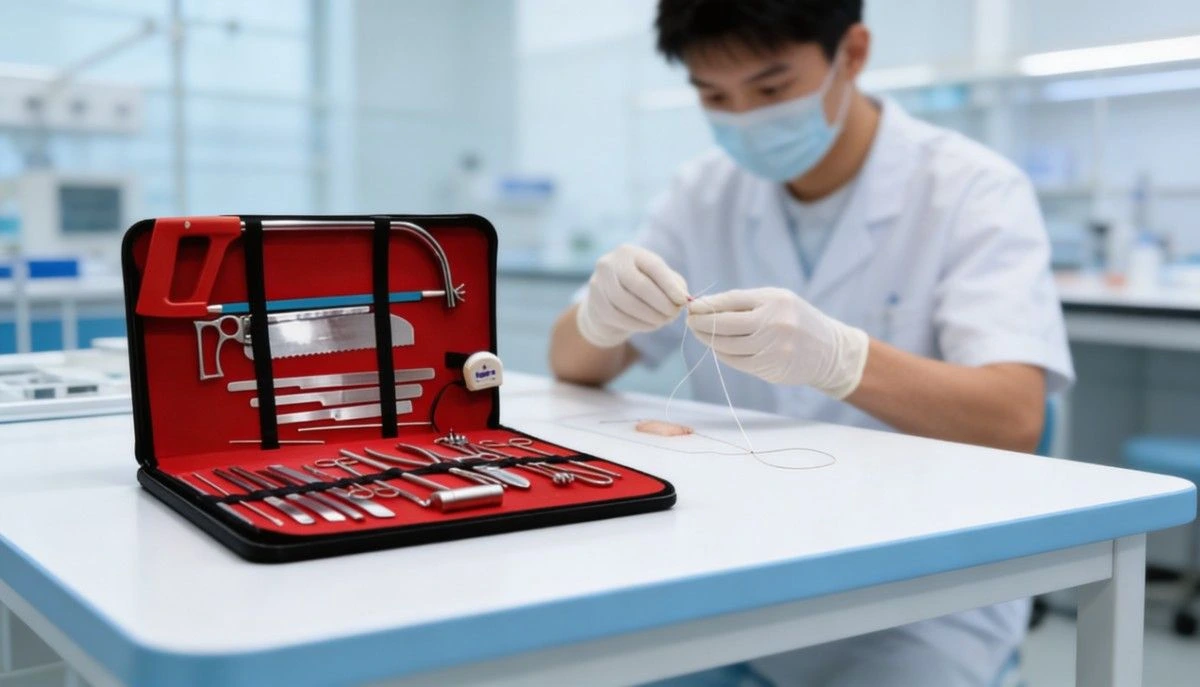
A starter ENT instruments pack should typically include examination instruments, small procedure instruments and basic surgical supplies. The precise range of these will be determined by the services that you offer.
Most clinics start with a diagnostic system, examination unit and sterilizer plus an essential instrument set. Extra equipment may be added as patient demand increases.
Yes, when you purchase from reputable suppliers, confirm that you examine certificates and check the warranty information. This way, purchasing problems can be avoided with “due care”.
Forceps, needle holders, scissors, suction instruments, and simple sinus instruments are often the best entry point for clinics with surgical facilities.
Yes! All Mediwave ENT instruments are crafted using quality material, non-corrosive, and because of their quality, it is safe for patients.
Definitely! Mediwave is able to tailor ENT instruments to fit the requirements of your clinic or hospital to perform optimally.