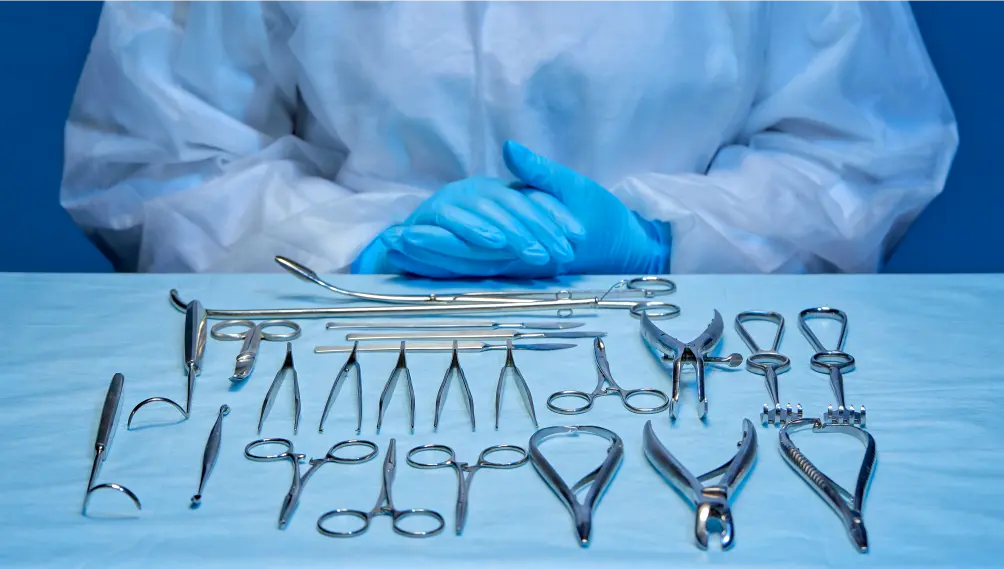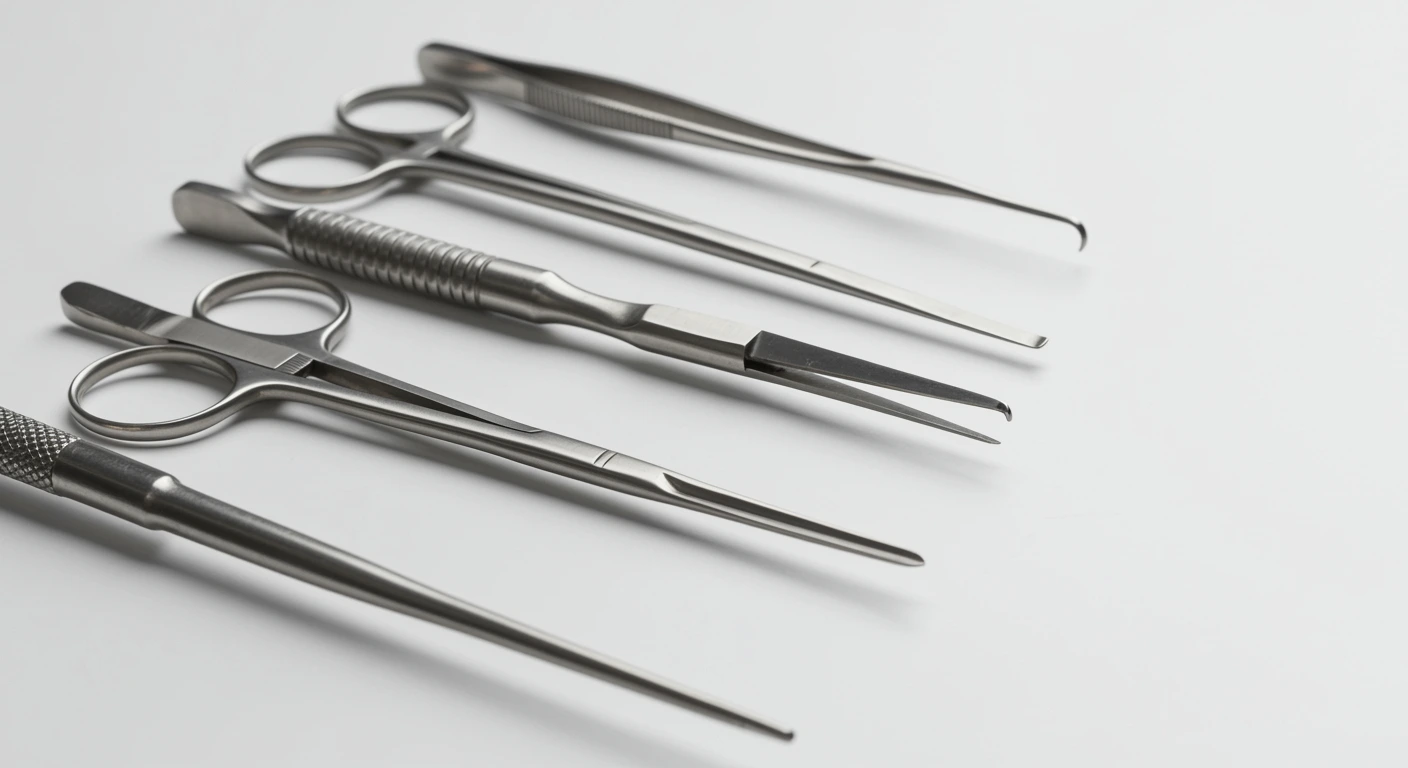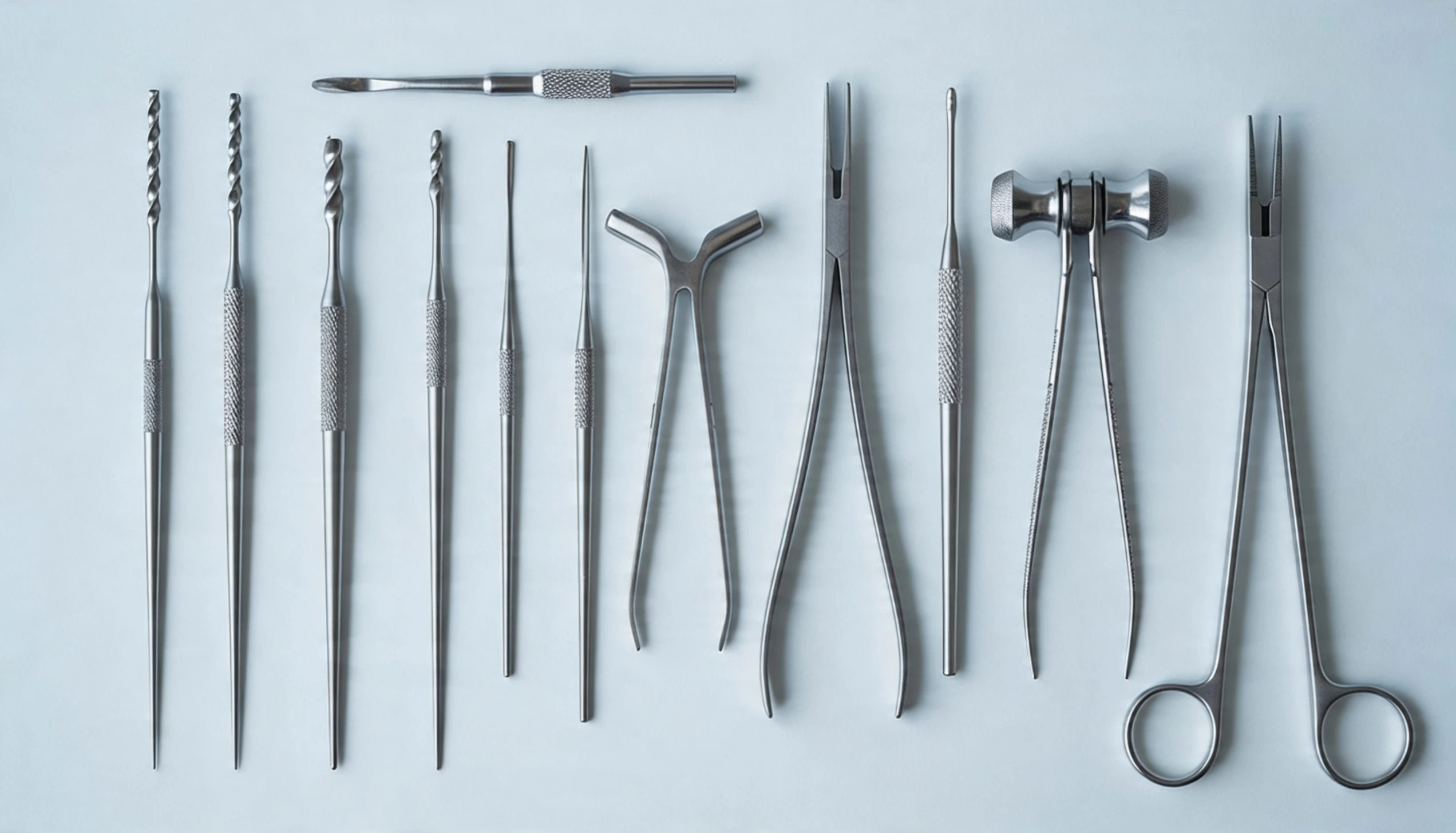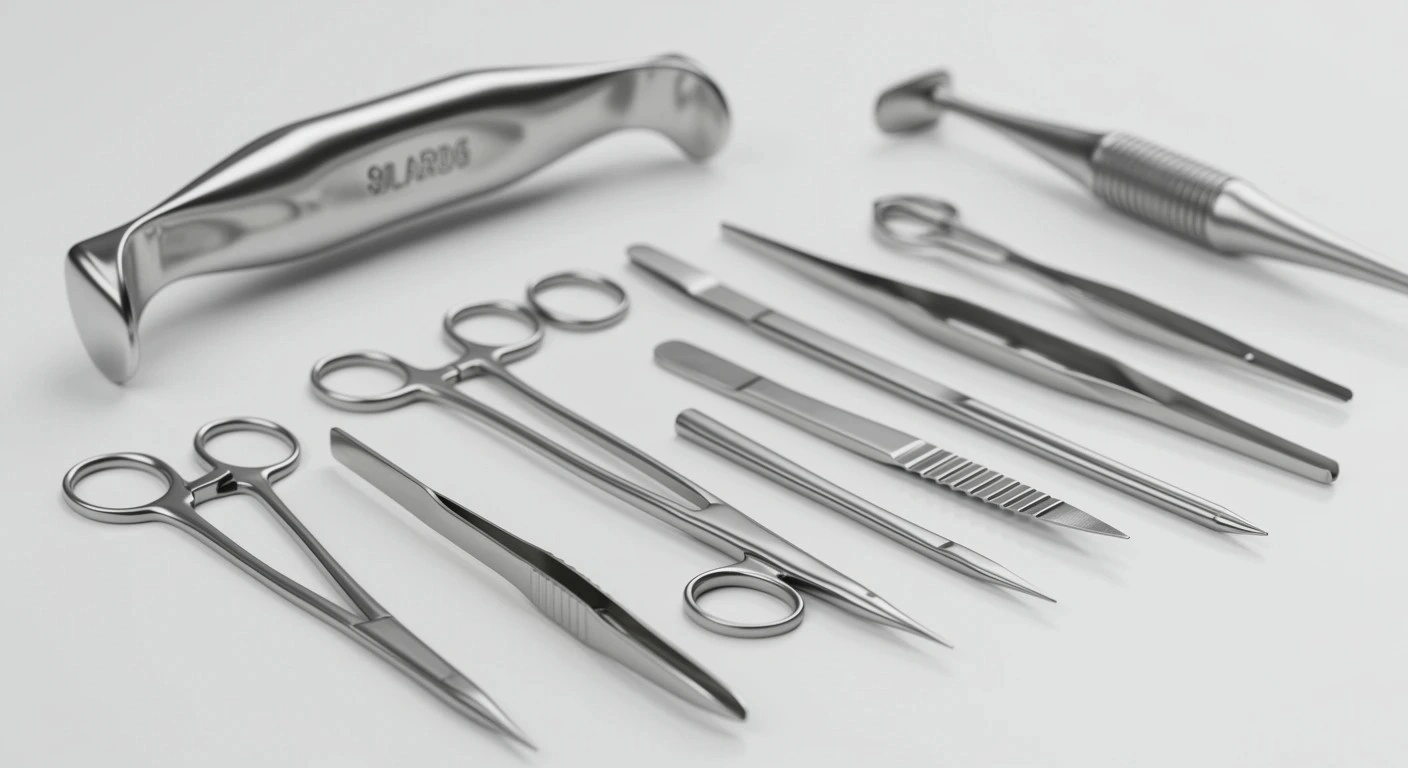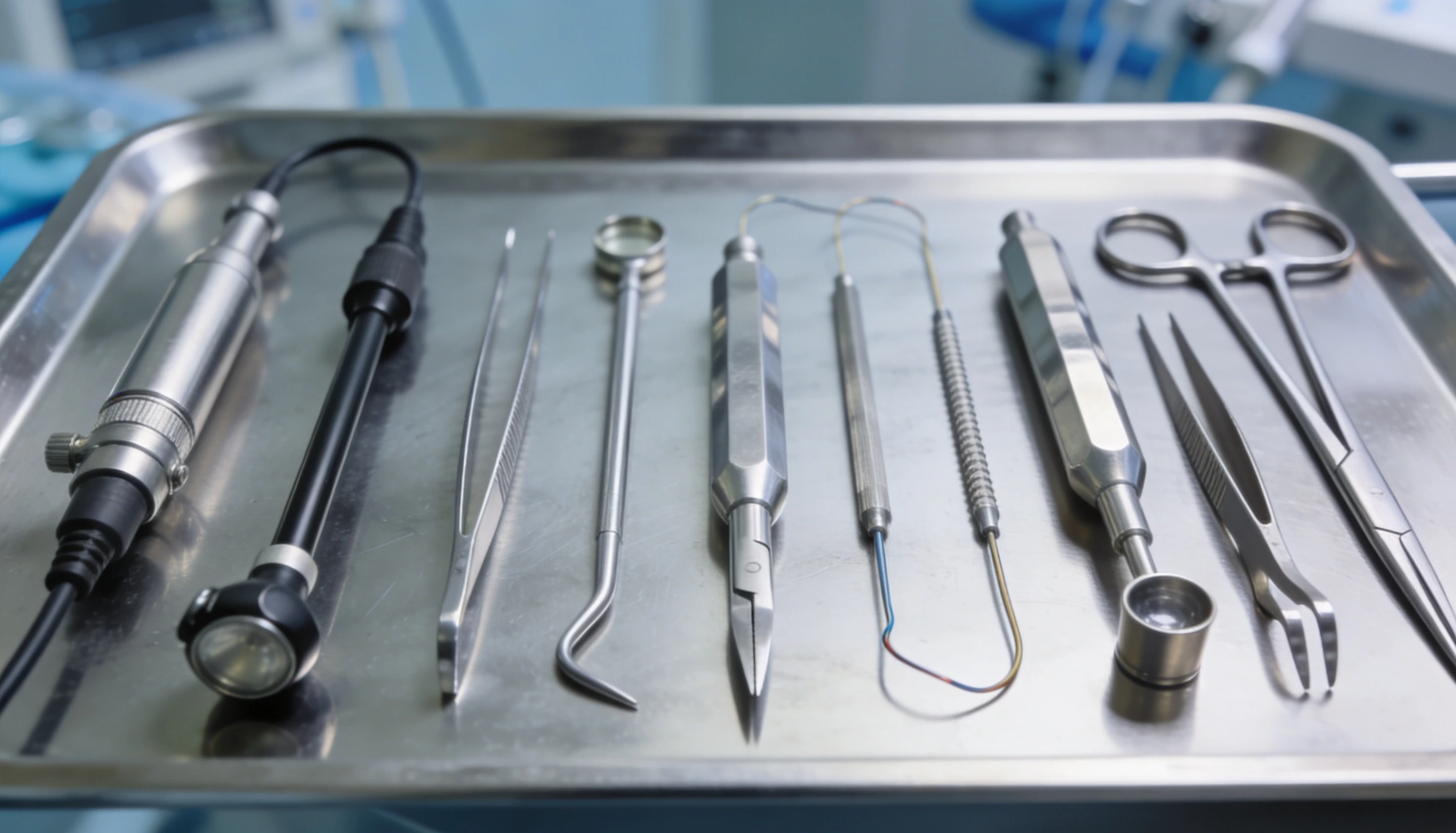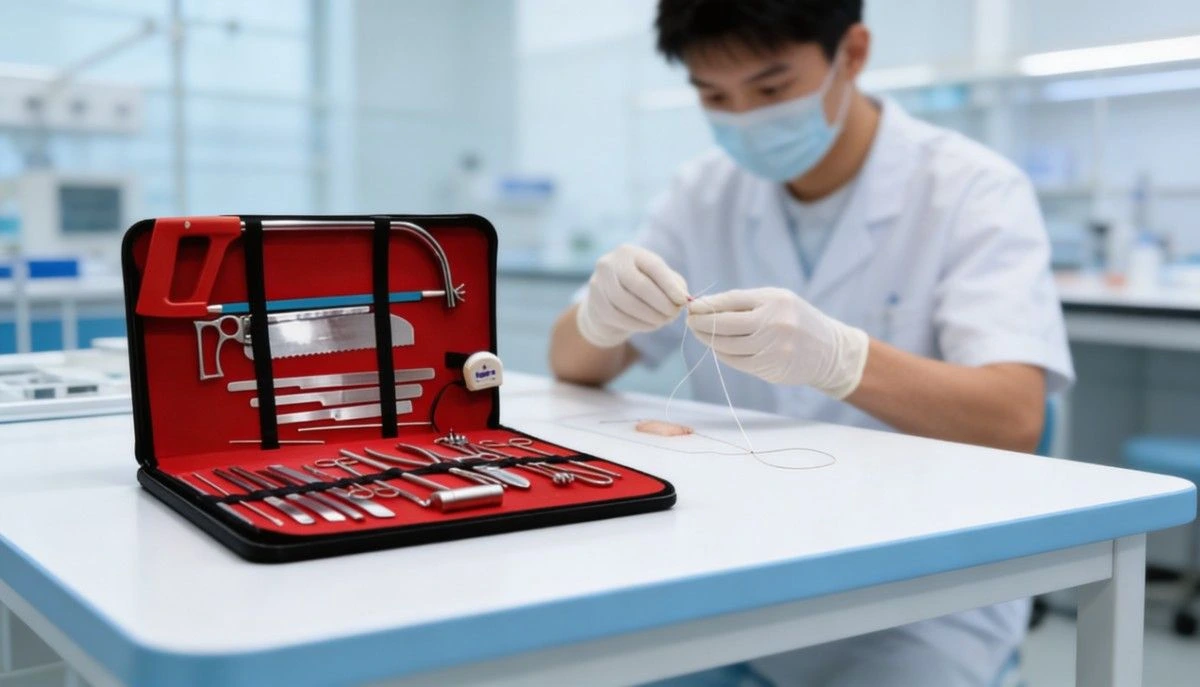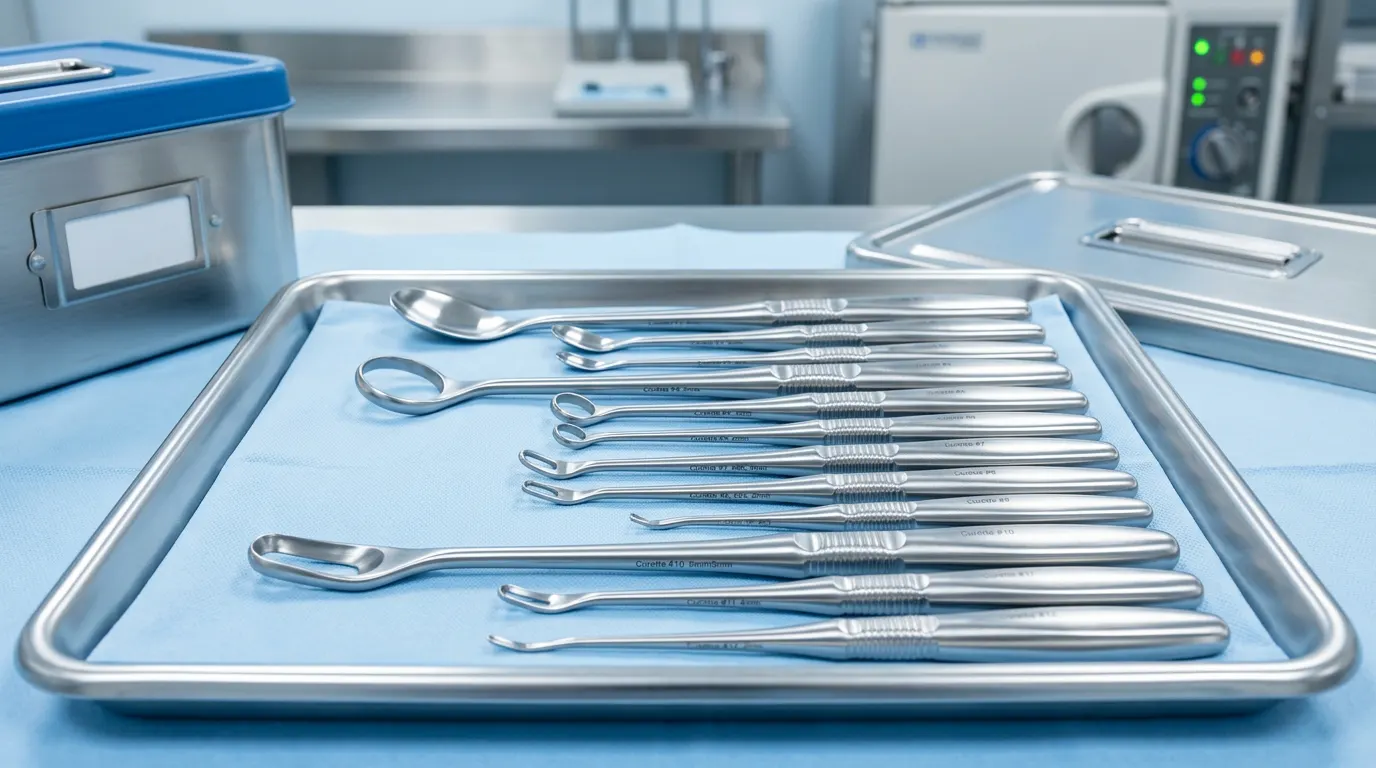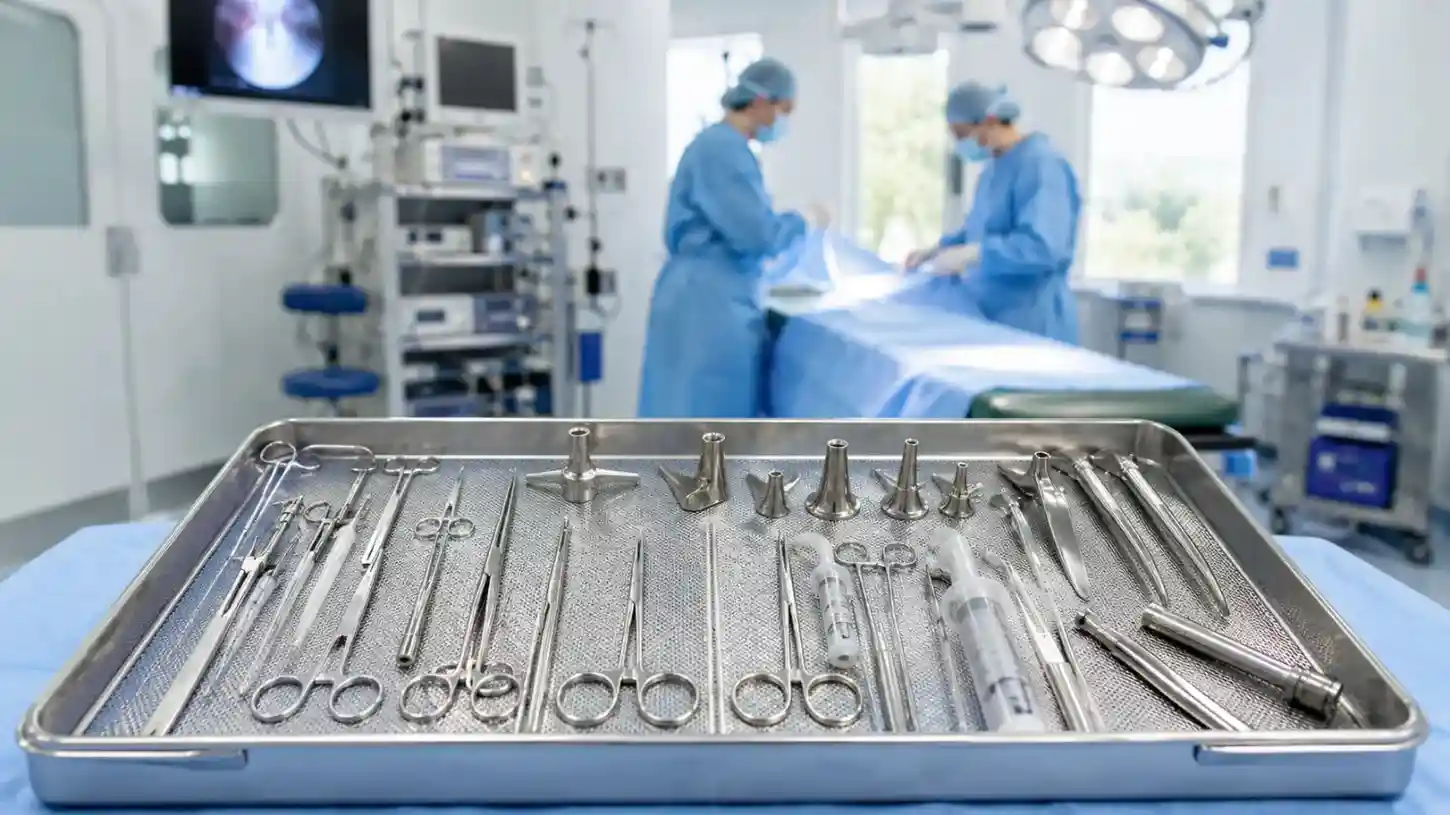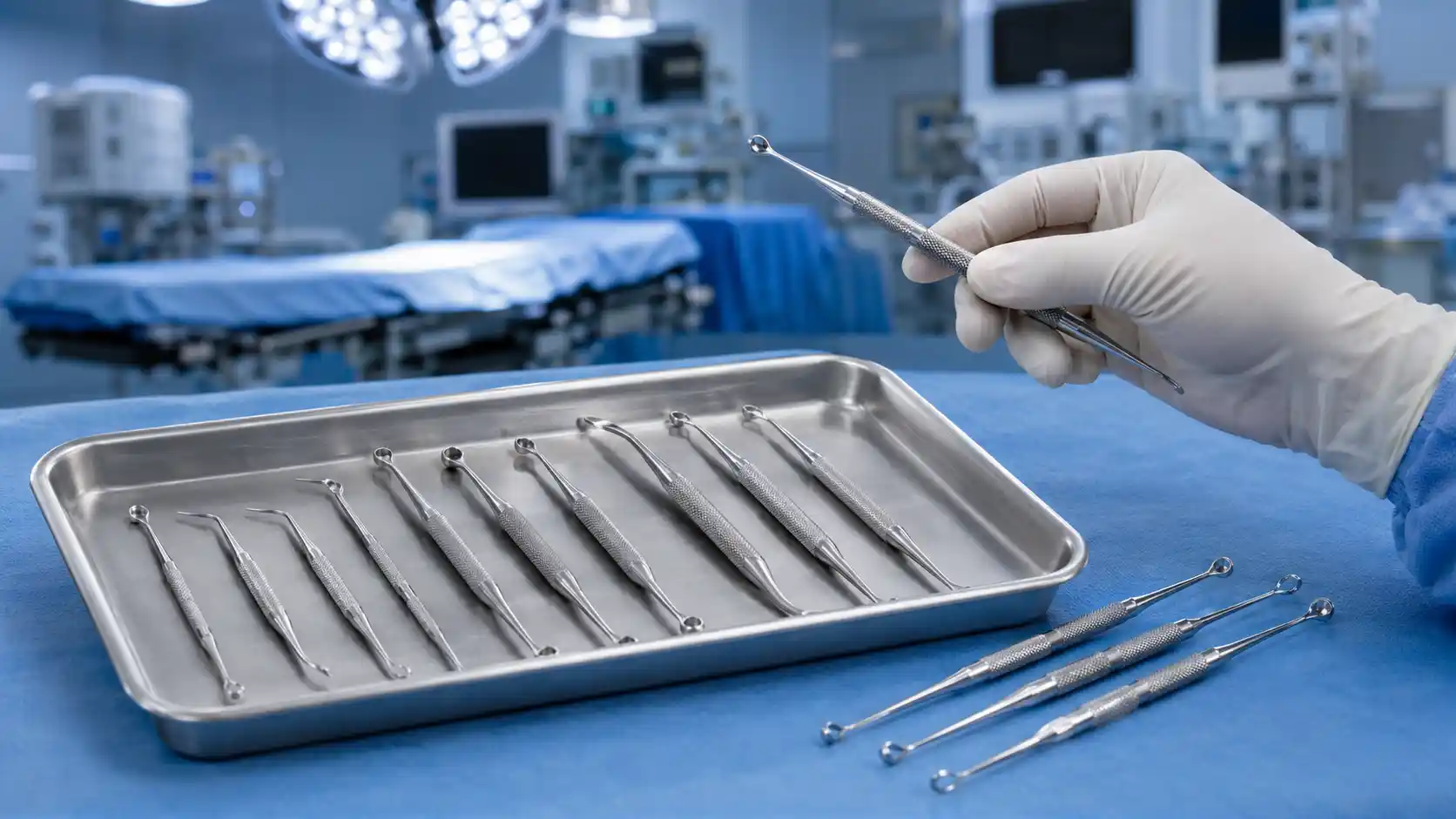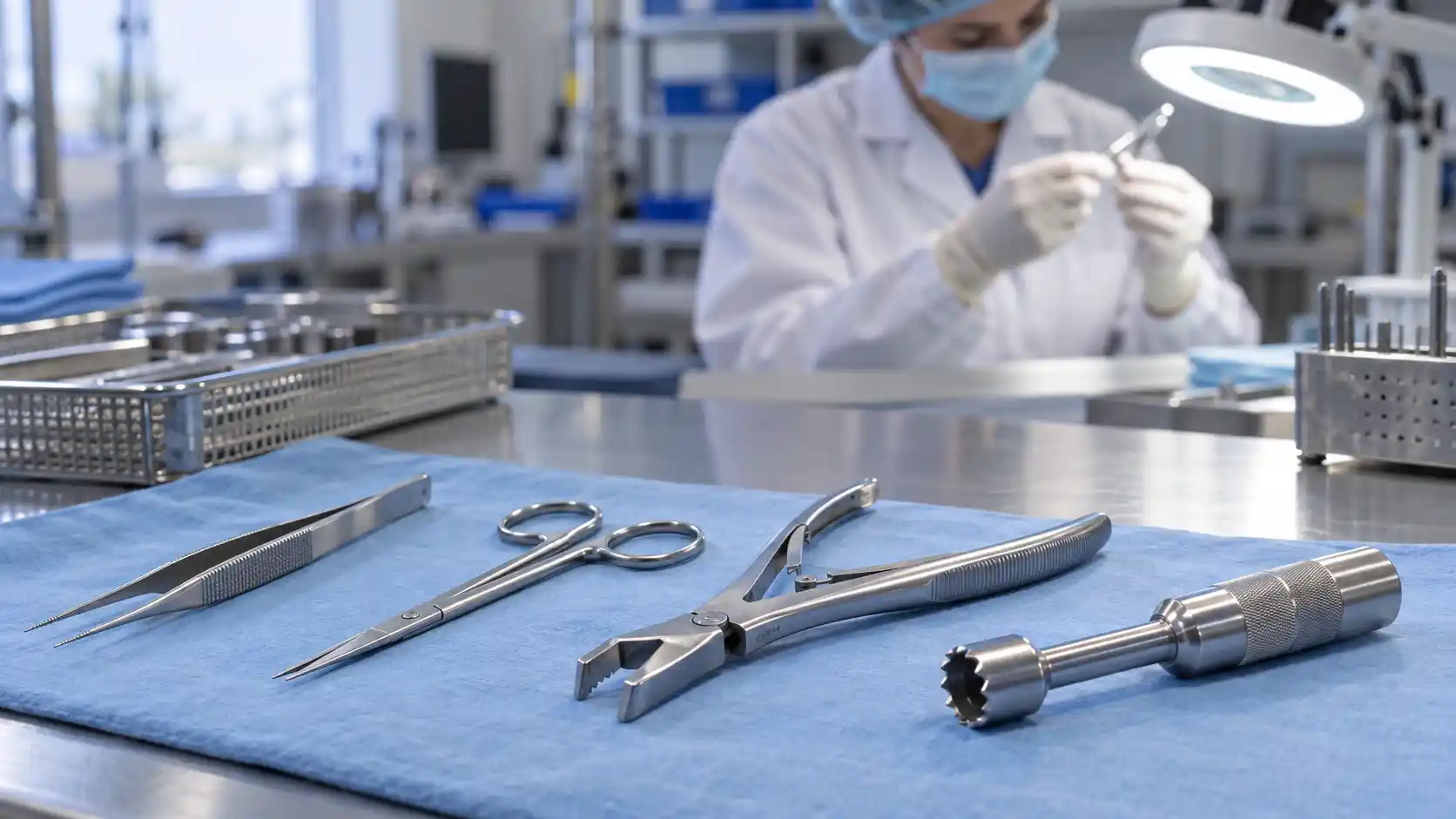
An effective purchasing decision for Neurosurgical Instruments is not just looks that is important for hospitals, distributors and procurement teams to consider when choosing a neurosurgical instrument. It is also how precise, reproducible the quality, the design and the manufacturing capability – and this can all impact how an instrument performs during a procedure.
Purchasers should therefore be aware of the quality of manufacturing, inspection, finishing and cleaning prior to confirming an order. Collaboration with experienced Neurosurgery Instruments Manufacturers can also support the selection of the right products, price and access to reliable suppliers.
Neurosurgery Instrument Quality must be sharp, support fine control movements, with correct design and build. The material used for construction, polished finish and accurate control should be high-quality. Even though hospitals require suppliers for several procedures, there are many things which need to be checked in relation to quality, consistency and time taken for delivery and the design of the instruments for good handling.
Finding good Neurosurgery Instruments Manufacturers can help hospitals when they buy, to understand what the prospective suppliers have to offer in terms of production checks, quality checks, supplies, and quality handling.
Materials given the use of repeated handings, handling and reprocessing, the choices of material can be critical to the longevity and long-term capabilities of a neurosurgery instrument. For hospitals and procurement professionals, material plays an important role in durability, corrosion resistance and more.
Stainless Steel Neurosurgery Instruments made from the correct material should have the ability to withstand high usage, repeated reprocessing, and general handling while retaining their finishes and structural integrity. In the hospitals, choice of material for Neurosurgical Instruments can ensure their longevity and continued accurate functionality with less surface deterioration or need for replacement.
Stainless-steel grades that are appropriate assist reusables in retaining their strength, surface smoothness, and corrosion resistance in the course of reuse and sterilization. For Stainless Steel Neurosurgery Instruments, uniform material quality signifies reliable instrument handling and durability over time. Check that hospitals or distributors can confirm that the Neurosurgery Surgical Instruments are created from suitable, uniform-grade materials for the purpose.
The finish of the surface may affect cleanability, handling and cosmetic appearance for reusable instruments. When choosing the surface finish, consider the application and periodic care of the instrument. Surface treatment is a critical factor in Neurosurgery Instrument Quality and well-finished Surgical Instruments also allow for cleaning and repeated use.
Dimensional consistency of parts is another factor to consider when choosing a supplier for neurosurgical instruments. The geometry of the working-end, the lining-up of surfaces and the overall dimensions should be dimensioned as specified and in accordance with the parts of similar configuration. Even small variations can influence handle, fitting and instrument control.
A supplier that has established manufacturing procedures and controlled inspections can provide a range of samples that meet these requirements. Hospitals and distributors and procurement teams should therefore evaluate the procedures used by Neurosurgery Instruments Manufacturers like Mediwave during manufacturing to control parts, fitting and finishing dimensions.
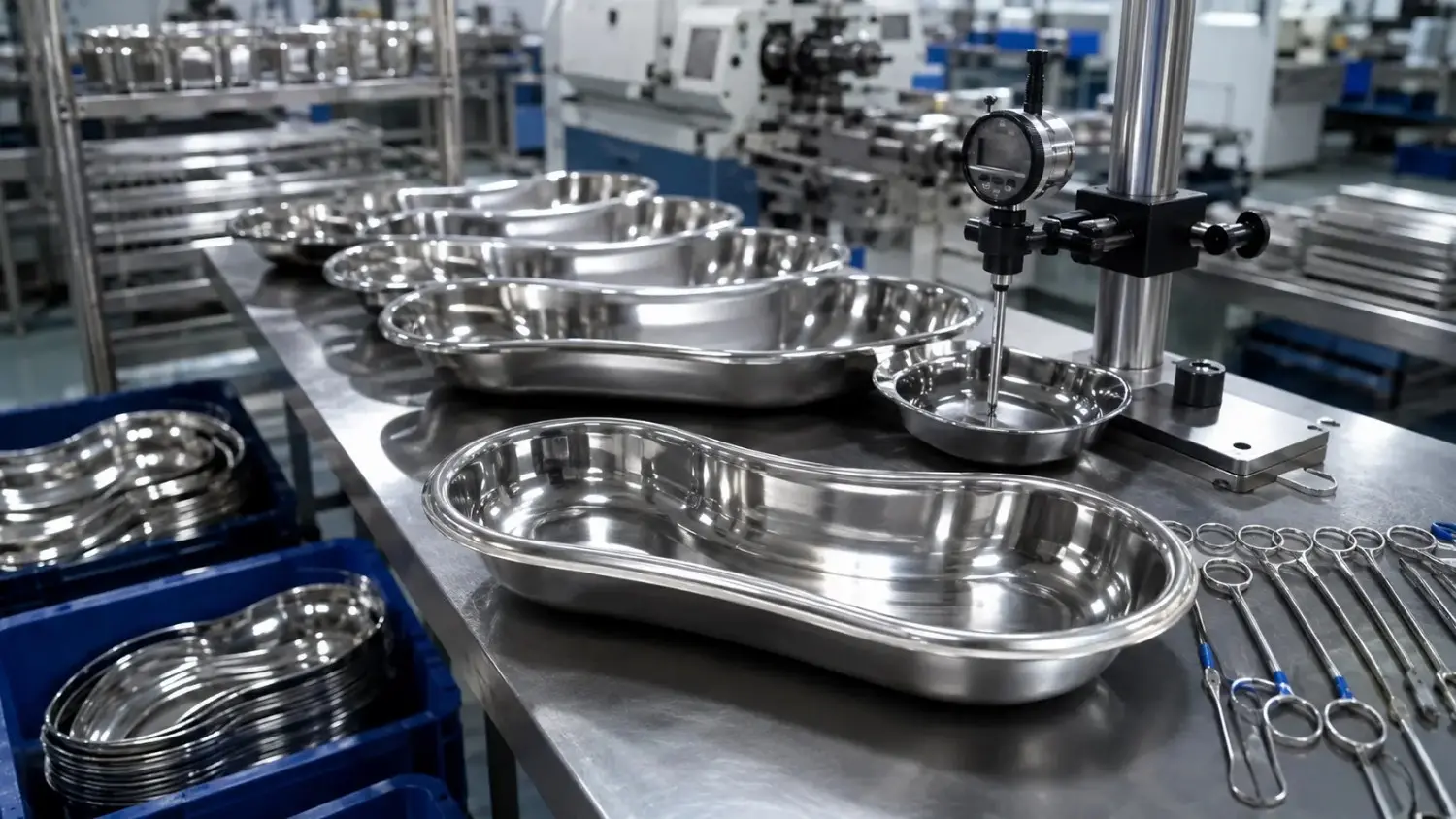
The precise shaping, grinding, and finishing of Neurosurgical Instruments can allow consistent dimensions and workspace surfaces of the neurosurgical instruments. The processes should conform to clear specifications and quality checks to decrease variations between batches.
Skilled Neurosurgery Instruments Manufacturers like Mediwave use the controlled manufacturing processes to ensure a continuity of properties that allows acceptable fit, finish, and handling of the neurosurgical instruments.
The handling and operation of reusable instruments may be affected by correct alignment, provision of secure gripping surfaces and fitting of joints. Functional checks should be performed as designed and according to the use of the instrument. Functional tests are part of Neurosurgery Instrument Quality and may also impact Neurosurgery Surgical Instruments.
A comprehensive Quality Control process allows surgeons to recognize differences prior to neurosurgical instruments arriving at hospitals or distributors. Raw-material inspection can help test the material integrity, while dimensional inspection to make sure the instruments are following specific dimensions.
Quality inspection for surface appears or marks, finishing inspection for working surfaces, and finally the functional inspection for motion, the joint, the gripping parts or other parts as per the instrument type can provide hospitals or procurement teams ask Neurosurgery Instruments Manufacturers.
Having a look into the quality procedures of Surgical Instrument Manufacturers can give hospitals and procurement teams even more confidence in consistency of their production.
Neurosurgery Instrument Inspection requires surface condition, length, dimension, symmetry and visual indication of manufacturing defects. During inspection, inspectors can analyze the condition of scratches on the instrument, inconsistent finishing, dimensions, misalignment, etc. Maintaining the Neurosurgery Instrument Quality by standard inspection as against all the instruments before supplying for clinical operations.
Prior to packaging and dispatch, Quality Testing should be conducted in accordance with the use of the instrument. Cutting instruments could be tested for edge performance, while grasping, retracting and dissecting instruments may require grip, movement, alignment, working surface checks etc. to ensure functional requirements are met before Neurosurgical Instruments are shipped.
Reusables used in sterile environments should be compatible with the sterilization process required for their application. Look for manufacturer advice on the following:
For Sterilization Compatible Neurosurgery Instruments are sterilised using the recommended process Reusable Neurosurgical Instruments should remain in good condition without material degradation, without surface damage, and function effectively. This will allow hospitals to understand how to reprocess equipment without compromising the durability and may help to ensure that wear and damage does not happen prematurely, justifying the expenditure.
A comprehensive and logically arranged selection of Neurosurgery Instruments makes it easier to buy for hospitals and distributors. Delivering varieties of instrument pattern, sizes, and configurations from a single source can ease the task of keeping hospital and distributor inventories in sync, minimizing the number of interactions necessary to coordinate equipment sources.
Offer of a structured product enables rationalization of product selection and inventory planning. When sourcing Neurosurgery Surgical Instruments, decision-makers can assess whether the range is sufficiently extensive to meet their needs without a lack of cohesion.
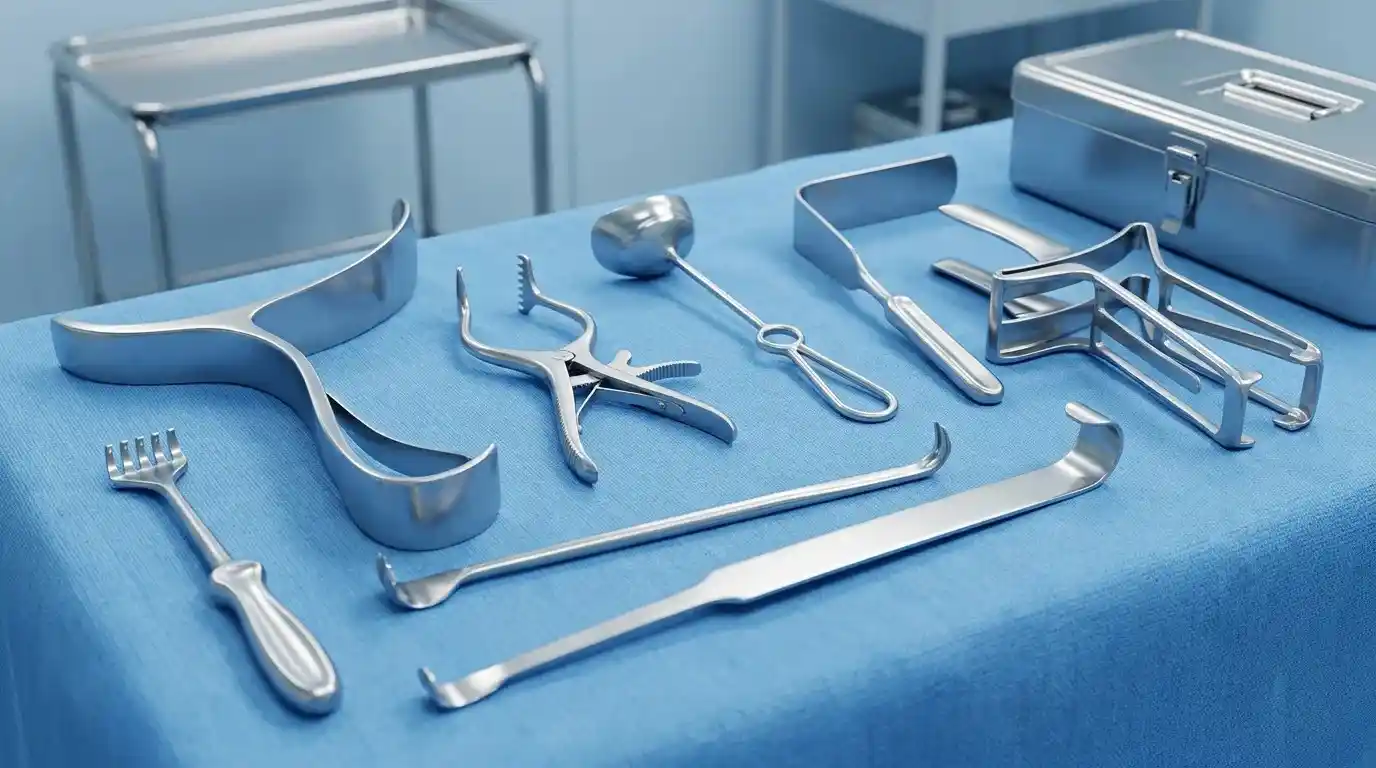
Various Neurosurgical Instruments are designed according to their specific use and demands in terms of controlled handling. Neurosurgery Forceps should offer adequate grip and grip as well as proper design in terms of alignment of the brand. And Neurosurgery Scissors with the right handling in terms of blade movement and cutting edges.
Specialty groups like Neurosurgery Retractors and Neurosurgery Curettes necessitate very precise control of design and finish for specific uses. Similar dimensions, working surfaces and overall finish may result in predictable handling and instrument response. For professional users, uniform quality of manufacture across a range of Neurosurgery Instruments may be an important factor in purchasing decisions.
Organizations buying in bulk can examine a supplier's quality-management certification, product specification and inspection details, and relevant files prior to purchase. They can confirm that the Quality Standards specified match relevant standards, that product information is well documented and traceability is recorded, and that material specifics, testing records, cleaning or sterilization guides are in order, when applicable.
When considering Neurosurgery Instruments Manufacturers in India, like Mediwave hospitals and distributors should request documentation current at the time of purchase and establish what any certification information provided actually signifies. Gathering similar information from Surgical Instrument Manufacturers allows for better decision-making.
When appraising Neurosurgery Instruments Suppliers, purchasers examine production ability, bulk-order accommodations, and ability to perform OEM/custom made specifications. Lead times should be available for large or repeated orders. Packaging must be suitable for safe-guarding the equipment during transit and storage while technical assistance through the sales representatives can clarify product descriptions, handling and documentation processes.
For Neurosurgery Instruments Suppliers in India, like Mediwave hospitals, and distributors look at order priorities and how information is relayed; these benchmarks facilitate the purchasing department in contrasting the Medical Instrument Suppliers for ability to fulfill demand.
It's essential to determine the capacity of the production before selecting a supplier. This will help the buyers identify if the suppliers are able to provide regular or bulk requirements and assure the consistent quality and specification of products over repeated orders. Neurosurgery Instruments Suppliers to spot reliable production support from suppliers.
Clear communication assists buyers to verify the specifications, documentation, amount and other institutional procurement requirements. Neurosurgery Instruments Suppliers in India should know how to explain technical specifications and answer buying questions within the order. Easy support from Medical Instrument Suppliers can assist hospitals and distributors to deal with specifications and procurement requirements with clarity.
Buyers can ask practical questions and gain an insight into a supplier's capabilities, quality processes and procurement terms before ordering:
The buyers may use these questions to assess Neurosurgery Instruments Manufacturers in India like Mediwave and compare the capability with other Neurosurgery Instruments Manufacturers.
Things to consider when choosing a provider are quality of materials, tolerances, manufacturing and inspection processes, certifications, and capacity. Buyers may also want to consider the customization, documentation, lead time and aftersales technical support a supplier can offer.
Neurosurgery Instruments Manufacturers who are knowledgeable can assist buyers when selecting a supplier based on these criteria. Buyers can learn more about the available Neurosurgical Instruments by visiting Mediwave's Neurosurgical Instruments category.
Buyers should consider material quality, dimensional accuracy, surface finish, functional performance, sterilization compatibility, certifications, documentation, and supplier consistency.
Suitable stainless-steel grades can provide strength, corrosion resistance, and durability required for reusable instruments when properly maintained and reprocessed.
Yes, some manufacturers offer customized designs, dimensions, configurations, or specifications depending on production capabilities and order requirements.
Quality checks may include raw-material inspection, dimensional verification, visual inspection, surface-finish assessment, alignment checks, and functional testing based on instrument type.
Hospitals should assess manufacturing capacity, product consistency, certifications, documentation, MOQ, lead time, customization options, packaging, and technical support.
Yes, Mediwave provides a range of neurosurgical instruments. Buyers can review its product category to explore available instruments and relevant specifications.