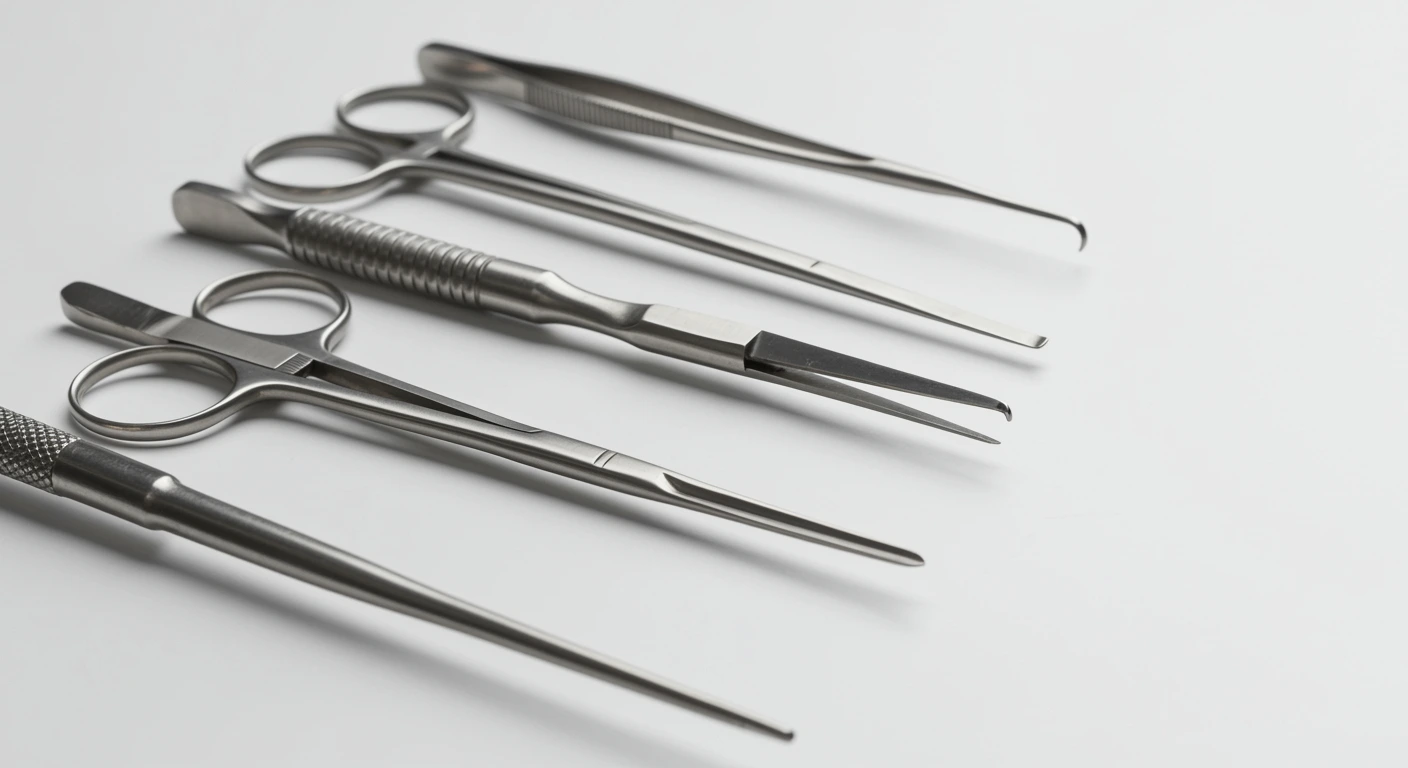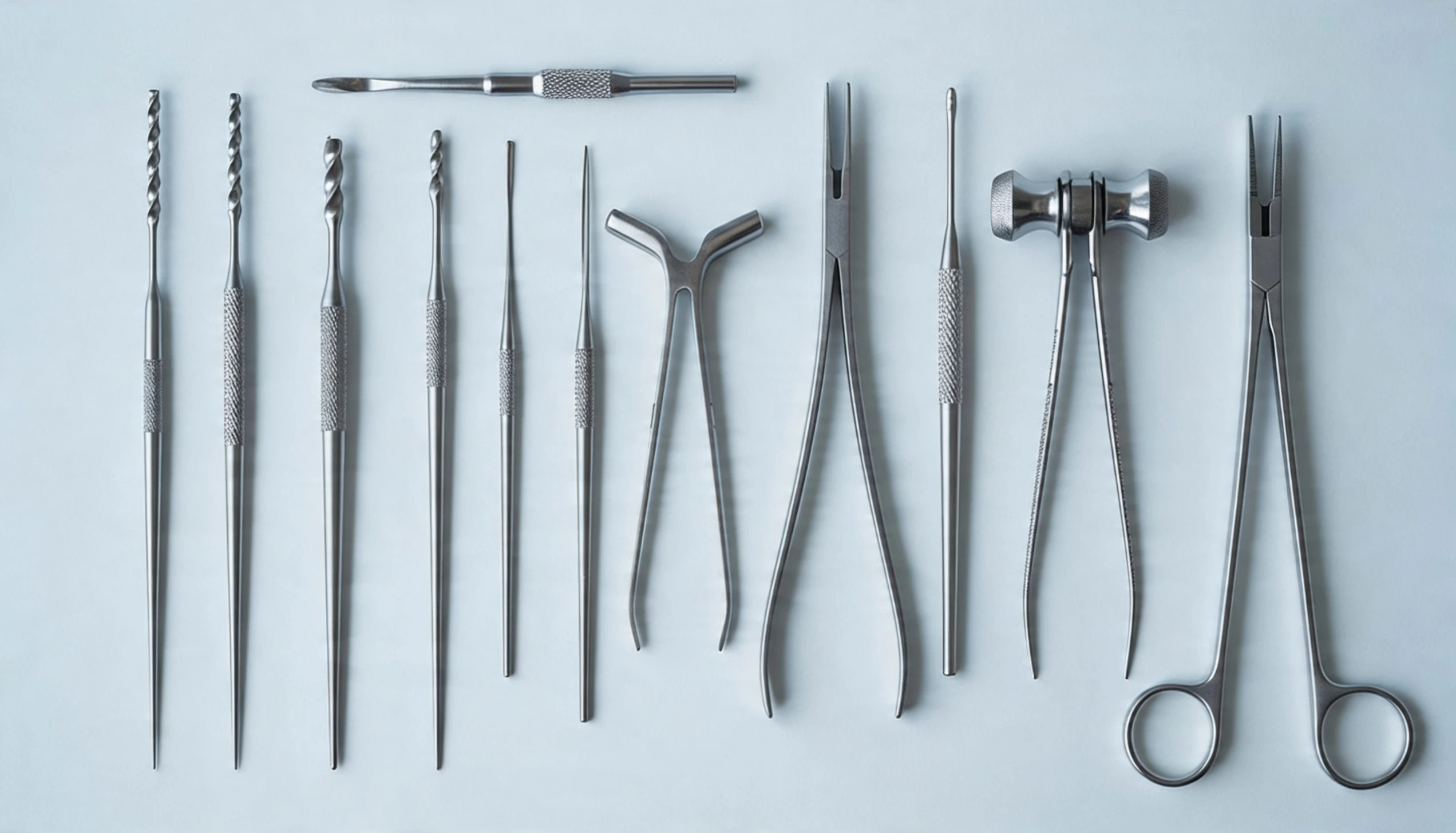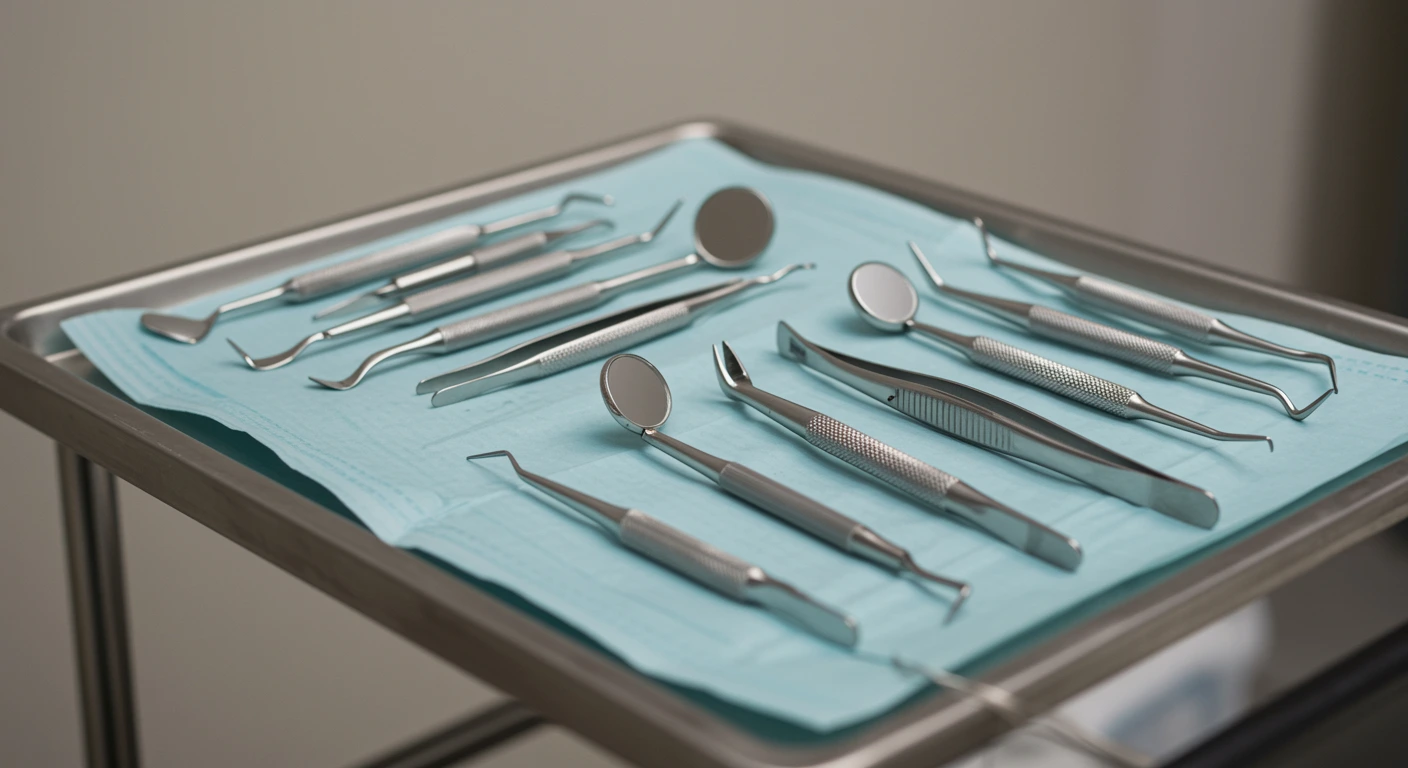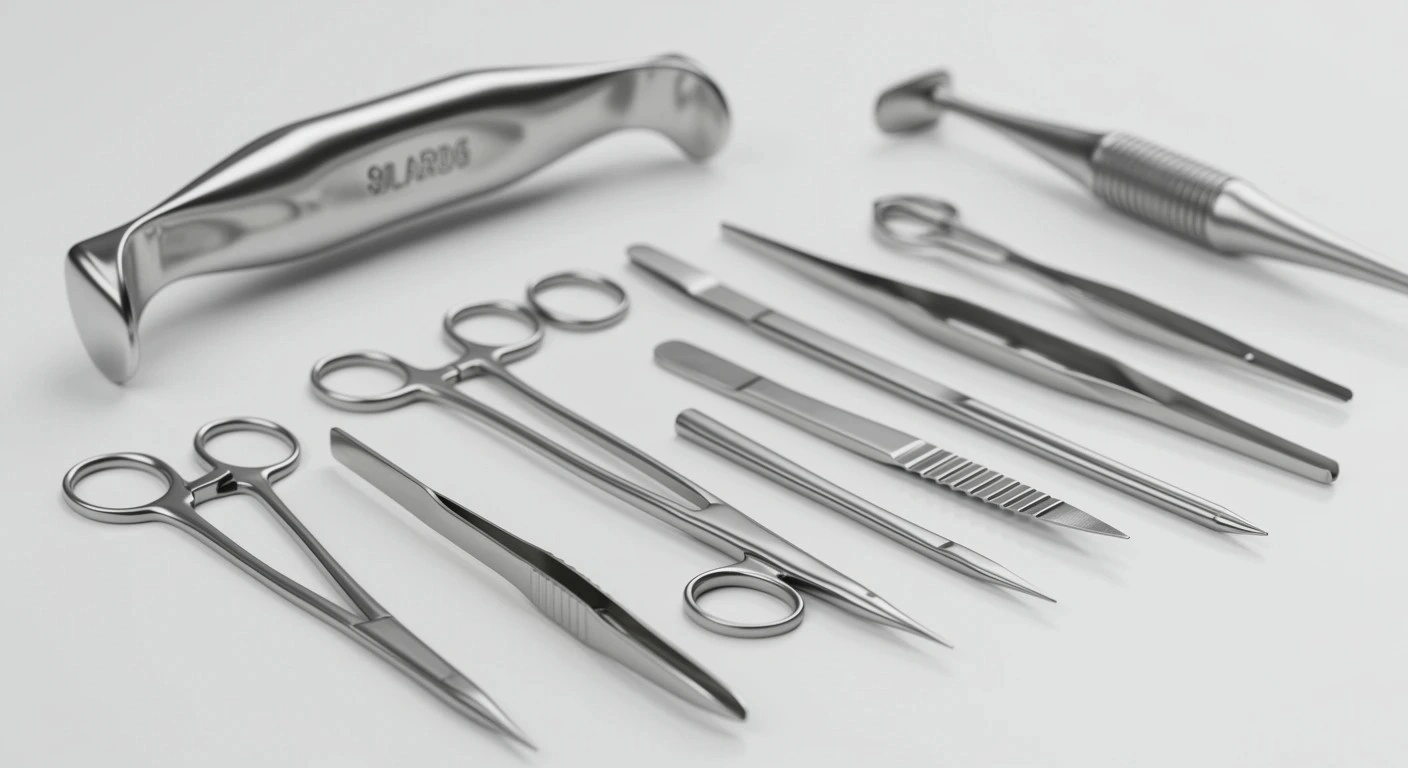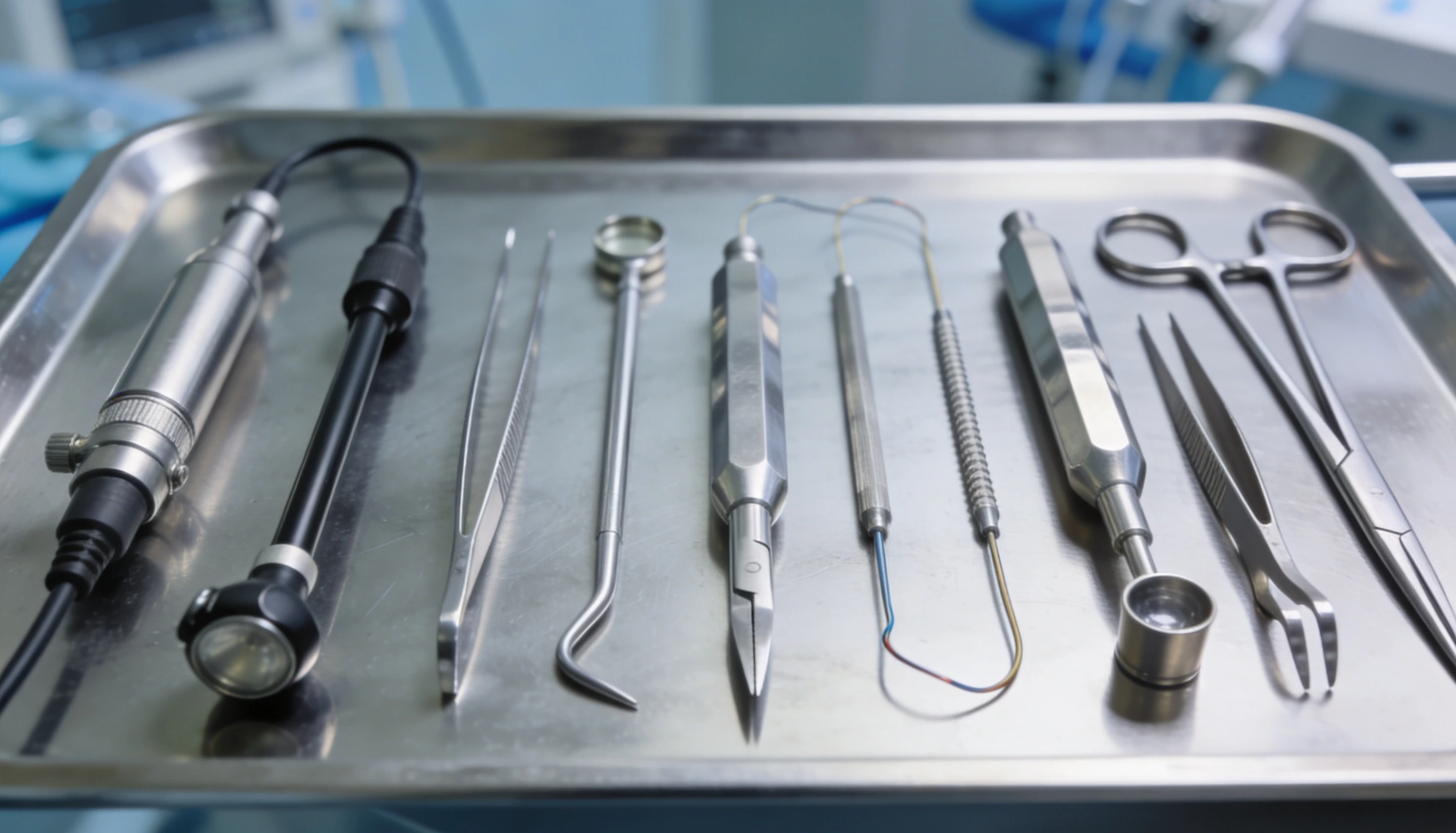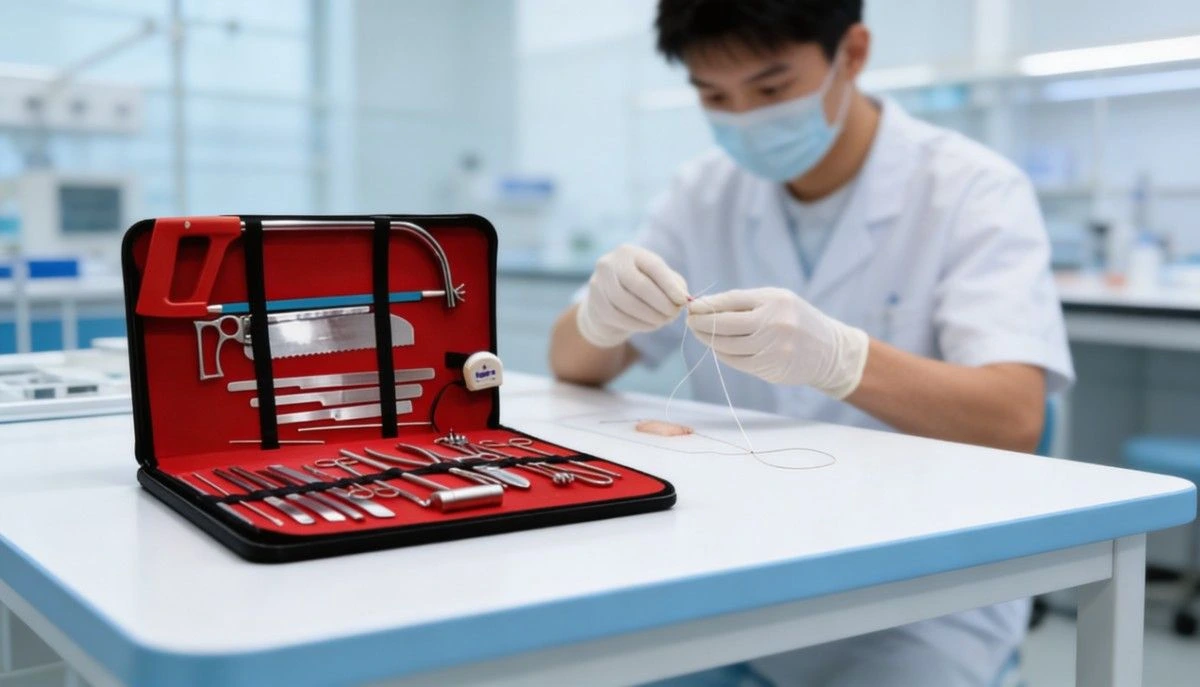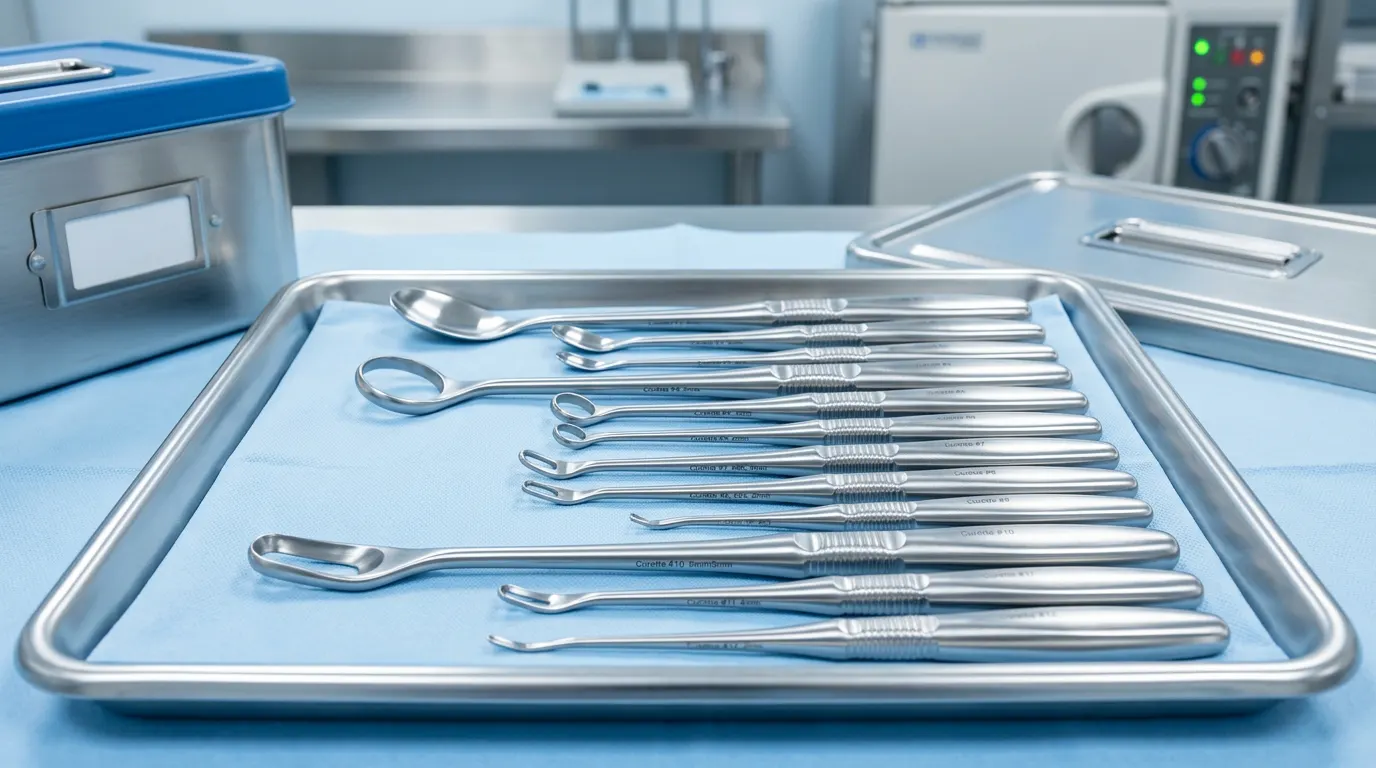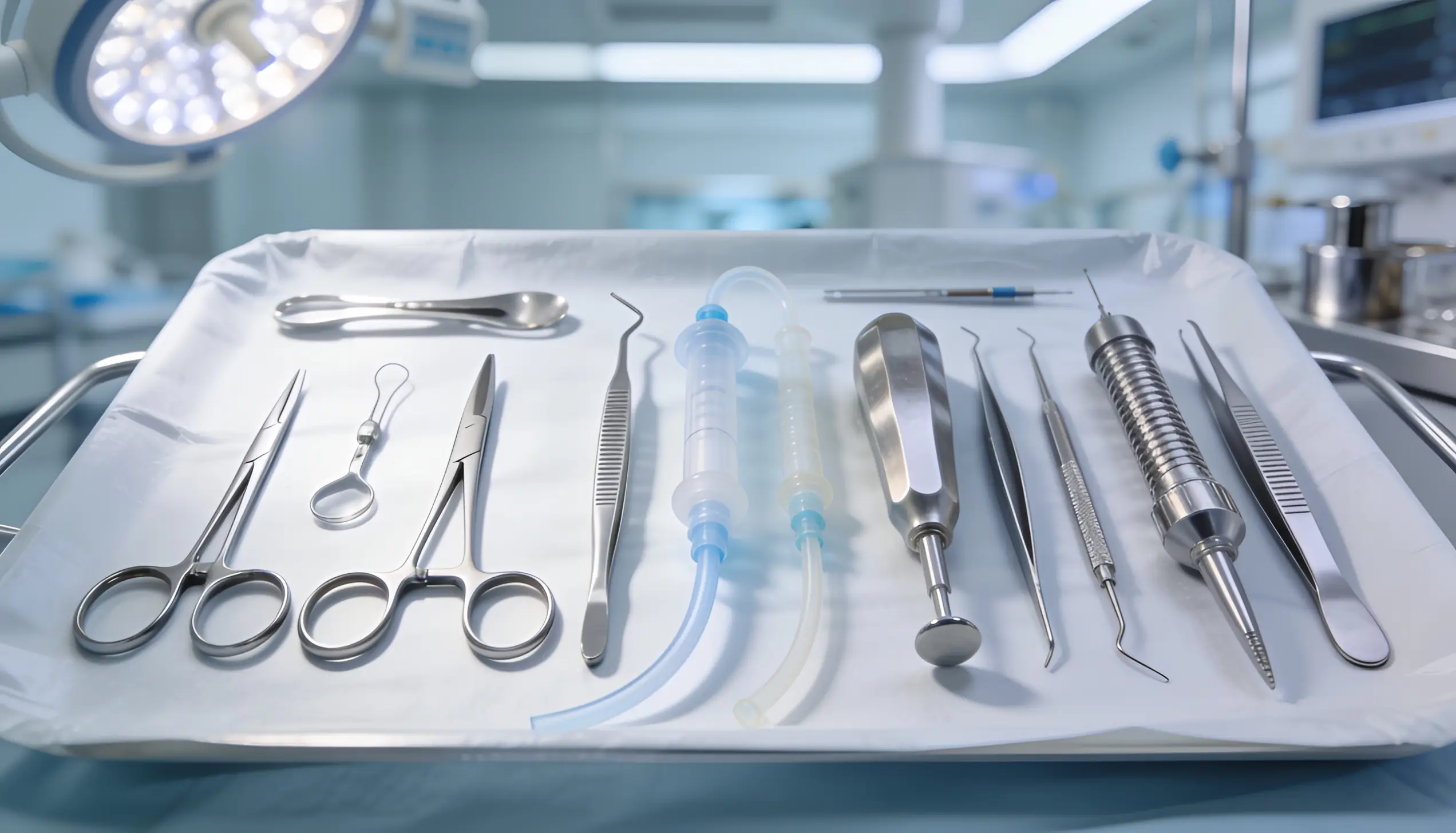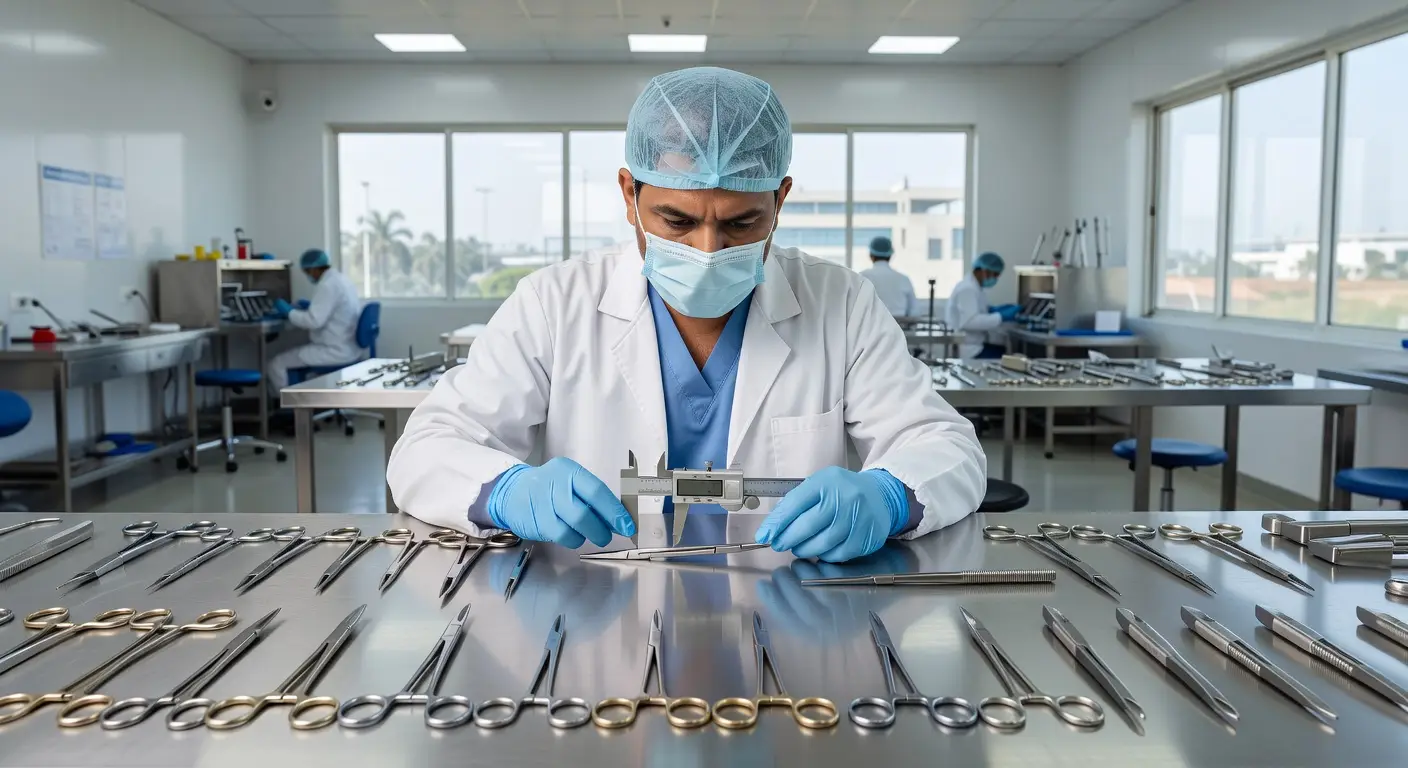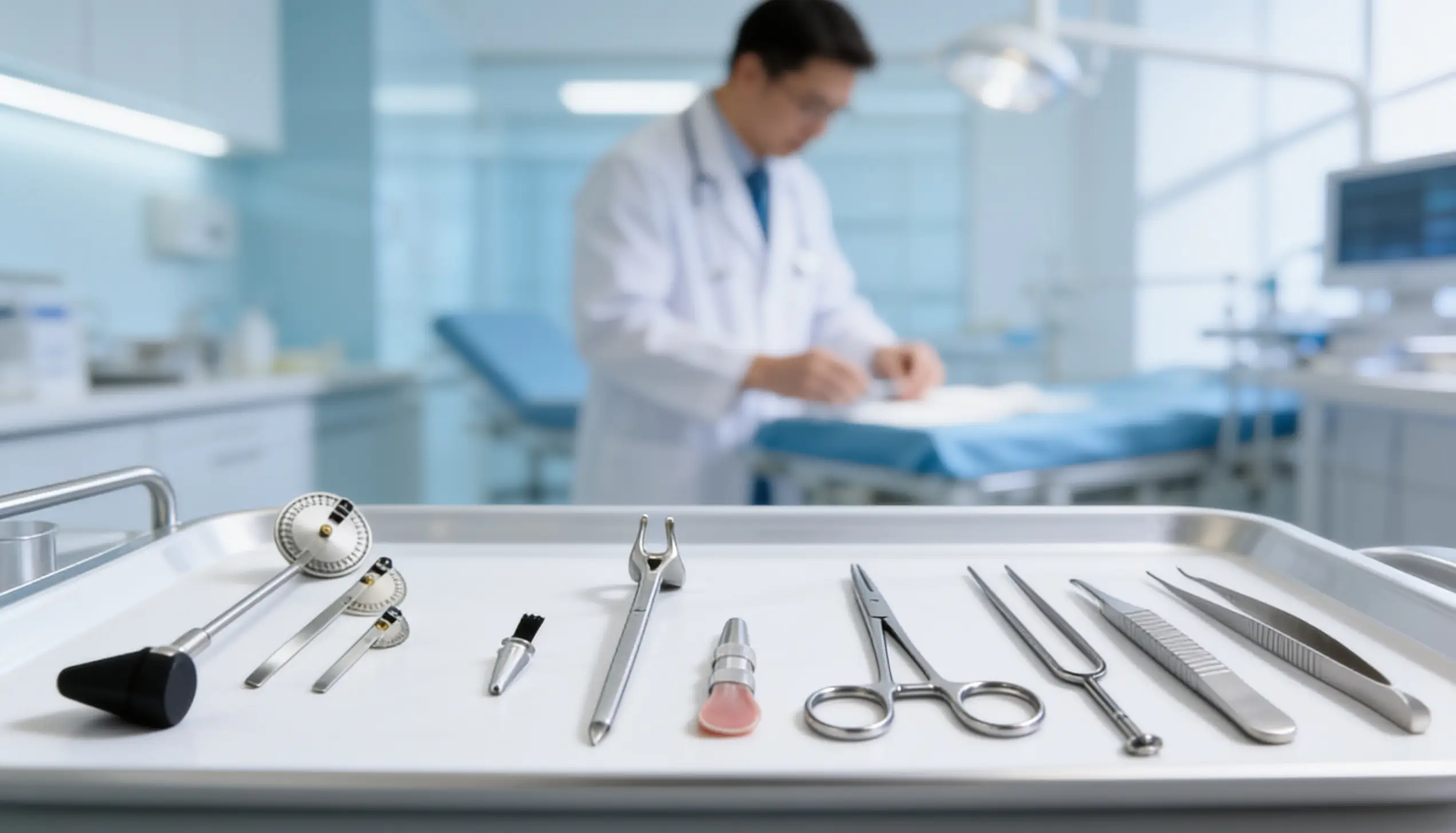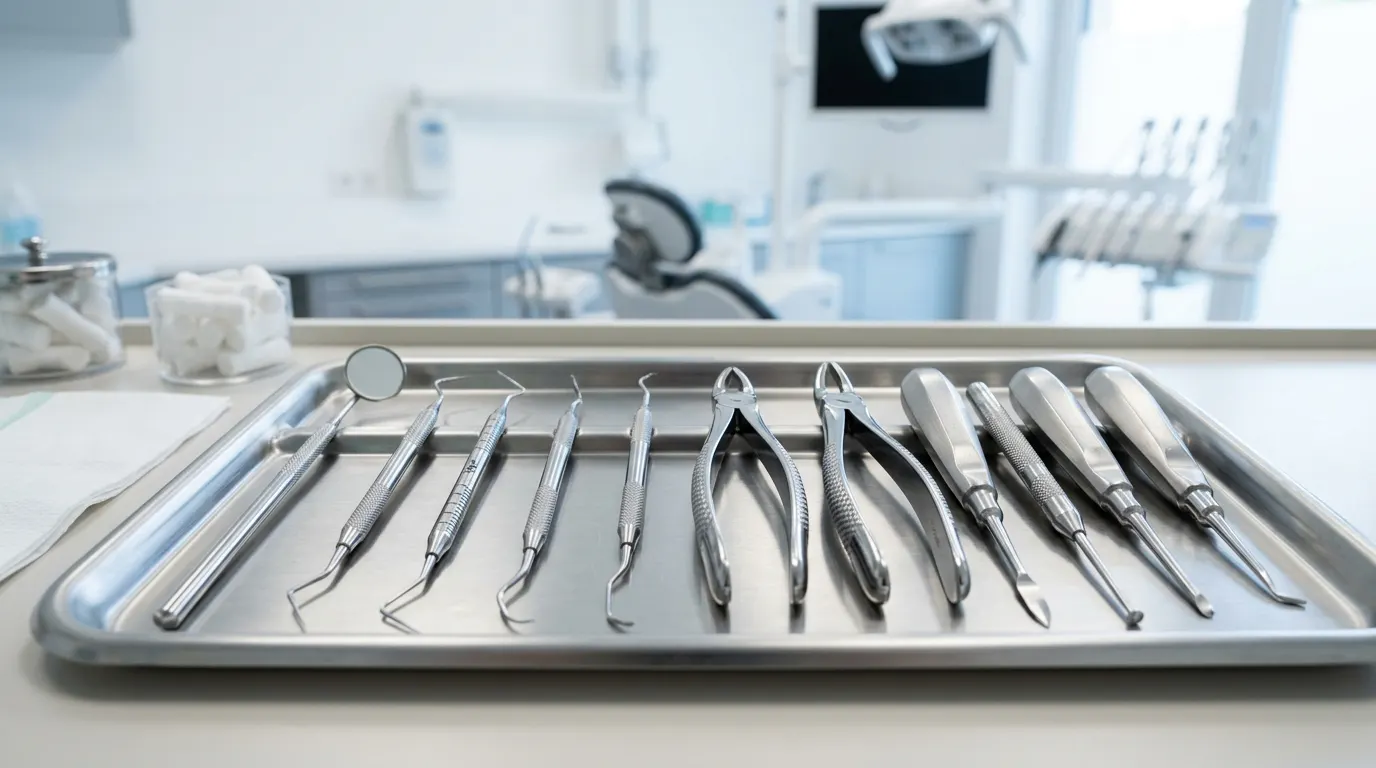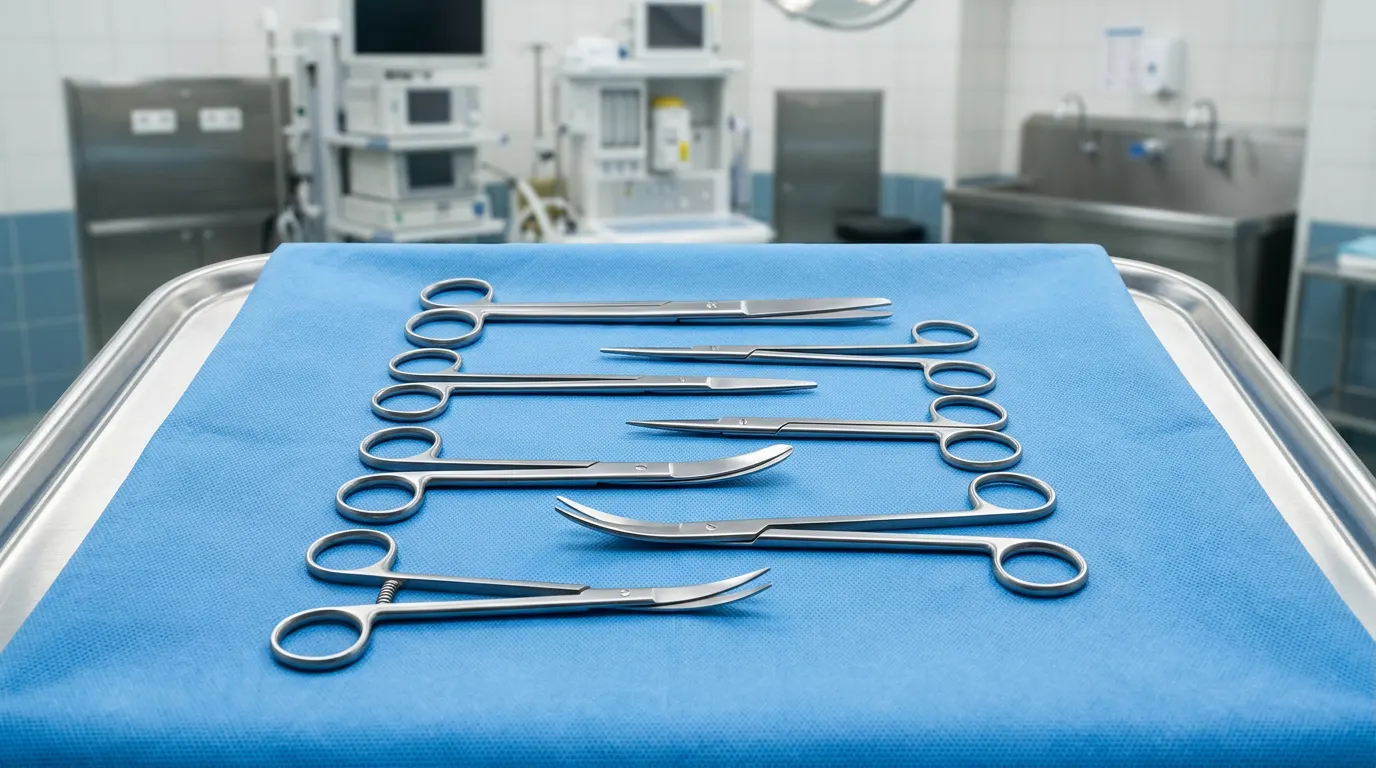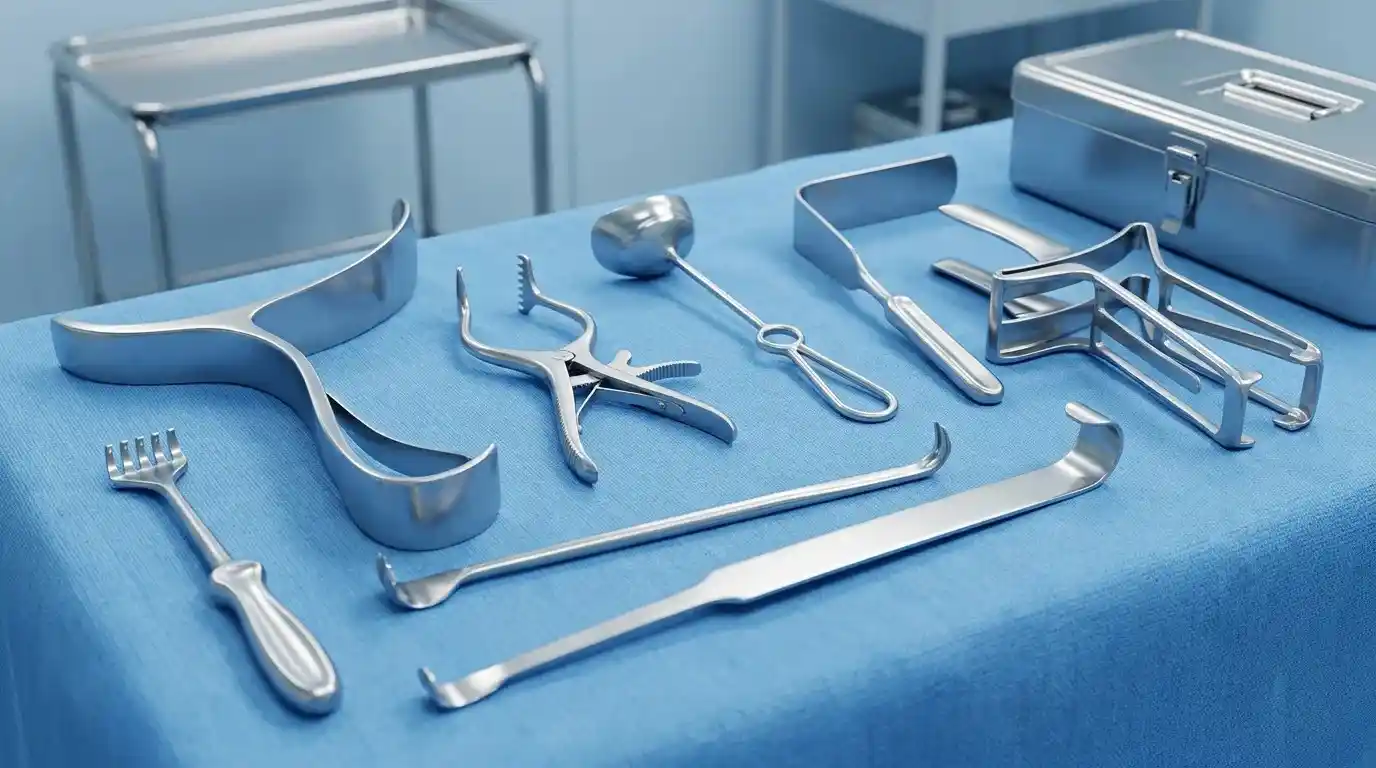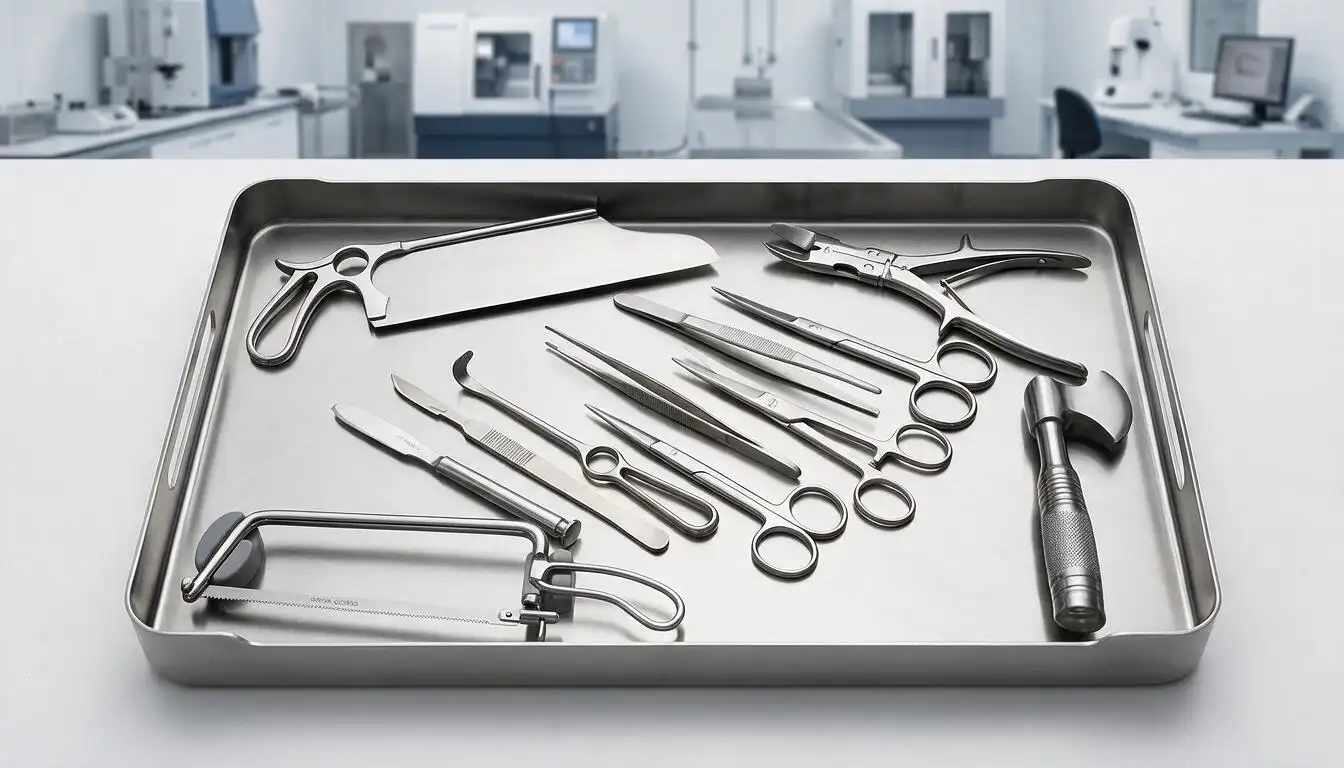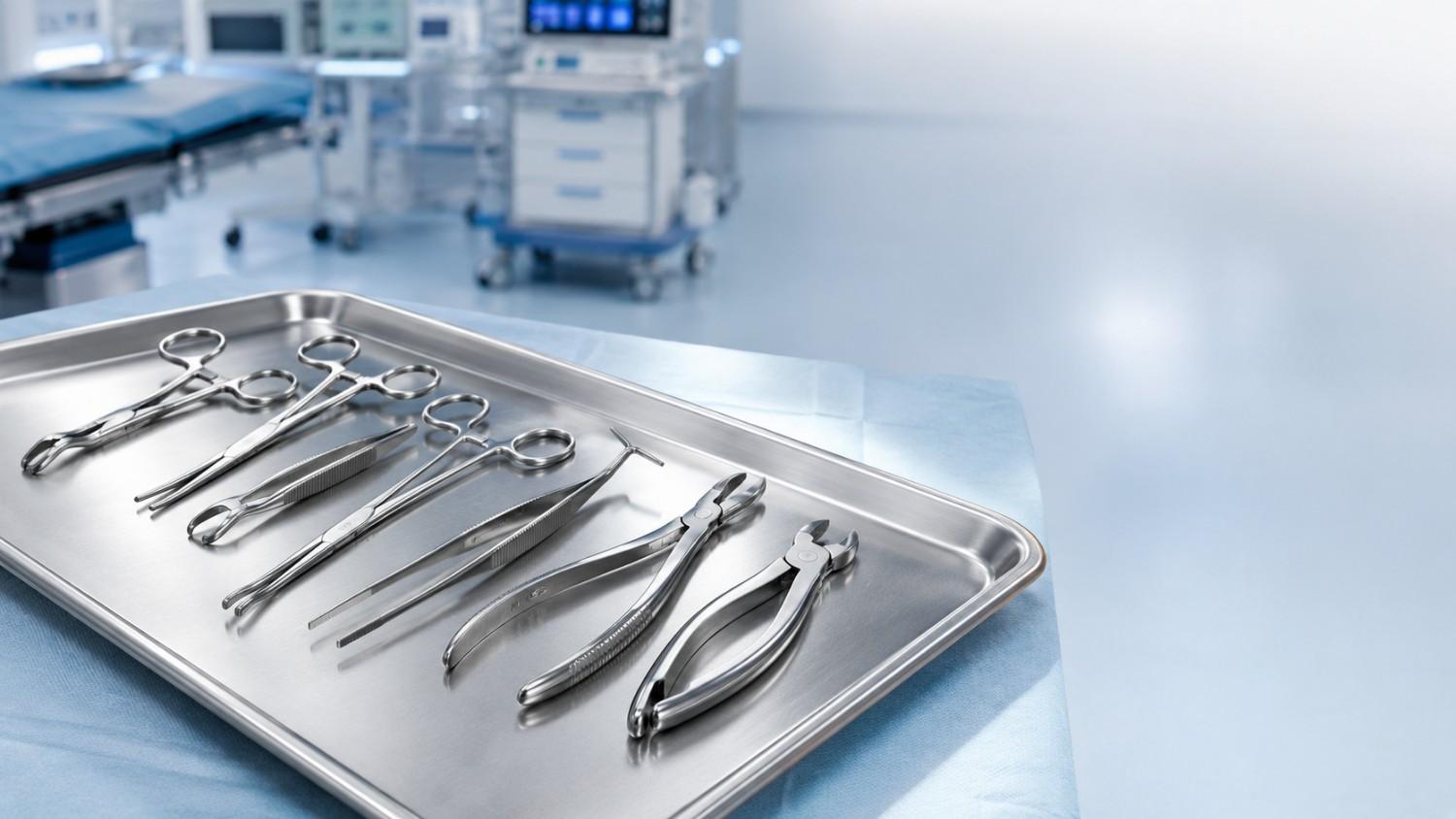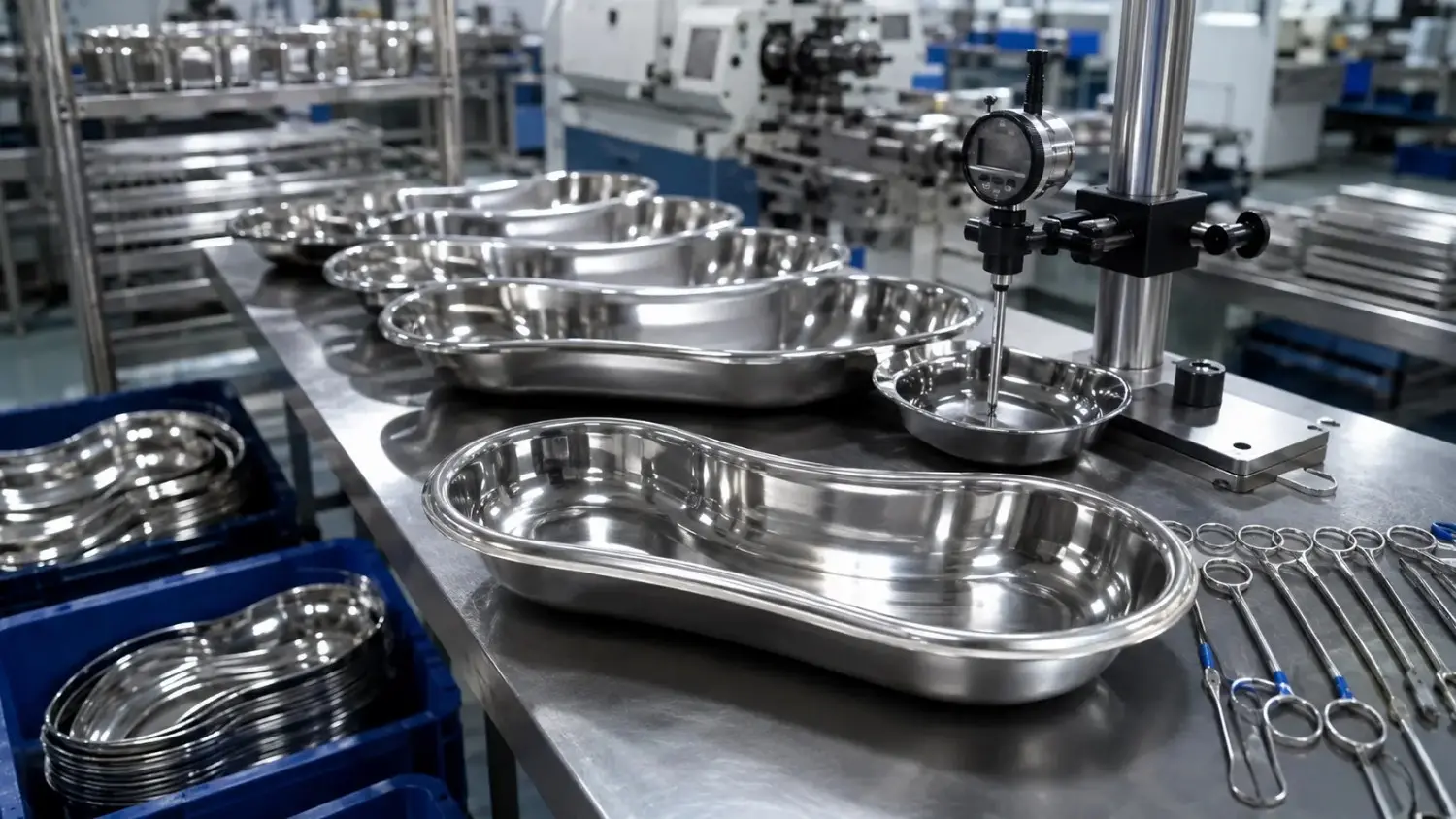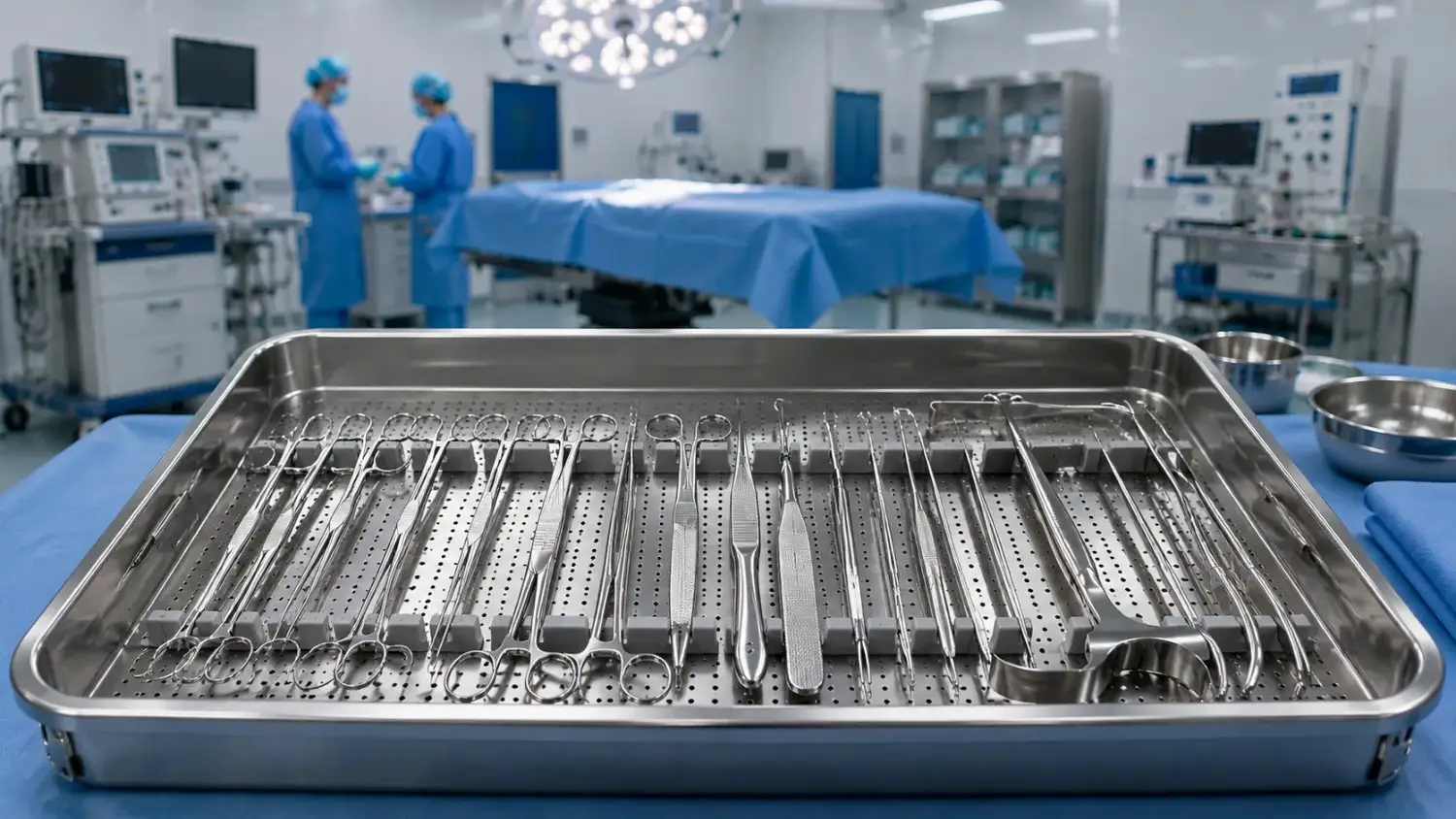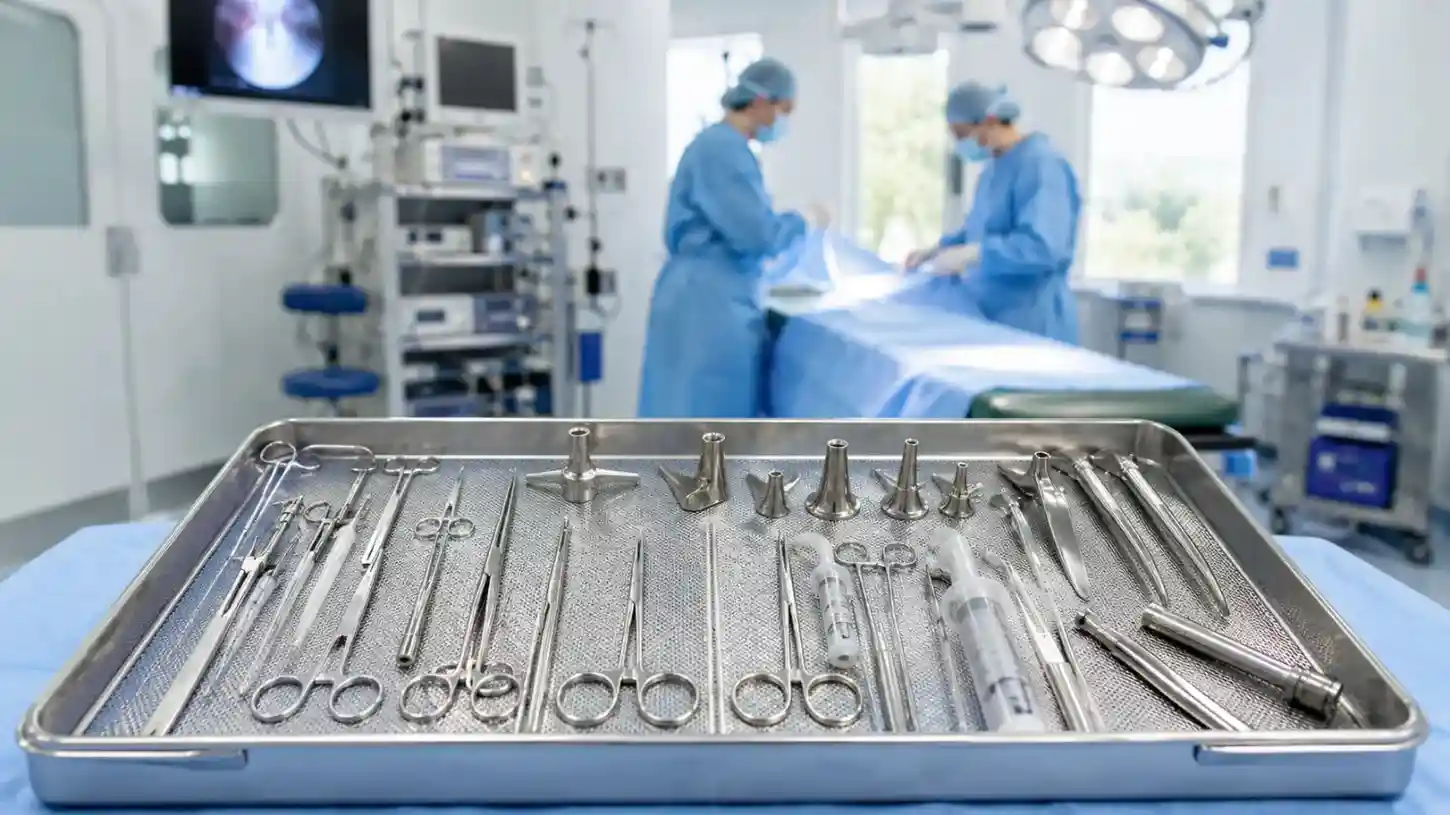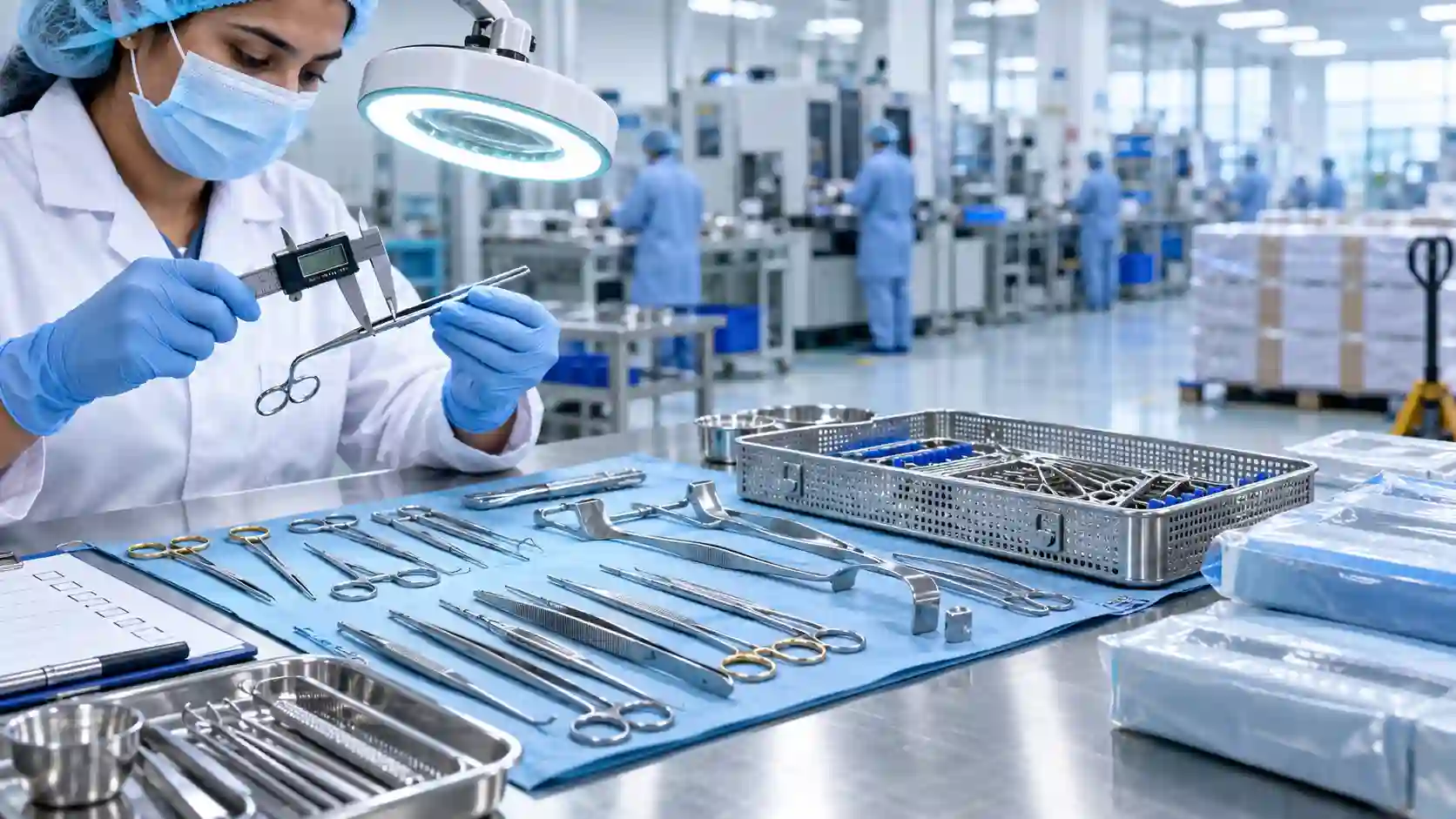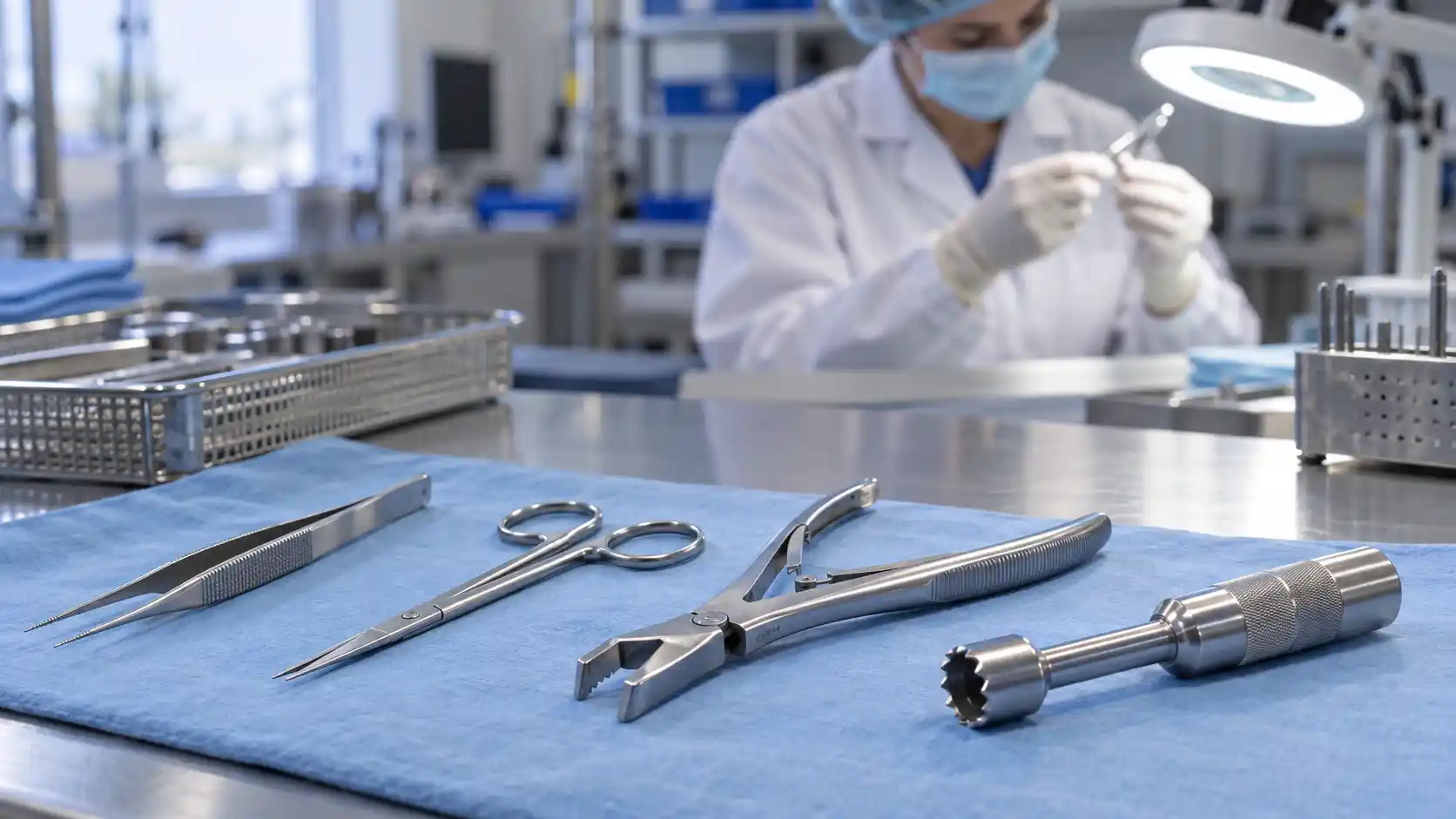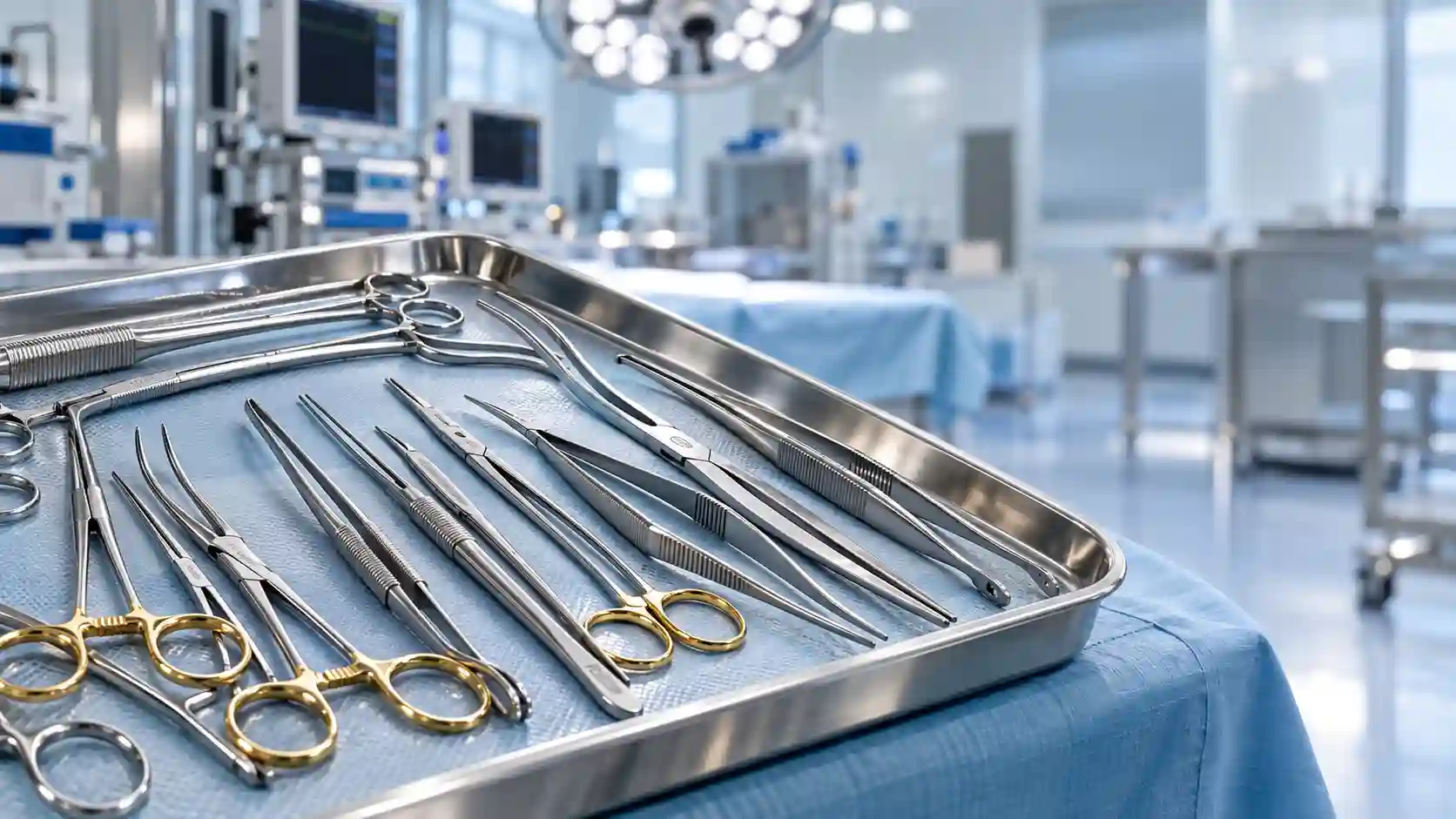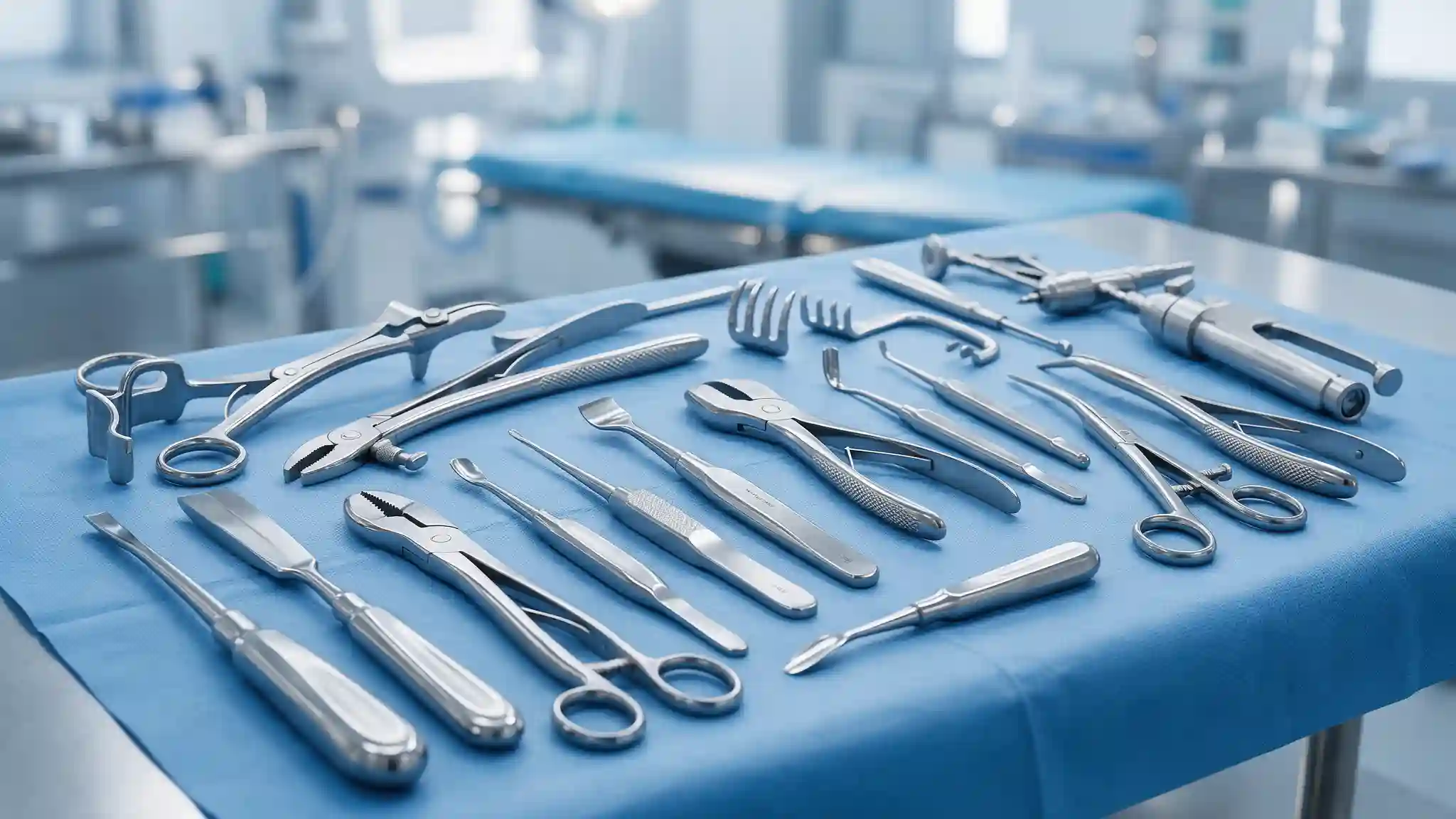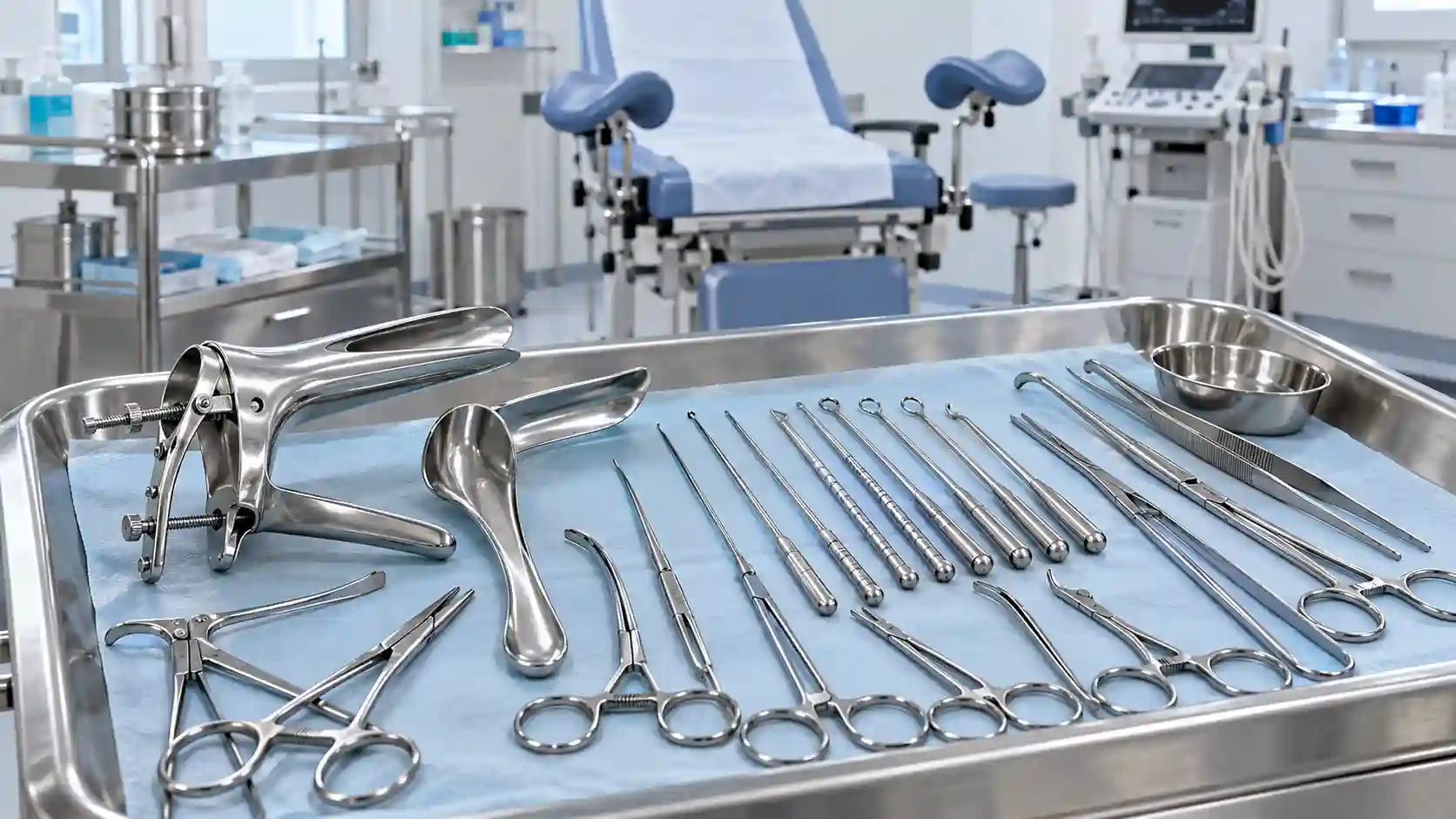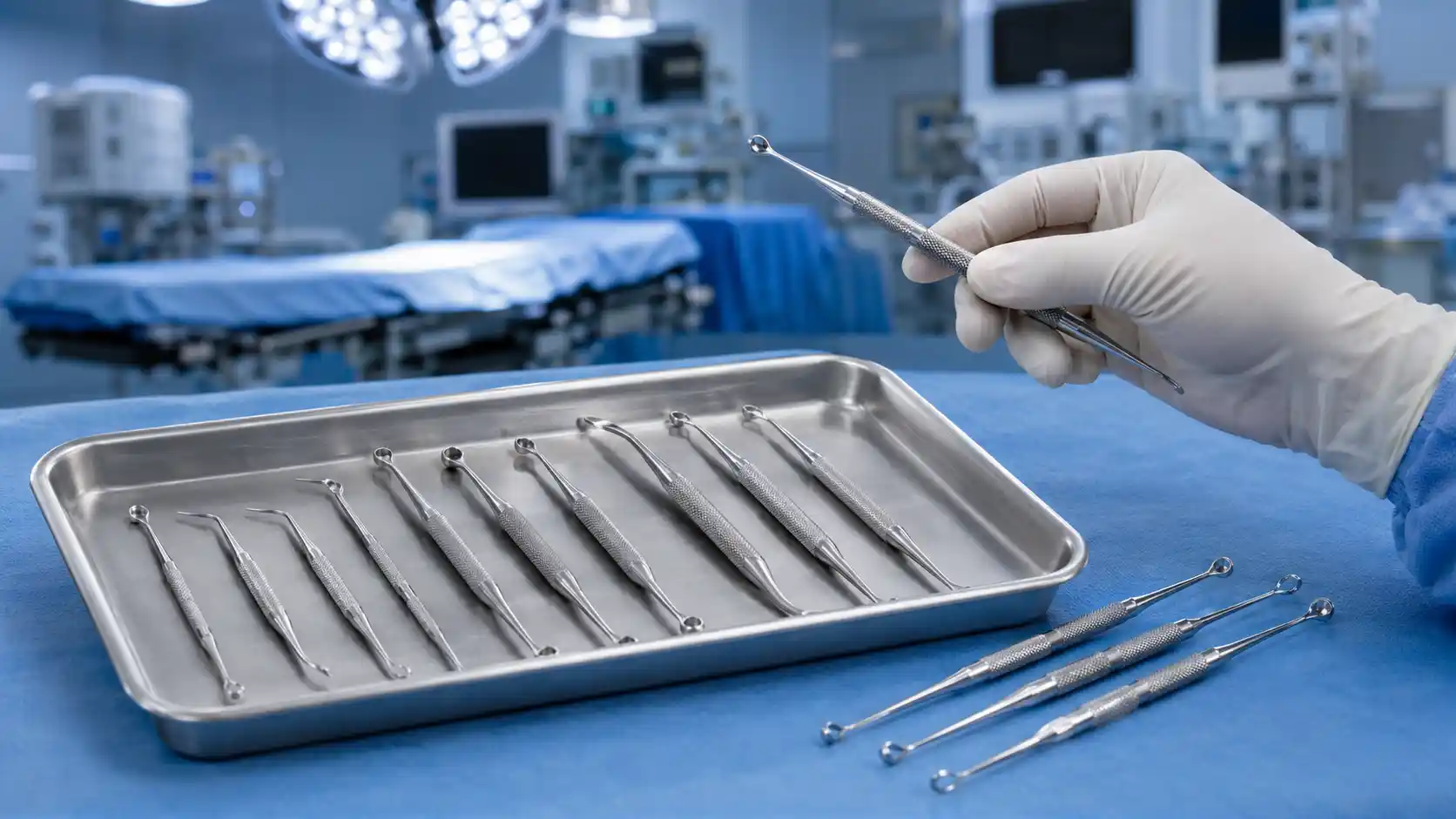
The Bone Curette Instrument is a specialized instrument to aid in precise bone debris clearance or tissue scraping during surgery. The ergonomically designed operating tip of this curette can facilitate a surgeons’ effort to remove unwanted tissues, debris or bone fragments from confined areas. Since reliable surgical hand tools are required and a clear and sterile operating field are primary goals; a specialized bone curette may feature with an optimized tip design for effective debridement. The Orthopedic Surgical Instruments feature a reliable handle design and high quality surgical grade stainless steel material, as such ensuring the durability of instruments and reliable performance.
The Bone Curette Instrument is a hand-held surgical instrument which removes foreign material or dead or soft tissue or other material from one area of a bone or other part of the body at the time of an orthopedic surgery procedure. Surgical Bone Curette usually comprises an instrument which has a handle or grip end and shaft or stem terminating in a cutting end to a shape designed to operate with a specific tool or a specific body area.
Assist in accuracy of scraping, debridement, and controlled tissue removal.
Helps give a stable and comfortable hold that allows a surgeon better control in surgery.
Helps make sure instruments have appropriate dimension, alignment and workability.
May increase longevity of the instrument and surface quality even after repeated cleaning.
The instrument should be safe to perform appropriate sterilization methods done in a hospital setting.
Can result in easy cleanup, decreasing retention of residue on the instrument.
Will increase performance and usability in orthopedic surgeries.
Various Bone Curette Types have been designed for varying surgical tasks, working depths and anatomical access and the correct design allows for controlled manipulation when cleaning or removing tissue from specific sites.
These work well in accessible sites, allowing direct working application.
Have a bent working end allowing access from areas not easily accessed using straight instruments.
These have a rounded working tip which allows controlled scraping and removal of loose soft materials.
Access tight places, for precise placement in narrow passages.
These have two different tip shapes or sizes to accommodate different surgical tasks.
Have extra reach in certain sites where greater depth of access is required.
Different types of Bone Curette Instruments are chosen for varying procedures and sites, anatomical approach and surgeon preference; design dictates precision, sight, and the type of tissue removal
Spoon curette with a round concave working end used for gently scraping away soft tissue, bone debris and selected tissue lesions in a given area for an orthopedic surgery. The concave end allows for the gathering of the removed material along with the instrument. An adequately finished Surgical Curette enhances the efficiency and accuracy of the surgical tool.
Ring curette Working tip is circular to scrap, scrape, lift and collect tissue and debris from specified sites. Its loop design is instrumental in cavity cleansing and precise removal in orthopaedics. This Bone Debridement Instrument aids in removing and cleaning the desired area of concern while giving surgeons the control over movement in the restricted operative area.
A Straight Bone Curette is a curette used in a surgical area where a simple method of operation is possible, and has a direct shaft and working tip. An Angled Bone Curette has a bend or offset at the tip, which can be helpful in accessing areas that are deeper or otherwise difficult. This choice is dependent on surgical site, working angle required and surgeon preference. The two designs allow for controlled scraping and tissue removal, and the different profile allows for increased reach, maneuverability and precision with orthopedic procedures.
This is a Double Ended Bone Curette with working tips on both ends (most have different sizes/ shapes). The surgeon can choose the end most appropriate in the course of the operation, enhancing versatility and enabling efficient bone clearance and shaping. They are helpful when operating with tissue removal under some degree of control.
Bone curetes are used by physicians across multiple areas to precisely access tissue and/or bone in order to manage or prepare the site of operation. Some medical specialities using bonecurettes include:
Bone curette is designed to work closely with the operating surgeons to efficiently curettage bone and/or tissue through the surgeon's preference of how to manipulate the instrument whilst performing the procedures to prevent damage and keep a neat result for procedures.
The Clinical Uses of Bone Curette are dependent upon:
The Orthopedic Bone Curette may assist in procedures that involve the controlled elimination or preparation of bone and tissue.
Assists in removing debris and unneeded or damaged tissue from the wound site.
Assists with preparation and cleaning of sites that are part of certain selected fracture management.
Assists in preparing or forming desired bone surfaces for graft placement.
Aids in removing materials from select bone cyst cavities, with control.
Aids in controlled removal of infected or diseased tissue when appropriate.
These Orthopedic Instruments are chosen with consideration for the procedure, anatomical region, and need of the surgeon.
Bone curettes can be useful in cases where there is need for the removal of small amounts of bone or tissue without damage and at limited access.
Specialized curettes may also be used in some spinal surgeries requiring precise removal of bone or tissue.
Used to remove undesirable bone or to clean a particular bone surface prior to other surgical interventions.
Can assist with the removal of fractured bone fragments or tissue to support fracture repair.
These instruments may have carefully engineered tip geometries that provide controlled manipulation in difficult-to-access regions.
When selected accordingly, bone curettes are complements to Spine Surgical Instruments and to Trauma Instruments prepared by experienced surgical personnel.
A Dental Bone Curette will find indication in specific dental treatment modalities for managing bone or tissue in a precise and controlled fashion.
Aids in removal of unwanted debris or soft tissue within an extraction socket.
Assists in precisely shaping and preparing available bony surfaces.
Aids in gentle management of soft tissue during selected procedures of oral surgery.
May assist in preparing the targeted area for follow-up restoration.
These Surgical Instruments are chosen for suitability with procedure, surgical access and clinical use for highly controlled manipulation.
Here is Bone Curette Instrument Buying Guide you should consider before making a buying decision:
Materials used for durable medical instruments for repeated clinical practice should be identified.
Check contour, edge configuration and dimensions of tip by indications and anatomy.
The handle should be comfortable and offer a good but gentle grip for better control during surgery.
All instruments shall have a smooth highly polished surface finish for ease of cleaning and durability.
Materials must withstand permanent exposure to humidity and to cleaning and sterilization agents.
Verify the instrument’s compatibility with the hospital’s standard sterilization procedures.
Reliable use requires consistent and perfect shaping and finishing.
Identify key quality documentation, supply and product consistency and after sale support.
Comply with the surgical team preferences and use criteria according to Specialties.
Strength and security in tough clinical conditions and instrument reprocessing.
Moisture, cleaning products & sterilization- when used correctly.
Able to resist deterioration and loss of function through repeated use.
Smooth & crevice free for easy cleaning and handling.
Reliable manufacturers will have quality at all stages of manufacturing.
The ultimate Stainless Steel Surgical Instruments for reliable use in clinic when maintained as per clinical procedure for cleaning & sterilization
Providing comfortable, safe grip enhances control during the manipulation of instruments by the surgeon during the procedure.
Weight balance can be beneficial in creating stable instruments that cause less strain on the hand during extended surgical use.
Precisely Orthopedic Instruments Manufacturer working tips aid the surgeon in performing accurate scraping, tissue removal, and reaching isolated areas.
Properly shaped, easy to handle instruments can contribute to accurate control of Surgical Tools and other instruments.
All Precision Surgical Instruments lines are designed for consistent results.
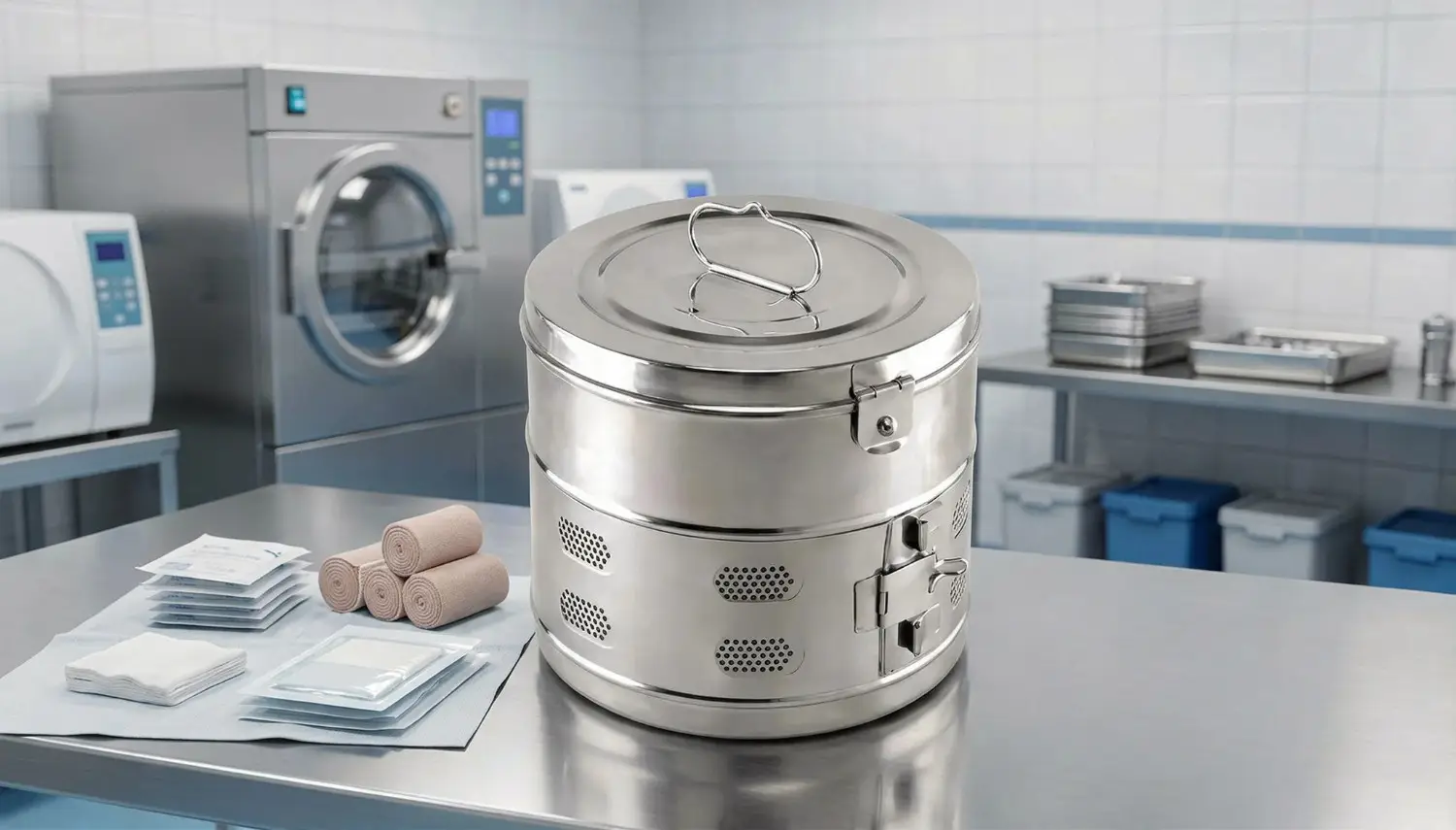
Instruments are compatible with and withstand repeated steam sterilisation using suggested guidelines.
The use of top notch medical materials helps with the device’s longevity through several autoclaving processes.
Chosen materials and their superficial treatment are adequate against deterioration caused by humidity.
It makes keeping the instruments clear along with proper caring easy.
Through proper storing, cleaning, drying as well as inspection devices may last for longer, Autoclave Compatible Instruments delivered by a Surgical Instruments Supplier like Mediwave with strong support offer full guidelines for disinfection/sterilization as well.
Some of the reasons are the following:
Ensures quality materials, building standards & finishing.
Selecting the right handle, tip, sizes & design to fit all purposes.
Across a single unit and for repeat orders.
Choosing the right material to avoid corrosion, wear and rust.
Based on consistent ordering on time.
Support regarding correct curette design to use.
Adequate information product & quality-relevant to purchasing decisions.
Quality Bone Curette Manufacturer stick to a controlled manufacturing environment.
Orthopedic Instruments Manufacturer in the domain are aware of medical & procurement needs for their instruments.
Some of the benefits are the following:
Long-lasting products may keep instruments around longer and reduce the need for replacements.
Consistent performance in standard applications is assured through quality manufacturing.
Instruments that are well designed often allow for better handling, movement control and access to the surgical site.
A trusted Medical Instrument Supplier helps keep a healthcare institution’s inventory consistently stable.
Clinical benefits quality Hospital Surgical Instruments proper selection of surgical instruments helps in smooth surgical flows.
Mediwave is an experienced manufacturer providing reliable precision medical devices for orthopedic and clinical use. As a Bone Curette Manufacturer, Mediwave takes great care in designing instruments using medical-grade materials and a uniform finish, for uniform and reliable use. Mediwave’s products and processes are accurate, strong and useful to medical practitioners and offer custom development opportunities. For hospitals, distributors and medical sourcing teams looking for stable, high quality supplies, partnering with respected Orthopedic Instruments Manufacturers in India provides quality advantages like consistent results, a wider range of product options, and supply reliability, and Mediwave strives to incorporate these into its operations.
To realize the effective handling and a reliable operation for orthopedics surgery operation, picking up a proper Bone Curette Instrument is also of great necessity. The shape of tip, size and design for a specific procedure, and convenient access to the body cavity all must go in line with the surgery situation. The manufacturing is dependent much on appropriate and good quality materials with corrosion resistance and precise manufacturing facility and surface finishing to assure the durable application and reliable operation performance. Beyond that, a reliable supplier of Orthopedic Surgical Instruments like Mediwave provides reasonable and reliable support of the products is also needed.
Depending on the manufacturer, customization may be available for working-tip configurations, handle designs, and other specifications based on clinical requirements.
Hospitals should evaluate material quality, tip design, ergonomics, manufacturing precision, sterilization compatibility, supplier reliability, and procurement requirements.
Surgical-grade stainless steel is commonly preferred because of its strength, durability, corrosion resistance, and suitability for routine sterilization.
Common types include spoon, ring, straight, angled, and double-ended curettes, each designed for different access and surgical requirements.
Yes, Mediwave provides bone curette instruments designed for controlled bone cleaning, tissue removal, and debridement applications.