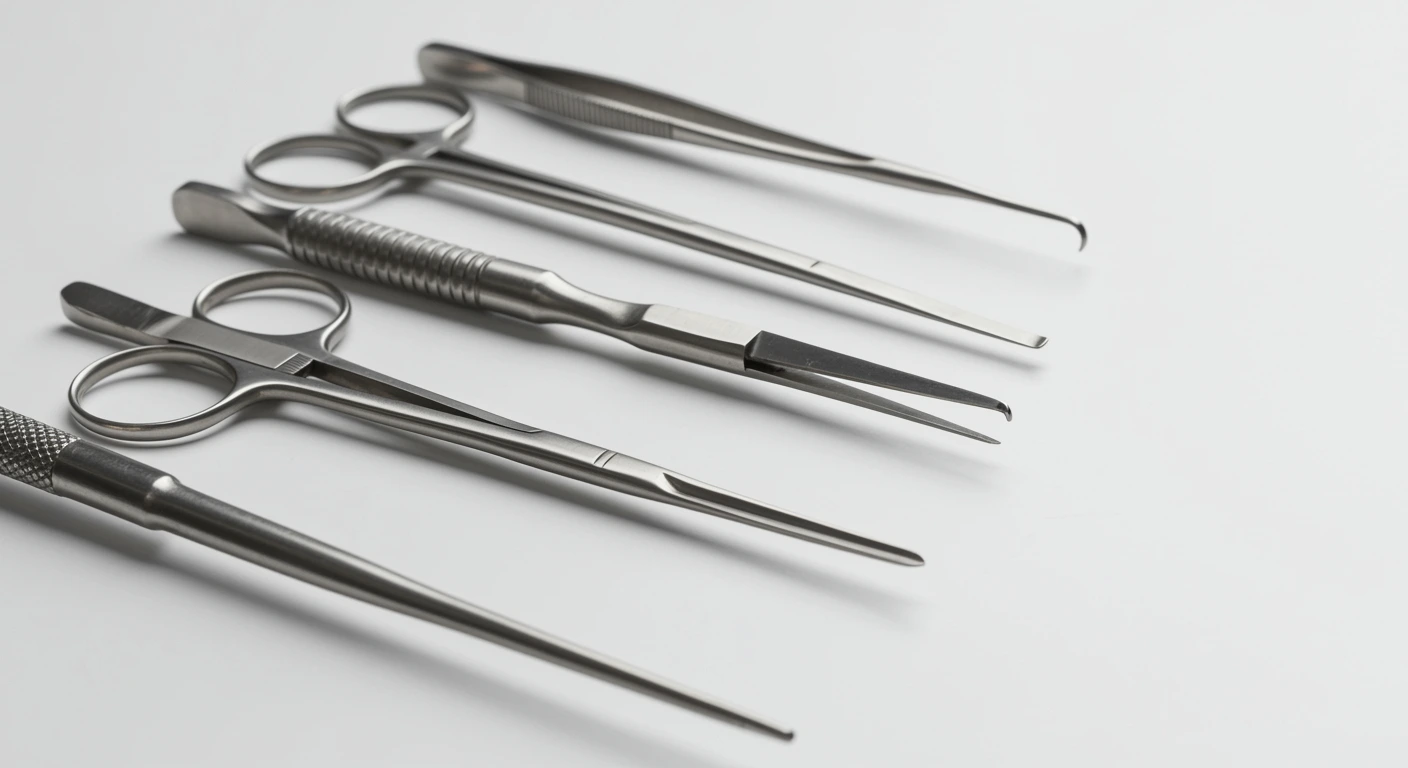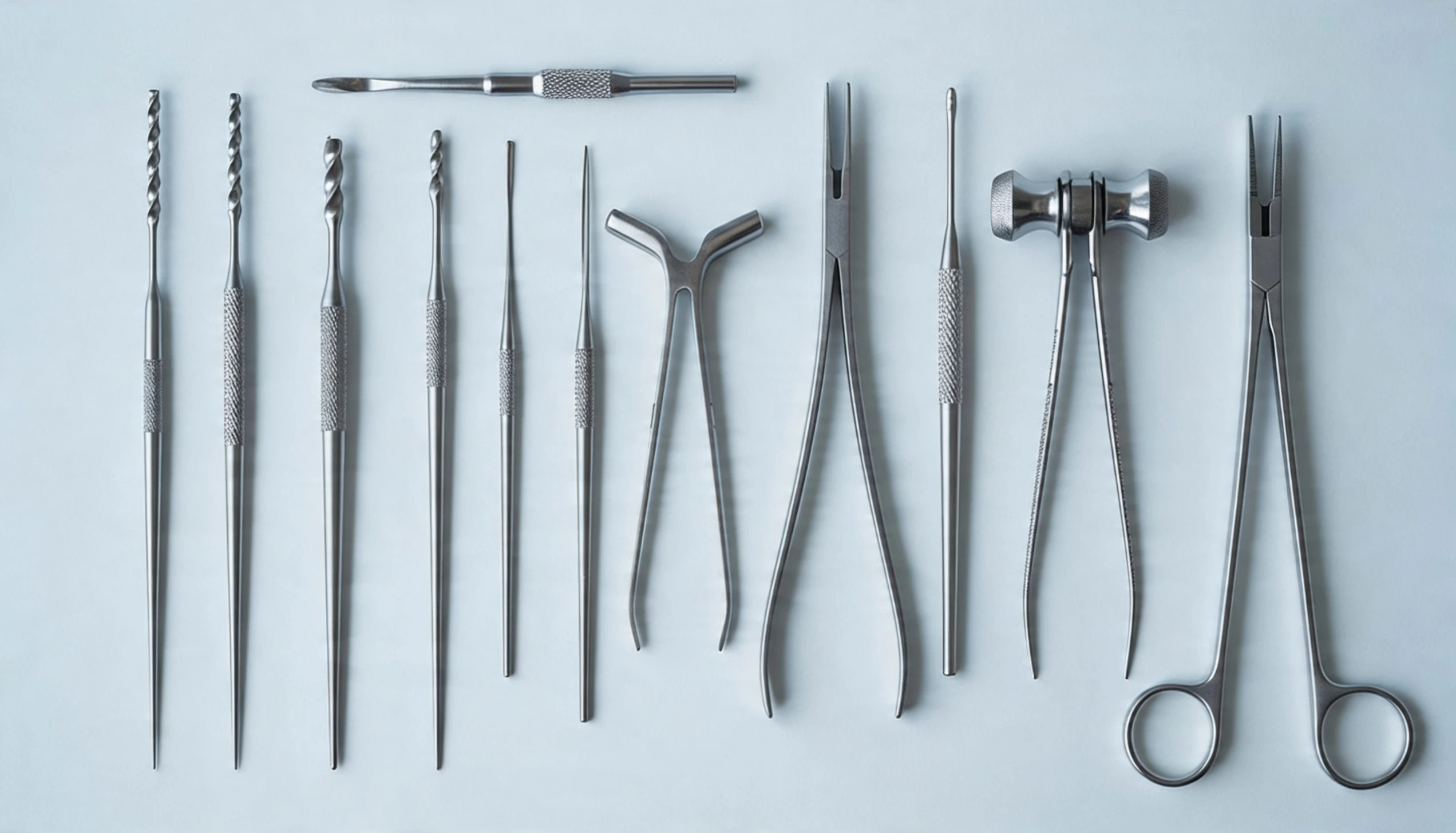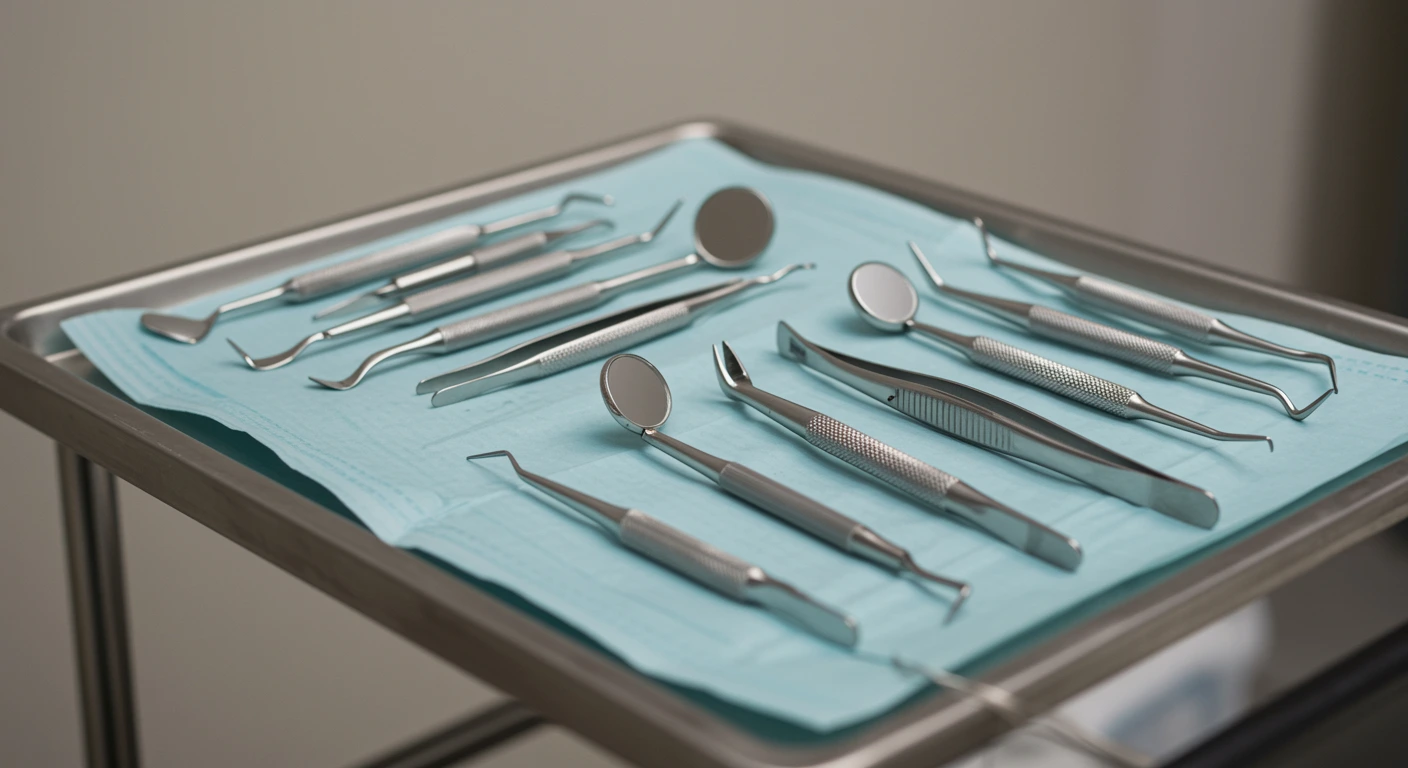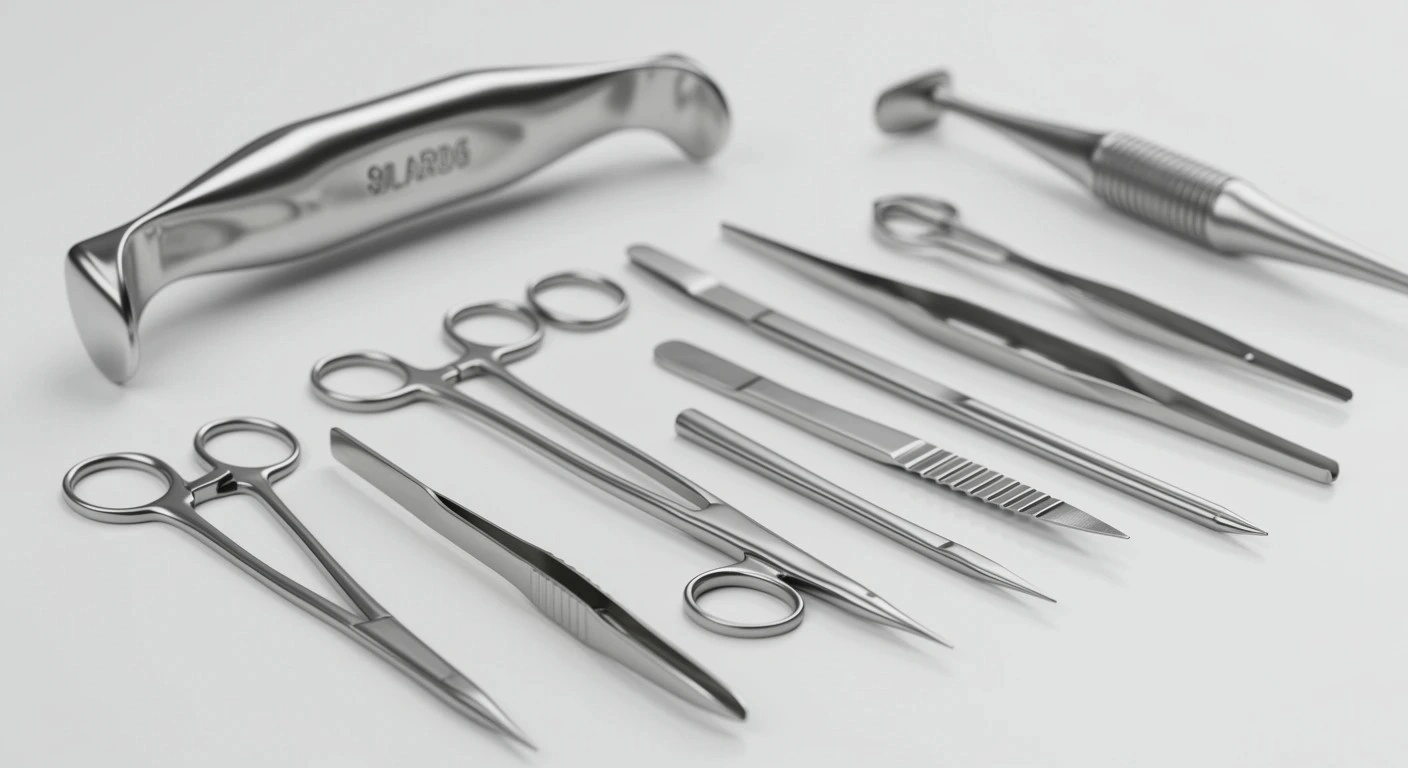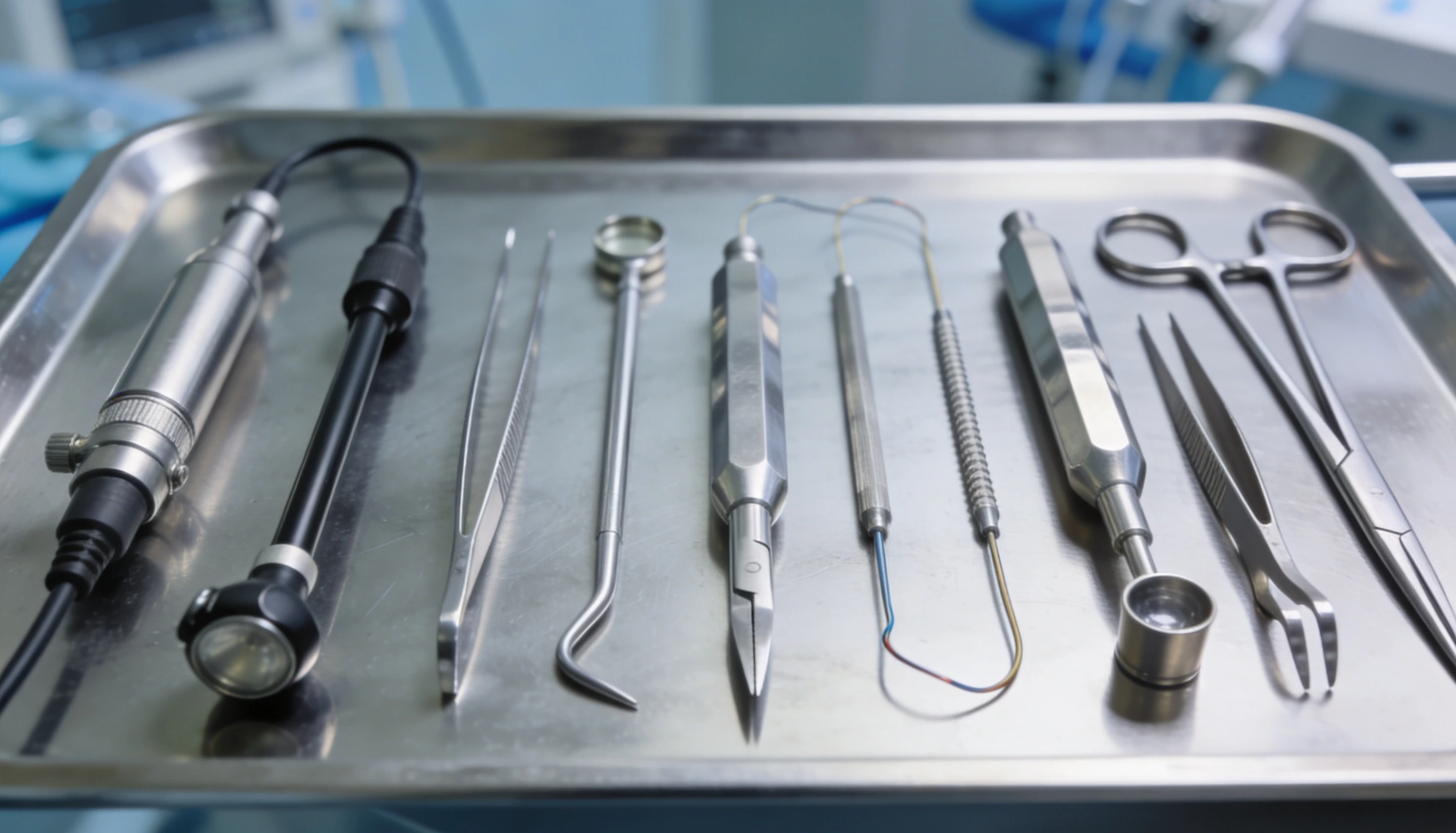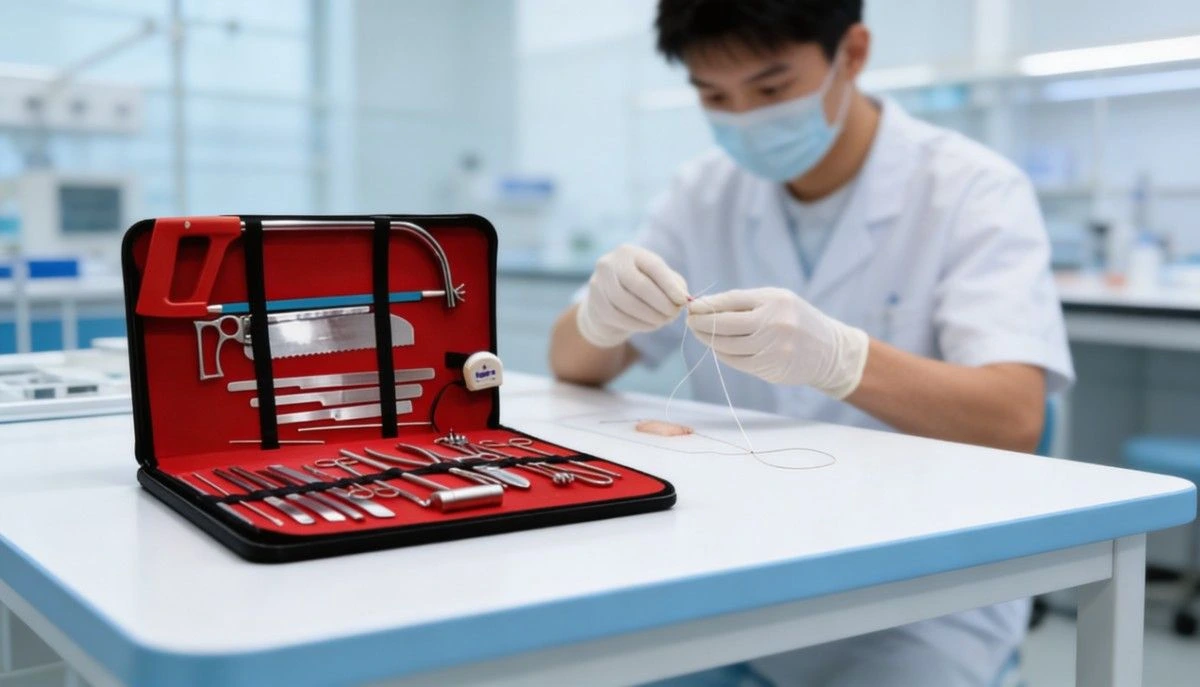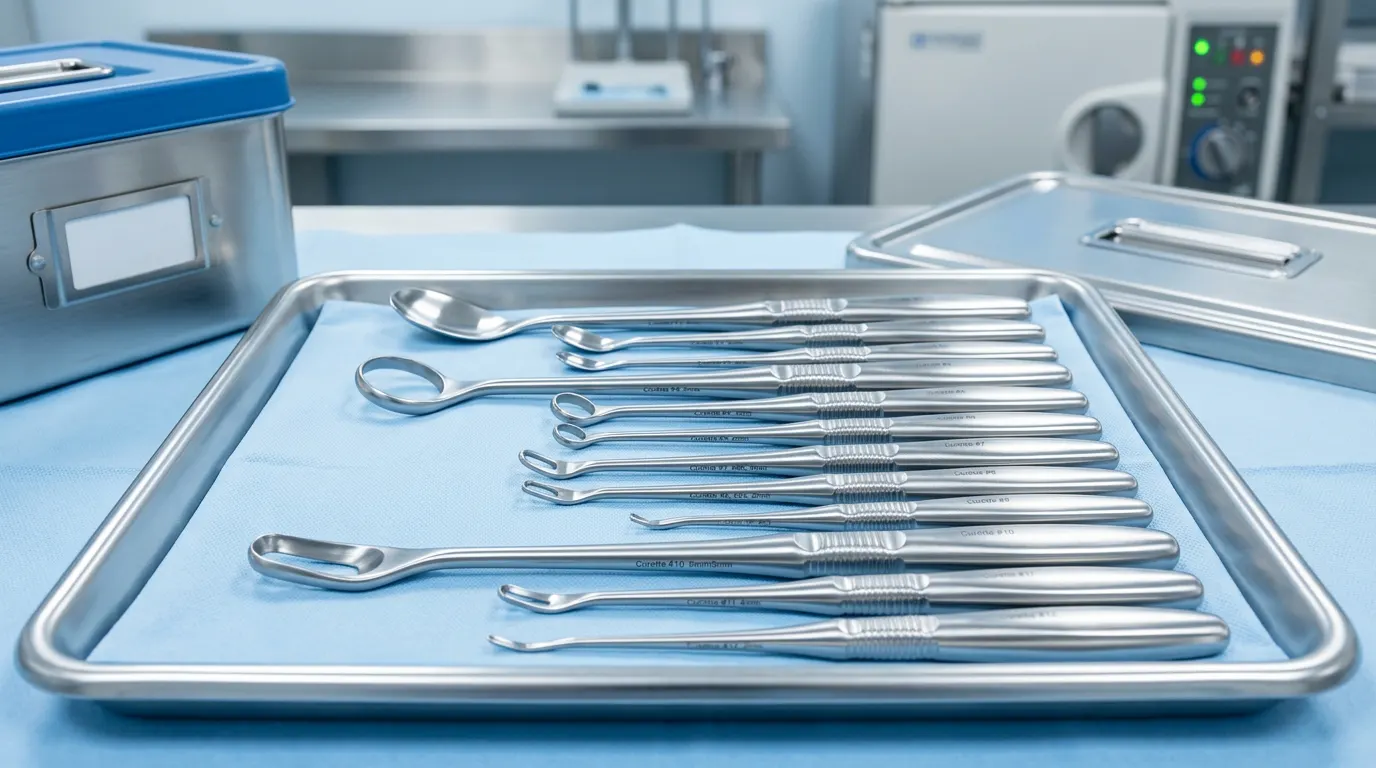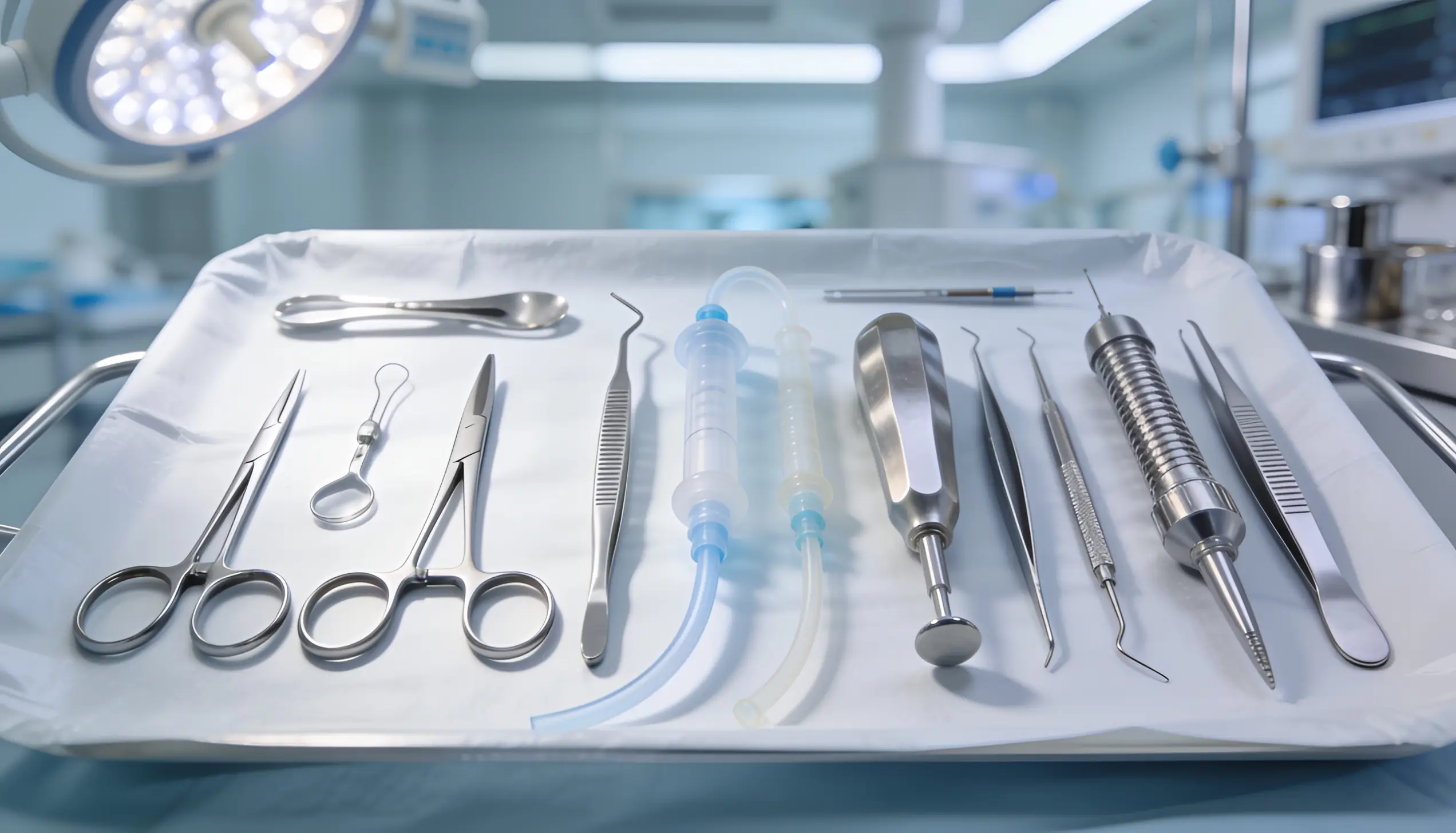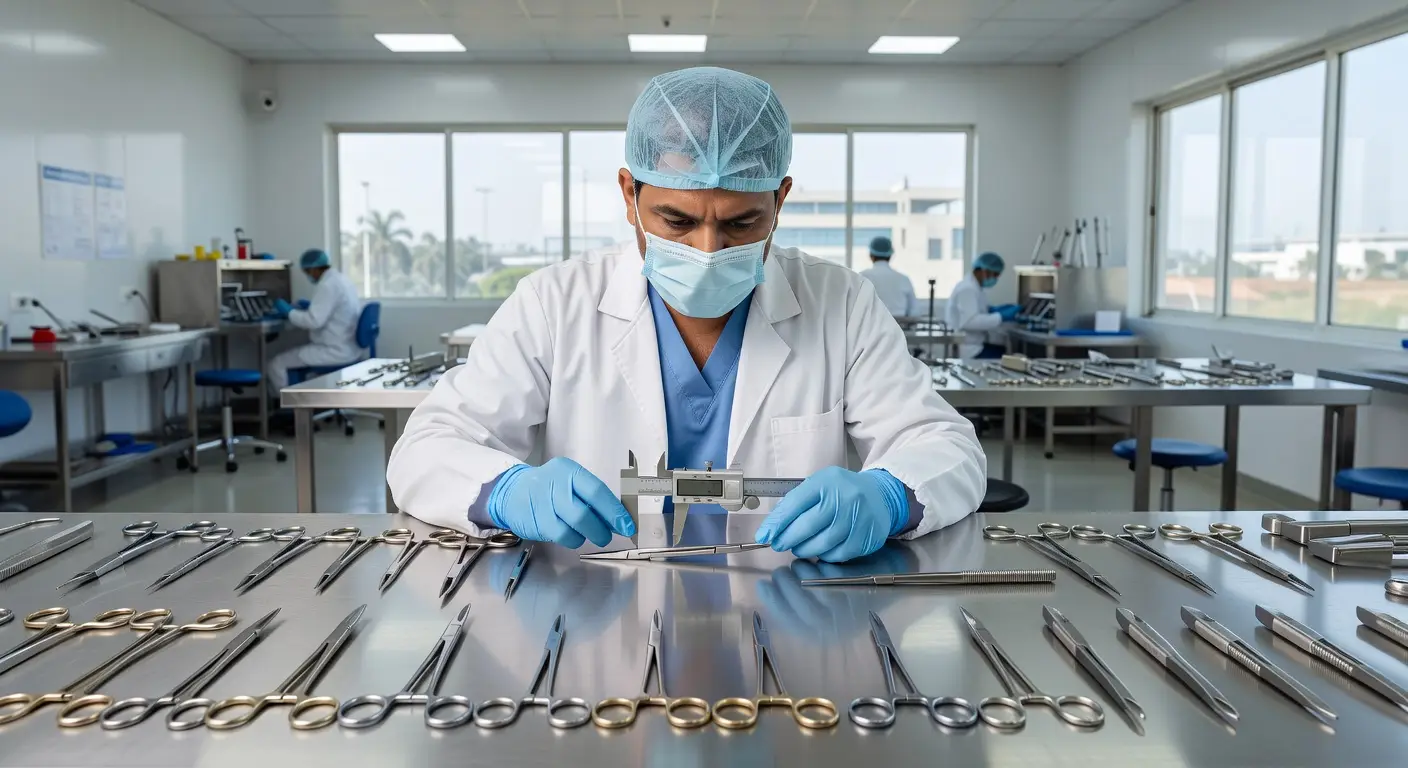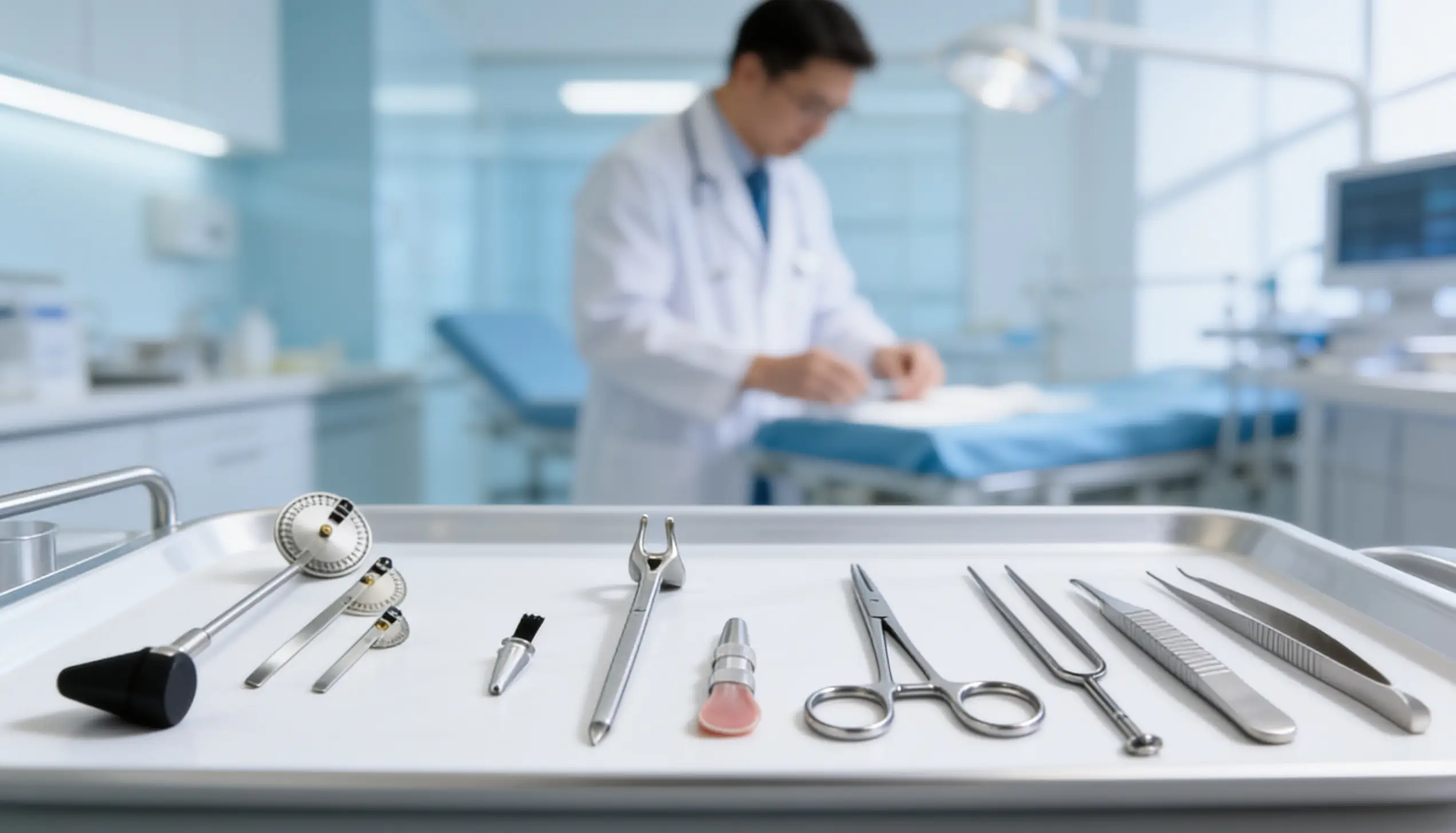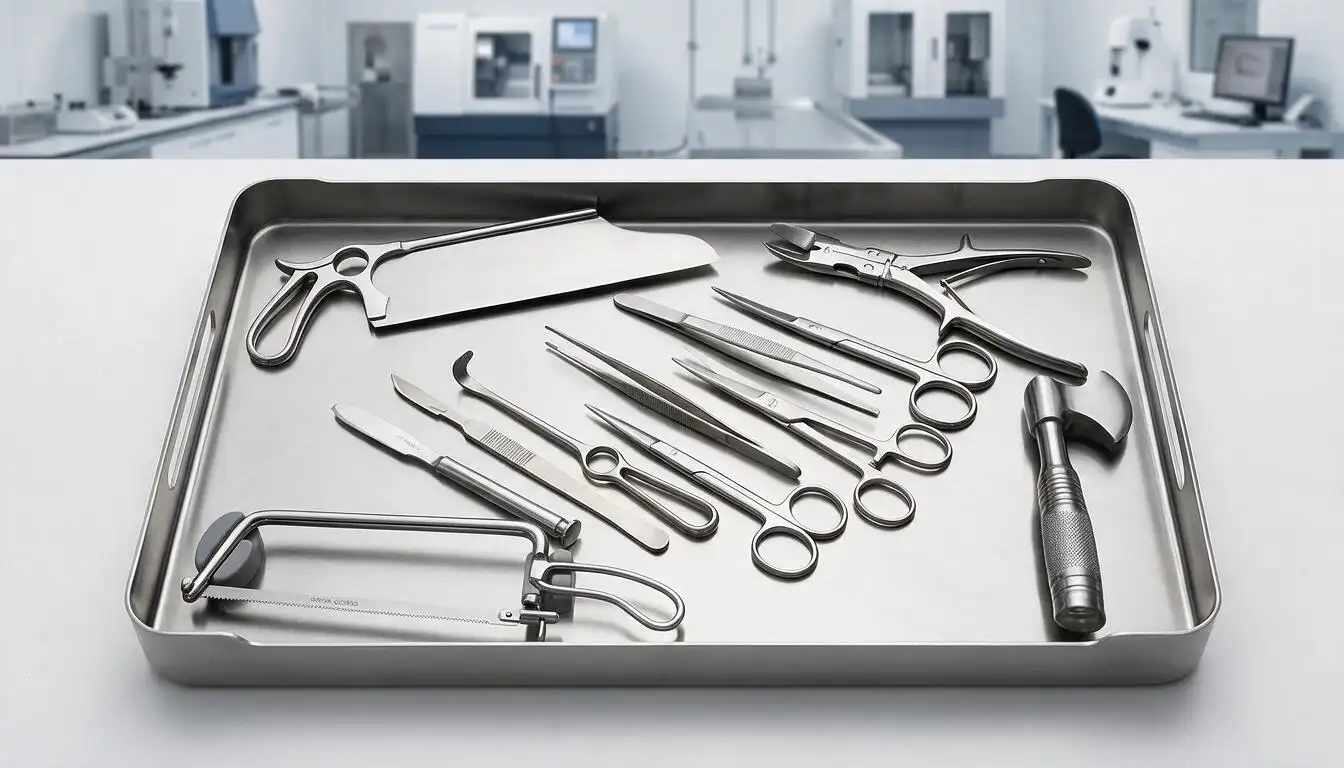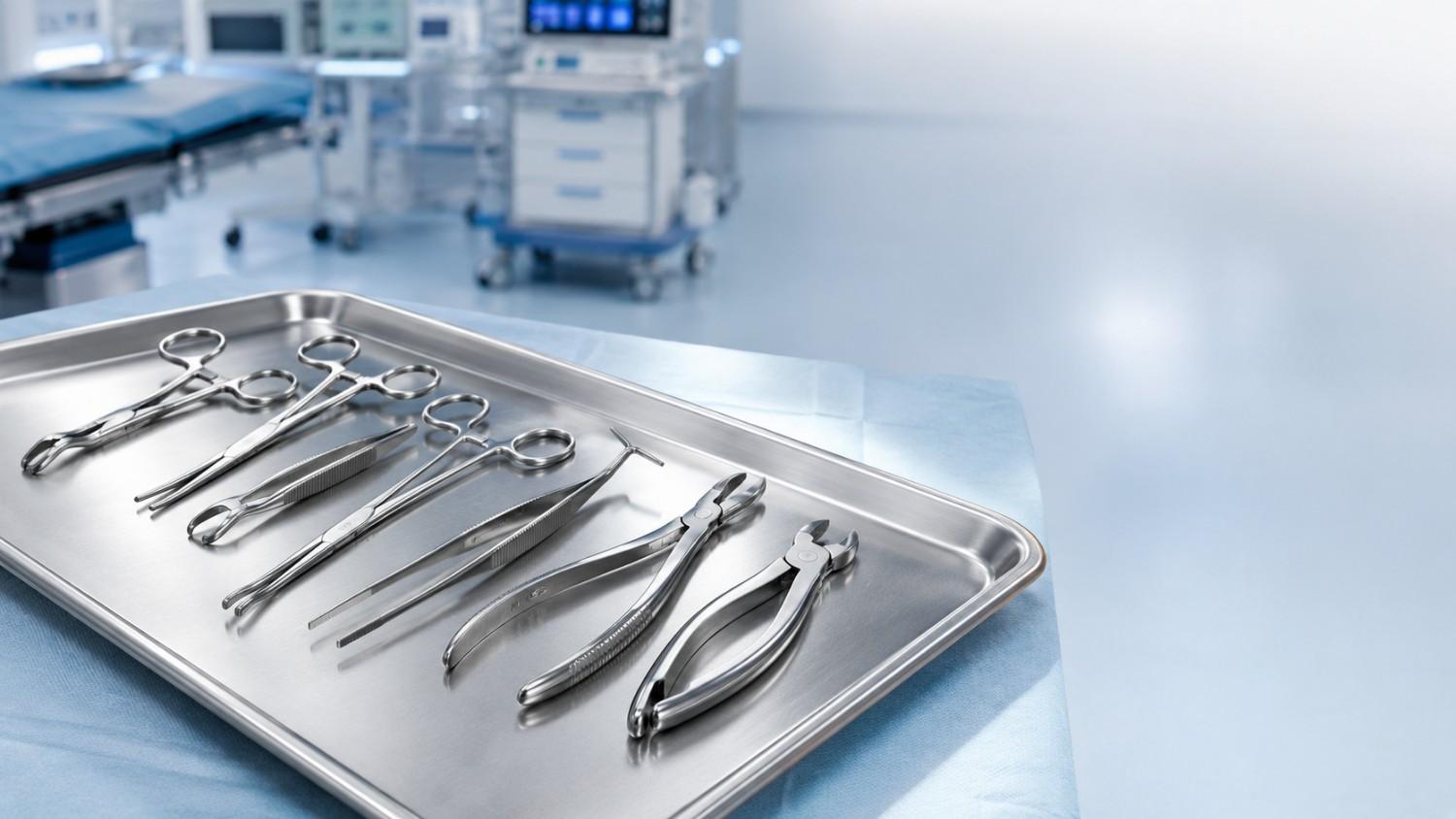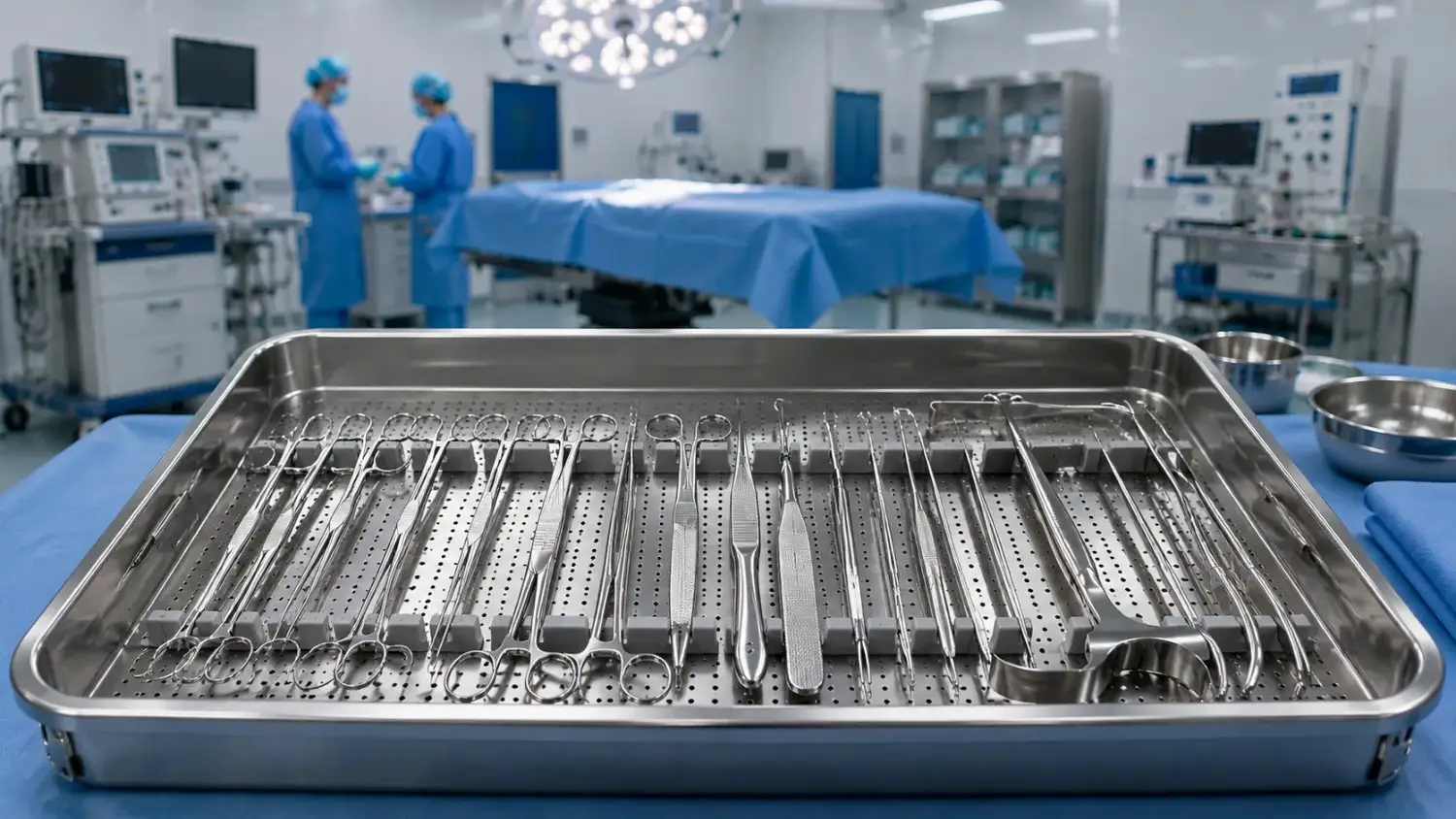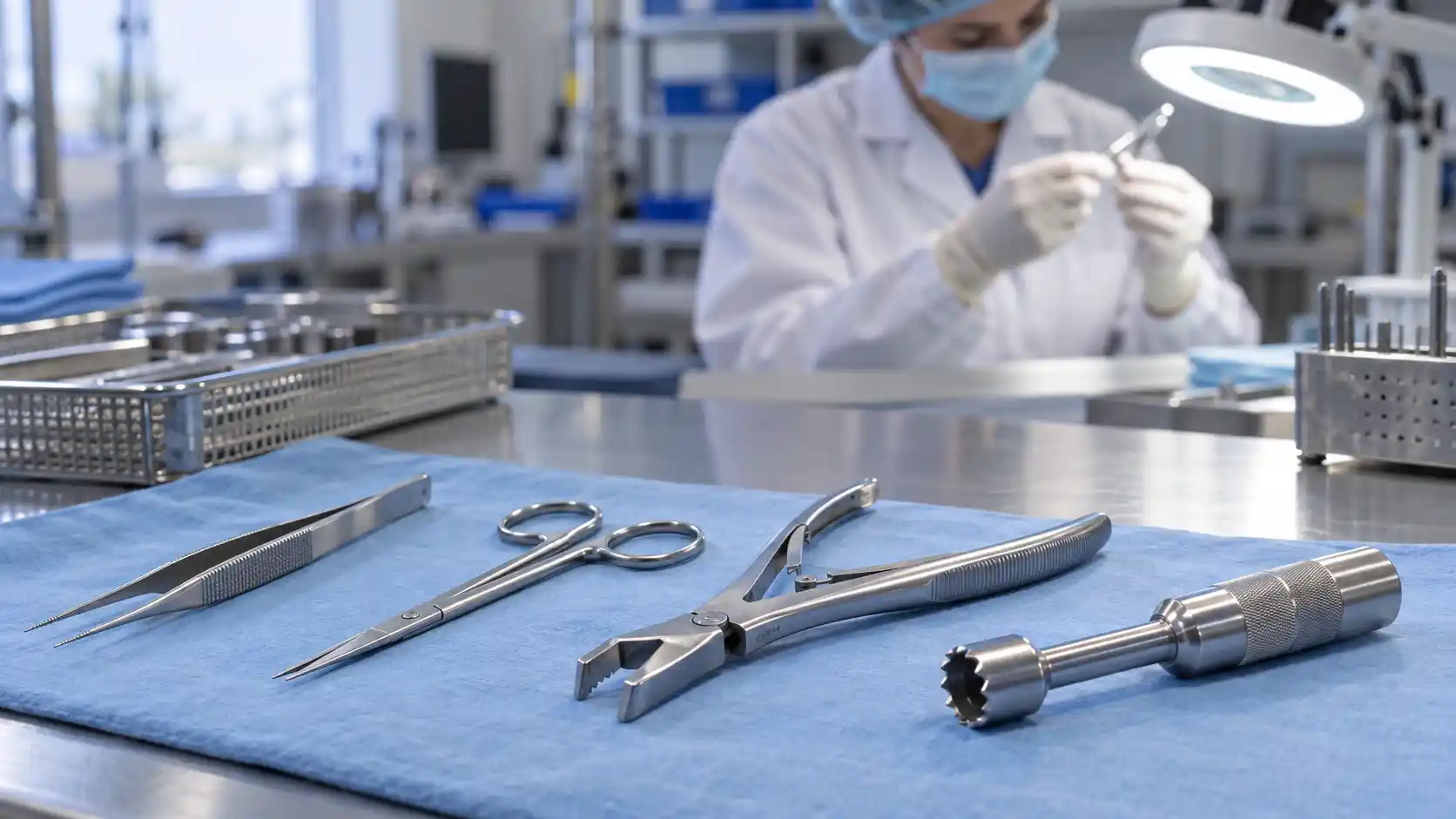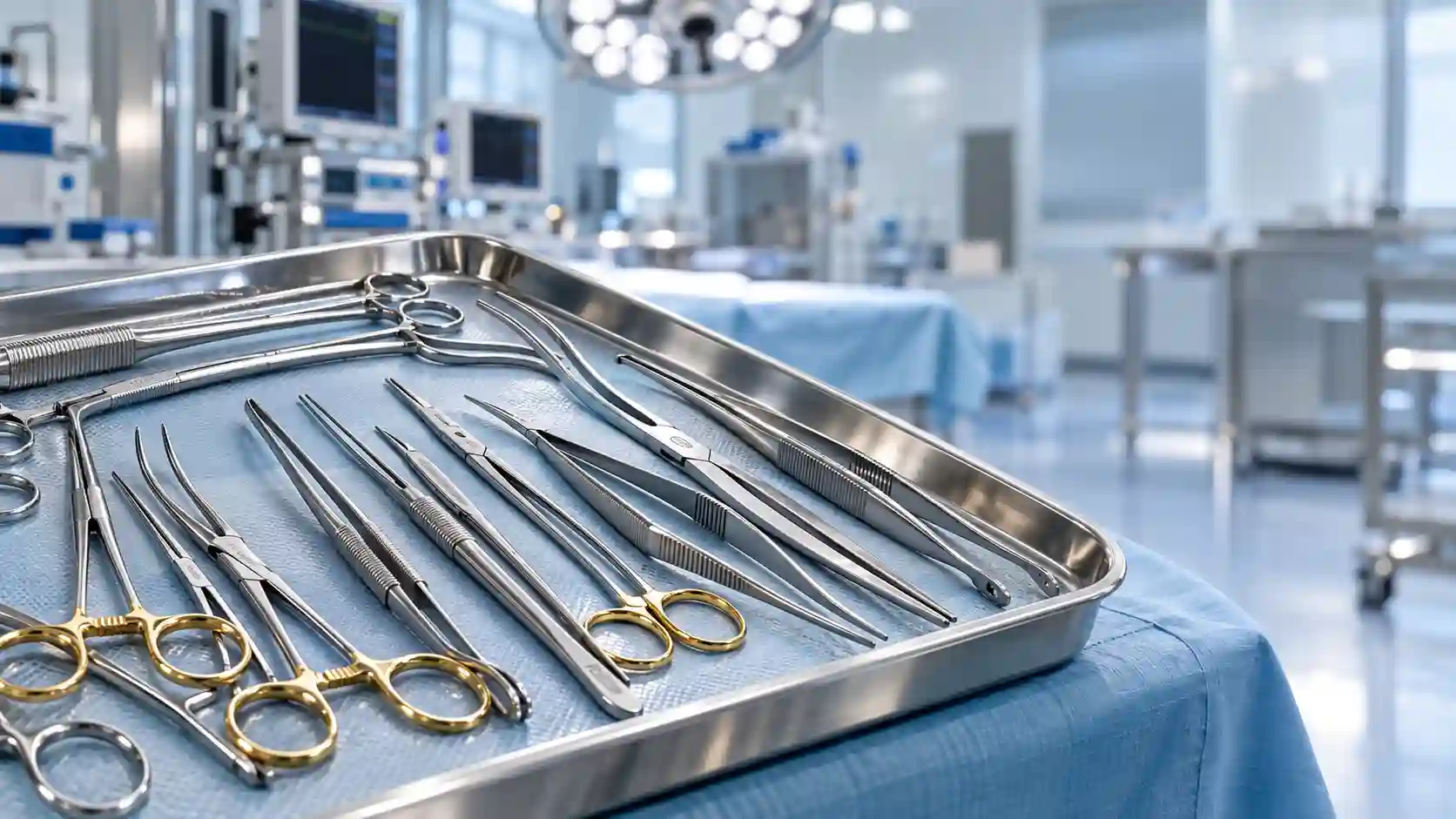
Cardiovascular and vascular instruments for controlled access, holding, clamping, cutting and handling of vessels. It covers the main categories of handheld cardiovascular and vascular surgery instruments, their scope of use, key material options, and the key considerations for instrument selection. Included its information on how cardiovascular and vascular surgery instruments allow for surgical precision, efficient tissue handling, and vessel control.
This blog features the tools for processing and controlling vessels during cardiovascular and vascular surgery procedures.
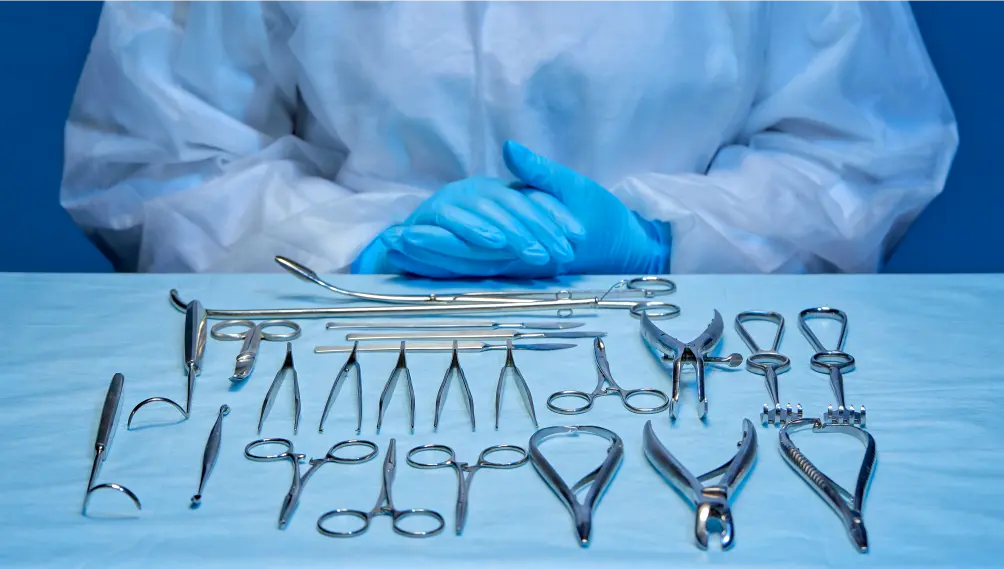
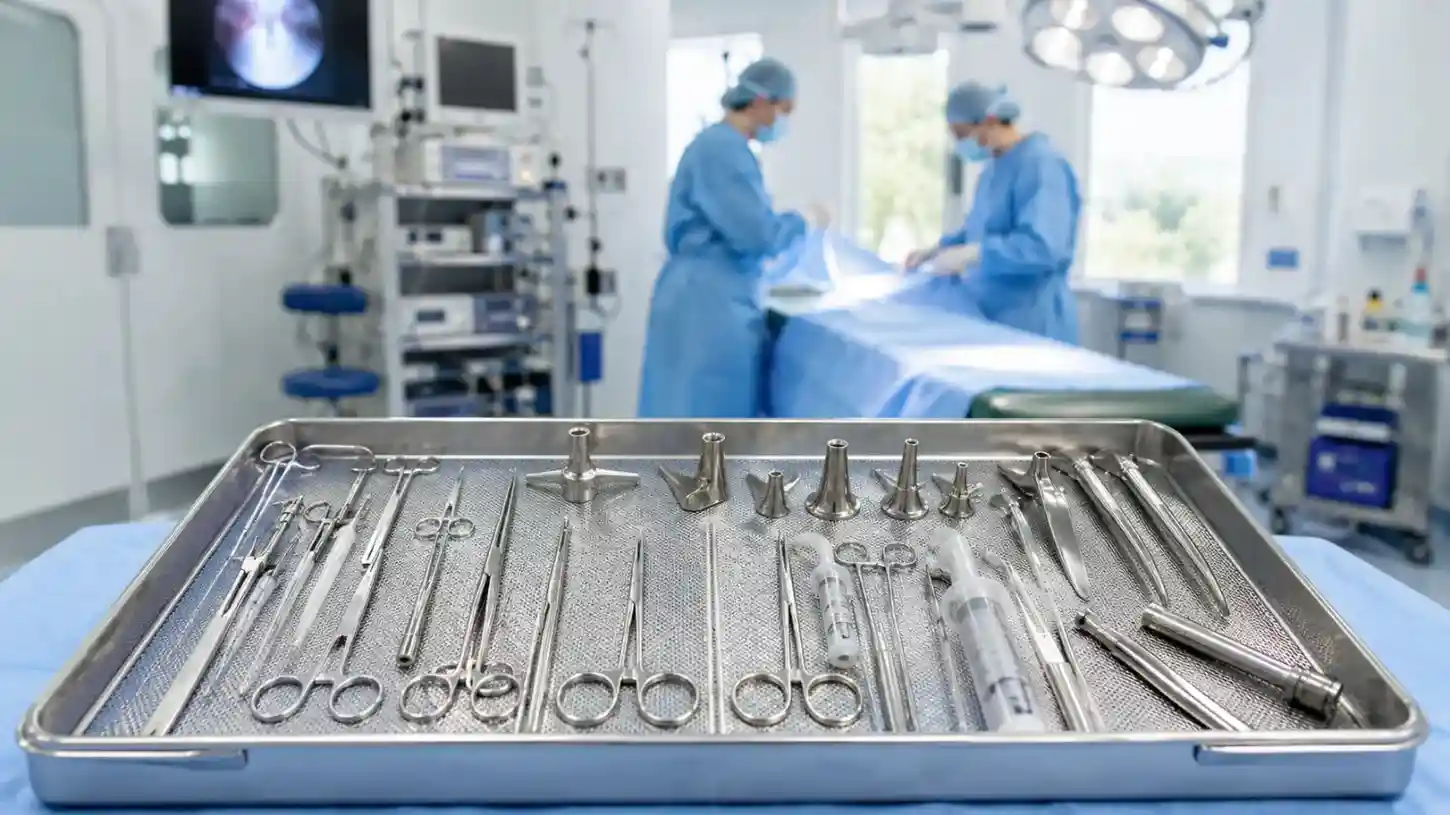
Cardiovascular surgical instruments are used to carry out tasks like grasping, cutting, clamping, and vessel handling. The form, size, and shape of tips of the Vascular instruments depend on the operation, the target tissue and the vessel size.
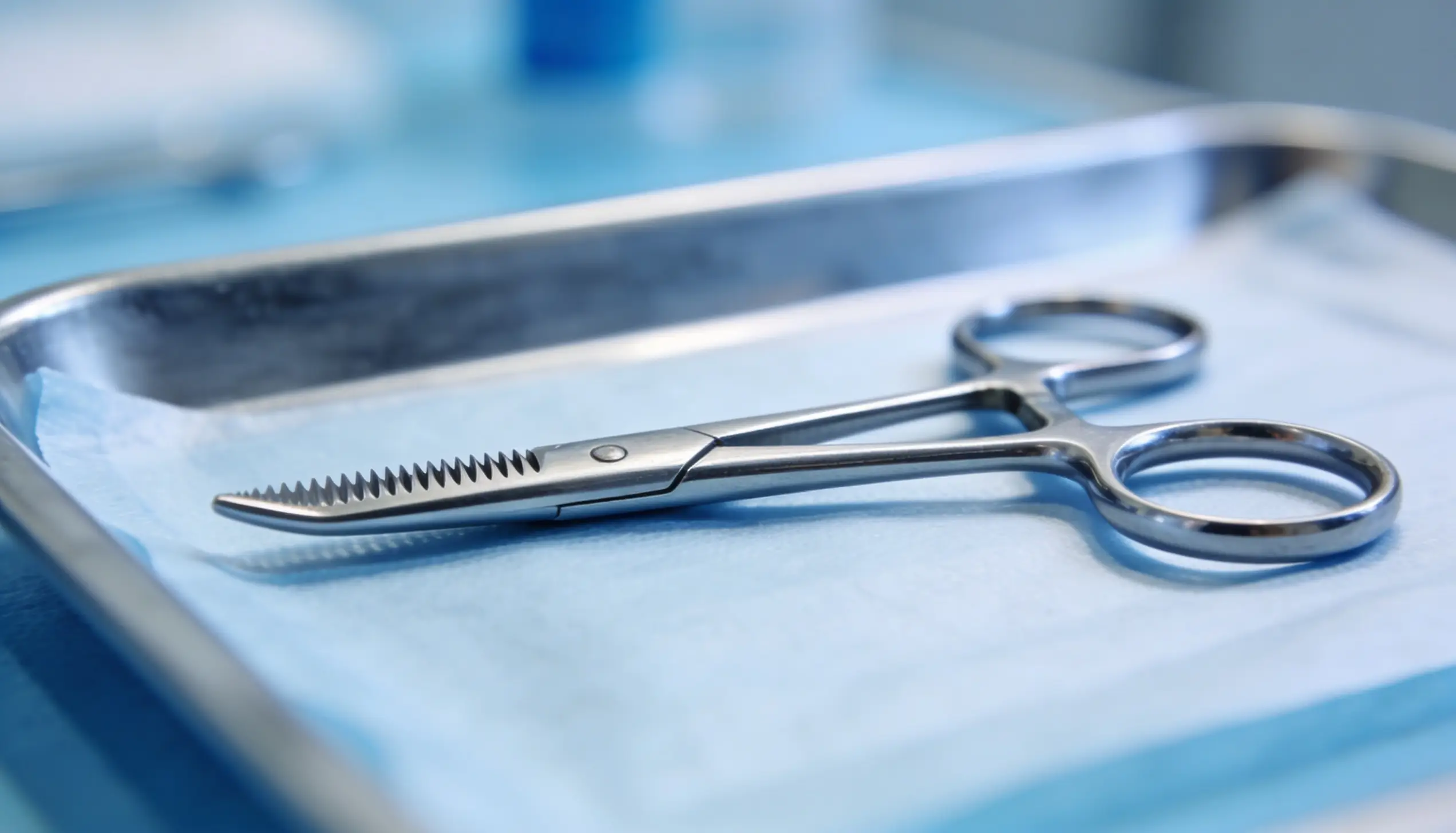
Vascular clamps work by applying pressure to the vessel or tissue to temporarily stop blood flow during a procedure. The design, length, size, and closing pressure of the jaws are dependent on the vessel size and type, access, and tissue sensitivity. The jaws of a DeBakey vascular clamp are atraumatic for artery management. However, different designs may be preferable depending on the vessel or tissue.
Mediwave vessel clamps are listed in DeBakey and satin sky designs which can be useful depending on vessel size, tissue sensitivity and access.
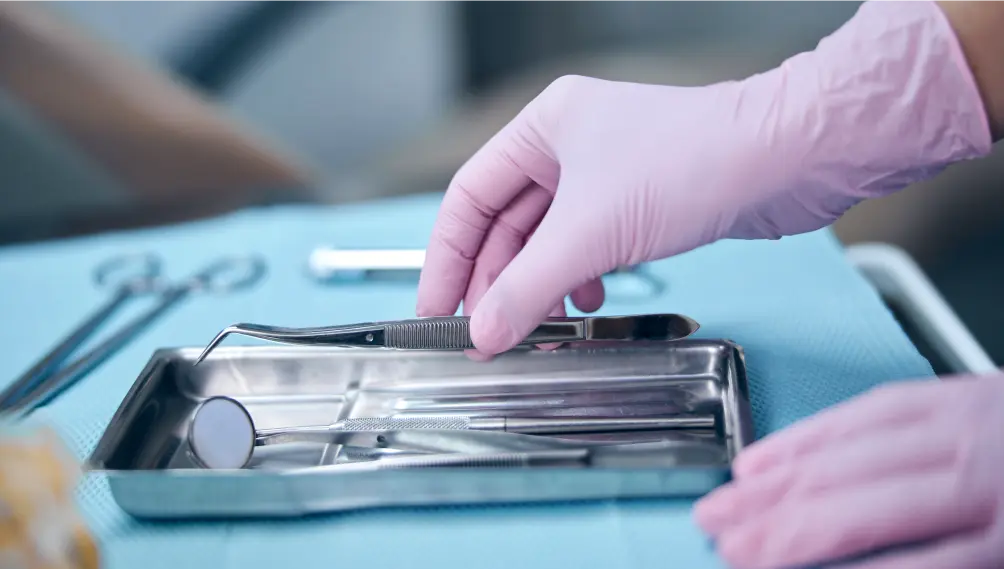
Vascular instruments and scissors are used in vascular surgery, they are different and selected according to the specific function during a procedure. Instruments like forceps and graspers are used to gently hold and manipulate tissues or blood vessels without applying excess force.
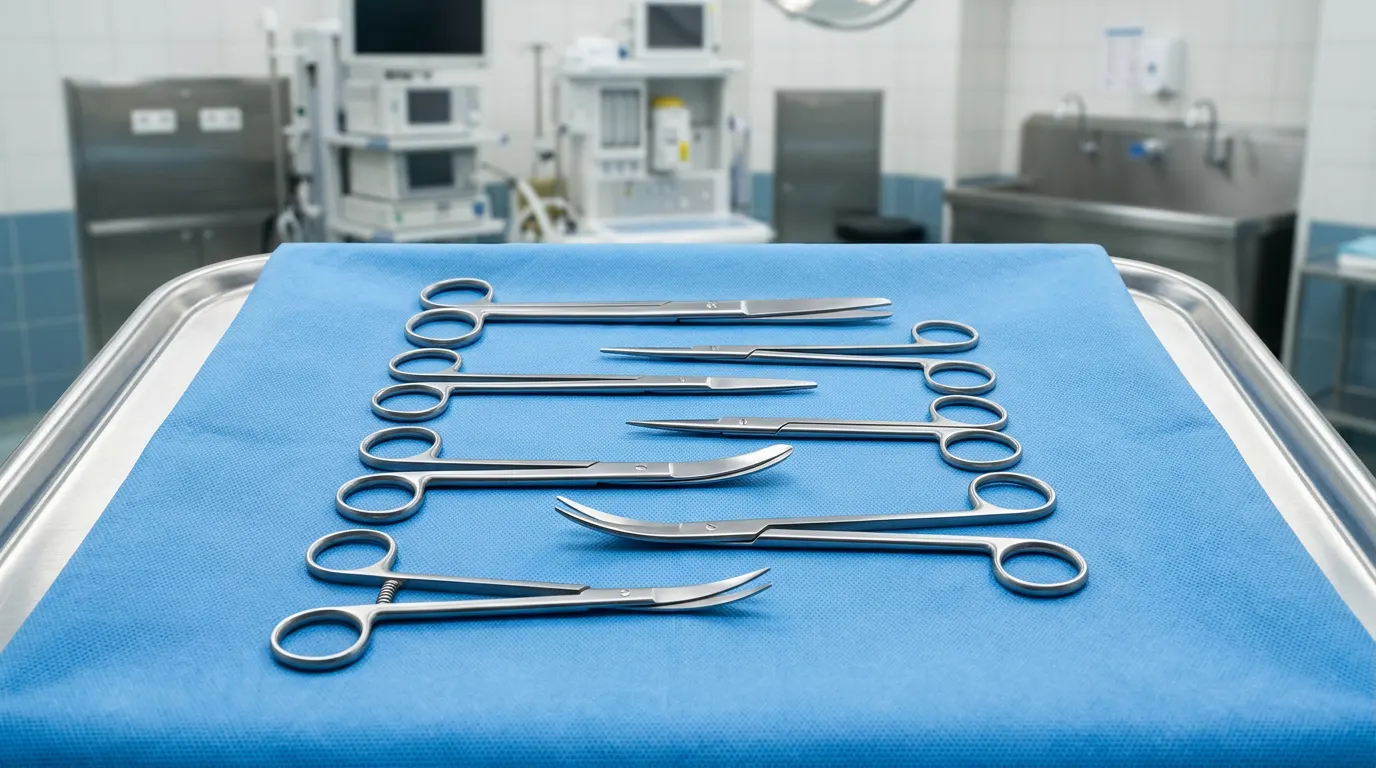
Cardiovascular scissors are used for fine dissection or cutting, with various blade styles available for precise cutting or dissection. Additional surgical instruments used during vascular surgical tools may support the preparation of tissues, access to vessels, or gentle handling of vessels.
The following table talks about the technical specification of cardiovascular and vascular instruments.
| Parameter | Specification |
|---|---|
| Material | Medical-grade Stainless Steel |
| Surface Finish | Smooth / Satin / Polished finish |
| Corrosion Resistance | High resistance to corrosion |
| Sterilization Compatibility | Autoclave compatible |
| Precision | High precision for vascular handling |
| Reusability | Reusable after proper sterilization |
| Durability | Designed for long service life |
| Application | Cardiovascular and vascular surgical procedures |
The application of cardiovascular instruments differs when it comes to performing vessel access, working with tissues, applying clamps, cutting and dissecting. The uses of cardiovascular instruments according to the procedure, vessel type and desired amount of control.
As with any other operation, specific instruments are used for various purposes in vascular surgery. Vascular clamps uses as temporary seals before or during vessel repair. Forceps and graspers are generally used for tissue manipulation. Scissors are used for dissection and division of tissue.
Needle holders are used for suturing. These instruments for vessel repair tools are also available in different types, sizes, shapes, and tips. The user has to take into account the use, size of vessel, access to the surgical field.
The right tools for Vascular surgery instruments depend on the surgical access, vasculature, vessel sizes, and work done. For example, small vessels need more delicate grips and finer tips, while bigger vessels may need suitably sized clamps or graspers. Also, the length of the access site, the shape and flexibility of instruments, and maneuverability inside the surgical space needs to be considered. Different brands and models may offer different types of grips, form factors, jaw shape, tip configuration, and balance.
Choosing the right cardiovascular surgery tools, then, is essentially matching the shape and size of the device to what the procedure demands.
|
Myth: “Vascular clamps, forceps, scissors, and needle holders can perform similar tasks. Fact: Each instrument has a specific design and intended function. Selecting the correct type helps support appropriate handling and surgical control.” |
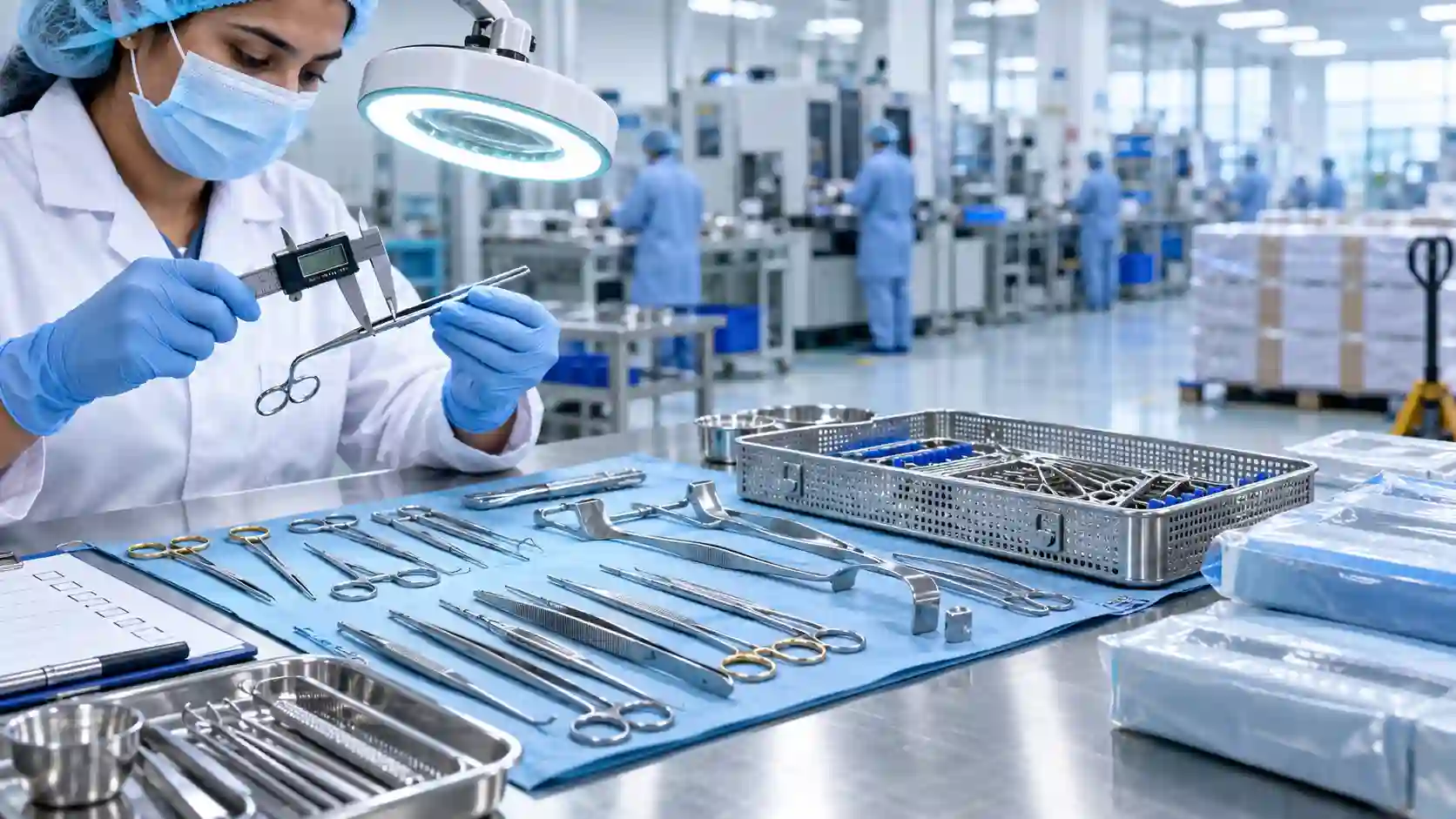
Hospital procurement teams and distributors need to take into account the quality, robustness, the clinical needs and supplier reliability of cardiovascular instruments. The Cardiovascular instrument selection process can help ensure the right equipment.
Distributors and hospital procurement teams should consider the following before buying Precision vascular clamps:
They are used to verify the surgical instrument specifications.
Vascular devices are utilized for all operations in which controlled vessel management and delicate surgical dissection are desired. Such tasks can range from vessel occlusion, dissection, tissue manipulation, suturing and all the way to other cardiovascular work.
An instrument selection depends on the vessel, approach, degree of control and task to be performed thus many hospitals will have various patterns, sizes and designs of instruments. That's why the best instruments matter a lot for a smooth process and Mediwave India is one of the reliable sources for instruments.
Quality vascular clamp maintenance helps to ensure the performance of the instrument and the longevity of the device. Before and after each use, visually check your clamps for damage, jamming, corrosion and inability to move. Clamp storage should be in a dry, clean location and away from any potential inadvertent damage.
Be sure to follow manufacturing instructions for cleaning, disinfection and reprocessing, as each device may require specific guidelines for a particular design and material, and not all equipment can be subject to a standard sterilisation cycle to ensure safety of reusable vascular instruments.
|
Case Study A hospital procurement team checked sizes of instruments, types of material, patterns and paper work before ordering in bulk. This process also matched the instrument sizes with the needs of the department and optimized the inventory planning. |
Before ordering, buyers should get from the supplier.
To help assess vascular instruments manufacturers, cardiovascular instruments manufacturers, and precision vascular clamps manufacturers, well documented specifications can facilitate purchase and selection of the same product.
Selecting suitable Cardiovascular and vascular Instruments requires attention to intended use, dimensions, material quality, functionality, and documentation. Good purchasing and manufacturer-driven maintenance keeps instruments performing reliably.
Explore Mediwave’s product range to review available surgical instruments and identify options that align with your hospital’s clinical and purchasing requirements.
Explore common questions about cardiovascular and vascular instruments to understand their functions, selection, and maintenance.
This quick comparison illustrates how and why each instrument performs different functions in surgery.
| Instrument | Primary Function |
|---|---|
| Vascular Clamp | Temporarily controls or occludes blood flow. |
| Vascular Forceps | Grasps, holds, or manipulates tissue and vessels. |
The difference between vascular clamp vs vascular forceps is function, and designs should not be used interchangeably.
Vascular instruments for hospitals should verify instrument size, pattern, intended application, material specifications, and compatibility with required procedures. Procurement teams should also confirm product availability, manufacturer documentation, and applicable reprocessing instructions before finalising an order.
No, reprocessing requirements can vary depending on reusable vascular instruments design, material, and manufacturer specifications. Healthcare facilities should follow the supplied instructions for cleaning, disinfection, and sterilisation rather than applying one procedure universally.
Hospitals can assess quality by reviewing material specifications, surface finish, jaw alignment, functional performance, and supporting documentation. Physical inspection and verification of manufacturer quality records help procurement teams evaluate instrument suitability.
Instrument patterns influence handling, access, and suitability for specific surgical requirements. Selecting the appropriate pattern helps surgical teams work with instruments designed for the intended application, anatomical considerations, and procedural needs.
Mediwave offers surgical instruments designed for healthcare professionals and institutional requirements. Hospital buyers and distributors can explore its product range to review available options, specifications, and details relevant to their procurement needs.