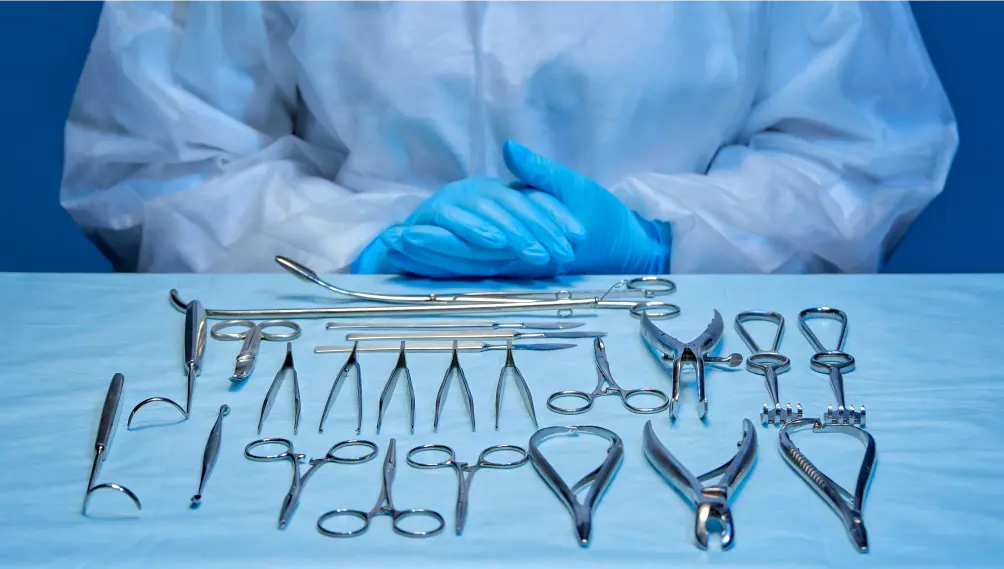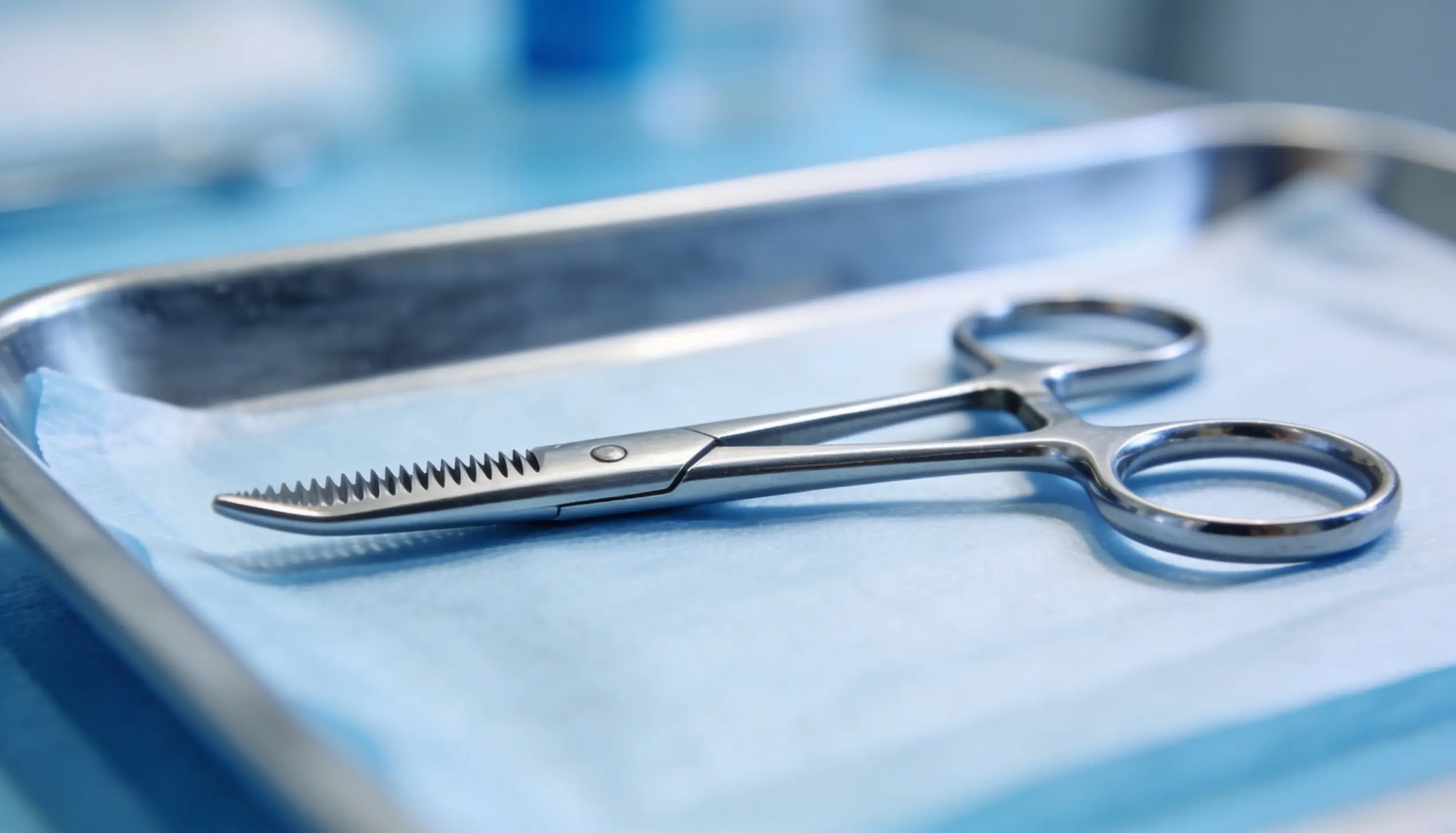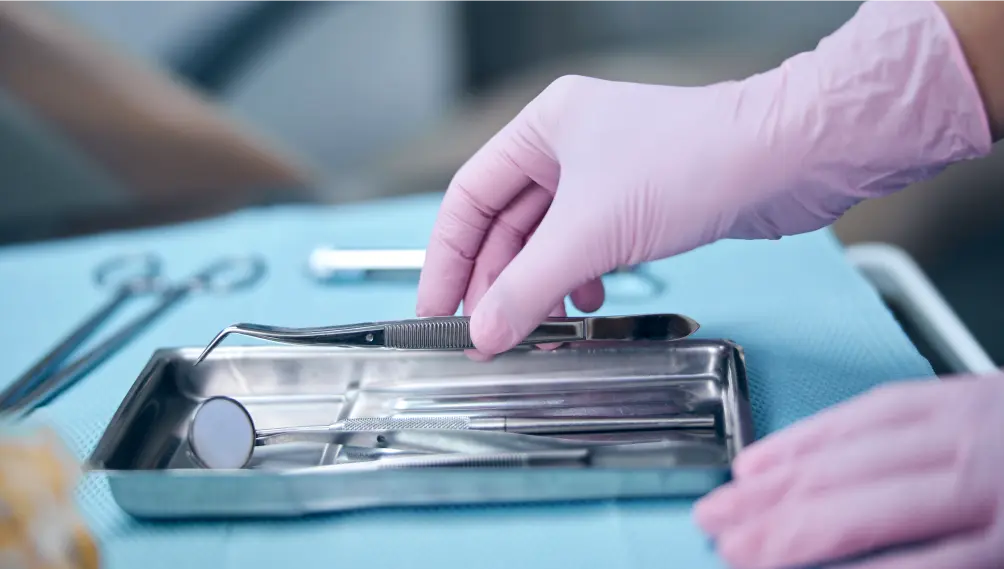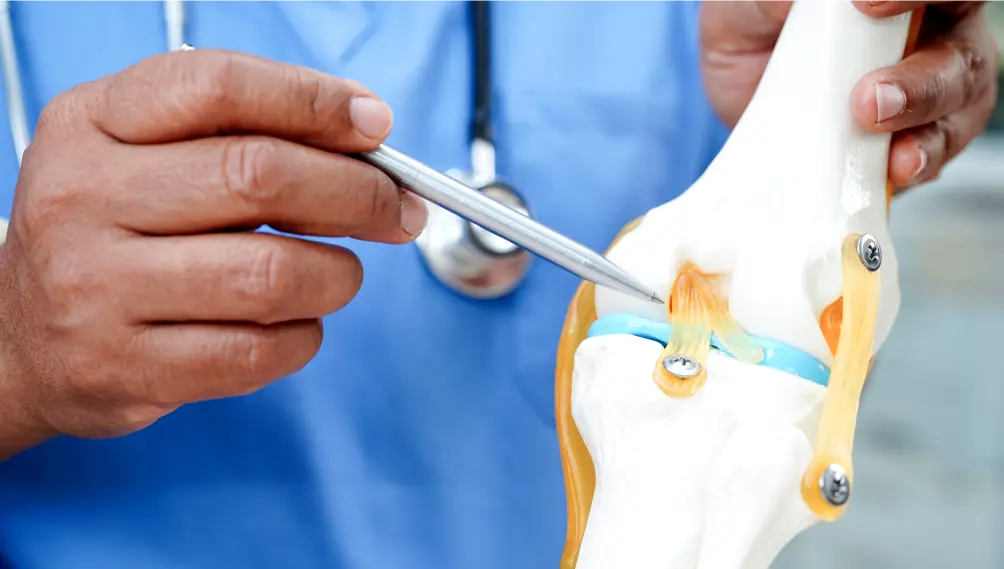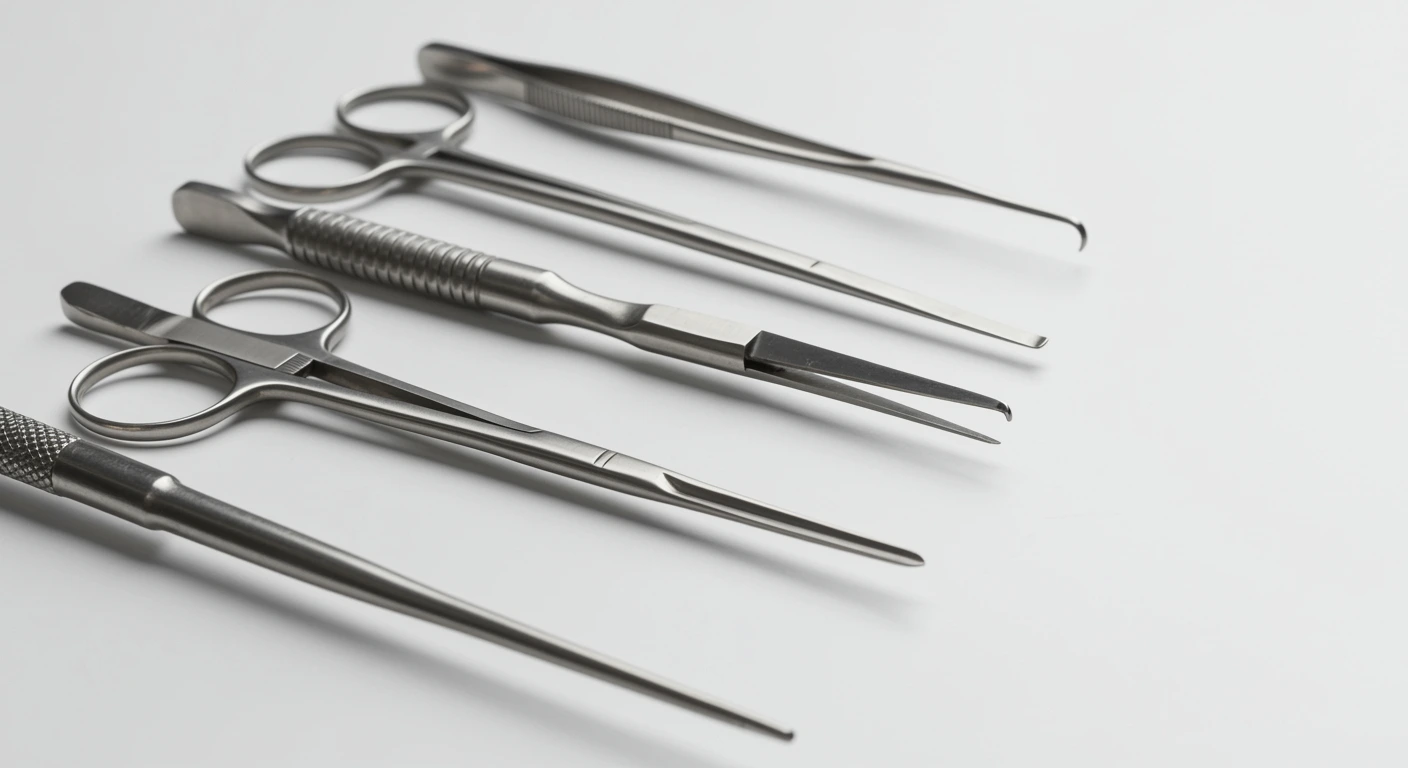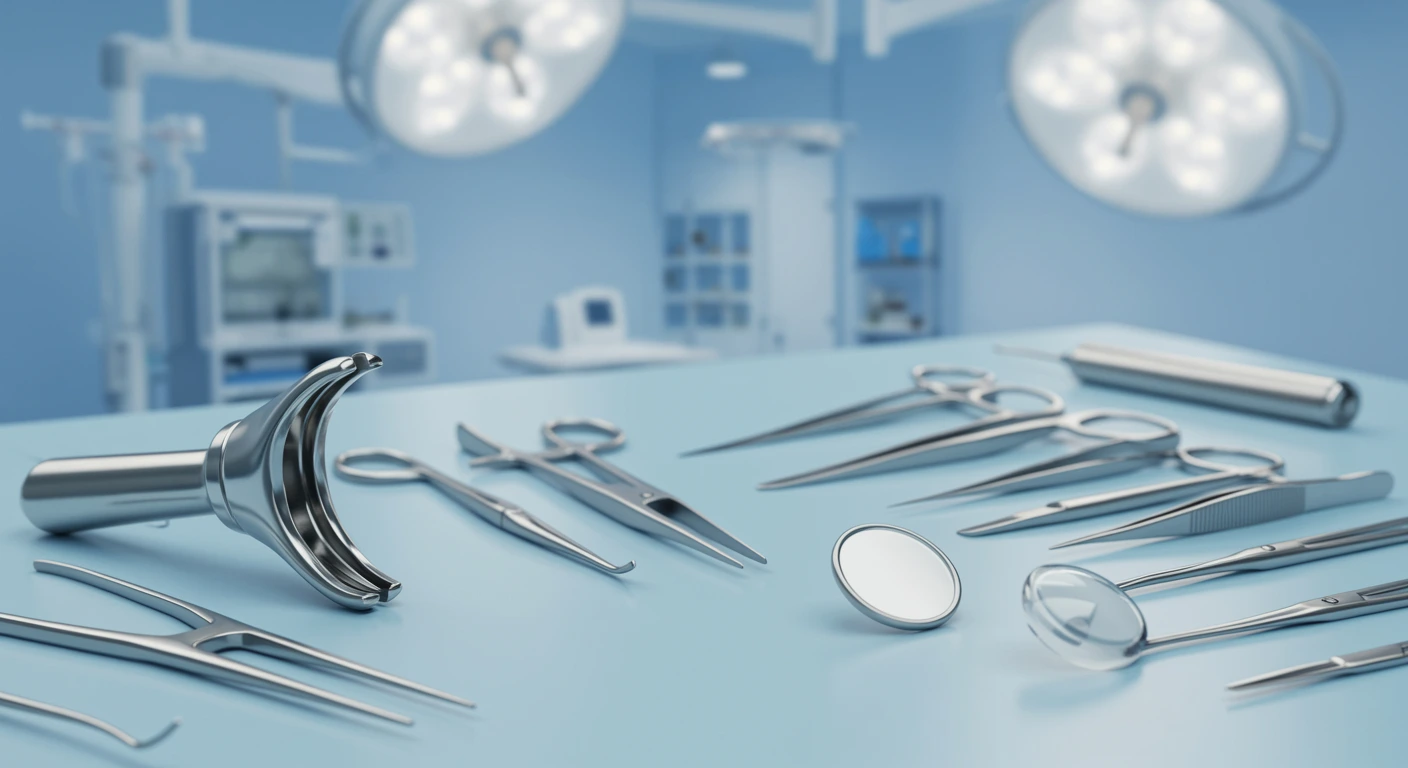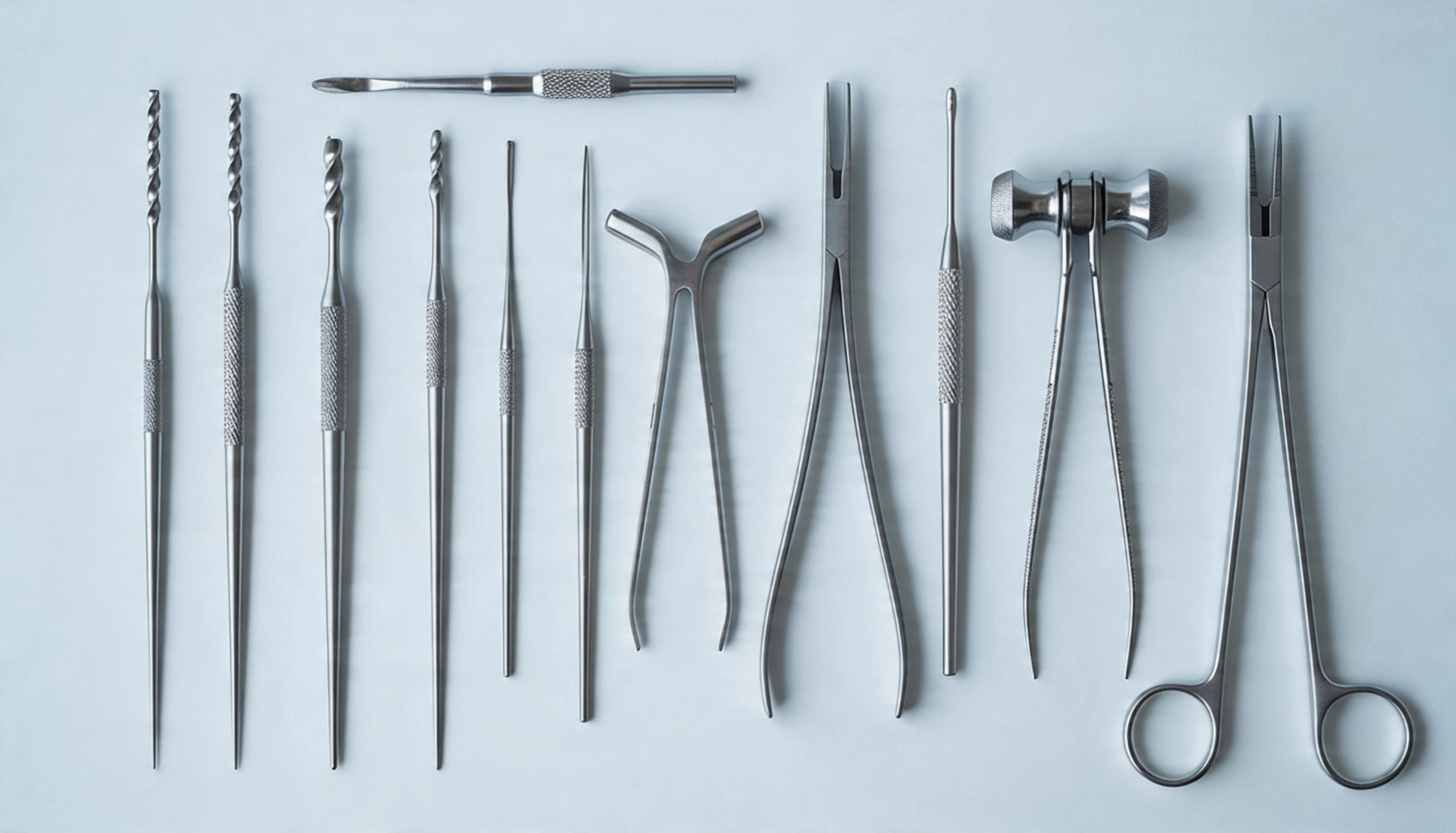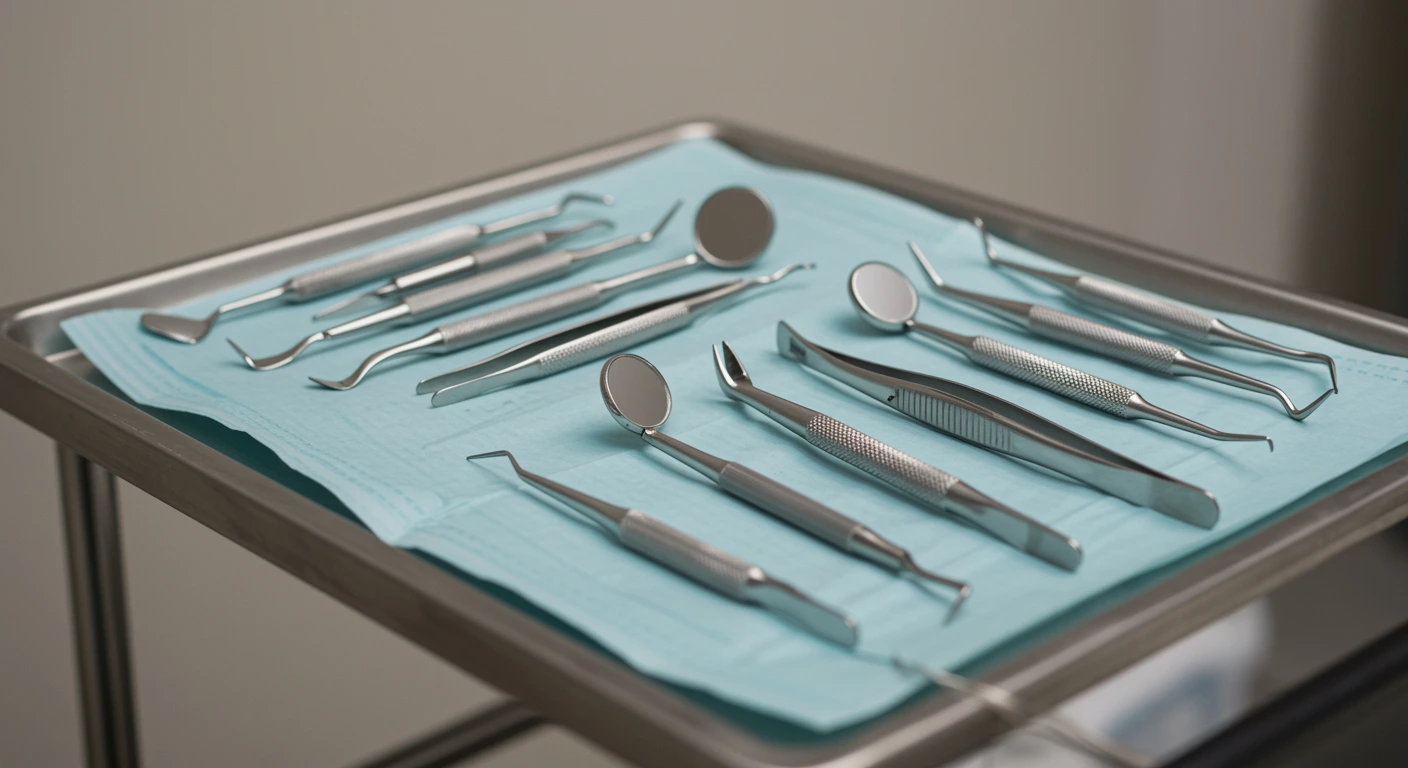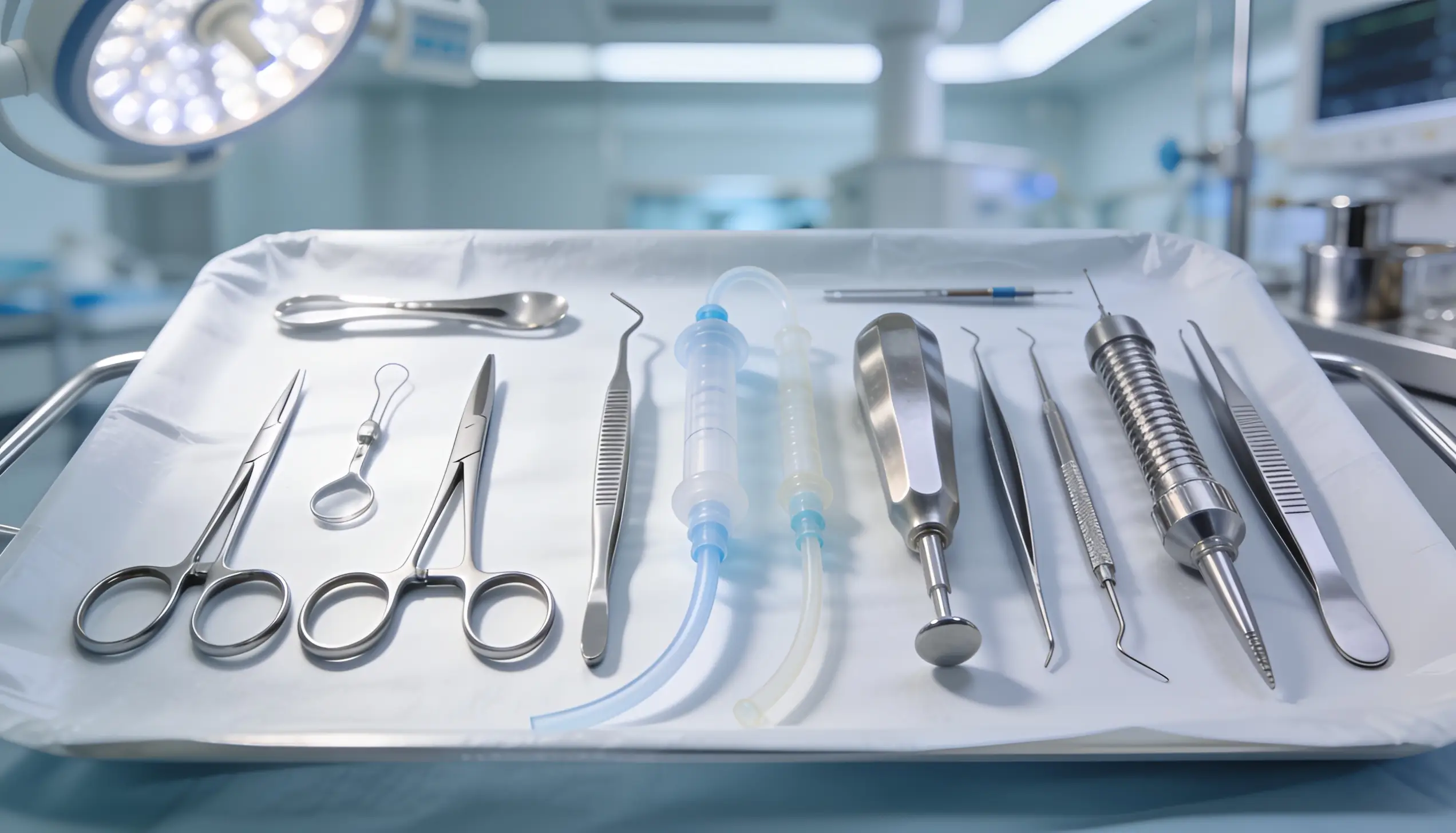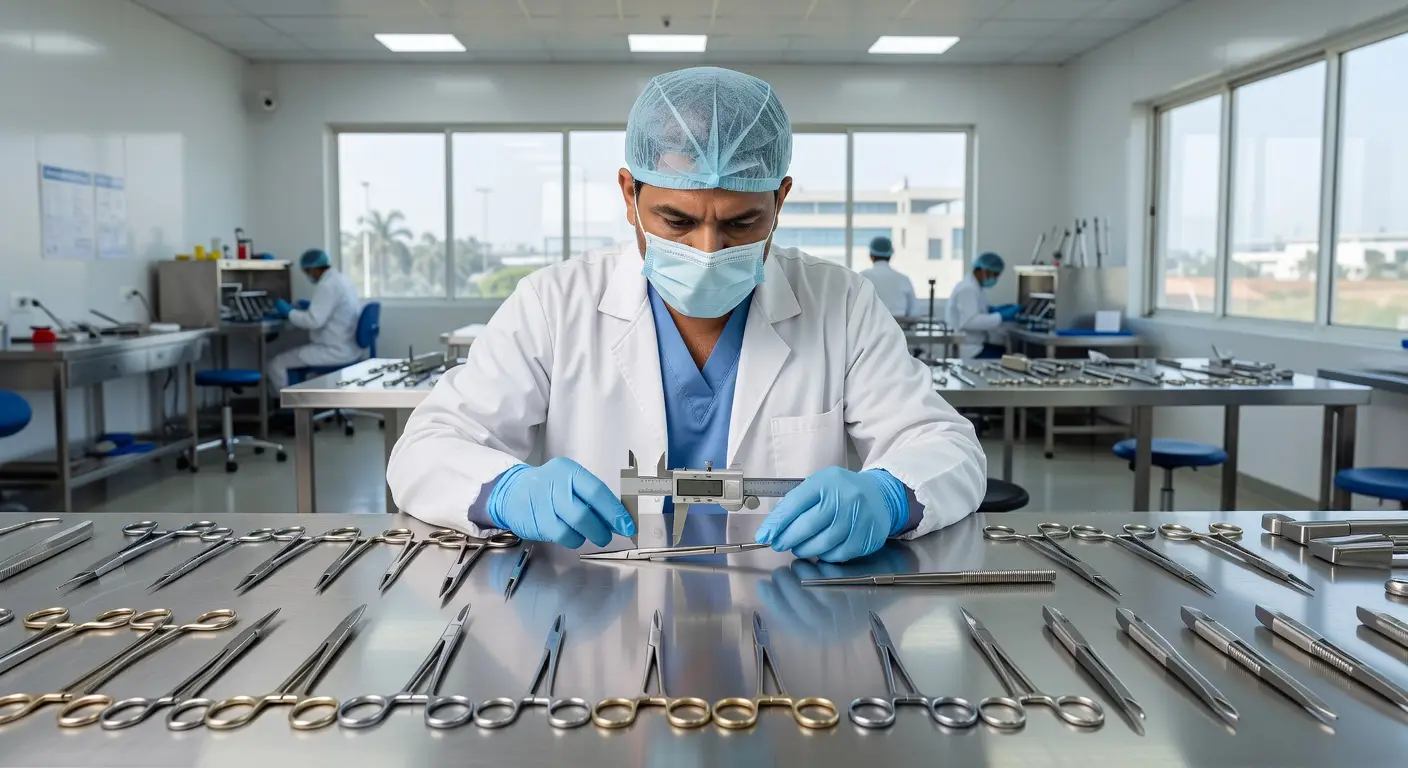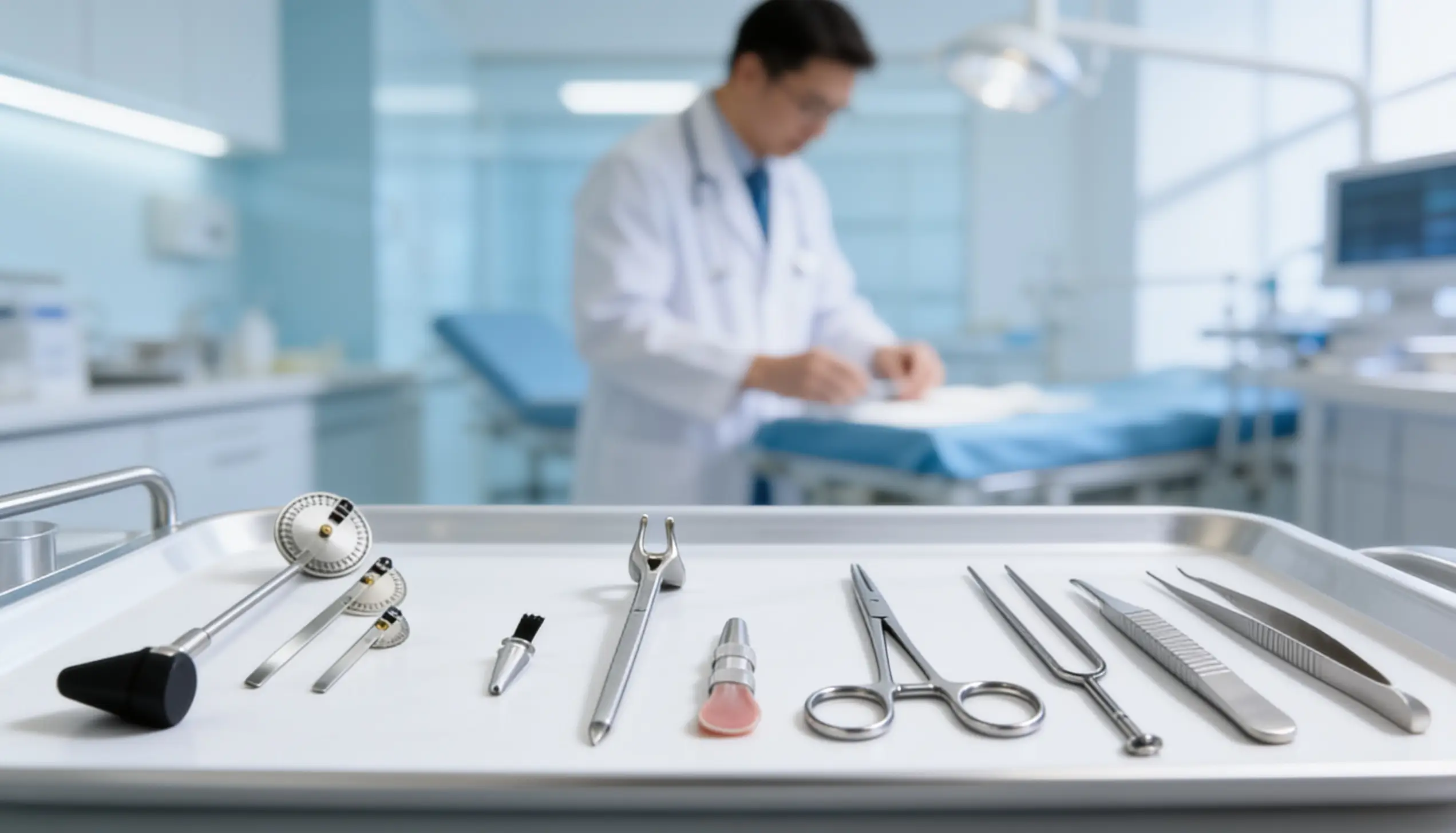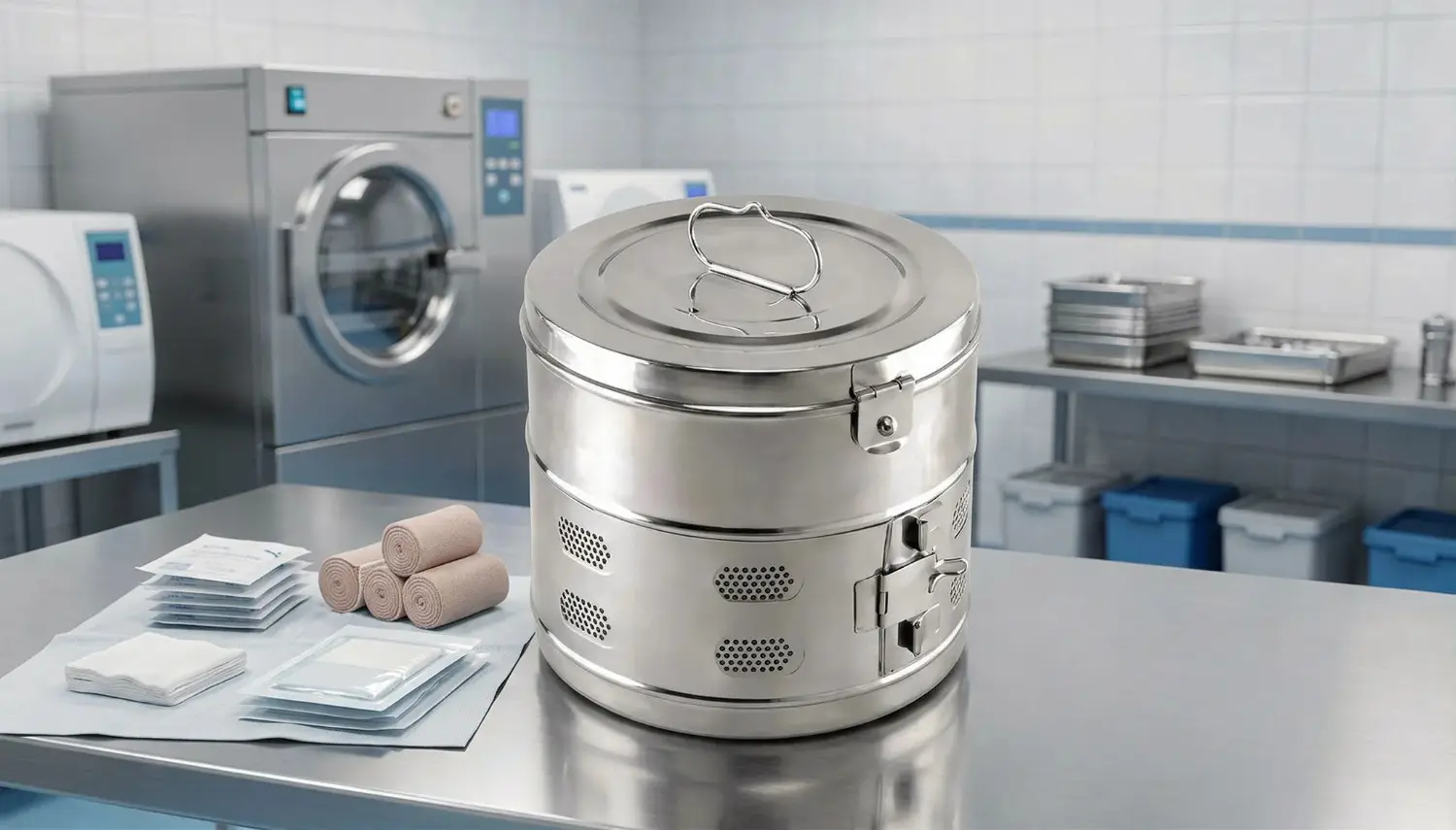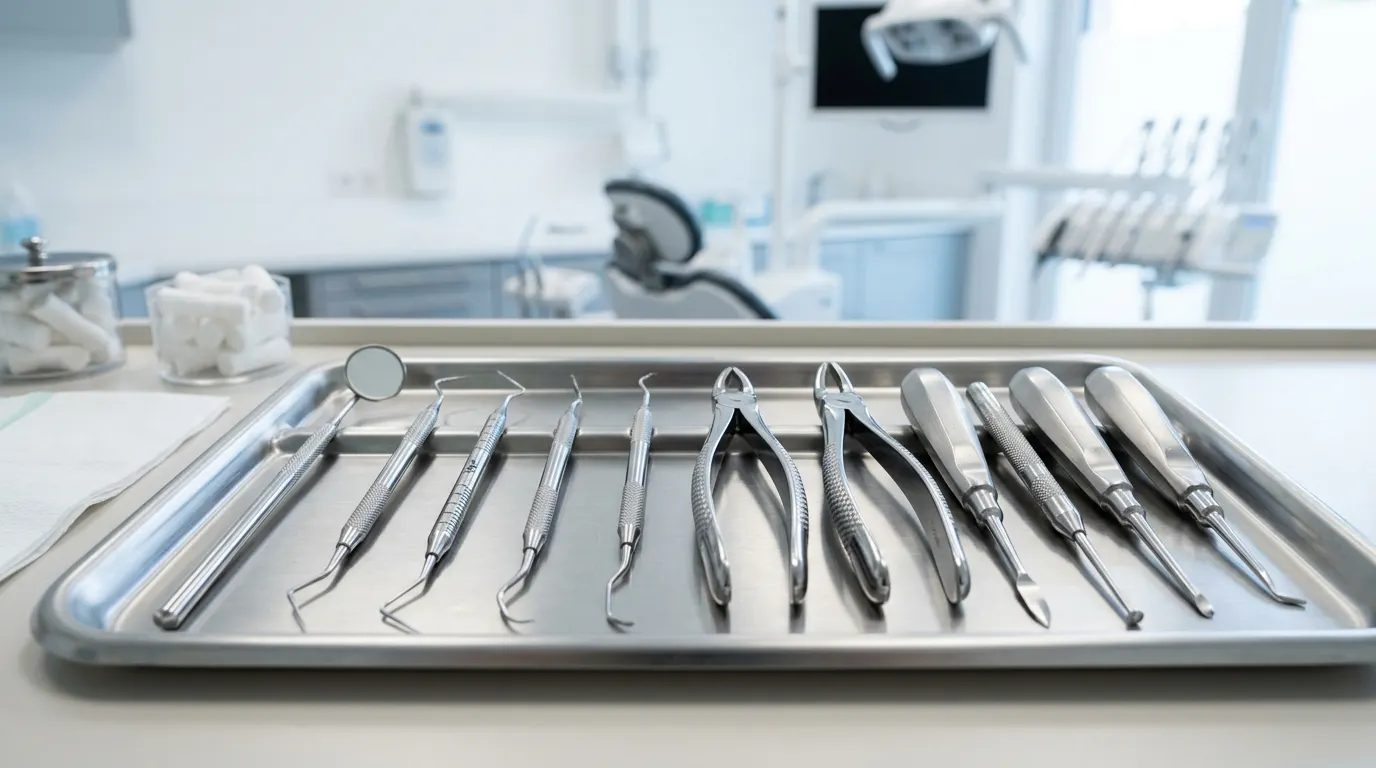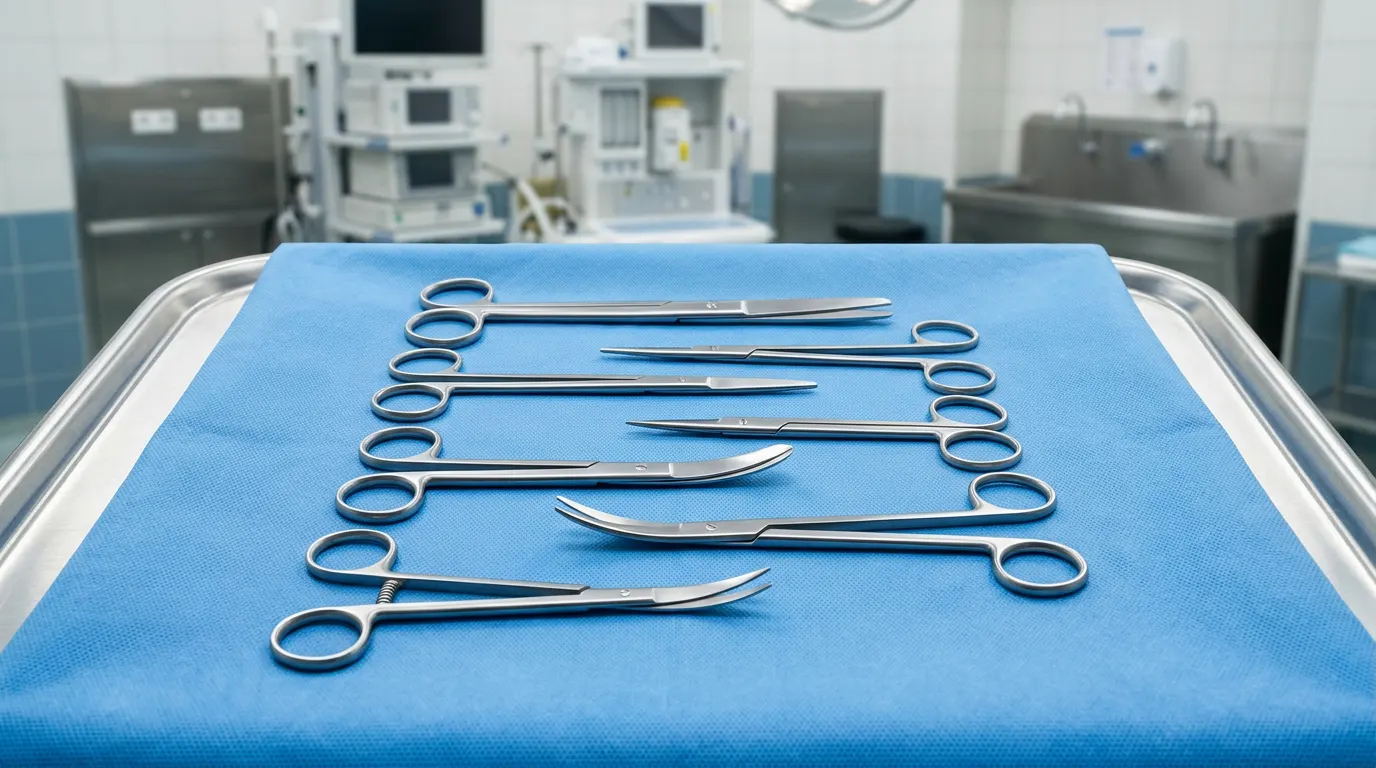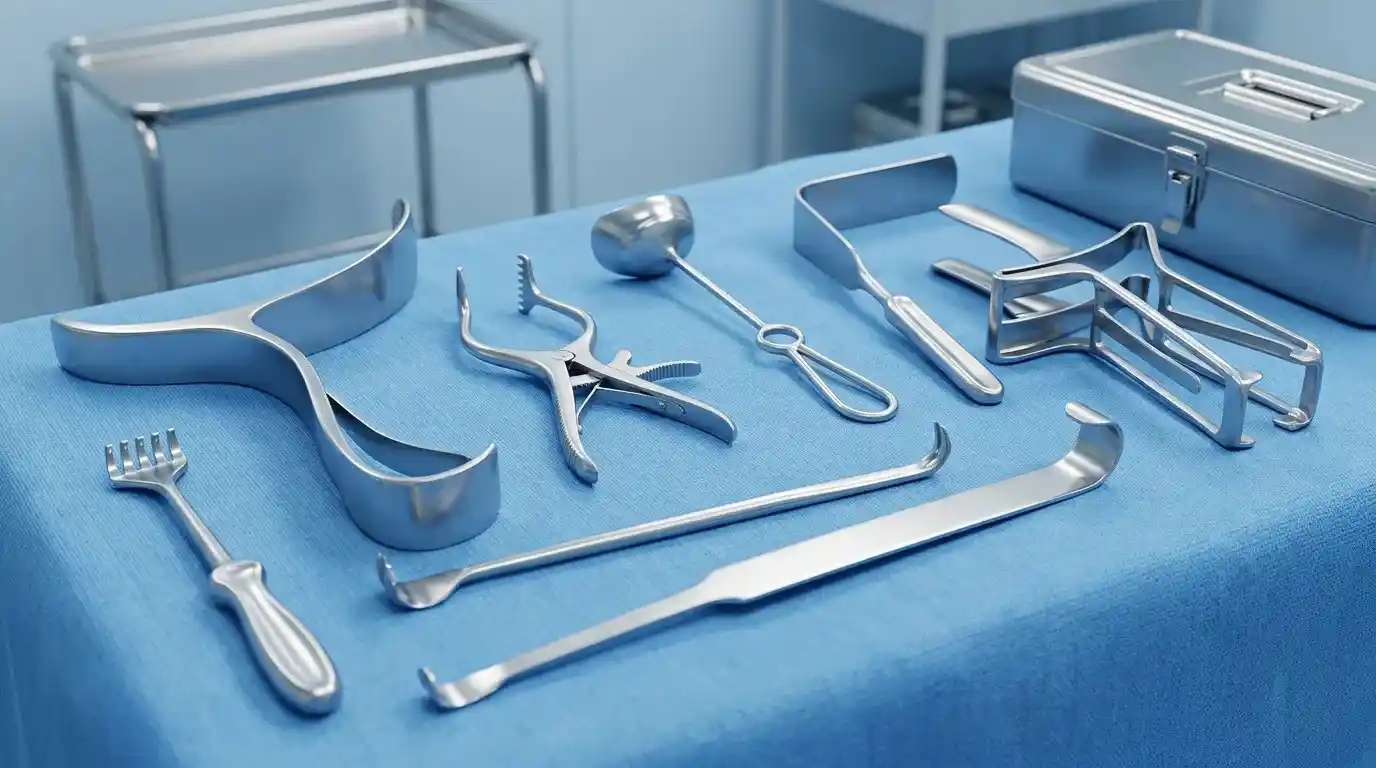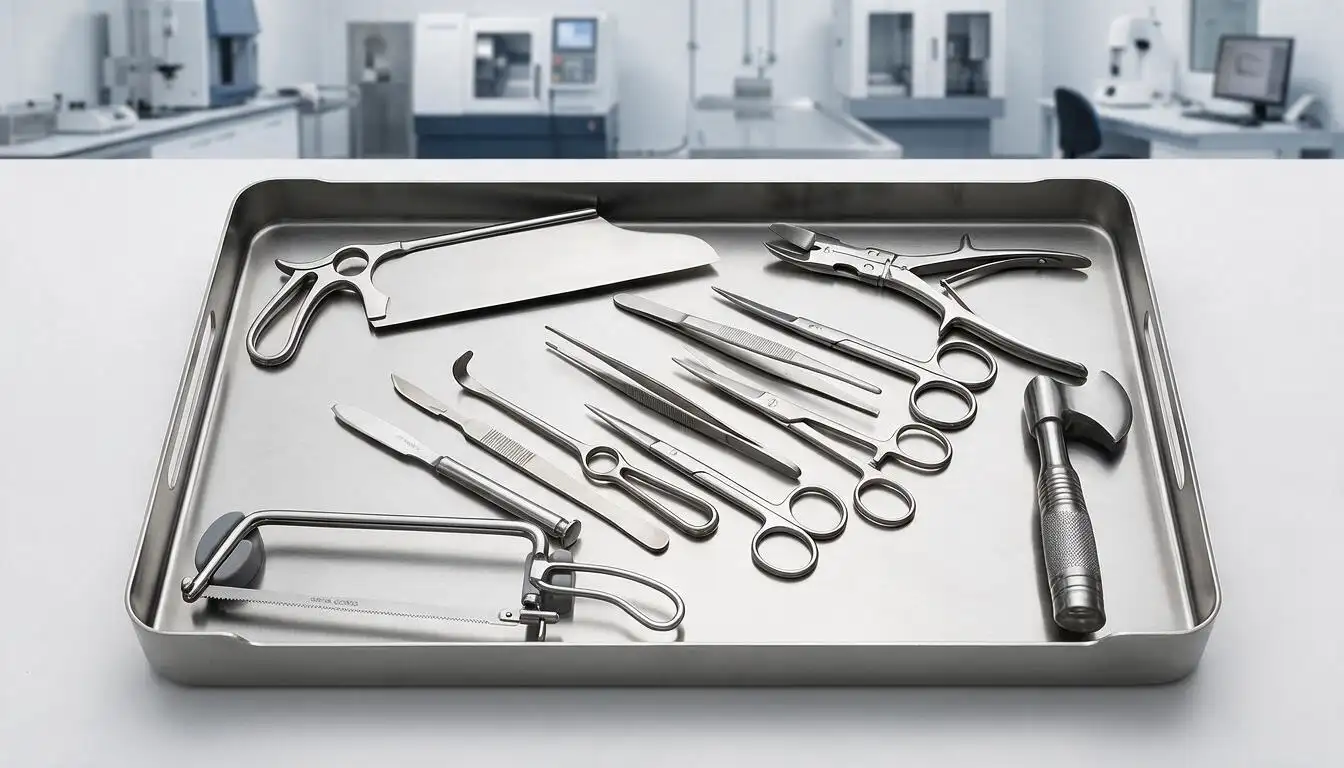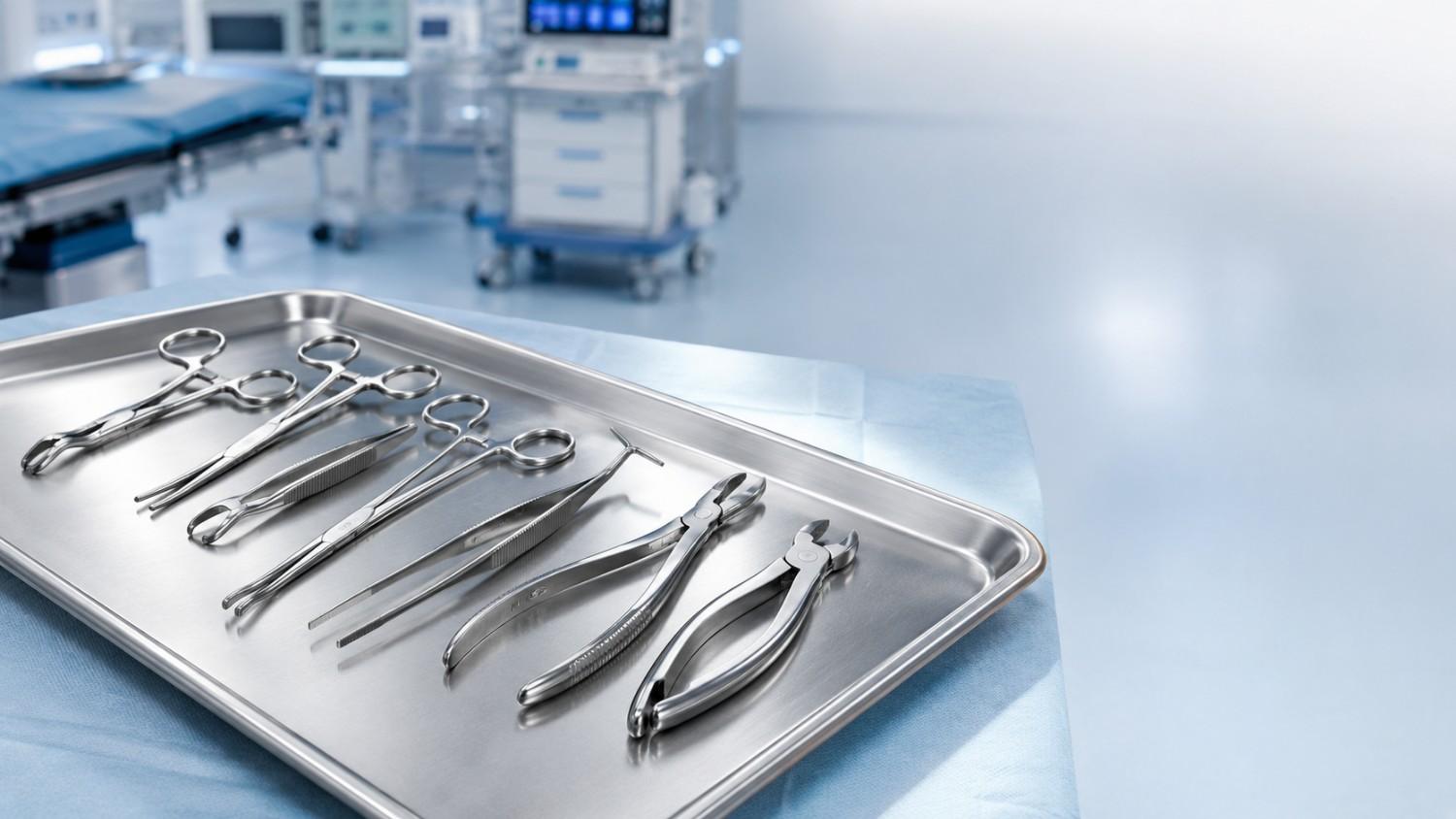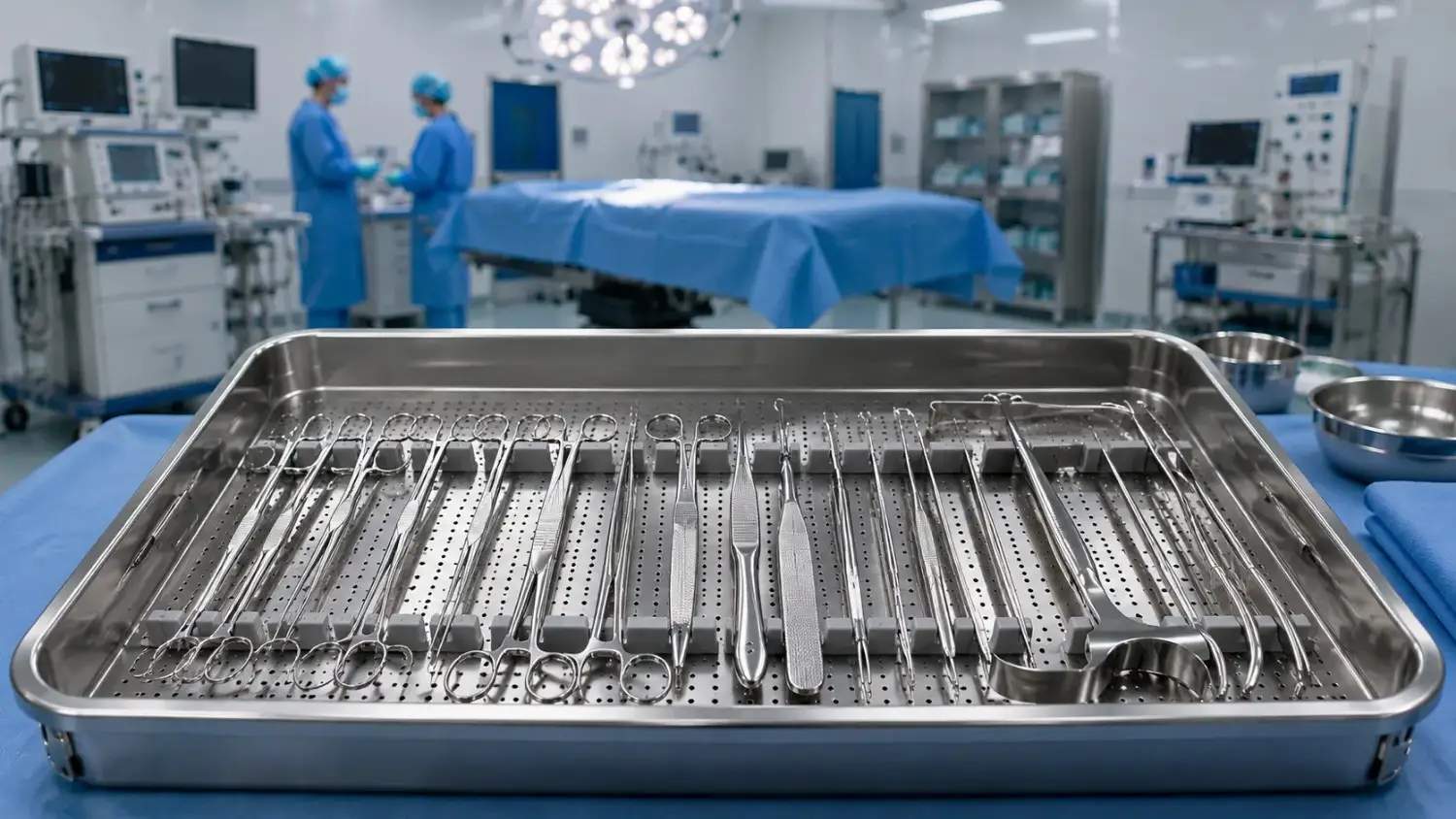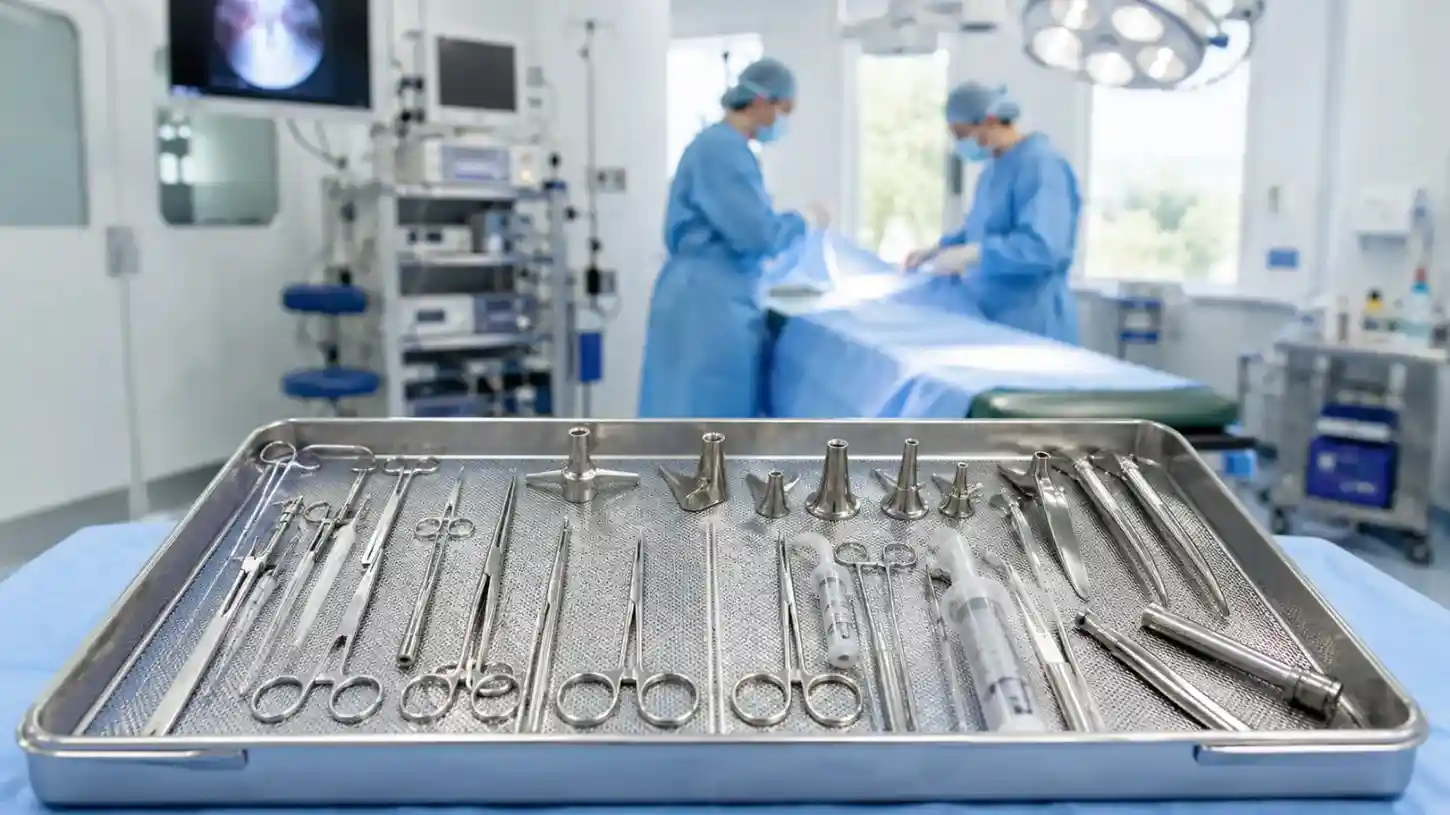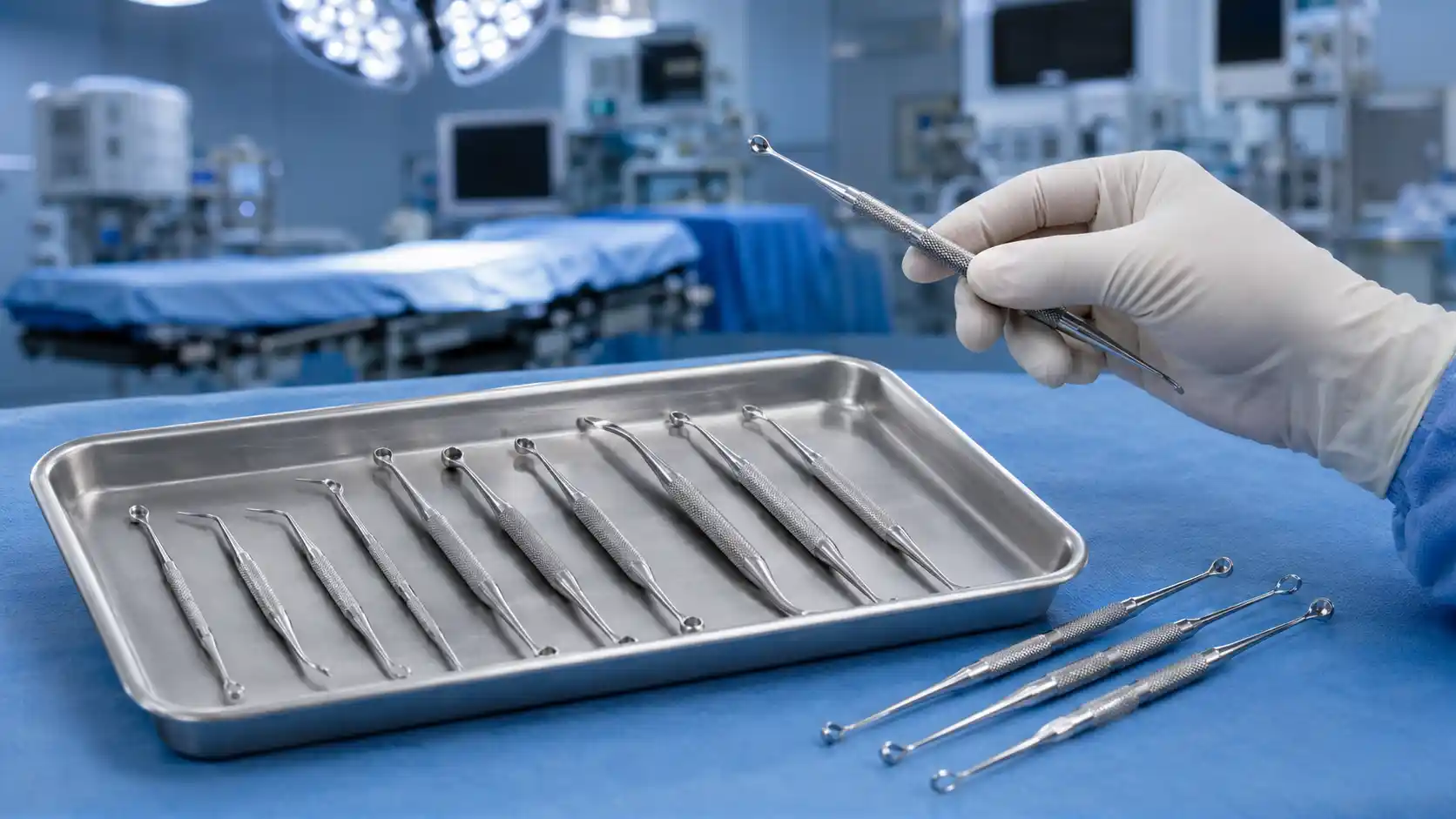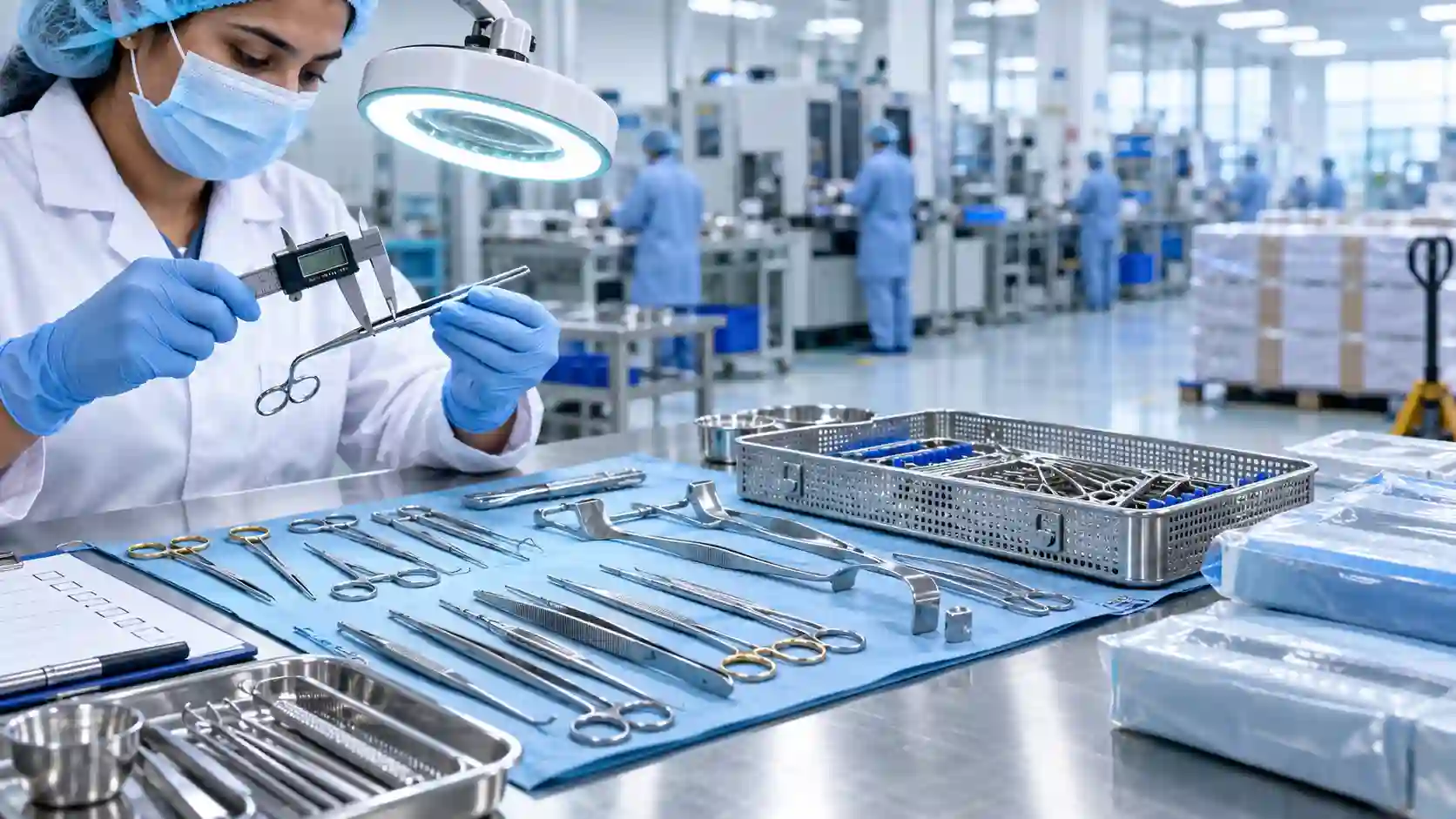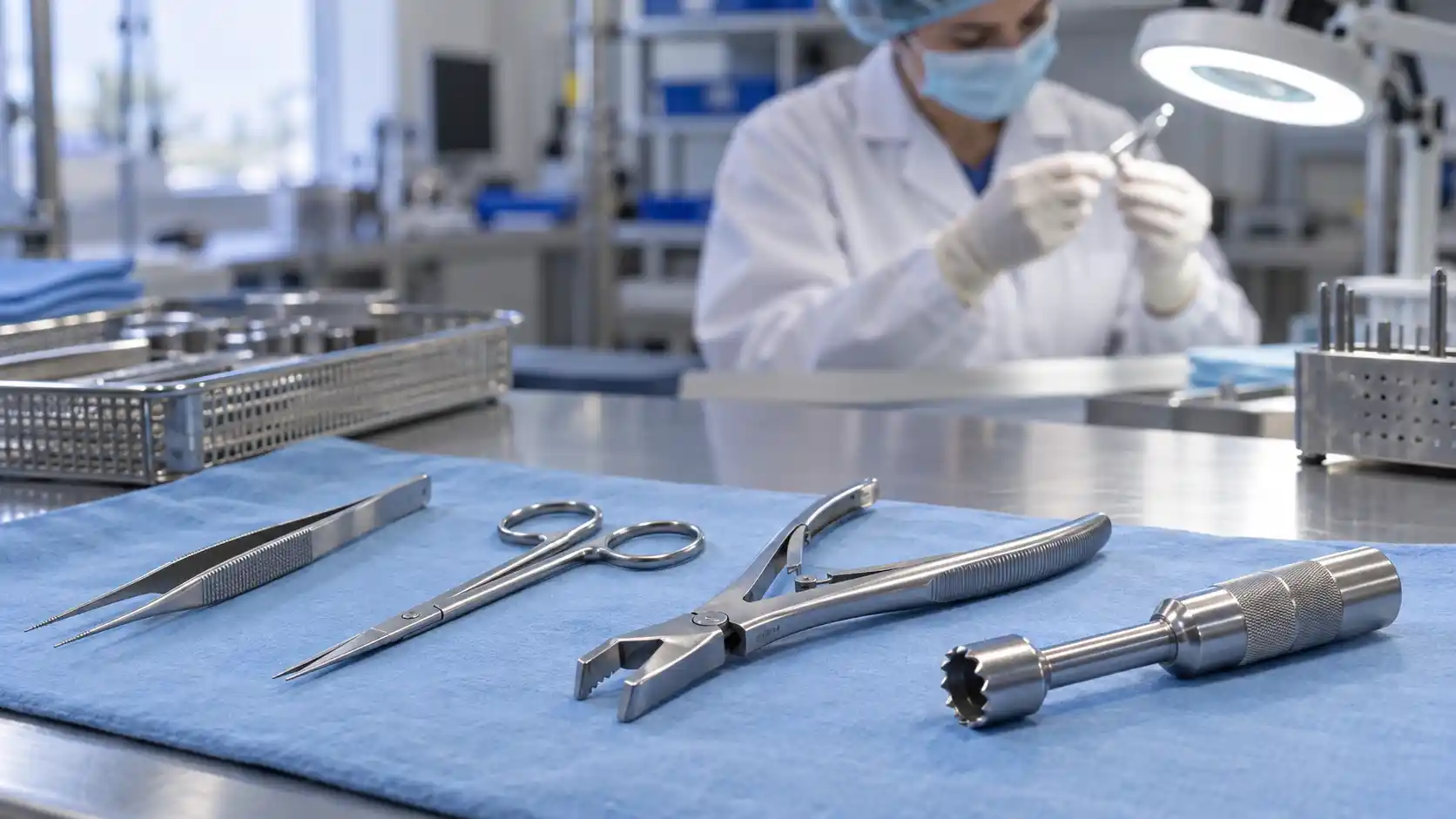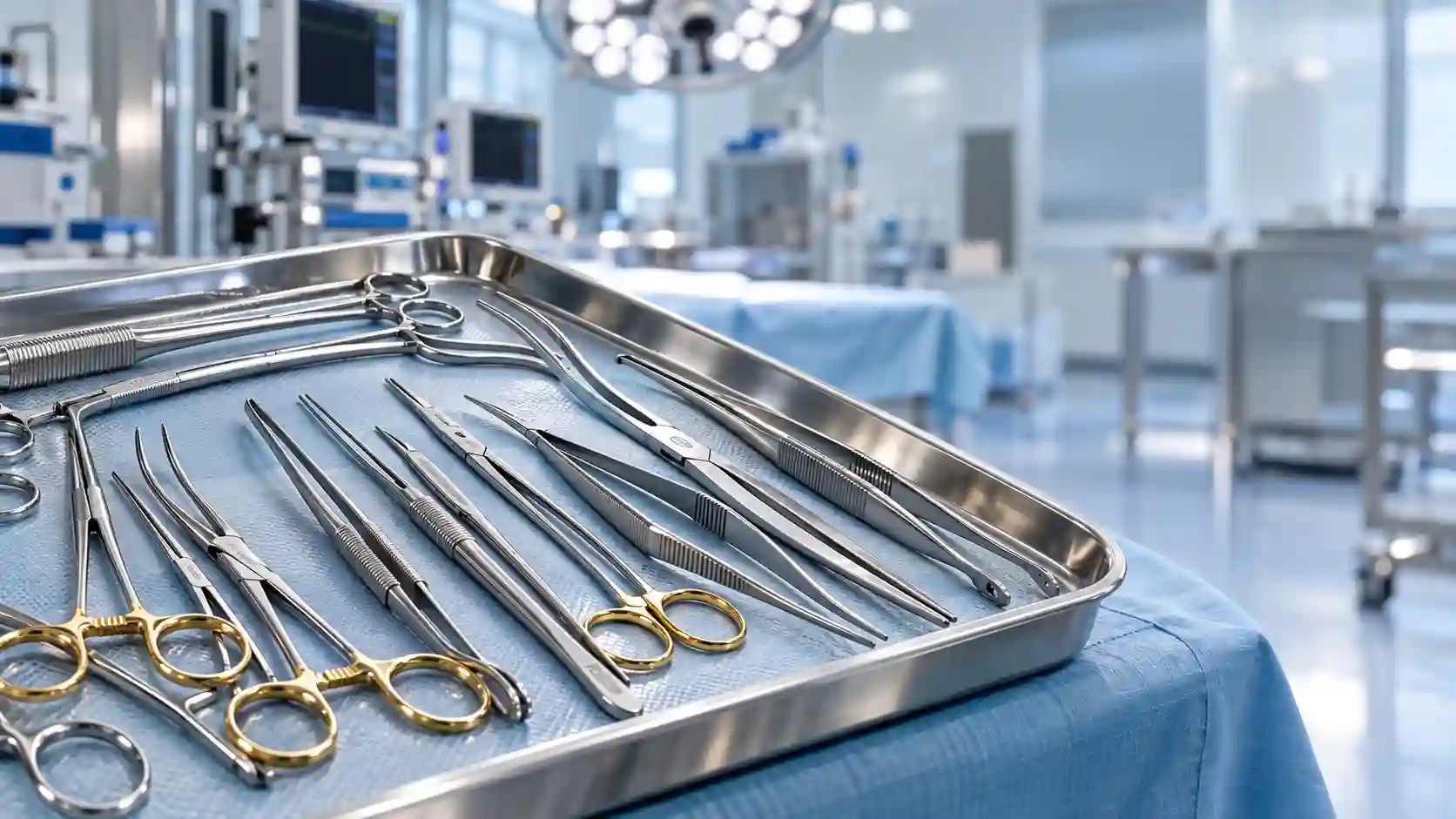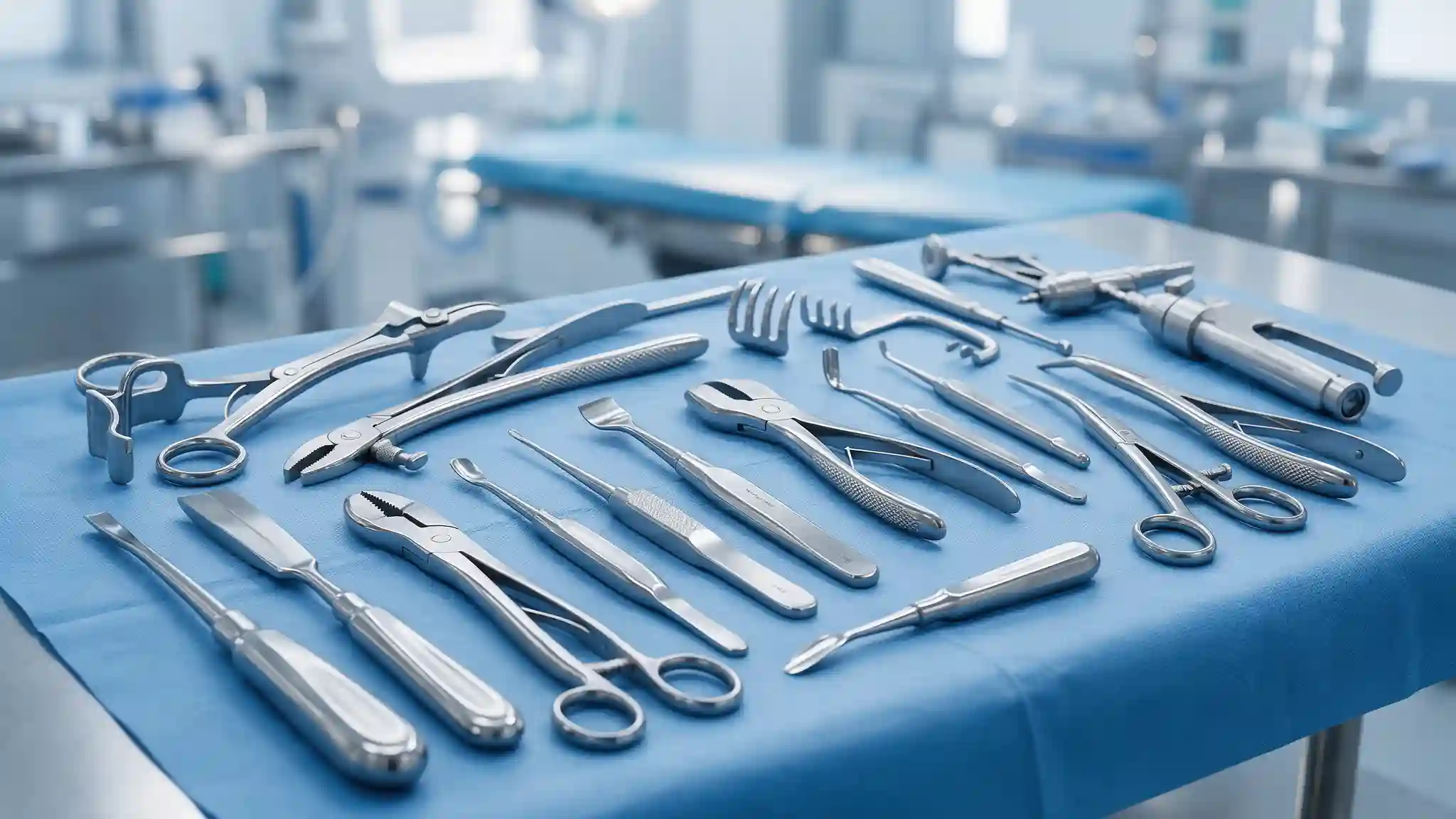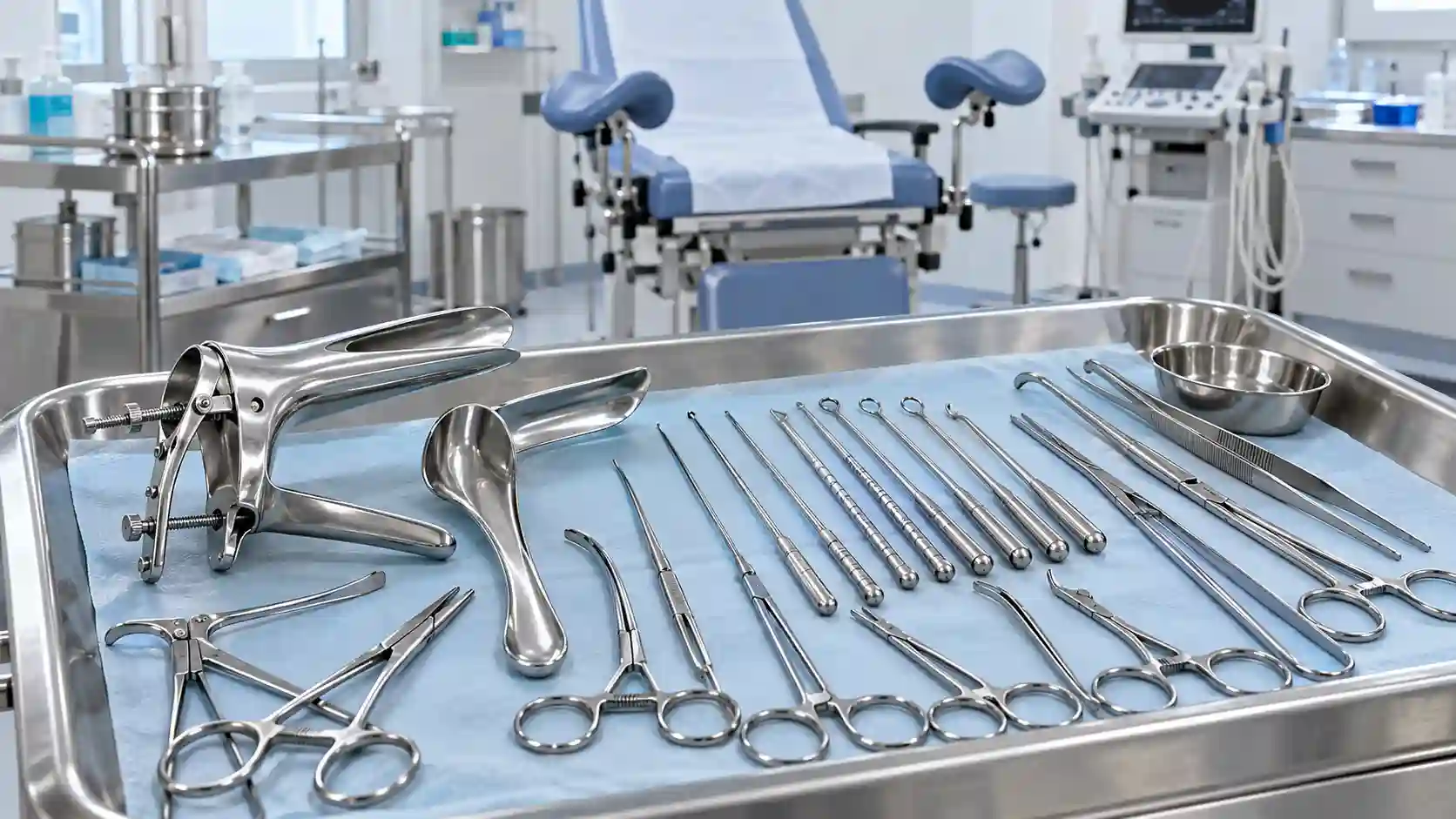
Diagnostic & examination instruments are used in the diagnosis and examination of a patient's health condition. These are used to detect clinical signs, symptoms and are also used for general medical examination procedures. Medical examination instruments are required for checking activity of joints, response of the nervous system, hearing capacity, and other physical features and are in different varieties to suit different needs of clinical procedures and exams to be performed by patients at different hospitals, clinics or diagnostic centres.
Diagnostic & examination instruments is medical equipment employed by the medical practitioners for checking physical conditions, analyzing medical symptoms and for inspecting particular bodily functions. These instruments allow clinicians to perform physical clinical examination to determine the bending of joints, vibrating sensation, reflexes and specialized physical inspections. The Clinical examination instruments may be needle, goniometer, tuning forks, reflex hammers etc and these are determined by the approach of inspection, medical specialty, and also the purpose of use. The use of the proper clinical examination instruments involves timely using, cleaning and preserving them and acquiring them suited for the ideal healthcare setting.
Various Types of diagnostic instruments help you conduct characteristic physical examinations and professional check-ups. Some examples include testing for joints and obtaining neurological responses, among others.
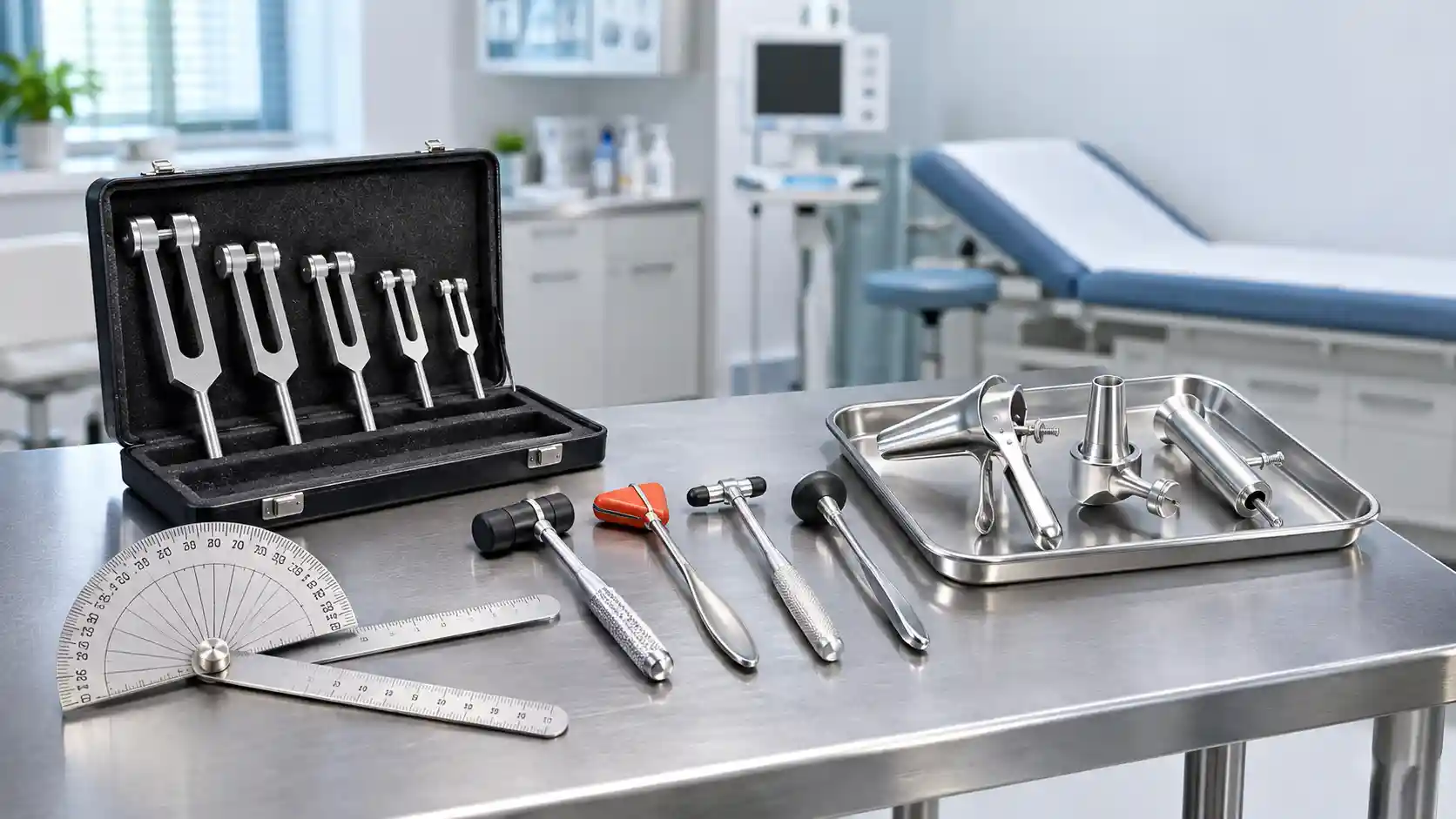
A Stainless steel goniometer takes joint measurements and records a patient's range of motion. Doctors, physical therapists and other therapists employ these Joint measurement instruments in orthopedics, physiotherapy and other types of rehabilitation to track a patient's range of motion, facilitate the diagnosis of movement problems and evaluate progress through pre- and post-treatment comparison. Stainless steel provides an inert, durable instrument that can be cleaned as needed.
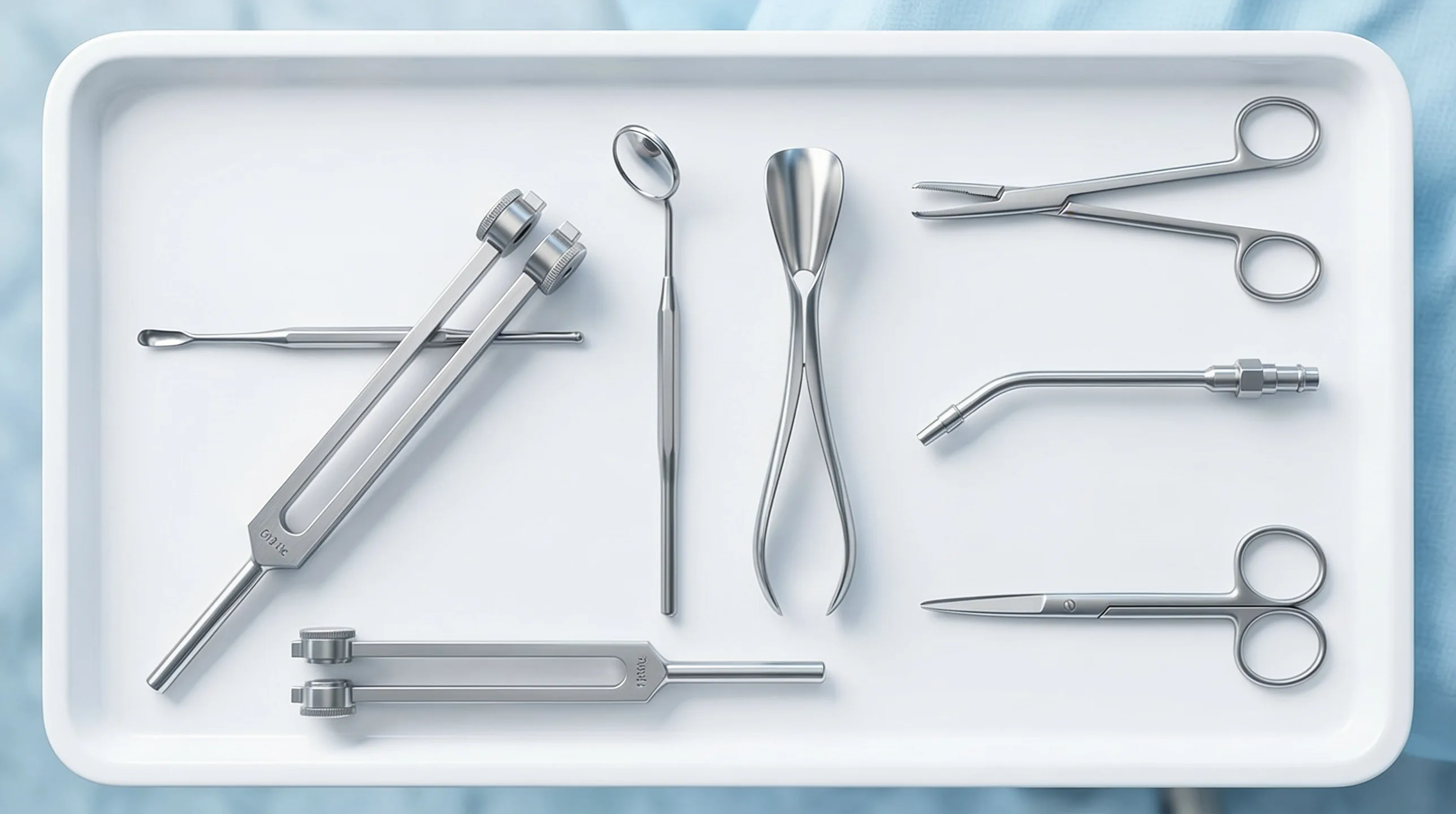
Medical tuning fork set allows clinicians to evaluate vibration and perform specific hearing tests. These Neurological examination instruments may be used in sensory testing to evaluate response to vibration and may support testing of peripheral nerves. All tuning fork frequencies are not appropriate for all applications, but proper technique and interpretation of your results will guide you to the appropriate instrument to use during evaluation.
| Feature | Description |
|---|---|
| Material | Stainless Steel / Aluminum Alloy |
| Frequency Range | 128 Hz to 1024 Hz |
| Finish | Polished, Corrosion-Resistant |
| Application | Hearing & Neurological Tests |
| Packaging | Protective Storage Case |
A Medical knee hammer is used to test tendon reflexes in a neurological examination. A doctor or other health professional will strike a person's tendons gently with the hammer and examine muscle response. All of these variations have differences in handle length, head shape, and weight, and Mediwave recommends choosing the appropriate instrument and testing in a consistent manner in order to make clinical findings.
Urology and proctology instruments Manufacturers like Mediwave provide quality instruments which are used for clinical evaluations of the urinary system, the lower gastrointestinal (GI) tract, as well as the rectum and anus. Some urological instruments and proctological instruments such as proctoscopes and specula which enable users to examine specific parts of the body, based on the appearance of the instrument. Conversely, Mediwave dilators and bougies are different tools that help with the slow dilation of targeted passages during specific operations.
The diagnostic instruments cover the entire range of patients examination in hospitals, clinics, rehabilitation centres and specialised practices. Here are some of the Diagnostic instruments applications:
Every equipment used has to be designated for the actual specified clinical associated with functions. Proper use and care for examination tools, proper hygiene and correct understanding of examination results all contribute to their optimal use.
The following table talks about the technical specifications of diagnostic & examination instruments.
| Parameter | Specification |
|---|---|
| Material | Medical-grade Stainless Steel / Non-toxic medical-grade plastic (handles, non-invasive parts) |
| Surface Finish | Smooth, polished, or matte as per instrument type |
| Corrosion Resistance | High resistance to corrosion (metallic parts) |
| Sterilization / Cleaning | Autoclave compatible or disinfectant-cleanable |
| Accuracy | Precision-engineered for reliable measurements or examination |
| Reusability | Reusable after proper cleaning or sterilization |
| Durability | Long service life in clinical environments |
| Safety | Smooth edges, non-toxic materials for patient safety |
| Application | Clinical examination, patient diagnosis, routine check-ups |
Here are some of the key features:
Hospitals need to have Precision medical instruments as well as should satisfy pertinent measurements and appropriate characteristics. No sharp edges, tight building, and the ideal surface can establish the device's usability along with its maintenance. Look at the manufacturer data for cleaning, storage, sterilizing, and routine.
All you have to do is choose the clinical department and procedure and quantity of how often it will be used. Prior to purchase hospitals must develop a comparison chart of instrument sizes, specifications of material, measuring markings, function and design.
Buyers shall review product specifications, material specifications, quality-control assertions, and assertions of conformance for its specific use. Products that require cleaning and sterilization shall include any specified directions from their Examination instruments manufacturers for cleaning or sterilization.
For hospitals or clinics it is important to evaluate: supplier reliability, speedy product delivery, order and delivery accuracy as well as the availability of technical data. . For procurement teams, a comparison of Examination instruments suppliers in India like Mediwave will be helpful so that cost of purchase is not only the deciding factor. It is necessary to check if the examination instruments are suitable, durable and easy to maintain.
Mediwave supplies all clinics and practices with medical instruments which need to use examination instruments and also for some for clinical use. The appropriate series of products is:
Buyers should consider looking at Mediwave diagnostic & examination instruments specifications and the functions of the various products to find the product that best meets their needs. Learn more about Mediwave to get more details as they are leading examination instruments manufacturers in India.
Diagnostic & examination instruments are used as an aid in conducting examinations of patients in both general practice and specialist fields. General practice hospitals and clinics should pay attention to materials, functionality, maintenance costs, and vendors' specifications prior to purchase.
Good Medical examination instruments which are possible from Mediwave can help in the effective examination of patients and facilitate standard use and hygiene.
Here are some of the diagnostic & examination instruments FAQs that buyers need to know before placing an order.
Types of diagnostic & examination instruments include:
Diagnostic instruments uses for examination of past history of the patient. Here are some of the uses of medical examination tools:
Stainless steel examination instruments are known for strength and corrosion resistant durability. The response of the instrument to cleaning and sterilization will vary according to the manufacturer and how the instrument was manufactured.
Hospitals will evaluate a product's specifications, consistency of manufacturing, certification and compliance data, maintenance and service instructions, documentation and quality of materials, as well as supplier track record while choosing examination instruments manufacturers.
Mediwave dilators and bougies are general tools designed to dilate specific areas during procedures. They're used in various procedures and aren't used as part of routine examinations.
Mediwave also has all stainless steel goniometers, tuning fork sets, medical knee hammers, proctoscopes, speculums, dilators and bougies.