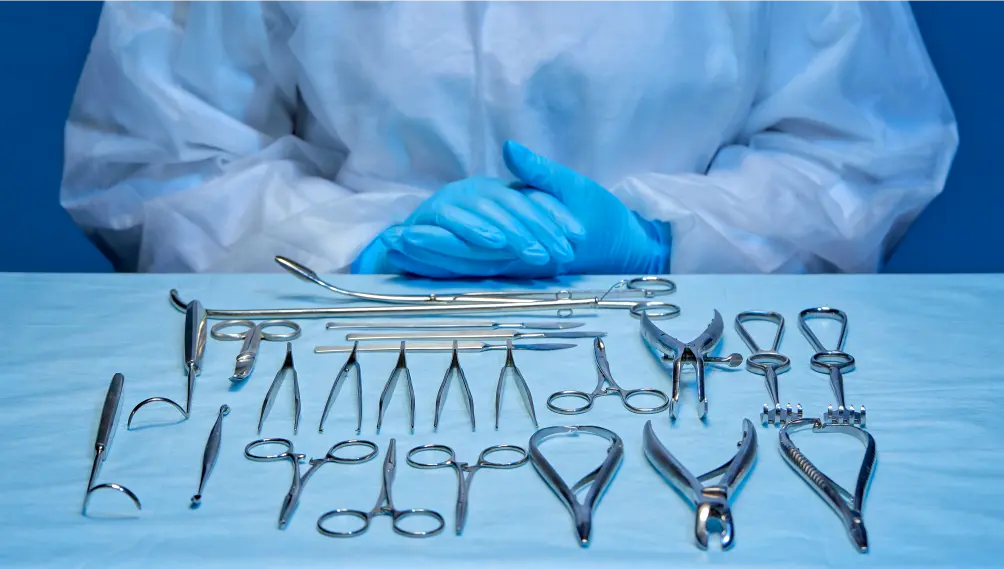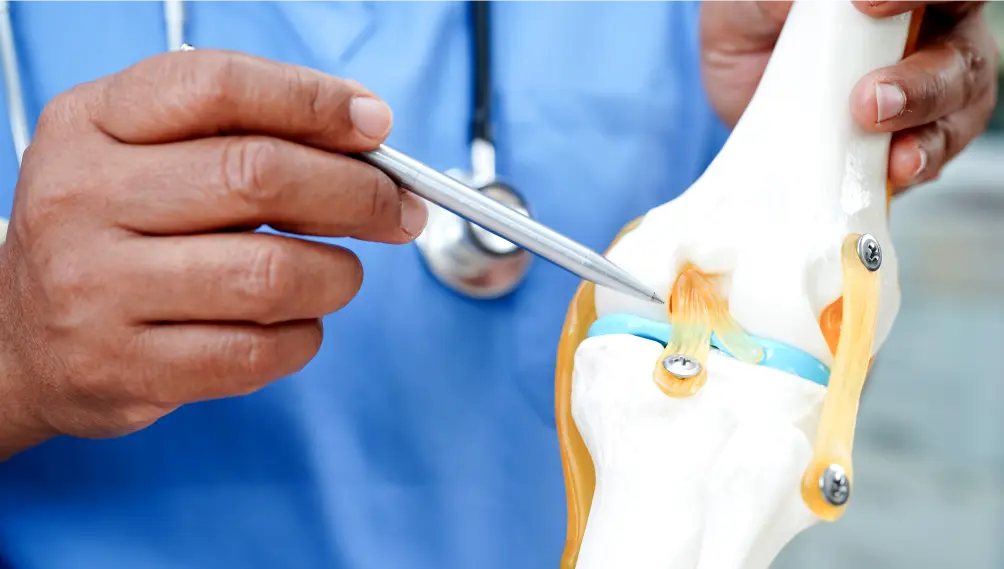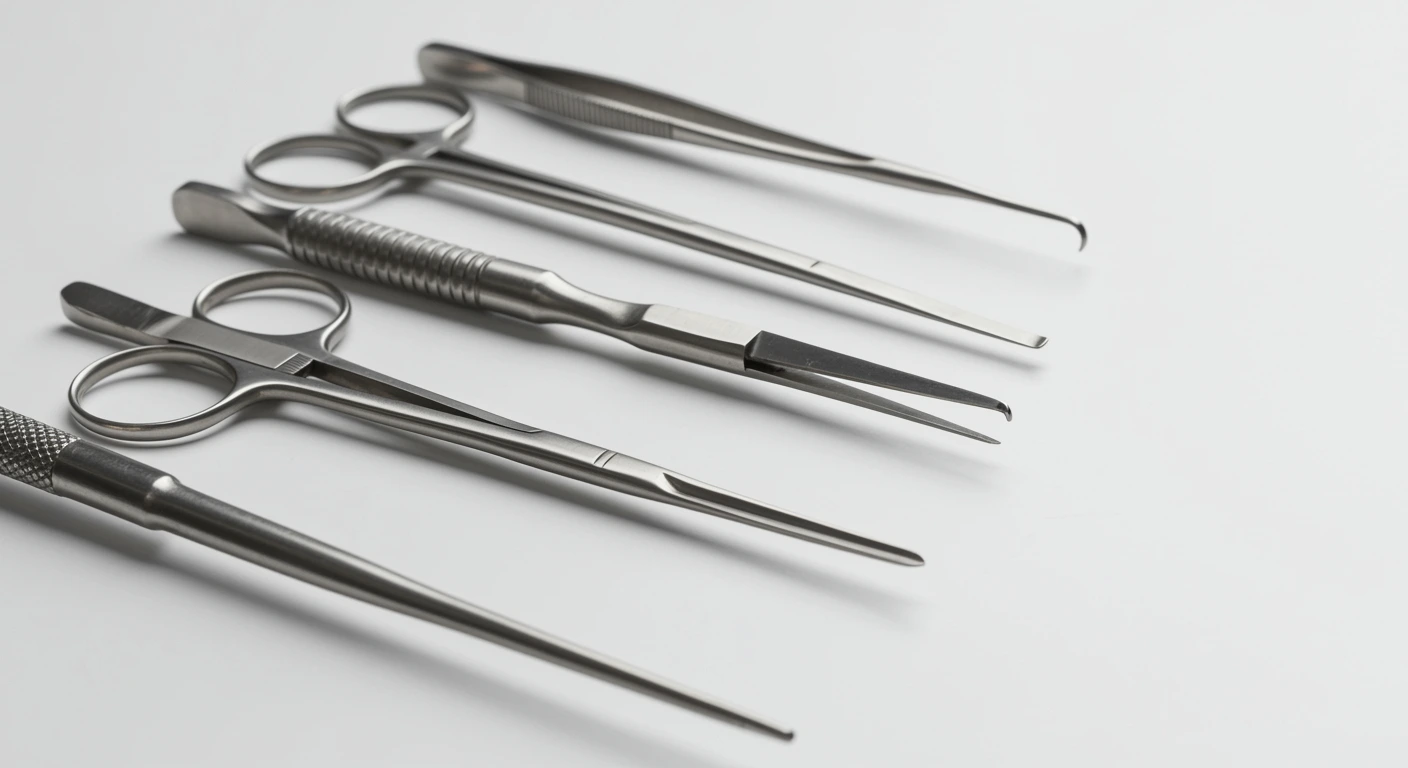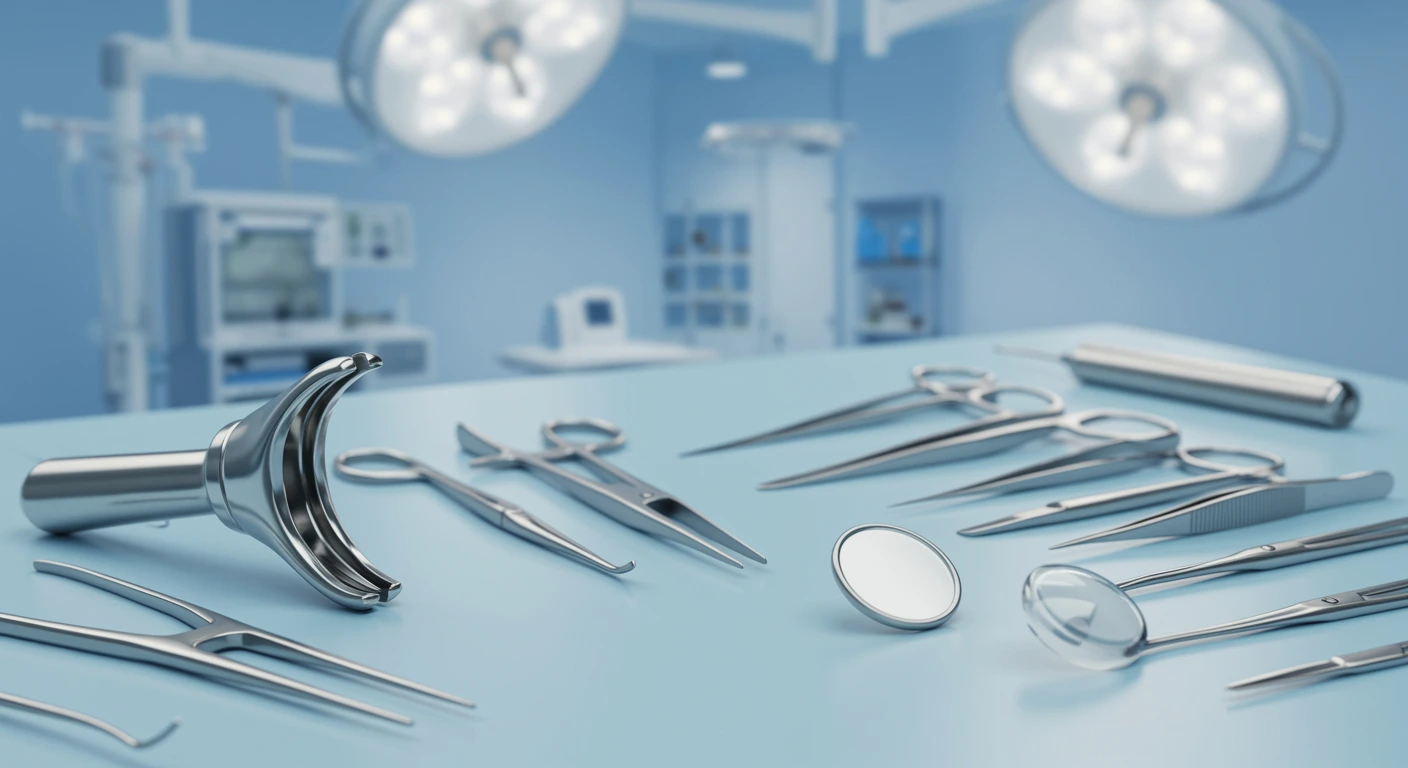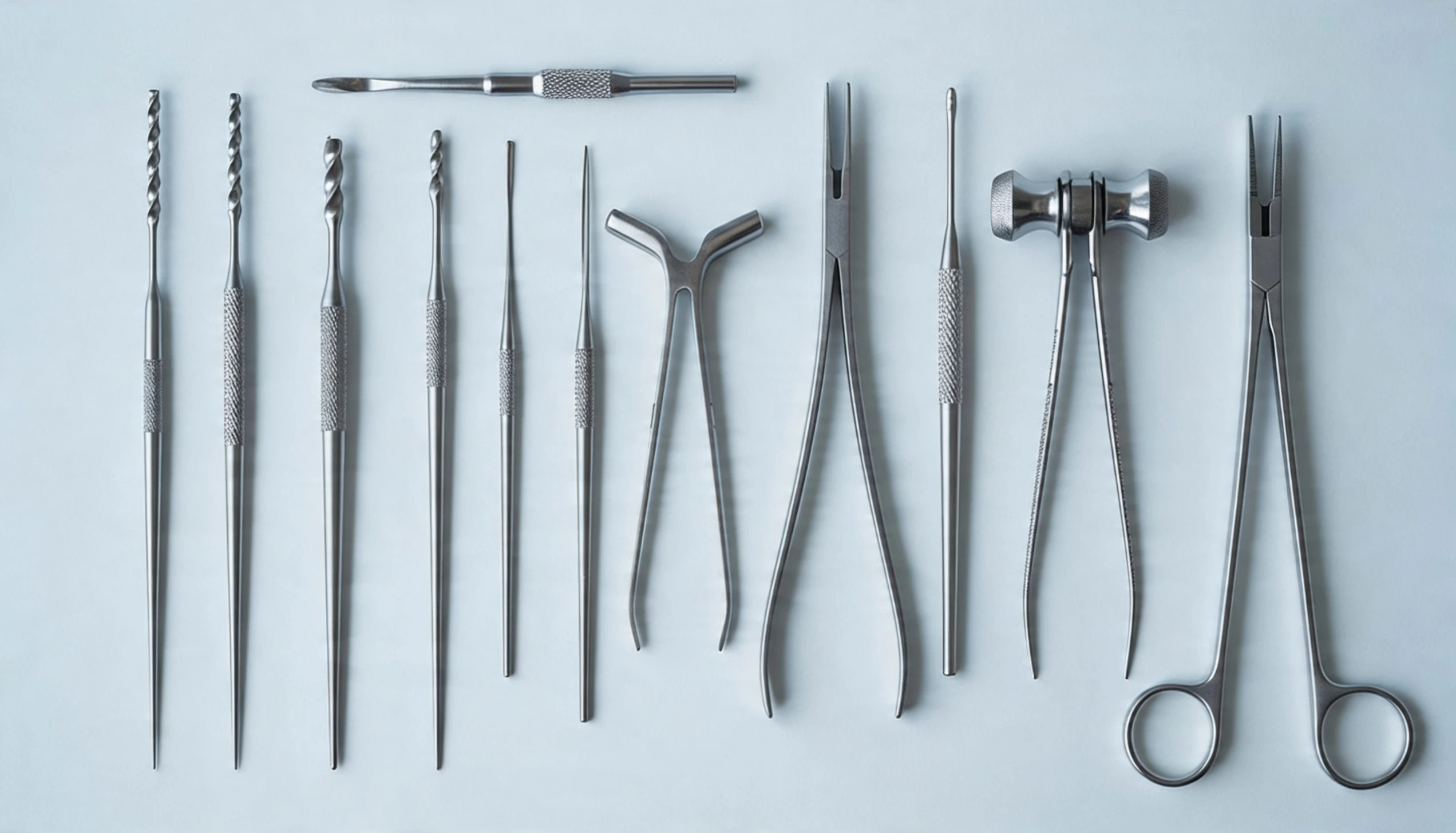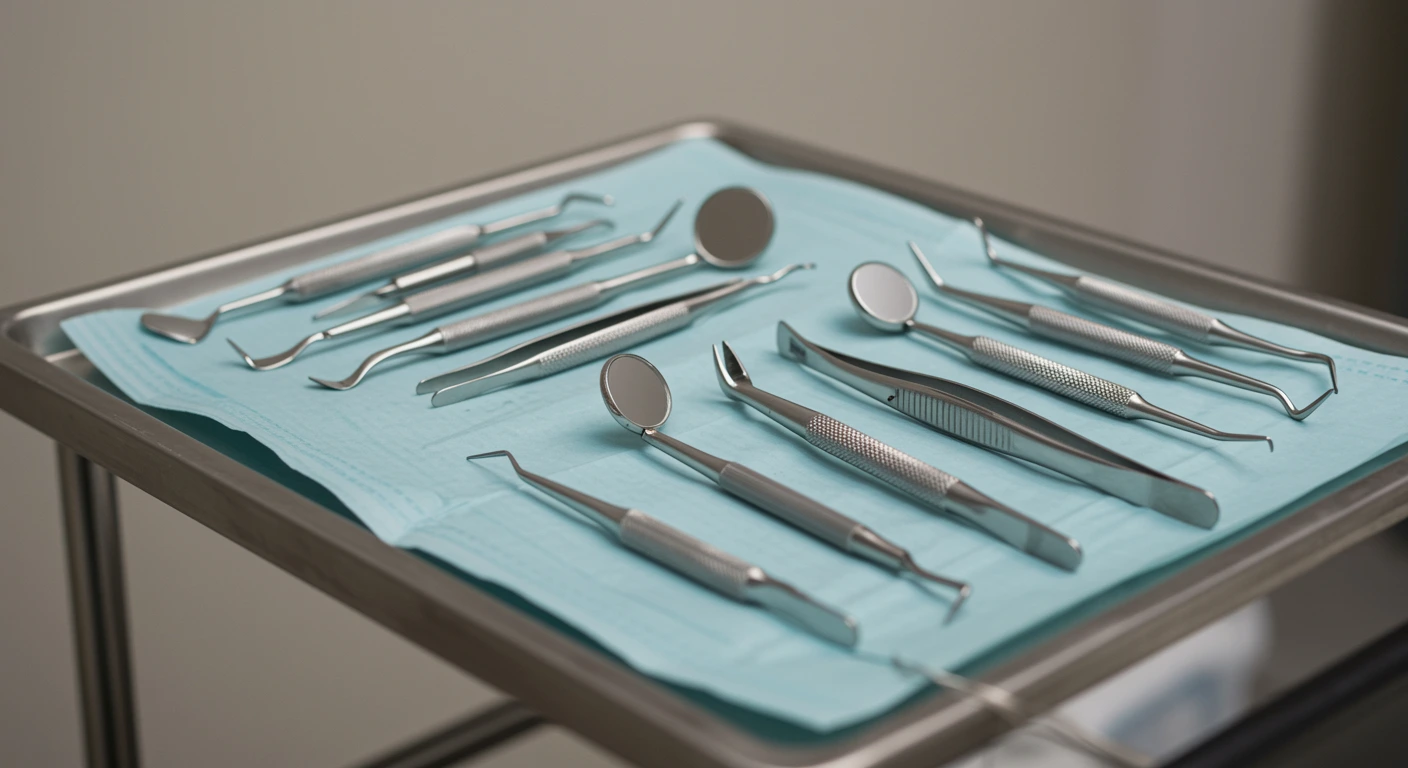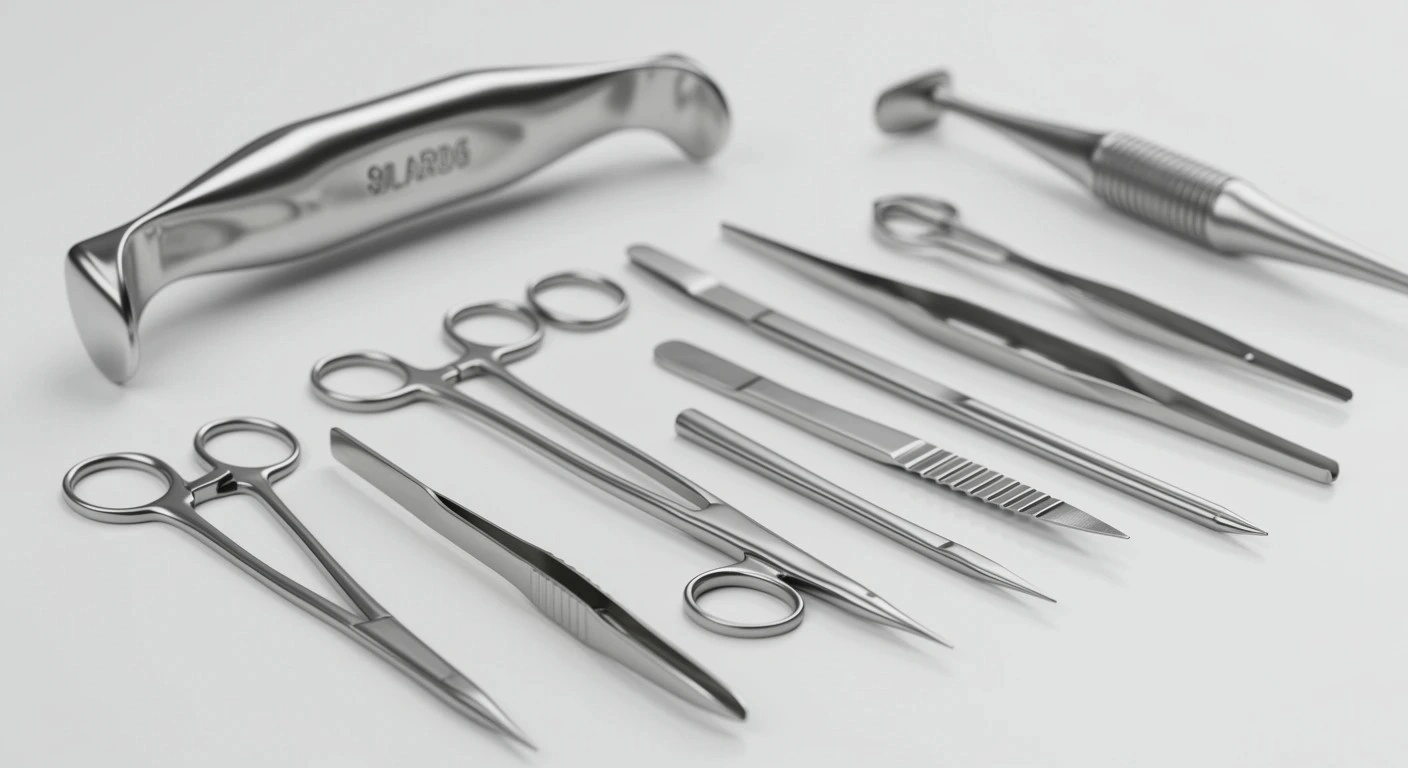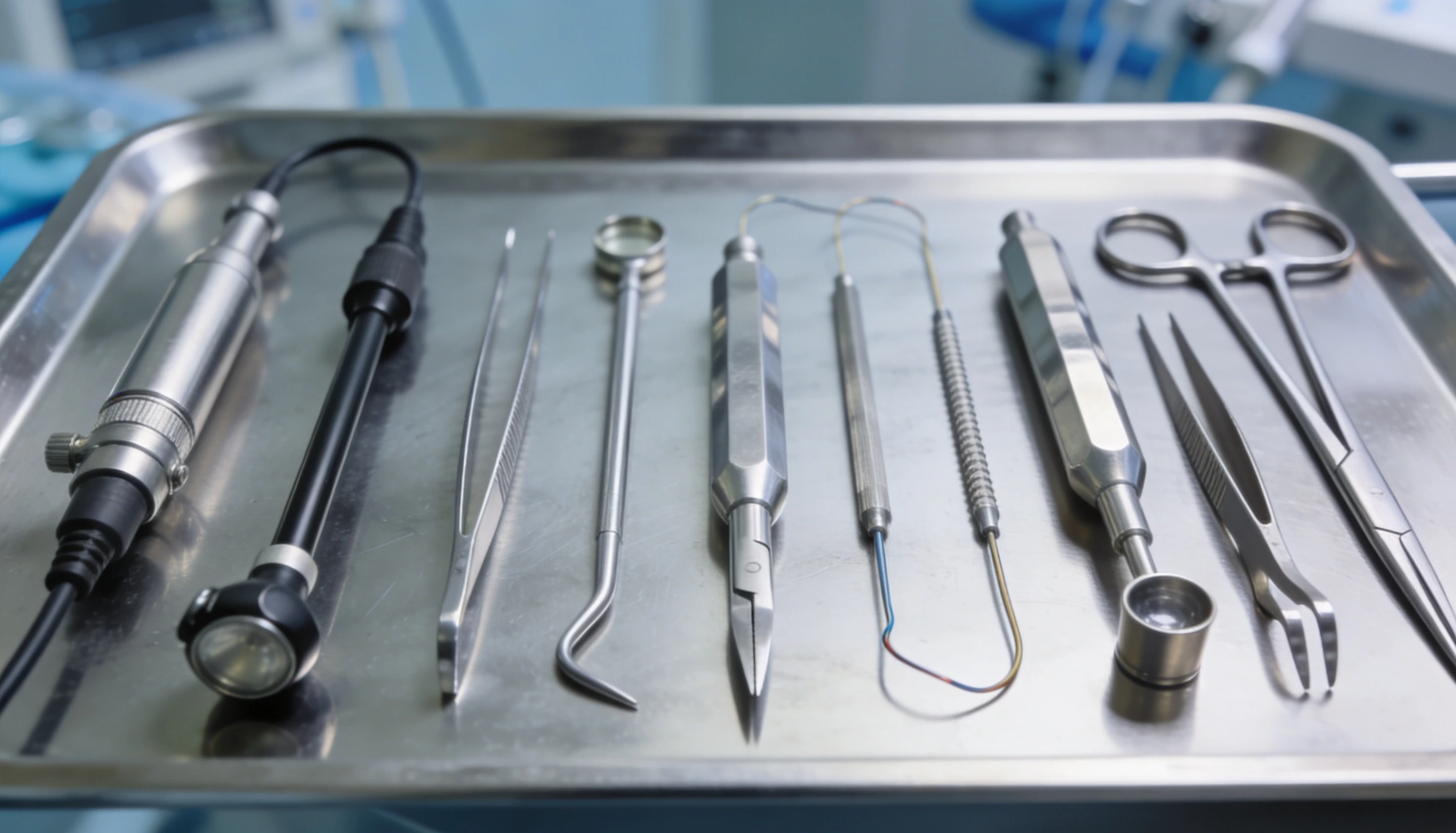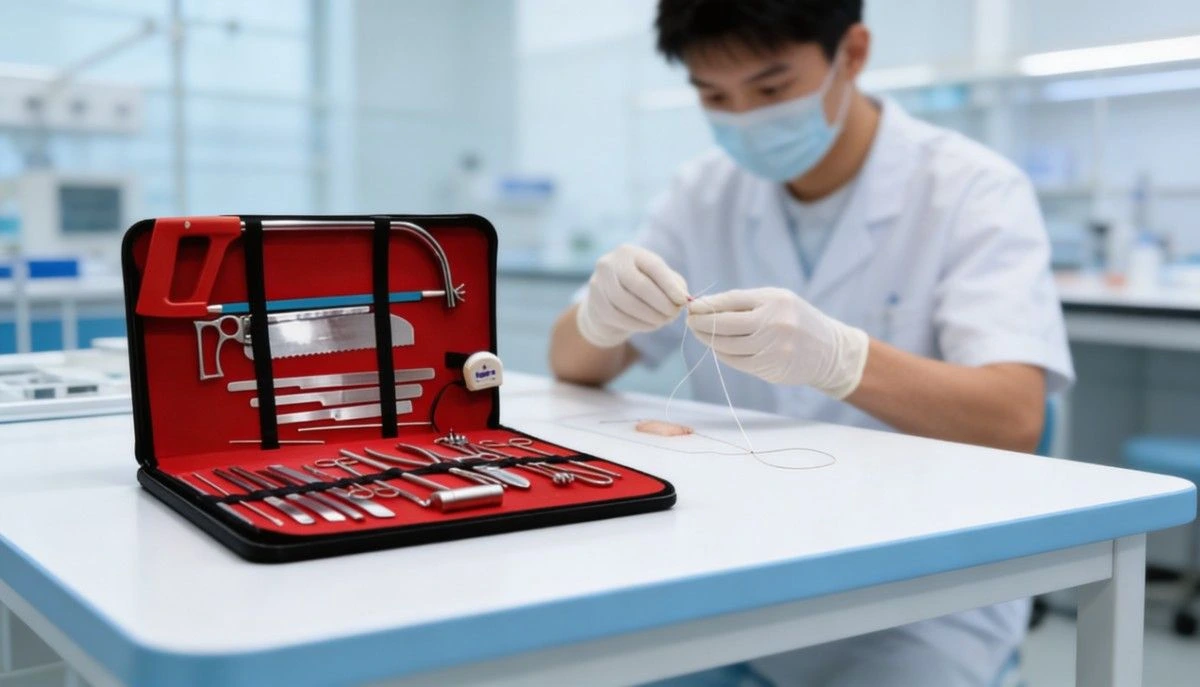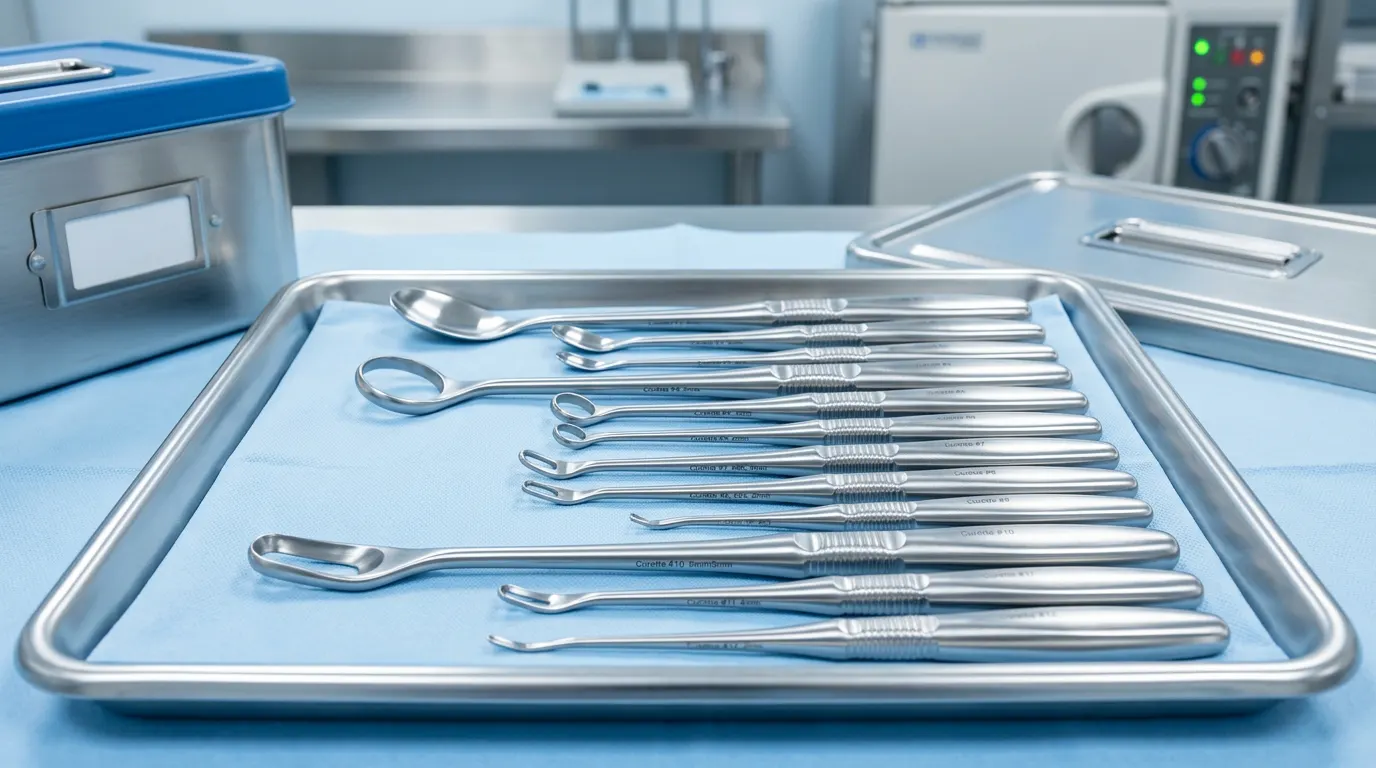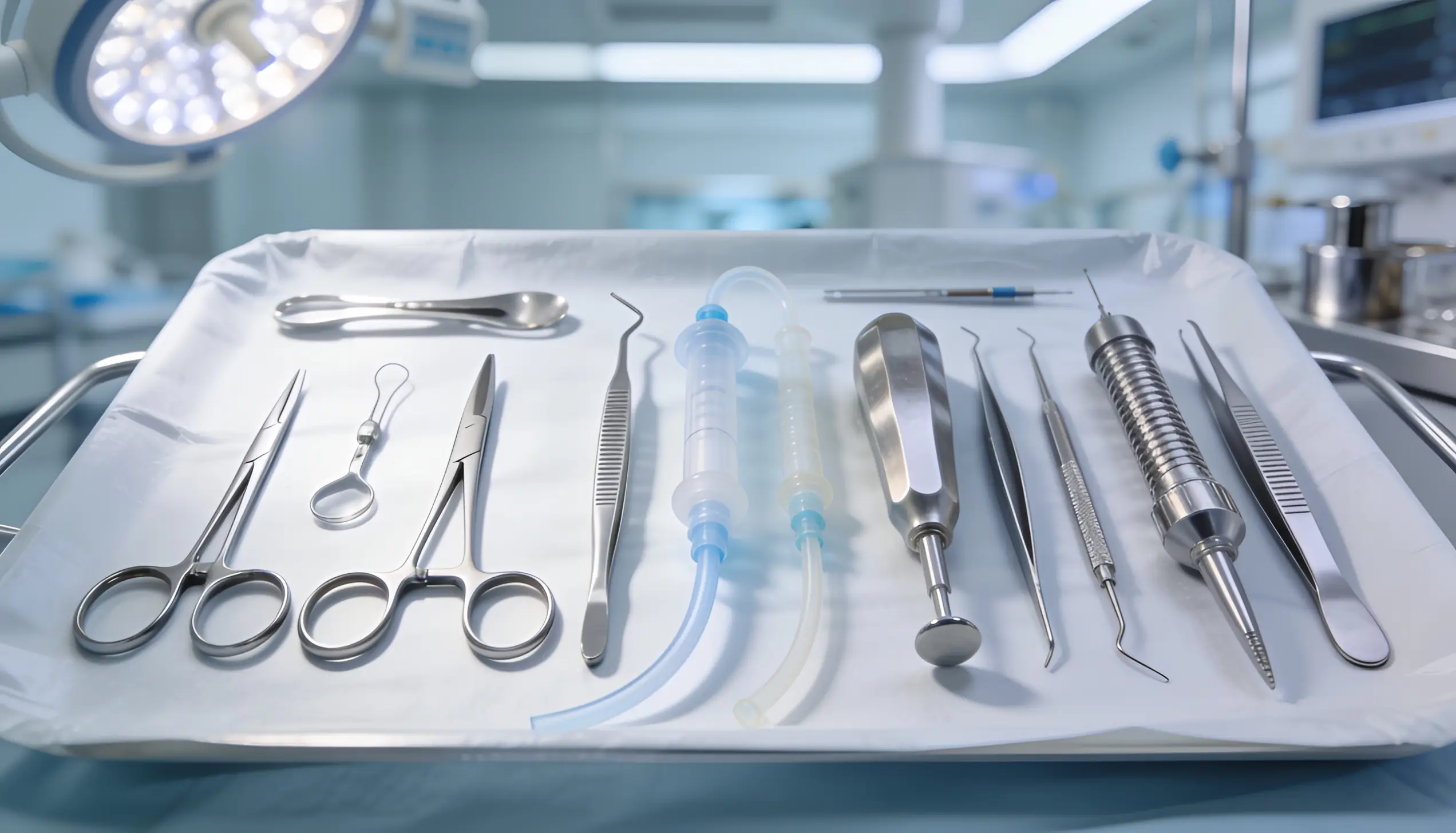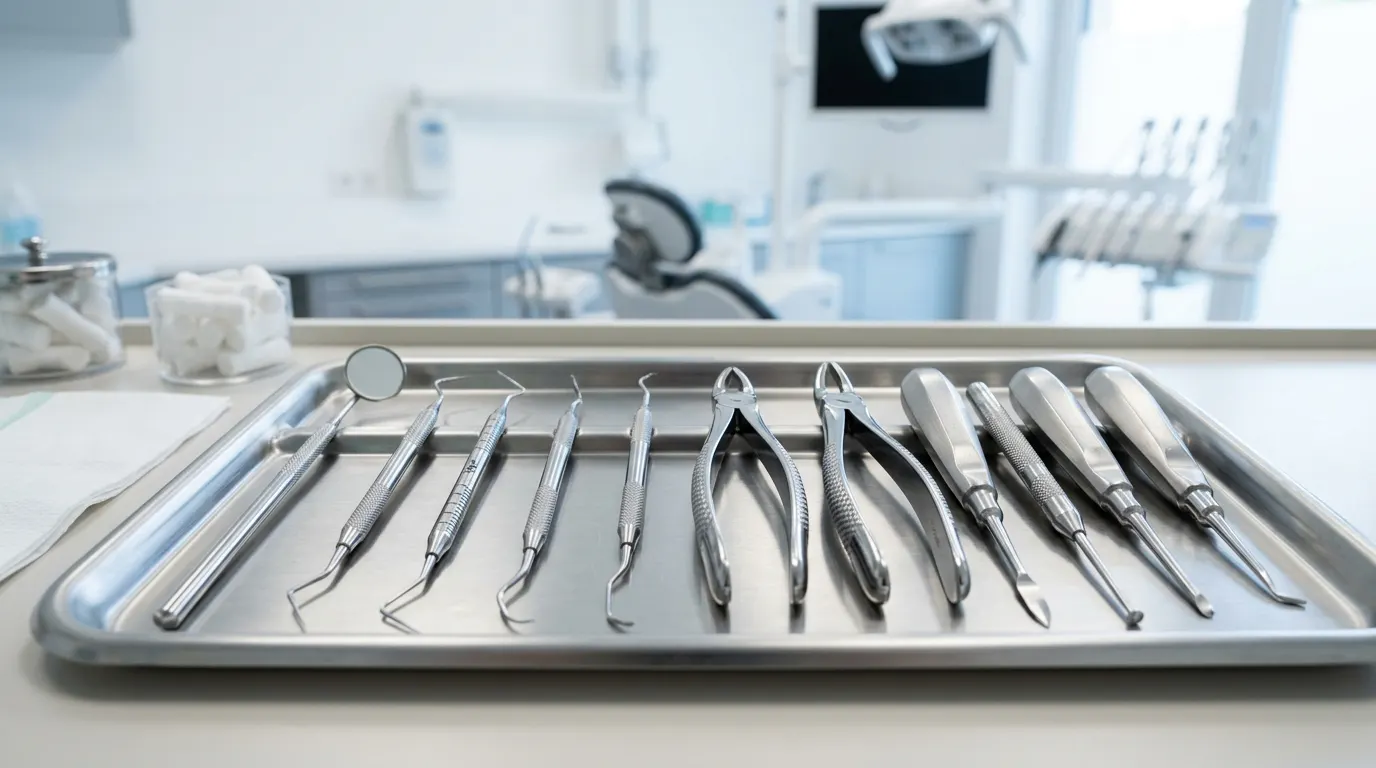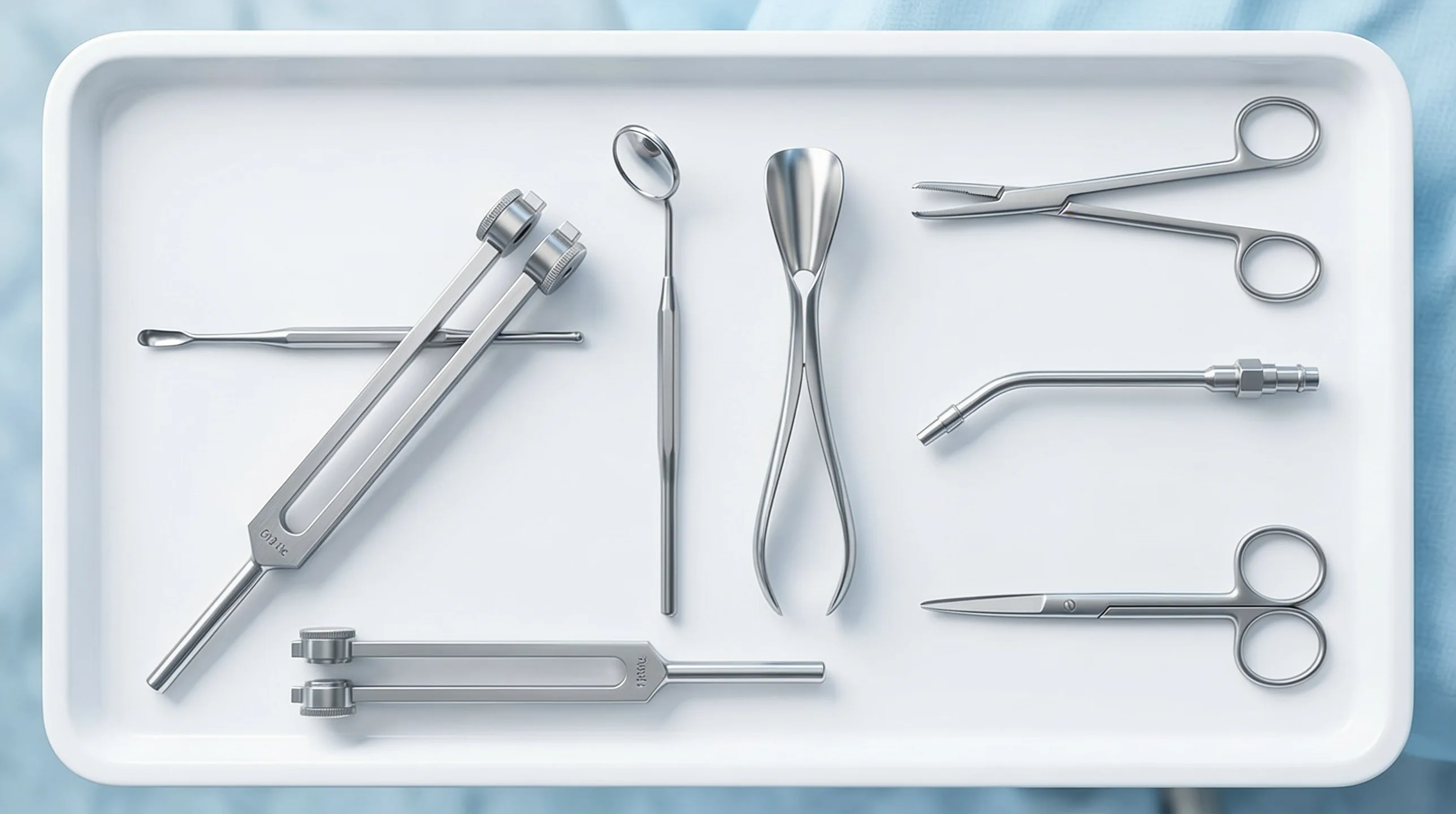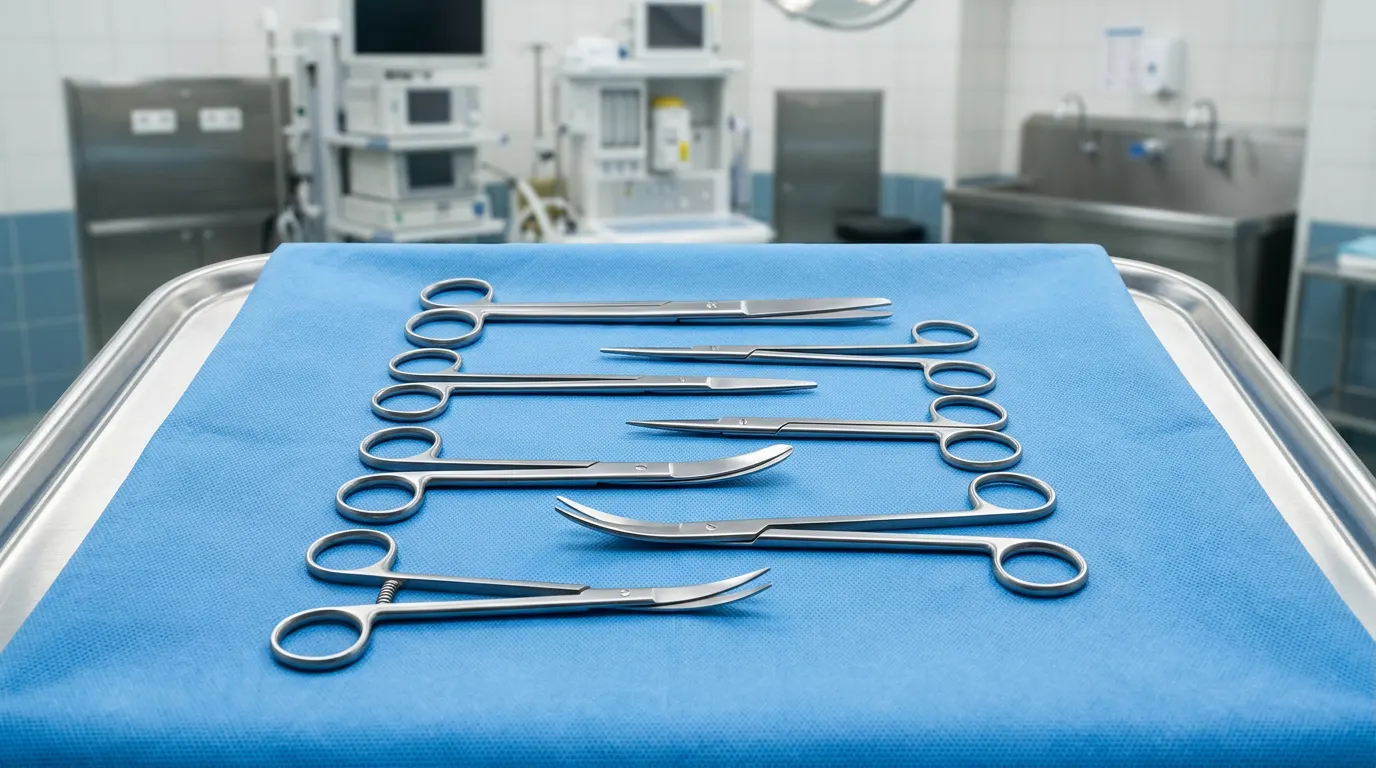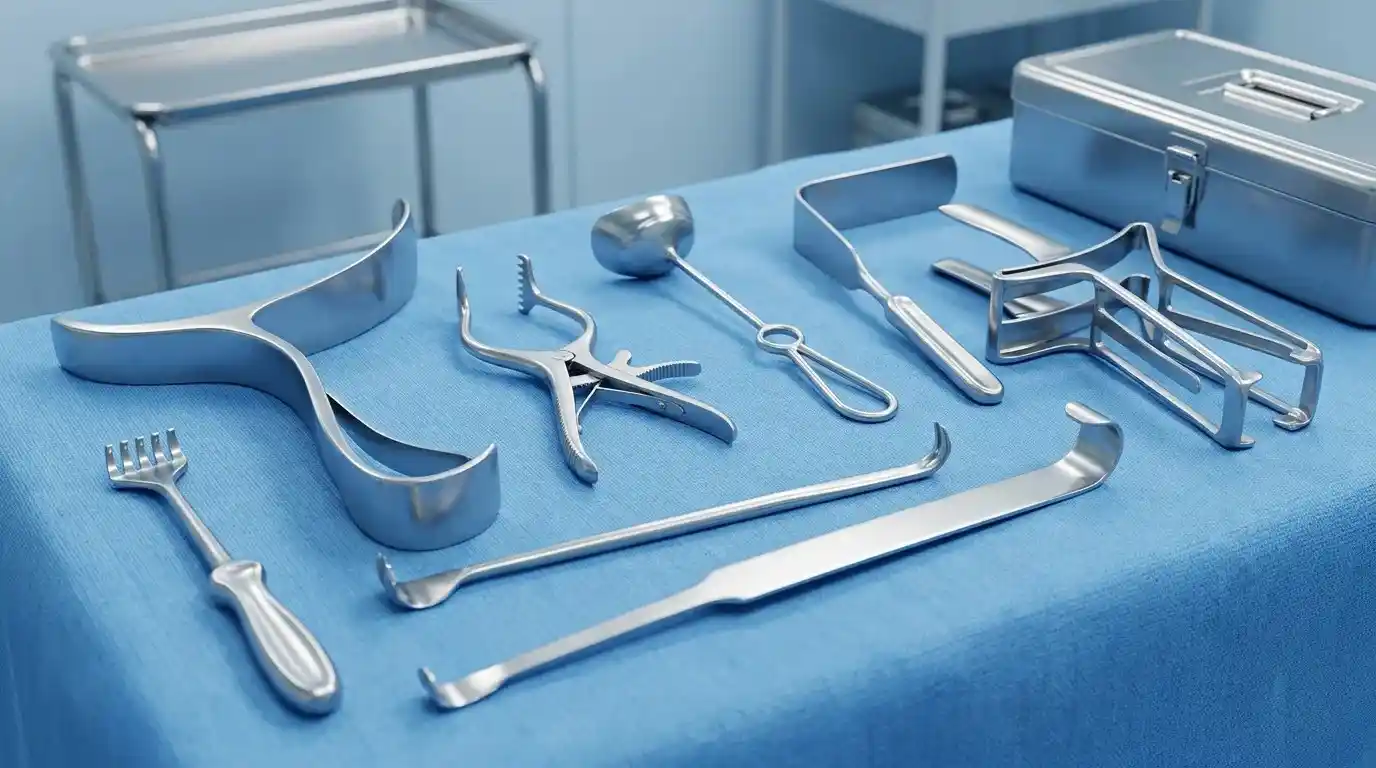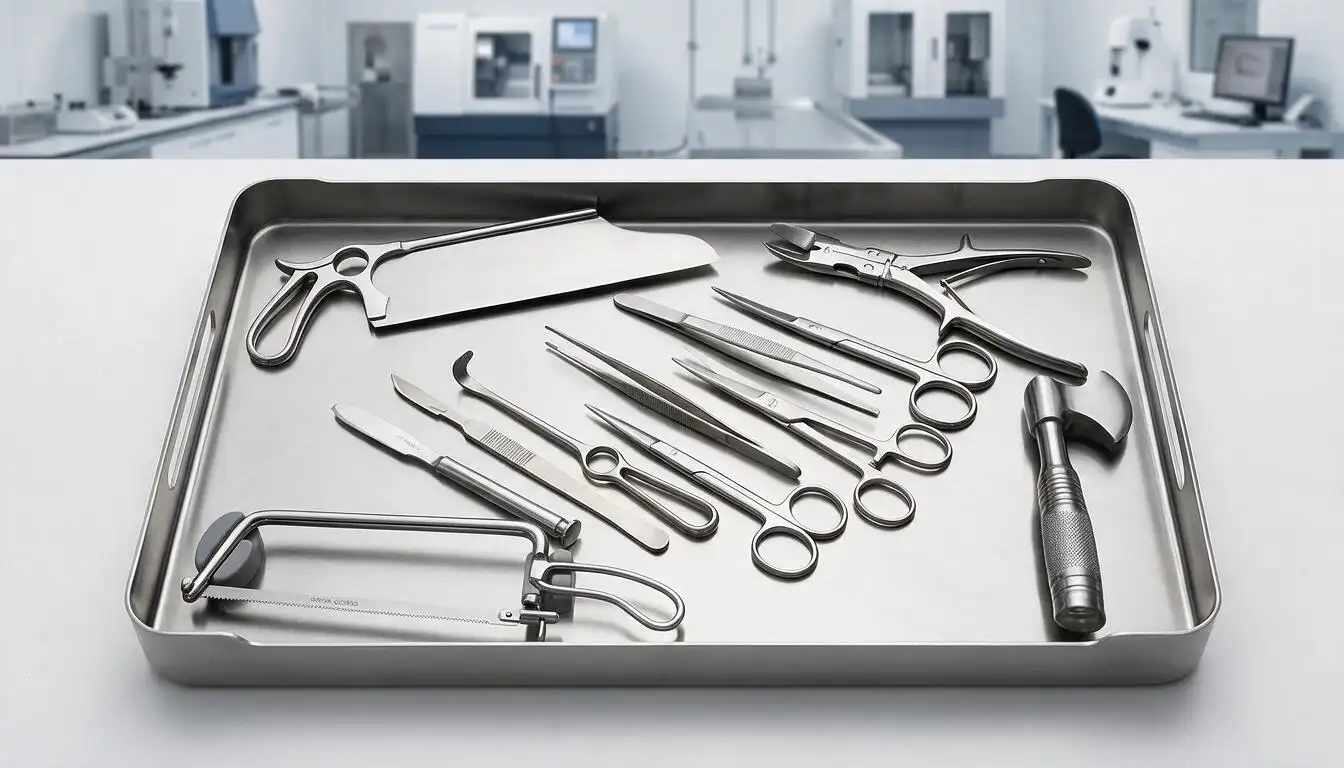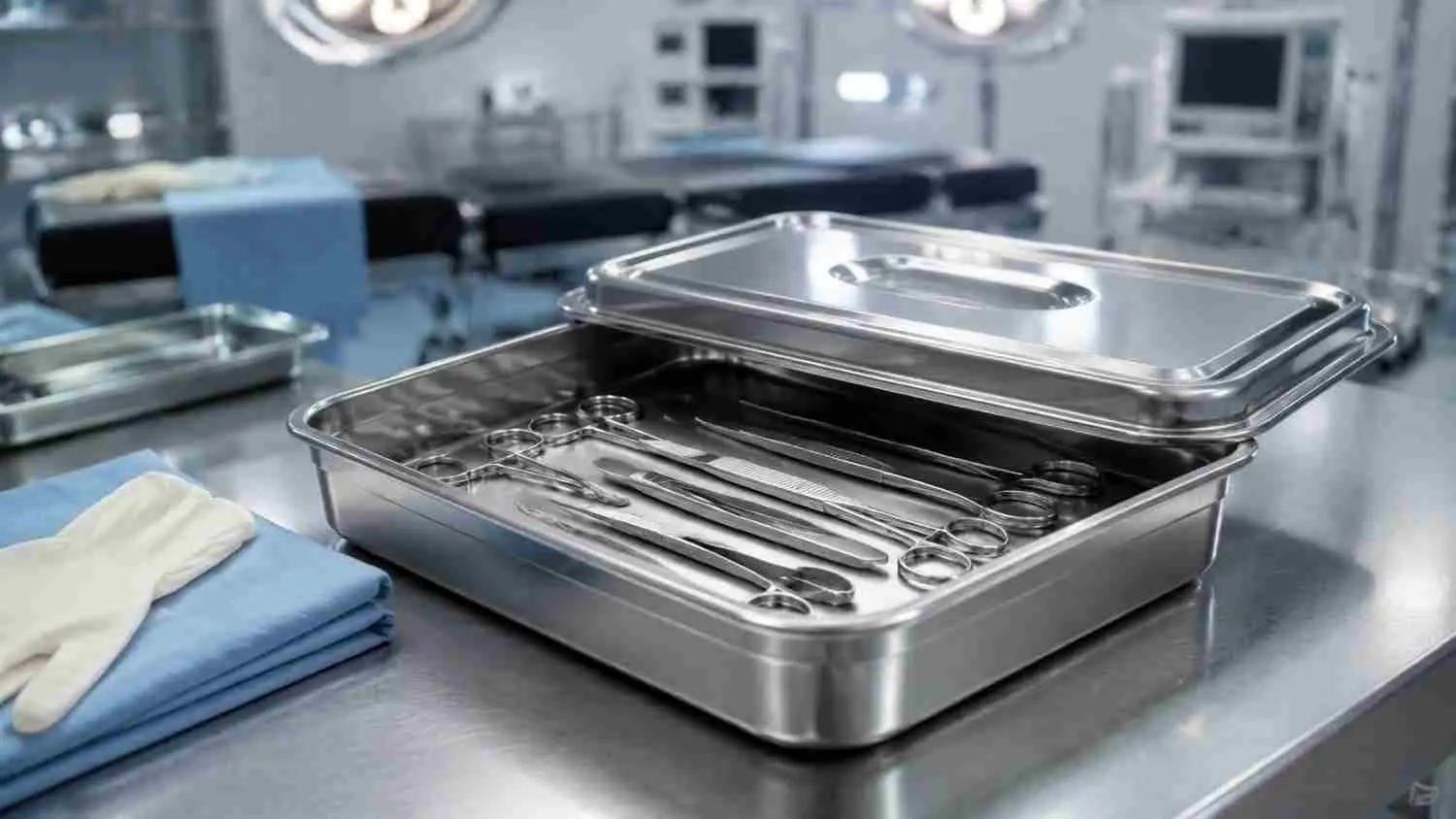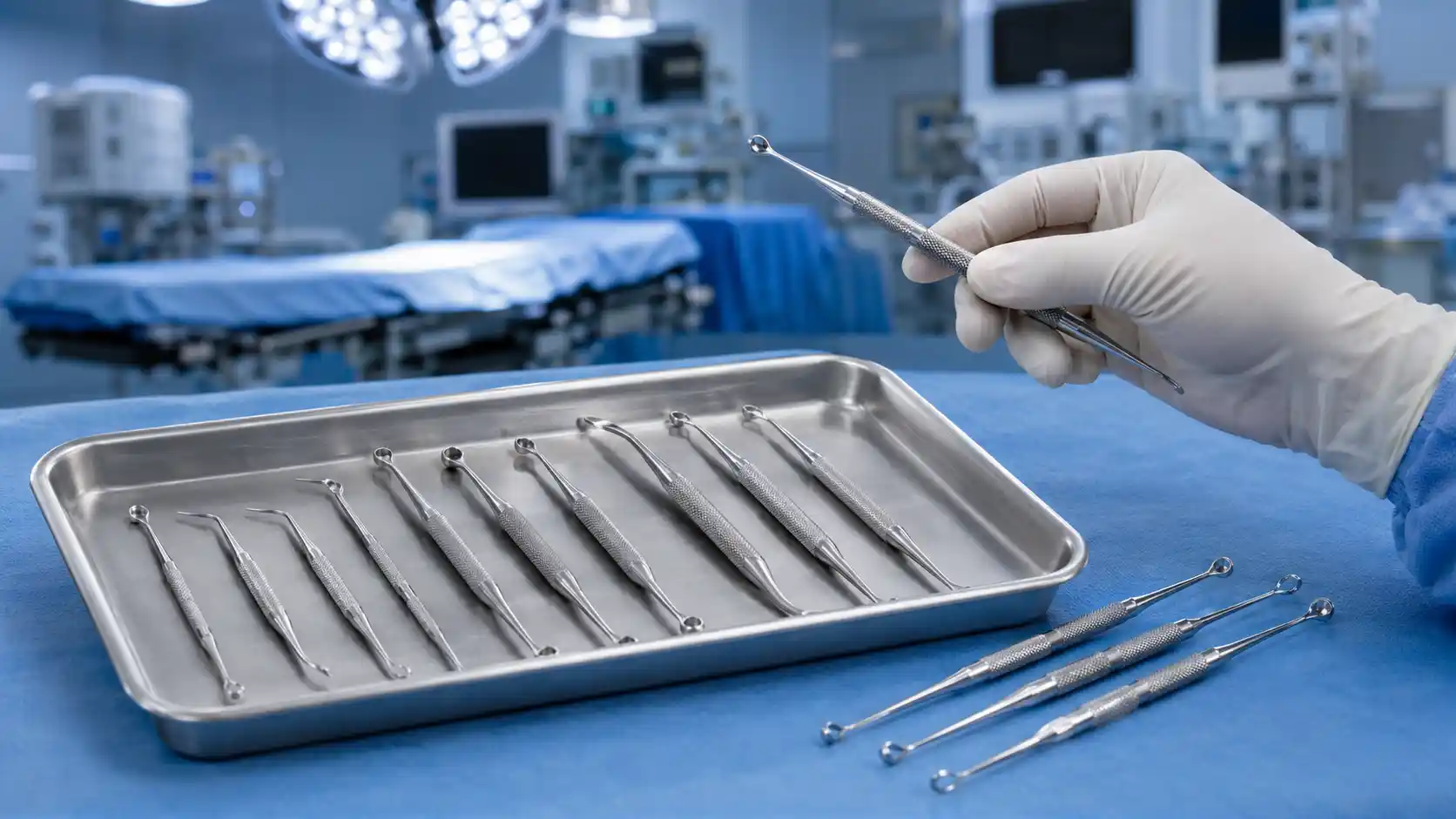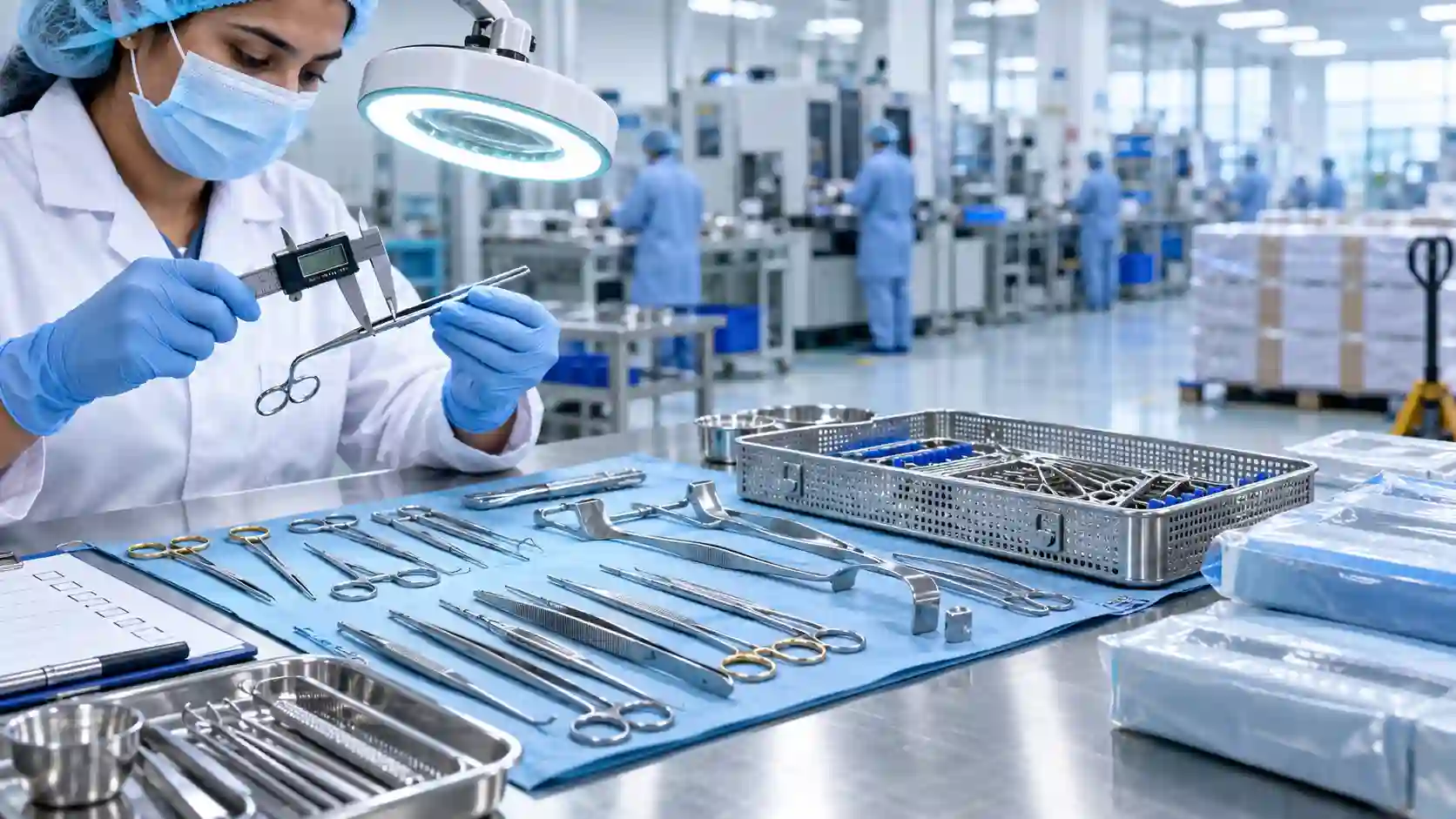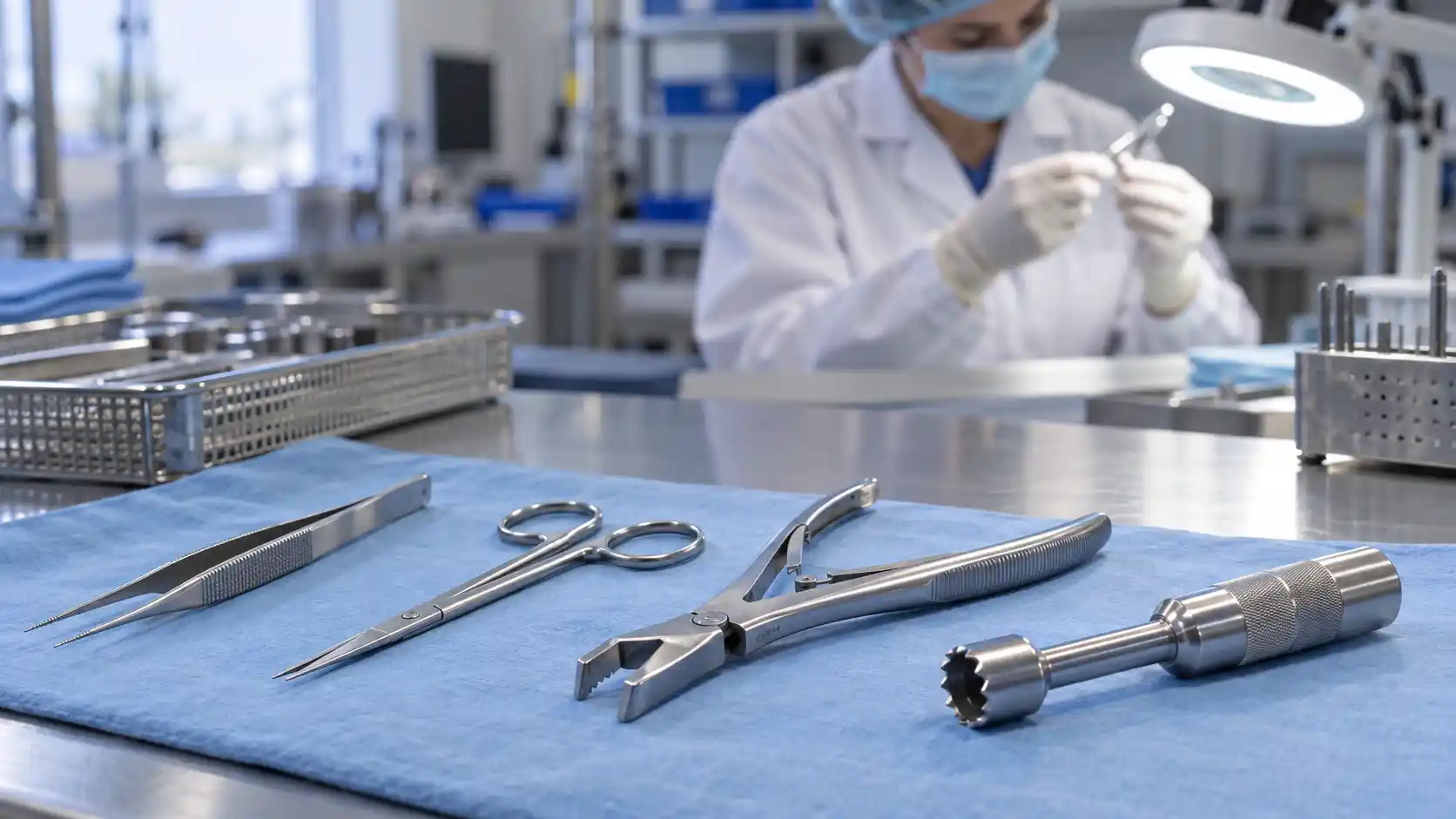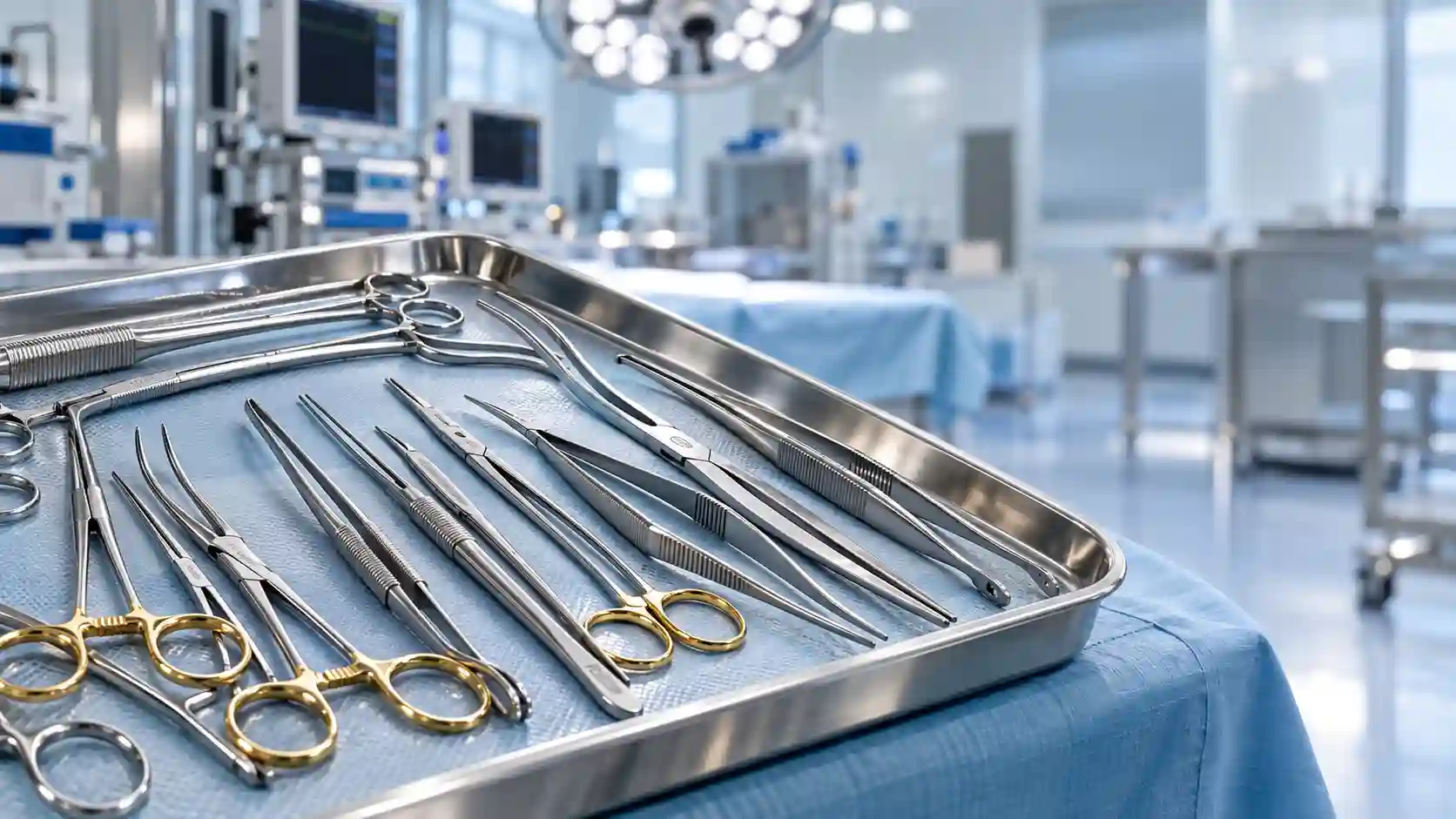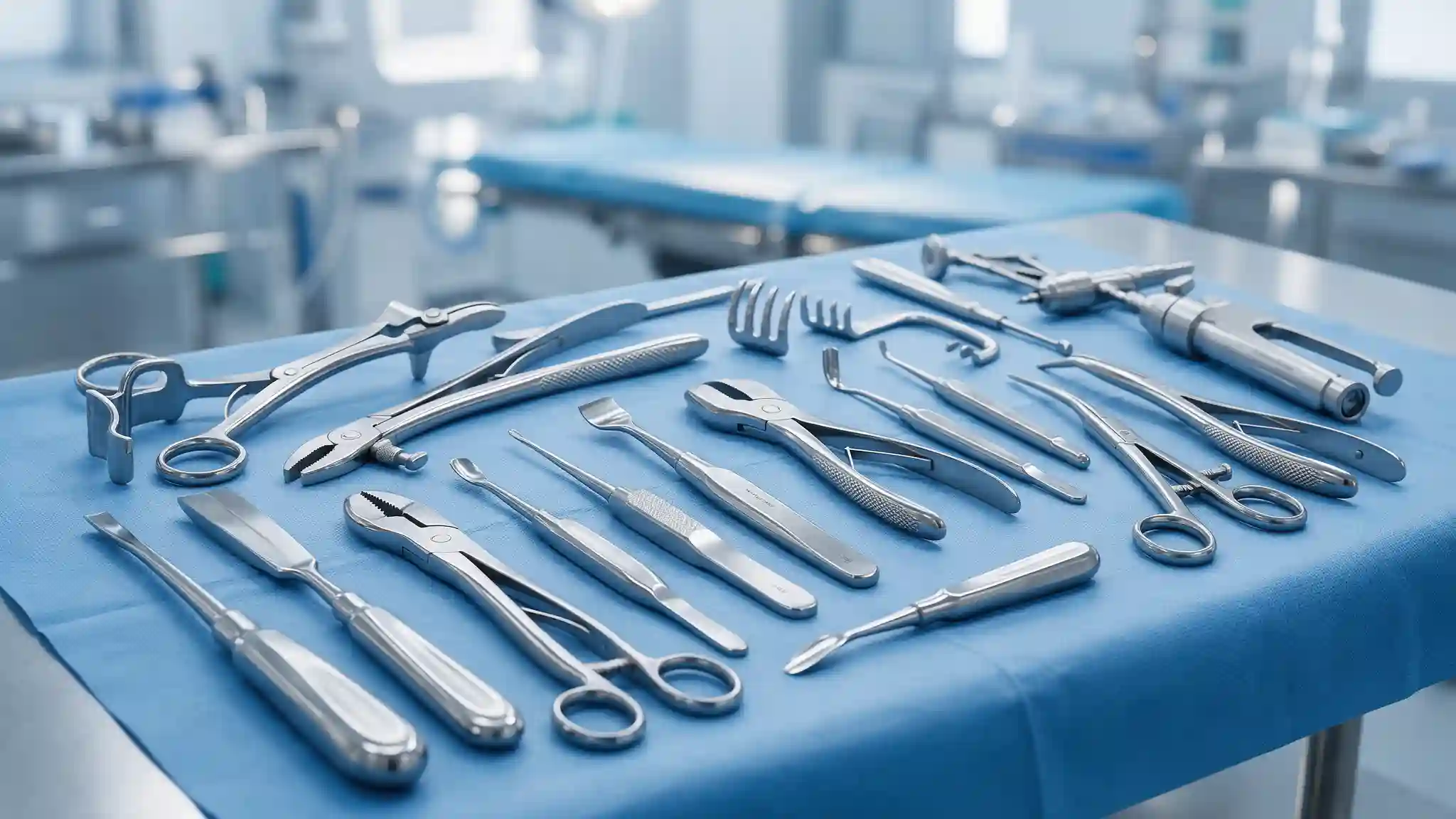
Orthopedic instruments are used for conducting different types of surgical operations on bones and other joints, or musculoskeletal disorders. Medical or clinical institutions require tools with accurate precision and high durability, which can take shape and work reliably, and are compatible with the existing sterilisation method.
Other factors in selecting Quality Orthopedic Instruments include instrument design and reliability of the instrument supplier in addition to material specifications. Maintenance cost and bulk purchasing considerations are key for procurement teams in order to choose appropriate products to meet clinical needs and minimize costs.
The quality of Orthopedic Surgical Instruments can affect both procedure times and the dependability of the instruments. Tools that are well-designed, allowing for controlled handling, precise manipulation and reliable performance are a tremendous aid during orthopedic operations. Fewer premature failures and replacements may also be achieved through durable construction.
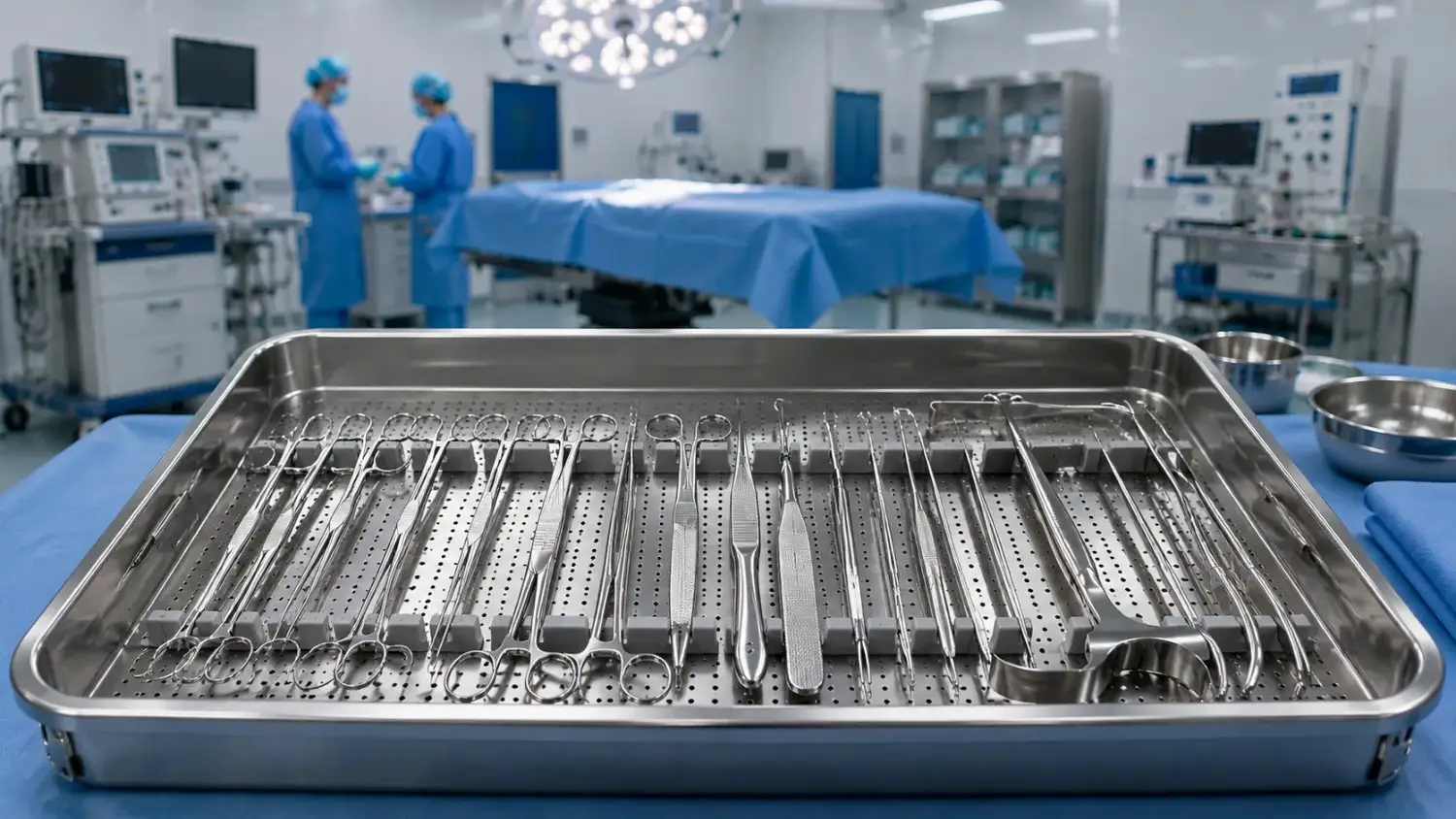
The instruments supplied by hospitals should be of suitable medical grade materials, smooth finish mechanism and mechanical properties. Manufactured Hospital Surgical Instruments should conform to relevant safety and quality standards. Ease of cleaning, sterilization compatibility and maintenance needs should also be taken into account when considering reusability, as directed in the instrument's instructions for use.
Some things hospitals need to think about before they purchase orthopedic instruments include the quality of the material used, the accuracy of the instrument, the ergonomic design, sterilization requirements, tool durability, and how the tool is going to be utilized in the clinical setting. Check Orthopedic Instruments Suppliers like Mediwave documents supply a helpful comparison.
Suitable stainless steel orthopedic instruments grades can be used to achieve the desired strength, corrosion resistance, and durability, making it widely used in the manufacturing of orthopedic instruments. This is not all similar in stainless steel grades. Confirm the specification and uses of a manufactured product.
The surface finish of a medical grade surgical instruments is critical and should allow for cleaning and inspection. Resistance to corrosion depends on chemical composition of the material, good manufacturing processes, cleaning techniques and chemical contact. Hospitals should review care instructions to the manufacturer for the instrument condition through multiple uses.
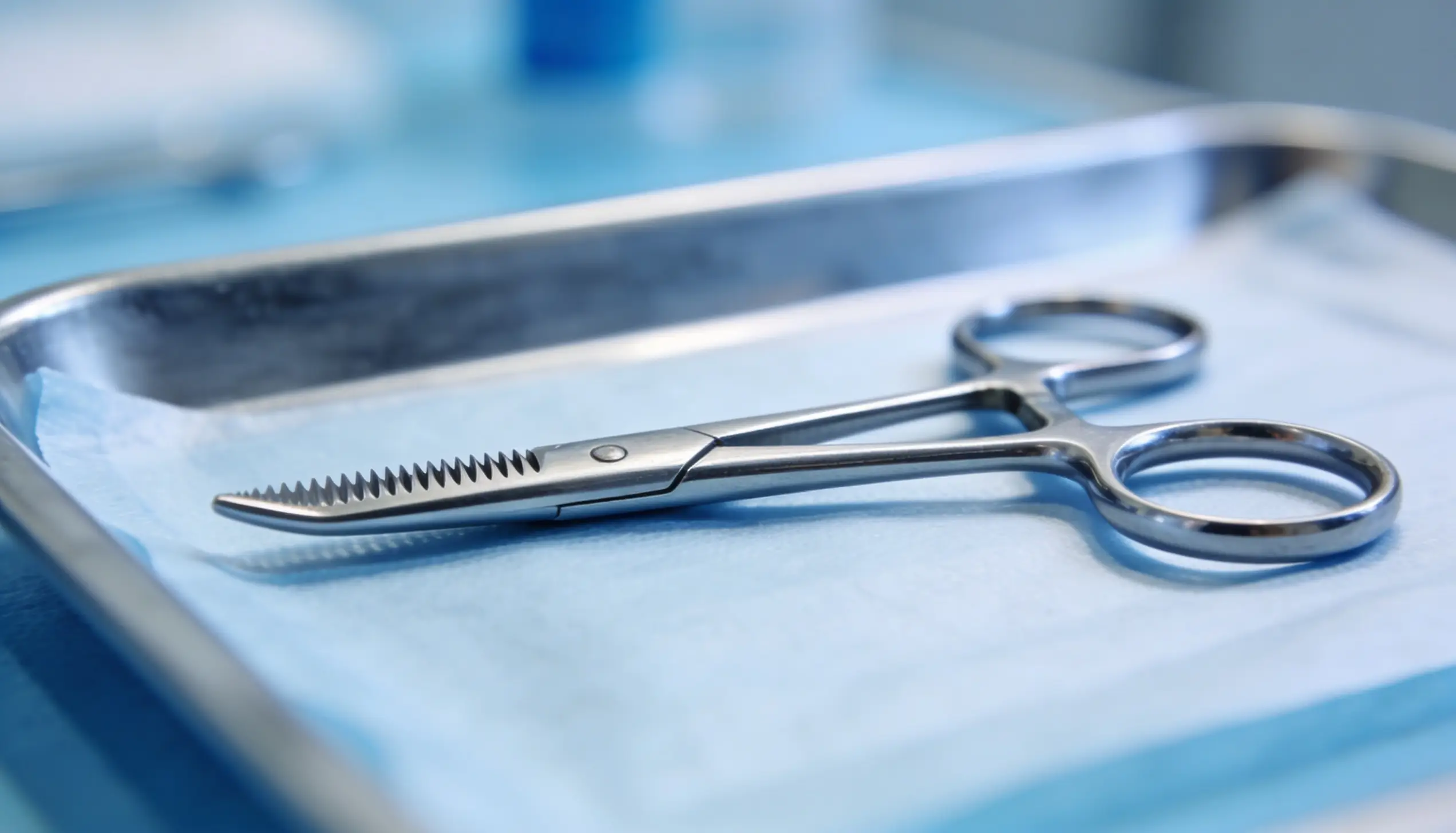
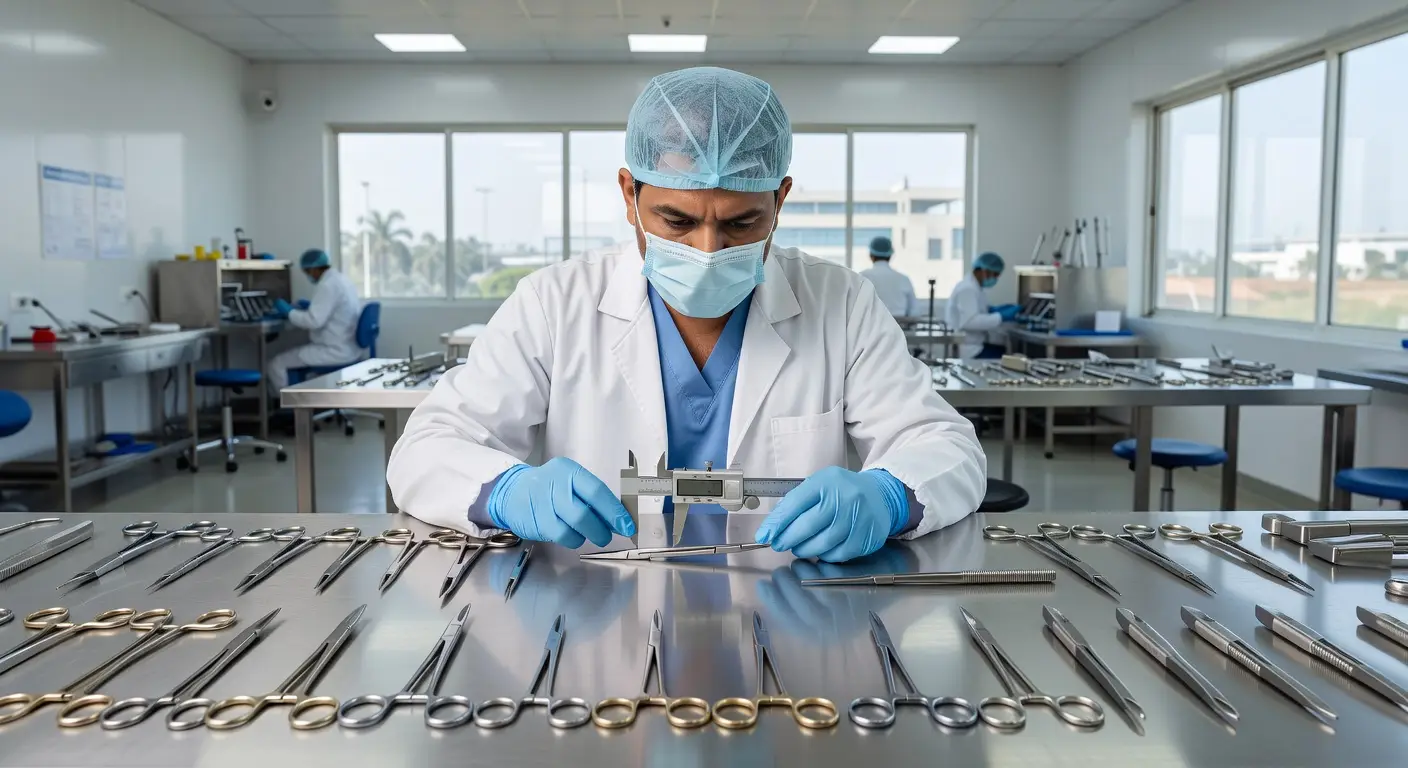
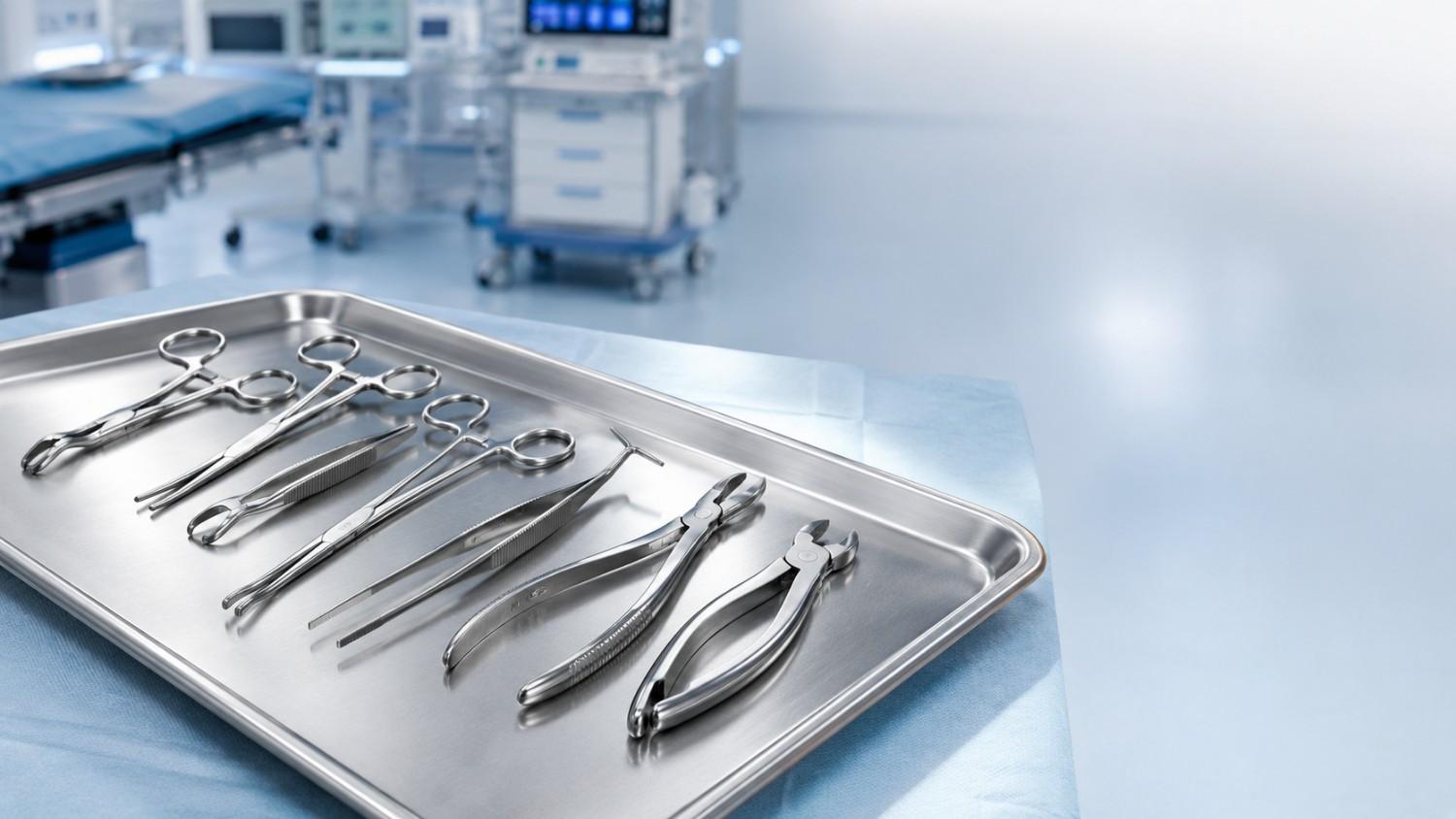
Precision Orthopedic Instruments should give you accurate alignment, fixed operation and dependable mechanical qualities. Customers should check out the cutting edges, jaw alignment, locking mechanisms, and mobility of joints depending on the instrument type. This information is especially useful for Bone Surgery Instruments that should be under control for cutting, holding, or manipulating.
Handling comfort and control during a long procedure could be enhanced by ergonomic handles. Tools should provide an appropriate grip which does not cause excessive strain or slip. If available, hospitals can order a sample to see how it feels in terms of balance, ease of use, and overall construction.
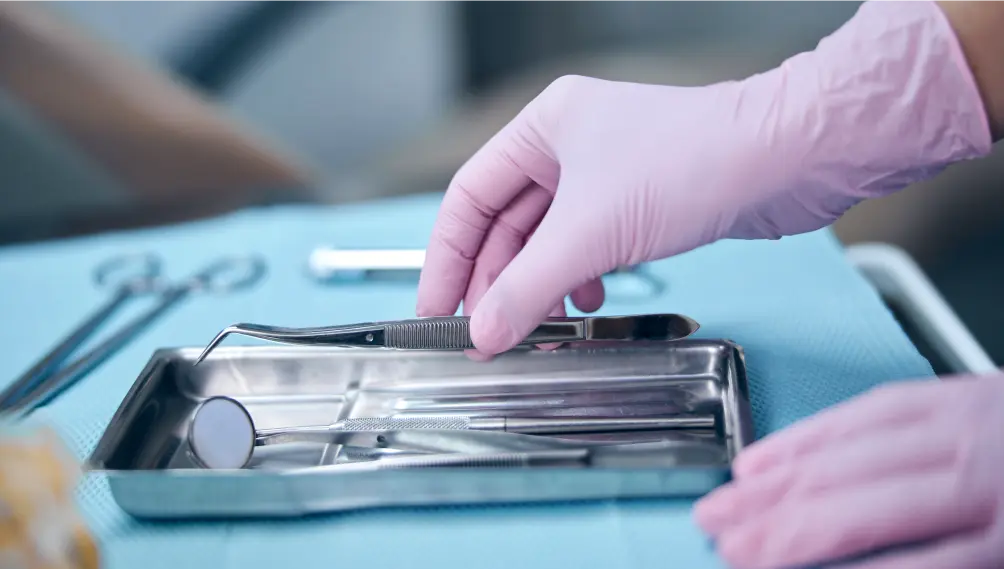
Reusable orthopedic instruments used in orthopedic procedures are required to be able to undergo cleaning, disinfection and sterilization in accordance with the manufacturers' instructions for use. This should be supplied and verified by any prospective purchaser for each device.
They are also durable if they are maintained and stored properly. All instruments should be checked for corrosion, cracks or loose joints, damaged edges and broken latches at regular intervals. Hospitals can set up the corresponding inspection routine with the help of the user-friendly orthopedic surgical tools, and handle replacement as required, according to the maintenance instructions provided by the instruments.
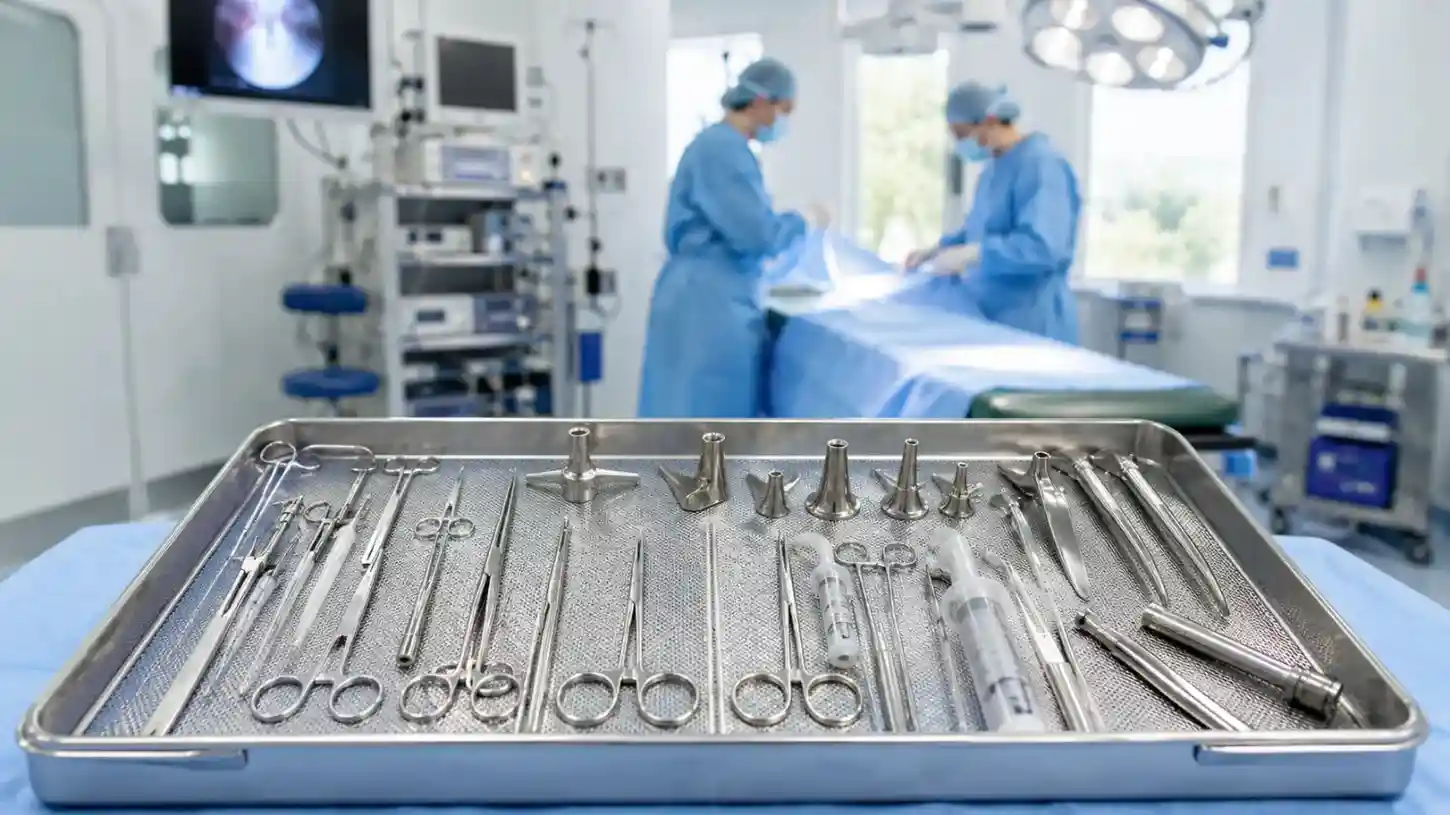
The Orthopedic Instruments needed also depend on the type of procedure and the design of the instrument. Each orthopedic surgery tools used for an orthopedic operation is selected for the preparation it makes possible, its intended function, the handling qualities required for the operation being performed, and how well it integrates with other instruments.
Bone Cutting Instruments are a type of surgical instruments that are designed for cutting, shaping and separating the bone tissue. Bone cutters, surgical saws, osteotomes and chisels are few types of the tools available. Depending on the purpose of usage, the size of the bone cutter as well as the quality and the design of the device needs to be considered by the buyer.
It is important for hospitals to check with the supplier to determine exactly what models and specifications are available for their use with Mediwave Bone Cutting Instruments. The right instrument selection ensures that the product is selected based on procedure needs, not on price.
Bone Holding Instruments are designed to secure, stabilize or manipulate bone when performing orthopedic procedures. There are a variety of bone holding instruments available, such as reduction clamps and Bone Holding Forceps, depending on the type of handling needed. Purchasers should look at the locking and unlocking function, alignment, gripping power, and jaw design.
The size and configuration of the instrument should be appropriate to the procedure. Jaws that do not meet properly or insecure locking systems can impact handling and functionality. Before a hospital orders a large quantity of the product, they should assess the product's specifications and test samples if they can.
A tool for creating holes in bone for certain orthopedic applications. The size of the Orthopedic Bone Drills and the type of powered or manual equipment to be used must all be taken into consideration, as well as the required degree of control, to determine the type of selection to be used.
Purchasers should check the size of drill bits, connection types, operating conditions and manufacturer's recommendations. Bone Drilling Instruments Manufacturers like Mediwave who supply hospitals should also find out whether the instruments and accessories are compatible with the hospitals' system. Ordering errors and equipment compatibility can be minimized by having good technical documentation.
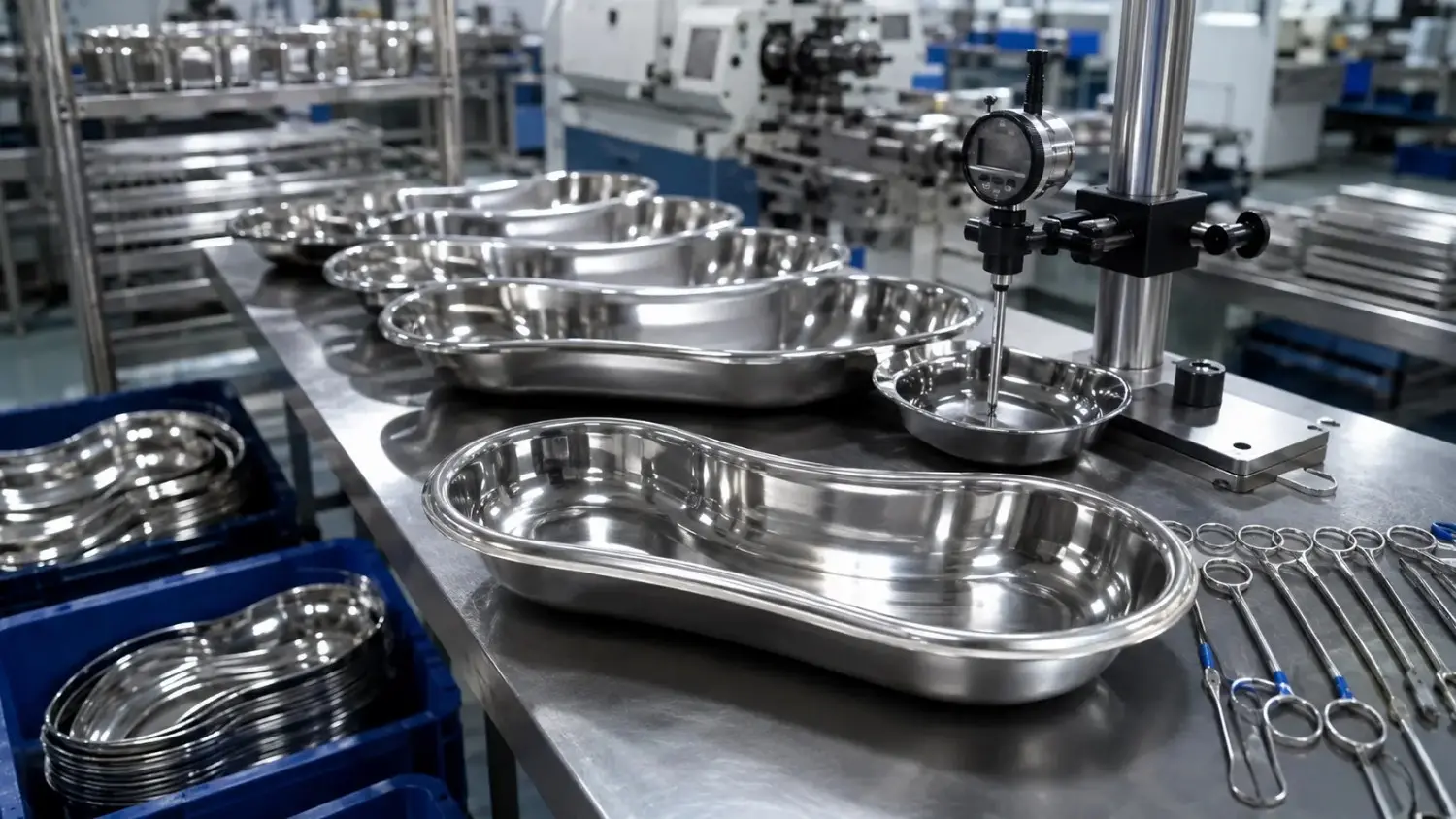
Compare price quotes alone is not an approach to choose orthopedic instruments suppliers. At the end, hospitals should look into the experience of the Orthopedic Instruments Manufacturers, range of products, technical literature, quality management systems and capacity to make the required quantities on time.
With the procurement process, teams should not take the vendors at face value but ask what certification the product requires and look at that paperwork for the markets in which the products are to be used. They may also request product samples and material data, inspection reports and instructions. These are used to examine the craftsmanship and suitability before bulk orthopedic instruments are purchased.
Things to consider before choosing the best Orthopedic Instruments Manufacturers in India like Mediwave:
If your hospital, clinic or medical equipment distributor is looking at orthopedic instrument needs, then Mediwave is one of the best Orthopedic Instruments Suppliers in India. Purchasing companies can check out the categories of products, technical specifications and supply programs in which Mediwave Orthopedic Instruments need to see if they are suitable for their needs.
Inquire about below mentioned things before purchasing:
You need to ask all these questions to Mediwave, and determine if it is appropriate for clinical usage and for bulk acquisition. Hence, if you are searching for orthopedic instruments then it is essential to go for the right one.
Material, quality, precision, ergonomics, lifespan, heat and sterilization resistance as well as the capabilities needed for selecting suitable surgical orthopedic instruments suppliers. For purchasing decisions hospitals and clinics should cross-check any quality standards and regulations, also technical documentation should be compared and samples should be checked if possible.
Clear quotations and reliable communication are crucial for bulk orders. Purchasing organizations interested in Mediwave should take time to understand the product range to ensure best quality orthopedic instruments and ask for product specifications and quotes to ensure that they are suitable for their clinical and procurement needs.
Here are some of the common orthopedic instruments FAQs buyers need to know before placing an order.
Hospitals should assess material quality, precision, durability, sterilization compatibility, intended use, and supplier reliability before purchasing orthopedic instruments.
Suitable stainless steel orthopedic instruments grades are common because they offer strength and corrosion resistance. Buyers should verify the exact material specifications.
Review relevant certifications, technical documents, product samples, quality processes, delivery capabilities, and after-sales support before selecting orthopedic instruments manufacturers in India.
Confirm product specifications, quantities, packaging, pricing, delivery schedules, warranty terms, and replacement policies in the written quotation.
Buyers can contact Mediwave to confirm its available orthopedic instrument categories, product specifications, bulk order options, and delivery timelines.
Hospitals should inspect instrument finishing, alignment, mechanical function, material documentation, sterilization compatibility, and compliance with applicable quality requirements.